
Gerald of Wales also known as Giraldus Cambrensis was born in c. 1145 in Manorbier Castle which you can see in the photos below.
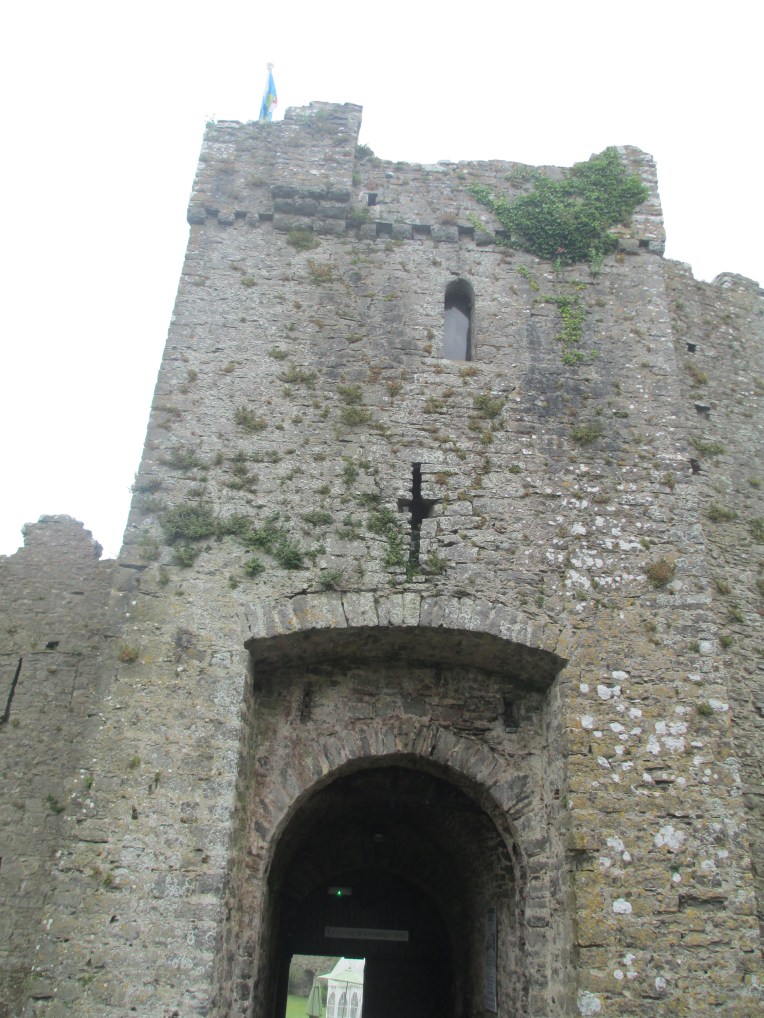
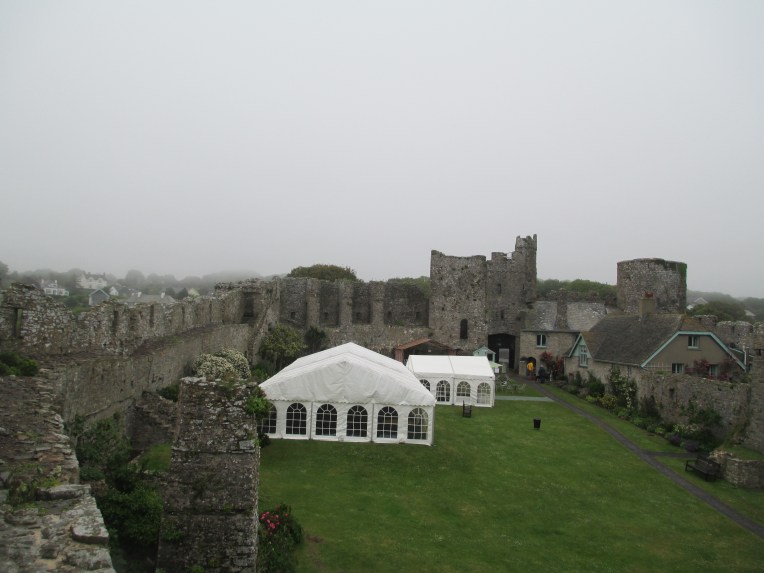
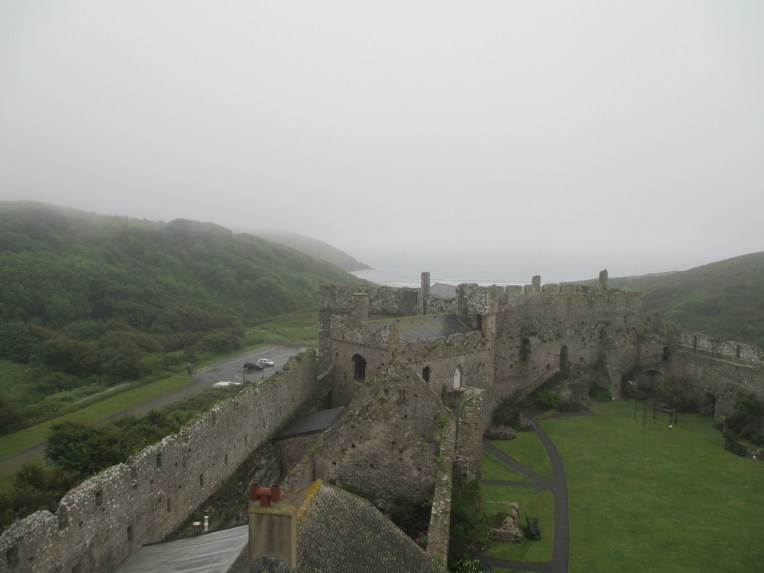
 Below you can see the room that the castle has set up to commemorate Gerald.
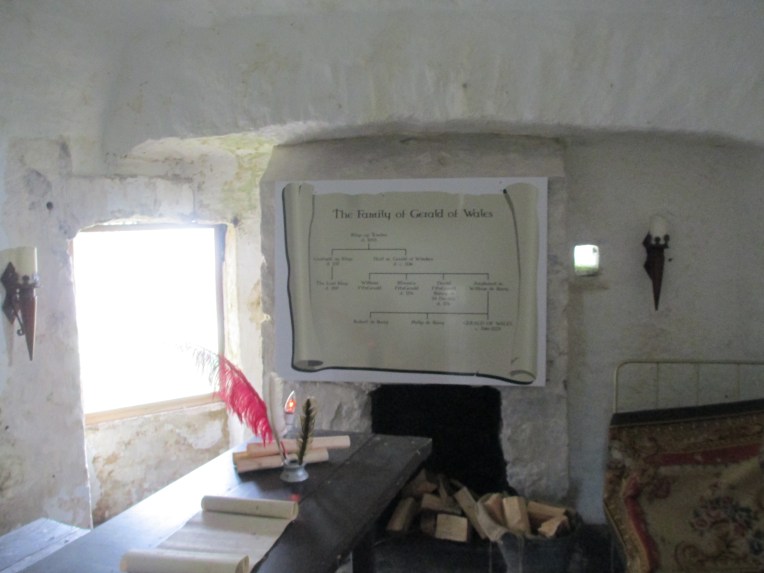
Gerald described Maorbier as “in all broad lands of Wales Manorbier is the most pleasant place by far”[1]
Gerald was of both Norman and Welsh stock. His father was William de Barri, a Norman knight, and his mother was Angharad the daughter of Nest, one of the most fascinating Welshwomen of the period who you can find out more about her here. Nest was the daughter of Rhys ap Tewdwr Prince of South Wales. So Gerald’s lineage was rooted in both sides of the Norman French and Welsh divide. He described himself as strikingly handsome in his mid thirties, as well as very tall. He was confident of his own ability, sharp-tongued and sharp-witted and apparently an excellent horseman.[2] So much of his work has survived, and he wasn’t shy about describing himself and his opinions, that we are left with a surprisingly complete picture for a man who lived in the 12th and 13th centuries. He died in 1223 in his 80s, extraordinarily long lived for the time.
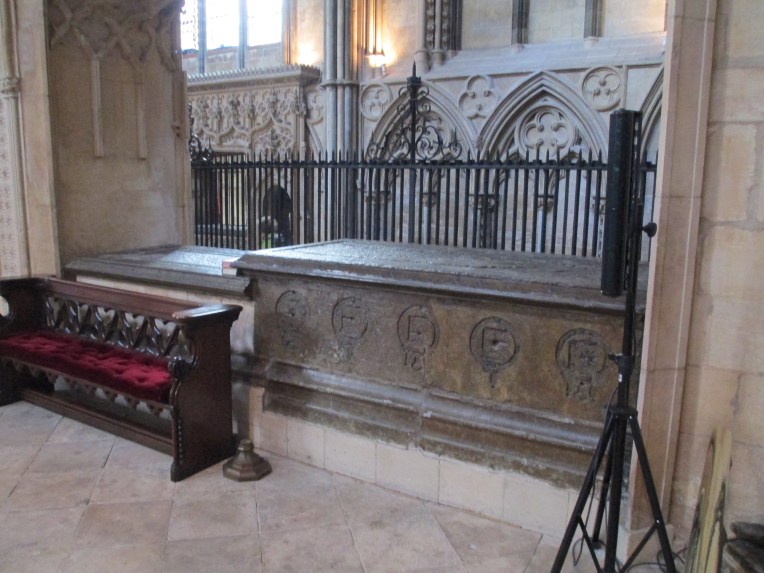
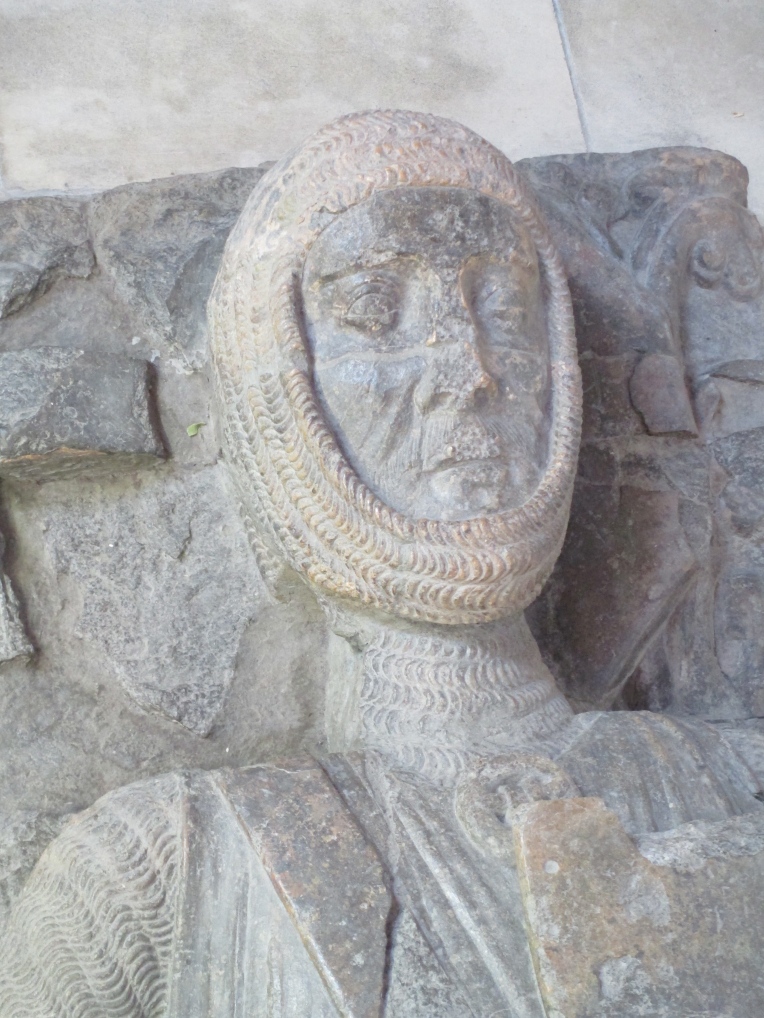
He travelled extensively and succeeded in being involved in several of the most momentous events of his time. His ultimate aim was to become Bishop of St Davids in Wales, an ambition at which he never succeeded. He was elected, but he never managed to have it confirmed by the king. He refused four other bishoprics to try and get St Davids, he even travelled to Rome to try and secure the bishopric and ended up in gaol whilst there. In the end, though, he was never made its bishop. When he died, however he was probably buried there. You can see an effigy in St Davids today which is thought to be either Gerald of his nephew. See the photo below

You can see some photos of St Davids below
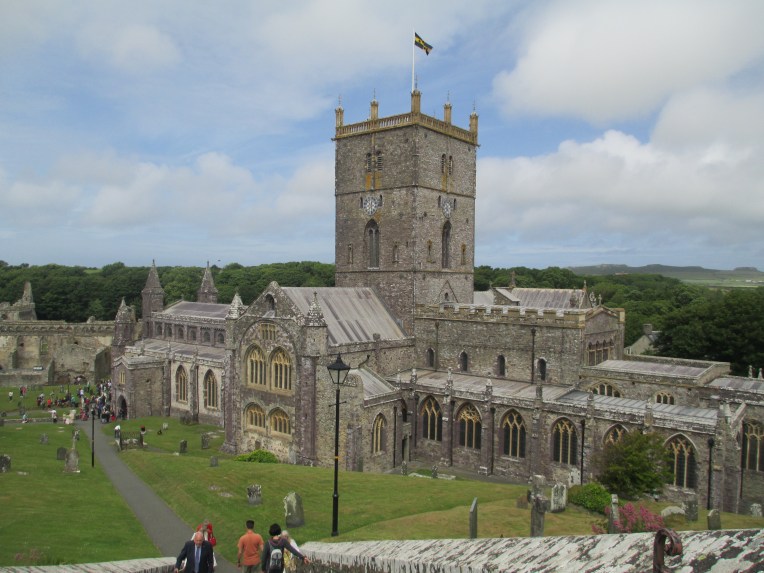

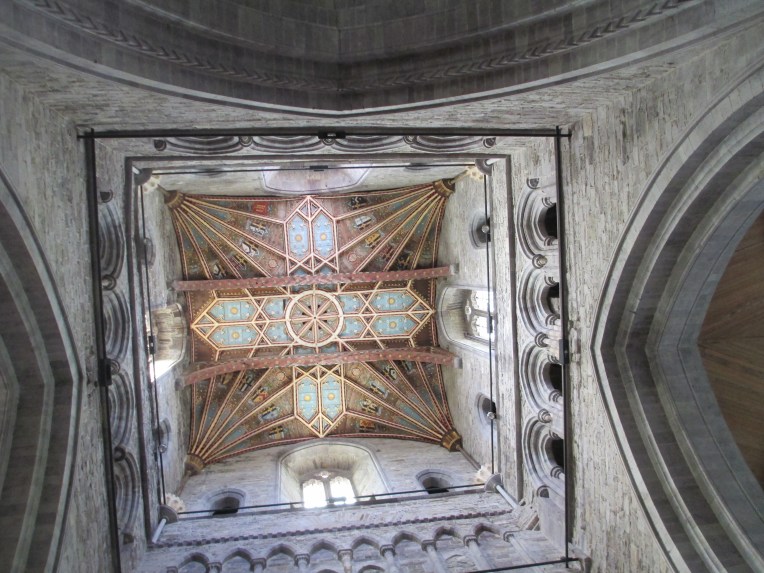
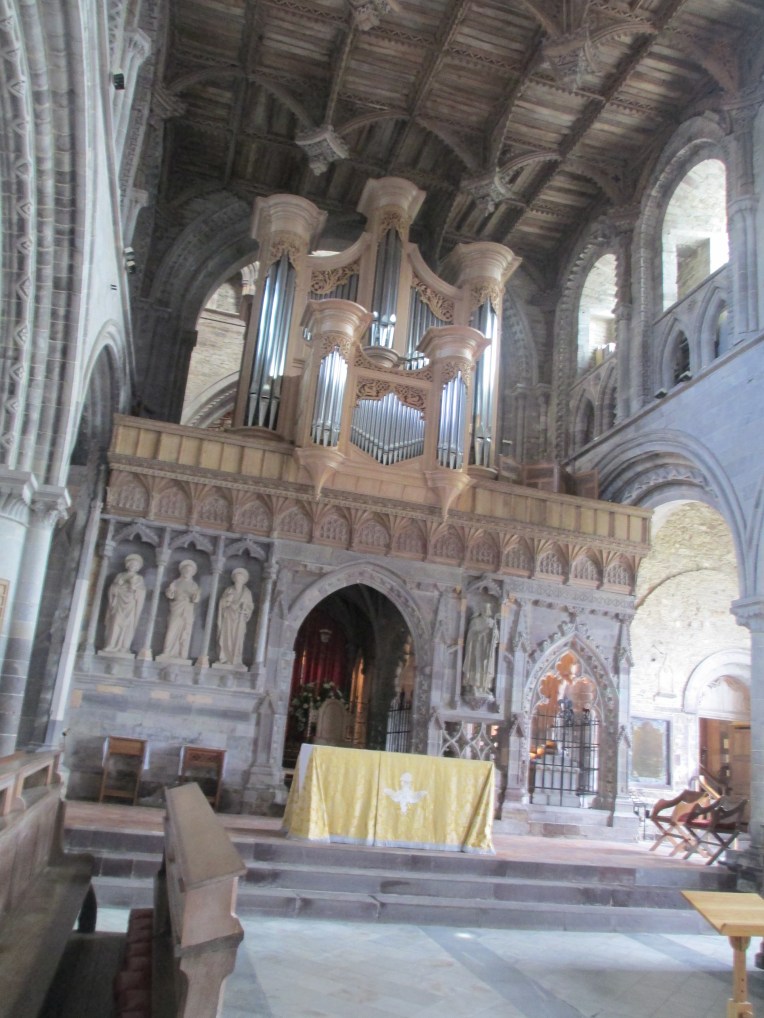
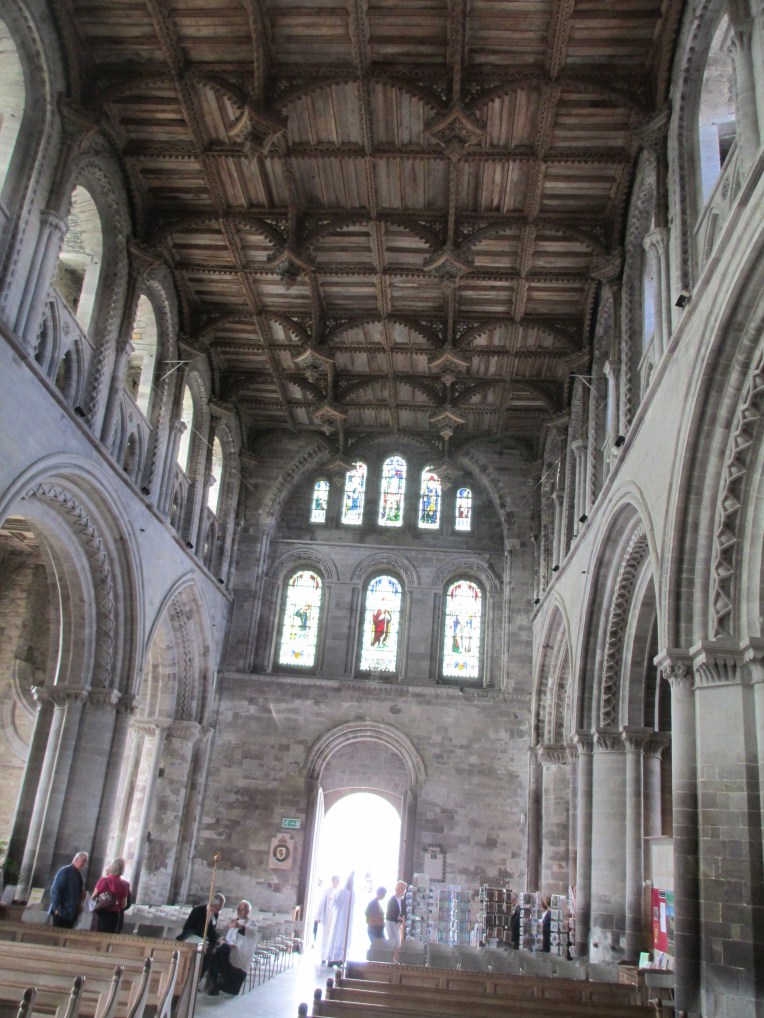 St Davids has been a site of worship for more than 1500 years since it was founded by St David in the middle of the sixth century. As St Davids is a cathedral it makes the town of St Davids, arguably, the smallest city in the UK with a population of only 1800 in 2011.
Gerald was a scholar, diplomat, churchman and theologian, but he is best known for his extensive surviving writings. He was the author of a number of works, including a life of St Hugh of Lincoln. The best known and, to me, the most interesting are: The Journey Through Wales, The Description of Wales and The Topography of Ireland. These texts are part travelogue, part nature guide and part diary and are not always flattering to the local inhabitants and geography. They also place Gerald at the heart of several key events. They give an almost unique depiction of the reality of Gerald’s world.
The Journey Through Wales covers the journey that Gerald, as the Archdeacon of Brecon, made with Baldwin Archbishop of Canterbury in 1188 to preach what would become the 3rd Crusade. Phillip Augustus of France and Prince Richard of England, later Richard I, had both taken the cross in 1187 and Archbishop Baldwin was trying to recruit more people. He preached in towns across Wales as well as saying mass at a number of cathedrals. The Journey Through Wales is an almost diary like account of this journey, and is one of the best descriptions of Wales at the time as they preached to both the Welsh and the Norman French. Gerald had connections throughout Wales with both groups and he presumably spoke Welsh, though he avoided preaching in it and didn’t act as a translator.
The Journey Through Wales has chapter headings that cover where Gerald and Baldwin journeyed. I’m not going to cover each in detail, but I have photos of quite a few, so I thought I’d include the list with a number of photos.
Book One
1.Hereford and Radnor
 Hereford Cathedral
2.Hay-on-Wye and Brecknockshire
 Hay-on-Wye castle
3.Ewias and Llanthony
4.Coed Grwyne and Abergavenny
5. Usk Castle and Caerleon
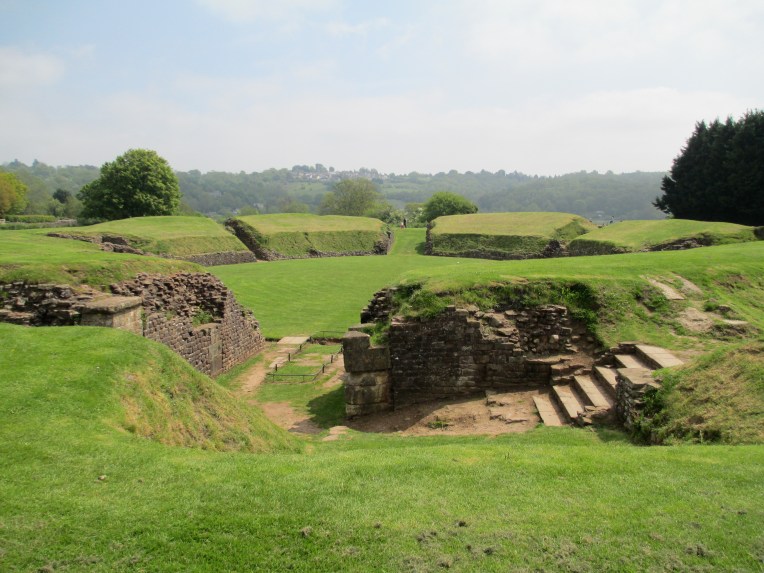 Caerleon Roman amphitheatre
6. Newport and Cardiff

Cardiff Castle
7. Llandaff and Margam Abbey
8. Rivers Avon and Neath. Swansea and Gower
 River Avon
9. River Loughlor, Kidwelly
 View from Kidwelly castle
10. River Tywi, Carmarthan, Whitland
11. Haverfordwest and Rhos
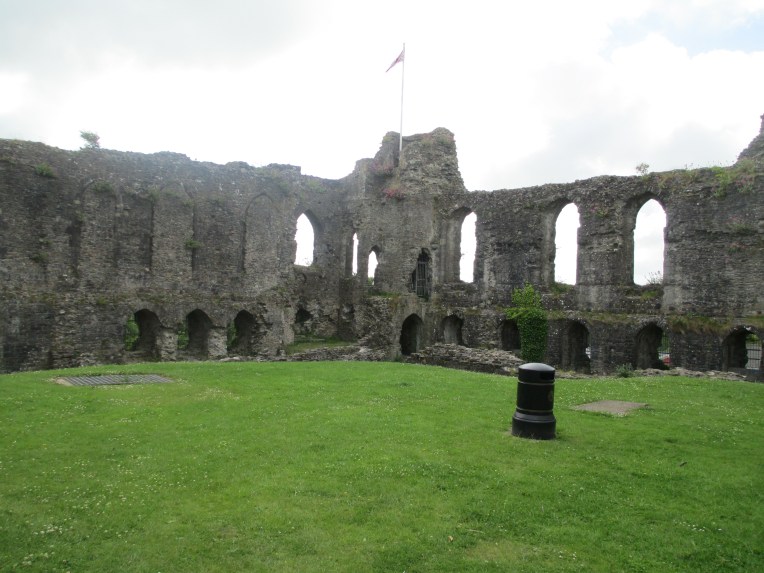 Haverford-West castle
12. Pembrokeshire
 Pembrokeshire Coastline
13. Cambrose, Newgale and St. Davids
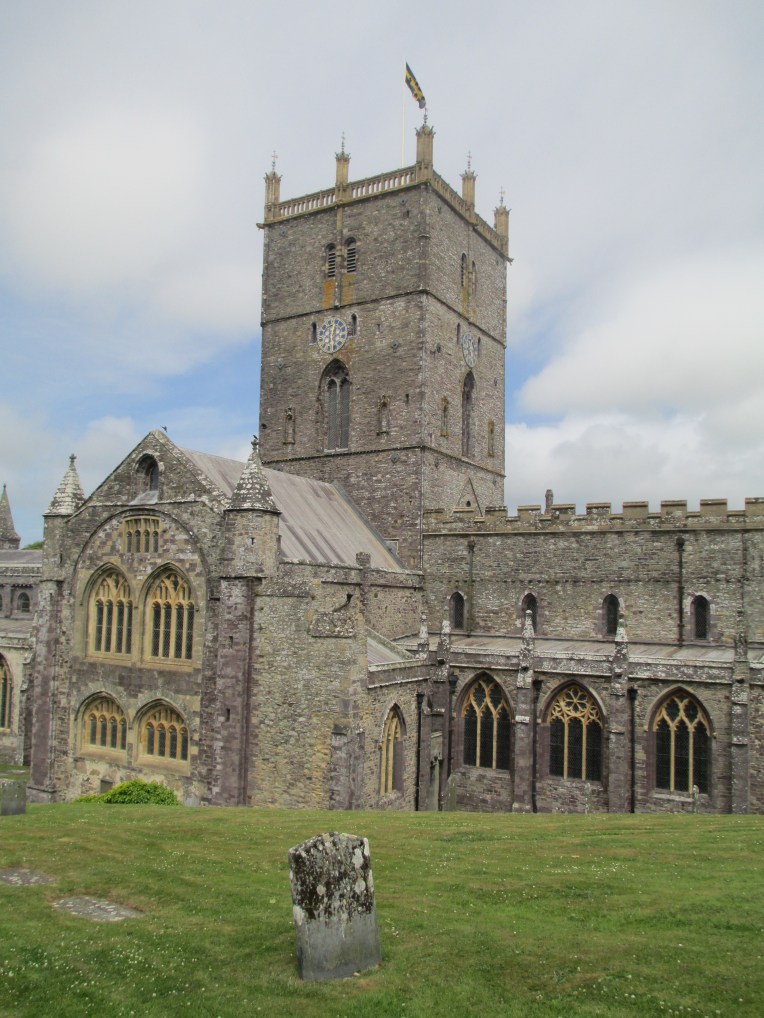 St Davids
Book 2
14. Cemais and St Dogmael’s
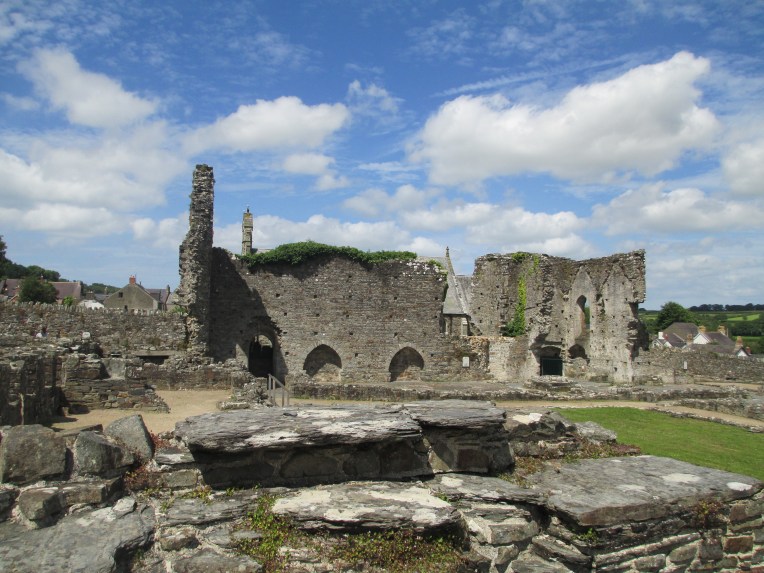 St Dogmael’s
15. River Teifi, Cardiganshire and Newcastle Emlyn
 River Teifi
16. Lampeter, Strata Florida, Llanddewi Brefi
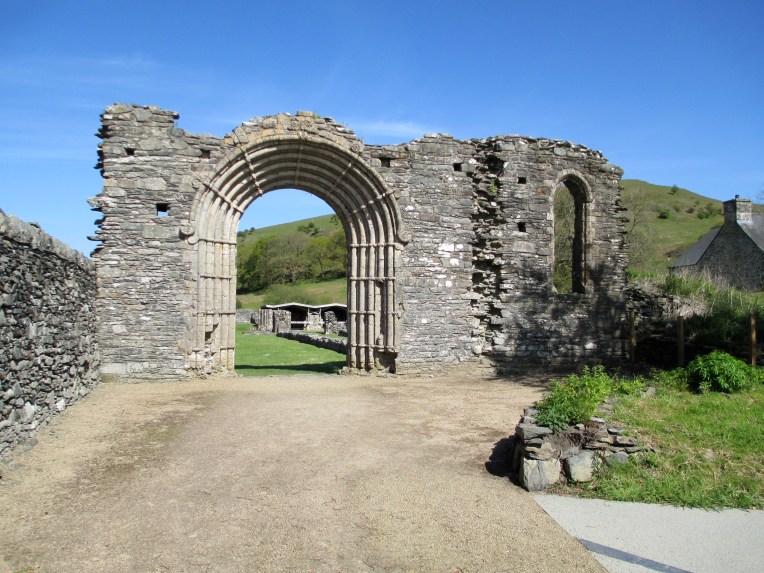 Strata Florida
17. River Dovey
18. Traeth Mawr, Traeth Bychan, Nefyn, Caernarfon and Bangor
 Caernarfon
19. The Island of Anglesea
 Anglesea
20. River Conwy, Dinas Emrys
 River Conwy
21. Mountains of Snowdonia
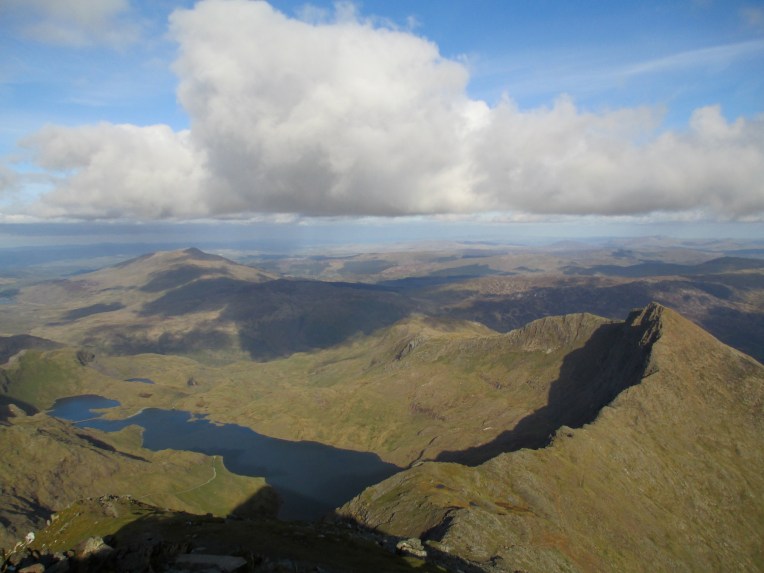 View from the top of Mount Snowdon
22. Degannwy, Rhuddlan, Llanelwy
23. River Dee, Chester
24. Whitchurch, Oswestry, Powys and Shrewsbury
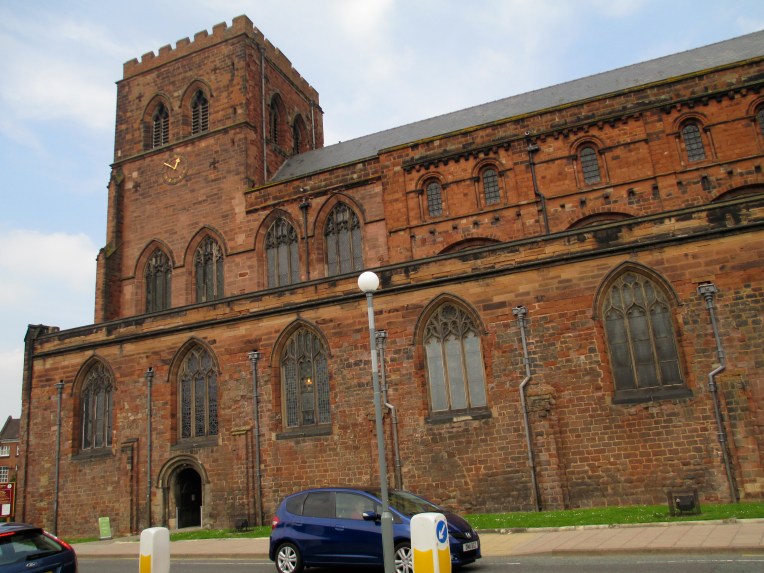 Shrewsbury Cathedral
25. Wenlock Edge, Bromfield, Ludlow Castle, Leominster, Hereford.
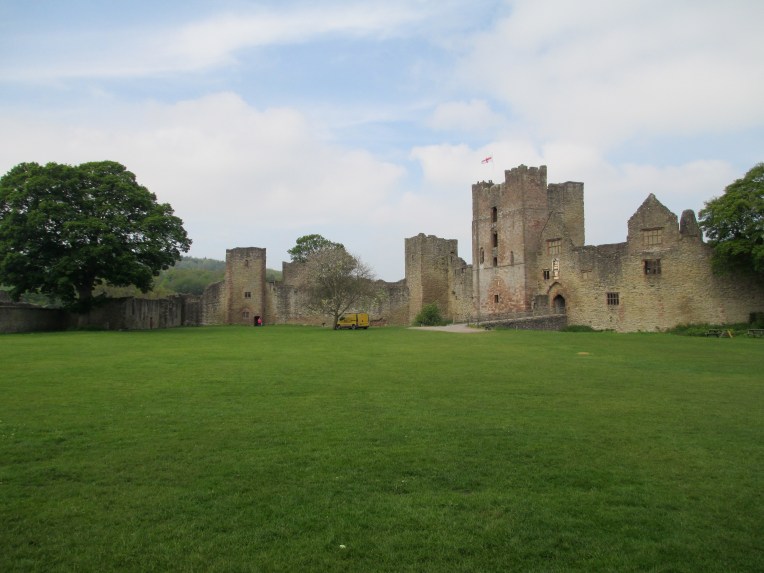 Ludlow Castle.
Gerald probably finished the first version of The Journey Through Wales in 1191 and started the Description of Wales most likely straight after. The Description of Wales covers much more of the people and landscapes of Wales and is often less than laudatory about the Welsh. Dwelling, for example, on the inconstancy and instability of the Welsh as well as their weakness in battle and their greediness. He also usefully outlines how they could be conquered. Including the need for a long sustained effort, how to blockade their supplies and the importance of sowing dissension amongst the ranks of the Welsh as a “spirit of hatred and jealousy usually prevails” [3] This is a reference to the Welsh practice of acknowledging all sons, illegitimate or otherwise, and dividing land amongst all the sons, which led to quite a lot of infighting and fratricide. [4] These condemnations of the Welsh should not be taken as unvarnished fact.
Gerald wasn’t only condemnatory, he acknowledges the beauty of Wales and he goes into detail about the geography and especially the rivers and some mountains. He also discusses everyday things like how the Welsh wear their hair and their love of music.
The Journey Through Wales and the Description of Wales were not the only works of Gerald’s to present a travelogue. He also wrote The Topography of Ireland and The Conquest of Ireland when he travelled with Prince John’s party when John was sent in 1185 to be the new Lord of Ireland. Gerald was sent along as an advisor and he stayed after John returned back to England. While there he began both texts. Neither are complimentary of the Irish, and are very much from the view of the Norman conquerers. That being said he does cover a lot of the landscape of Ireland from the birds, to the barnacles and especially the weather describing it as a country “exposed more than others to storms of wind and deluges of rain”[5]
Having spent some time in Ireland I can see his point…
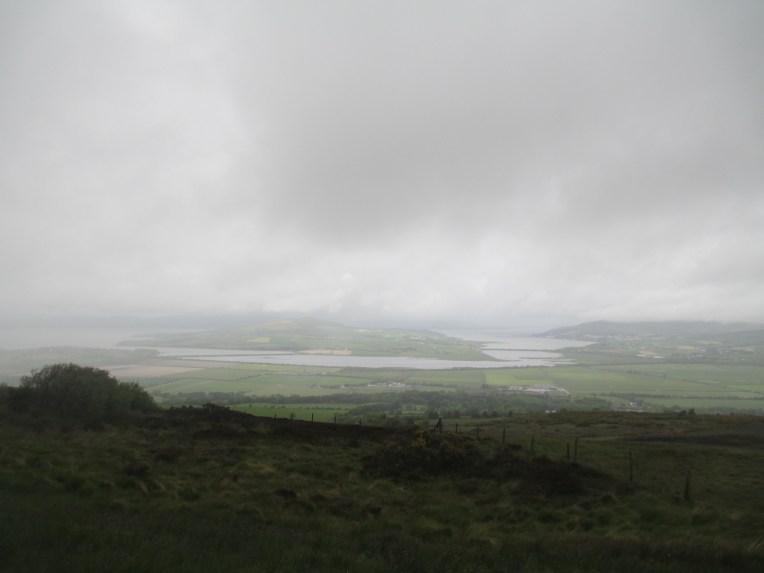
But coming from a Welshman it does seem a bit harsh.
Gerald’s writings remain some of the most detailed and interesting accounts of his time. They continued to be influential for centuries after he died, not always to the benefit of reality especially in the case of the Irish, and in his long life he truly succeeded in making his mark.
References:
Site visits to Manorbier and St David’s in 2015 as well as visits to other sites in Wales and Ireland in both 2012 and 2015.
Gerald of Wales, The Journey Through Wales and The Description of Wales, Thorpe, Lewis, (ed. and trans.) Penguin: London, 1978
Gerald of Wales, The Topography of Ireland, http://www.yorku.ca/inpar/topography_ireland.pdf
[1] Gerald of Wales, The Journey Through Wales and The Description of Wales, Thorpe, Lewis, (ed. and trans.) Penguin: London, 1978. p.151.
[2] Gerald of Wales p. 23
[2] Gerald of Wales p. 267
[4] Gerald of Wales p. 261
[5] Gerald of Wales, The Topography of Ireland,
http://www.yorku.ca/inpar/topography_ireland.pdf p. 13
The photos are all mine.
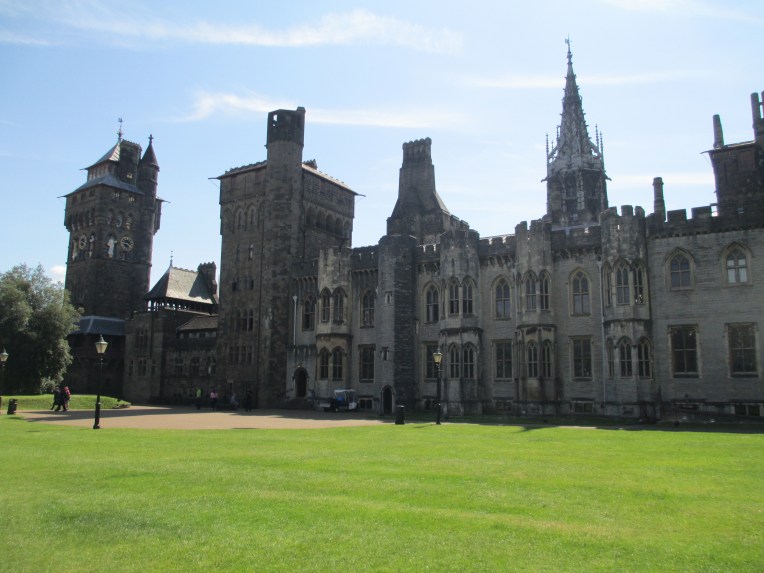
 Cardiff castle is a fascinating amalgam, part Roman foundations, part 12th century shell keep, part 19th century victorian gothic palace and part WWII bunker. It manages to encompass many of the key eras of British history, at the same time as being linked to some of the most interesting stories and people of the medieval period.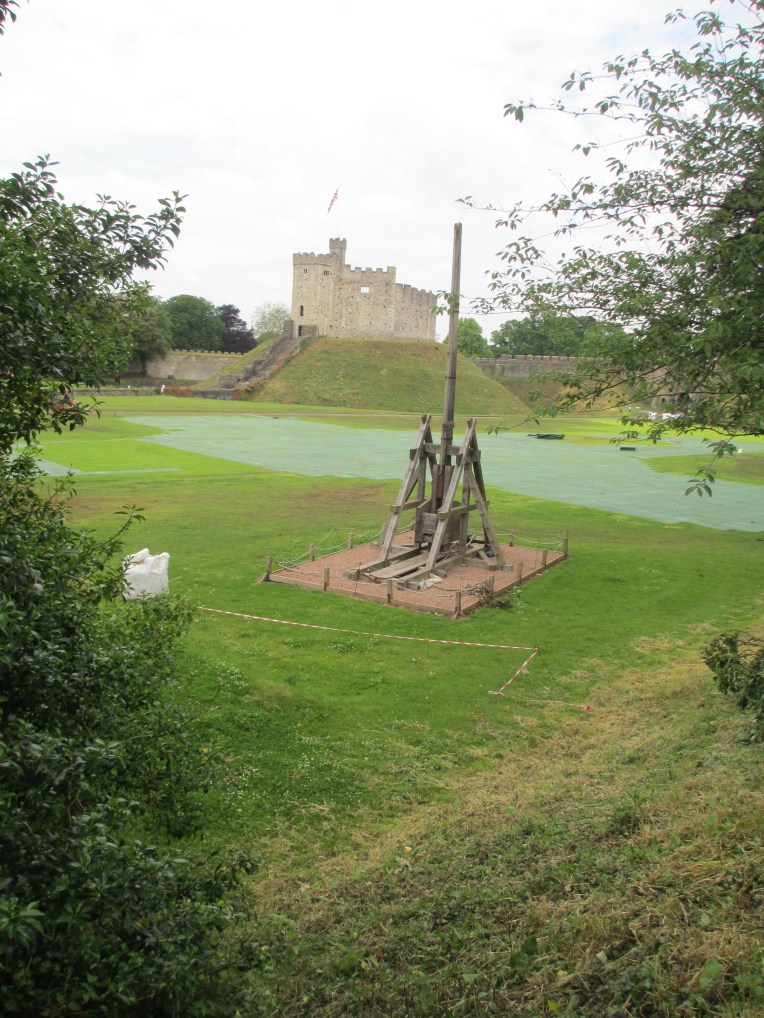


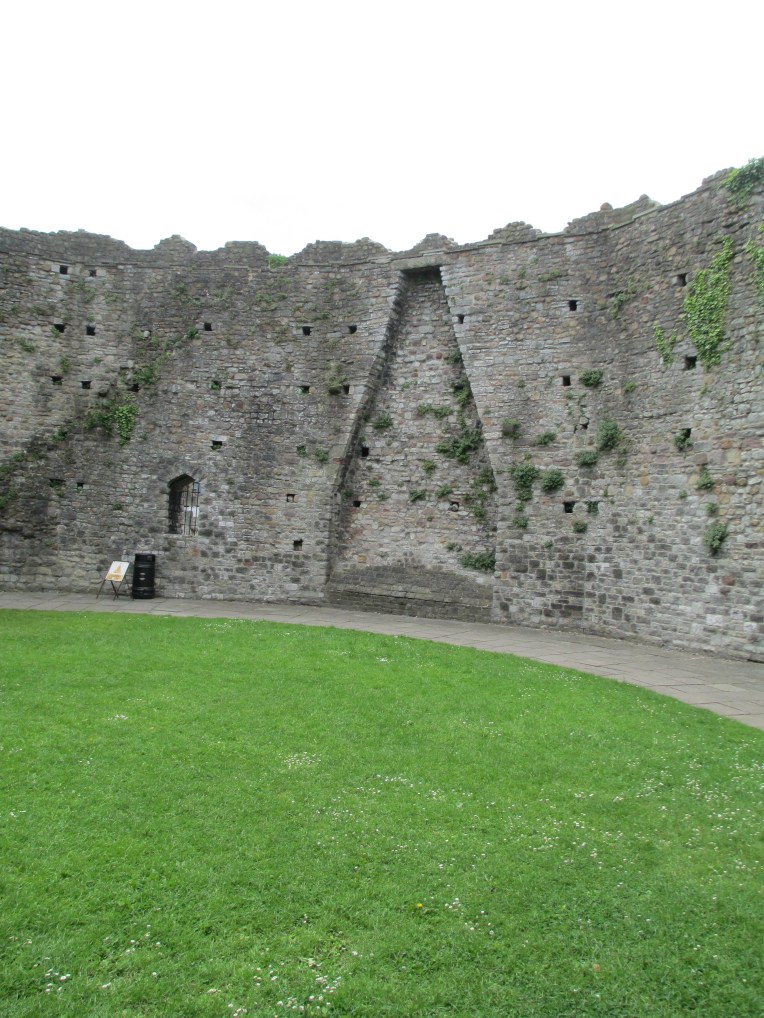


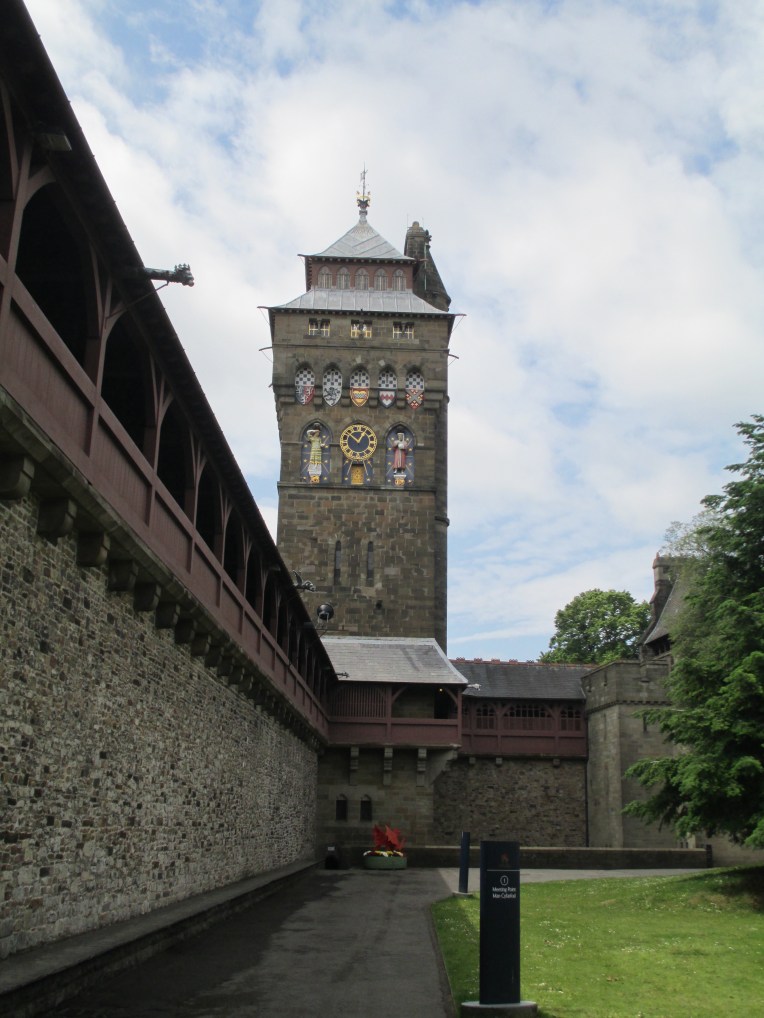


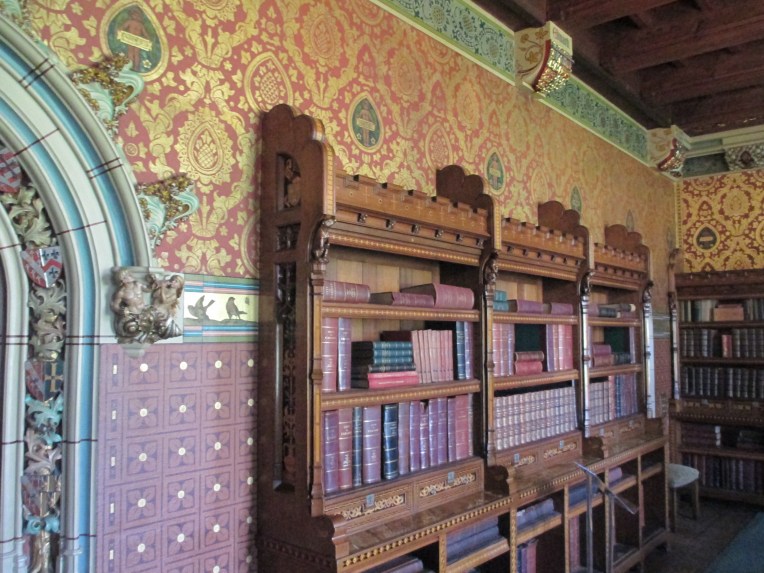
 To the library
 To the utterly magnificent banqueting hall which depicts key scenes the life and career of Robert Earl of Gloucester on the walls. Incidentally Robert of Gloucester was the father of William of Glamorgan who was captured from Cardiff in the 1150s.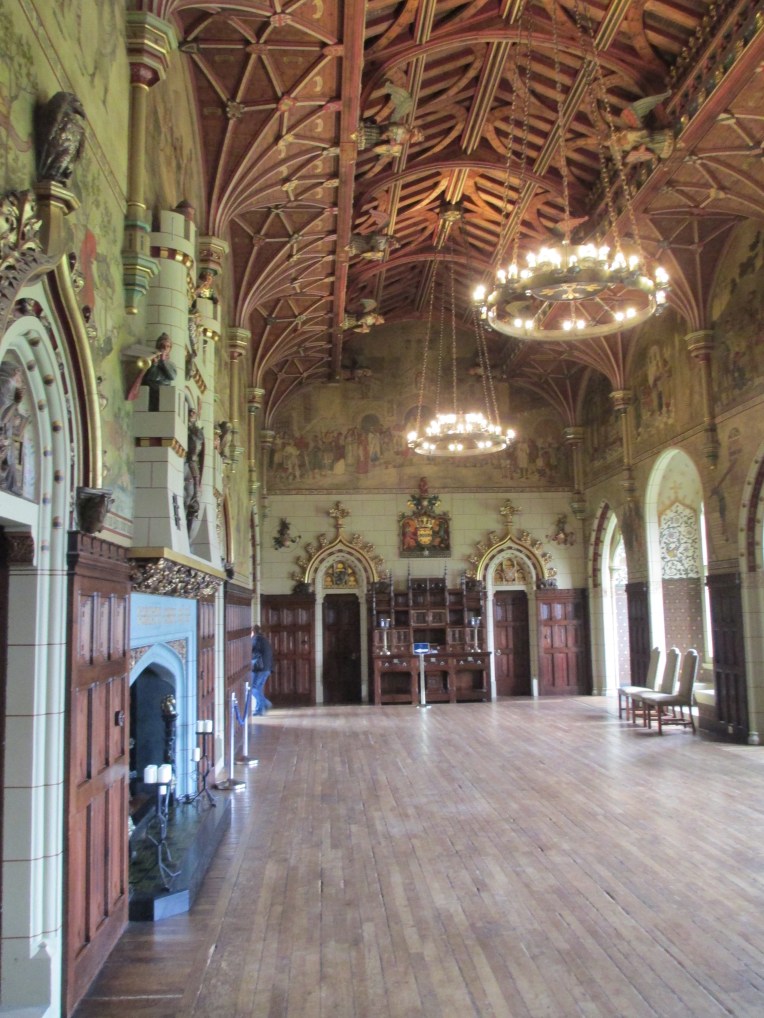


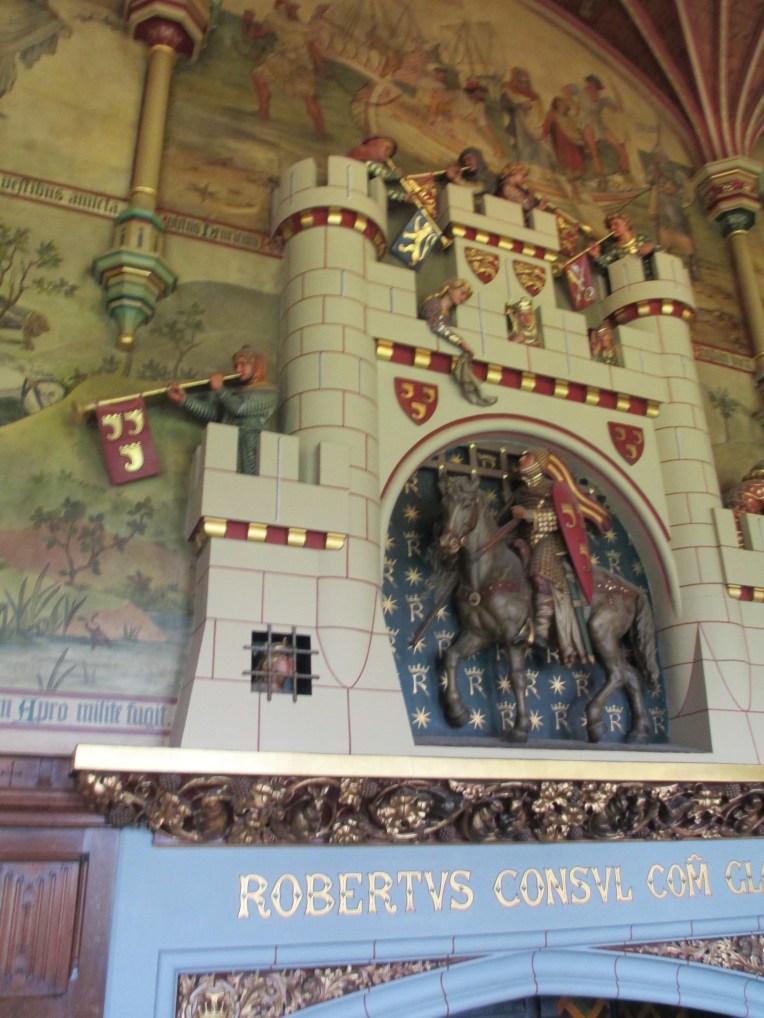

 There are beautiful hidden corners all over the 19th century palace, especially in the windows and the ceilings. Below are just a few examples.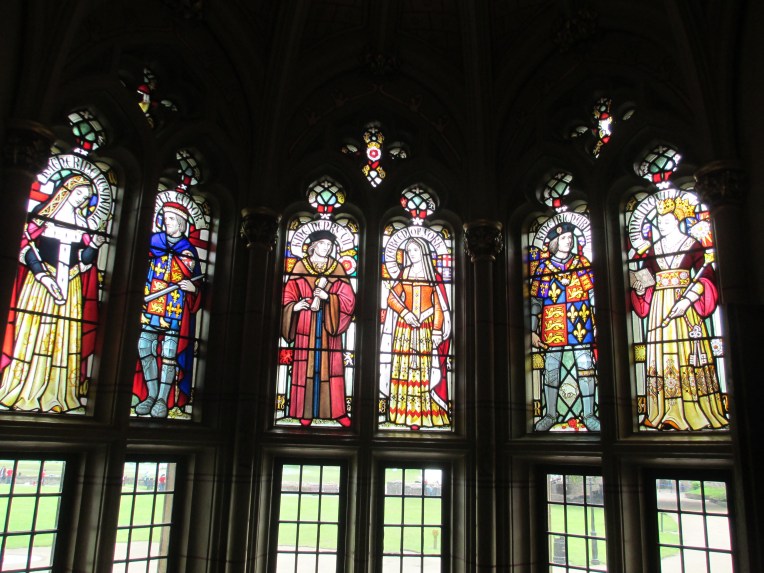

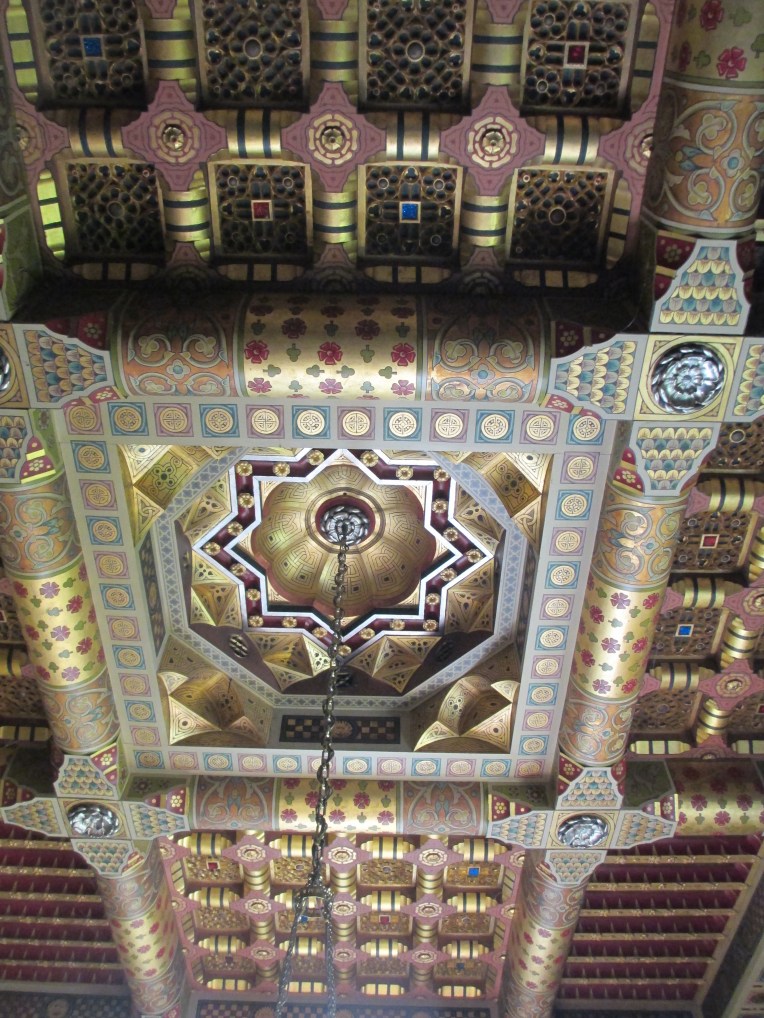 After the 19th century the castle stayed in the hands of the Butes until 1947 when it was given to the city of Cardiff by the 5th Marquess of Bute.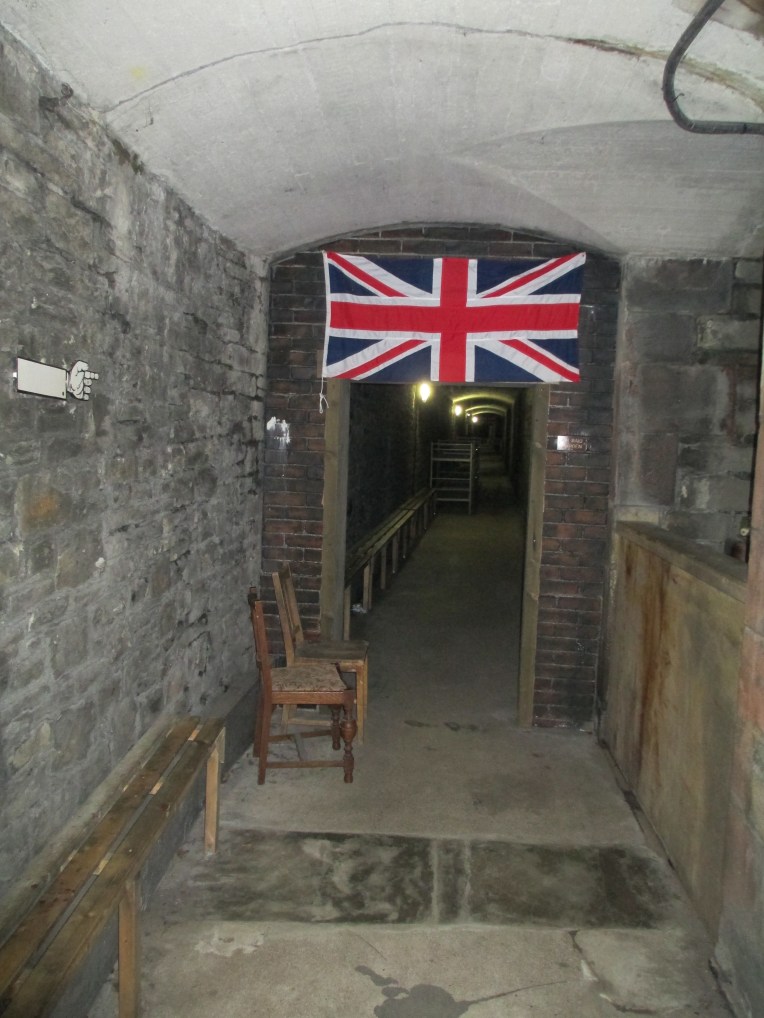
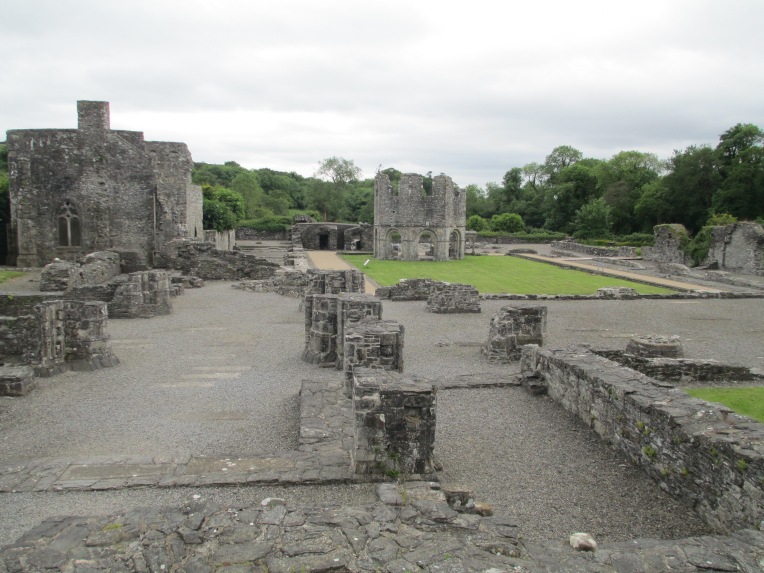
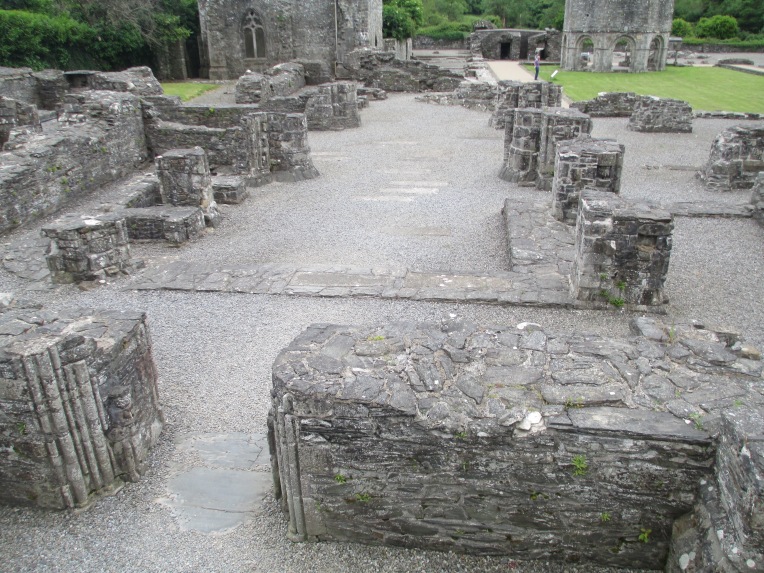
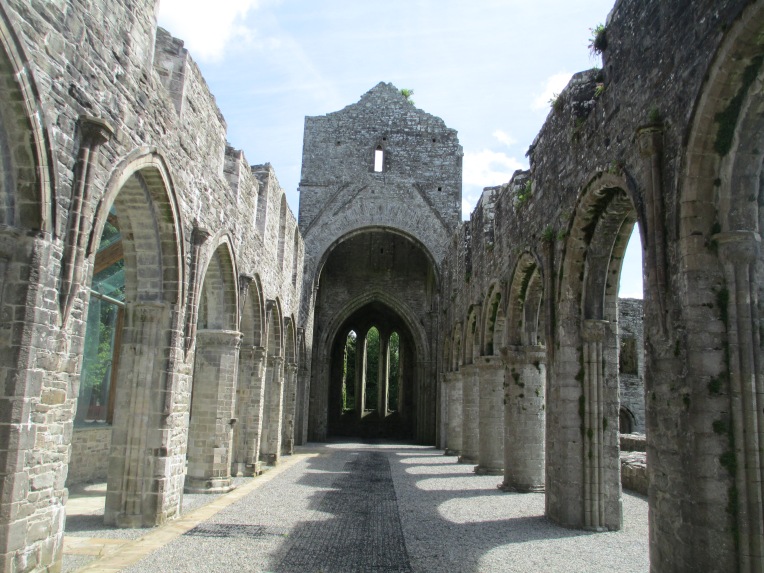


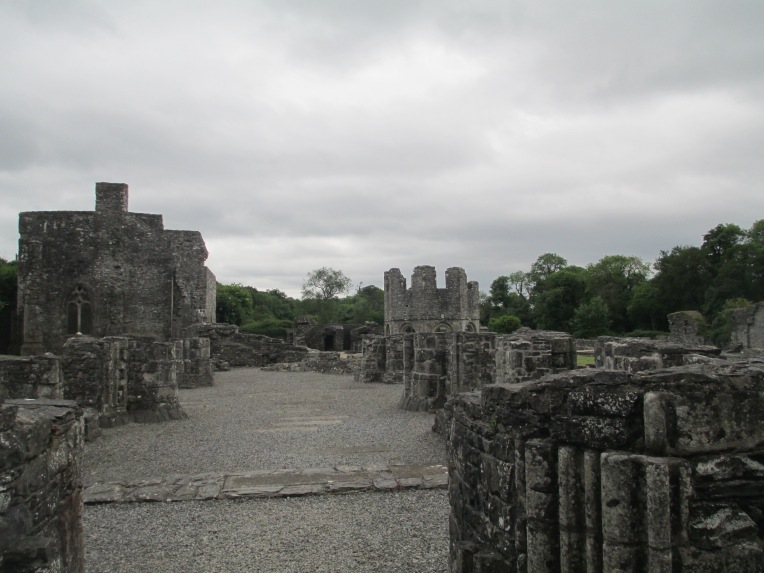
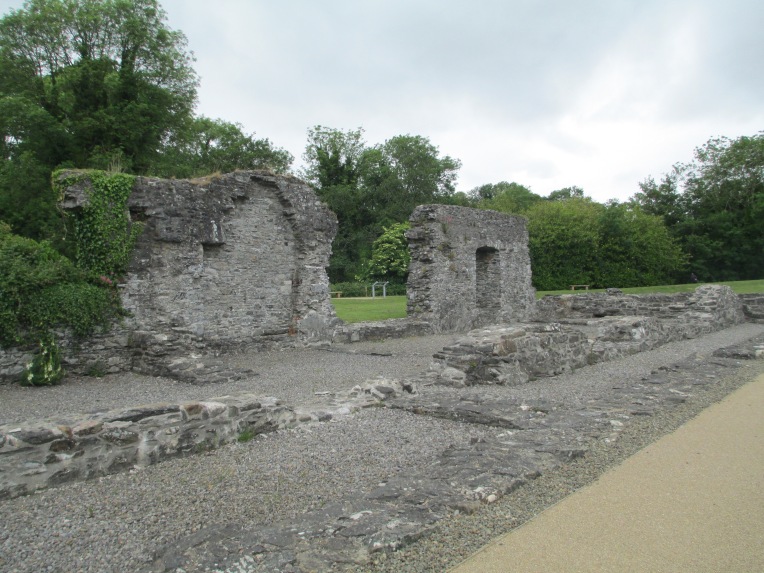
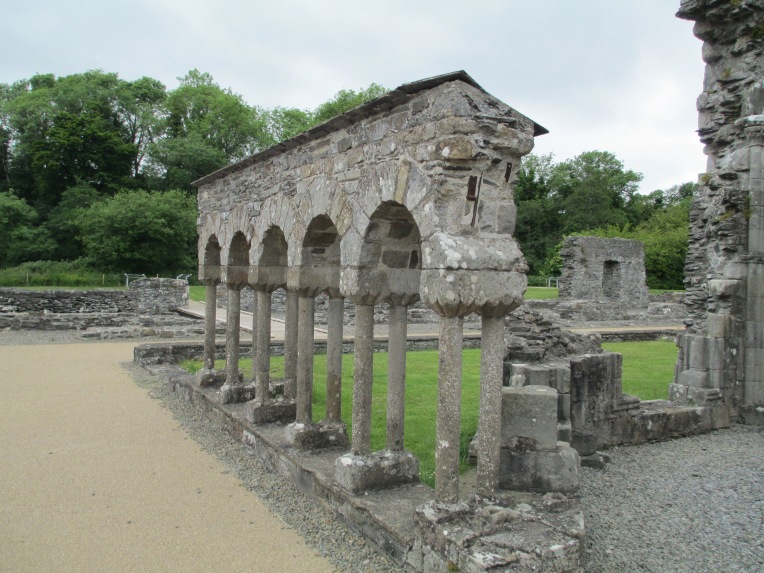
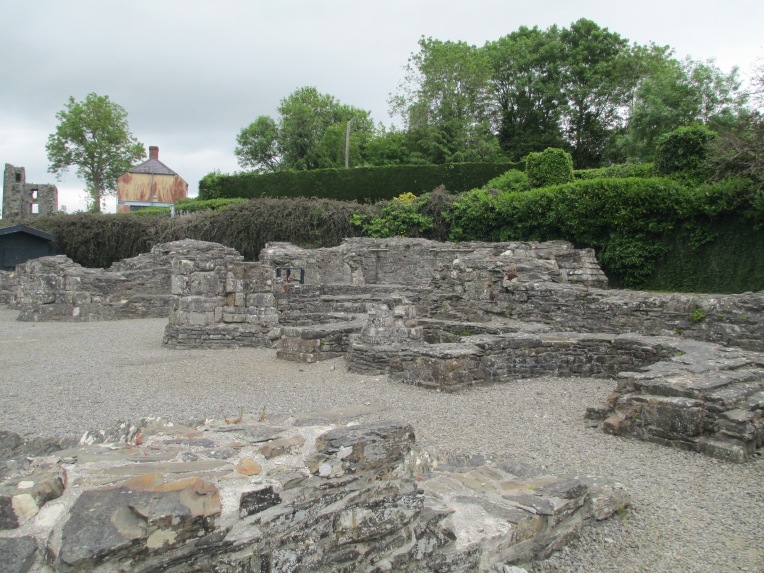 It, like many other abbeys, was a victim of the Dissolution of the Monasteries in the 16th century. Following the Dissolution the buildings came to Sir Edward Moore who converted them into a fortified residence. It played a role in several Irish wars and during the Battle of the Boyne in 1690 King William based his headquarters there. It fell into disrepair in the early 18th century and eventually ended up in the hands of the state in the 1880s.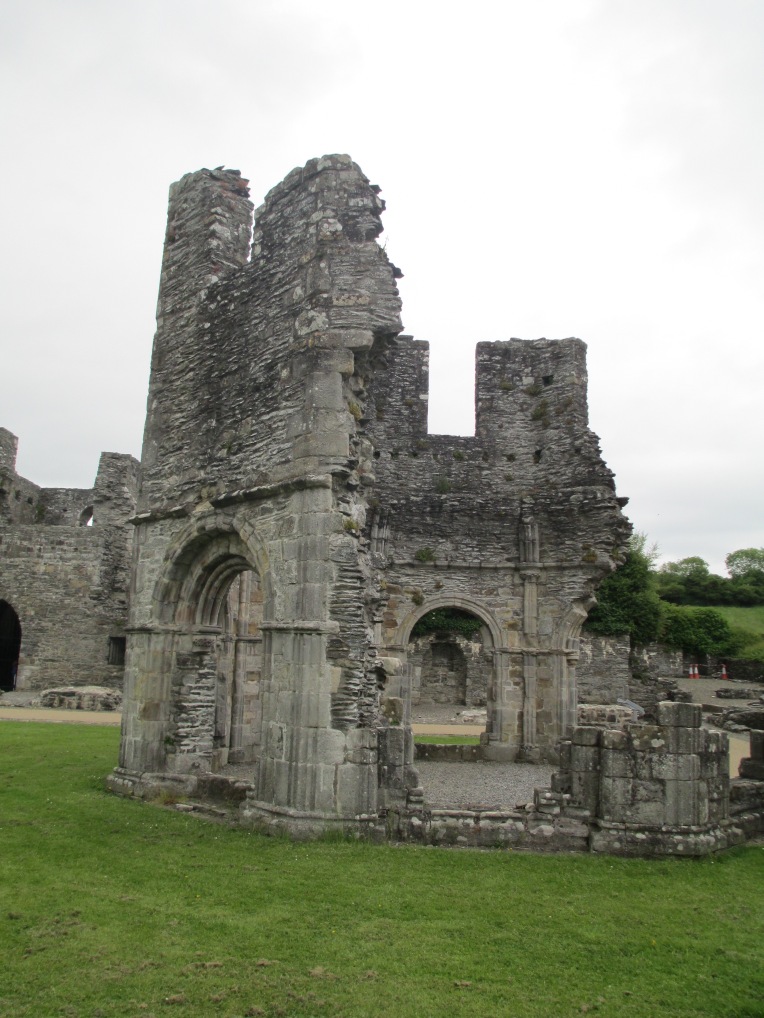
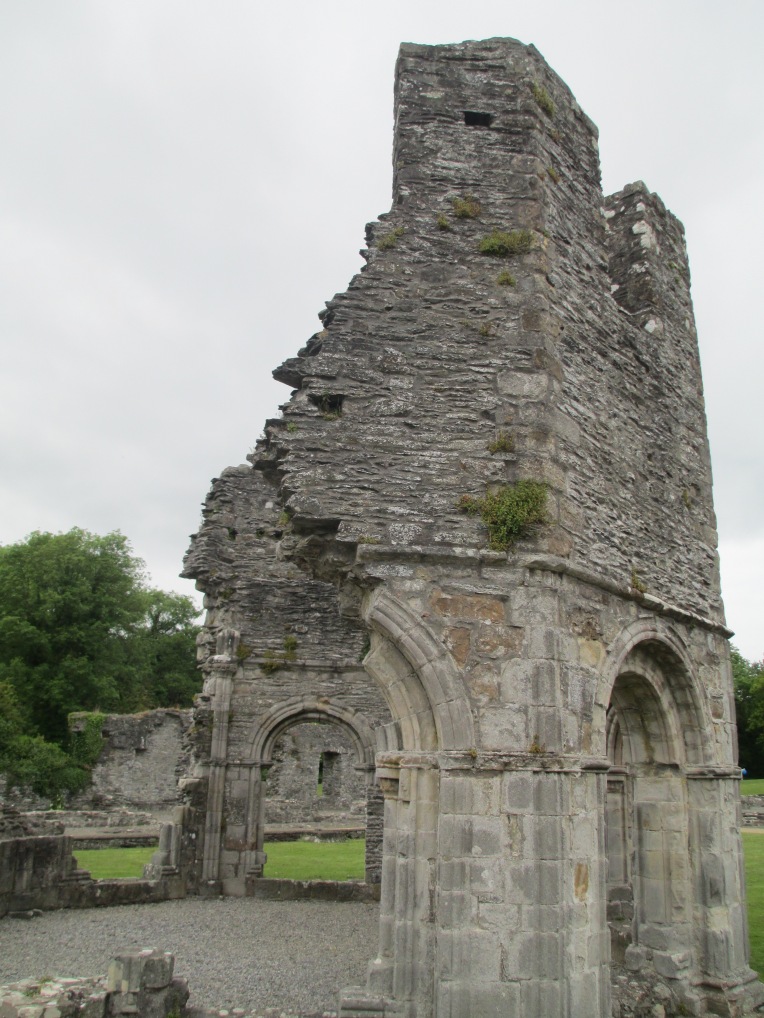 Additionally much of the intricate stone work has survived and can be found preserved in the visitors centre. Examples can be seen below.


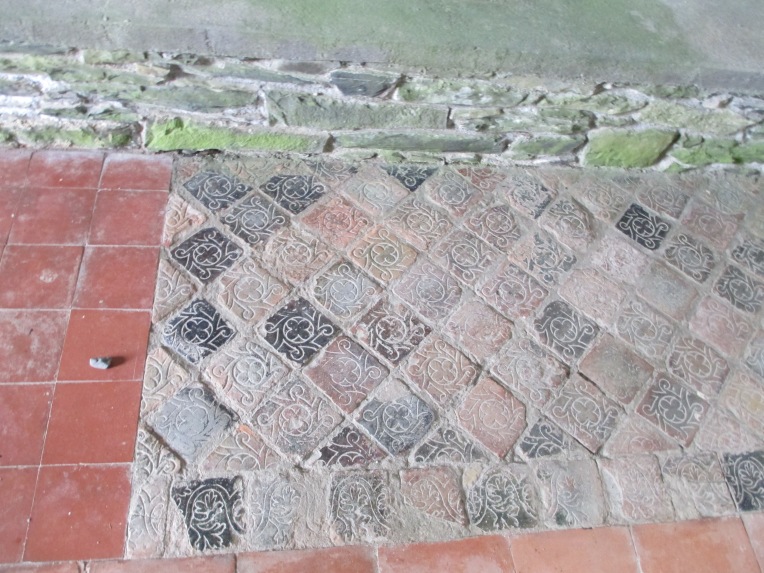
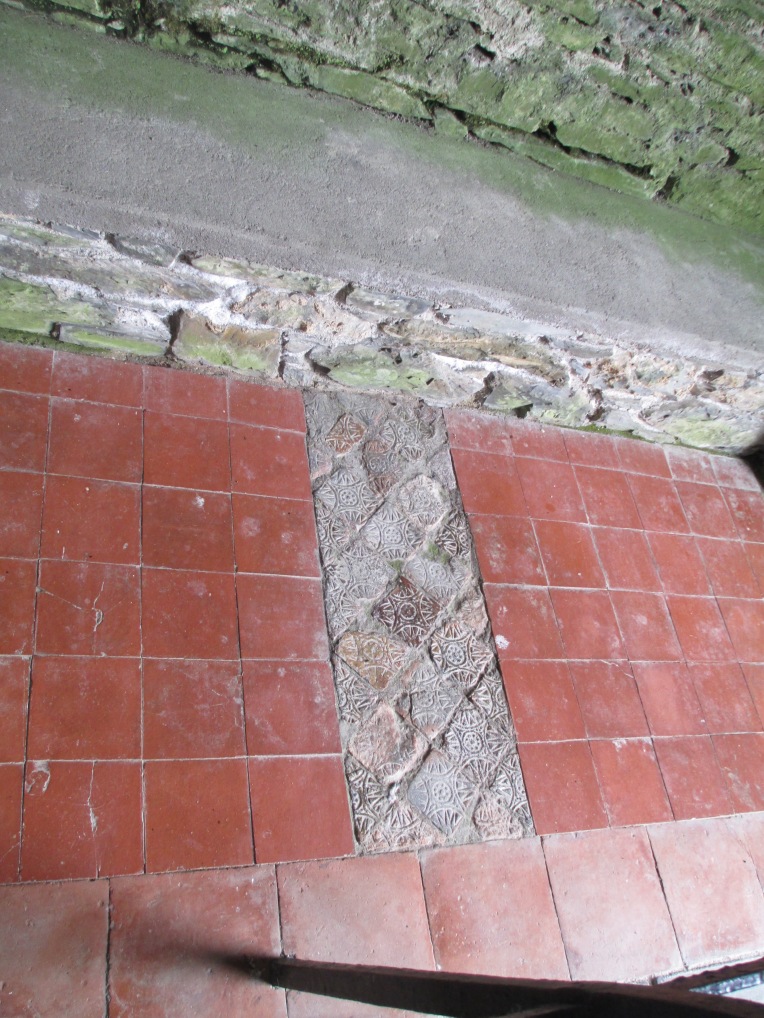
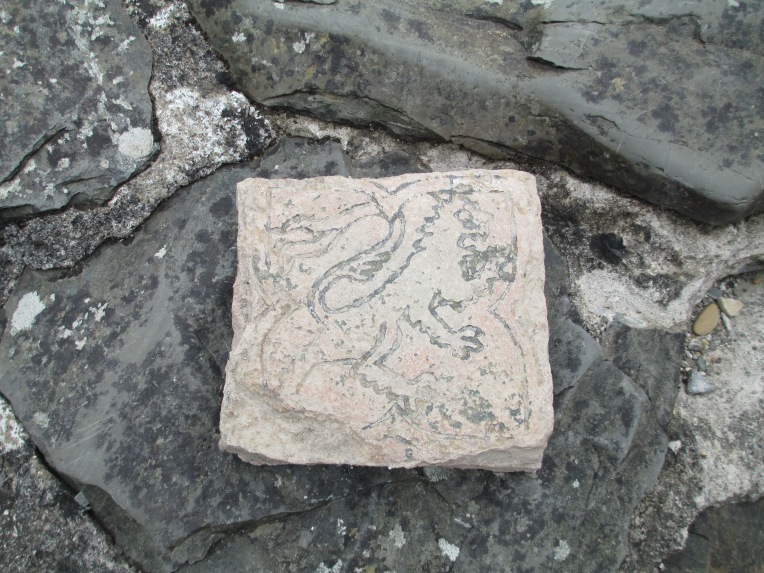 Most of these tiles were discovered during an excavation in the 1950s.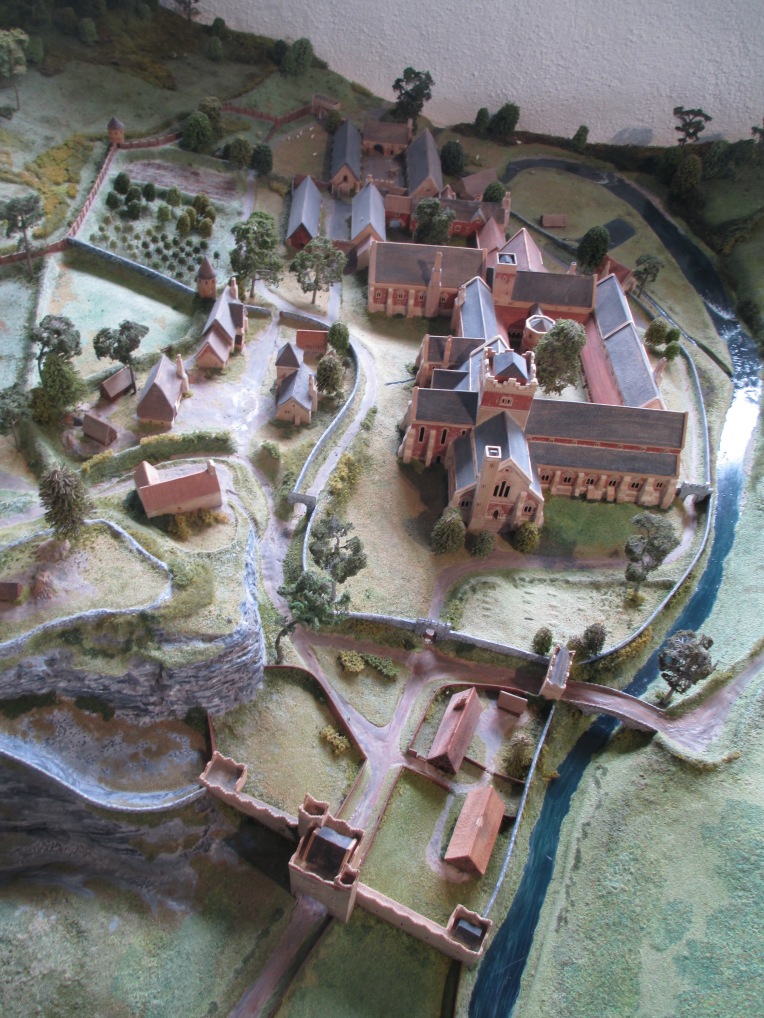
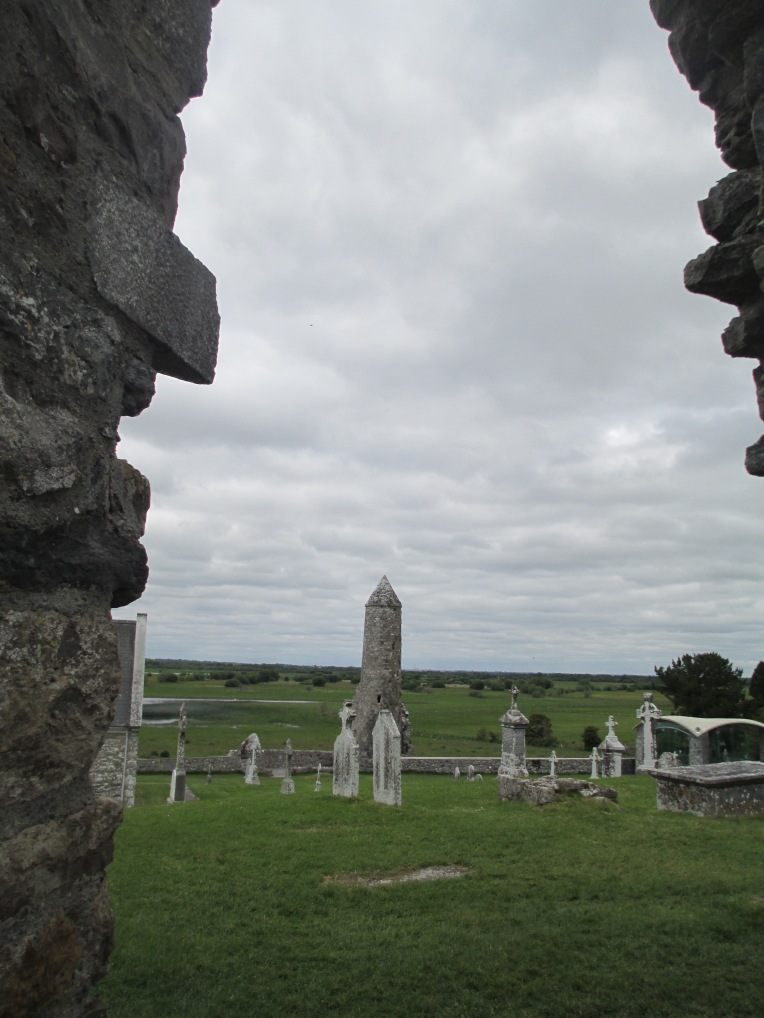 Dervogilla retired in 1186 to Mellifont and she died there. It is possible that she was buried in the wall of the church and legend has it that she was buried the wrong way round because she was a “fallen woman”.
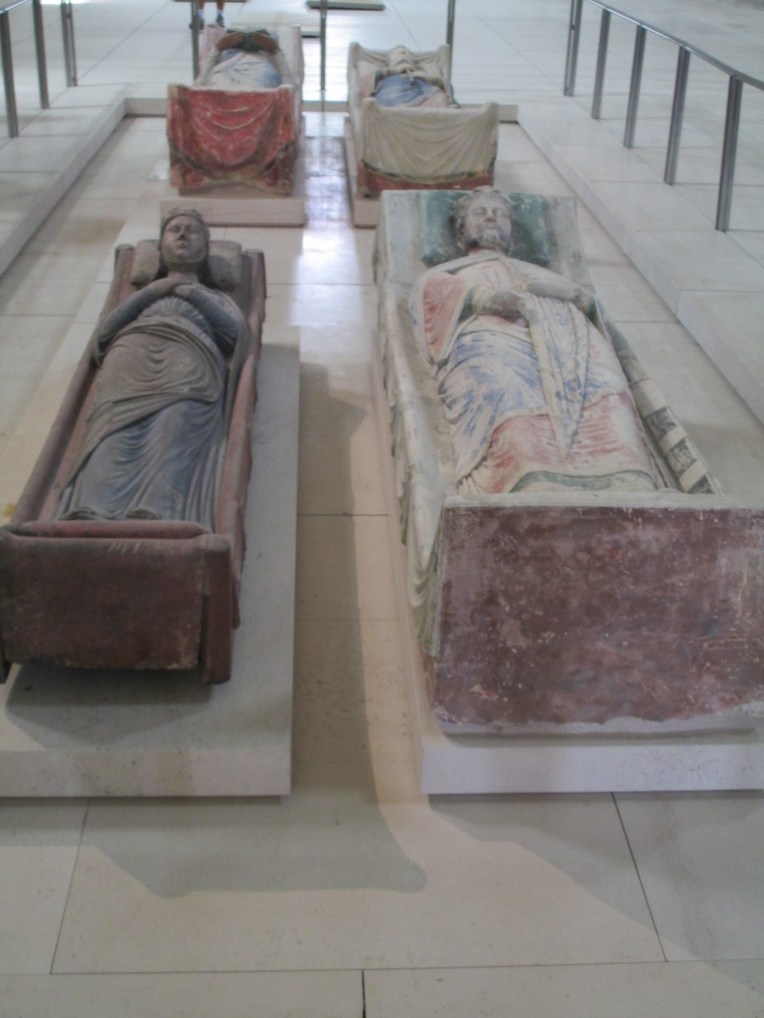


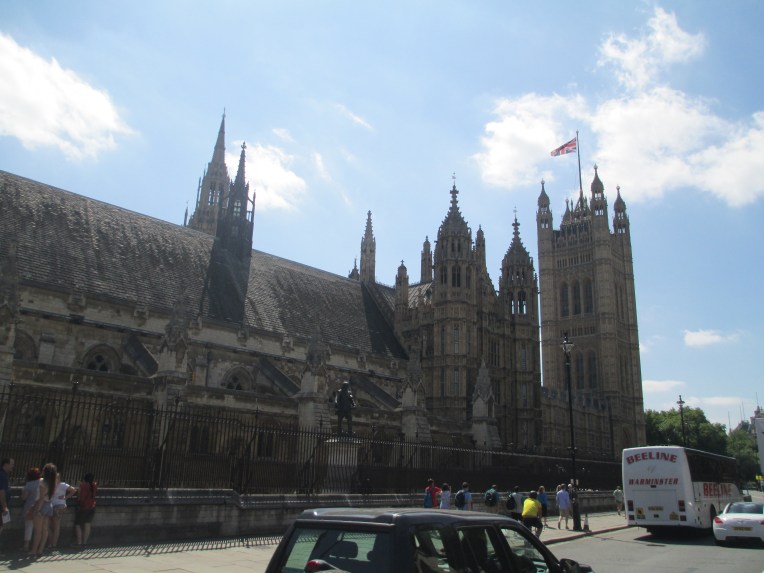

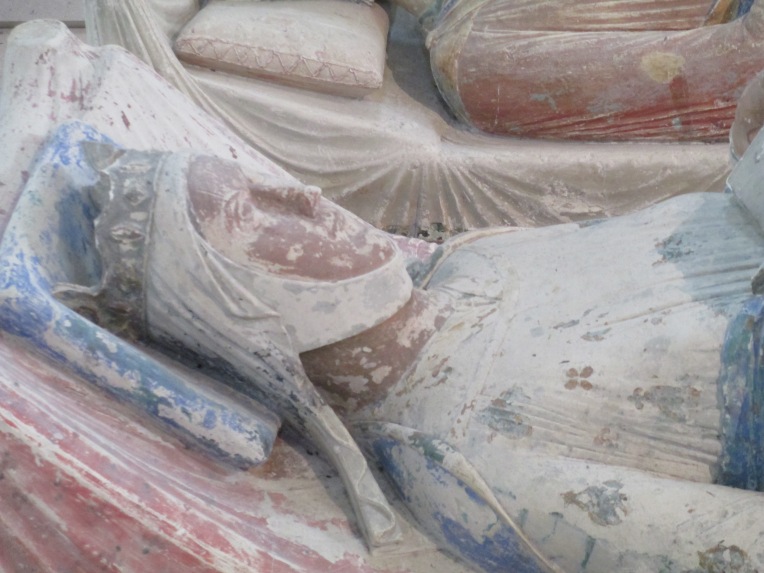
 Answer: William Marshal the Younger. You get the point if you just said William Marshal.
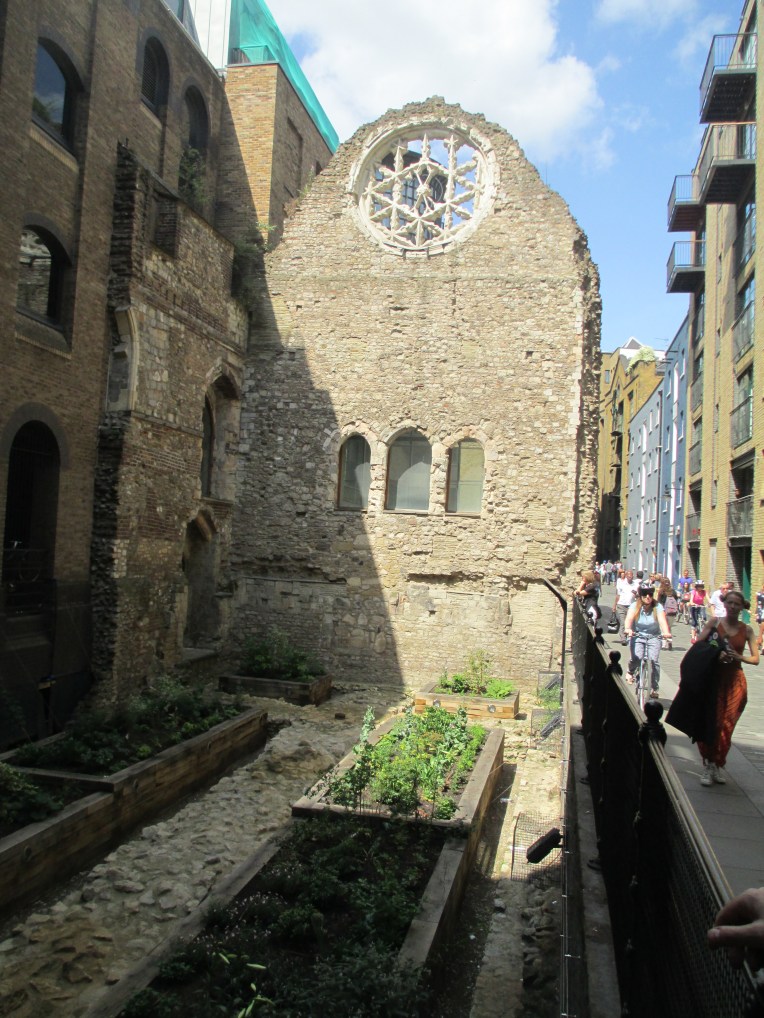 Answer: Southwark



 Answer: 1217, it was issued by Henry III under the seal of his regent William Marshal. If you got either Marshal or Henry III you get the bonus point. If you got both, well done you’re very smart, but no extra points.

 Answer: 10 000 marks







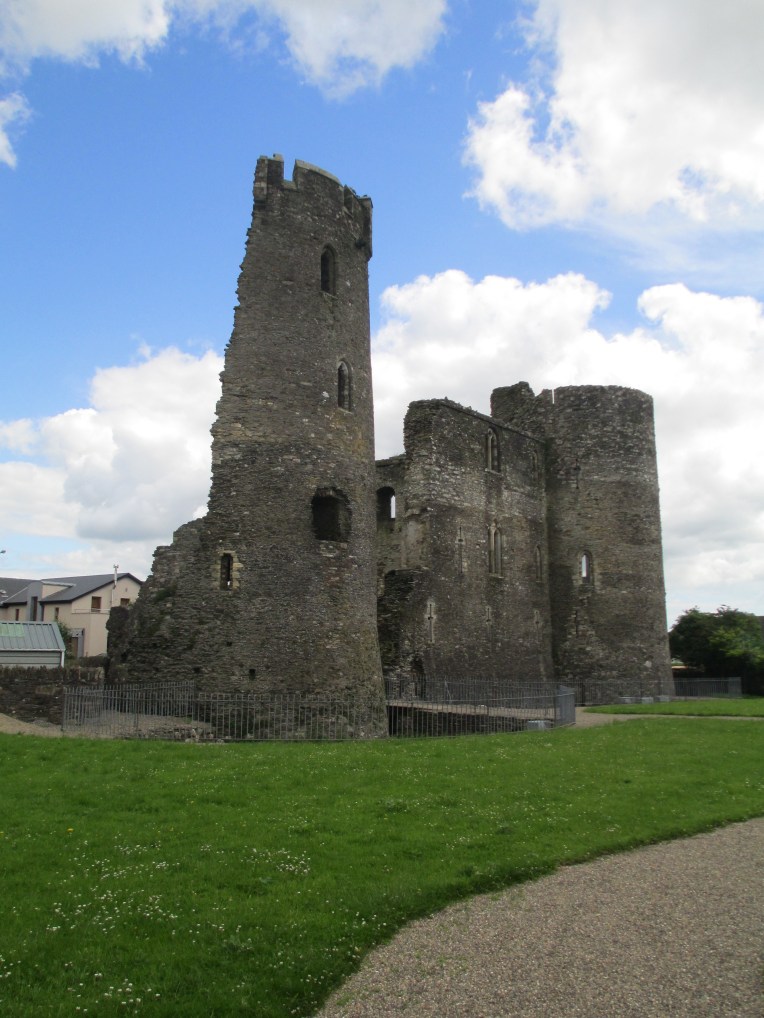

 Ferns
Ferns Historical Ragbag