Advent Calendar of Medieval Religious Institutions: December 15th: Jerpoint Abbey

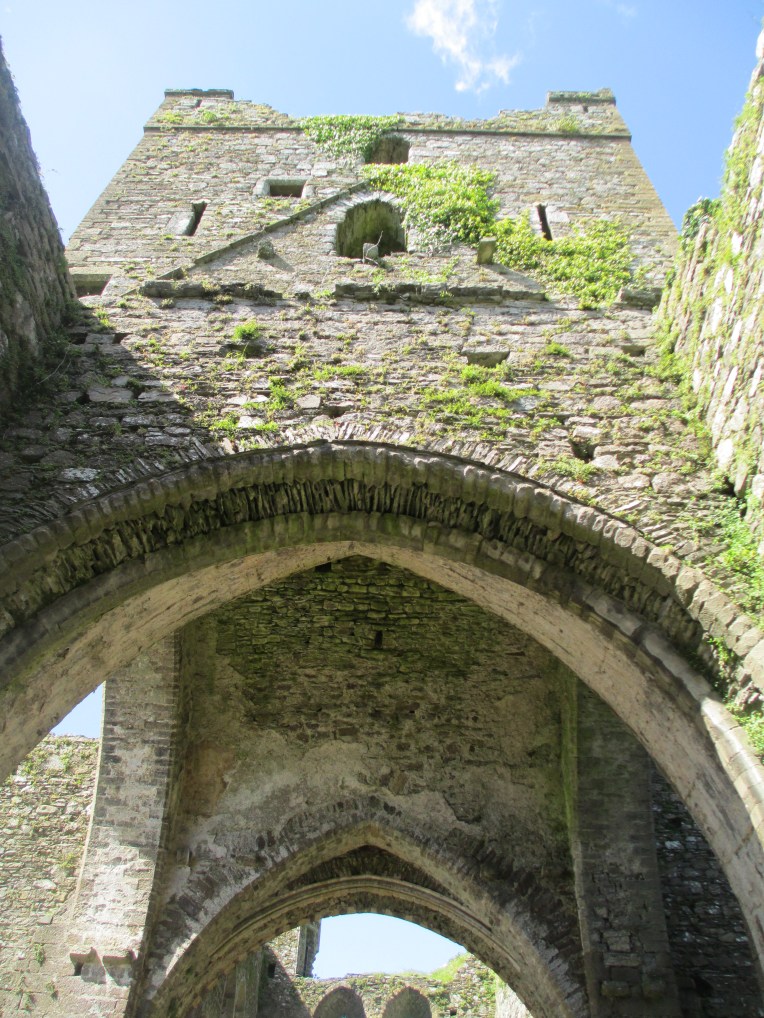
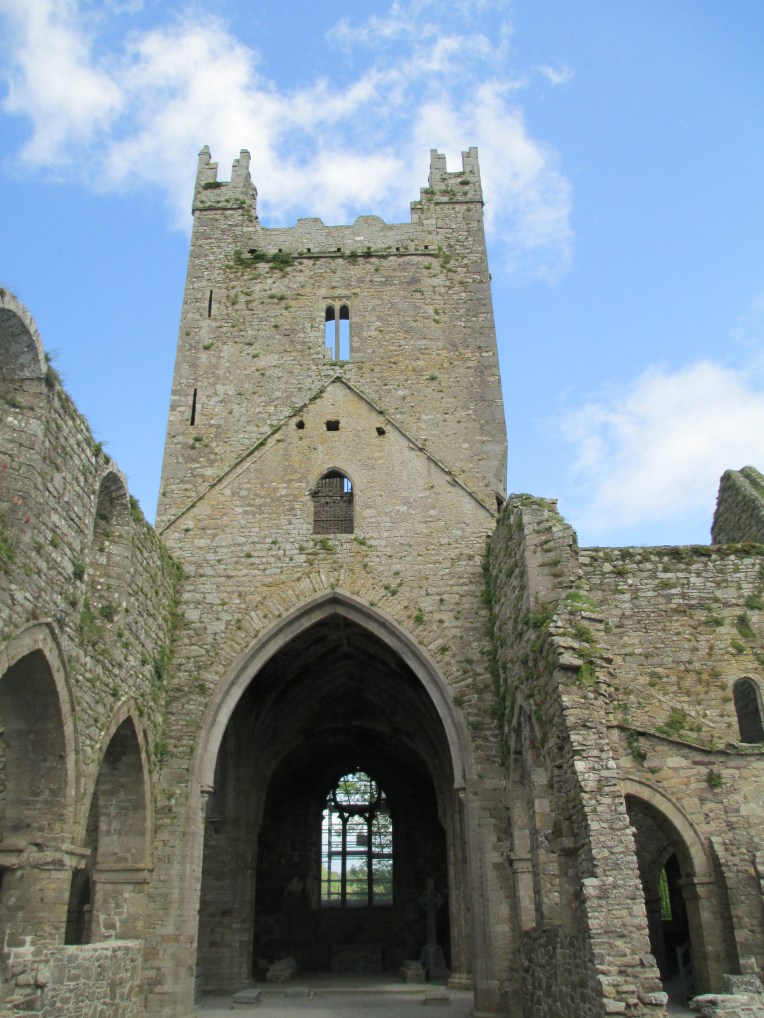
Jerpoint1Jerpoint2Jerpoint3Jerpoint Abbey in County Kilkenny Ireland was founded in c. 1160 probably by Donal MacGillpatrick King of Ossory. However in 1180 it was taken over by Cistercians monks from Baltinglass Abbey in County Wicklow.

The tower and the cloister date to 14th and 15th centuries where as the remainder of the church and the chapter house and the refectory date to 12th and 13th centuries.

Jerpoint was at the heart of the the early 13th century power struggle in the Cistercian Order between the Anglo-Norman Abbots and the Irish Abbots. The Abbot of Jerpoint was deposed in 1217 for instigating the riot of Jerpoint. The General Chapter of the Cistercians had organised a visitation to Ireland to investigate reports of misconduct by the Irish Cistercians. When the investigator arrived at Jerpoint he was greeted with a riot involving Jerpoint and four other abbeys. The Abbot of Jerpoint was blamed. Matters came to a head in the Conspiracy of Mellifont when all the Irish abbots were deposed. Jerpoint was removed from Batlinglass and was made subject to Fountains in Yorkshire. The Irish affiliation was restored after about fifty years.

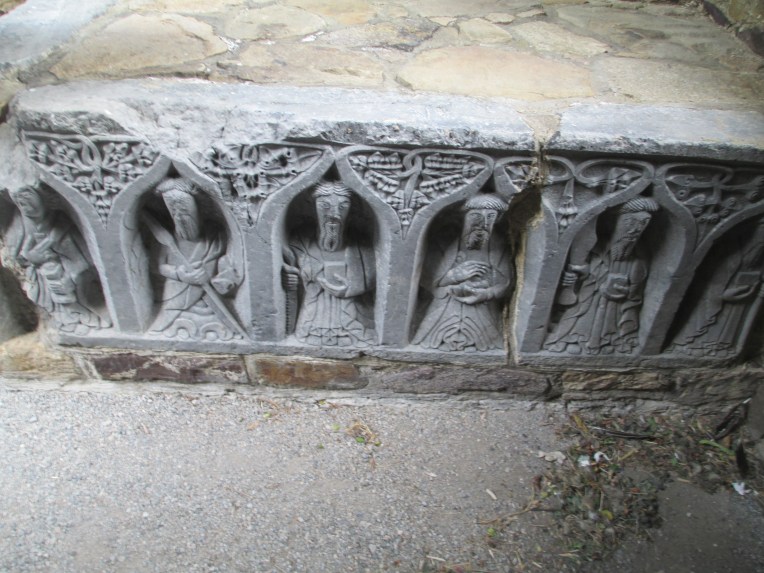
The carvings you can see in the photos above date largely to the 15th and very early 16th centuries. In 1442 the abbey was granted an indulgence to repair the cloister, bell tower, dormitory, other offices and chapel of St Moling after they pleaded poverty following the English Irish conflict at the time. The carvings on the tomb are apostles.

In 1228 the number of brethren at Jerpoint was fixed at 36 monks and 50 lay brothers, but by the time the abbey was dissolved in 1540 as part of the Dissolution of the Monasteries it was down to the abbot and five monks. The possessions of the abbey went to James Butler Earl of Ormond.

References:

Site visit 2015

OPW Jerpoint Abbey booklet

https://www.hrionline.ac.uk/cistercians/abbeys/jerpoint.php


Advent Calendar of Medieval Religious Institutions: December 14th: Dunbrody Abbey

Dunbrody1Dunbrody2Dunbrody3Dunbrody Abbey  in Wexford Ireland was founded at the instruction of Richard Strongbow in 1170 by Hevre de Montmorency who was his uncle. Montmorency made the grant of land for Dunbrody to the monks of Bildewas in Shropshire on the condition that they should establish a Cistercian monastery on them and that there should be sanctuary in the abbey for any malefactors.
The abbey was dedicated to St Mary and St Benedict. Montmorency became the first abbot of Dunbrody and when he died in 1205 he was buried there.

The church that remains is largely 13th century and is remarkably intact, there is less of the cloister remaining but you can still see where it was.

Dunbrody remained largely quiet and out of history until 1355 when the abbot and some of his monks were charged with taking up highway robbery. William de Ross, the abbot, and some of the monks were indicted for imprisoning Thomas Herlyn who was a monk from Tintern and stealing two horses worth forty shillings. They were also charged with expelling Thomas de Wiggemore who was the Abbot of Tintern and stealing three horses from him worth eight marks. The jury found the charges to be unfounded.

In 1522 the Abbot of Dunbrody Alexander Devereux granted the towns and villages of Battlestown, little and great Haggart, Ballygow, and Ballycorean for the term of 51 years with a rent of 22 marks to his relative Simon Devereux. Having disposed of one of the wealthiest part of abbey’s holdings to enrich his own family, he then abandoned being abbot, switched religions and became Bishop of Ferns.

In 1536 the abbey was dissolved as part of the Dissolution of the Monasteries and was granted to the Etchingham family in 1545, they turned part of it into a residence.

References:

Site visit 2015

Dunbrody Abbey booklet

Grosse, The Antiquities of Ireland, Volume I, Kilkenny: Wellbrook Press, 1982.

Chartularies of St. Mary’s Abbey Dublin

https://archive.org/stream/chartulariesstm00gilbgoog#page/n89/mode/2up/search/de+ros

The photos are all mine

Advent Calendar of Medieval Religious Institutions: December 13th: Glendalough

IMG_2657

Glendaloch1Glendaloch2

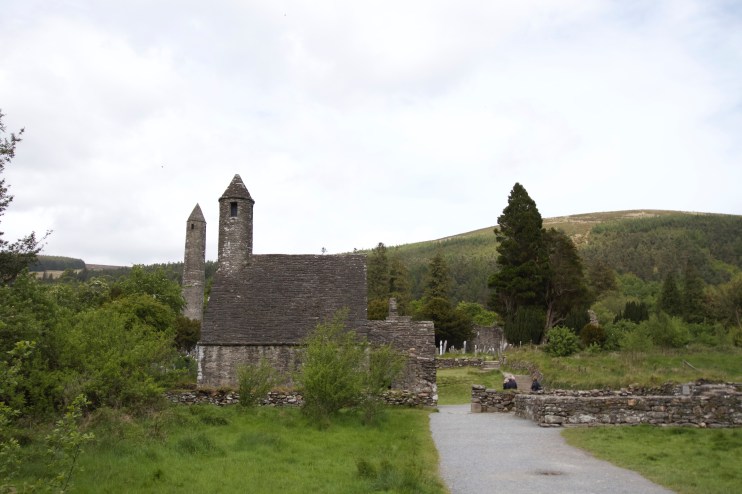
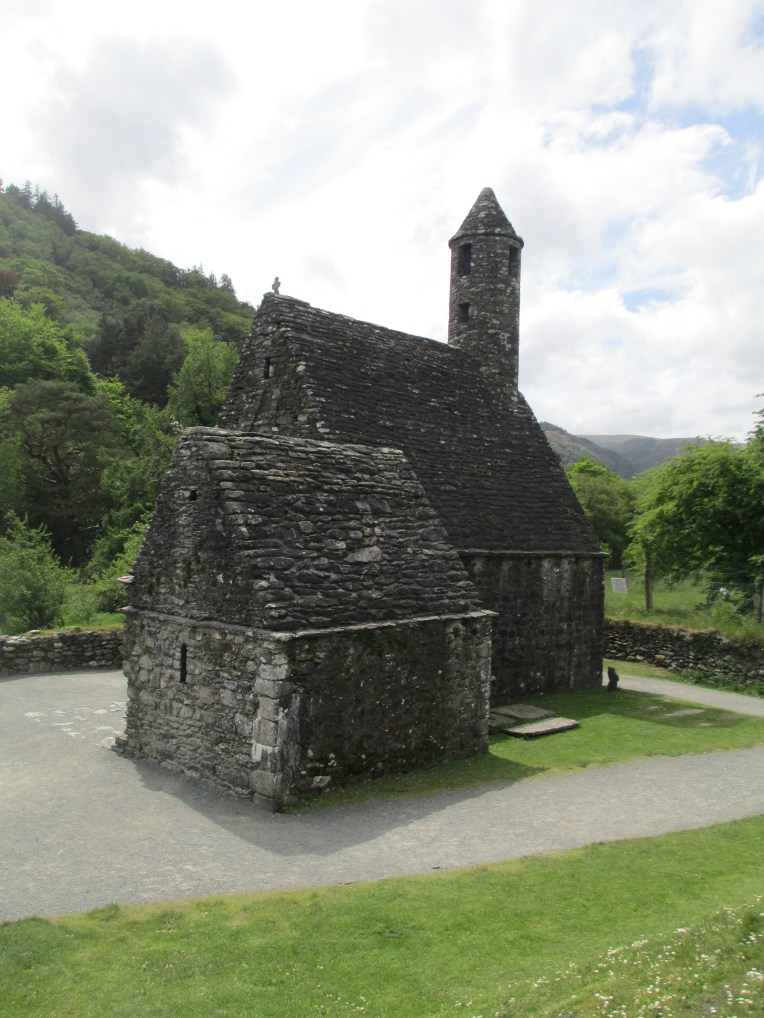
St Kevin’s House dating probably to the early 1100s. Glendaloch3

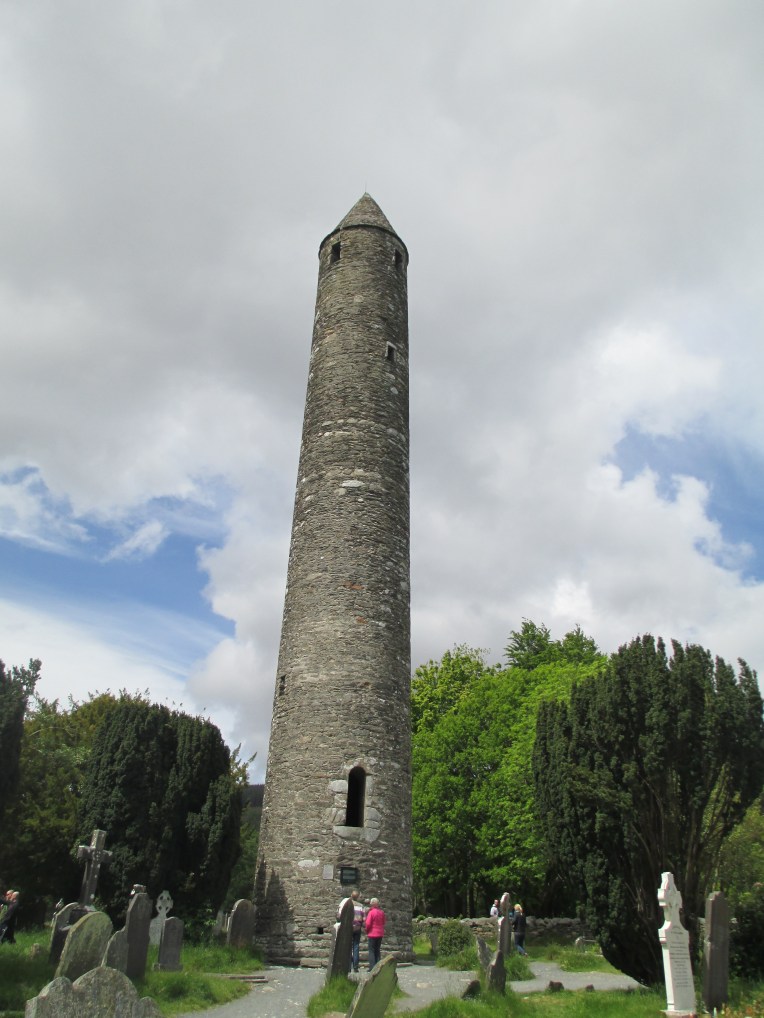
Round Tower dating to 900 to 1200 for more on round towers see

https://historicalragbag.com/2015/07/01/round-towers-of-ireland/

IMG_1792

Cathedral dating to 900-1000.

The name for Glendalough is from the Irish Gleann de Loch which translates as a valley of two lakes. The name really exemplifies the quiet, isolated beauty of the place.

The settlement in County Wicklow Ireland was founded by St. Kevin in the latter half of the sixth century. This was a period of great religious change in Ireland and there was still tension between the older faiths and Christianity. Christianity was still the Celtic rather than Roman form and there was a tradition at the time of small and very isolated communities living lives of asceticism to sacrifice themselves to the love and worship of God. It was in this tradition that St Kevin founded Glendalough. He probably lived there alone for roughly seven years, but word eventually spread and he was joined by others so he founded his first actual settlement. The original site of the settlement was on the lake but as the community grew the space became to limited and they moved to their present site.

Life as Glendalough was not always calm and isolated, there were Viking raids in 790, 834, 889 and 938. But while they would have been damaging they did not affect the overall longevity of the settlement. The monks would not have been the only inhabitants of the settlement, there would have been craftsmen, pilgrims and students. The monks educated the children of the aristocracy. Glendalough was a centre of learning.

The first major change to Glendalough came with the invasion of the Anglo-Normans in 1169. The Anglo-Normans were keen to absorb Glendalough into their version of a religious community and in 1173 Richard Strongbow gave the cathedral and parsonage to his clerk Thomas. By 1214 Glendalough was incorporated into the Dublin Diocese.

Over the years Glendalough became a symbol for Celtic resistance, and it found itself in a territory that was openly in rebellion against the English. It was in fact sacked by an English force 1398. Glendalough began to fall into decline over the next two hundred years and the Flight of the Earls (which was the departure of the last of the great Gaelic chieftains) in 1601 spelled the end for the community and the churches fell into ruin until they were renovated by the Board of Works in the 1870s.


References:

Glendalough: A guide ISBN: 9181905487462

The photos are all mine, bar the first one which I have permission to use.


Advent Calendar of Medieval Religious Institutions: December 12th: Hore Abbey

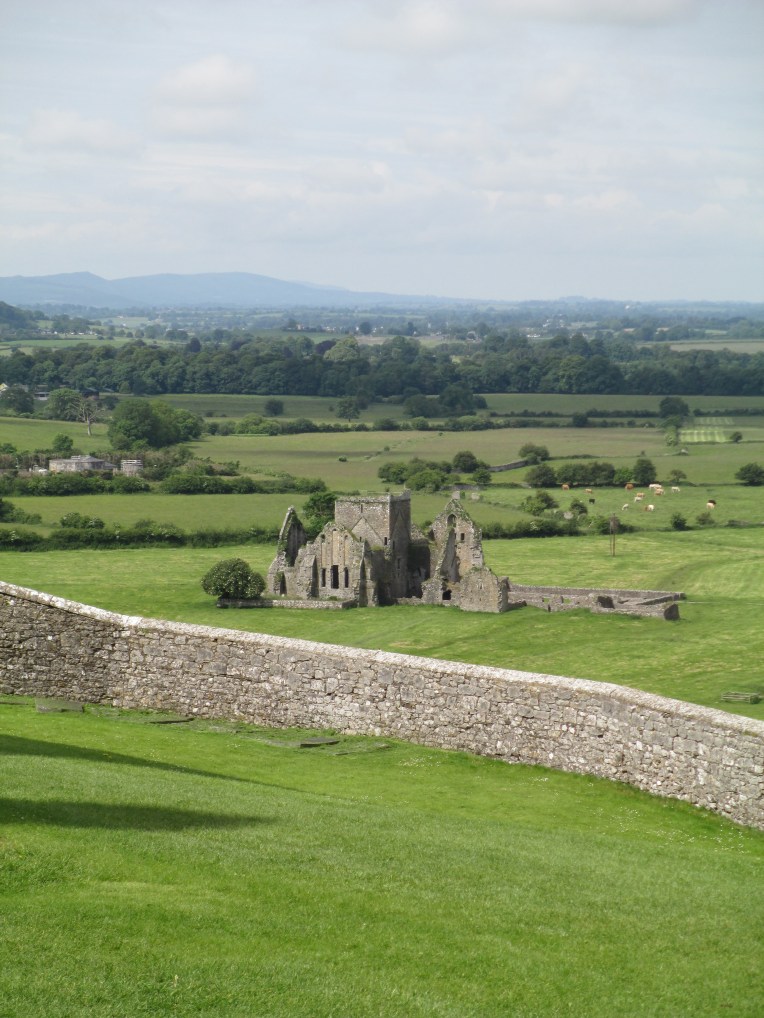
Hore Abbey1Hore Abbey2Hore Abbey3Hore Abbey in County Tipperary Ireland is often overshadowed by the awe inspiringly spectacular Rock of Cashel which looms right over it. It is, however, a very interesting abbey in its own right.

The Abbey was founded by the Benedictines in 1266. However in 1269 it is said that the Archbishop of Cashel David McCarvill had a dream that the monks attempted to decapitate him so he violently threw the Benedictines out. It is definitely true that he evicted the Benedictines, though it was probably for a more prosaic reason.

He remade the abbey as a Cistercian foundation and imported monks from Mellifont Abbey to populate it. It was the last Cistercian abbey to be founded in Ireland. The majority of the ruins you see today date from the 13th century though some changes were made in the 15th century. The most obvious change was the addition of the tower in the middle of the transept. The remains of the cloister arcade are positioned to the north of the abbey itself, which is unusual. It is possible that the location of the Rock of Cashel might be the reason for this odd positioning.

The buildings are actually quite substantial. The remaining choir is twenty-nine feet long and twenty feet wide. The nave is fifty feet long and twenty three feet wide.

The Abbey was dissolved as part of the Dissolution of the Monasteries and only the Abbot and one monk were granted a pension. In 1561 Elizabeth I gave the abbey and its grounds to Sir Henry Radcliffe along with a portion of ale, called the Mary-gallon, out of every brewing in Cashel.

References:

Site visit 2012

http://www.askaboutireland.ie/reading-room/sports-recreation/postcards-of-ireland/tipperarys-historical-pos/cashel/hore-abbey/

http://www.ireland.com/en-au/what-is-available/attractions-built-heritage/churches-abbeys-and-monasteries/destinations/republic-of-ireland/tipperary/cashel/all/1-60836/

Grosse, The Antiquities of Ireland, Volume I, Kilkenny: Wellbrook Press, 1982.

The photos are all mine.

Advent Calendar of Medieval Religious Institutions December 6th: Lanercost Priory

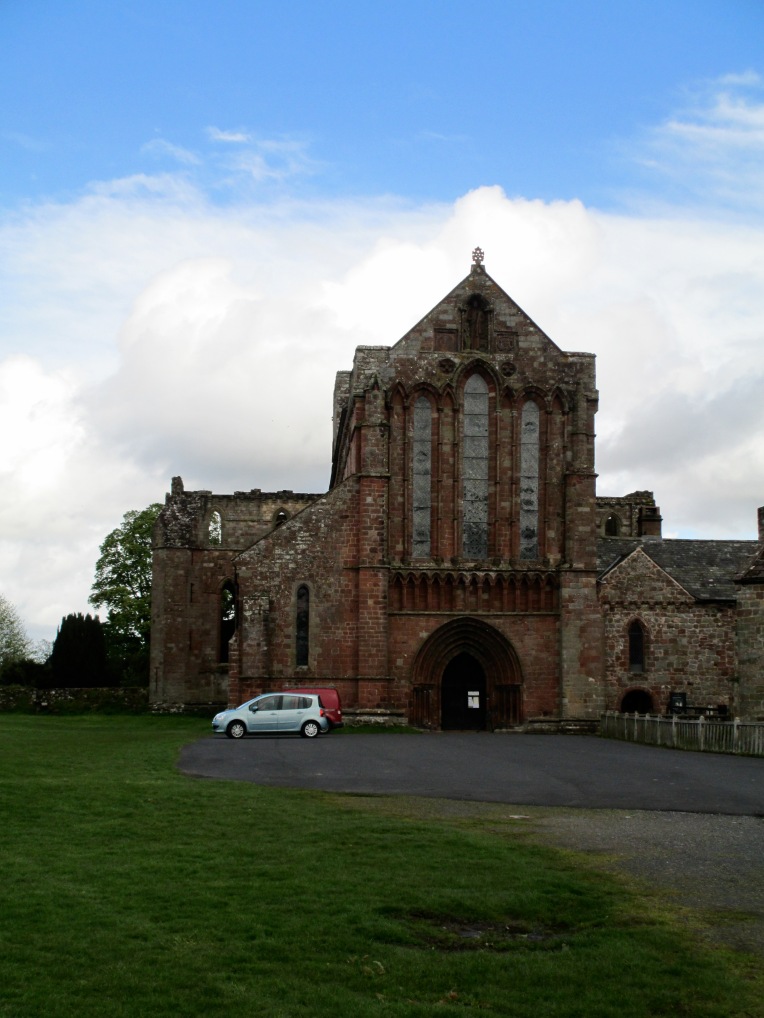
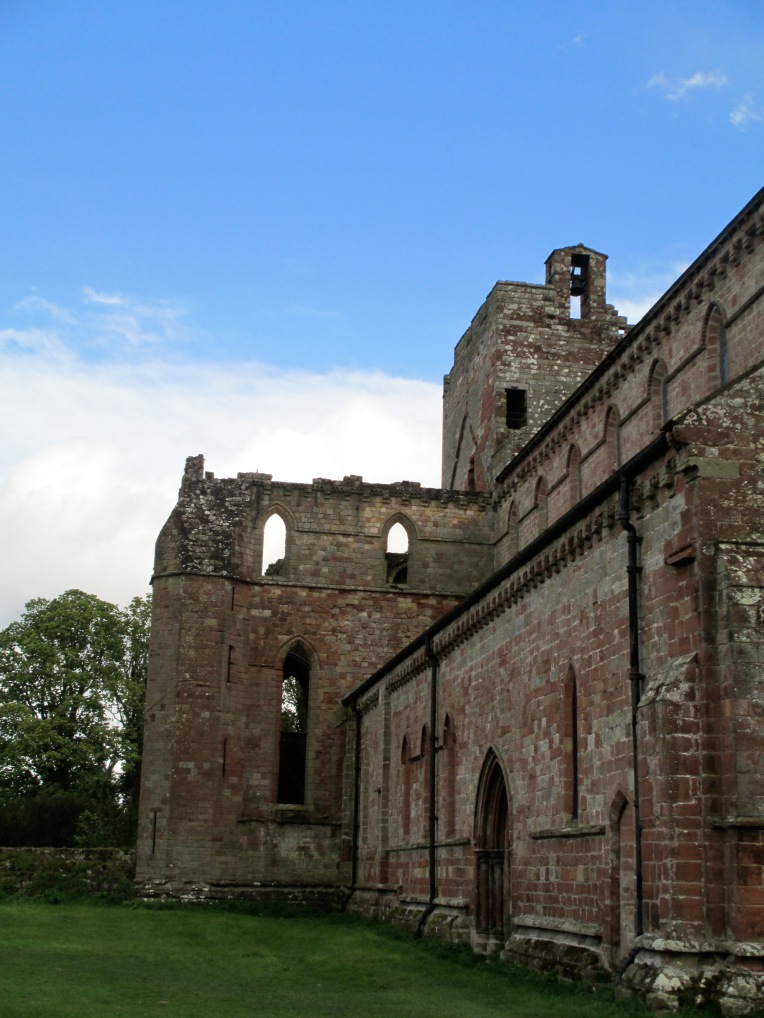
Lanercost1Lanercost2Lanercost3Lanercost Priory was founded in 1169. It was home to a group of Augustinian canons. Augustinians were not monks exactly. Each was a canon, an ordained priest, and they were ruled by a prior. The priory was founded partly as a political act; both to establish a point of Anglo-Norman control and to help demarcate the newly re-established English Scottish frontier. In fact a reasonable portion of the stone used to build the priory was probably reclaimed from the nearby Hadrian’s Wall.
The priory was founded by Robert de Vaux. As well as political considerations de Vaux also probably wanted a site to endow perpetual prayers both for himself and for the souls of his parents. The priory was endowed with both churches and lands and it was both dedicated and founded in 1169. The original buildings would have been largely wood, but due to the proximity of Hadrian’s Wall, and thus a steady supply of already cut and dressed stone, the buildings were built in stone comparatively early in the building process. There was also significant rebuilding works in the mid 13th century.

Lanercost is a small priory, but it found itself at the centre of English Affairs in 1306-1307 when Edward I stayed there. He was in the area to deal with a resurgence in Scottish resistance. He did not intend to stay at Lanercost for a long period of time, however illness confined him there for nearly six months. This meant that the priory was not only host to the king but to a number of leading courtiers and the Queen and Prince Edward. New buildings had to be constructed to house the growing number of attendants, ultimately there was at least 200 people in permanent residence with the king. This is not counting the courtiers that turned up with their retinues. The priory was quite impoverished by having to supply resources to the king for six months, but he did reward them by bestowing the churches on Carlaaton and Mitford on the priory. It took time to secure their claims though, and it was years before they were better off from the king’s visit.

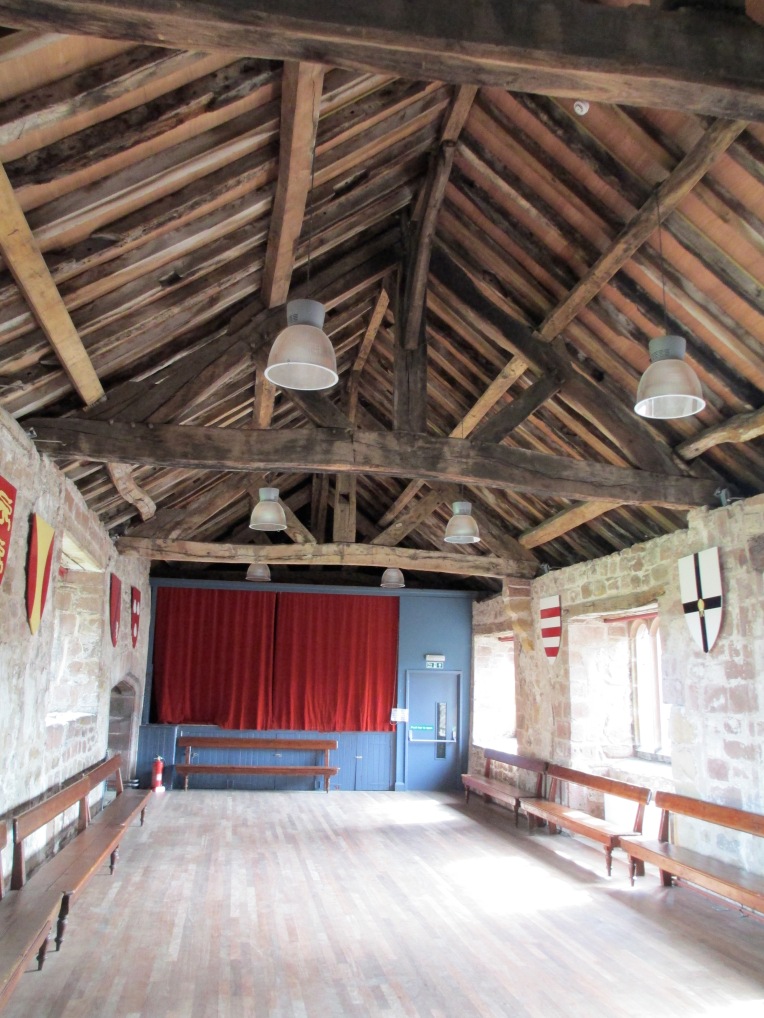
The priory was dissolved in 1537 as part of the Dissolution of the Monasteries, the nave of the church was retained to serve as the parish church which is continues to do today. The remainder was sold as a grand residence. Thomas Dacre was granted the priory in 1542 and converted the west range of the cloister as his residence and the first floor as his great hall. You can see Dacre Hall in the final photo above. It is reputed to be the oldest village hall in England. It was given to the people of Lanercost as their village hall in 1952.

References:

Site visit 2012

https://dacrehall.com/history/

Lanercost Priory Cumbria by Henry Summerson and Stuart Harrison. ISBN: 9781873124309

The photos are all mine


Advent Calendar of Medieval Religious Institutions: December 3rd: St Augustine’s Canterbury

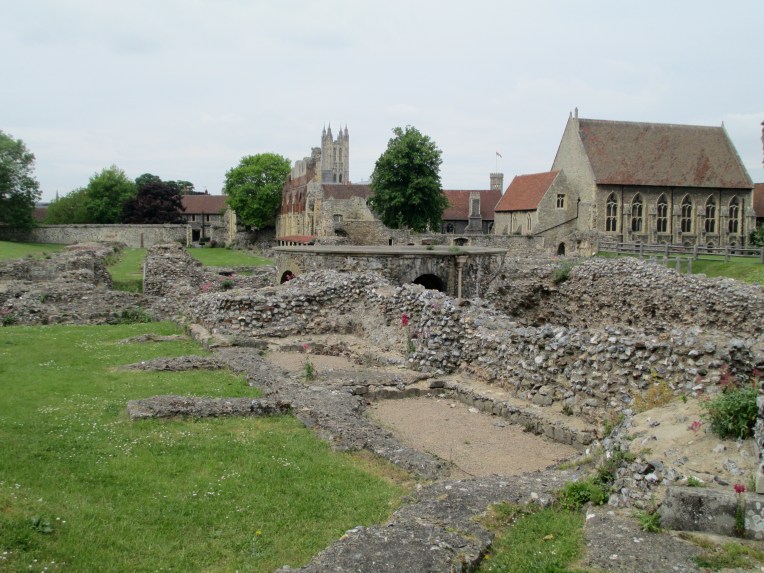
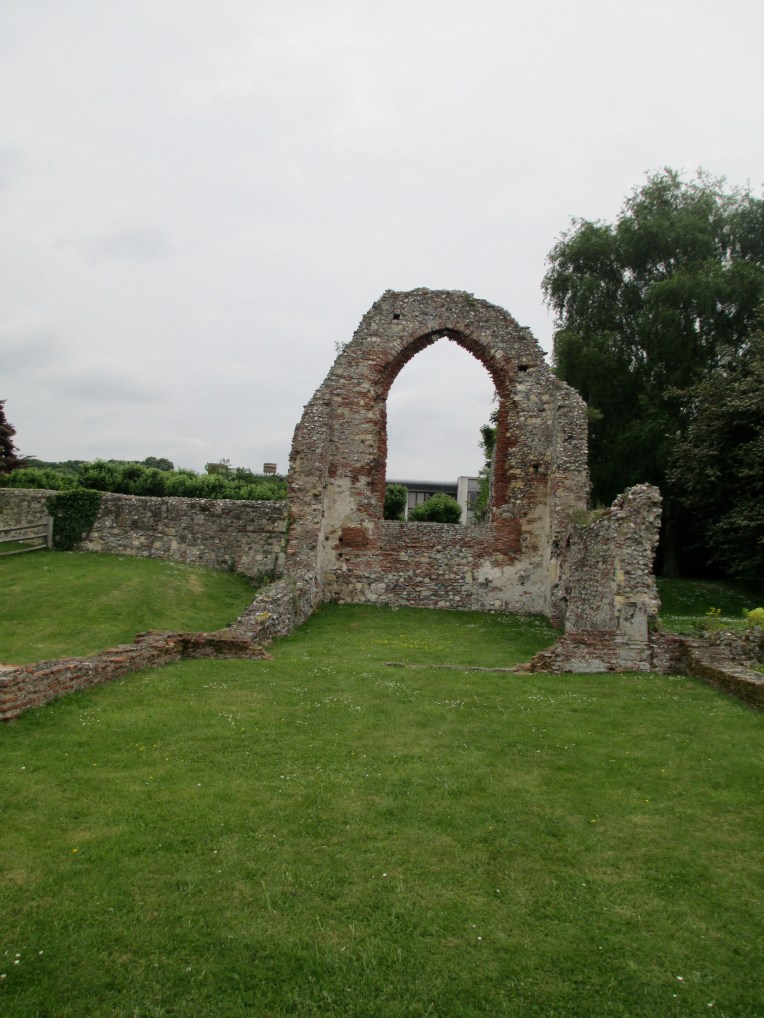
Augustine's3Augustine's1Agustine's2

St Augustine’s was founded in roughly 598 by St Augustine, making it one of the oldest monastic sites in the country.

Augustine was sent by Pope Gregory the Great in the late 500s to restore Christianity to Southern England. Christianity had waned in England with the departure of the Romans. In the late 500s England was divided into a number of small kingdoms and Augustine set out with the aim of converting the royal families, deciding that they could then persuade their subjects.

He started in Kent because the king,  Ethelbert, was one of the most powerful in the region and his wife, Bertha, was already a Christian.  Augustine was successful and Ethelbert converted.

The Abbey was built after Ethelbert’s conversion and it served both as accommodation for the monks that Augustine imported and as a burial place for the kings. It was built outside the Roman and later medieval walls of the town of Canterbury. It also became the burial place for the early Archbishops of Canterbury.

After the Norman conquest the abbey became a standard, though powerful,  Benedictine monastery. It remained so until 1538 when it was suppressed as part of the Dissolution of the Monasteries. After it was dissolved it was used as a royal palace by Henry VIII and as a resting stop on the journey between London and the ports in the South East. It was used as a brewery for a time in the 1700s and 1800s and by the late 1800s a missionary school had been established. Today some of the site is still occupied by King’s School. The abbey is often overshadowed by it spectacular neighbour Canterbury Cathedral, but as the site of the re-establishment of Christianity in England and as one of the most powerful monasteries of the time it is in many ways more important.


References: Site visit 2012

English Heritage book: 9781850746690

The photos are all mine.

Advent Calendar of Medieval Religious Institutions December 2nd: Bury St Edmunds

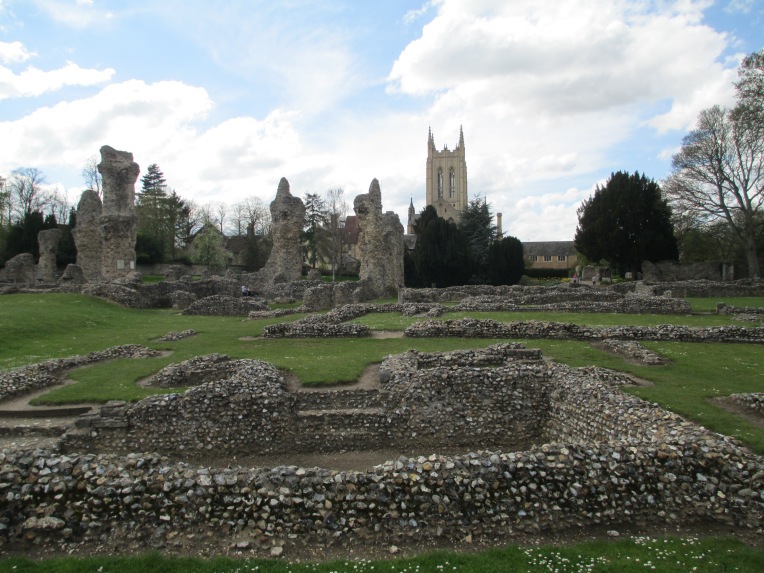
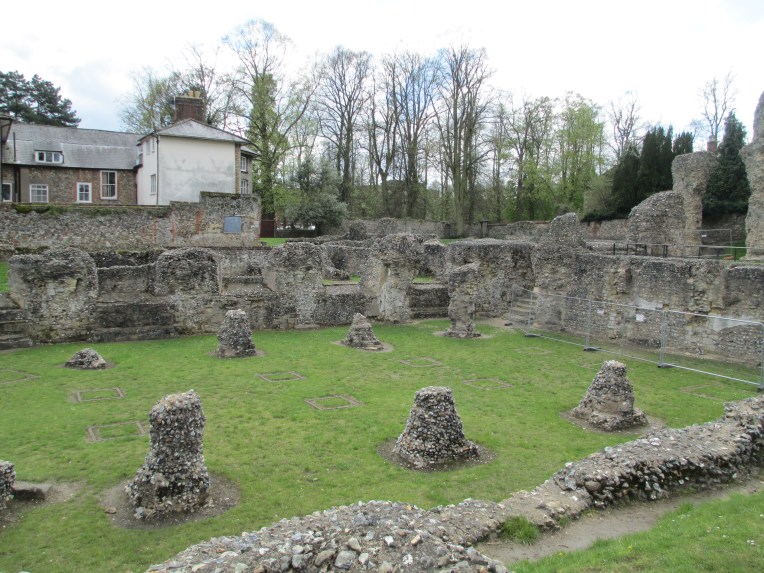
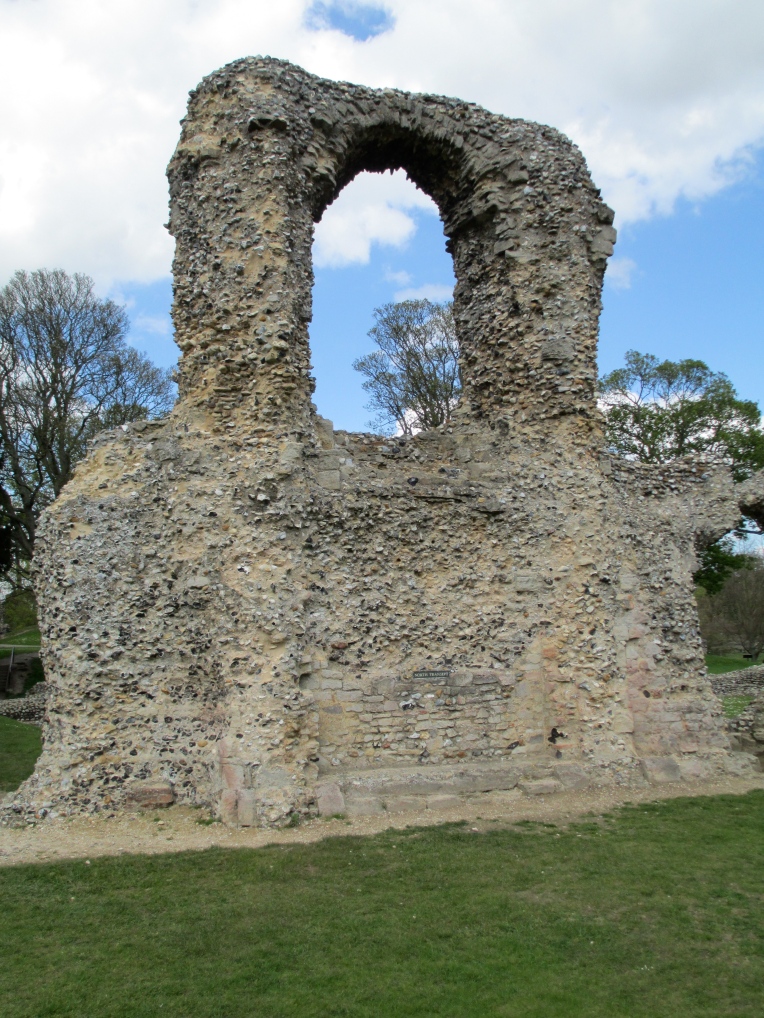
burybury st 3bury st 5Bury St Edmunds is one of my favourite abbeys. It was the first abbey I ever saw and the ruins that remain are less romantically dishevelled than many of the other religious institutions you’ll see on this list. There is an epicness to the ruins which is hard to convey in photographs.

As Bury St Edmunds is one of my favourites I have written about it before in detail so here’s the link to the original post

https://historicalragbag.com/2014/10/07/bury-st-edmunds/

Advent Calendar of Medieval Religious Institutions December 1: Rievaulx Abbey

The last two years I have run an advent calendar over December. In 2015 it was medieval quotes, in 2016 it was medieval castles, this year I am doing medieval religious institutions (abbeys, monasteries, convents, priories etc not churches or cathedrals). This means that each day from the 1st of December to the 25th of December I will put up a short post on a medieval religious institution with photos. These will be British, Irish and French and from a variety of religious orders. Some of the places I will have written about before in more detail and some I will write about later in more detail.

I am beginning with Rievaulx Abbey

Rievaulx 1Rievaulx2Rievaulx3

Rievaulx is a Cistercian abbey in North Yorkshire in England. It was the first Cistercian monastery in the north of England. As this is first Cistercian monastery listed I’m going to briefly explain what the Cistercian Order was.

The Cistercian Order was founded in 1098 in Citeaux in what is now France. While its foundation is complex, essentially it was a reaction against the perceived corruption and extravagance of the older Benedictine monasteries like Cluny. The aim of the Cistercian Order was to return to the original ideals of St Benedict and to live a very simple life. Cistercian abbeys were usually isolated and self sufficient, though the lay brothers did the work on the farms because the monks were cloistered. They lived simply and ascetically, closely following the rule, away from the gold, excesses and luxuries often seen in the bigger older monasteries.

By 1153 over 350 houses had been established across Europe, including Rievaulx. This was at least partly due to the work of the man who is probably the best known Cistercian of his period; Bernard of Clairvaux.

Bernard is not one of my favourite historical figures, largely due to his puritanical opposition to Eleanor of Aquitaine when she was Queen of France. He was, however important. He joined the Cistercian Order as a novice in 1113 and by 1115 was the founding abbot of one of the early daughter houses in Clairvaux. He preached the 2nd crusade, was a councillor to Louis VII and had an immense amount of influence. He died in 1153 and was canonised  by 1174.

Riveaulx was founded in 1132 by Bernard to drive the colonisation of Northern England by the Cistercian order. The original buildings would have been wooden, but William, the first abbot, began building in stone by the late 1130s. By the 1160s it was one of the most powerful abbeys in Britain. The abbey was at its height under Abbot Aeldred (1147-67) who was later canonised. Aeldred came to Rievaulx in 1134 and was elected abbot in 1147. Under Aelred Rievaulx was home to a community of 140 choir monks and 500 lay brothers and servants. It also expanded extensively including the building of the spectacular church in the late 1140s

Riveaulx was part of the dissolution of the monasteries under Henry VIII. It was dissolved in 1538, though by this time it had shrunk to a community of just 23. It was sold to Thomas 1st Earl of Rutland. Rutland had the buildings dismantled, especially the lead roofs and the bells which he reserved for the king. Luckily Rutland’s steward from nearby Helmsley Castle kept detailed records of everything that was dismantled.

Rievaulx made very picturesque ruins and was a favourite of the romantic painters. It is certainly still hauntingly beautiful today.


References

Site visit 2012

English Heritage Rievaulx booklet

https://historicalragbag.com/2017/05/22/mellifont-abbey/ (for the part about the Cistercians)

http://www.english-heritage.org.uk/visit/places/rievaulx-abbey/history-and-stories/history/