Annis and George Bills Horse Troughs

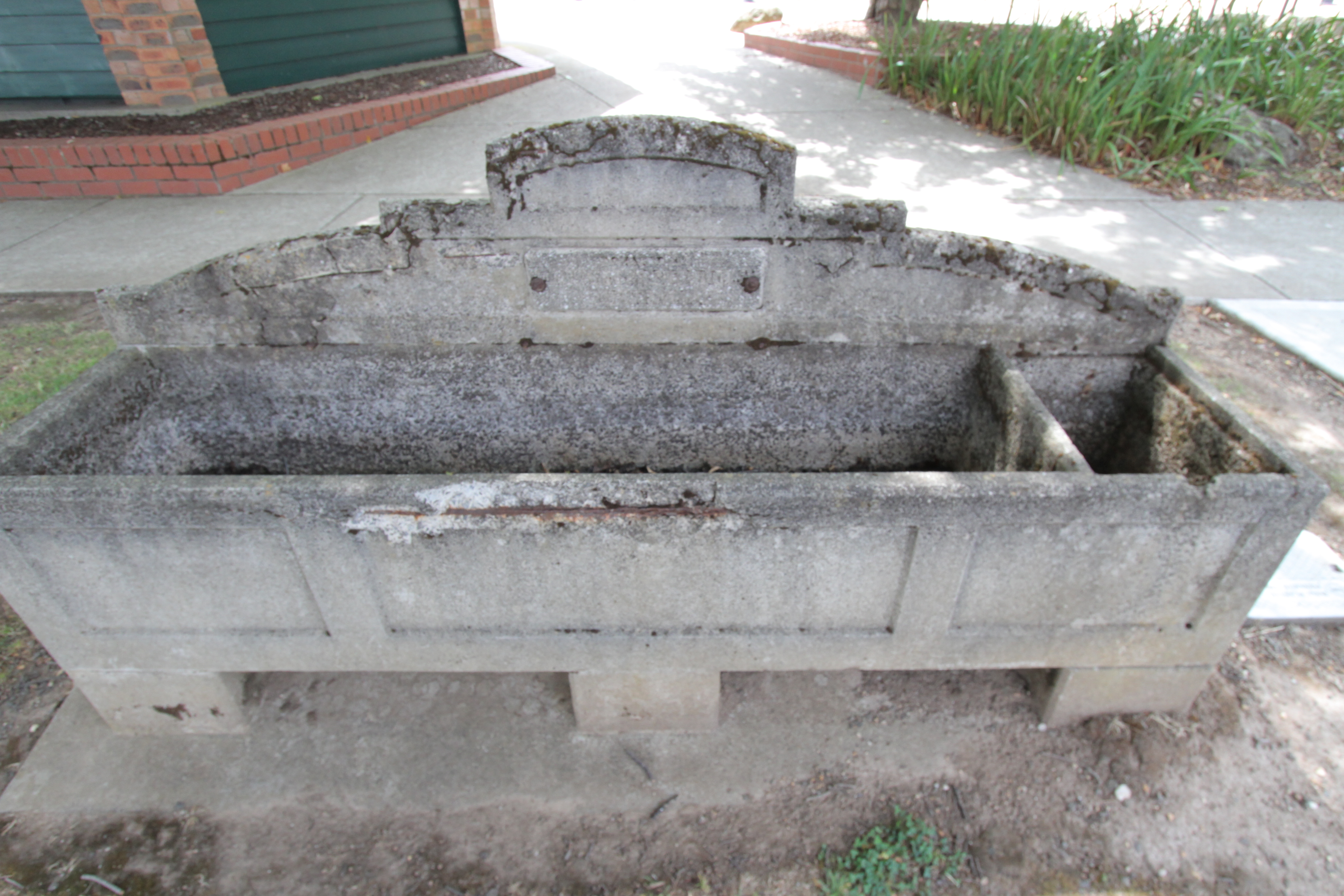
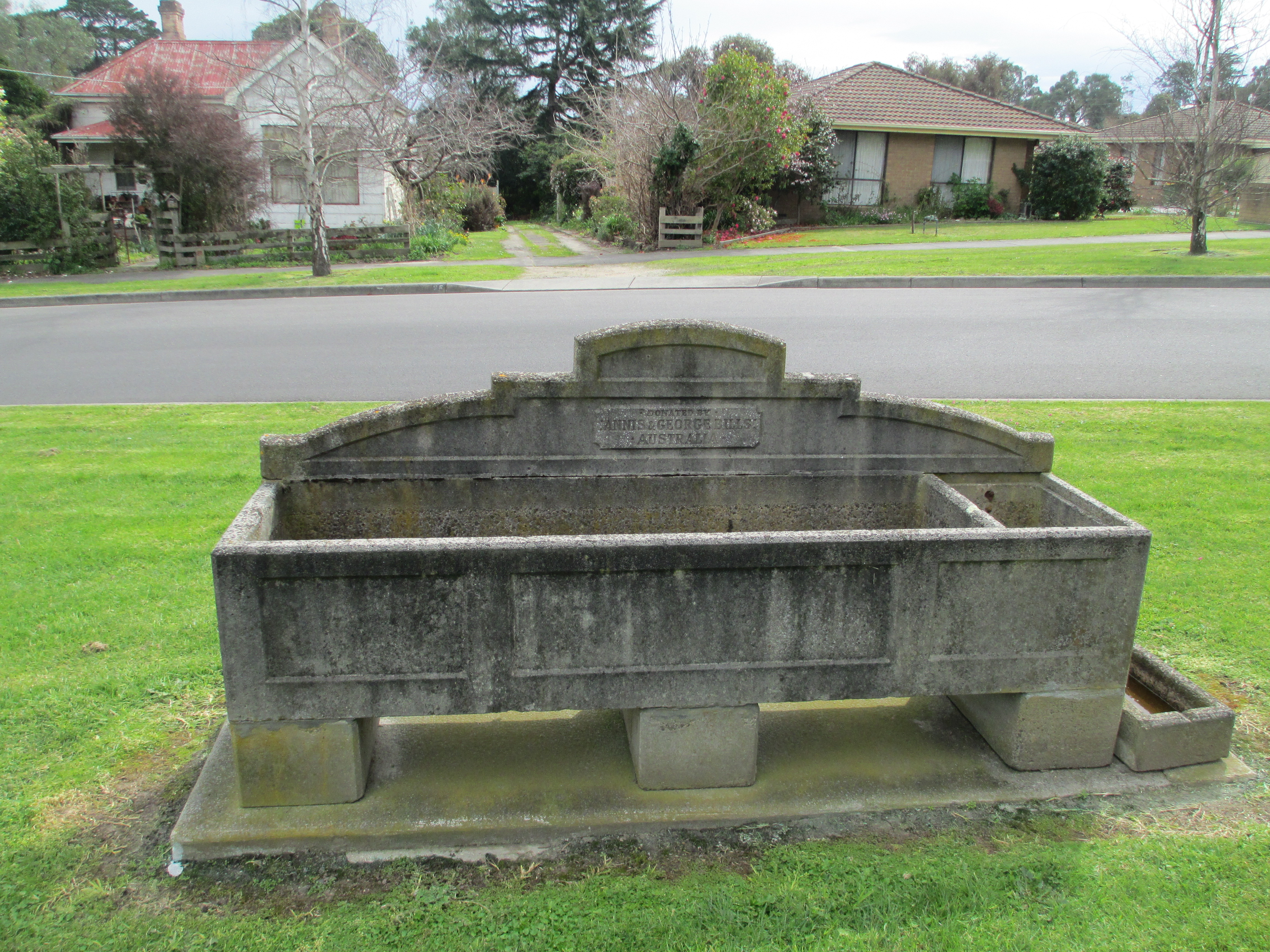
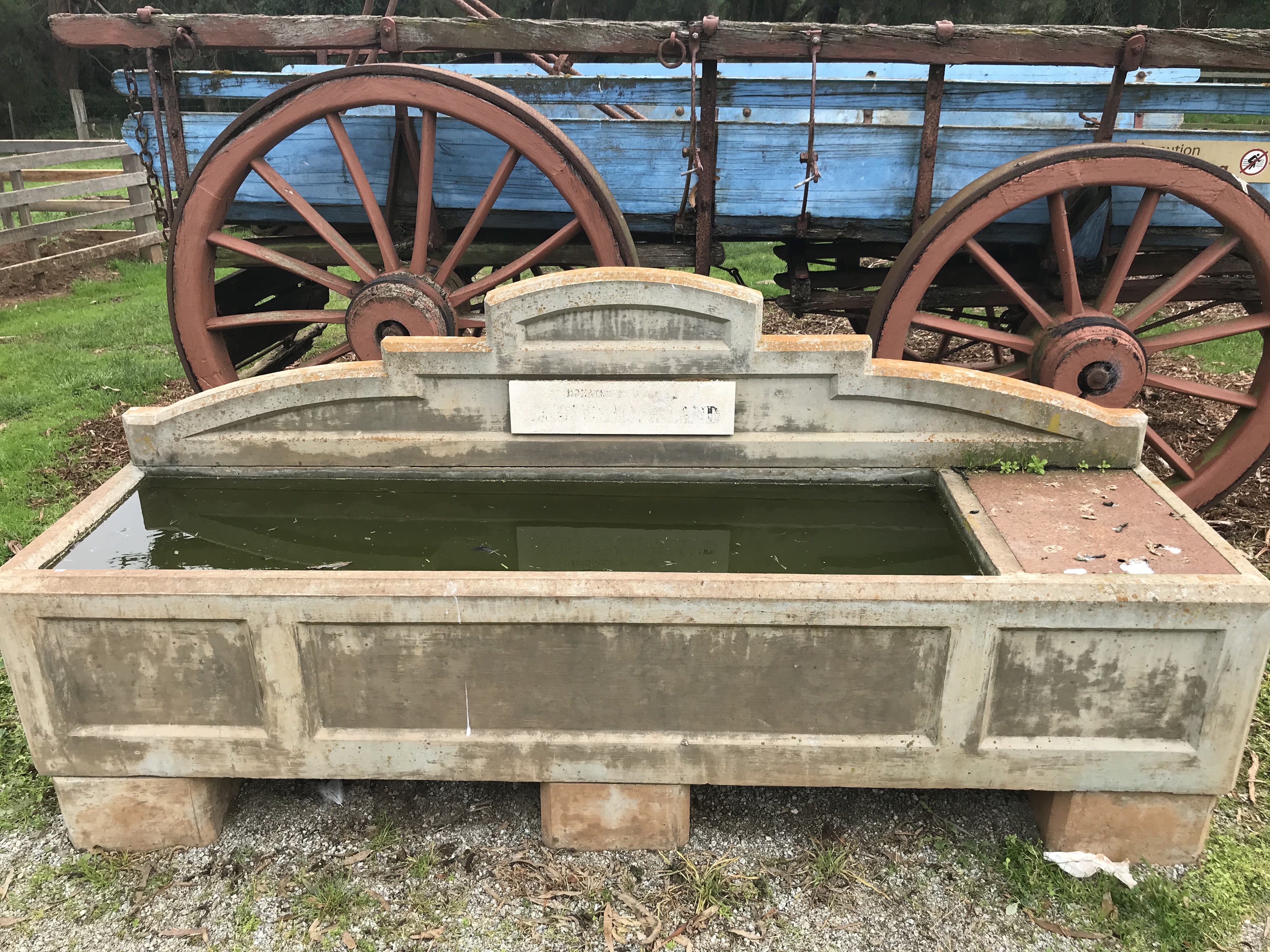
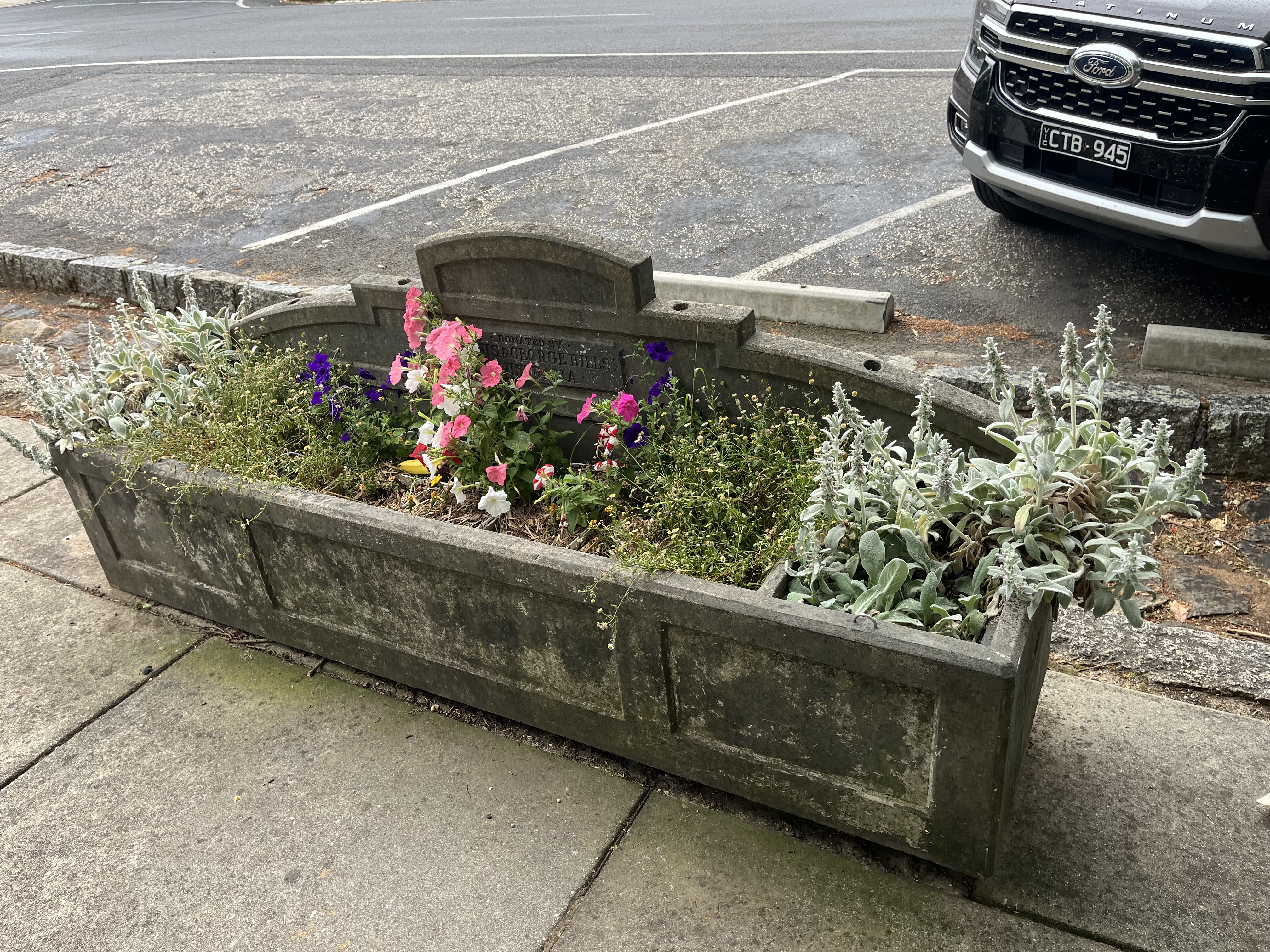
So, this is technically not a new post. It’s an update to an old one. In 2015 I went on a trip the Wimmera in Victoria and came across two horse troughs in two different towns with the same inscription. The inscription read that they had been donated by Annis and George Bills. You can see them in the photos below

Edenhope horse trough
Balmoral horse trough

When I got home I did some digging and found that these two troughs were part of an extraordinary bequest, and that they can be found all over Victoria and some of New South Wales. You can read the original post here, but I’ll provide the overall idea here too.

George Bills made his money out of mattresses, first in making them and then in creating and patenting machinery to weave them. His father, who was a naturalist, came to Australia in the 1800s and, as the Horsham Times described it in 1935, “his heart ached to see the sufferings of dumb animals.” This was a concern that he passed on to his son George who also associated himself with the society for the protection of animals in England, New Zealand and Australia. George’s wife died before him and they had no children so he decided to make provision in his will for the future welfare of animals. The residue of his estate, after several personal bequests, was set aside to provide free memorial horse troughs the length and breadth of the British Empire. Towns applied for them to the trust and many such as Horsham actually have more than one. George died in 1927 and approximately 86 000 pounds was left for the provision of horse troughs. Each was made to the same design and carried the inscription ‘Donated by Annis and George Bills Australia.” By 1937, according the the Adelaide Advertiser, the trust had set up more than 400 horse troughs in Victoria and were expanding to New South Wales.

Sometimes they were for more than horses though and issues could arise, as Dubbo found in 1946. In this particular case dogs and humans were catered for as well as horses. Unfortunately the position of the human’s drinking fountain was problematic. As the Dubbo Liberal and Macquarie Advocate said.

“Unfortunately, lack of foresight was shown in the placing of the adjunct for the public. It is immediately over the small concrete basin for dogs, and at the end of the horse-trough. After drinking, horses have been seen slobbering over the faucet, and dogs licking it.”

The drinking faucet was thankfully moved.

The Dubbo paper also adds the interesting detail that the activities of the trust lapsed during the war period, but began again afterwards, which was when Dubbo applied for its second horse trough with the subsequent problems.

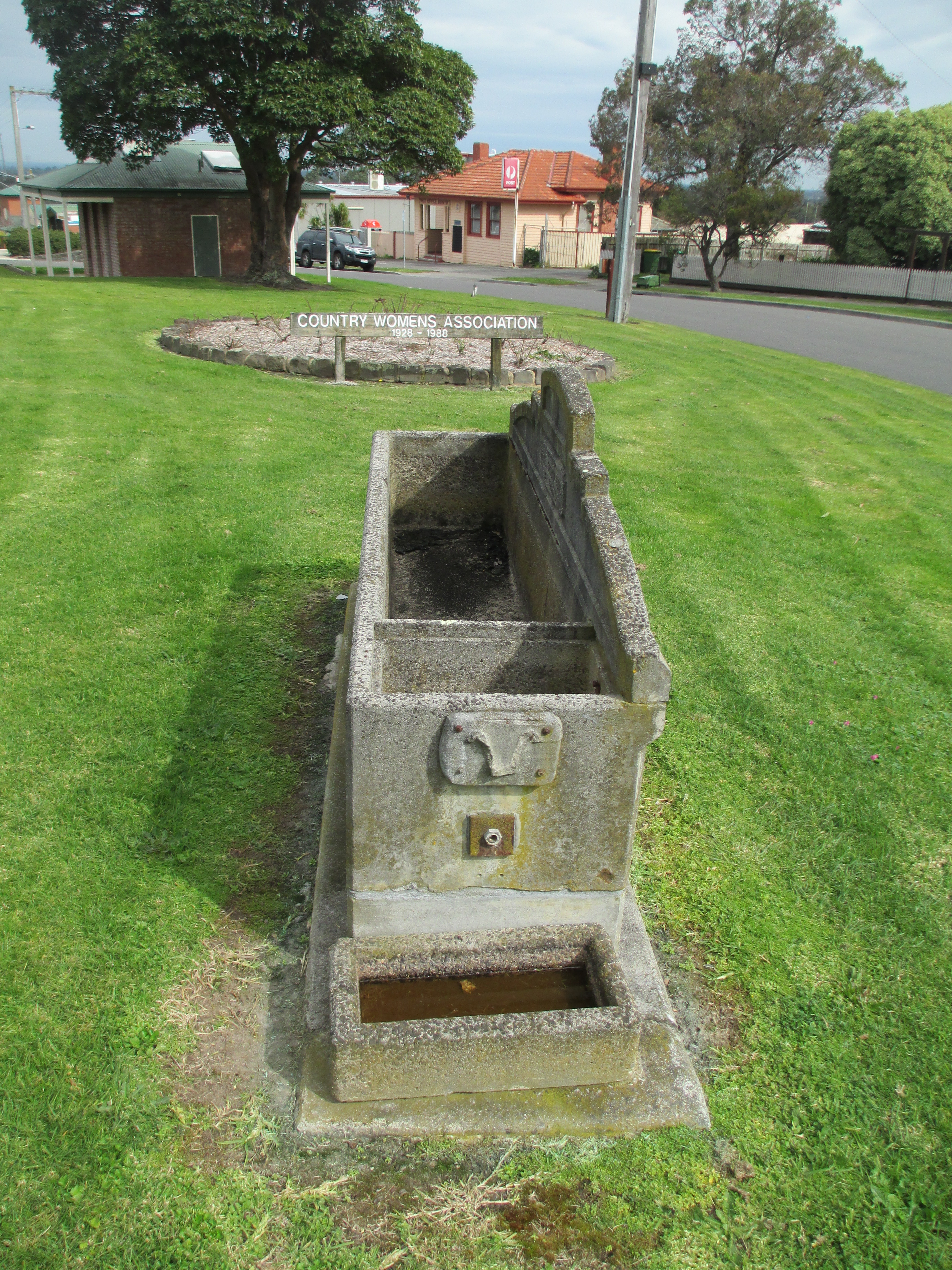
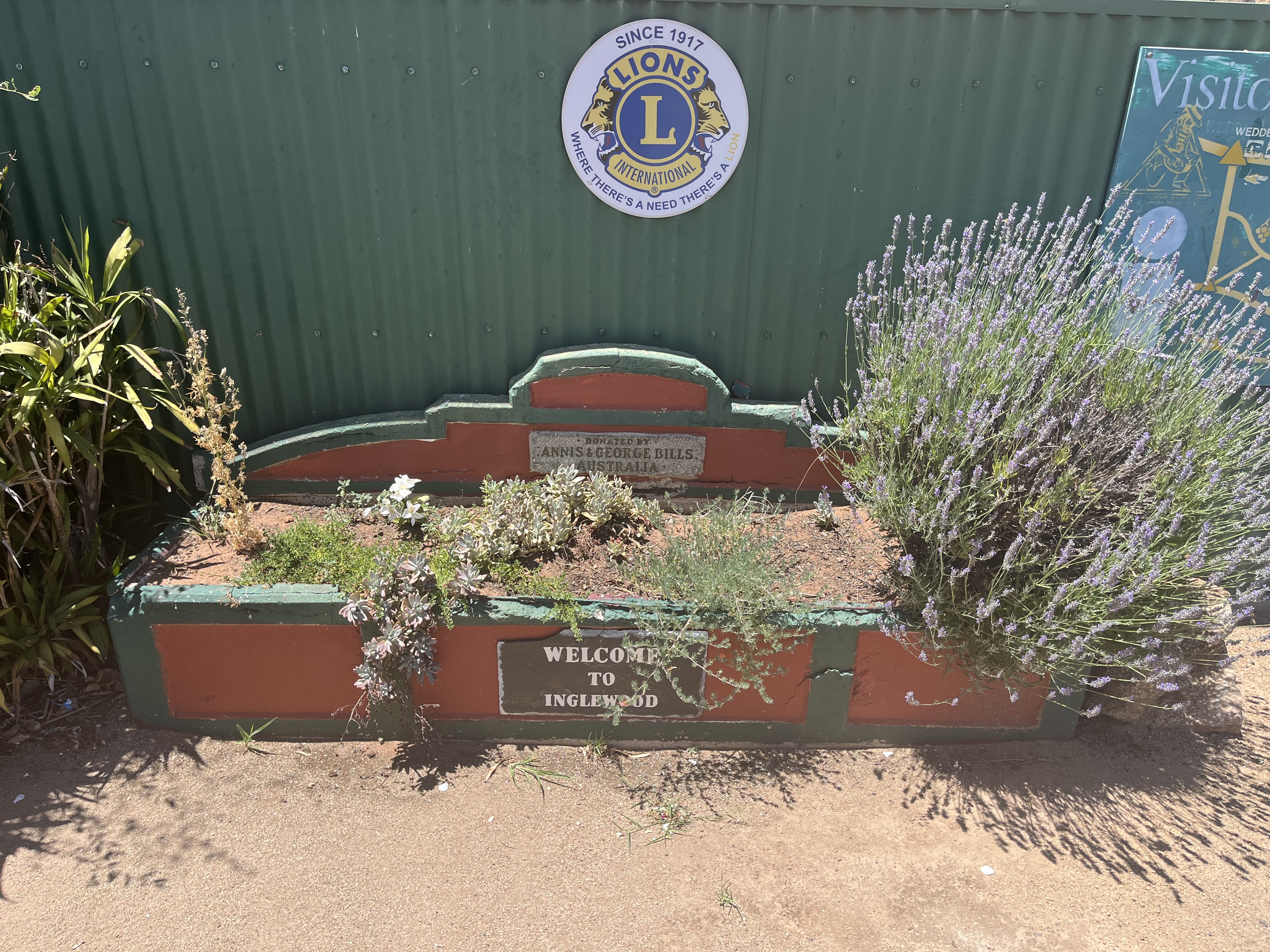
So since writing this original post I’ve been keeping an eye out for them and I’ve found another seventeen that I have photos of. So I thought I’d do this update so I can add in my new photos. And it gives me a spot to upload new ones as I find them. It’s such a fascinating piece of Australian history, and every time I spot one it makes me happy and it’s always interesting to see what use, if any, the town is putting them to now. Anyway, here are the rest of the photos

Ballan
Birchip

Bunyip

Churchill Island- possibly a more modern replica
Essendon
Hawksdale
Inglewood
Lake Coorong Station Homestead
Malmsbury

Two different horse troughs, Pioneer Settlement Swan Hill

Rainbow
Tooradin
Warrnambool – Flagstaff Maritime Village
Woodend
Yackandandah

References:

The photos are all mine

Horsham Times: http://trove.nla.gov.au/ndp/del/article/72616702?searchTerm=annis%20and%20george%20bills&searchLimits=

Dubbo Liberal and Macquarie Advocate:

http://trove.nla.gov.au/ndp/del/article/132963328?searchTerm=annis%20and%20george%20bills&searchLimits=

The Adelaide Advertiser: http://trove.nla.gov.au/ndp/del/article/74356258?searchTerm=annis%20and%20george%20bills&searchLimits=

https://billswatertroughs.wordpress.com/

the buried village

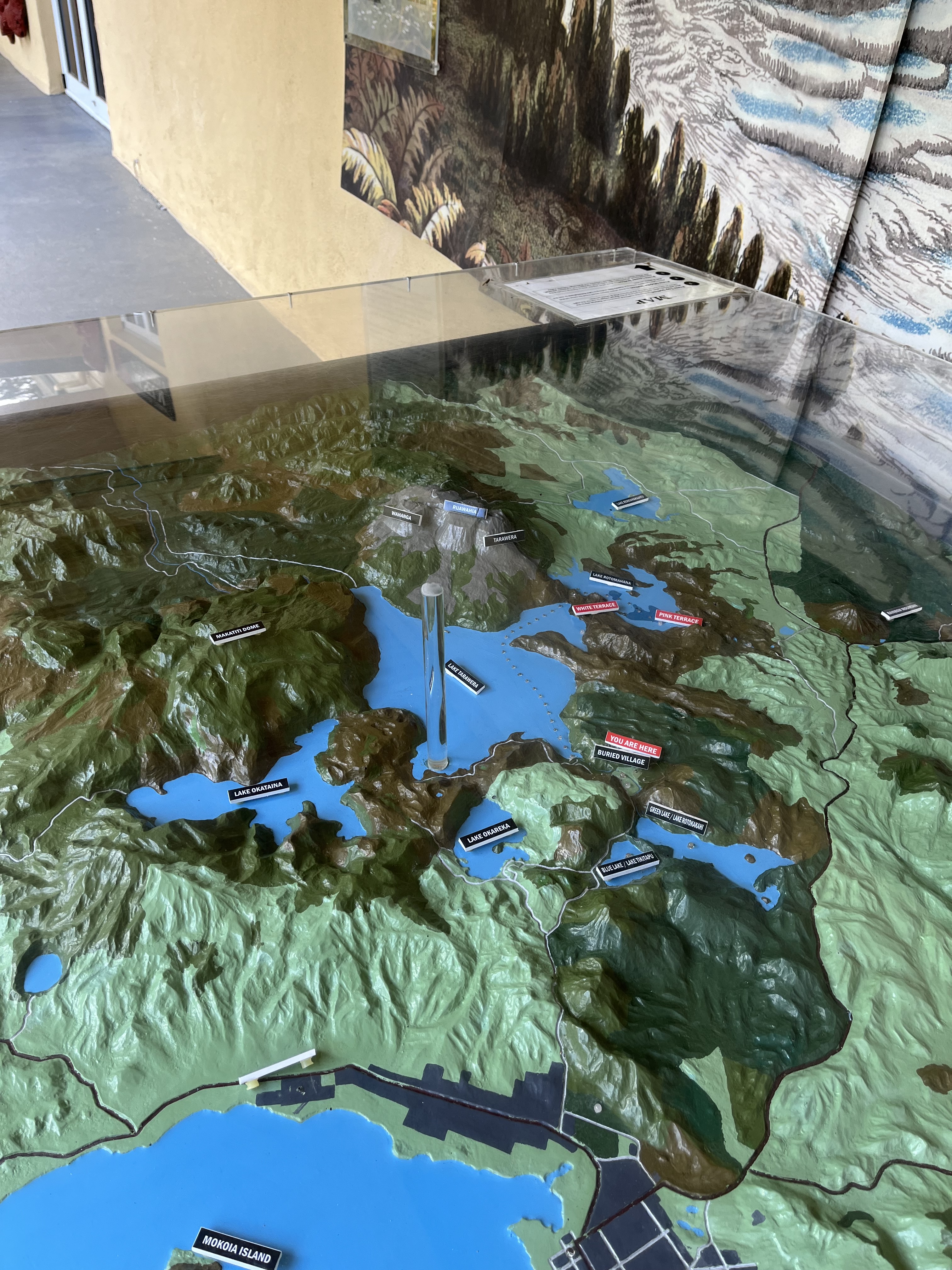
It’s been a while, life, work and other writing are basically the reasons. But I’m hoping to get back into a slightly more regular blog schedule, as there’s a backlog of, I hope, interesting things I want to write about. But back to the buried village. The village in question is Te Wairoa, just out of Rotorua on Aotearoa New Zealand’s North Island. The remains of the village sit in a really beautiful dip in a complex volcanic landscape. The map below gives you an idea of both the location of the village and the volatility of the landscape
As you might have gathered from the name, the fate of the village is not a happy one, but although one night of 1886 saw the end of the village, it did have a beginning. So we’re going to start there.

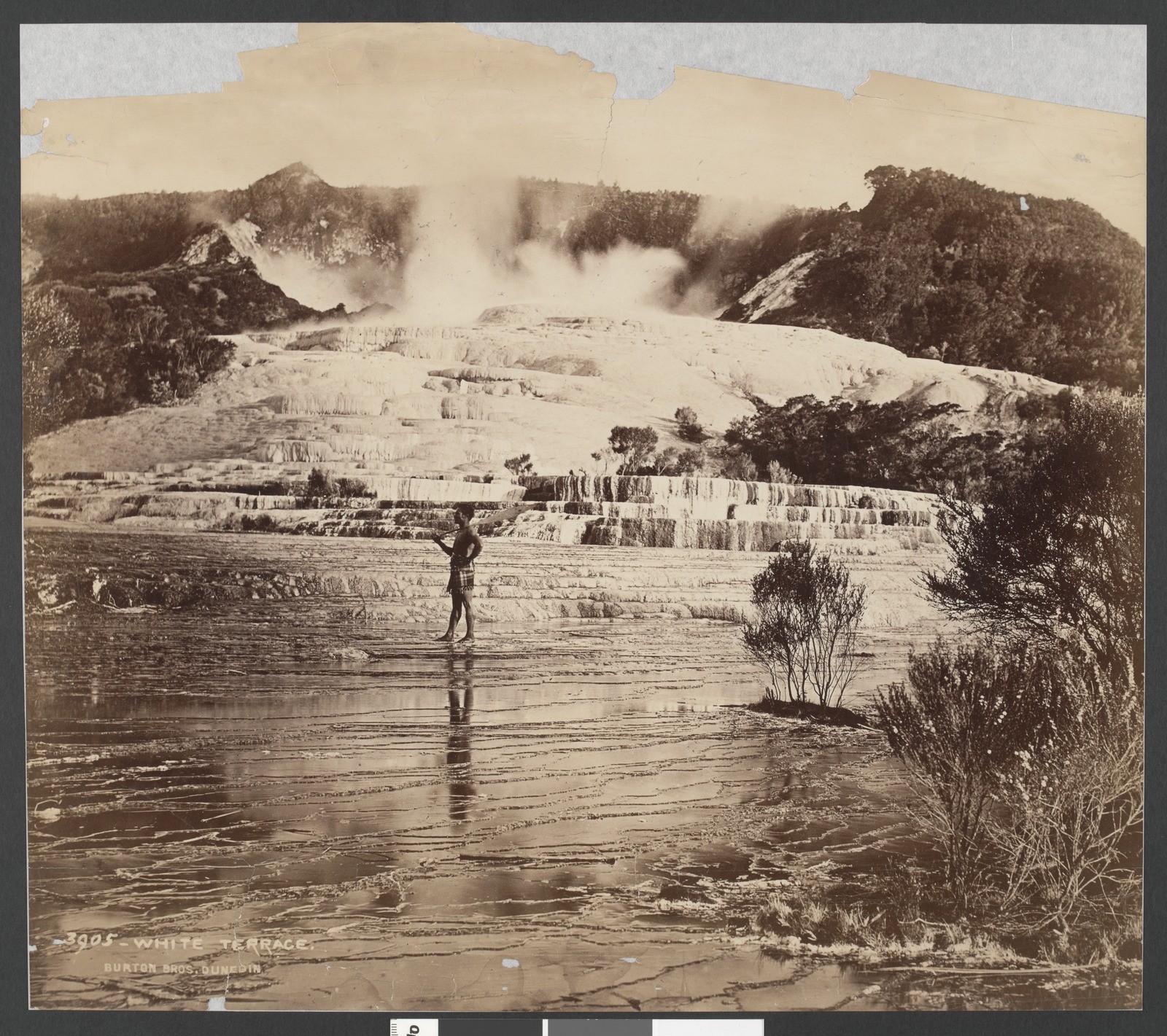
Maori people had been living in the area for generations, but Europeans moved into the area in the early 1800s. The foundations of the town itself are actually, interestingly, rooted in tourism. In the 1850s the local Tarawera iwi began guiding tourists to the magnificent Pink and White Terraces. A tradition that continues with the thermal landscape around Rotorua today. The guides were mainly women, including Guide Sophia who was described as an intelligent and pleasant woman and who bore 15 children. And Guide Kate, who was described as Amazonian. The Pink and White Terraces were extraordinary geological formations of hot and cold sinter baths, described as the 8th wonder of the world. You can see contemporary images of them below.

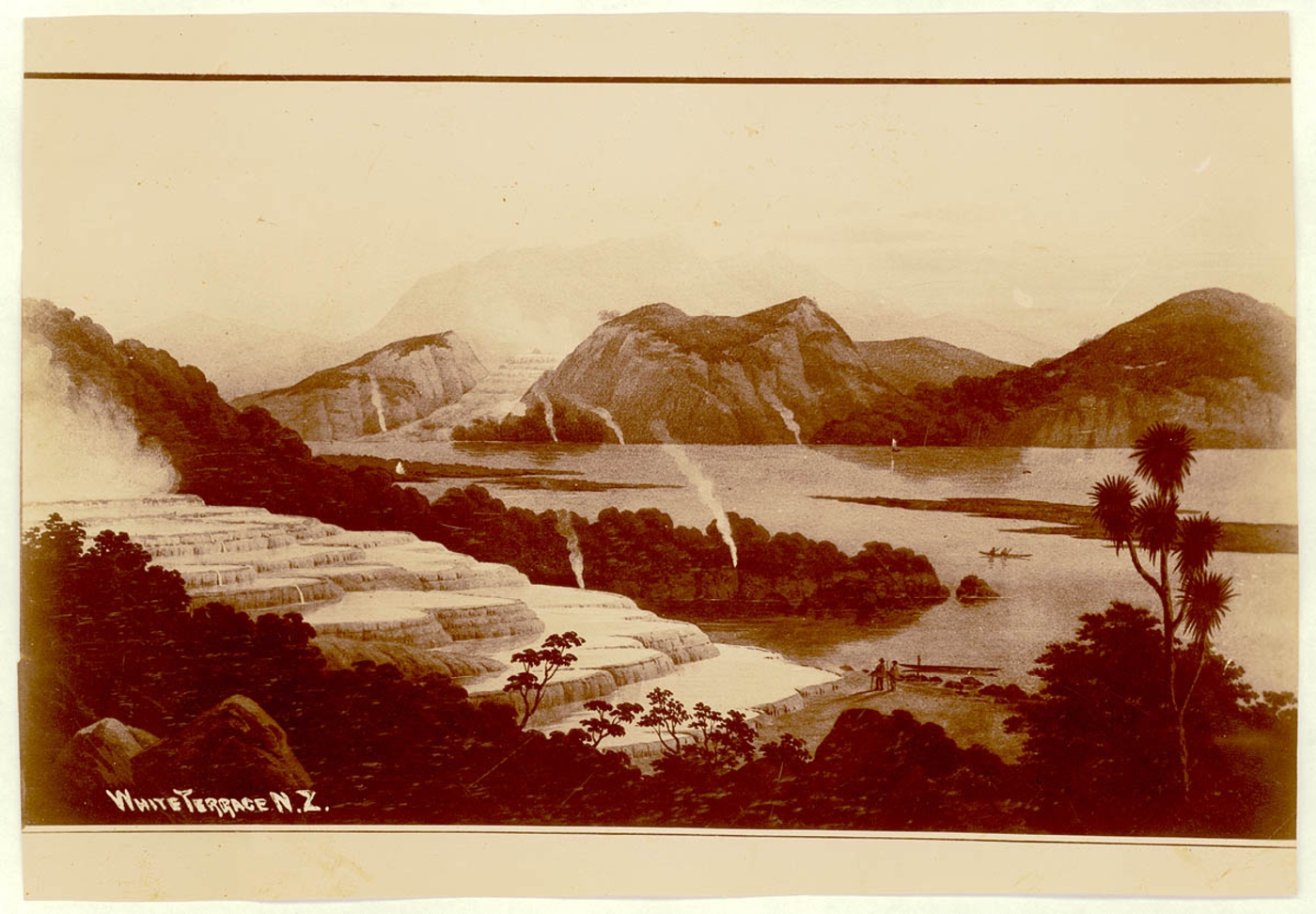
Victorians (the era not the state) came over long distances to visit these terraces. They were formed over 600 years ago when silica rich residue called sinter, originating from geysers, cascaded down and left thick silica deposits which, when they cooled, built these giant staircases as well as large pools of clear water. The White Terraces were about 280 metre wide and 30 m high, the Pink Terraces were a bit smaller and their colour came from the feric rich waters. You can get an idea of the colour in the painting below.

Objects became petrified by these silica rich waters. You can see a petrified hat below, that maybe a tourist left behind.

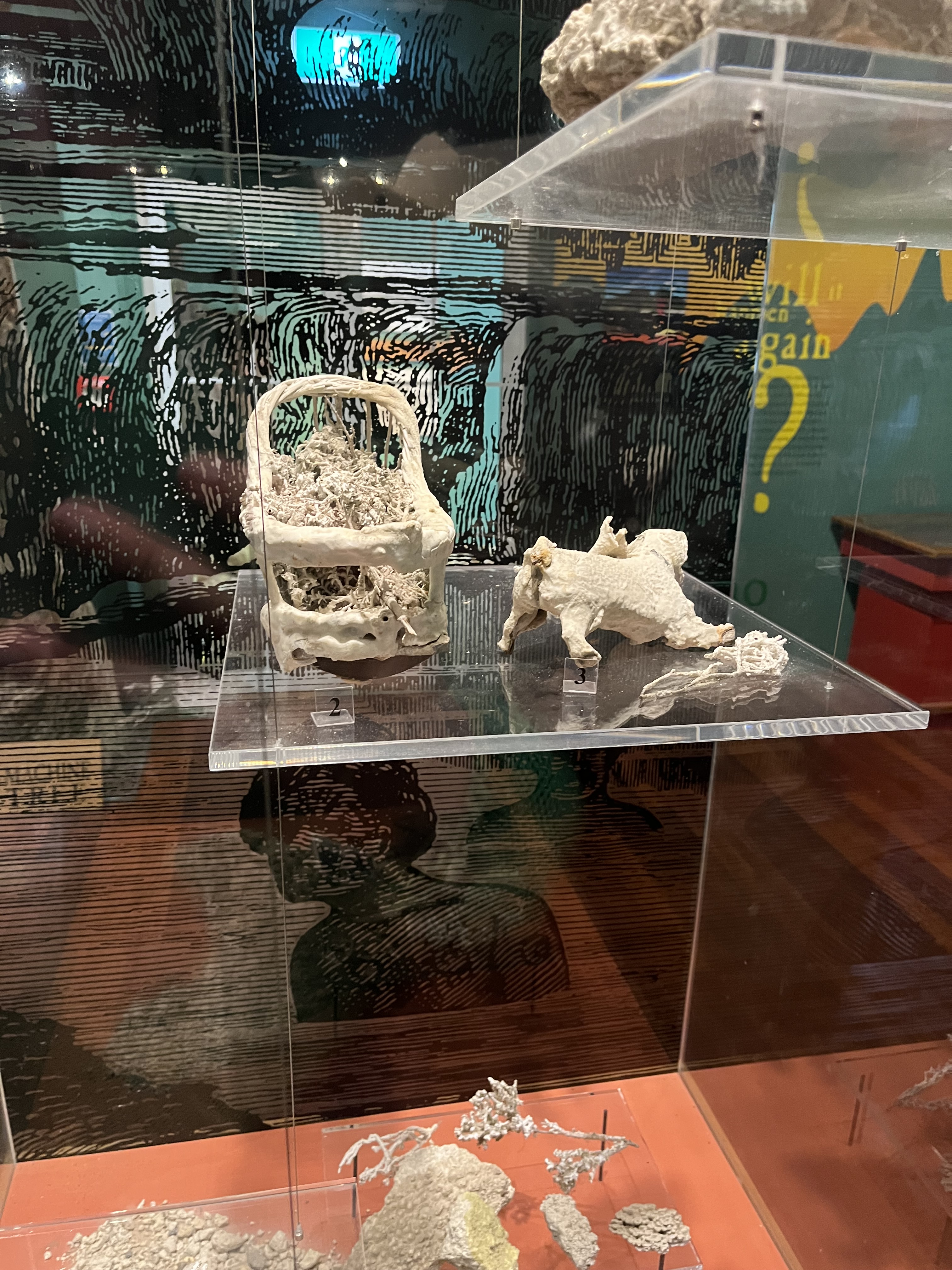
Some of the items were intentionally petrified for the tourists, including this toy cot and dog made out of newspaper.

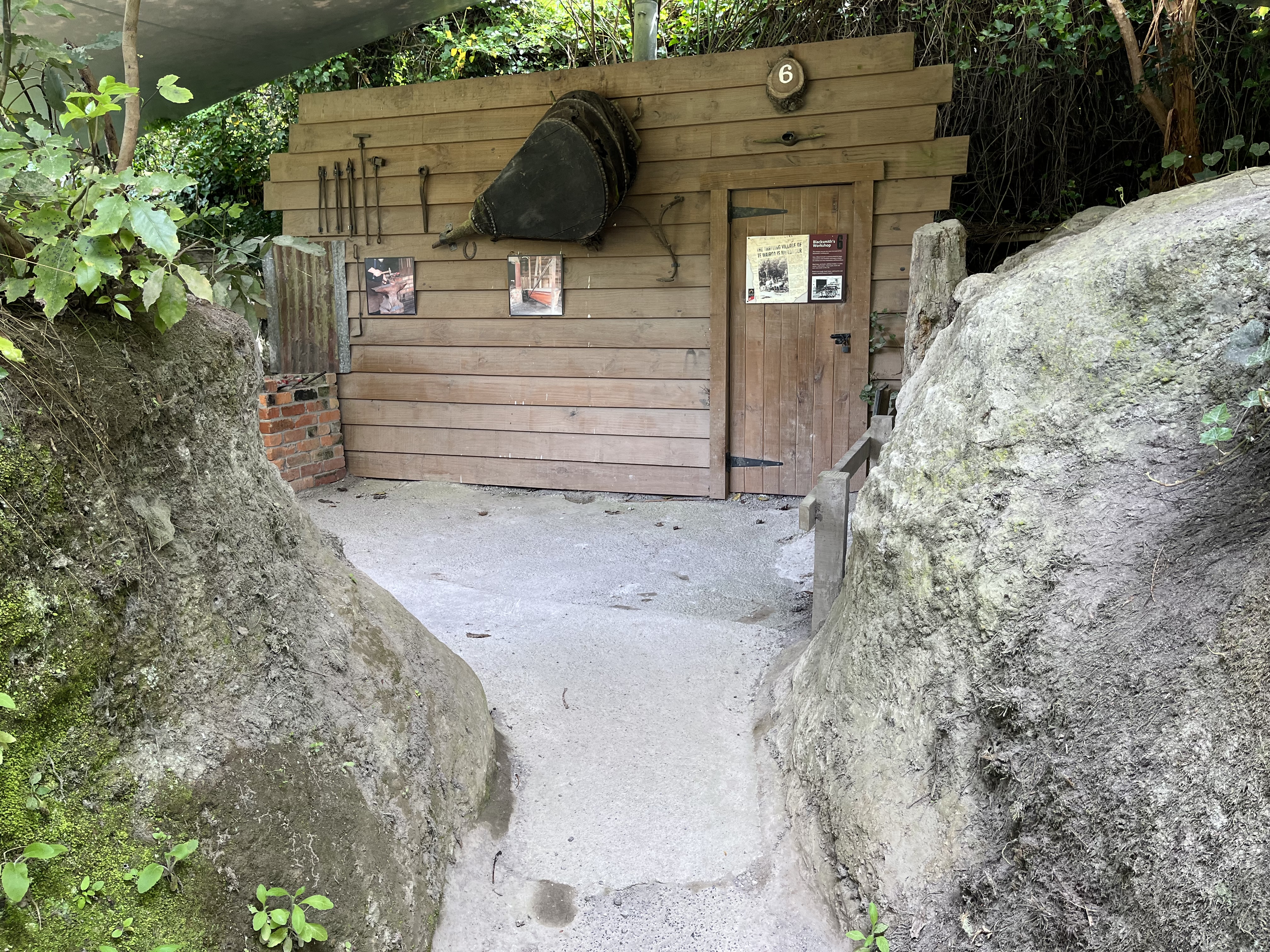
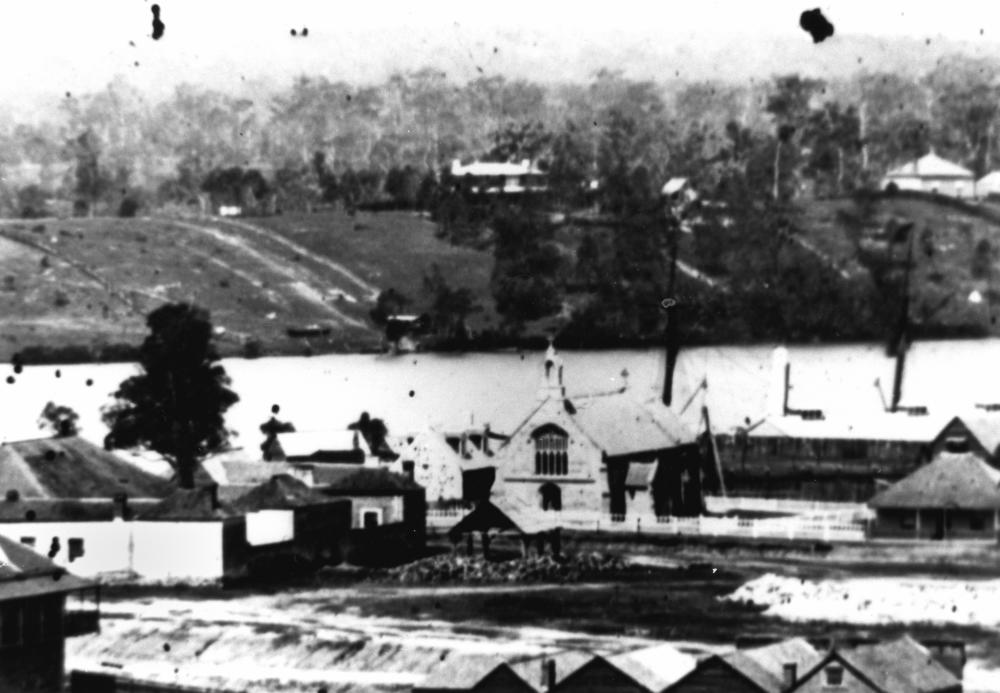
By the 1880s Te Wairoa itself had become the hub of this tourist trade, boasting two hotels: McRae’s Rotomahana Hotel and the unliscenced Terrace Hotel. The village was home to Maori and Europeans and included a school, a church, a meeting house, blacksmith’s, a store, flour mill and houses and whares (Maori dwelling – usually steep roofed). You can see it in the image below.

As you’ll see in the caption above, this was Te Wairoa before the eruption. Which brings us to the night of the June 9th 1886. There were warnings : on May 31st the creek was suddenly dry and then water surged filling the creek towards the lake, but then quickly drained away again. This was noted by Guide Sophia as she led tourists out to the lake. Then when they were crossing the lake in a boat towards the terraces, European and Maori people on the boat saw a Maori waka (war canoe) bigger than any known on the lake, and the men rowing the waka didn’t respond to any calls, so they were thought to be spirits. When the boat arrived at the Pink Terraces they found that a geyser had ejected mud much further than usual. These all together provoked unease across the valley, but there wasn’t really anything that could be done.

All remained calm until the 9th of June.

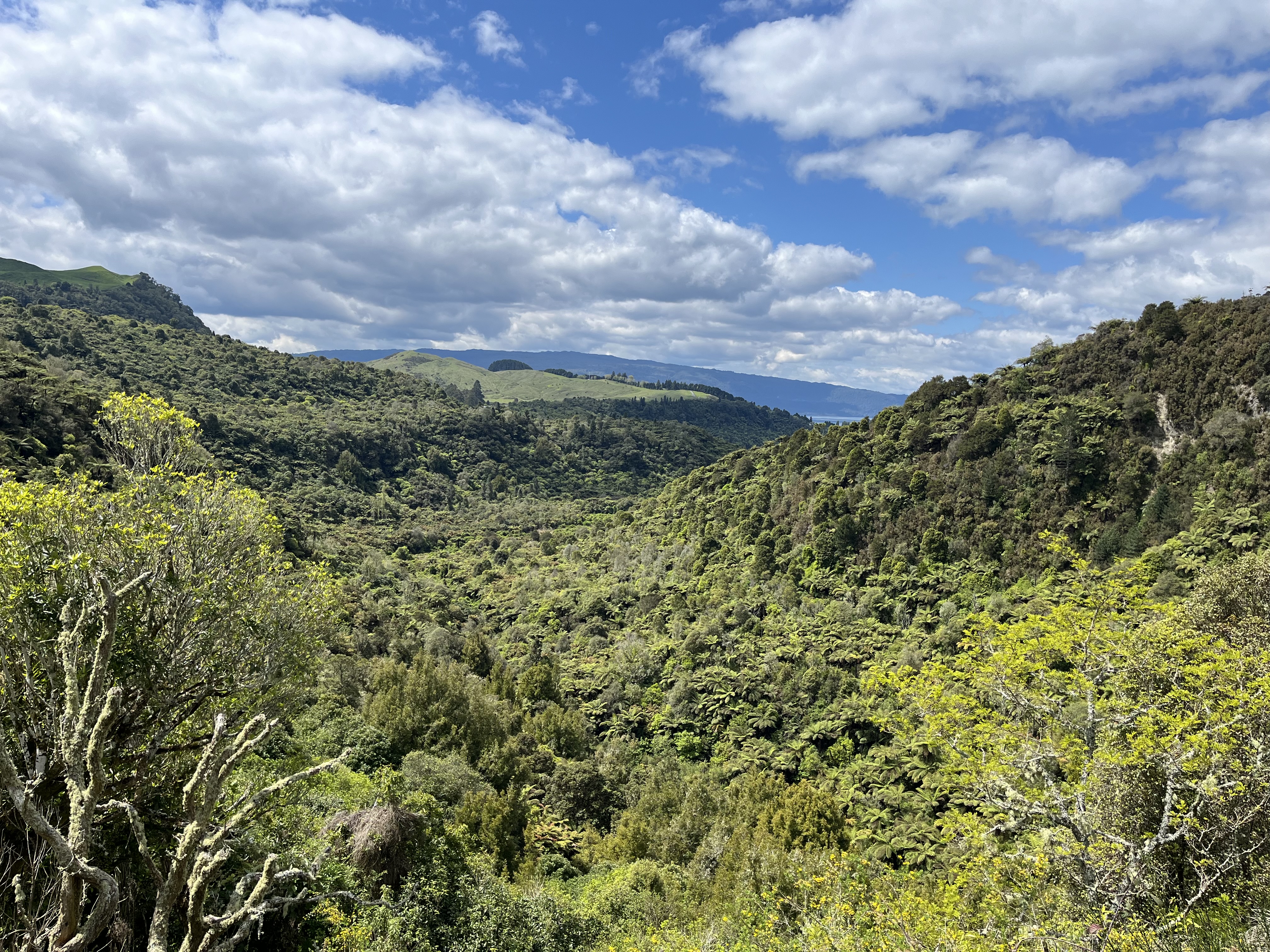
Shortly before midnight the earthquakes began. By 2:30 am craters were starting to open and erupting with larva along an 8 km rift north east towards the lake. A vast column of ash 9.5 km high rose from the direction of Lake Tarawera, there was a freezing wind, roaring and an eerie red glow. By about 3:20 the destruction had spread. Violent steam eruptions (when molten rock encountered water) sent ash and mud into the sky that blanketed the surrounding area. Debris continued to fall until about 6:00 am and when the dust has settled, the villages of Te Ariki, Moura, Tokiniho, Totarariki, Rotomahana and Waitngongongo were either buried completely or had been on the site of active craters, there were no survivors. In Te Wairoa much of the town was buried and 17 people killed, though amazingly most of the people managed to escape. The landscape was was irrevocably changed. Not only were the Pink and White Terraces obliterated, there was a 16 kilometre rift across the mountain from Tarawera that had opened into the Waimangu valley. You can see the valley below, all the vegetation, apart from a few of the larger trees, has grown since the 1886 eruption.

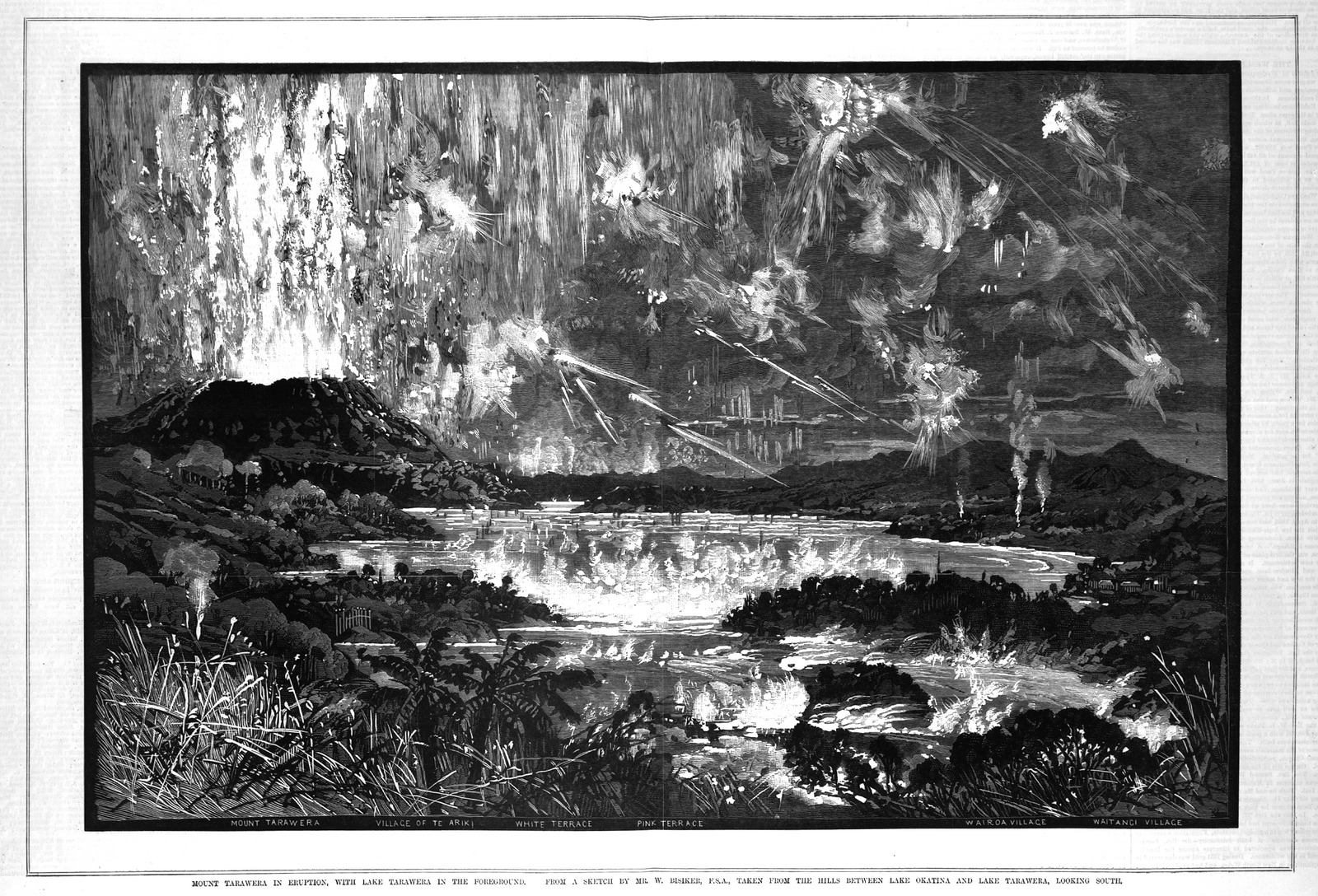
The eruption was felt all over Aotearoa New Zealand. In nearby Rotorua new hot springs opened up, jets of steam issued from the rocks and geysers spurted along the shore edge of Lake Rotorua. Many people thought the world was ending. You can see a near contemporary painting of the eruption below.
It really gives a sense of the extreme violence. More than 150 people were killed in the eruption, as well as kilometres of land devestated. For the local Tuhorangi, Maori, it also meant the destruction of the remains of their ancestors, many of whom had been entombed on the mountain itself. Most of the victims of the eruption were also Maori.

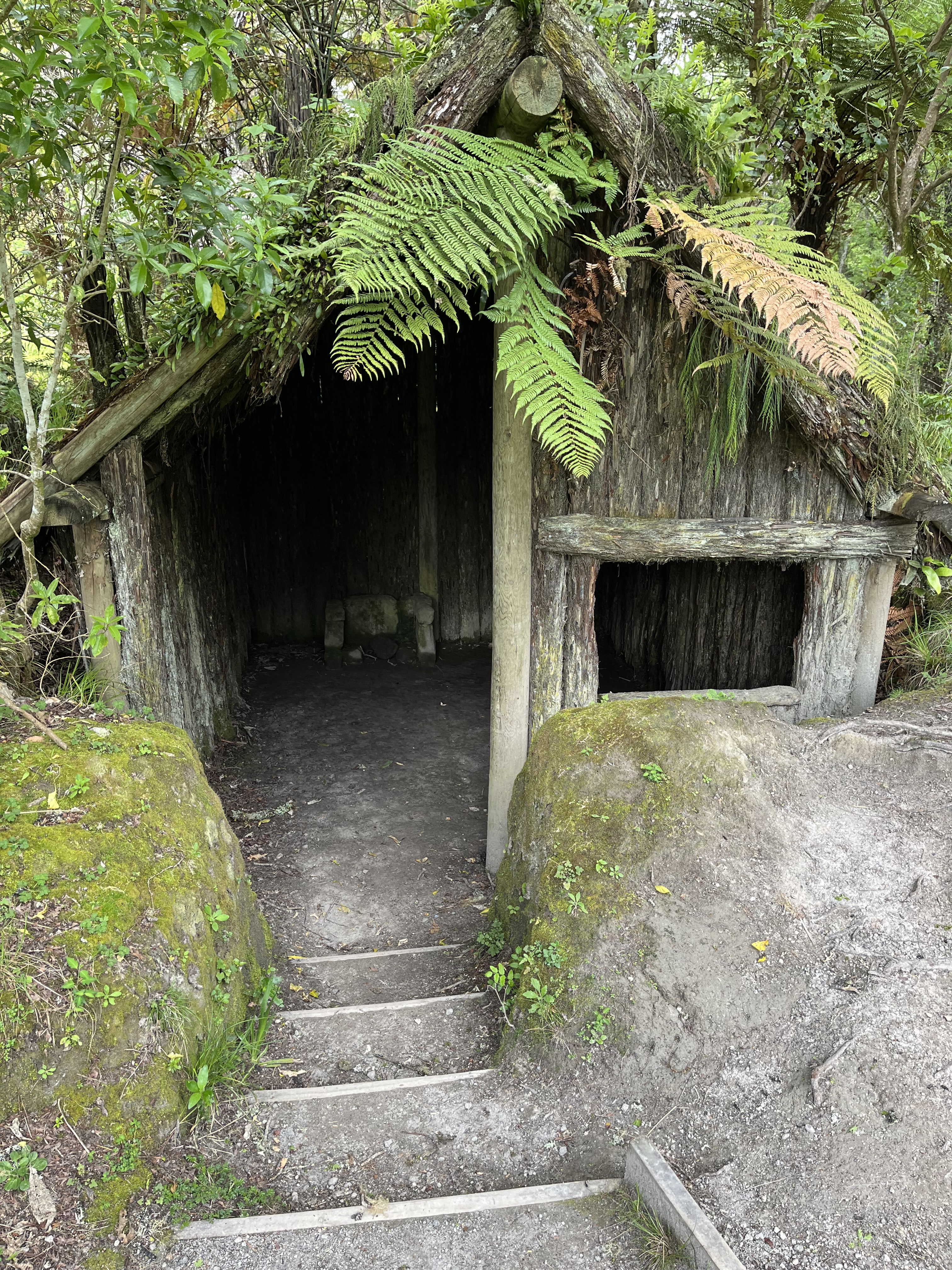
As the eruption settled rescue groups went out from Rotorua and Ohinemutu to try to find survivors, they met with limited success, especially in the towns closest to the eruption. The higher survival rate in Te Wairoa, though most of the town itself was buried, was partly because it was a little further from the eruption so it wasn’t immediately subsumed. About fifty people made it through the flaming debris to Guide Sophia’s whare, the sloped roof meant that the debris slid off rather than collecting like they did on the European houses and hotels. This meant that the whare stayed standing where as the European buildings collapsed under the weight. This was also true of the Hinemihi meeting house. Of the 17 people who died in the town some died outside, either struck by debris or suffocated from the ash, or they died inside collapsed or burnt buildings.

We have some incredible first hand accounts of the eruption, for example Mr McCrae from the Roromahana Hotel described it as. “We saw a sight that no man who saw it can ever forget. Apparently the mount had three craters, and flames of fire were shooting up fully a thousand feet high. There seemed to be a continuous shower of balls of fire for miles around.” McRae and his guest, staff and several other locals made their way to Guide Sophia’s whare, and all, apart from the one tourist Edwin Bainbridge, survived. Bainbridge died when the hotel’s balcony fell on him when they were trying to escape.

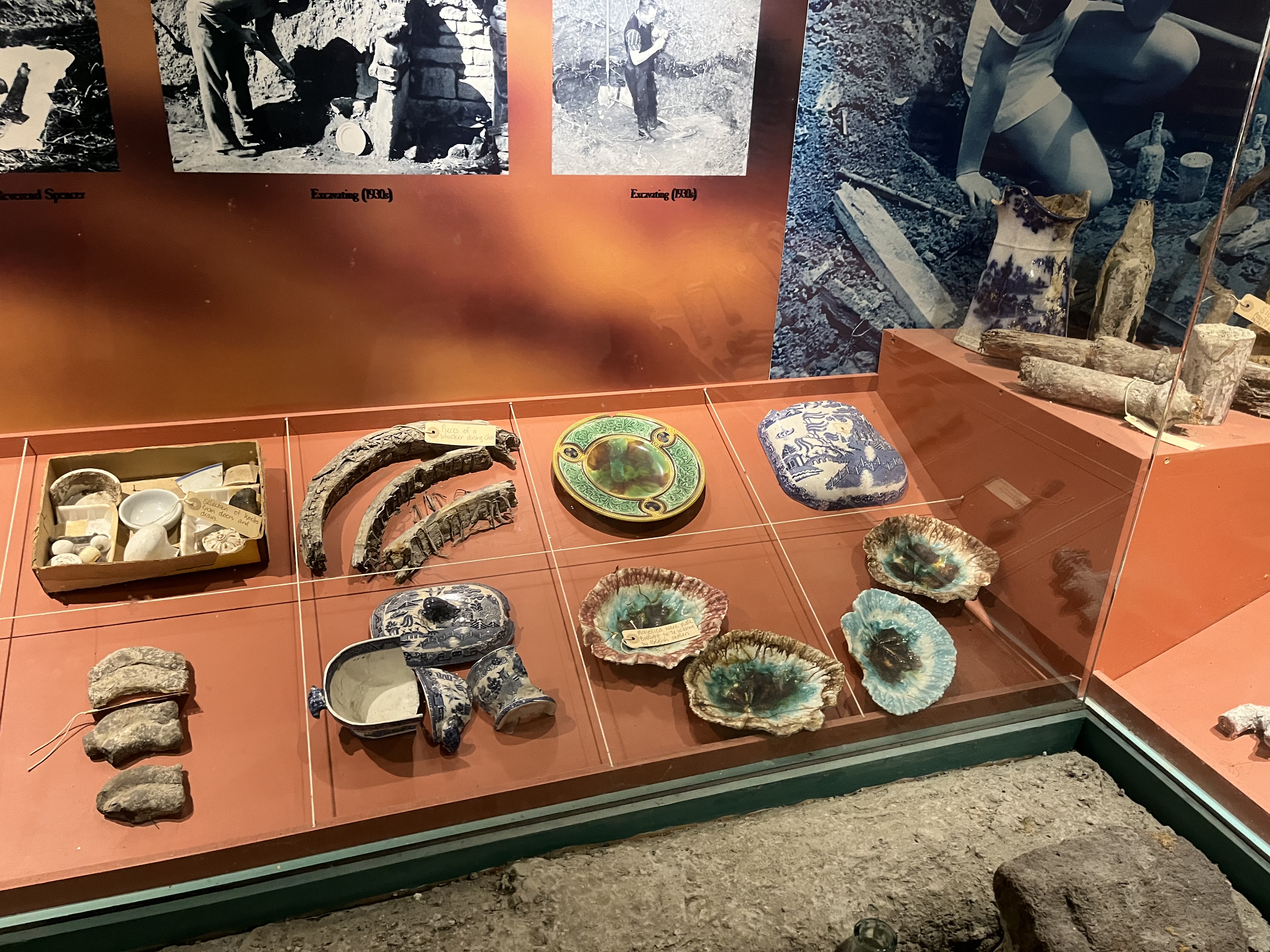
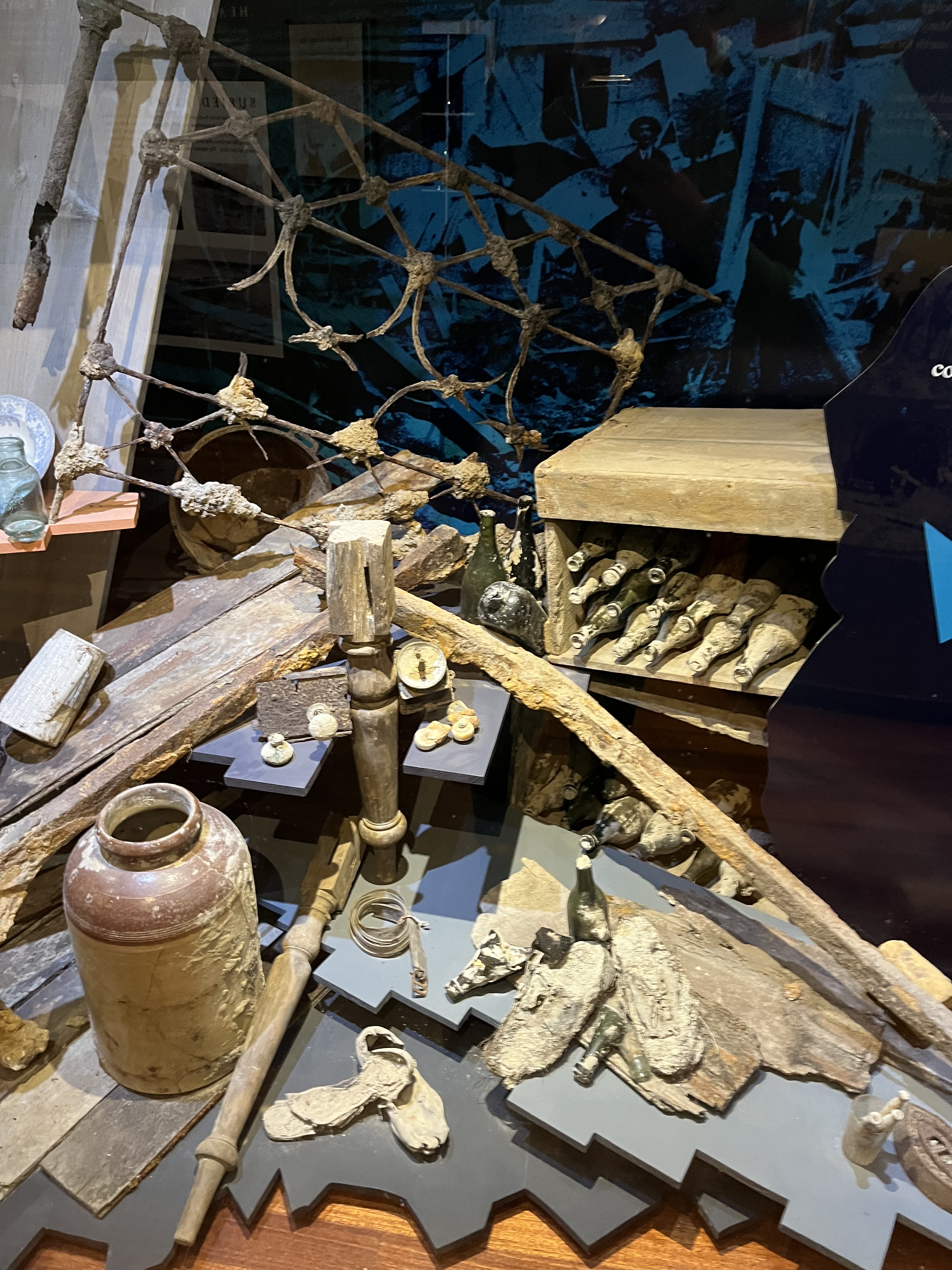
After the eruption no one recieved any government compensation for their destroyed buildings, and insurance companies refused to pay out because people were not covered for volcanic eruption. Ultimately Te Wairoa was abandoned and left buried. It has been the site of a number of archaeological digs over the years, with many 19th century artefacts recovered that paint a picture of life in the lost village.

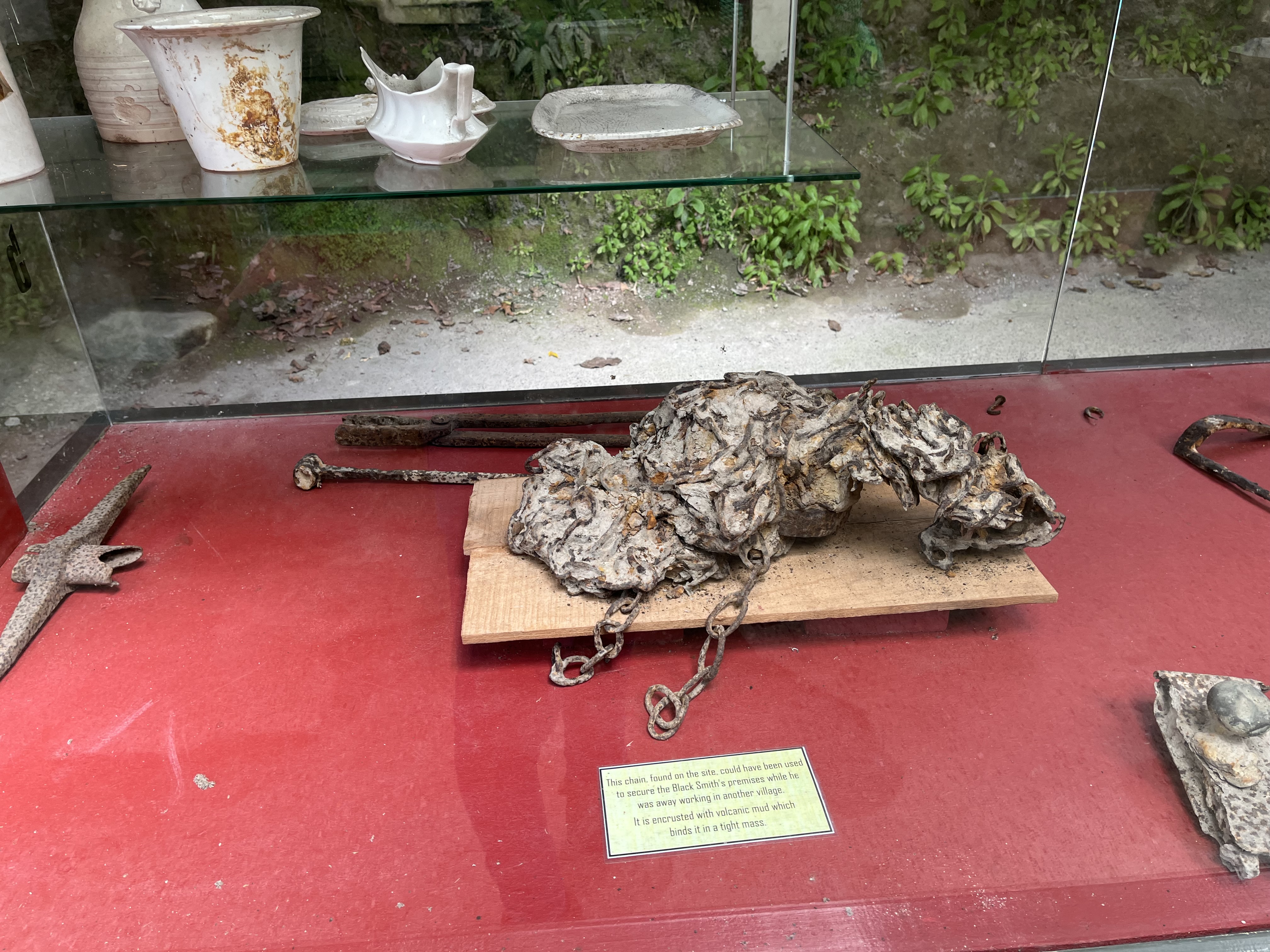
The last image above is testament to the power of the eruption. It’s a chain found on the site that might have been used to secure the blacksmith’s, it is completely encrusted with volcanic mud which has bound it all up into one solid clump

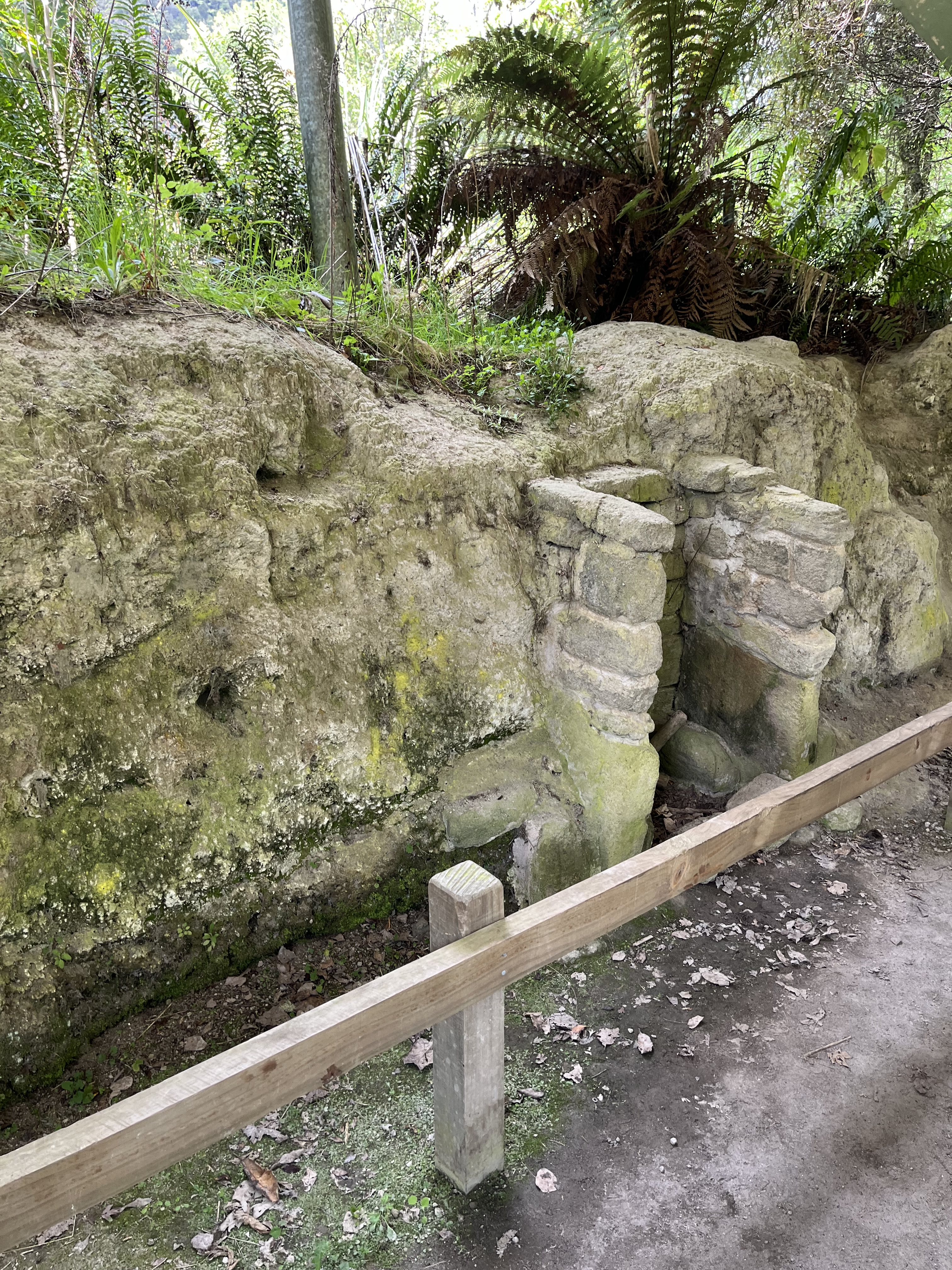
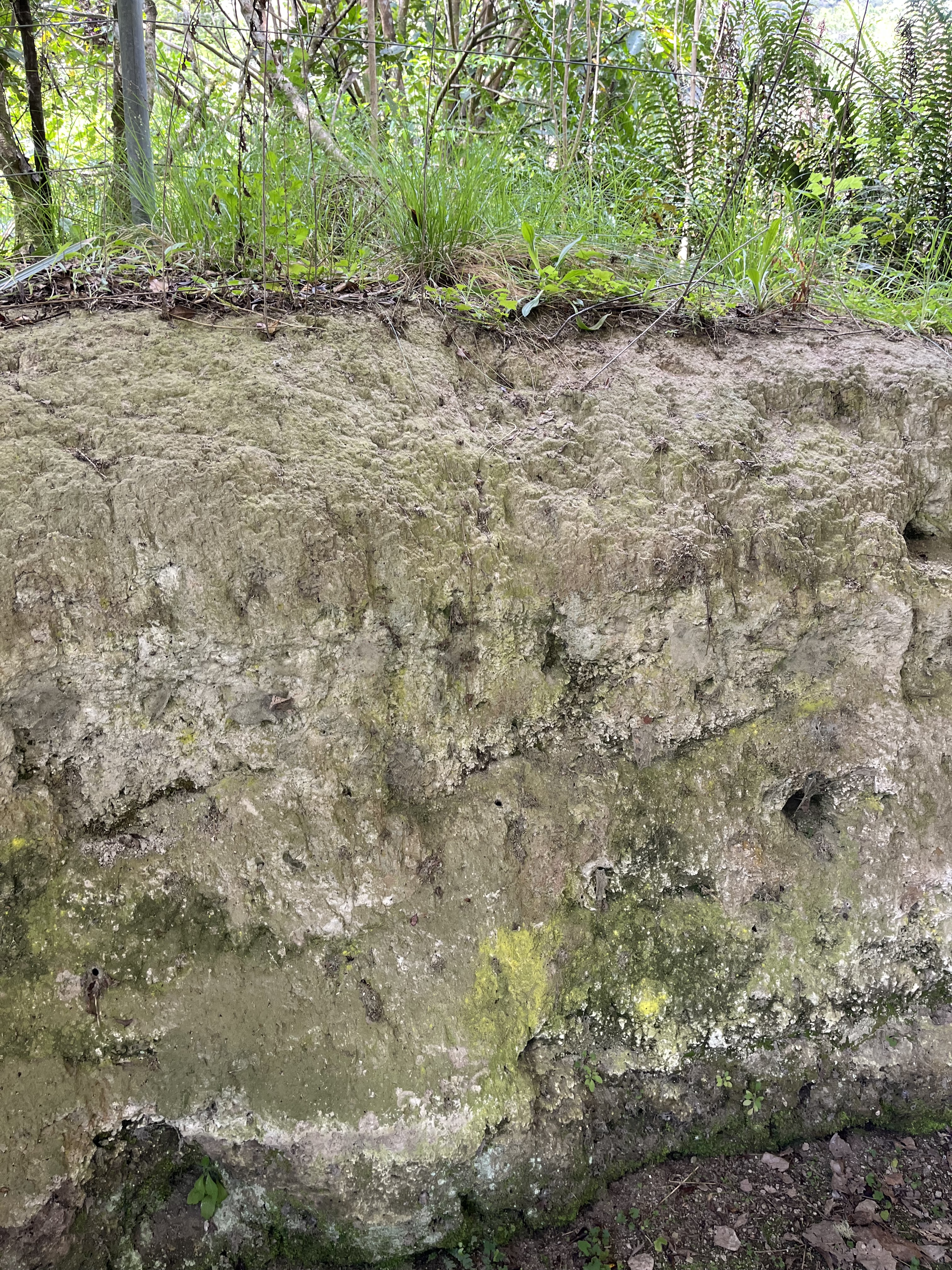
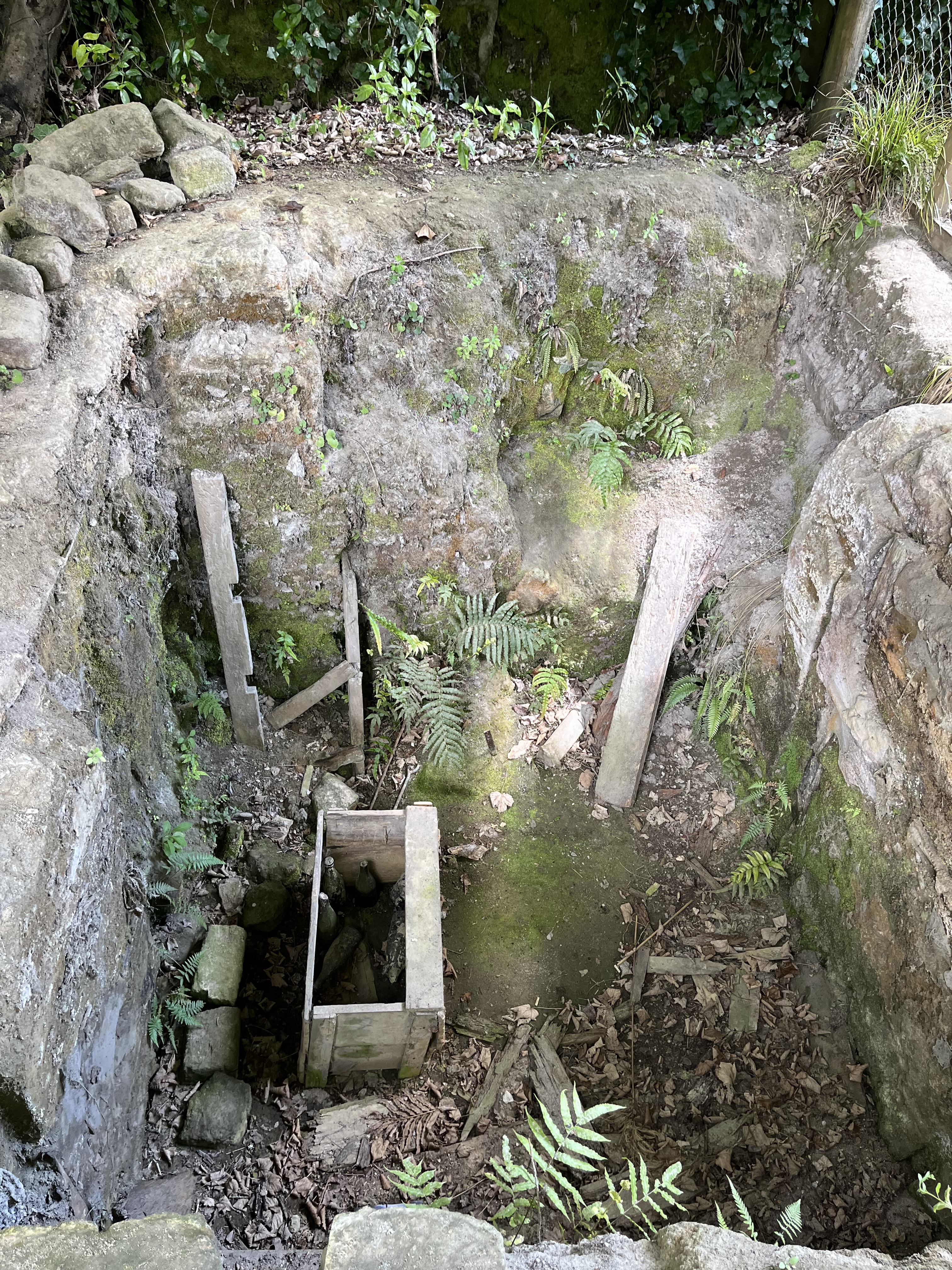
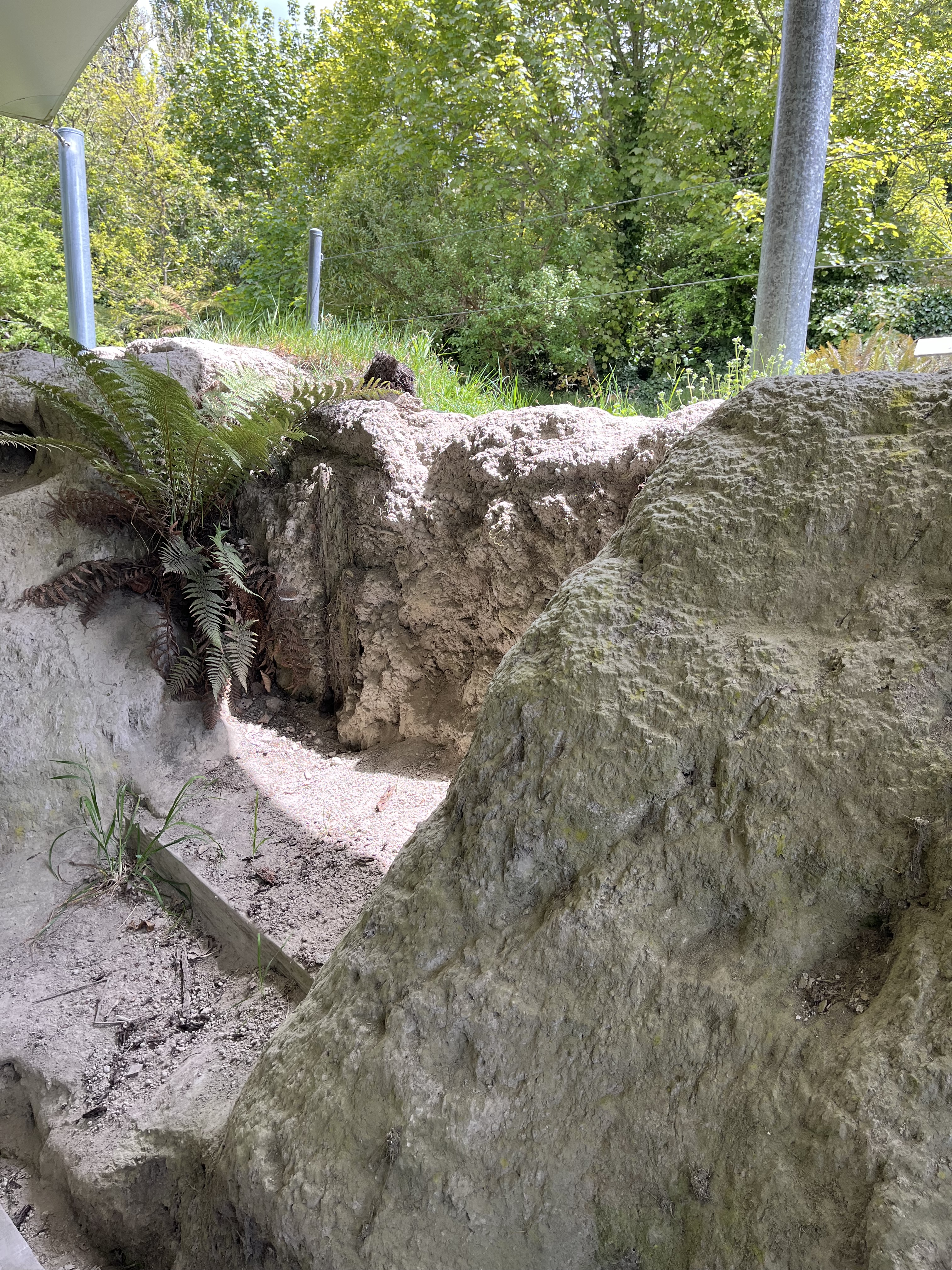
As part of the digs over the years, sections of the village have been unearthed and can also be explored now. What’s most striking about them for me is just how layered and solid the mud is. It’s hard to imagine that it wasn’t always there.

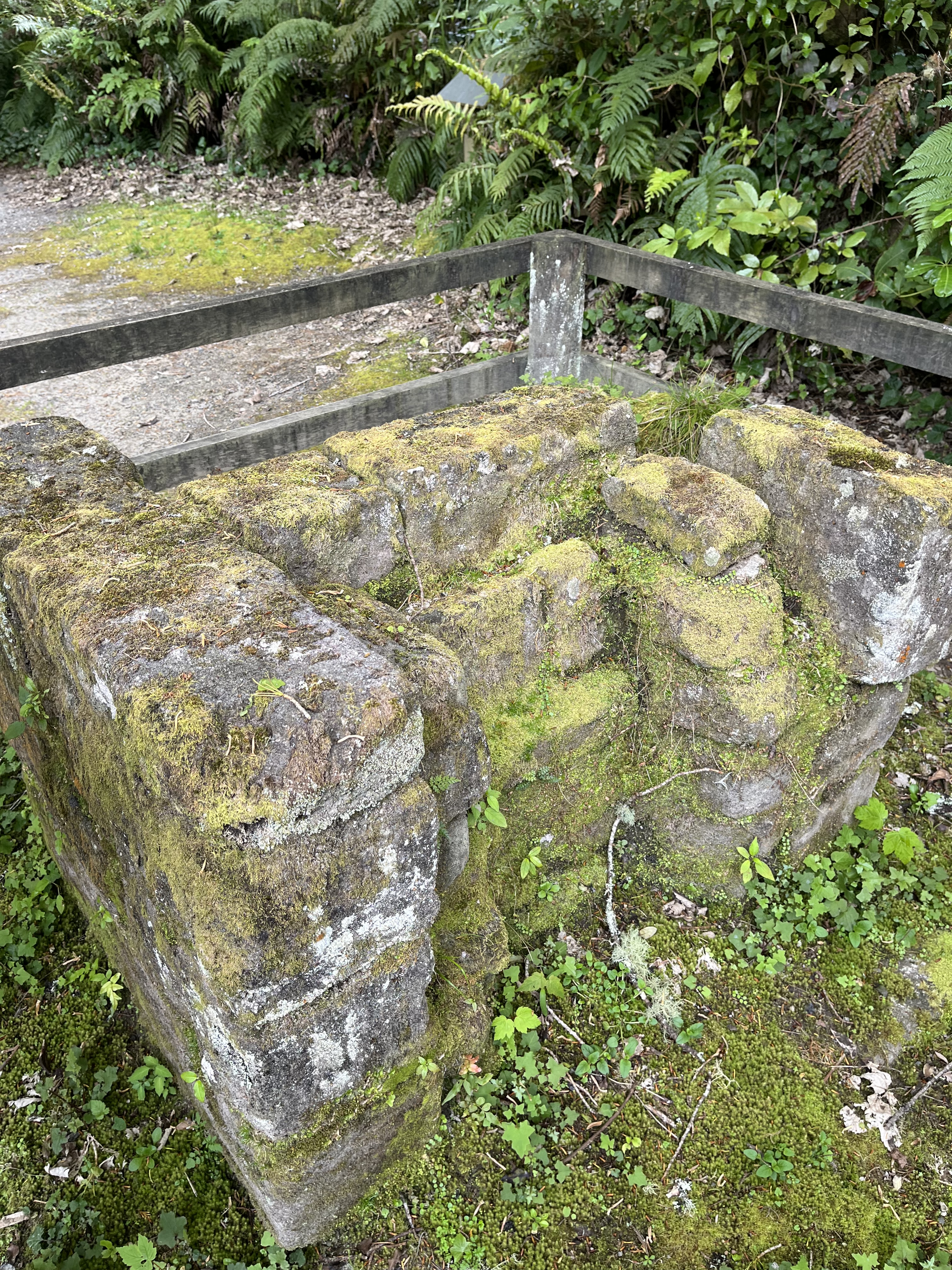
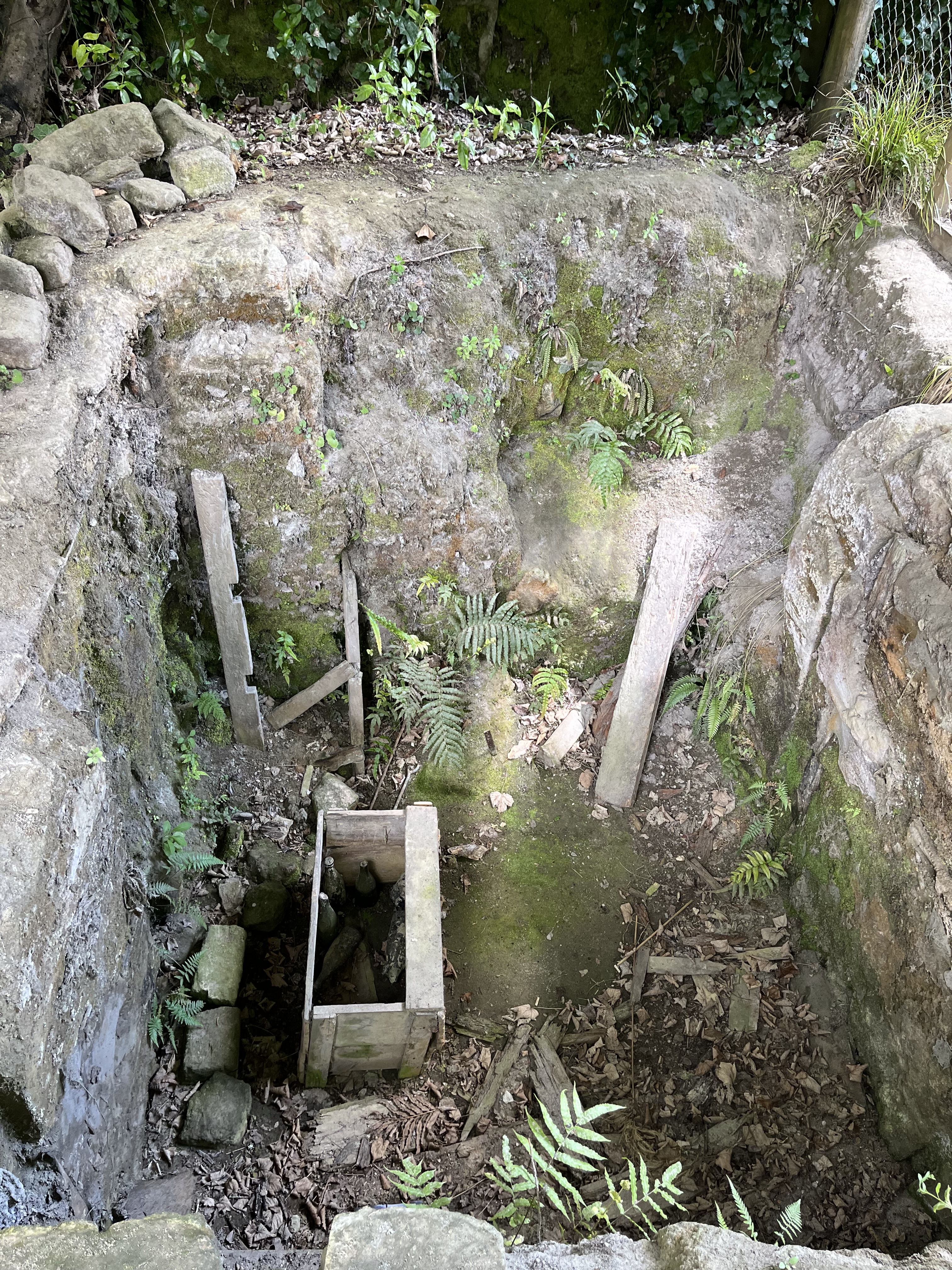
The last two photos are the remains of stone pataka (store house), it would have been lined with ferns and rushes and used to store potatoes and other crops. It was actually one of the first pieces of the village excavated, a woman called Vi Smith was picnicking beside the stream in the early 1930s and she noticed a stone in the bank and scraped back to the mud to reveal one of the carved stones.

The remains of the buried buildings are not the only artefacts that you can see at the Te Wairoa site. There’s other, in some ways, more unsual items. Including the below carronade. It was found in the stream in the 1930s at the bottom of the waterfall (I’ll come back to the waterfalls in a moment). It’s thought it was brought to Te Wairoa from the coast by the Maori as possible defence against another tribe in the 1860s.

Another interesting artefact is the bow section of the waka tuau, which would have been 30 feet originally. It was used originally in the invasion of the Lake District in early 1800s but, after the invasion, it was used for conveying tourists on Lake Tarawera. Its remains were uncovered below the waterfalls in 1927

The final really interesting artefact was the remains of some wooden posts. This might seem like an odd one, but this row of poplar fence posts survived the eruption with just their tops poking out of the mud. The posts then sprouted and, over the next 126 years, 30 to 40 of them grew to roughly 40 metres. The trees sadly began to fall down from 2010 onwards, and were eventually felled in the late 2010s. You can still see the area where they grew though

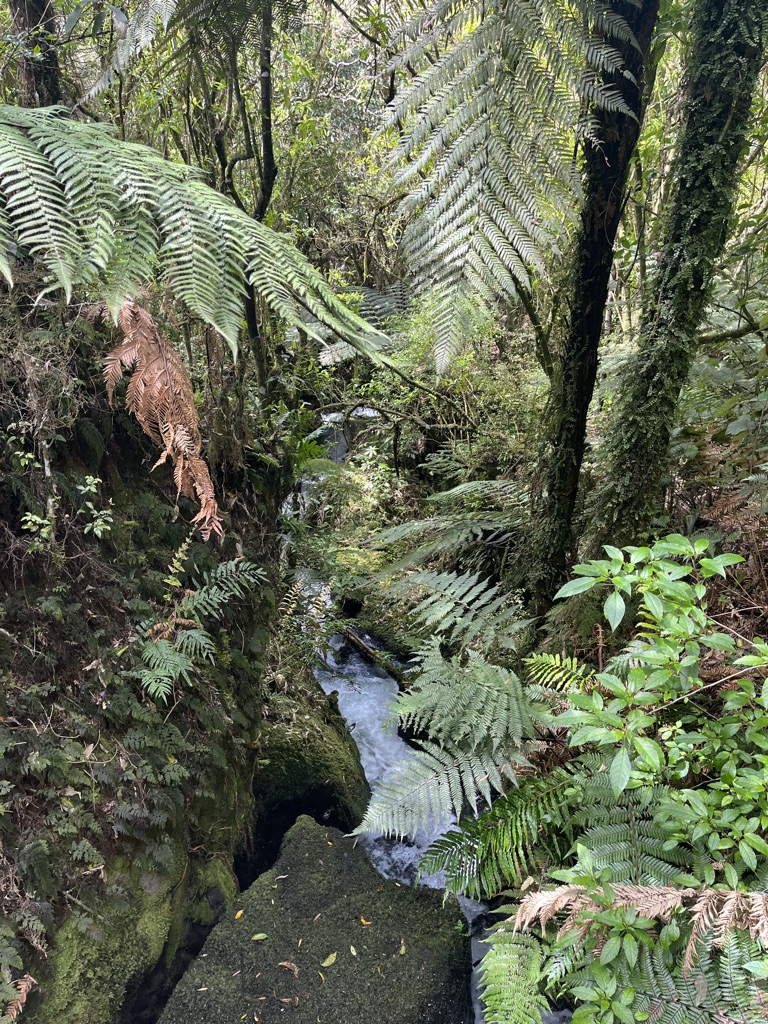
The Tarawera eruption was utterly devastating to the landscape, but what feels almost counter intuitive when you’re visiting is how quiet and lush and peaceful the landscape is now. The native bush has magnificently colonised the ‘new’ landscape created by the eruption. And nowhere is this more evident that around the beautiful waterfalls, you can see on the river walk right next to the remains of Te Wairoa.

The story of Te Wairoa and the Mount Tarawera eruption is not complete. Mount Tarawera is still an active volcano that is part of a very active volcanic landscape. Tarawera has erupted at least five times in the last 20,000 years, and the 1886 eruption was actually small compared to earlier eruptions. There is in fact a high likelihood that there will be another larger eruption, the only question really is when, and it may not be for thousands of years. Scientists monitor the volcano and the area for precursors like earthquakes, ground deformation and new or increasing hot spring flow, but ultimately, as with all volcanoes, if another eruption does happen we are as at the mercy of the volcano now as we were in 1886. It’s a landscape that really makes you think.

References:

Site visit 2024 – a lot of the information has come from the excellent signs in the buried village itself

https://www.buriedvillage.co.nz/

https://www.waimangu.co.nz/history/mount-tarawera/

https://www.newzealand.com/au/feature/mount-tarawera/

https://nzhistory.govt.nz/eruption-mt-tarawera

https://www.nzgeo.com/stories/the-night-tarawera-awoke/

Images:

The photos and video are all mine.

Pink Terraces : State Library of NSW : https://search.sl.nsw.gov.au/permalink/f/1cvjue2/ADLIB110317253

White Terraces: State Library of Victoria

https://find.slv.vic.gov.au/permalink/61SLV_INST/156d4cp/alma9939648455207636

White Terraces with the Pink Terraces in the background: State Library of NSW

https://search.sl.nsw.gov.au/permalink/f/1cvjue2/ADLIB110317254

Pink Terraces demonstrating the colour: National Library of Australia

https://nla.gov.au/nla.obj-134305524/view

Te Wairoa before the eruption : Te Papa

https://collections.tepapa.govt.nz/object/1267698

Mount Tarawera eruption: State Library of Victoria

https://handle.slv.vic.gov.au/10381/258258

I run this blog because I enjoy it, but if you felt able to contribute towards its upkeep I’d appreciate it.

One-Time
Monthly
Yearly

Make a one-time donation

Make a monthly donation

Make a yearly donation

Choose an amount

A$5.00
A$15.00
A$100.00
A$5.00
A$15.00
A$100.00
A$5.00
A$15.00
A$100.00

Or enter a custom amount

A$

Anything helps 🙂

Your contribution is appreciated.

Your contribution is appreciated.

DonateDonateDonate

From Page to Place

This post should really be called: Places I’ve been to because I’ve read about them in historical novels. I decided, however, that it was too long a title.

I’m stepping a little outside my usual milieu for this post, but in my summary for the blog it does say “lots of books” and I’ve been a bit neglectful on the book front. Basically I’m going to take you through some of my favourite historical books and then elucidate some of the history of the places they inspired me to visit. So this will be part historical travelogue and part book review.

It won’t cover every place I’ve been inspired to see by books, but it will cover a good selection.

There also will be mild spoilers about the plots of the books, mainly because they’re historical novels and it’s a bit difficult to discuss the history they’re written about with out giving away some of the events they cover.

I’ve sorted them into medieval mysteries and historical novels and they’re listed in chronological order for the time they’re set.

Mysteries

Books: Sister Fidelma Series by Peter Tremayne 

At the time of writing this post the Sister Fidelma mysteries number 28 and Tremayne has been writing them since 1994. The mystery series is set, mainly, in mid seventh century Ireland. I say mainly because Fidelma does travel abroad occasionally. Fidelma  is a dalaigh, an advocate in the Irish system of laws that would come to be known as the Brehon laws. At the beginning of the series she is also a member or the religious community of Kildare. Fidelma is the daughter of Failbe Fland the king of Cashel, who died shortly after her birth. Her brother later becomes king of Cashel.  As well as being intriguing mysteries in their own right the Sister Fidelma series are also a fascinating window into the complex and layered legal system of Ireland in the 7th century and Celtic christianity. Celtic christianity is quite different to the Roman form which would become ascendant with time. For more information on the books and Sister Fidelma’s time, follow this link

trem

Place: Cashel, Ireland.

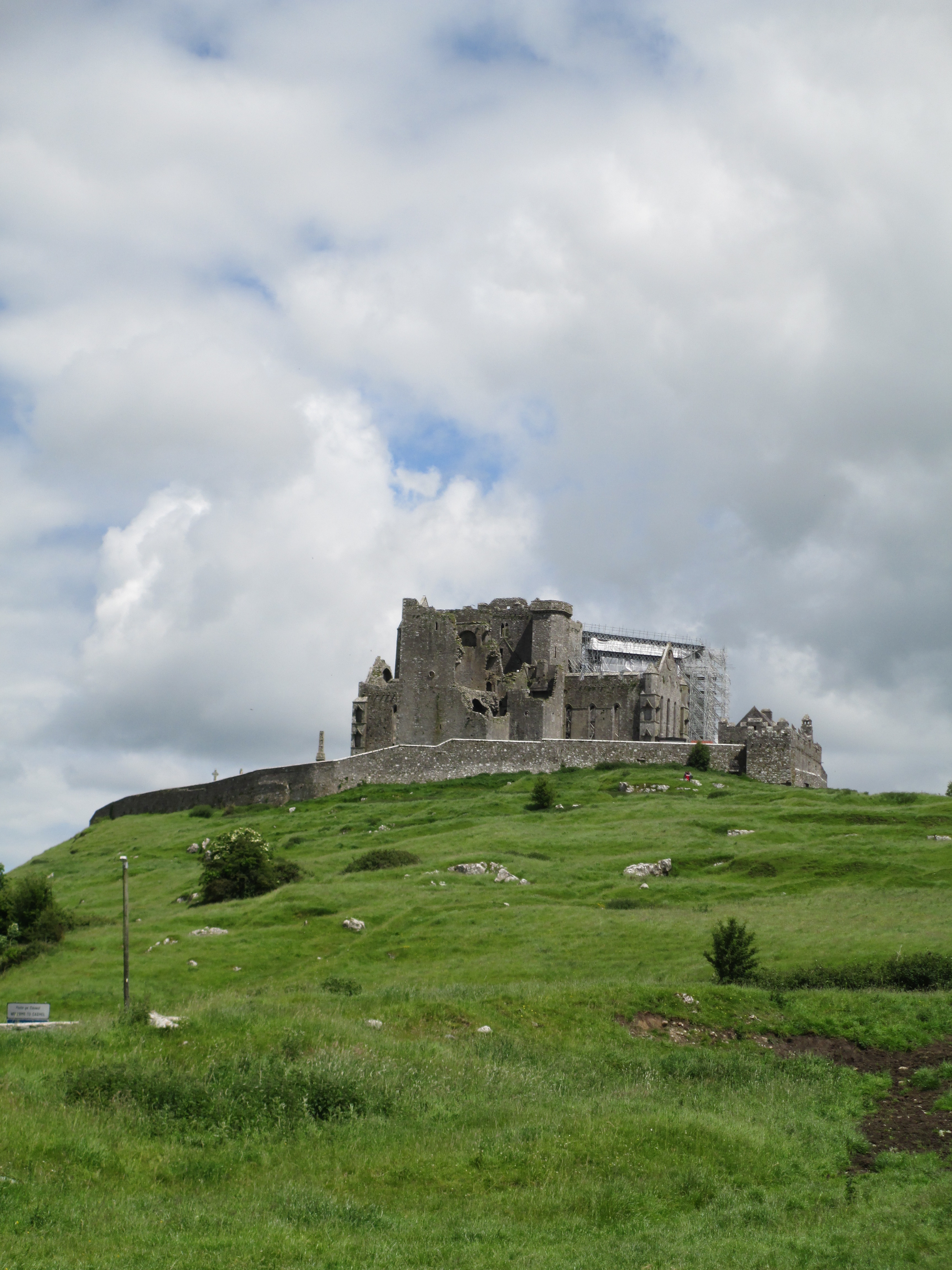
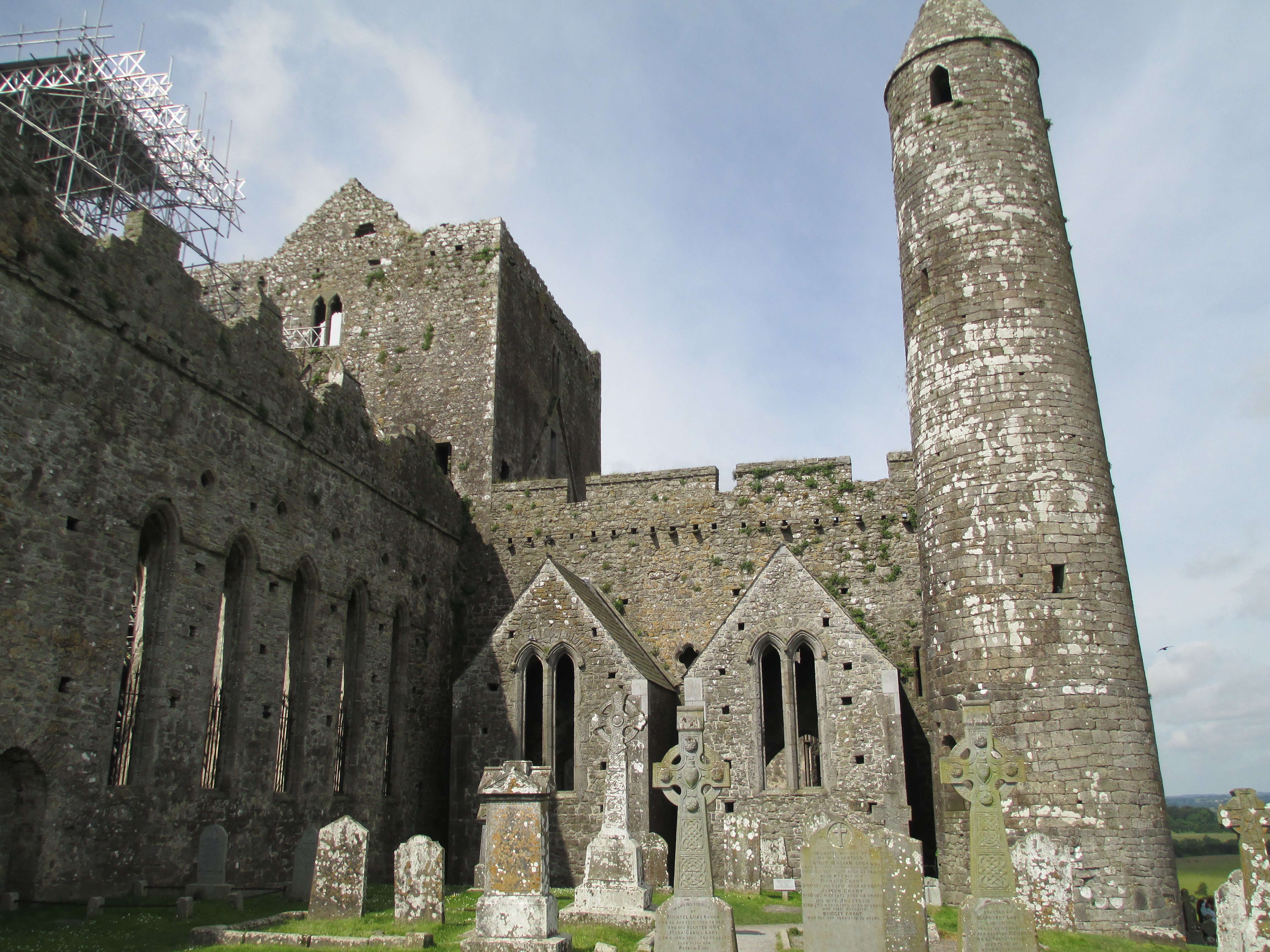
Fidelma is from Cashel and a number of the books are set in or around there, so naturally I looked it up. As soon as I did there was no doubt in my mind that I had to go there. It is one of the most incredible places I’ve been and is a favoured tourist destination in Ireland, so try to get there before all the buses roll up. The highlight for me is the 12th century Cormac’s Chapel with some truly spectacular surviving  wall paintings and a very early 12th century round tower both of which you can seen in the photos below.

I’ve written about the history of the Rock of Cashel before, so you can find more information here. 

Rock of Cashel

round tower cashel

cormac's wall painting cashel3

Books: Brother Cadfael mysteries by Ellis Peters

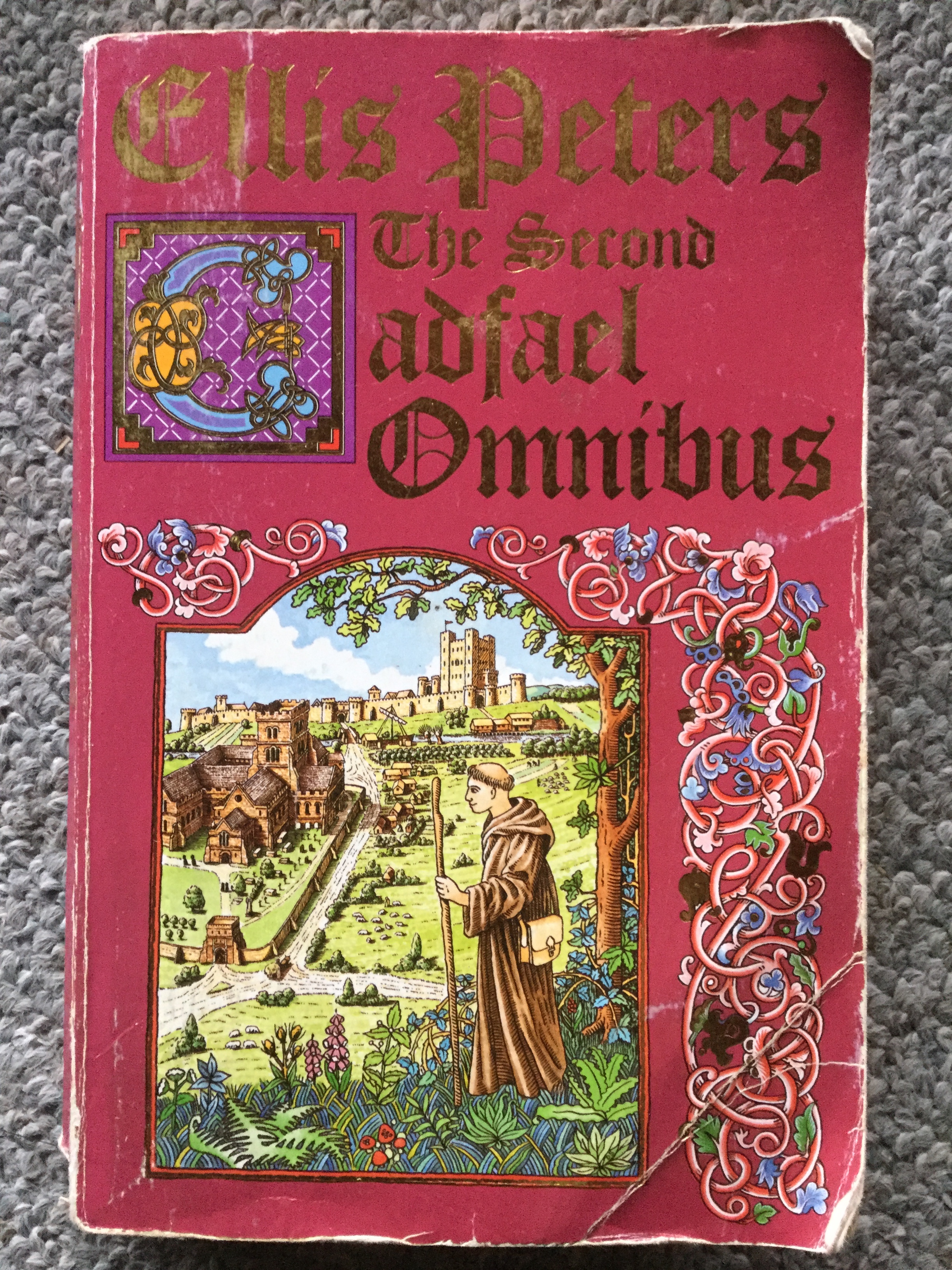
These books were the progenitor of the medieval mysteries genre. They were also one of my earliest forays into medieval fiction, when my mother gave them to me to read when I was about 11. For those who haven’t come across them, the Brother Cadfael books follow former crusader turned monk and herbalist Brother Cadfael predominantly in Shrewsbury Abbey. The books are set in the Period of Anarchy in England (1135-1153). In creating Brother Cadfael, Peters not only illuminates Wales and the Marches of the time, but has created one of the most human and complex characters to ever lead a medieval mystery series, as well as starting the genre. The 20 books were published between 1977 and 1994 and there is also a TV series starring Derek Jacobi. So enduring is the appeal of Brother Cadfael that Shrewsbury Abbey has part of a stain glass window dedicated to him (you can see it in the photos below). For more information on the books click here.

cadfael

Place: Shrewsbury Abbey

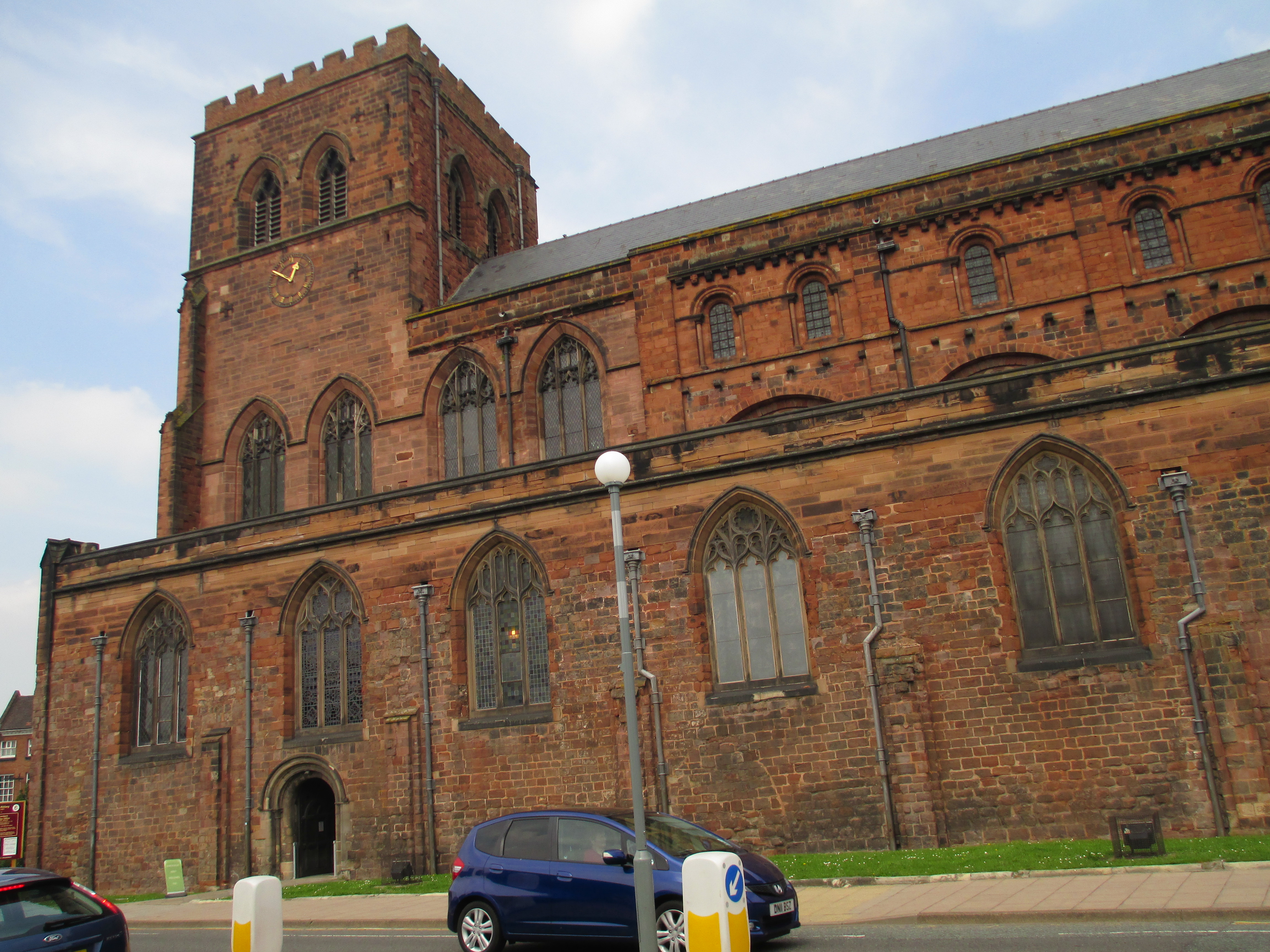
Shrewsbury was one of the definites on my list of places to go in the Welsh Marches. There actually isn’t that much left of the Abbey itself, which was once an entire complex, but the church remains reasonably intact. The Abbey of St Peter and St Paul was founded by Earl Roger de Montgomery in 1083. It was a Benedictine monastery. It survived as a complete abbey until, like many other religious institutions, the dissolution of the monasteries. By the time the dissolution of the monasteries act was passed in 1536 the abbey was 34th out of 602 monasteries in terms of wealth. Abbot Thomas Boteler was given a pension and so were some of his monks when the abbey was dissolved in 1540. The majority of the buildings were demolished and sold off, some of the church survived though. The nave was left standing while the rest was demolished and a new east wall was built. This is the church you see remaining today. In the photos below you can see the interior and exterior of the remaining abbey and you can see where the new wall was built after the remainder of the abbey was demolished.

IMG_2782

IMG_2833IMG_2835IMG_2791IMG_2822

Books: Owen Archer mysteries by Candace Robb

The Owen Archer series is set in mid 14th century York, in the dying years of the reign of Edward III. It follows Owen Archer a one eyed Welshman who was in the army of the Duke of Lancaster until he was blinded and no longer able to fight. He is seconded to John Thoresby, the Archbishop of York, Chancellor of England and a worldly and devious man. Thoresby sends him to York to investigate suspicious deaths and so begins the 10 book, so far, series. Owen meets and eventually marries apothecary Lucie Wilton and deals with all manner of crimes and mysteries for the Archbishop. The books paint a beautifully detailed picture of 14th century York as well as creating a truly memorable collection of characters both historic and fictional. For more information see the author’s site. 

owen

Place: York Minster

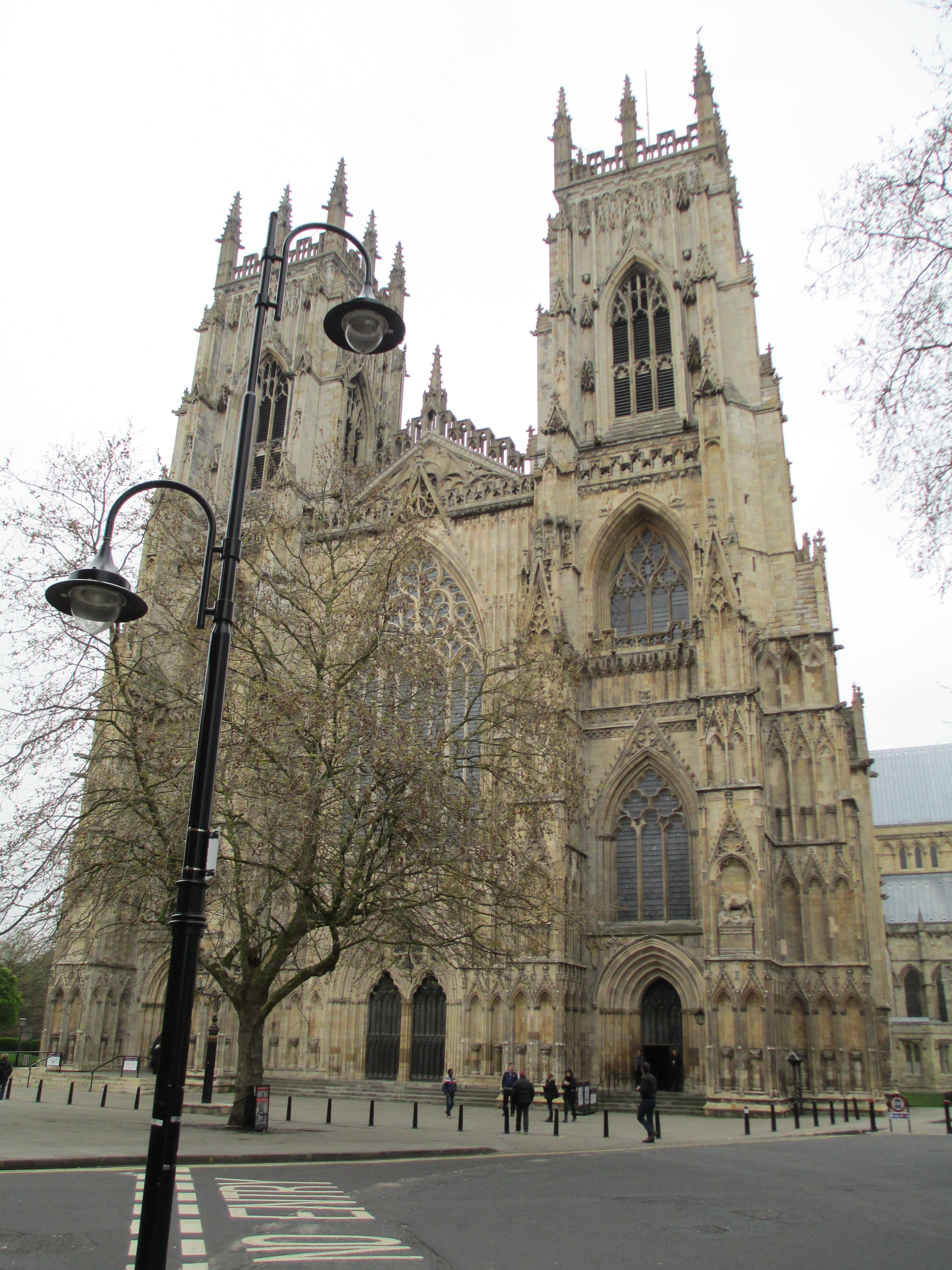
The Owen Archer books were not the only reason I went to York, but they were a large contributing factor. I do not have the time in this post to write about the history of the whole of York however, so I’m going to focus on the Minster which features heavily in the books. The original Minster dates to 627, when it was built for the baptism of Edwin King of Northumbria, the site of this building is unknown. The majority of the Minster that you can see now dates to the 13th century and later. The nave was constructed between 1280 and 1350, the north and south transept between 1220 and 1260 and the east end and central tower between 1361 and 1472. It is still very much an active church and remains one of the great cathedrals of England. The photos you can see below are the exterior, the altar and part of the nave, the magnificent quire screen with reliefs of the Kings of England on it and the roof of the Chapter House vestibule which dates to the 1270s and 1280s. IMG_0702IMG_0708IMG_0712IMG_0723

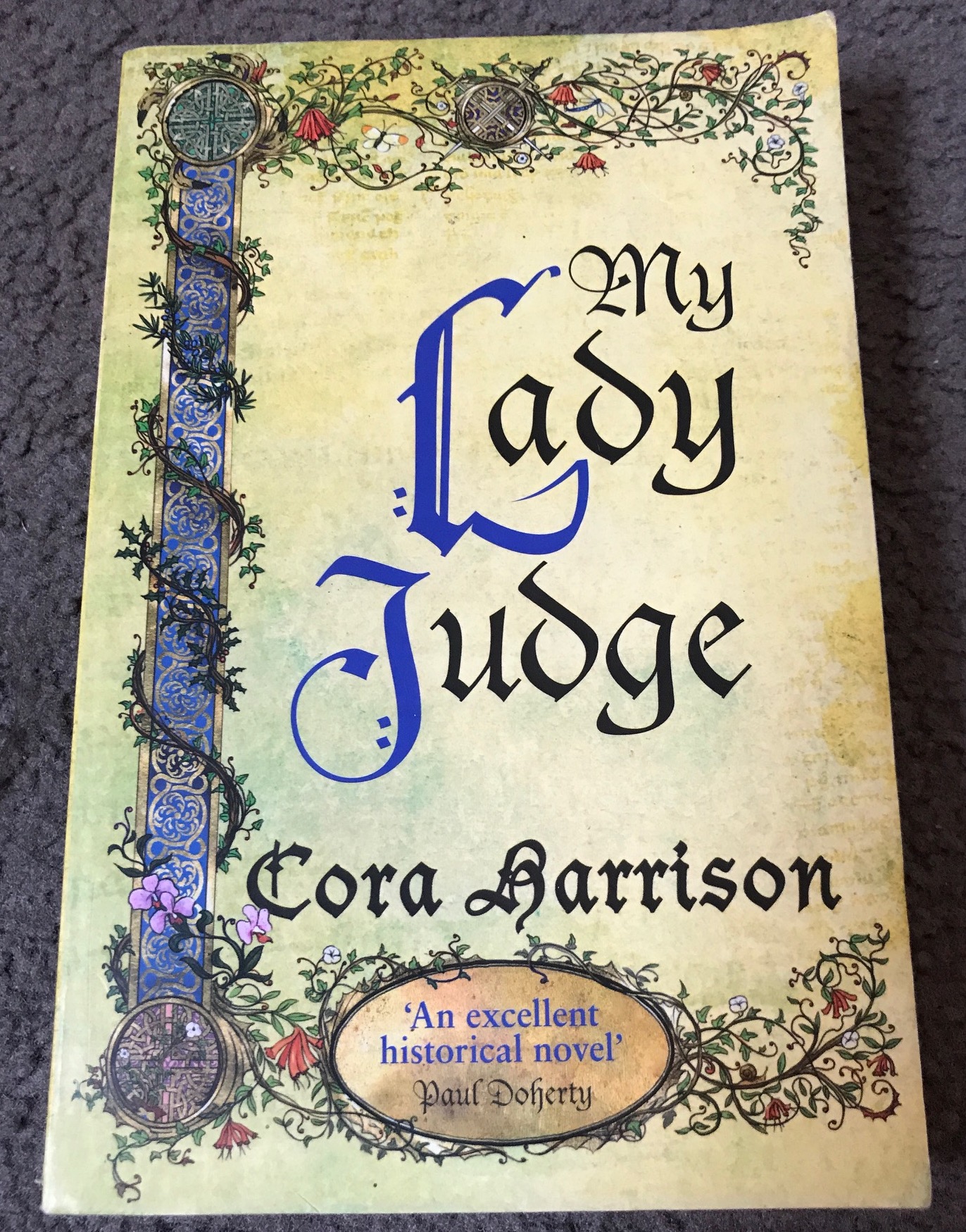
Books: The Burren Mysteries by Cora Harrison

The Burren Mysteries are set in 16th century Ireland in the region called the Burren just out of Galway. They follow Mara, Brehon (judge) of the Burren as she runs her law school and deals with investigating crimes in the region. They illuminate the intricate Brehon laws of Ireland, like the Sister Fidelma books, and bring life to one of the most spectacular areas of Ireland. Mara is a sympathetic, but strong character and her world feels very real. There are fifteen books in the series, at the time of writing this post, and the mysteries themselves are very much key to each of the novels. They are usually complex and fit well with the rule of law of the time. The true stars of the series for me though, will always be the Burren itself and the fascinating, ancient and egalitarian legal system of the Brehon laws. For more on the series see the author’s site

lady judge

Place: The Burren, Ireland

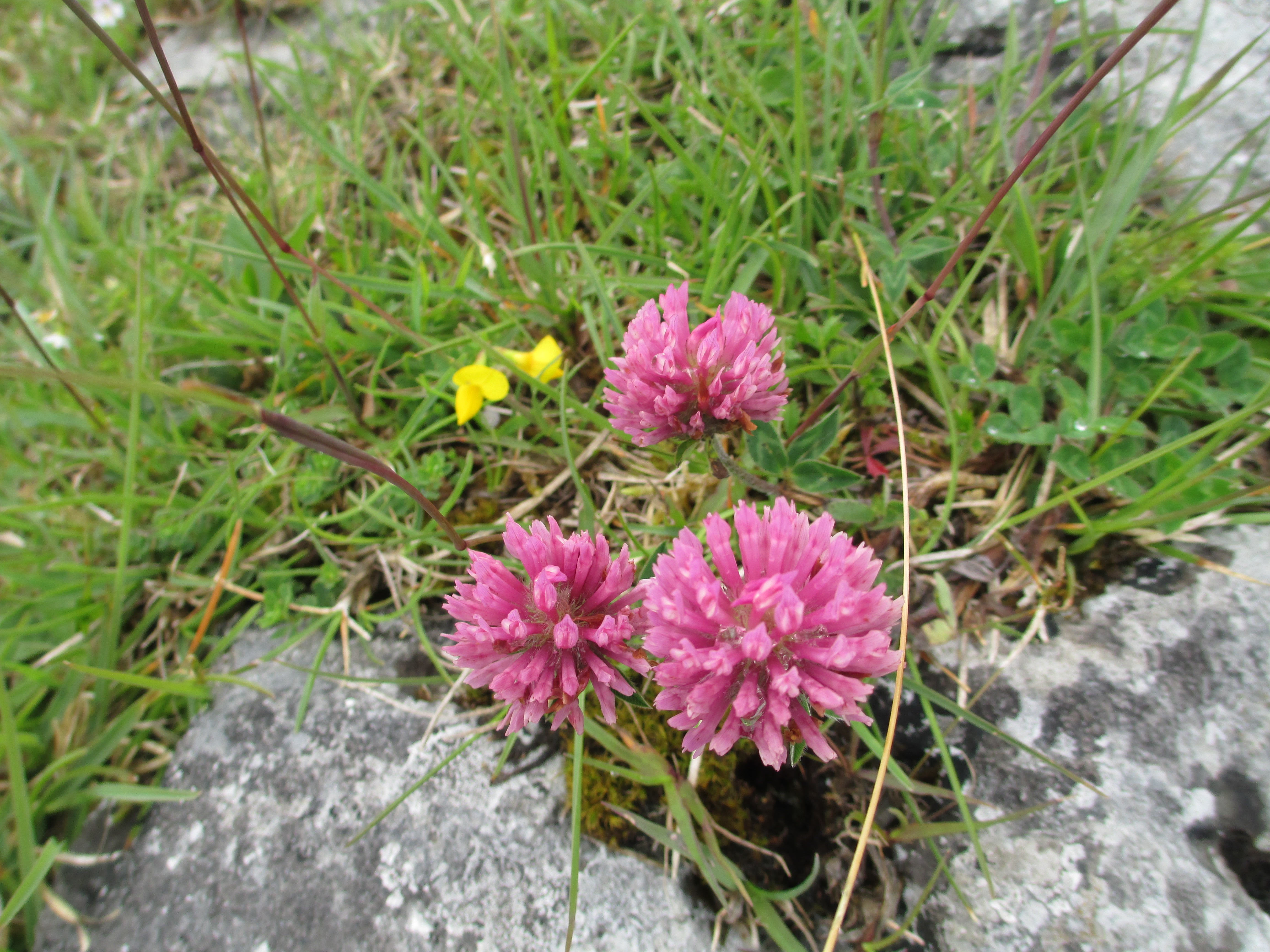
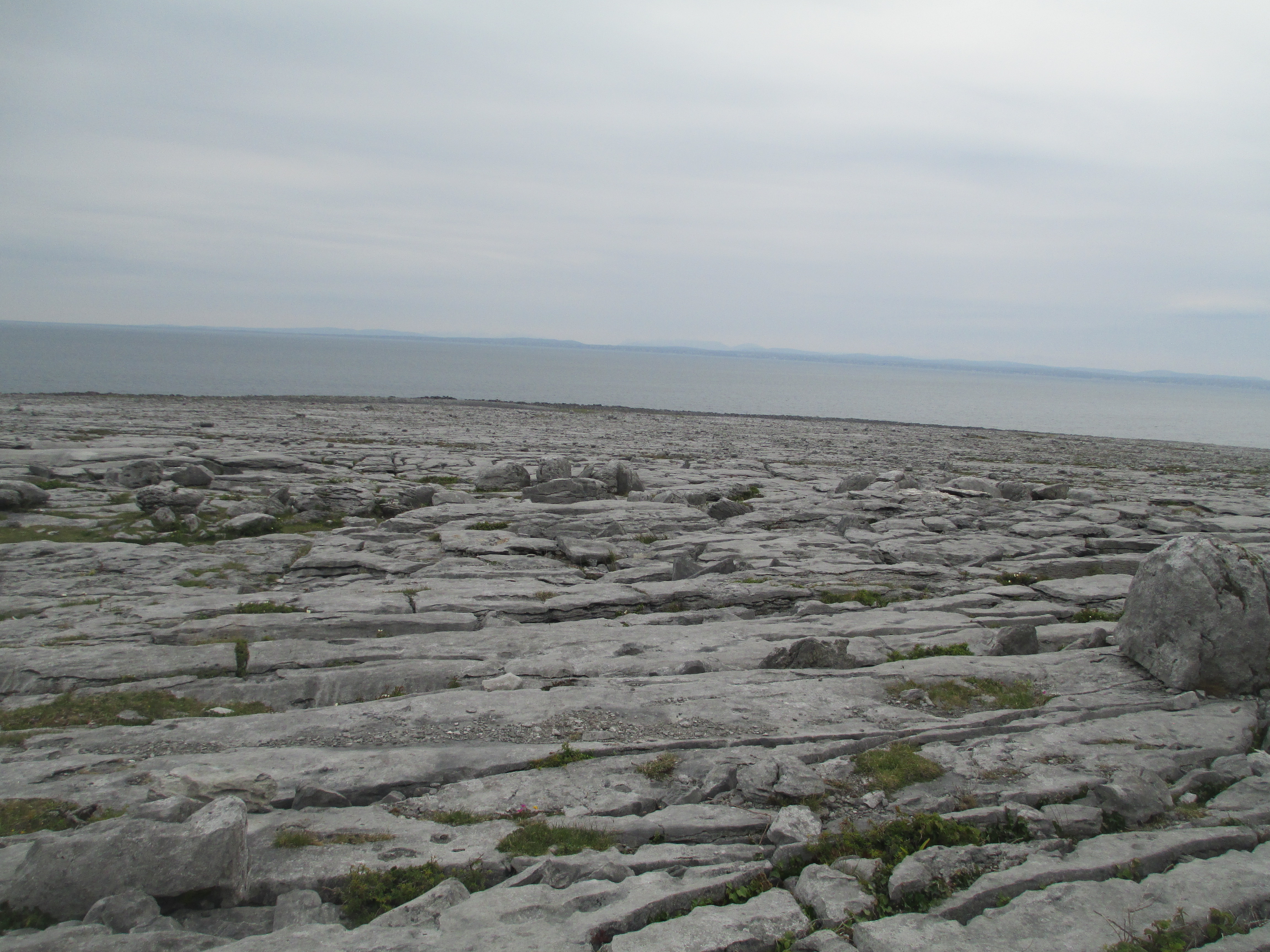
This series was the entire reason I was intrigued enough to go to the Burren when I was in Ireland. It is one of the most beautiful and fascinating places I have ever been. The ground is largely carboniferous limestone, the top soil was stripped off by glaciers, and wild flowers grow in profusion through the cracks, called grykes. There is also a number of monasteries, ancient monuments, churches and round towers making it close to my favourite place in Ireland. It is truly beautiful. I have written about it before, specifically about Temple Cronan, so you can read more here

You can get an idea of the area from the photos below.

IMG_6157IMG_6169IMG_6158IMG_3071IMG_3258IMG_3242IMG_3065IMG_3063

Historical Fiction:

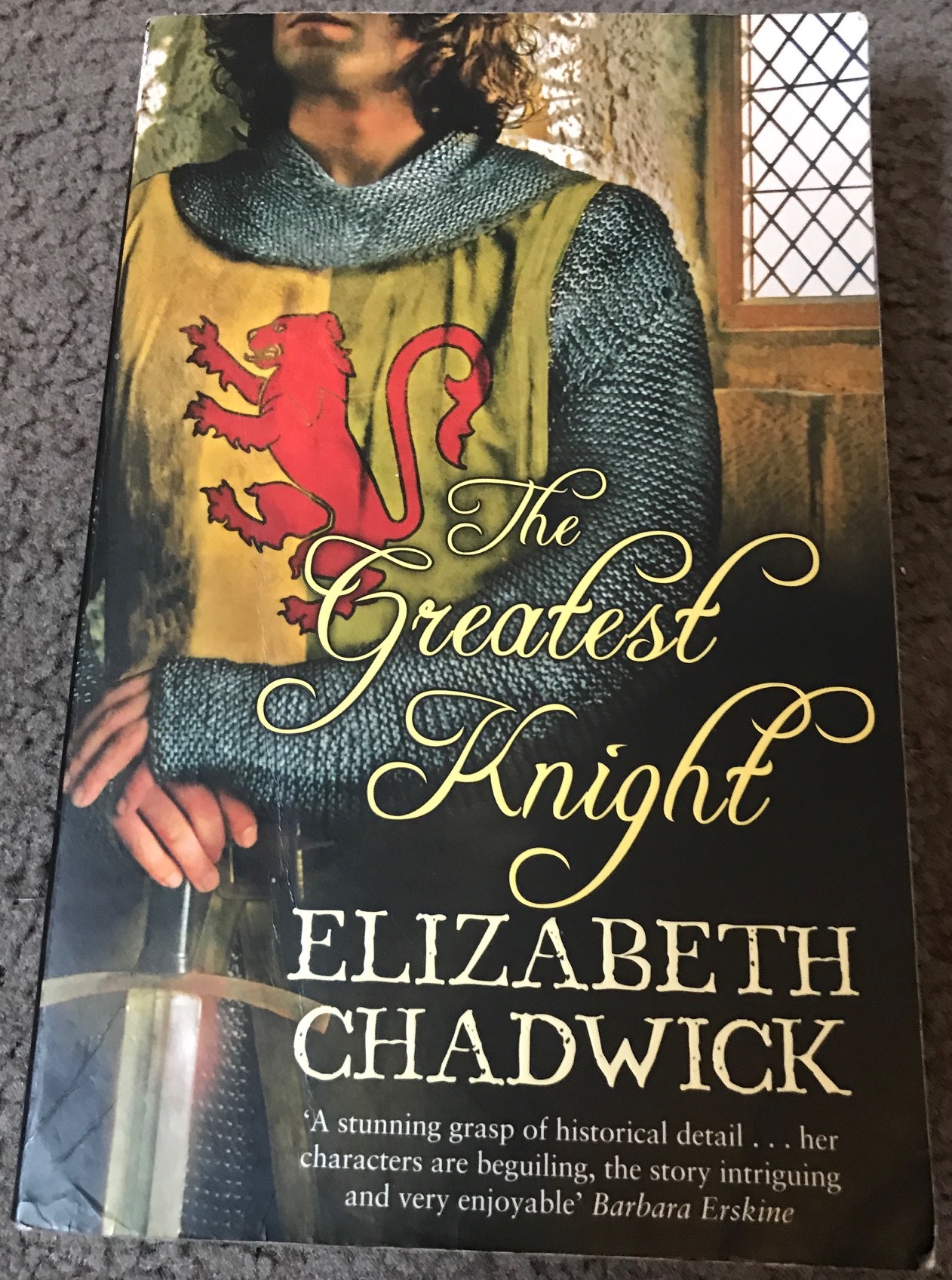
Book: The Greatest Knight by Elizabeth Chadwick

The Greatest Knight follows the early years of William Marshal. From his early knighthood in 1167 until 1194 with the return of Richard I from Crusade and the birth of Marshal’s daughter Mahelt. Marshal was involved in the majority of the important events for the English crown in the this period and lived a complex and fascinating life, remaining a man of loyalty and integrity.  The book covers Marshal’s life admirably and it was the novel that introduced me to Marshal in the first place. I went on to read every biography I could find on him, and to write my honours thesis on the man, but this book will remain important to me because it was where I first met him. For more information on the Greatest Knight and its sequels see the author’s site.

greatest knight

Place: Marshal Sites.

The Greatest Knight introduced me to Marshal and led me to travelling to a great number of Marshal related sites. I am not going to go into detail about the life of William Marshal here. If you want more detail you can read my short piece about him here.

I have also written about his wife Isabel de Clare, from whom he gained lands, money and status here. 

For this post I am creating a visual diary of key Marshal sites, some of which I have already written about.

Tintern wales

Tintern Abbey in Wales, of which Marshal was a patron

chepstow

chepdoorchepstow2

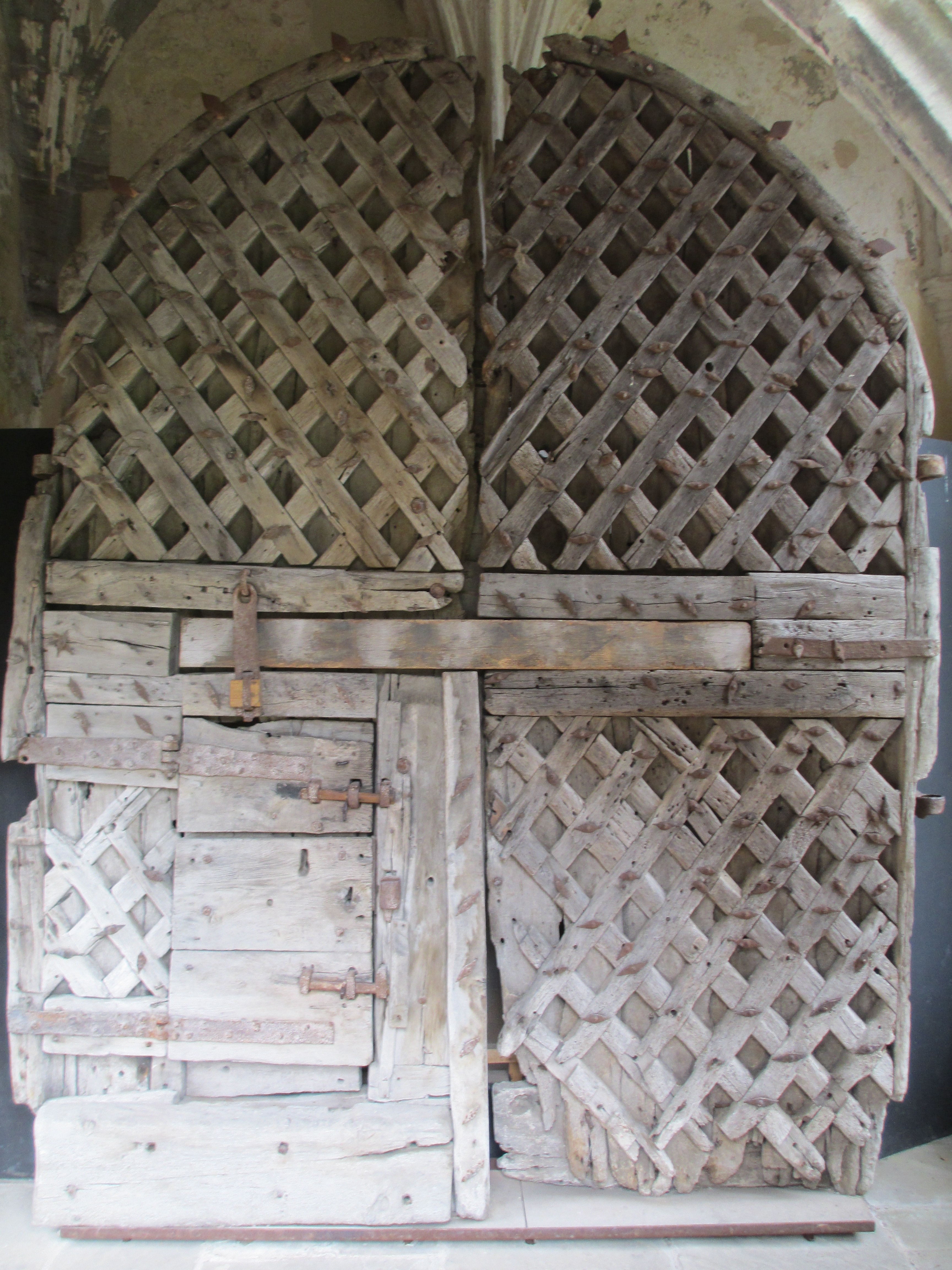
Chepstow Castle in Wales. Marshal was responsible for large portions of it and probably the doors in the photo above. For more information on the history of Chepstow Castle see this previous post here

pembrokepembroke2

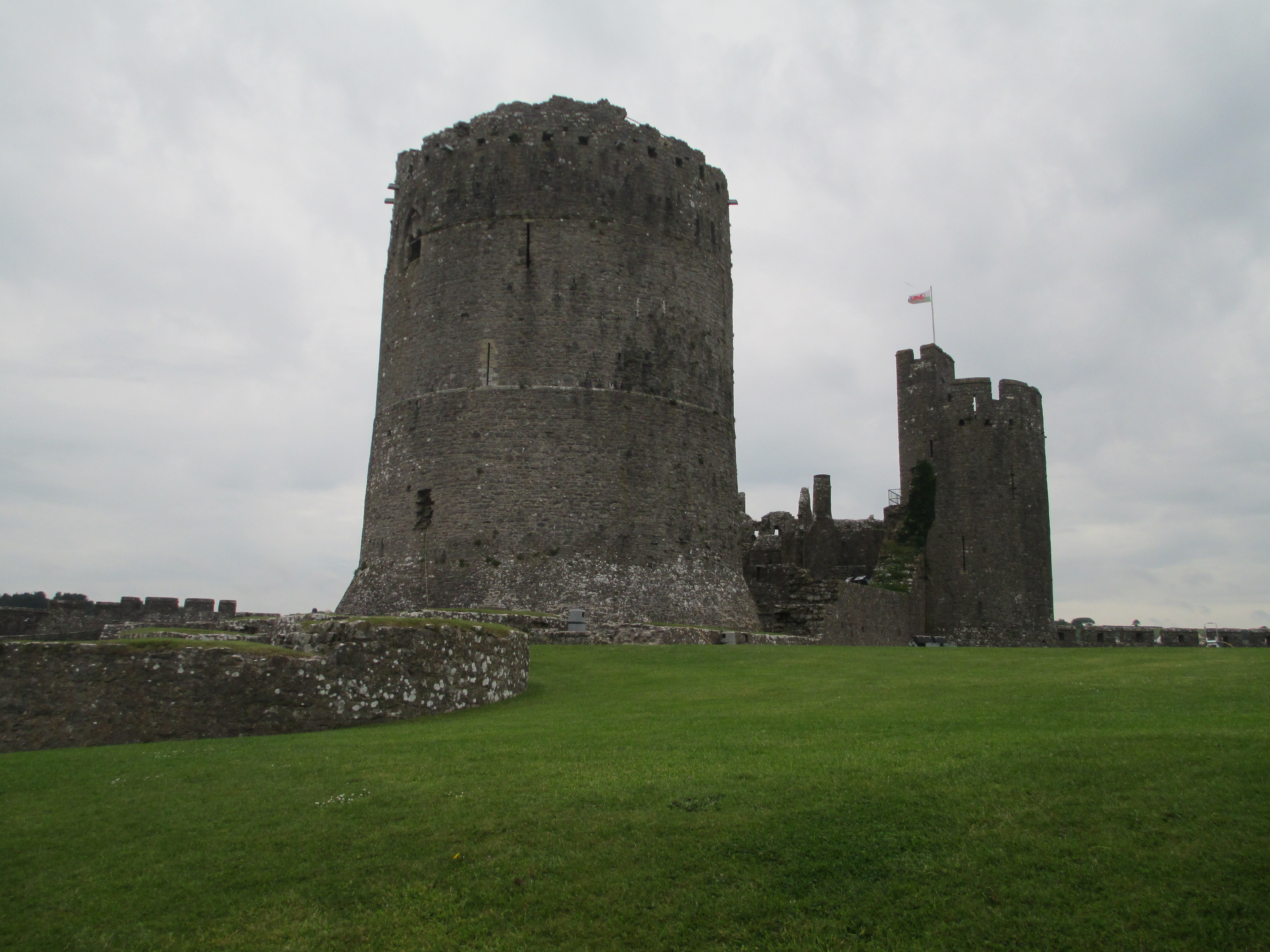
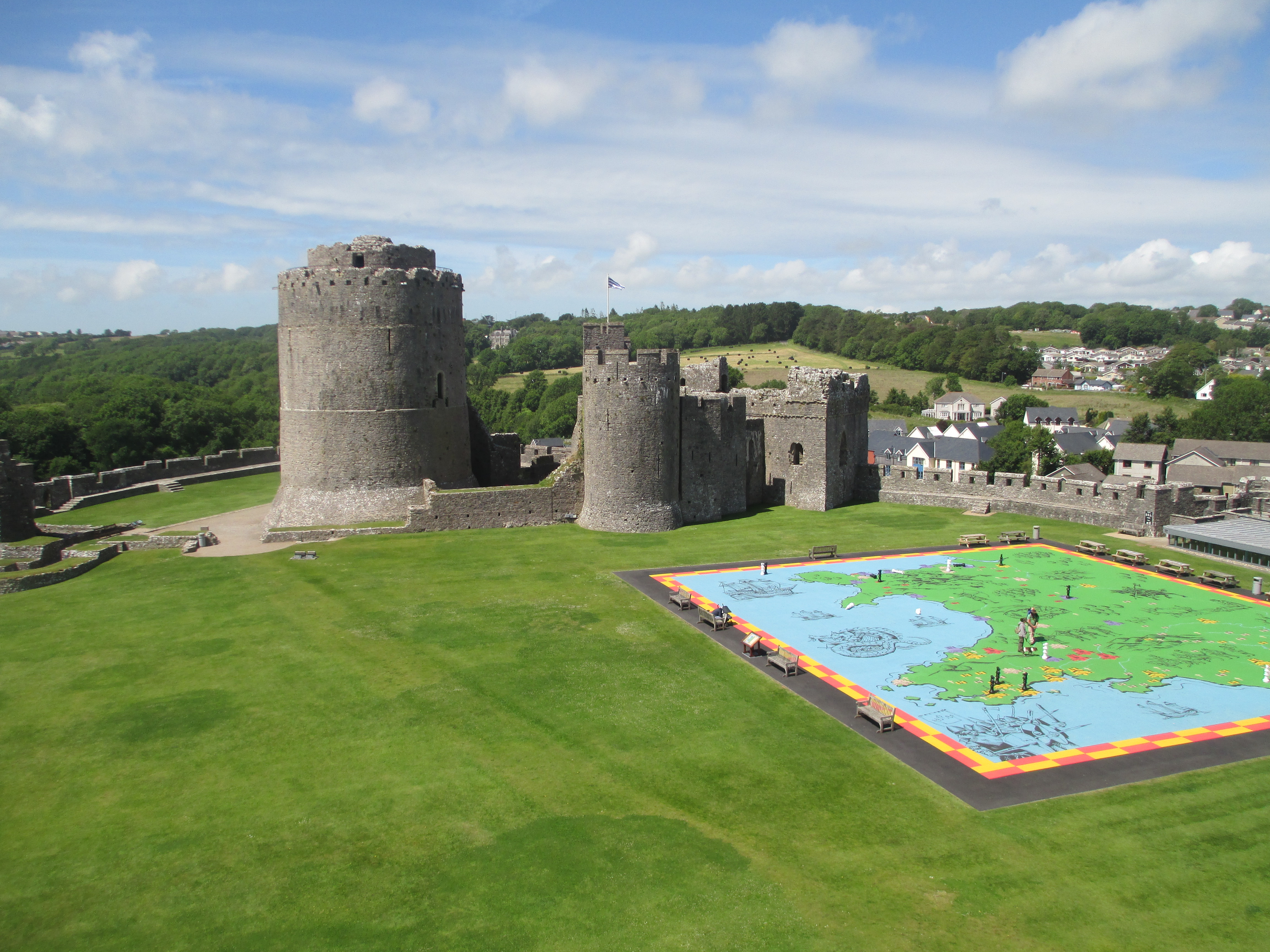
Pembroke Castle in Wales. Marshal was responsible for parts of it including the massive round tower you can see in the photos above. For more information on the history of Pembroke see this previous post

ferns

Ferns Castle in Ireland. Marshal built most of it originally. For more information on the history of Ferns Castle see this previous post.

kilkenny

Kilkenny Castle in Ireland. Built partly by Marshal. He was largely responsible for the early form of the round towers. There isn’t much of the medieval castle still visible.

new ross

st mary'snews ross tapestry

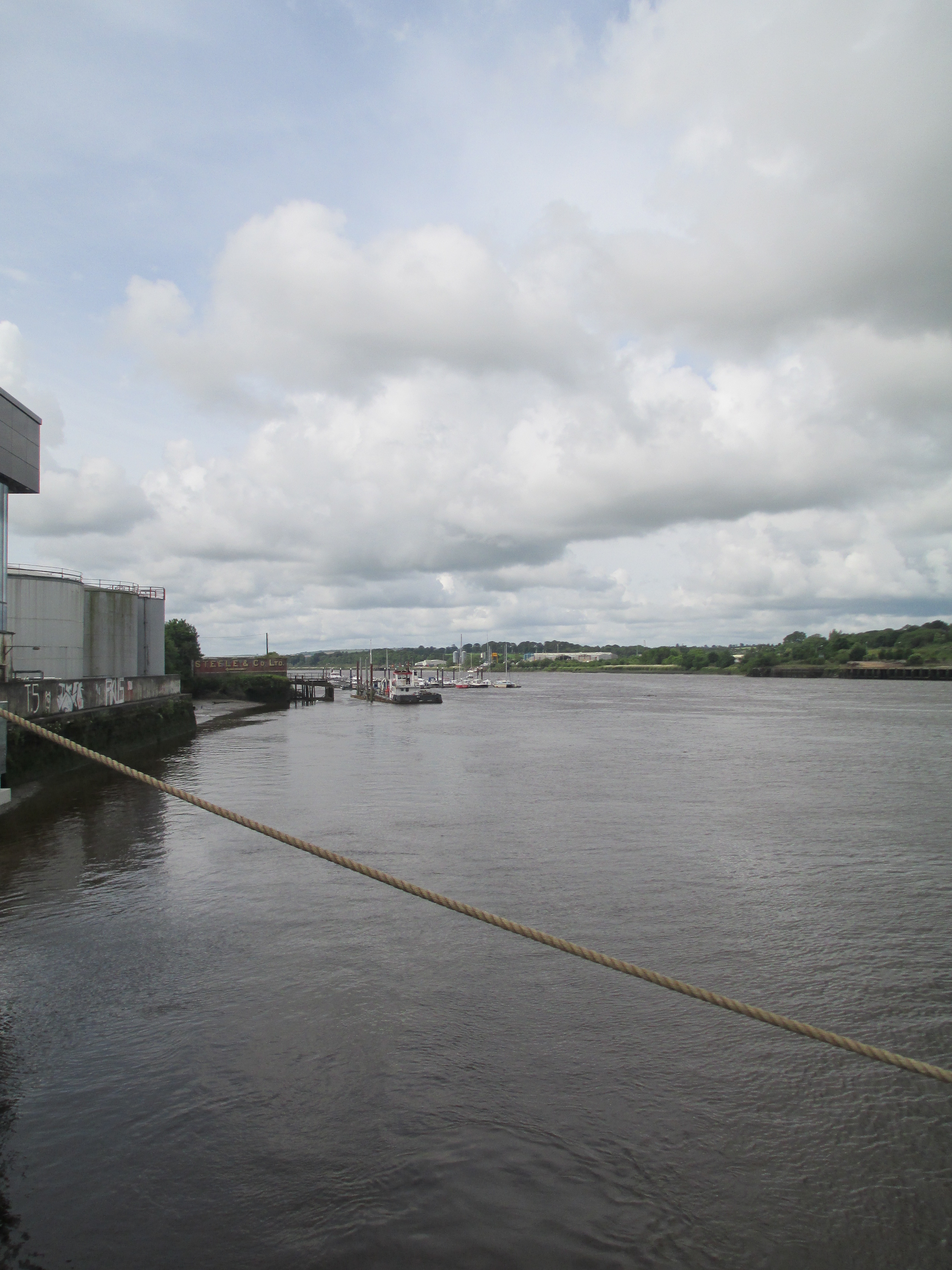
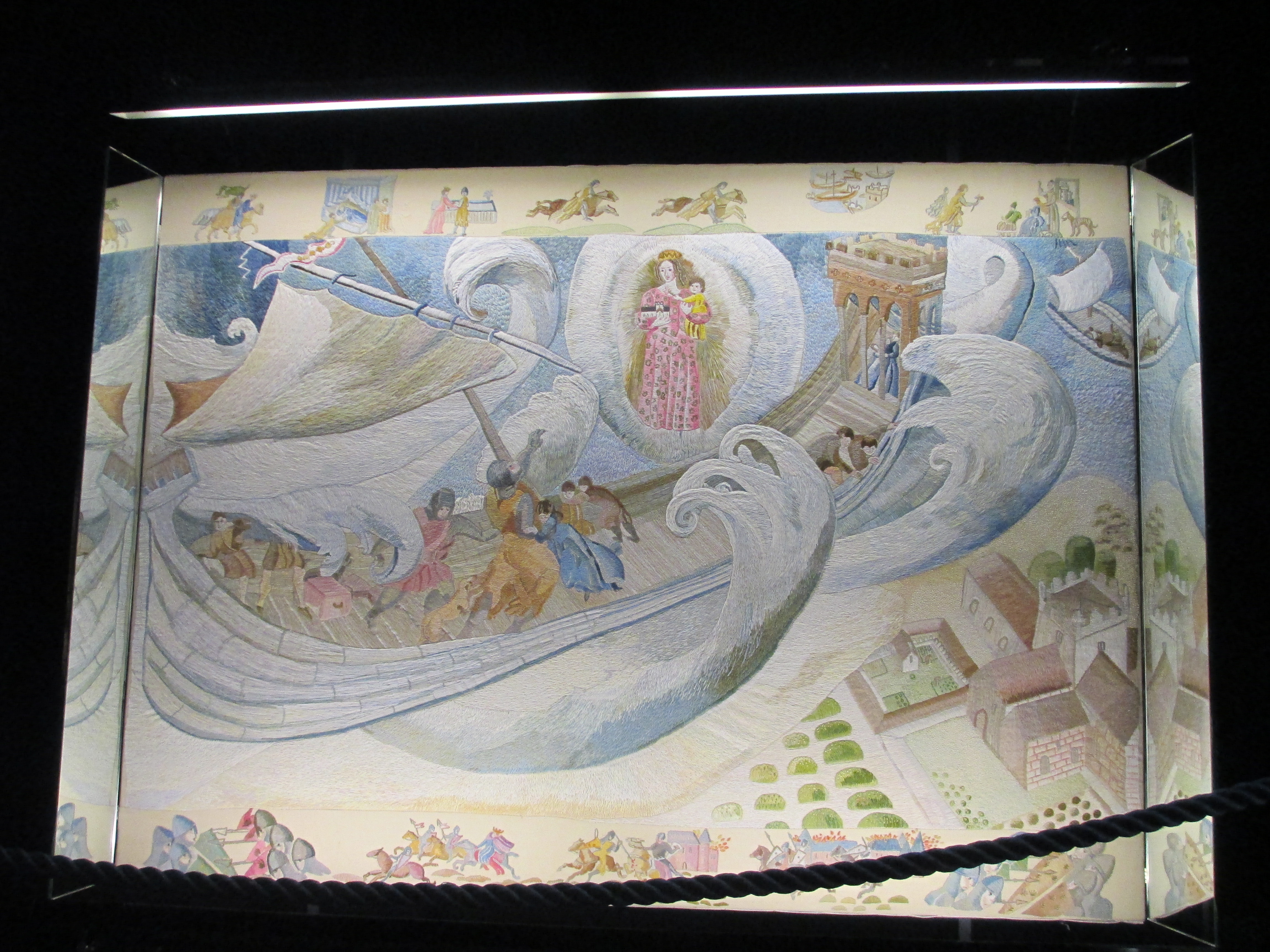
The Barrow River in New Ross in Ireland, St Mary’s Abbey in New Ross and one of the sections of the New Ross Tapestry.

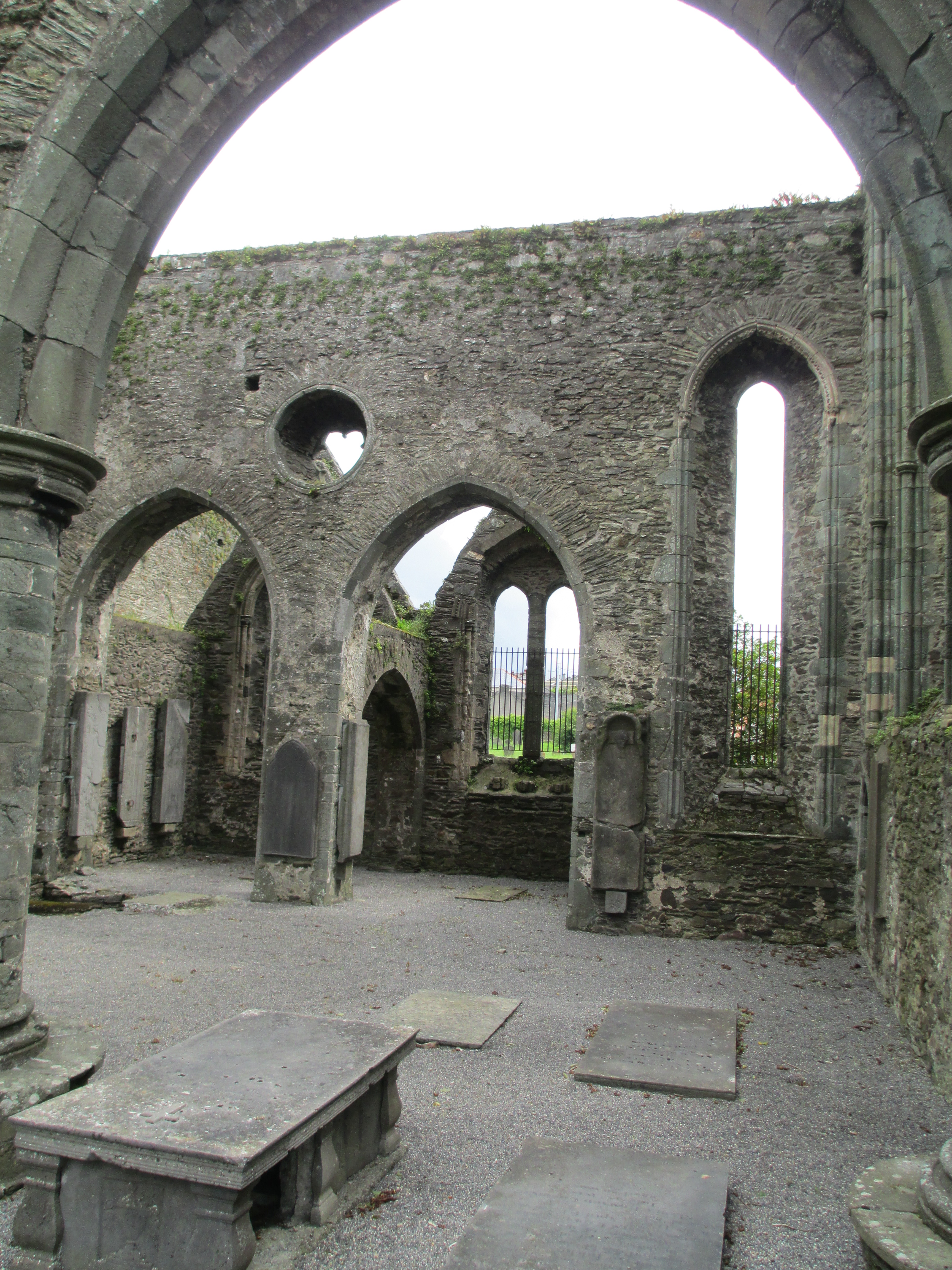
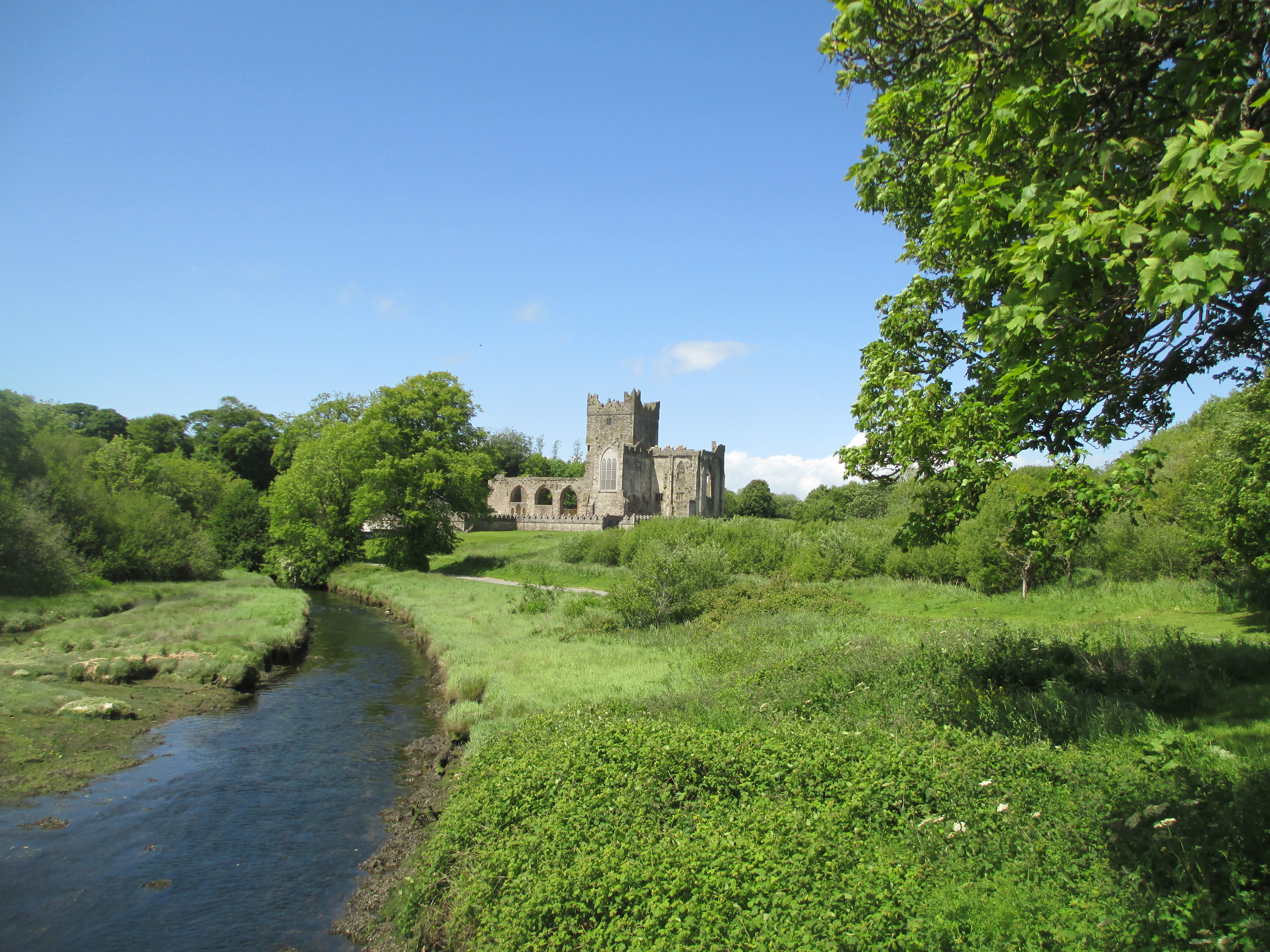
Marshal founded the town of New Ross essentially so he could have a non royal controlled port in his lands in Ireland. He and Isabel de Clare were instrumental in the construction of St Mary’s Abbey. The panel of the New Ross tapestry depicts the storm which Marshal barely survived when crossing the Irish Sea in 1201. He swore to God that if he survived he would found an abbey. He did and it can be seen in the photo below. For more on Marshal, Isabel and Ireland see this previous post.

tintern parva

Tintern Parva in Ireland.

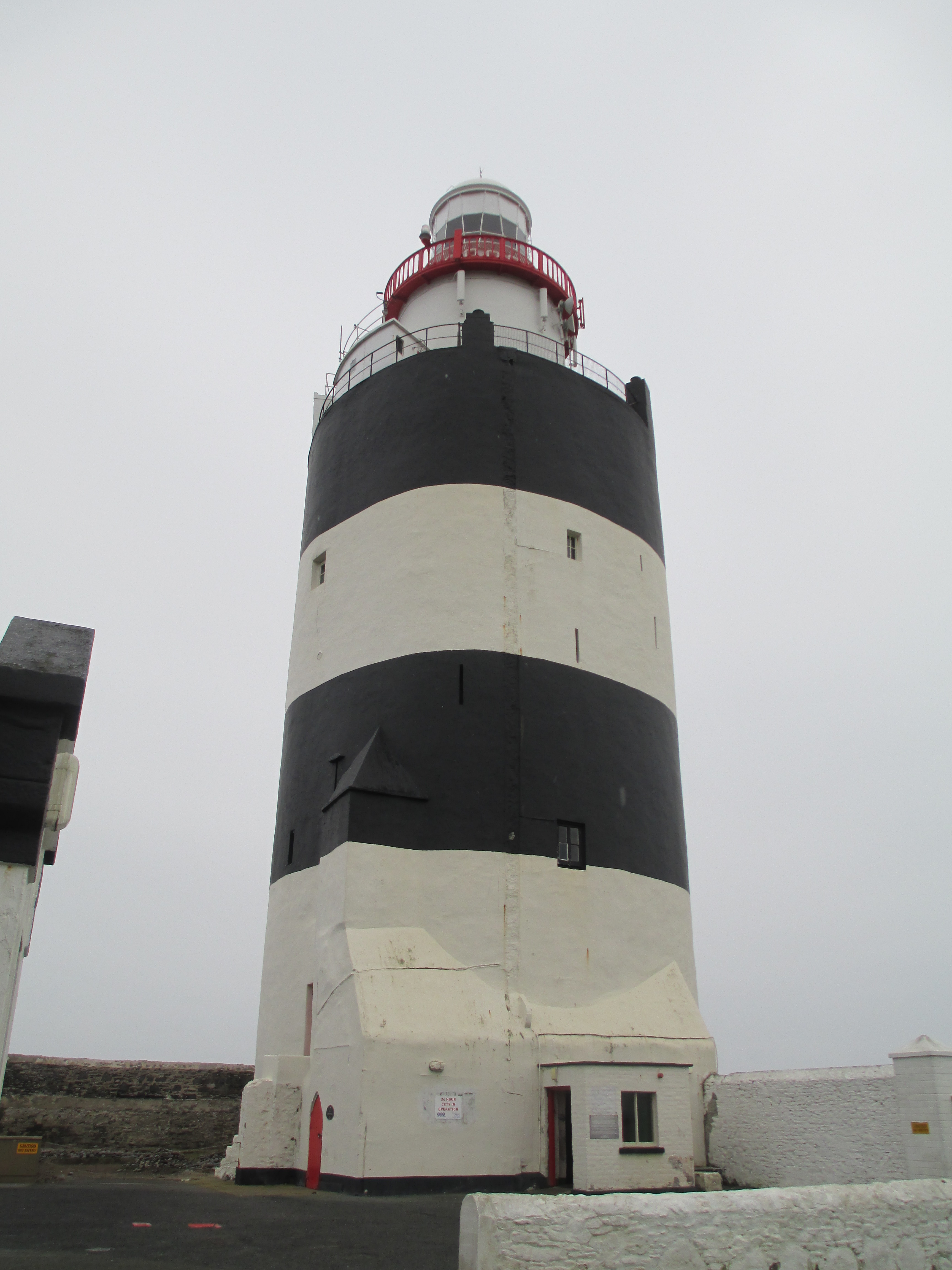
hook headhookhead

Hook Head Light house in Ireland, which was built on Marshal’s orders in the early 1200s as a landmark and to guide ships up to Marshal’s newly built port at New Ross. For more on the lighthouse see this previous post.

Lincoln castle

Lincoln Castle. While Marshal had nothing to do with the construction of Lincoln Castle it was the site of the one of the most decisive battles in English history, which had Marshal at its head. In 1217 the young Henry III’s forces, led by his Regent Marshal who was in his early 70s, met with the forces of Prince Louis of France who was trying to take England. The battle was a rout and Marshal’s forces were victorious. It was the beginning of the end of Louis’ attempt to gain the English crown. There were so few casualties it was known as the Faire of Lincoln. For more on the battle and the history of Lincoln Castle in general see this previous post. 

temple chrucheffeffclose

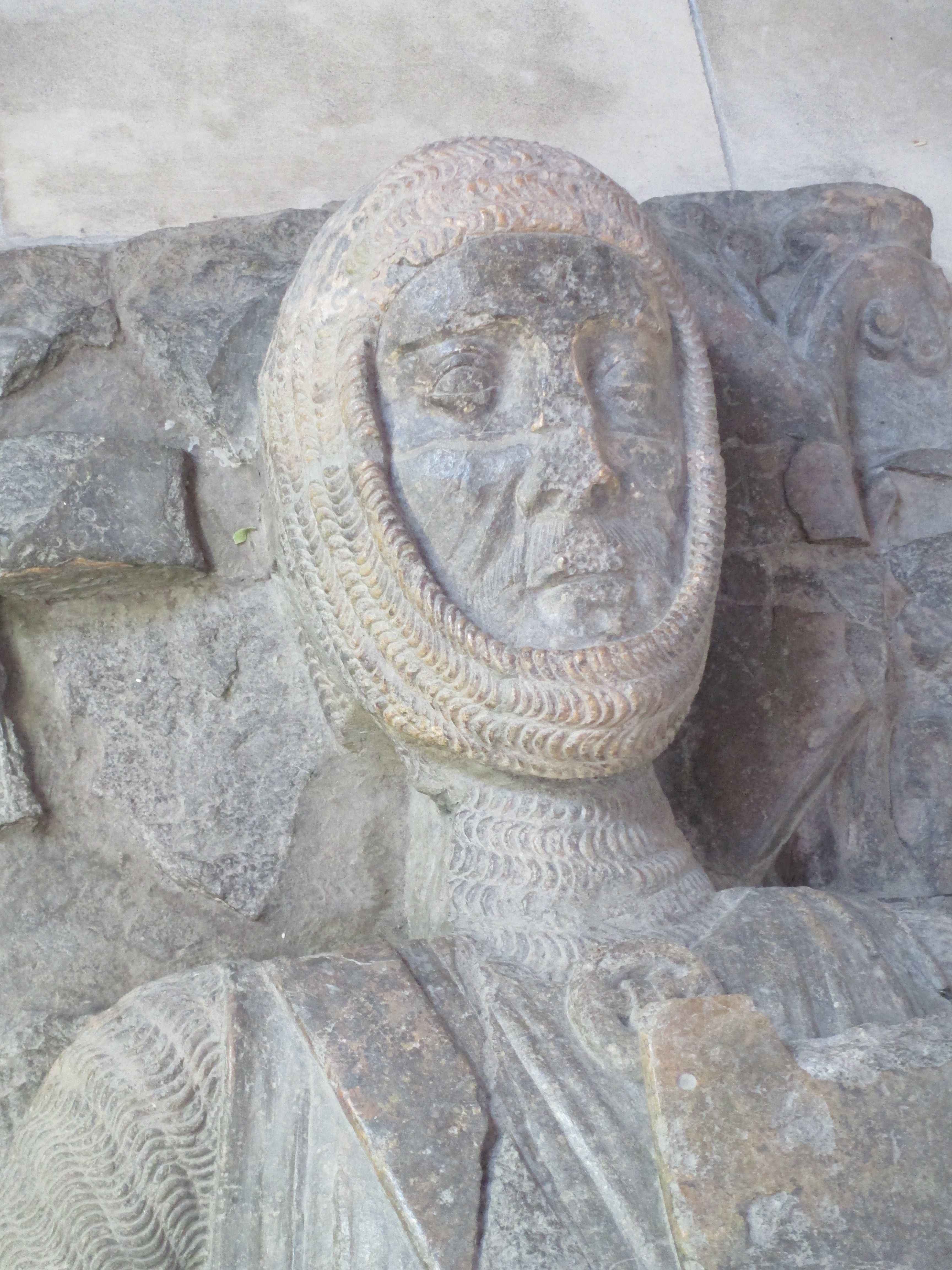
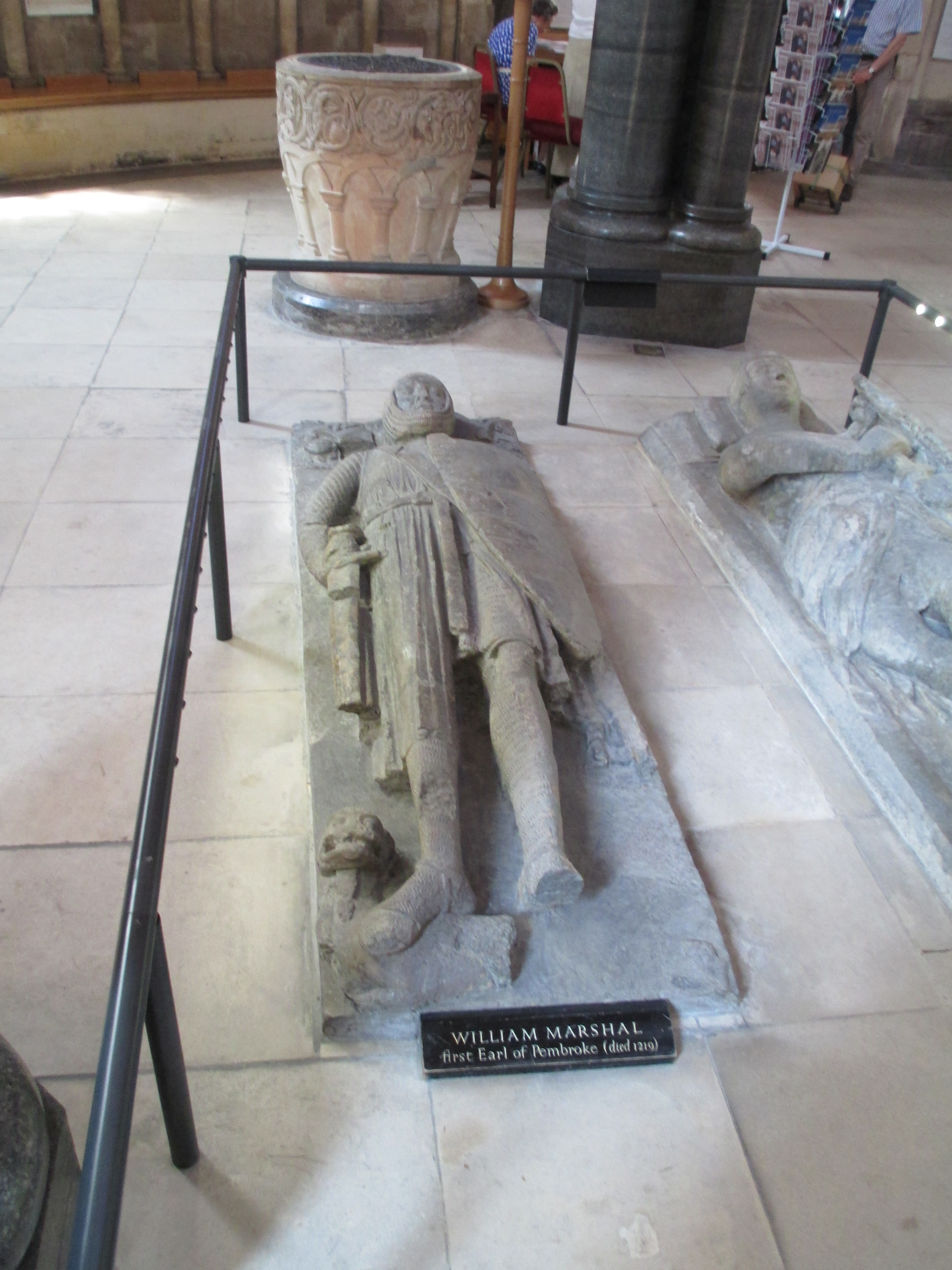
The Temple Church and Marshal’s effigy there.

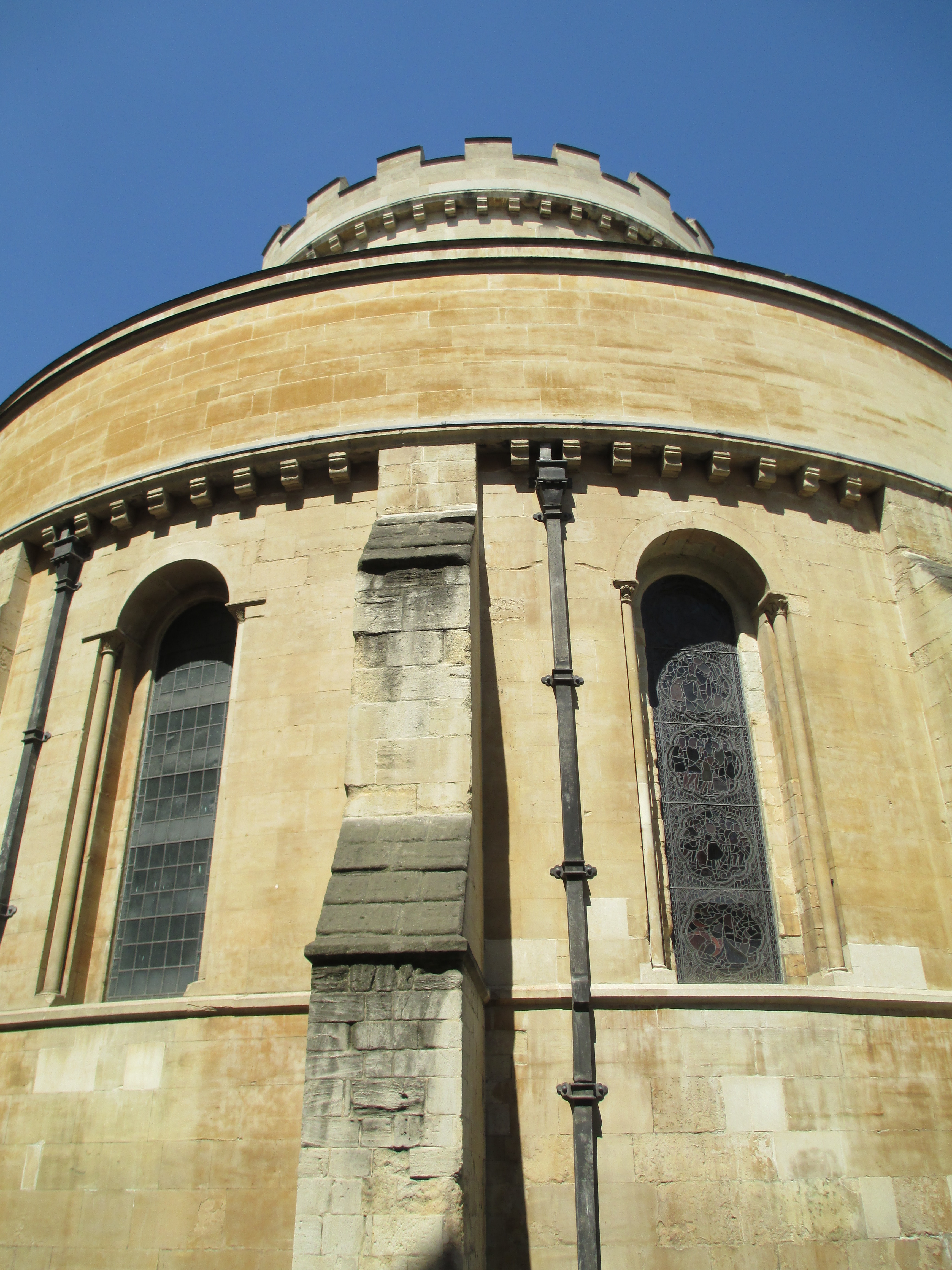
The Temple Church in London is one of the few surviving actually medieval churches in London. It was built by the Knights Templar and it is deliberately round to mimic the Holy Sepulchre in Jerusalem. Marshal joined the order of the Templars just before his death and was interred in the Church. The effigy was damaged severely during the Blitz but thankfully enough survived and it was restored.

Marshal died well for the medieval period,  managing his death and ensuring all the right steps were taken. For more information on Marshal’s death see this previous post.

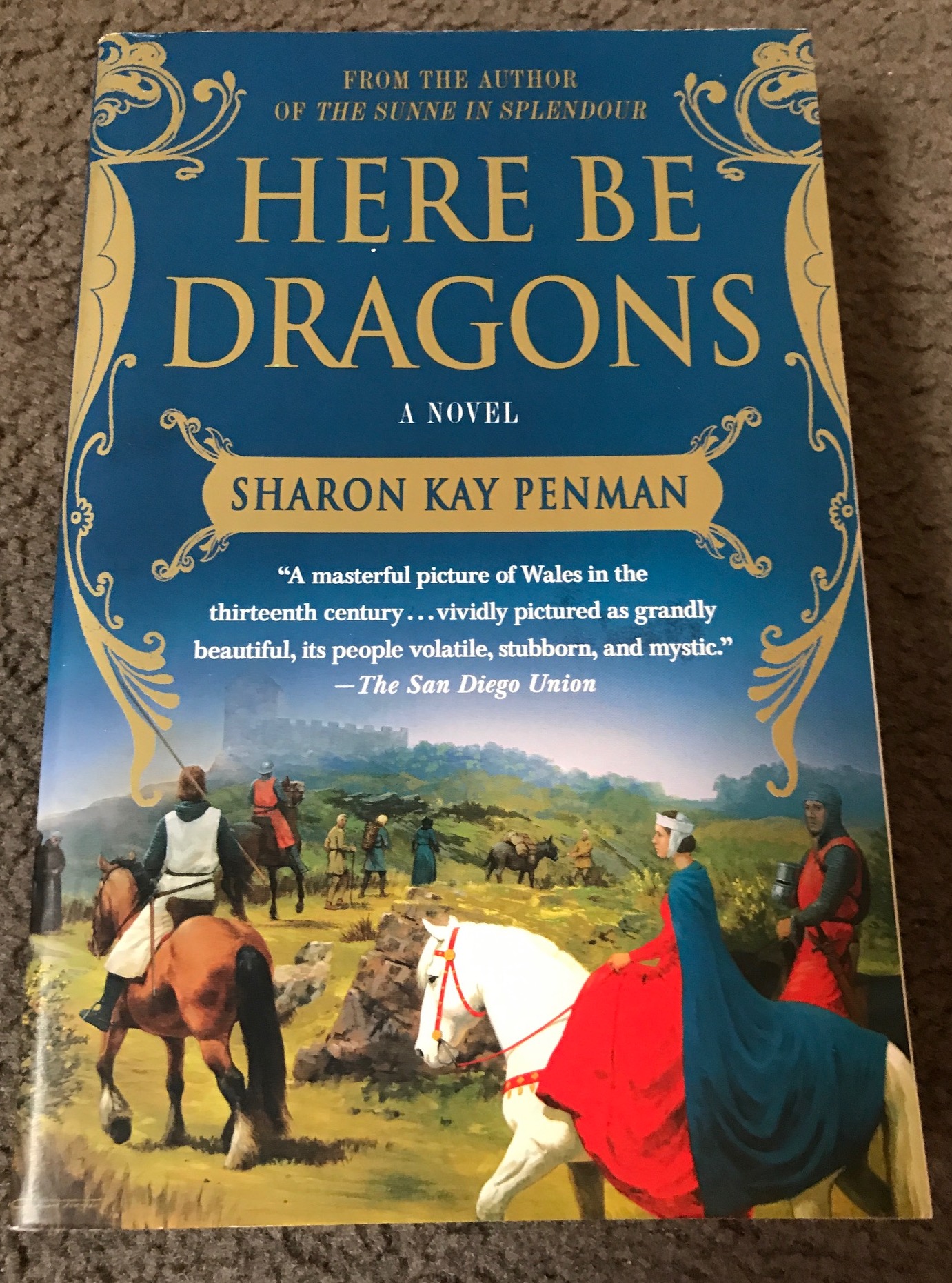
Books: The Welsh Princes trilogy (especially Here Be Dragons) by Sharon Penman

Sharon Penman is probably my favourite medieval author. Here Be Dragons, the first of her Welsh Princes trilogy, was the first book of hers I read. The Welsh Princes Trilogy were also the books that got me interested in Wales. They follow the final years of Wales as an independent kingdom or kingdoms depending on how you look at. They focus on North Wales and the princes in Gwynedd.

Here Be Dragons  follows the life of Llywelyn ap Iorwerth, known as Llywelyn Fawr (meaning Llywelyn the Great). He was a Welsh Prince from North Wales who united most, but not all, of Wales and held off the English.  You can find out more about Llywelyn in this previous post and about his wife Joan who was King John’s illegitimate daughter, in this previous post. 

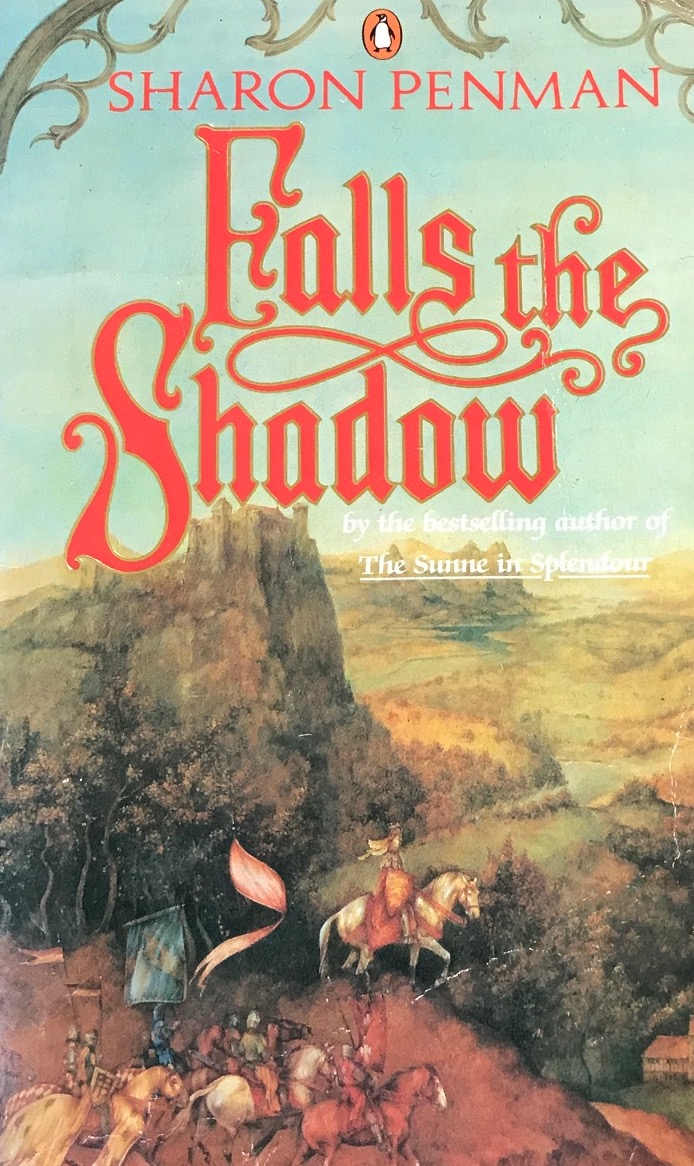
The second book Falls the Shadow follows the end of Llywelyn and Joan’s lives and the life of their son Dafydd and Llywelyn’s grandson Llywelyn ap Gruffydd. A large part of the narrative is also dedicated to the life and love of Simon de Montfort and his wife Eleanor of England (the sister of Henry III and daughter of King John). I’ve never written anything about the de Montforts, though I probably will at some point,  so I can’t provide an old post for more information. De Montfort has been credited with being the founder of the concept of the parliament and he led the barons revolt against Henry III. It is much more complicated than that of course, and he and Eleanor are both worth much more time than I can dedicate here. So to learn more about them at here’s a link to the Britannica article.

The final book in the trilogy is the Reckoning. I’ve only ever managed to read it twice because it depicts the fall of Wales to the English as well as the life of Llywelyn ap Gruffydd as he tries to fulfil his grandfather’s dreams of a united Wales. Like de Montfort I’ve never written about Llewelyn before, but you can find more about him here.

Penman brings the period alive and creates characters that are not only enduring, but who you really care about. The series is also helped by covering one of the most fascinating and sometimes unbelievable part of English and Welsh history. It was a time populated with many extraordinary people, but also a time of immense tragedy as a country fell. You can find out more about Sharon and her other books here.

dragonsfalls the shadowreckoning

Place: Wales in general but several specific sites

While this trilogy inspired me to become interested in the history of Wales in general and certainly inspired me to go there, it would be a whole other post to discuss history of all of Wales. So I’m going to keep it simple and focus instead on a couple of places in Wales I would never have gone without reading these particular books.

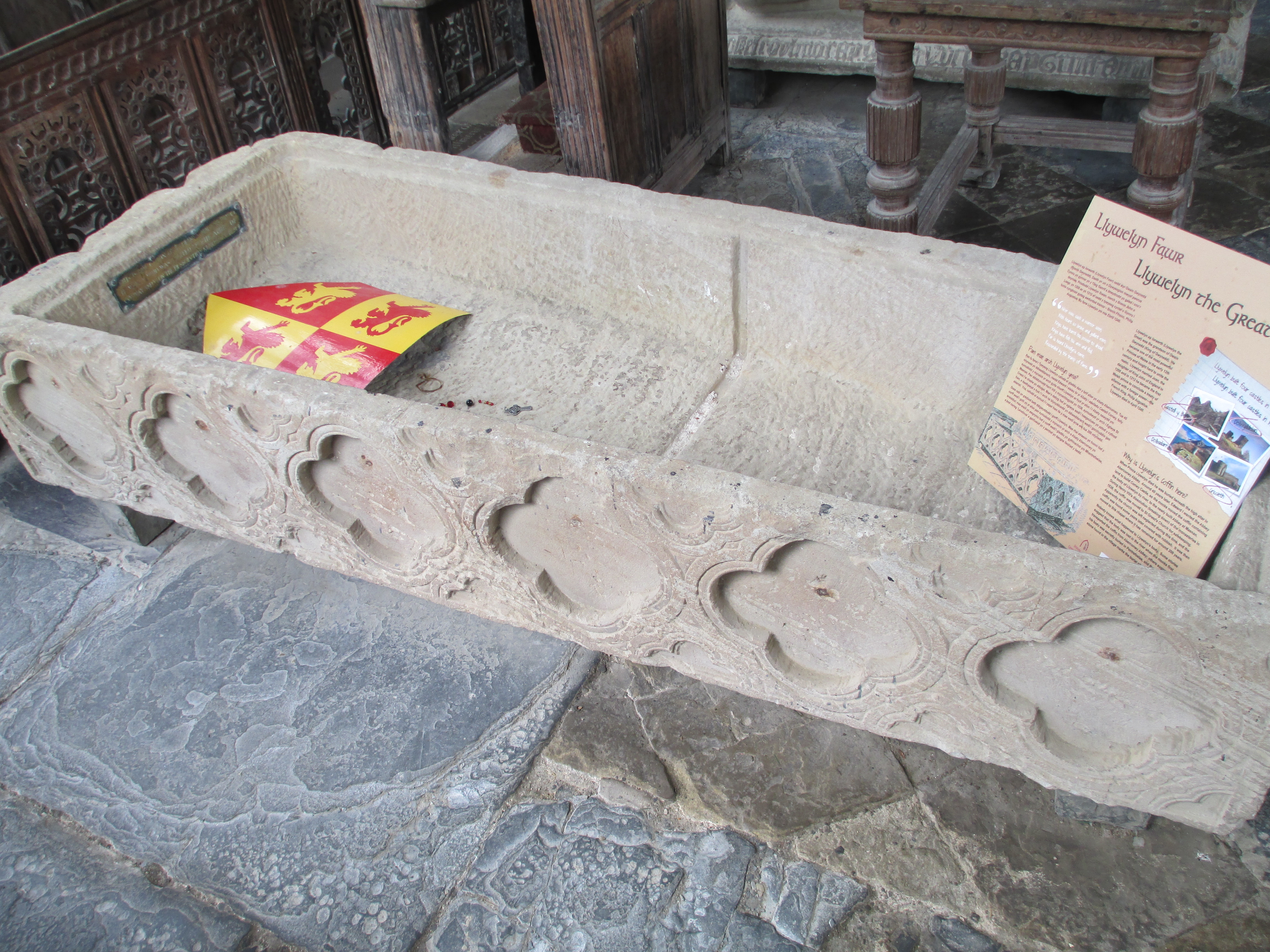
llew coffin 2llew coffin 1

Llewelyn’s tomb in Llanrwst parish church

joanna farjoanna close

Joan’s tomb in Beaumaris

conwy1conwy2

Conwy Castle. I visited this castle because it is an amazing example of late 13th century medieval architecture, for more on the castle see this previous post, and because it is on the site of the abbey where Llewelyn was originally buried. The town is also where a statue of Llewelyn stands, though it much smaller than it looks and smaller than it should be. You can see it below.

llew

I wanted to add in two natural rather than historical sites as well.

IMG_2214

Mount Snowdon. The photo is the view from the top. Penman describes the mountains in Northern Wales so evocatively that I had to see them. I was lucky enough to get spectacular weather when I took the train up Mount Snowdon.

IMG_2084IMG_2085

Aber Falls, known as Raeadr Fawr in Welsh. These falls feature in a particularly intense scene in Here Be Dragons. They are very close to Abergwyngregyn, a small Welsh town that was once one of the homes of the Welsh Princes. There is nothing left of the residence, but the waterfall is spectacular.

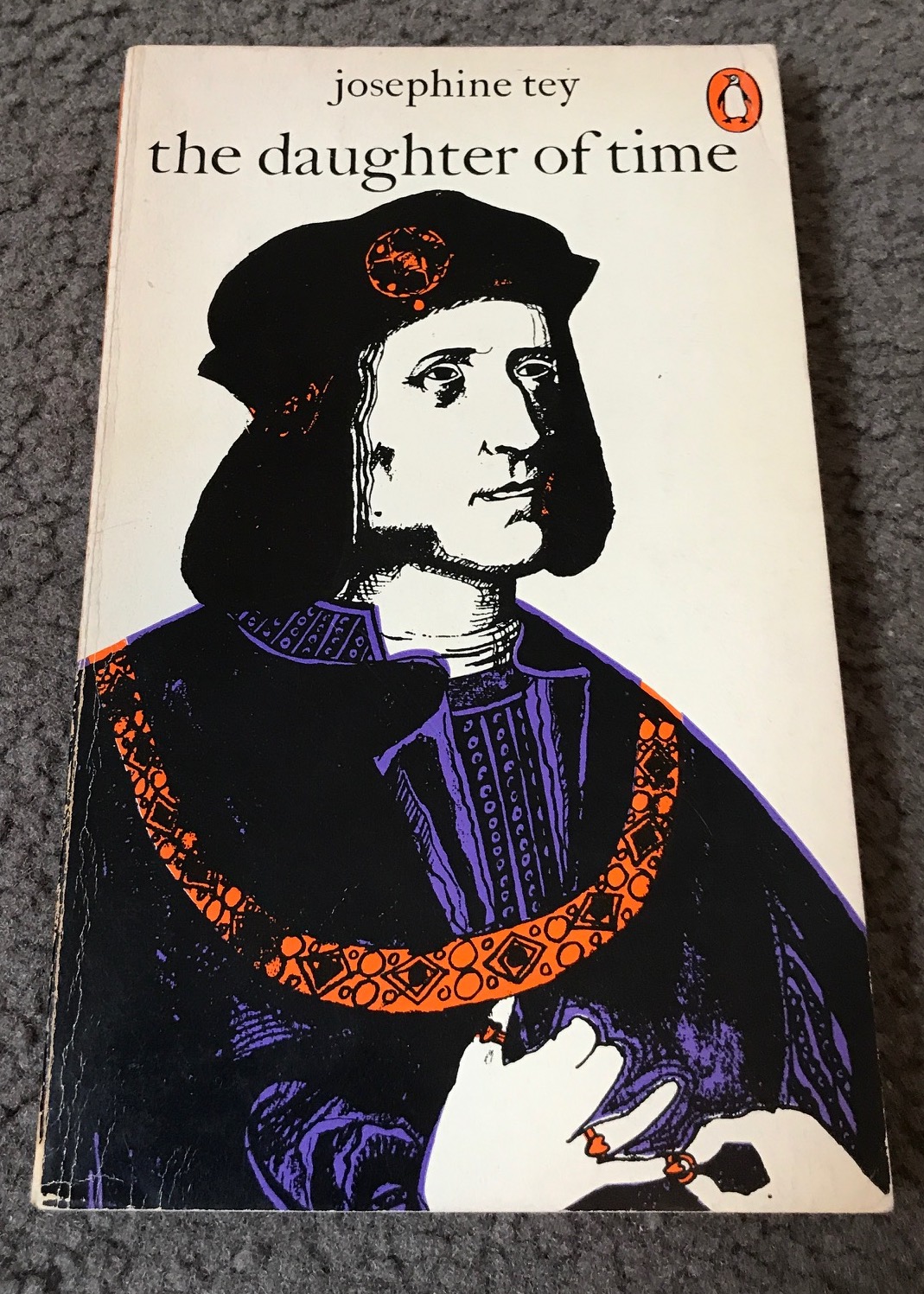
Book: Daughter of Time by Josephine Tey

While this is a contemporary mystery it is the first book that introduced me both to the concept of history being written by the victors and the many arguments surrounding Richard III, so it is worthy of inclusion. If you haven’t read Daughter of Time do, everyone should if only so you can learn that history is not immutable fact.

Tey takes the unusual step of having her usual detective Alan Grant stuck in hospital with a broken leg. In his boredom, he begins to investigate the history of Richard III with the help of a young American student to do the leg work. The book looks at how the popular narrative of Richard III as a nephew killing villain has been constructed and Grant investigates until he finds what he sees to be the truth behind Richard III. I am not going to get into the Richard III debate here (though for the record I fall on the side of he probably didn’t kill his nephews but we can never really know) but regardless of where you fall in the debate, Daughter of Time is fascinating. It not only imparts a the history of Richard III and his period, but it deconstructs how history is constructed. In managing the latter in a readable, relatable and engaging way it is one of the most important books written.

IMG_1257 copy

Place: Richard III’s grave and tomb

I was quite young when I read Daughter of Time, 12 or so I think, so while I was aware of Richard III and knew a little about him it was Daughter of Time which introduced me to arguments regarding the truth of his story and cemented my interest in the king. So while Sharon Penman’s Sunne in Splendour (a retelling of Richard’s life) also deserves credit, I’ve decided to list Daughter of Time as the main reason I went to Richard III’s grave and tomb in 2015.

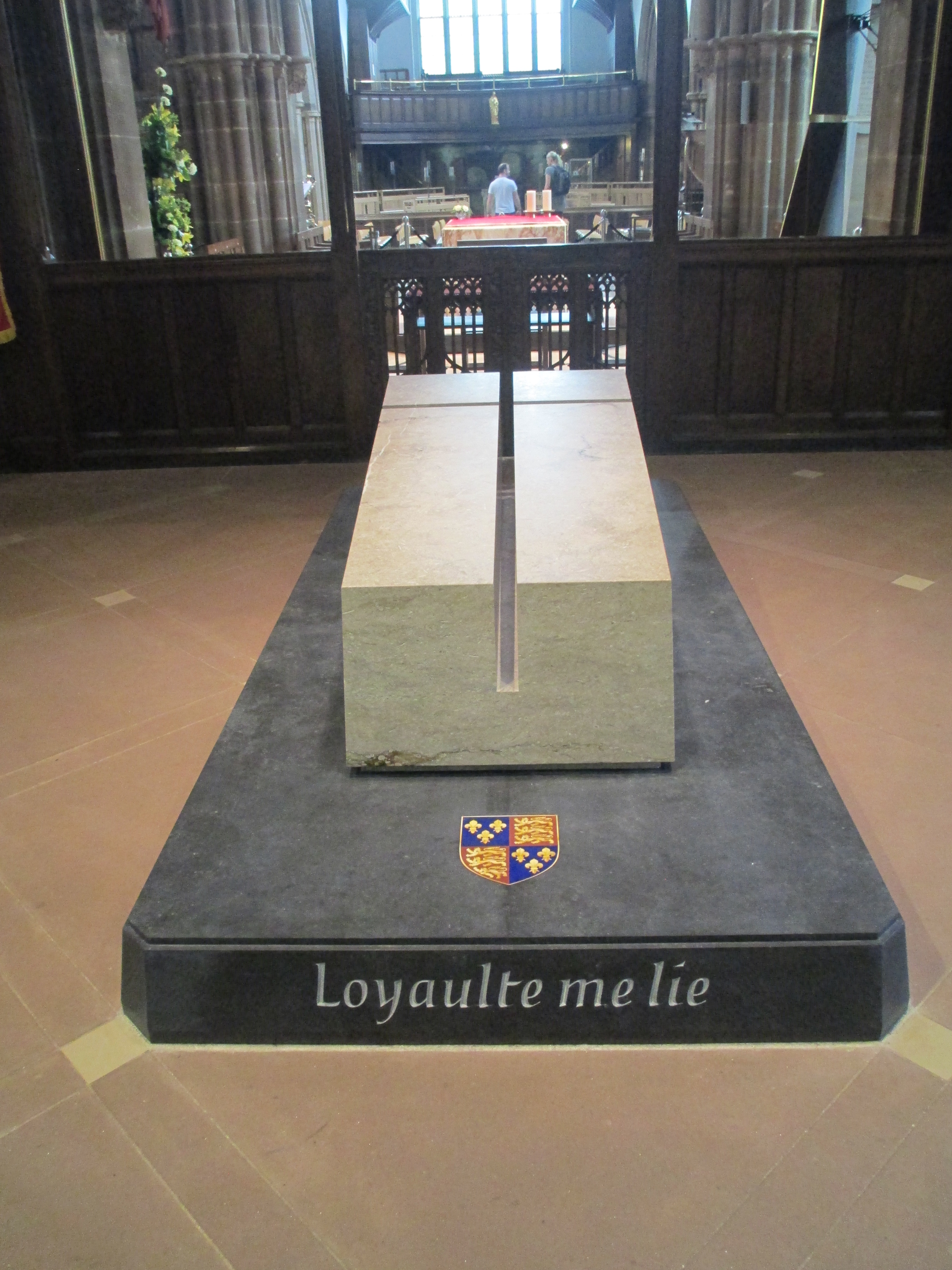
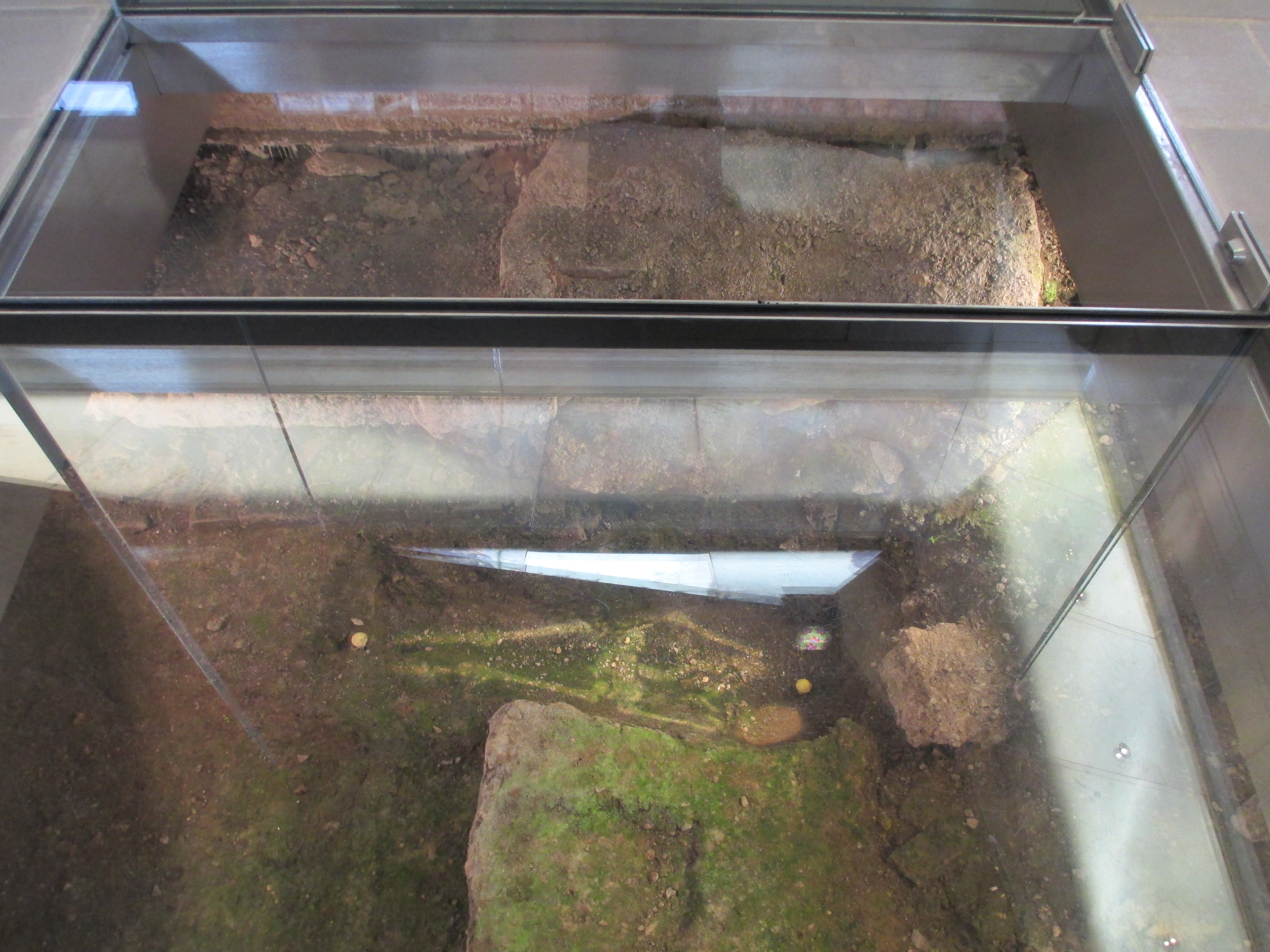
I travelled especially to Leicester. I know both Richard’s burial in Leicester and the monument to him in the cathedral have their dissenters (there’s lots of articles about this, google it if you’re interested). I, however, found both the monument and Richard’s actual grave surprisingly moving. When I was there in 2015 the cathedral still had some work to do in providing information both about the cathedral and Richard III (though I’ve heard from other people they have improved substantially). The Richard III centre across the road was fascinating and a well realised tribute. You can see both Richard’s tomb in the cathedral and his grave in the photos below.

IMG_5853IMG_5854IMG_5858IMG_5879

Book: Henry VIII’s Shoes by Karen Wallace

This might seem to be an odd book to finish on. It’s a children’s book to start with and it’s actually set in the present day although Henry VIII does still feature. This however, for me, was the book that began my interest in history. It’s the story of a group of English kids who go to Hampton Court for a school trip, and find some shoes in the maze. They turn out to be Henry VIII’s shoes and then Henry himself shows up.. chaos ensues.

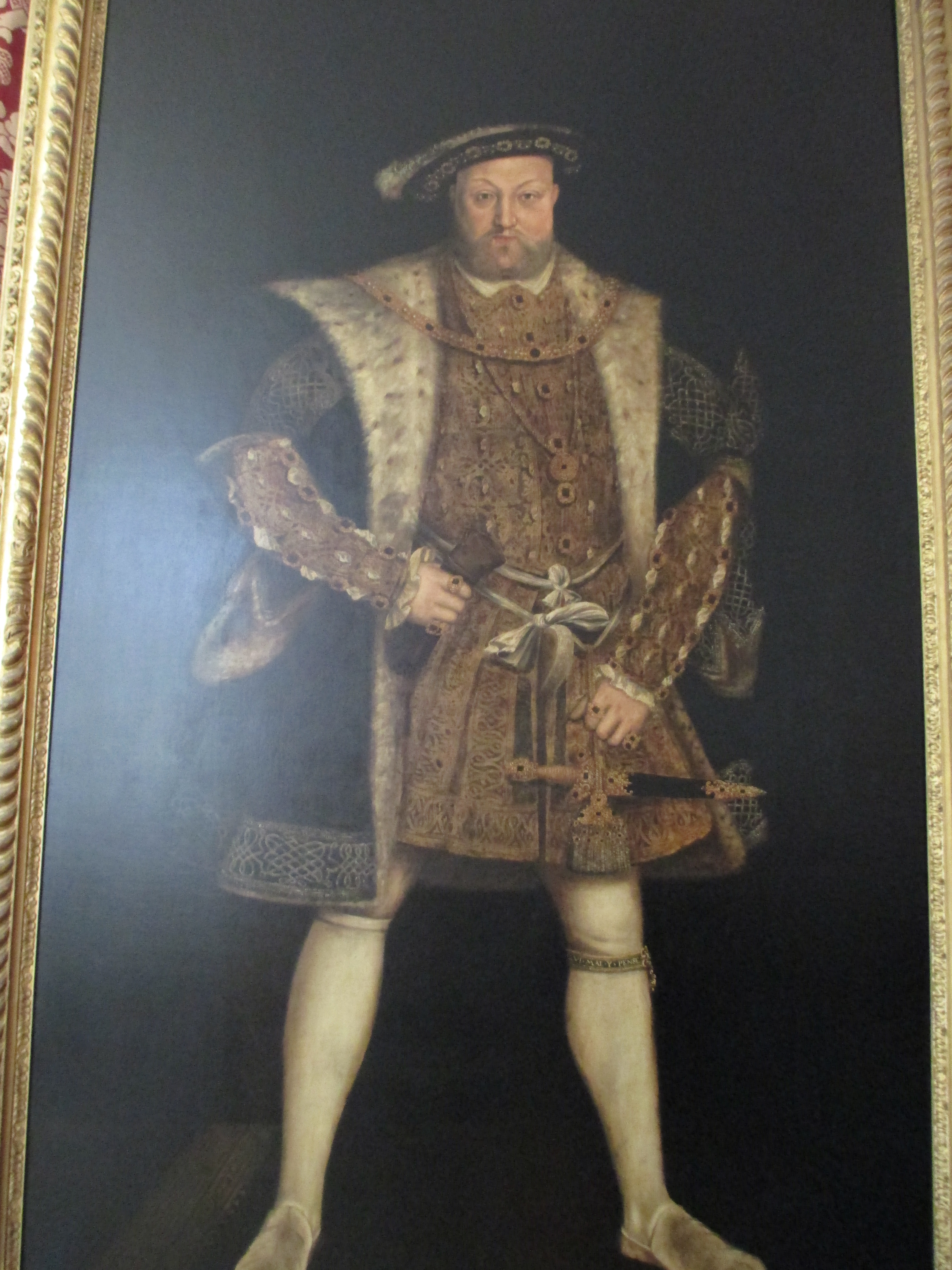
I was reading this as an eight year old when my grade 3 teacher (Mr Spaull) assigned a project where we could pick any historical figure we wanted. At my Mum’s suggestion, because of this book, I chose Henry VIII and the rest is literally history. I started with the Tudors and then moved back to the Plantagenets, read a lot of historical fiction and a bit of non fiction, studied history as much as I could at school, studied history at uni, did my honours degree in medieval history and ultimately ended up working in a history library (Australian history, but still) all because I was reading this book at the right time. So books and teachers can change lives, even in slightly unexpected ways.

henryVIII

Place: Hampton Court

I’ve credited this book as the genesis of my interest in history, which is true, but in the spirit of this post it is also the primary reason I went to Hampton Court.

Hampton Court is probably best known for its association with Henry VIII. It was built by Cardinal Wolsey, but Henry took it from him in 1529. He expanded it greatly and was determined to make it a pleasure palace.

It wasn’t just Henry’s palace though. It was used by succeeding monarchs as well, including his three children. It was there, during the Hampton Court Conference, that James I commissioned the King James Bible. James’ son Charles brought an art collection, one which Oliver Cromwell admired  when he took over as Lord Protector of England. Charles II installed his mistresses there and William III and Mary II commissioned Christopher Wren to extensively remodel the buildings. Wren originally wanted to demolish the whole thing and start again but they didn’t have the money, so he settled for rebuilding the king and queen’s apartments. Hampton Court is now run by Historic Palaces. You can see photos of Hampton Court below.

IMG_3224IMG_3227IMG_3272IMG_3341IMG_3299

The photo above seemed to be a good way to finish. It’s taken in 2012 when I made it to the centre of Hampton Court maze, in a funny way I’d made it back to where I started my journey into history.

References:

Sister Fidelma and Cashel: 

Site visits 2012 and 2015.

Sister Fidelma’s time: http://www.sisterfidelma.com/fidelma.html

Brother Cadfael and Shrewsbury

Site visit 2012

Shrewsbury Abbey: http://www.shrewsburyabbey.com/A%20Rare%20Benedictine.html

Owen Archer and York Minster:

Site visit 2012

Candace Robb: http://www.emmacampion.com/books

York Minster guides.

The Burren Mysteries and The Burren

Site visits 2012 and 2015

Cora Harrison: http://www.coraharrison.com/burren.html

The Greatest Knight and William Marshal

Site visits 2012 and 2015

Elizabeth Chadwick: http://elizabethchadwick.com/knight/

The Welsh Princes and Sharon Penman

Site visits 2012 and 2015

Sharon Penman: http://www.sharonkaypenman.com/

Daughter of Time and Richard III

Site visit 2015

Henry VIII’s Shoes and Hampton Court

Site visit 2012

Hampton Court history: https://www.hrp.org.uk/media/1205/hcphistory_v1.pdf

The photos are all mine.