The King’s Champion Part 2

I have written a previous post about my quest to discover the medieval origins of the position of King’s Champion. Rather than rehashing it, you can find it here.

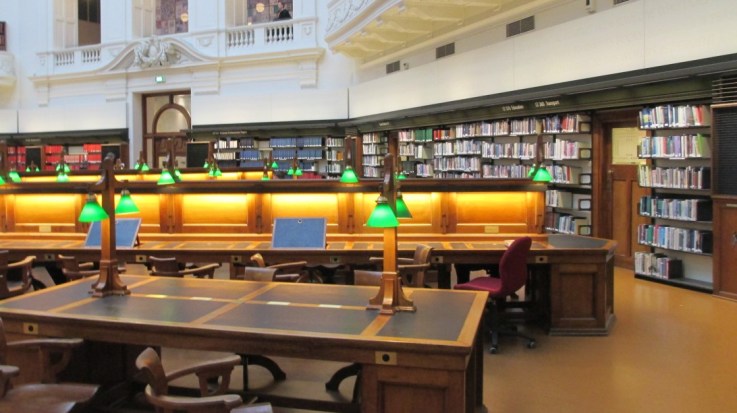
So following the work I did for the previous post, I decided I needed more information than my collection of books and what I’d so far managed to find online could provide. So I headed for the State Library of Victoria. It’s one of my favourite places to do research and if you’re not familiar with it you can see the famous domed reading room in the photos below. I always work in here whenever I can because it has an extensive collection and the most amazing atmosphere. IMG_0695
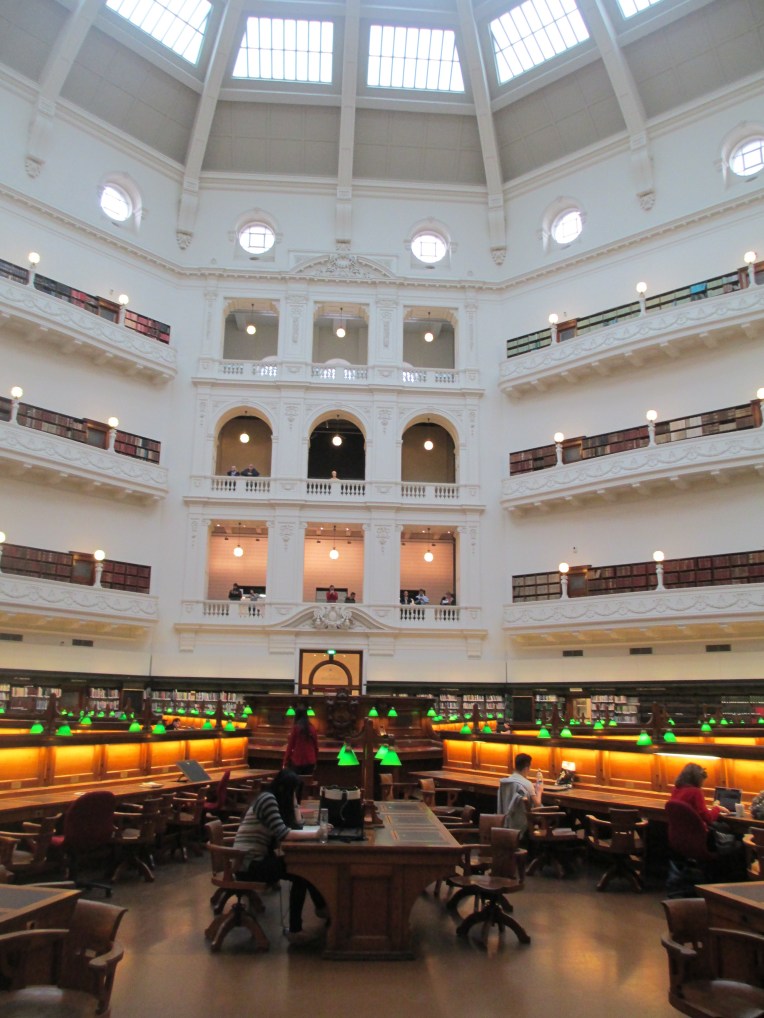
cropped-lob.jpg

In the reading I’d been doing for my previous post many of the 1800s sources on the King’s Champion I’d found had been based on the work of William Dugdale. I decided he would be a good person to begin the next stage of my search with. Primarily to see if he had any references in his work that would let me track back further. I discovered he was a writer in the 1600s who wrote extensively about both baronial families and peerage. I also found that the State Library had a copy of his two volume work The Baronage of England or The Historical Account of the Lives and Most Memorable Actions Of Our English Nobility.  The first volume covers from the Saxons, to the Norman Conquest, to those who had their rise before the reign of Henry III. The second volume covers from the end of Henry III’s reign to the reign of Richard II. It was the first volume I was most interested in as it was this that later writers were referencing when discussing the Marmion family’s heritage.

I ordered both the books from the State Library. They are classified as rare books so I had to view them in the heritage reading room. Rare books is a wide ranging definition. A book can be rare due to age, or fragility, or a lack of copies in existence as well as other reasons. I was expecting an 1800s copy of the work as this is what usually happens. So I was delighted to find that what I’d ordered was actually a printing from 1675. This is one of the things I love about libraries like the State Library of Victoria. They have an amazing range of rare, fragile and obscure items but you don’t have to have any special qualification to access them. They are there for the use of all Victorians. All I needed to access these books was my library card. I was very excited as this is now my record for the earliest book I have ever held. It beat one from the mid 1700s I used for researching William Marshal during my honours year. The title page of Dugdale’s book can be seen below.

IMG_8530

The first volume indeed had the peerage of the Marmion family. It begins by saying that William I gave Robert Marmion the castle of Tamworth. The Domesday Book lists Tamworth castle as being in the hands of the king in 1086. William I died in 1087 so it is just about possible that he gave the castle to Robert Marmion. What is most interesting is the entry regarding the Marmion family and Scrivelsby, the manor which is now tied to the role of King’s Champion. It is only mentioned once and this is not until the narrative reaches Phillip Marmion who died in the 20th year of the reign of Edward I. In this case it is just a passing mention. Scrivelsby is listed as of one of the properties Phillip held by right of Barony on his death. You can see the passage on the page below.
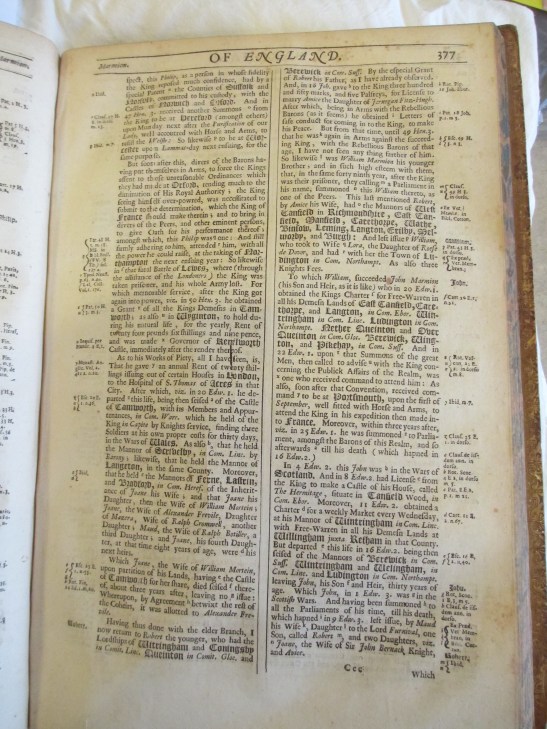
IMG_8544

Dugdale does provide references as to where he is getting his sources. Unfortunately he does it in an abbreviated form, but doesn’t explain what the abbreviations mean. I am yet to work out exactly what the reference for Scrivelsby is referring to, but when I work it out I’ll track it down. The other telling thing about this book is the lack of any kind of reference to the Marmions as hereditary Kings Champions. This doesn’t prove that they weren’t of course, but it might mean that it wasn’t well known or considered especially important.

I also examined the second volume of Dugdale’s work, but there were no further mentions of the Marmions or of the Dymoke family, the family who inherited the title of King’s Champion. What Dugdale does give the reader is what seems to a be a reasonably accurate account of the individual Marmions in England in the Norman and early Plantagenet times. So it seems likely that whether or not they were official King’s Champions, or hereditary Champions of Normandy, that the Marmions were in England roughly from the time of William I. There is also a second Dugdale work that apparently does discuss the role of King’s Champion that I am hoping to track down soon.

Having determined that most likely the Marmions were in England in some form from the time of William I, I decided to try a slightly different track. I’d been looking into the household of the king because the King’s Champion is often mentioned in coronations alongside positions such as the Marshal. From work I’d done on William Marshal I knew that the Marshal is definitely an hereditary position and that it was certainly considered a part of the king’s household. So I decided it was worth having a look through one of the best records of a king’s household from the early Plantagenet period. The Constitutio Domus Regis is a contemporary account probably of the household of Henry I. The exact date is still under debate. It has thankfully been translated by S.D Church. The State Library has a copy which also contains the translation, by Emile Amt, of the Dialogus De Scaccario (the Dialogue of the Exchequer) which dates to the 12th century. I have gone carefully through the Constitutio and am unable to find any mention of the King’s Champion. I also can’t find any kind of regular payment to the King’s Champion listed in the Dialogus. Again this doesn’t mean that it didn’t exist in this time, it may just not have been included in these particular documents. It could also mean that if it did exist then it was much less formal an appointment than say the Marshal, and may have not had a day to day role.

Continuing on a slightly different track I decided that exploring the question from the point of view of the coronation itself was a good idea. Other sources I’d been reading referenced two books

1. The Coronation Book of the Hallowing of the Sovereigns of England.  By Jocelyn T. Perkins published 1902

2.  English Coronation Records  Edited by Leopold  G. Wickham Legg published 1901.

The State Library had copies of both. I began with The Coronation Book. While this text doesn’t provide  any revelatory new information it does cover the position of King’s Champion in later years in detail and provide some lovely little vignettes of the Champion’s role in the coronation.  For example John Dymoke entrance as the champion to Richard II. When he appeared at the coronation on his ‘mighty steed’ he was summarily told that he had come in at the wrong time and told to come back later when it was appropriate.

The Coronation Book  provides extensive discussion of many of the ceremonies that various Champions after the reign on Richard II were involved in. It doesn’t however provide any information as to the the role of the Champion before the reign of Richard II. What it does do though is give some lovely illustrations and photos. Some are non contemporary illustrations of the Champions performing their duties and others are of the Champion’s acroutements. They can all be seen below.

IMG_8592

The Manor of Scrivelsby  which is currently tied to the position of Champion.
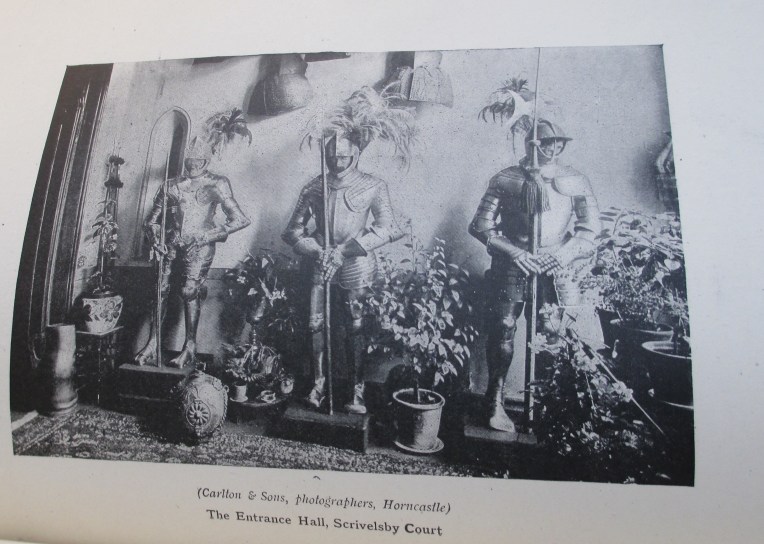
IMG_8600

Some of the suits of armour worn by the Champions.

IMG_8604

The cups which are the official payment to the Champion for their service at the coronation.
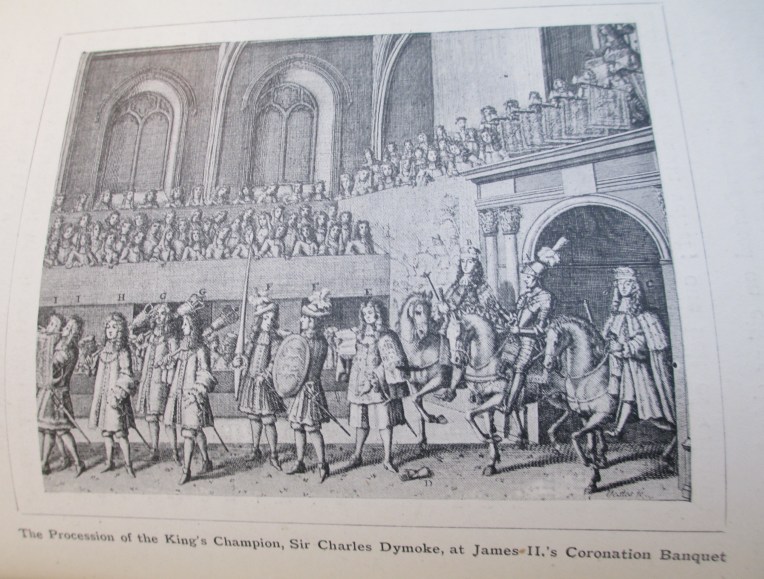
IMG_8608

Sir Charles Dymoke James II’s Champion

IMG_8613

Henry Dymoke the Deputy Champion.

Henry Dymoke participated in George IV’s coronation because the Champion John Dymoke (Henry’s father) was a cleric and therefore apparently unable to undertake the role. The only other time a Deputy Champion was used was at the coronation of Richard II when the hereditary Champion was Margery Dymoke. Her husband John Dymoke undertook the role by right of his wife as she was a woman and as such unable to be to be Champion. [1]

Margery and John Dymoke actually raise a very interesting point which is briefly discussed in The Coronation Book. The coronation of Richard II is the first record we have of the Champion’s role in the coronation. It is also the period in which the Dymoke family took over from the Marmions as the Champions. The Coronation Book mentions that there was a case in the Court of Claims before Richard II’s coronation. John Dymoke argued his right to be Champion through his wife’s descent from Phillip Marmion and his possession of Scrivelsby. [2] When I found this I realised that this court case would be absolutely key because it would have to include an explanation of the rights of the Marmions to the position of King’s Champion. The Coronation Book  doesn’t really provide that much more detail, but thankfully the second book I listed above, English Coronation Records, does.

English Coronation Records in fact has a transcription and translation of the court case. It’s reasonably long and as such I won’t present it in full here. In summary John Dymoke and Baldwin de Freville both presented their cases to be the King’s Champion. Both of them were claiming the position of Kings Champion due to their descent, through marriage, from Phillip Marmion. Phillip was the last of the main line of Marmions and he died in the reign of Edward I. John held Scrivelsby and Baldwin held Tamworth. There were fierce arguments on both sides. In the end it was decided that as John had presented a better case and crucially because “several nobles and magnates appeared in the said Court and gave evidence before the said Lord Steward, that the said Lord King Edward and the said Lord Prince lately dead frequently asserted, while they lived, and said that aforesaid John ought of right to perform the aforesaid service for the said Manor of Scrivelsby.” [3] This last point is absolutely key because this is the point where the role of Champion is tied irrefutably to Scrivelsby itself rather than the specific family.

So through all this I have still failed to find definitive evidence that the Marmions were the hereditary Champions. It does seem, however, that they were certainly believed to be the hereditary Champions in 1367 at the time of Richard II’s coronation. Baldwin and John were both arguing on hereditary descent from the Marmions not specifically on the possession of their respective manors. Additionally no one in the court seemed to find this claim odd and several nobles seemed to feel that Edward III and Edward the Black Prince had discussed it, so it must have been a position that was known and understood.

I am still not quite finished with this. I’m hoping to track down the other Dugdale book in which he apparently discusses the role of the King’s Champion, as well as deciphering his abbreviation style. I am also going to look into the Marmions specifically, as it seems clear that the role was tied to their family not to the property of Scrivelsby until 1367. I am going to see what I can find out about their role in Normandy where they were supposedly hereditary Champions. If I find anything I’ll post an update.

[1]  The Coronation Book of the Hallowing of the Sovereigns of England.  By Jocelyn T. Perkins published 1902 p.151

[2] The Coronation Book of the Hallowing of the Sovereigns of England.  By Jocelyn T. Perkins published 1902 p.134

[3] English Coronation Records  Edited by Leopold  G. Wickham Legg published 1901. pp. 160-161

The photos are all mine.

Llywelyn The Great

Today, the 11th of April, is the anniversary of the death of one of the most important Welsh Princes. I am not going to be writing about him in detail. I have written about his wife before and that can be found here.

Llywelyn succeeded in almost uniting much of Wales and in holding off the English. Sadly his dream of a united and independent Wales was not to last. Wales was largely conquered by the English under the reign of Edward I, little more than 40 years after Llywelyn’s death.

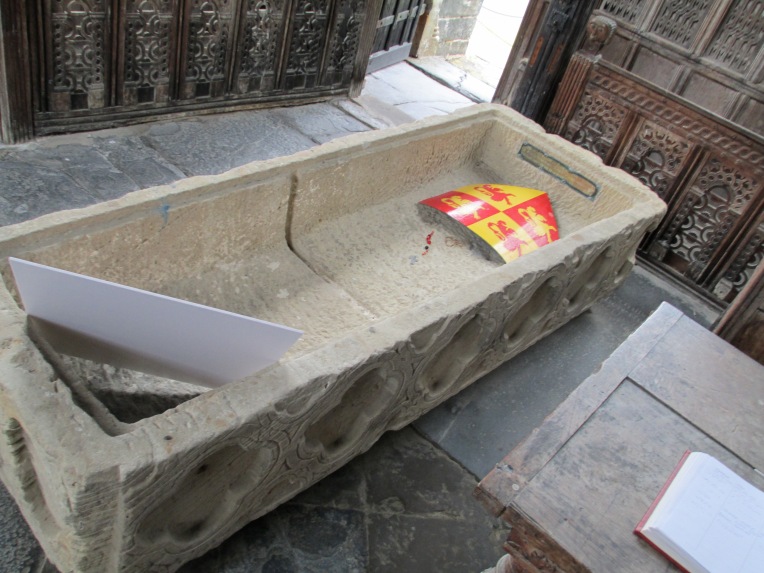
He died on the 11th of April in 1240 and was buried beneath the high altar of Aberconwy Abbey, but about forty years later Edward I wanted the land the abbey stood on to build Conwy Castle. So the monks moved the coffin containing Llywelyn’s body by river to the newly built abbey at Maenan. During the dissolution of the monasteries the coffin was moved for safe keeping to St Grwst’s church where it was forgotten about and was found covered with rubbish some 200 years later. It was then moved to the chapel in Llanrwst parish church. No one knows what happened to Llywelyn’s body.

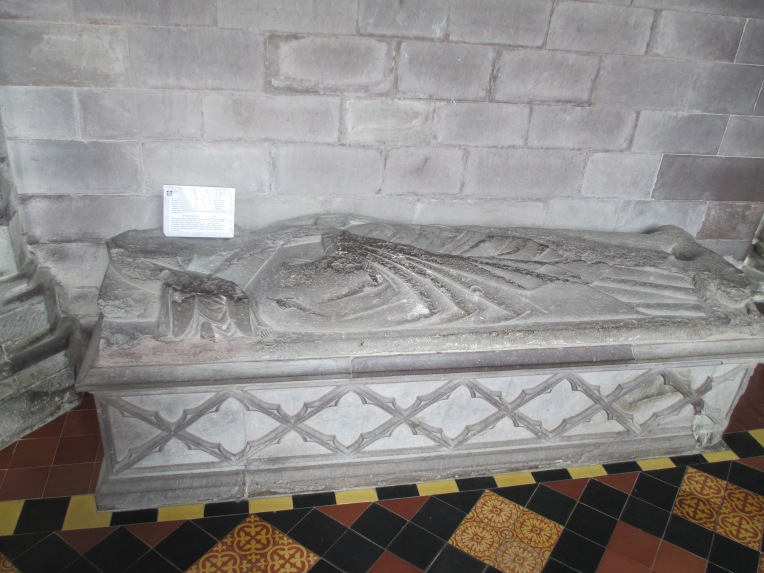
You can see Llywelyn’s coffin below. When I saw it in 2012 it was located in a chapel out the back of the church and was quite difficult to find. There were no directions to it at all and nothing except a small sign propped up inside to distinguish it from the other random monuments in the room.

llew coffin 2llew coffin 1

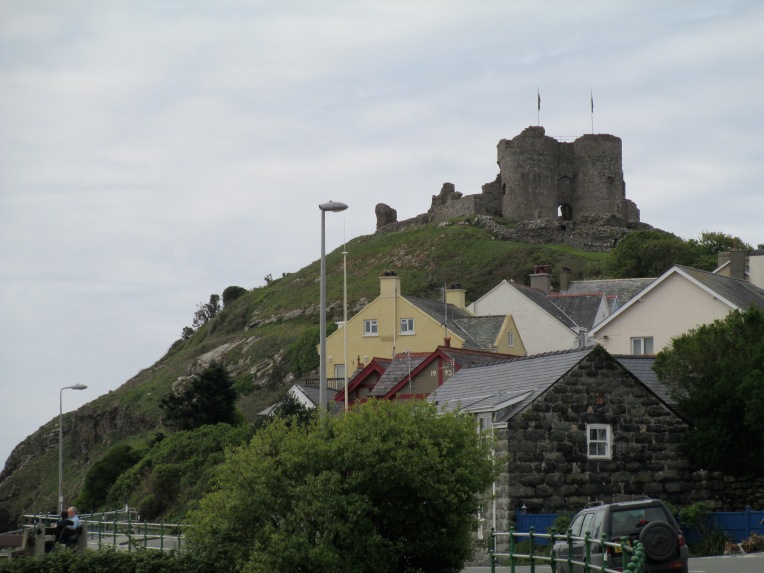
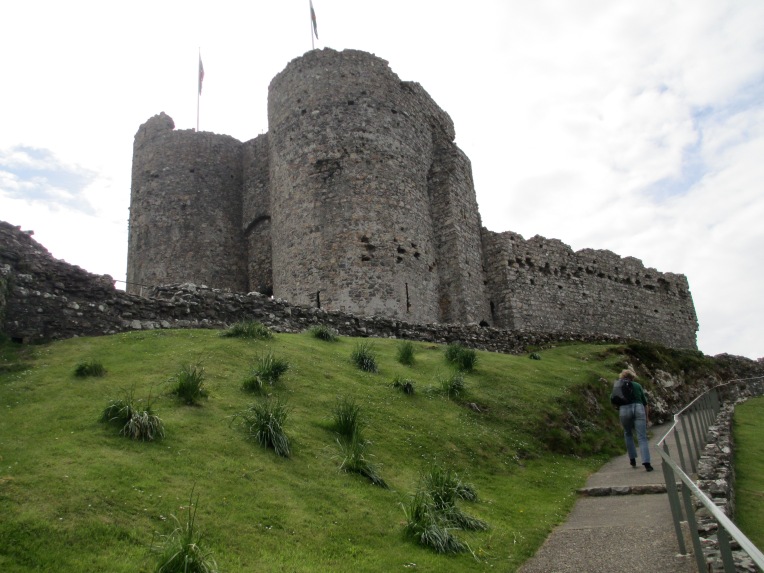
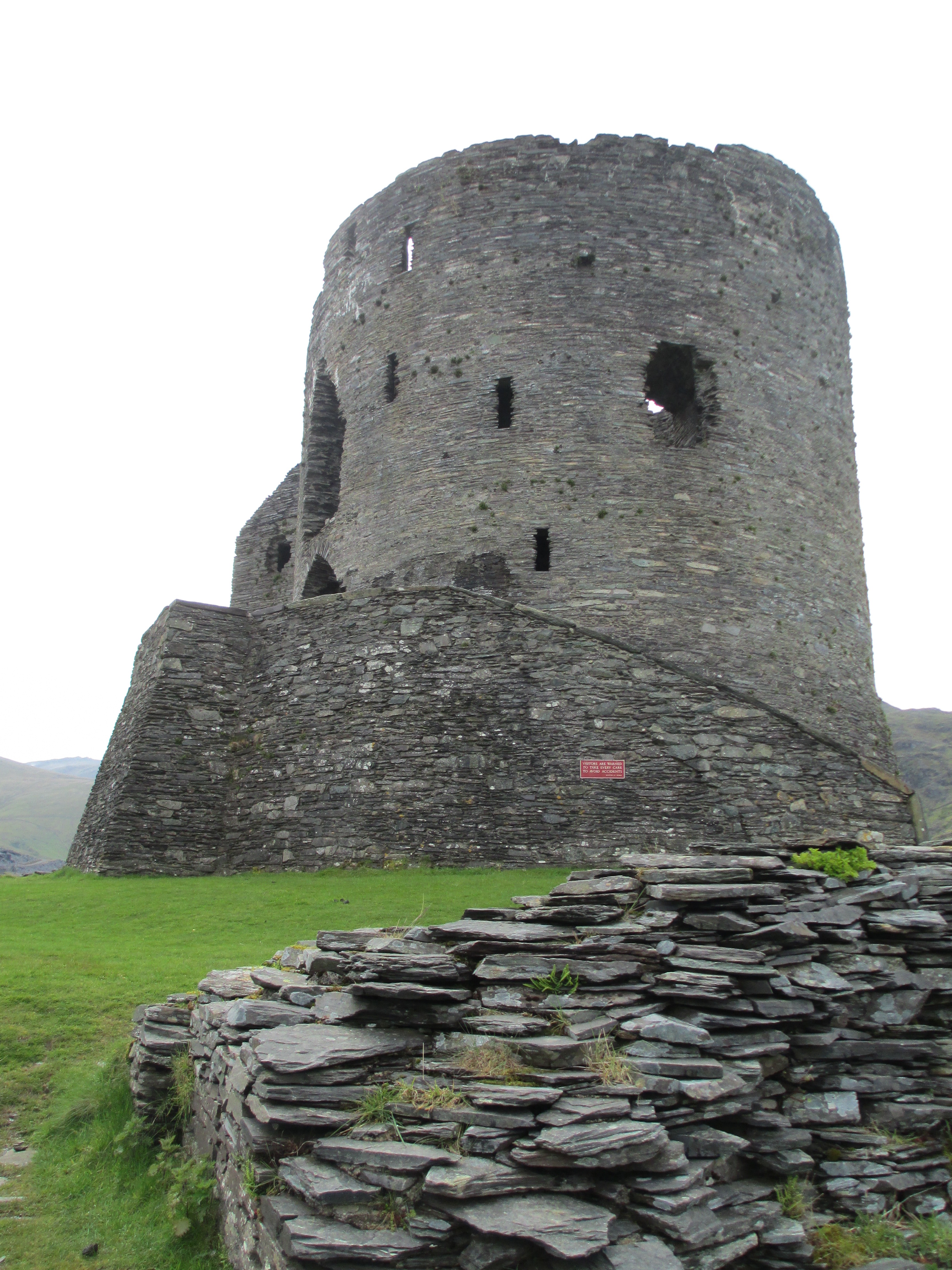
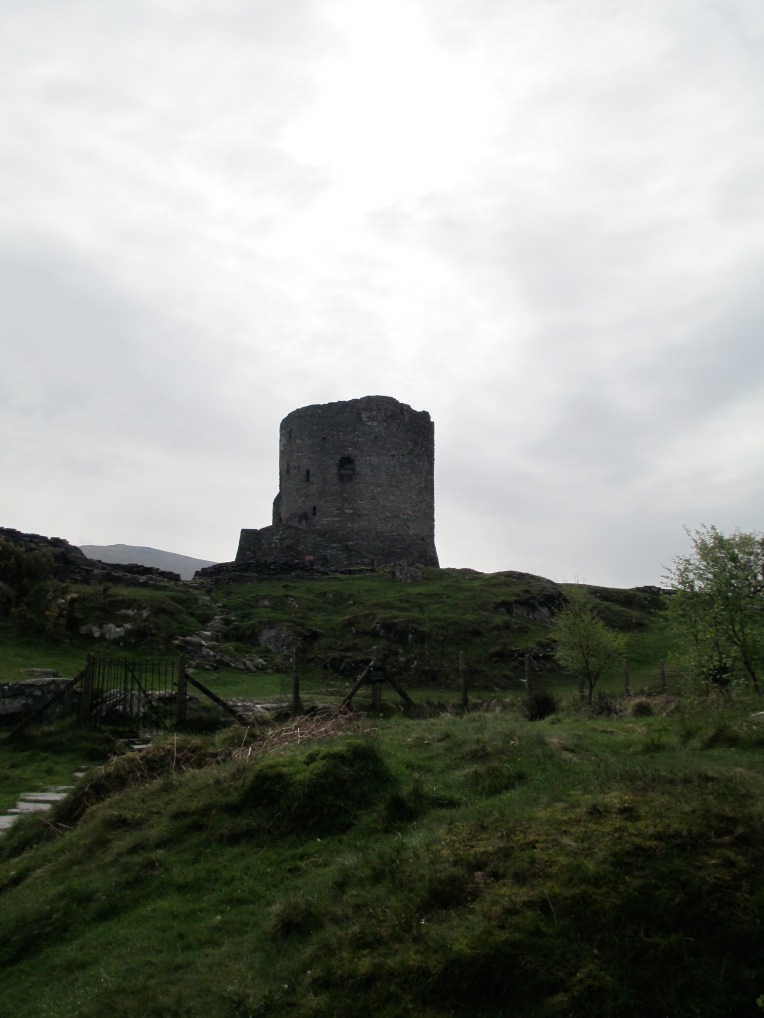
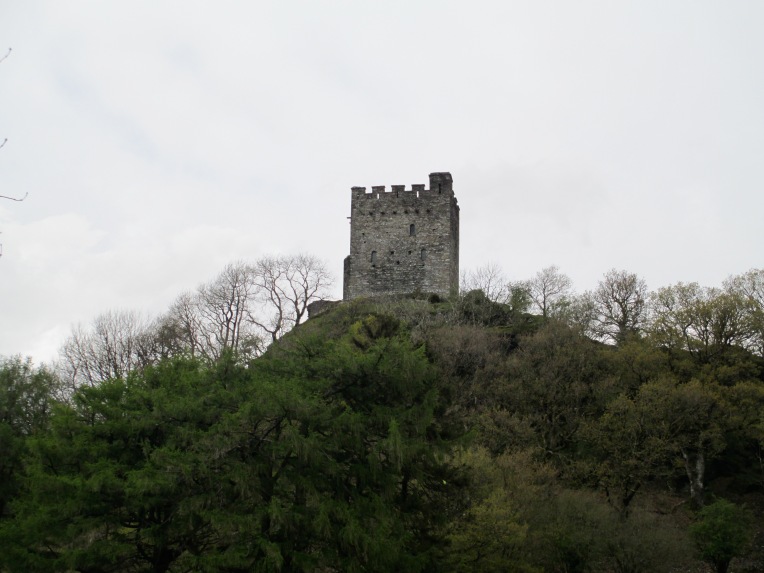
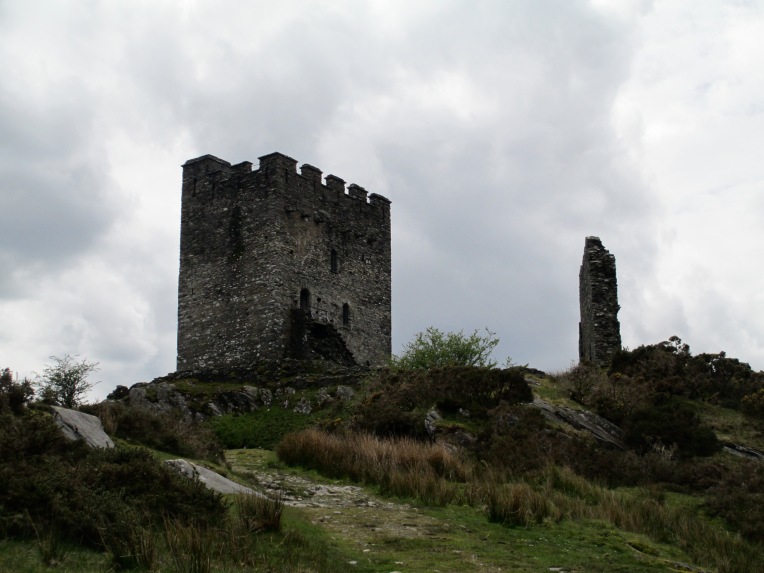
Many castles you see today in Wales were in fact built by the English. Castles such as Pembroke, Manorbier, Cilgerran and Carew.  There are, however, Welsh built castles and Llywelyn was responsible for part of several of them. Such as:

Criccieth 2CricciethCriccieth Castle


Dolbardarn 2DolbardarnDolbadarn Castle

DolwythenDolwythn 2Dolwyddelan Castle

Llywelyn  truly made a mark on Welsh soil and was a great Prince who deserves to be remembered.

llew

Statue of Llywelyn in Conwy, which is much smaller than it appears and much smaller than it should be.

References

http://www.englishmonarchs.co.uk/llywelyn_the_great.htm

The photos are all my own.

Incidentally I discovered Llywelyn many years ago in Sharon Kay Penman’s fabulous book Here Be Dragons.  As this blog is largely non fiction I don’t usually recommend historical fiction. I am making an exception in this case. Here Be Dragons is a truly wonderful book and everyone should read it.

Winchester Cathedral

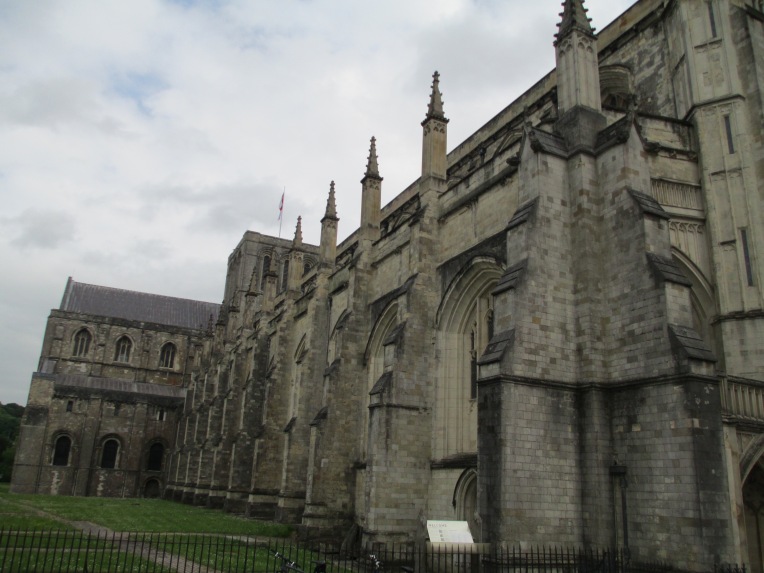
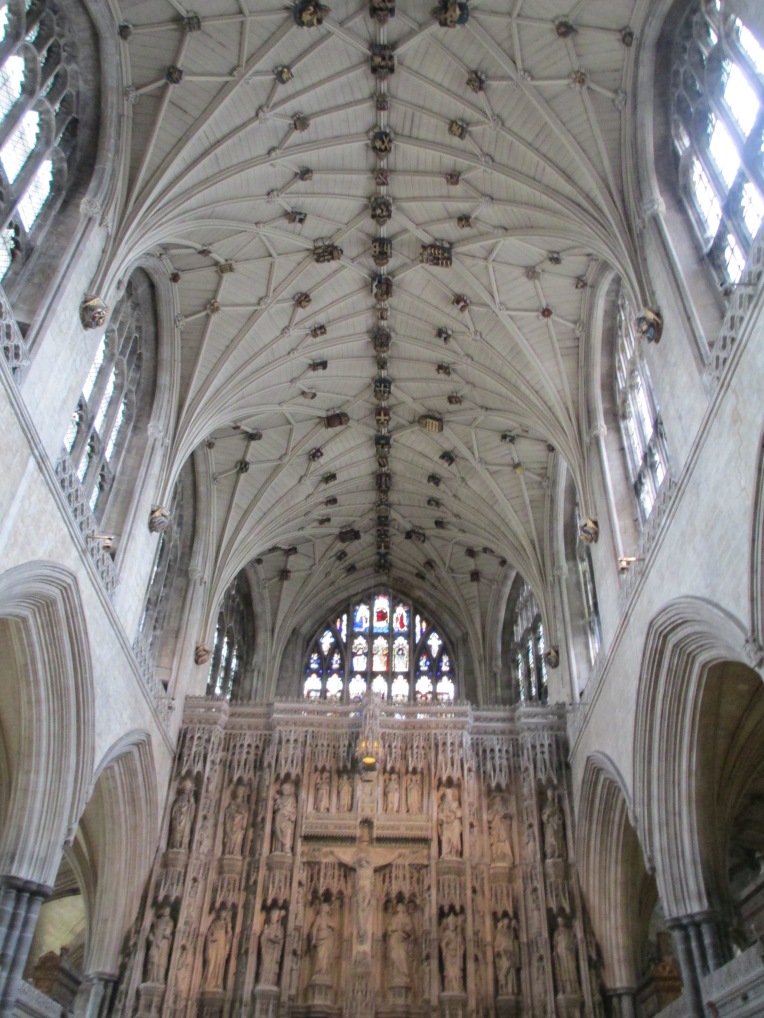
IMG_4366IMG_4150Winchester Cathedral has a long history. A Saxon cathedral was begun on this site in c. 648, but was slowly replaced by the Norman Cathedral and finally demolished in 1093 when the old and new building converged. You can see the outline of the original Saxon cathedral laid out below.
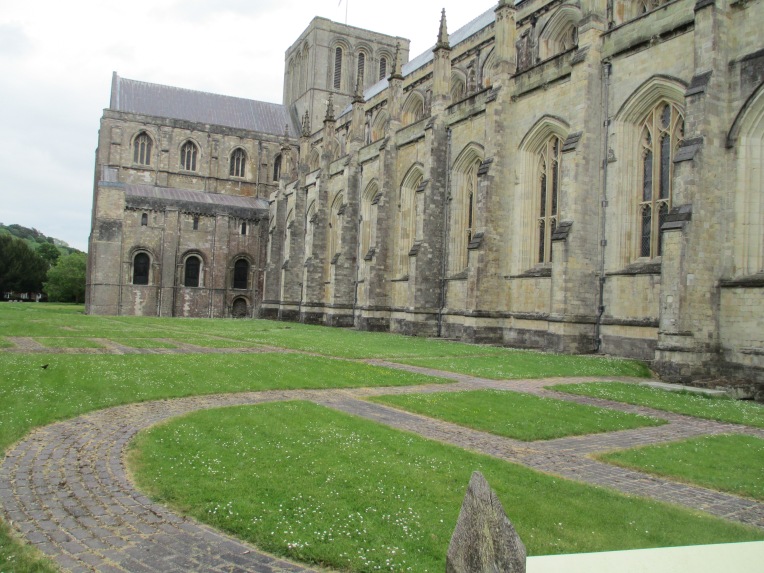
IMG_4146

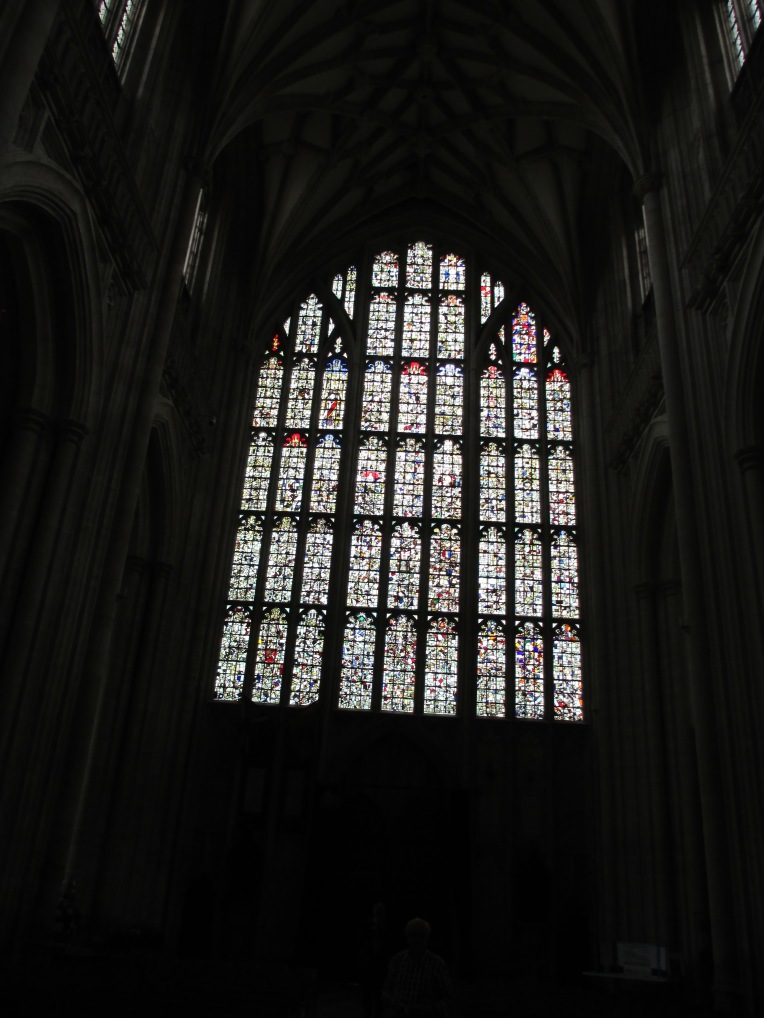
It is possible that there was the intention to later rebuild and extend the western structure in a more ‘modern style’ but the black death in 1348, which halved the population of Winchester and the population of monks, put a stop to any ambitious rebuilding plans. In the late 14th century the three west porches and the great west window were created to close off a cathedral that had been truncated by necessity. Henry IV and Joan of Navarre were married in the cathedral as were Mary Tudor and Phillip of Spain. Henry III may have been baptised there, he was born in the castle, and the ill fated Prince Arthur, the older brother of Henry VIII, certainly was.

Winchester Cathedral contains many fascinating and often surprising historical features and I thought it would be worth exploring a few.

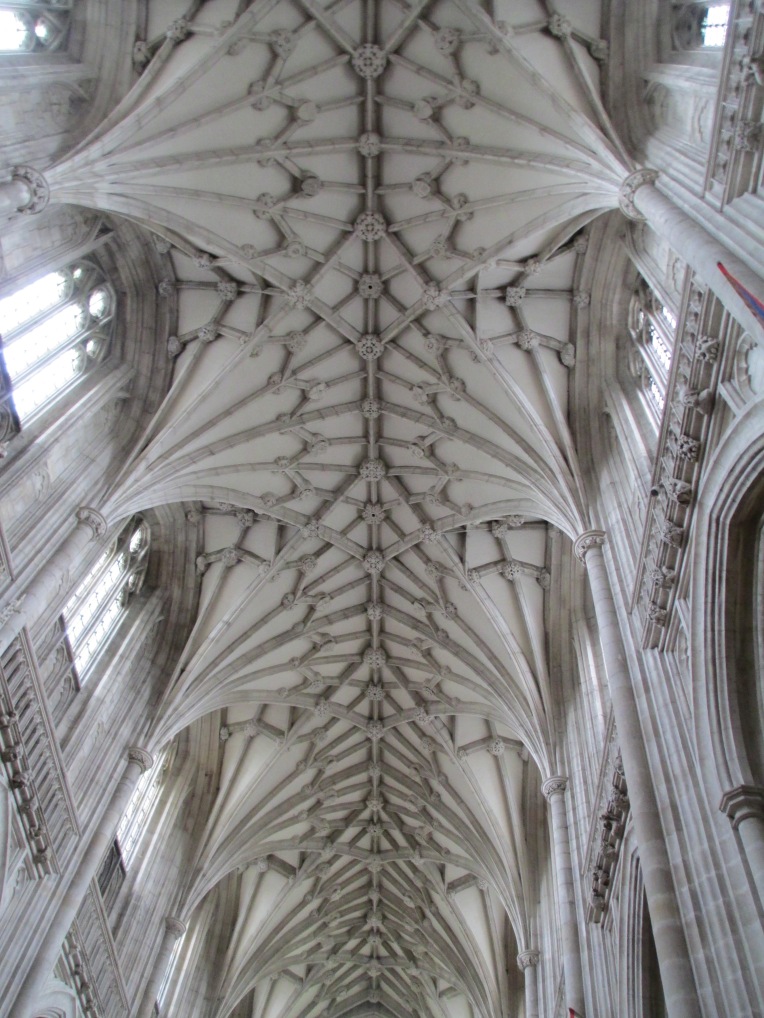
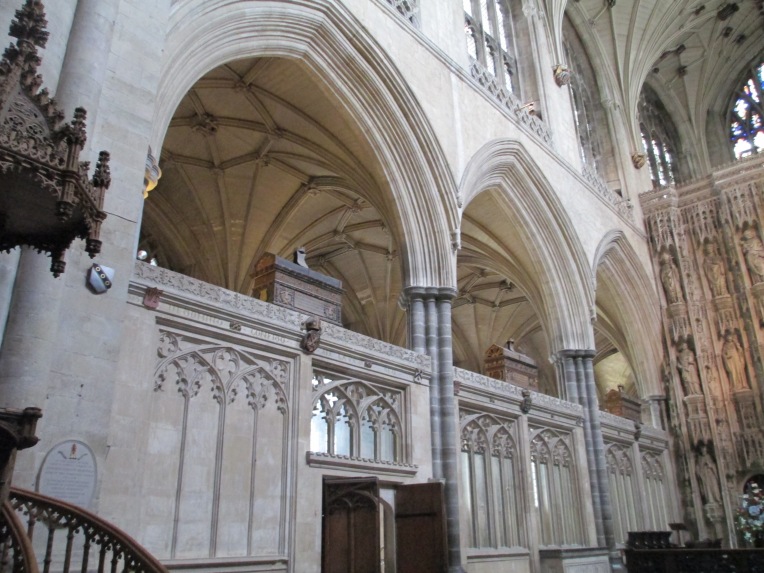
Much of the cathedral was refurbished in the gothic style in the early 1400s though some romanesque elements remain. When you view the interior of the cathedral these remaining romanesque elements are in stark contrast to the gothic majority. The nave below is an excellent example of the gothic majority.IMG_4280IMG_4288The romanesque style of the earlier cathedral can still be seen, specifically in the north transept (see below). The roof, in the Tudor style, in the photos below was inserted in 1819. The figure of Christ you can see in the first photo is by contemporary sculptor Peter Eugene Ball and was gifted to the cathedral in 1990.
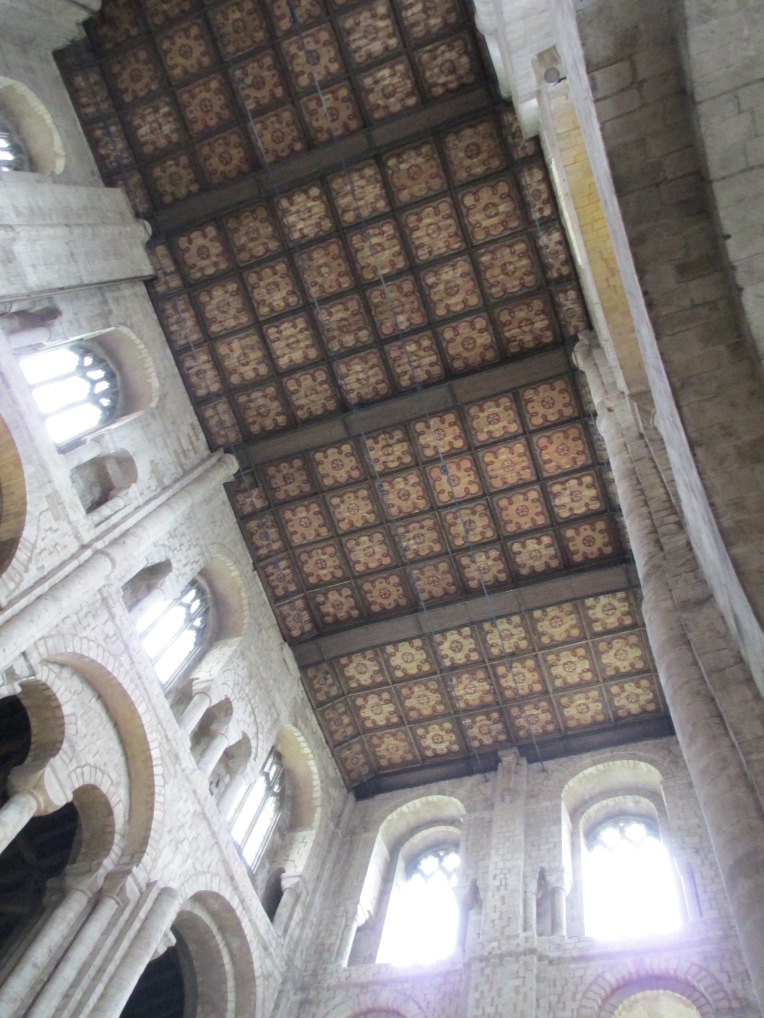
IMG_4306IMG_4305

There are other remnants of the earlier style of the cathedral. In fact Winchester has a surprising number of exceptional survivals.

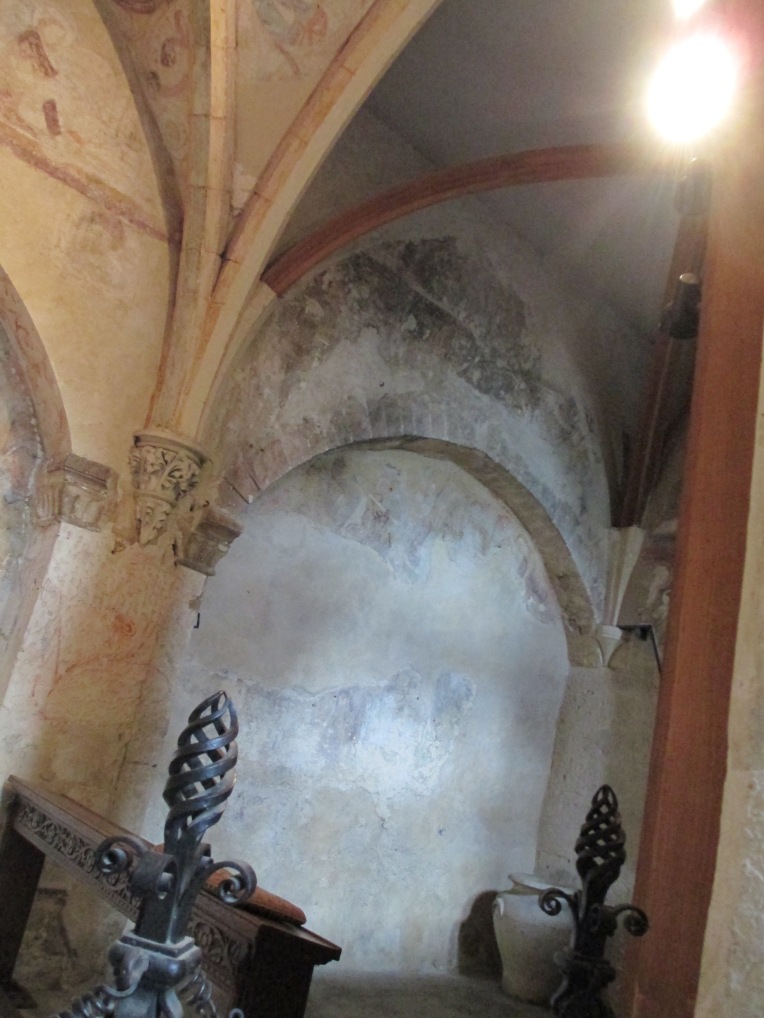
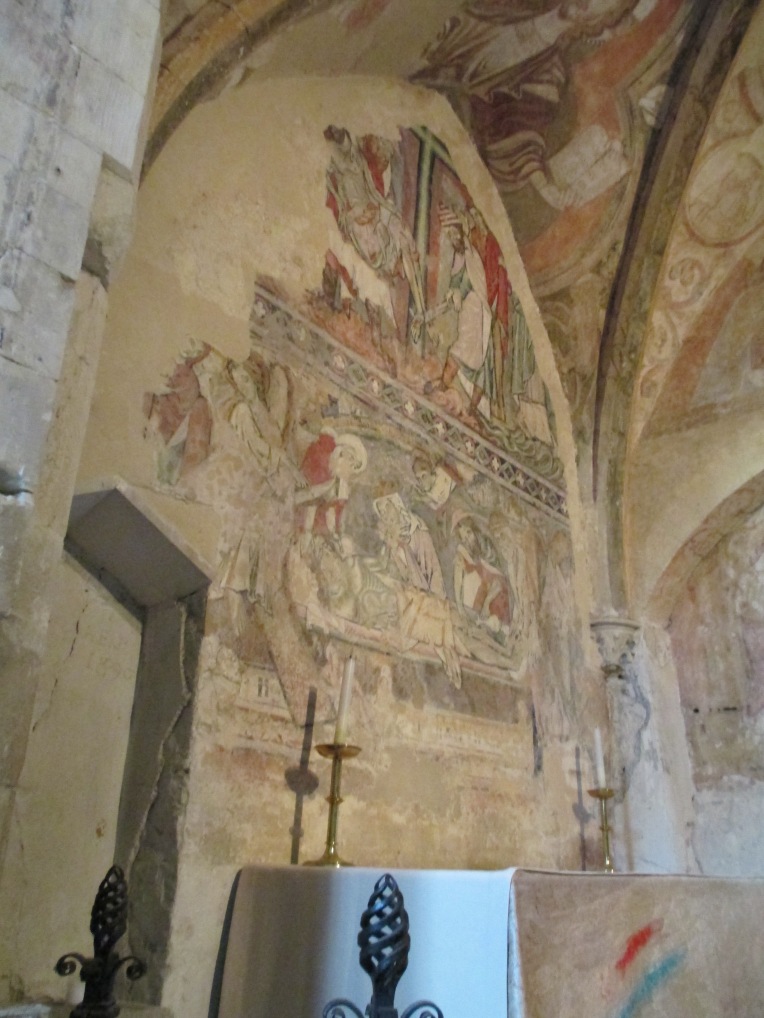
The Holy Sepulchre Chapel retains some of the finest 12th century wall paintings in England. They survived by chance because the vaulting was changed in the 13th century and the paintings were covered by plaster and the design was replicated on the new layer. These new designs did not survive, as is the case with the majority of wall paintings. It wasn’t until the 19th century, when some plaster fell, that the original paintings underneath became visible. In the 20th century modern restoration techniques allowed these paintings to be finally uncovered.  The paintings depict the deposition and entombment of Christ.

IMG_4298IMG_4297IMG_4296IMG_4295

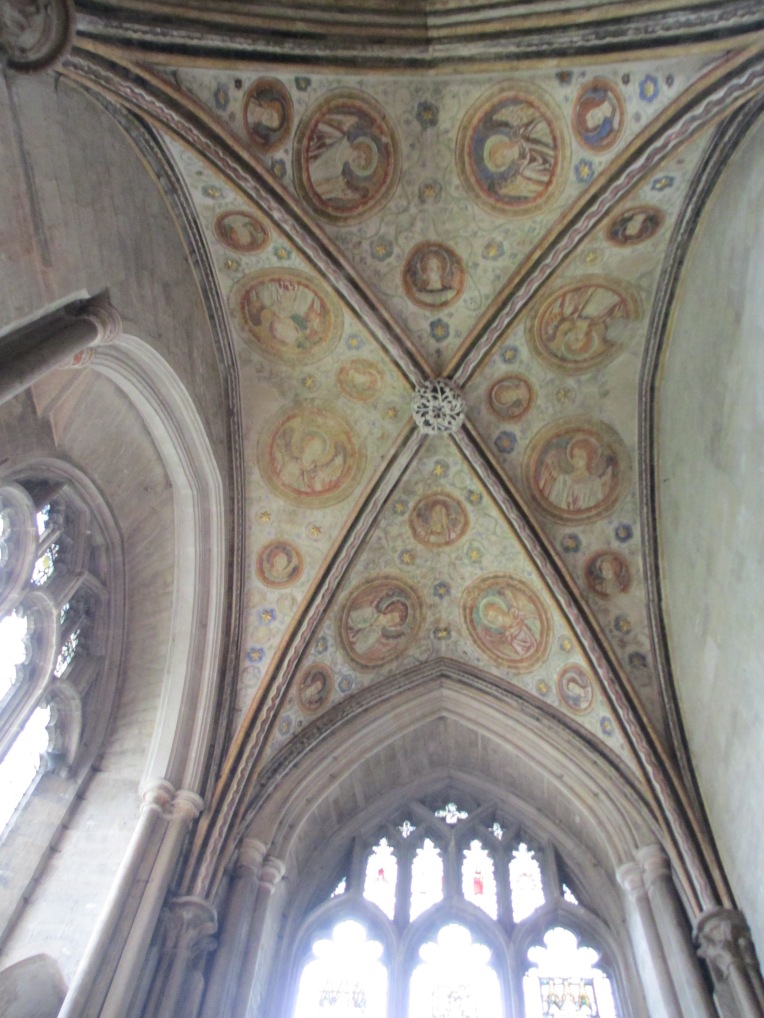
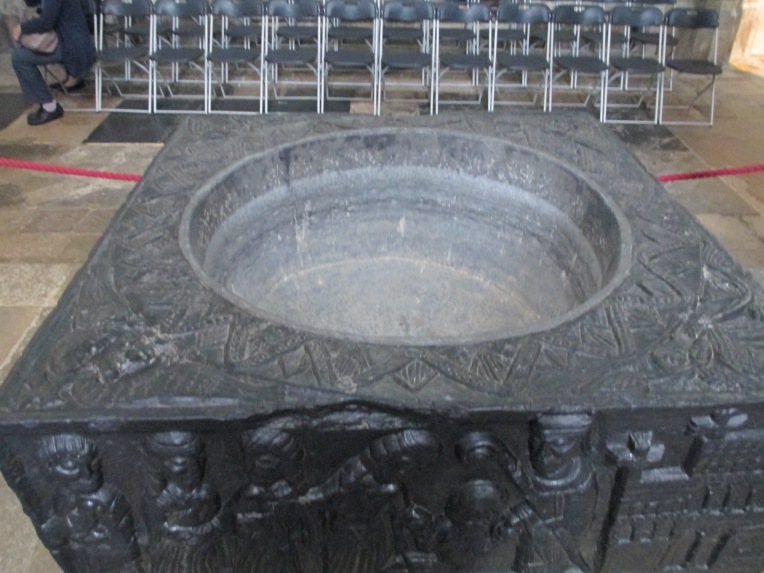
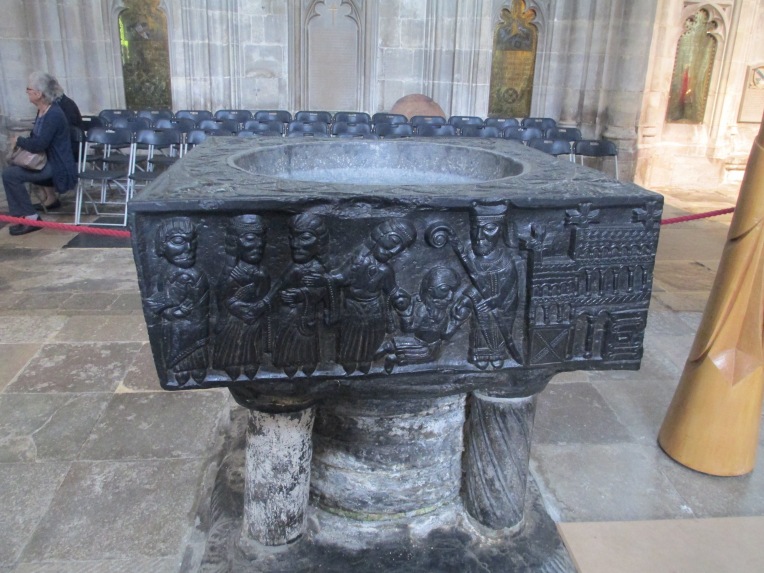
The Holy Sepulcher Chapel is not the only surviving medieval painting in the cathedral. Another is the ceiling of the Guardian Angels Chapel. It was painted between 1225 and 1220 and repainted between 1260 and 1280. IMG_4331Another beautiful surviving element found in Winchester is the font. It dates to c.1150-1160 and is thought to be a result of the patronage of Henry of Blois, Bishop of Winchester.  It’s made of Tournai marble, which is in fact a dark limestone, and is carved with scenes from the life of St Nicholas.IMG_4294IMG_4293
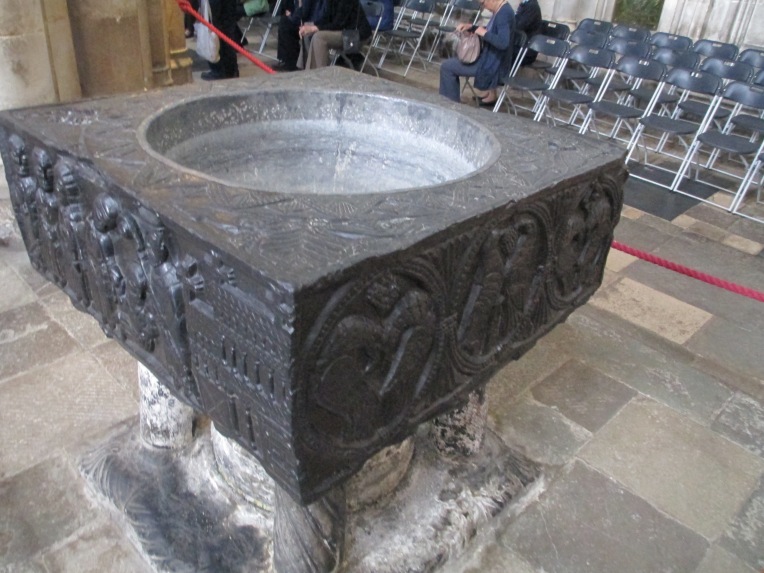
IMG_4287IMG_4292The scene you can see in the image above is thought to depict the story that St Nicholas slipped money into a house to stop a nobleman from being forced to put his daughters onto the street.
Henry of Blois, who probably commissioned the font, was also responsible for commissioning the Winchester Bible, a fantastically decorated illuminated manuscript dating to the early 12th century. It is four volumes and was worked on for twenty years by scribes and illustrators. Bishop Henry of Blois was the younger brother of King Stephen, and it is thought that he is buried in the cathedral.

IMG_4318

The above tomb was for many years thought to be that of William Rufus, but more modern scholarship has argued that it is in fact Henry of Blois. William Rufus’ remains are thought to lie in mortuary chests in the cathedral along with, probably, those of King Canute.

IMG_4320

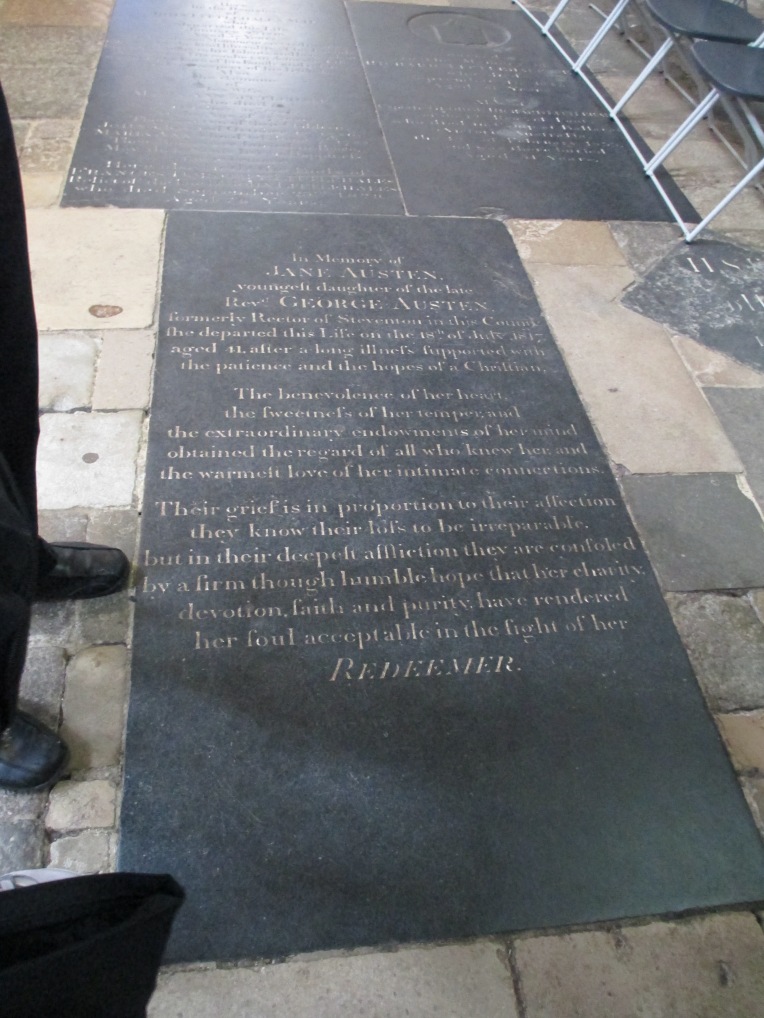
Winchester Cathedral is also the resting place of the remains of other important figures. These include St Swithun and Jane Austen. St Swithun’s shrine was destroyed by Henry VIII’s men in 1538, but a modern memorial now stands in its place. It was installed in 1962 on the 1100th anniversary of the saint’s death.

IMG_4334

Jane Austen was brought to Winchester in May 1817 by her brother Henry and sister Cassandra in the hope of obtaining help for her fading health. Sadly they were not successful and Jane died in Winchester on July 18th 1817. Her brother Henry used his contacts to have her buried in the cathedral.

IMG_4365

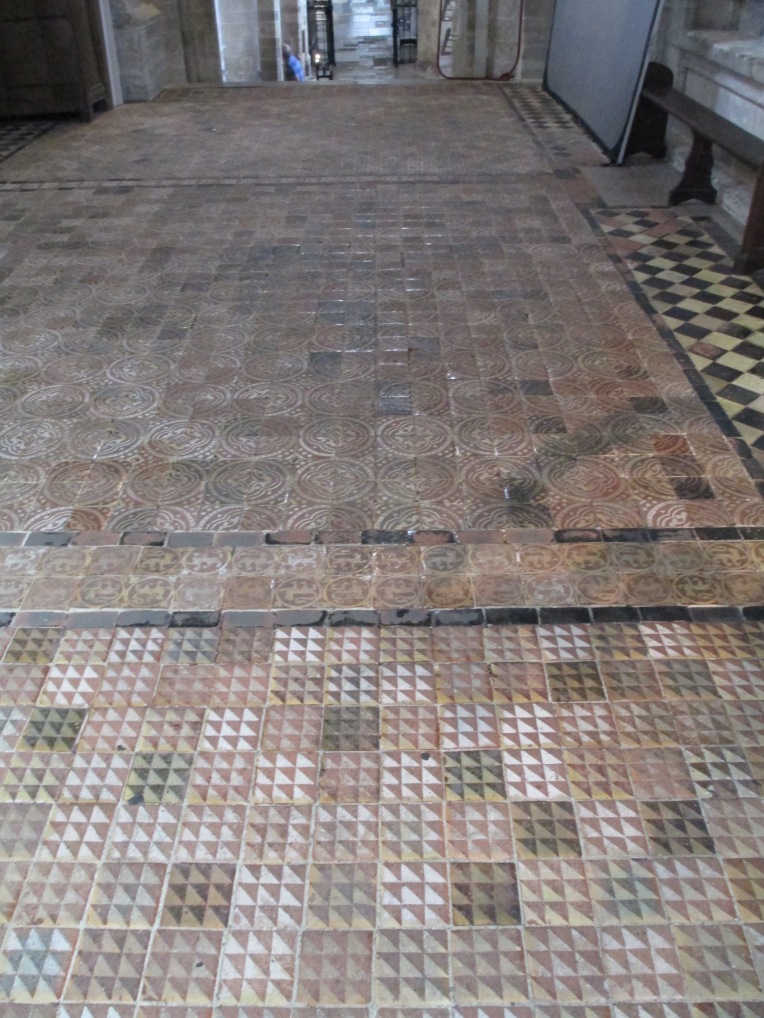
Some of the surviving tombs in Winchester can be found on a remarkable expanse of tiled floor. Medieval tiles don’t often survive in large quantities and I have written about some surviving Welsh tiles here. The tiles in Winchester date to the 13th century and carry a number of designs from the heraldic to the purely decorative. They are the largest area of medieval tiles to survive in England.

IMG_4328IMG_4315IMG_4314IMG_4312

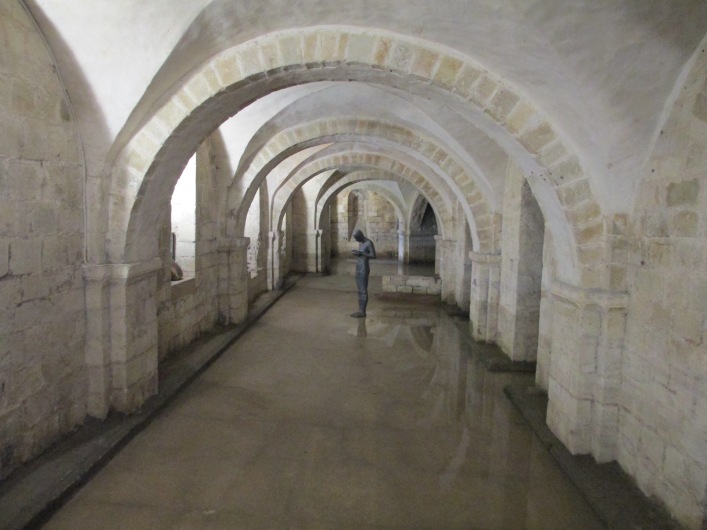
The medieval tiles border an exceptionally interesting area of Winchester; the crypt. Unlike most cathedral crypts Winchester’s has never really been used to house bodies or monuments. This is due to the fact that since the cathedral was built the crypt has flooded regularly. Today you can see the contemporary sculpture Sound II by Antony Gormley reflected in the flooded crypt. It is a surprisingly haunting place. It feels in an odd way as if the silence has seeped into the stone. IMG_4302

Winchester Cathedral’s survivals from the early medieval period are all the more remarkable because it has suffered attack on a number of occasions.

Henry VIII’s men for example destroyed all the sculptures depicting the cathedral’s benefactors, old testament saints and the crucified Christ which was originally populated the Great Screen. The Screen was constructed in the late 15th century. The sculpture you can see on it now dates to the 19th century.

IMG_4319

IMG_4316

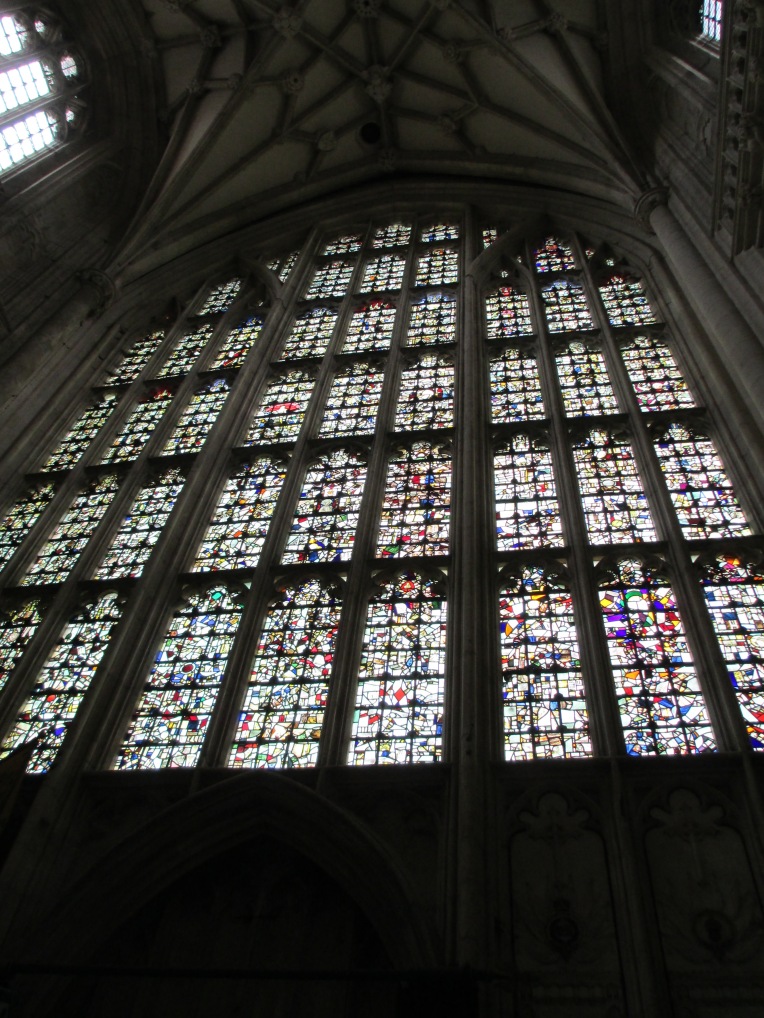
The Puritans also did extensive damage to the cathedral when they came through Winchester. They stole all the treasures and used the bones of kings and prelates to break the main windows. The west window was, unusually, not reconstructed with a new image or a replica of the destroyed image. In fact the remnants of the broken glass were used, creating a fascinating mosaic affect which survives today.

IMG_4282IMG_4279

These are by no means the only treasures of Winchester Cathedral. It is well worth a visit, if possible, to see these and the other treasures. The Winchester Bible is worth it alone, unfortunately photos aren’t possible. Even after having visited a significant number of cathedrals Winchester remains one of my favourites largely because it holds so many remarkable survivals of an earlier time.

Source: Winchester cathedral booklet. ISBN: 9781857593990

http://www.janeausten.org/jane-austen-biography-page-2.asp

For more information: http://www.winchester-cathedral.org.uk/

The photos are all mine.

Who am I? Medieval edition

Simple rules:

  1. There are four clues
  2. To see the next clue scroll down
  3. If you guess on the first clue you get four points, second clue three points etc.
  4. The fourth clue is always pictorial
  5. Some are harder than others and there is no particular order. Each question is weighted the same
  6. There are ten questions.
  7. The answer is after the final pictorial clue
  8. If you see the next clue you don’t get the point.


1.

a) Married twice


b) A patron of Fontevraud


c) A great heiress and Duchess in her own right


d)eofa

Answer: Eleanor of Aquitaine


2.

a) Born to the daughter of the Earl of Salisbury


b) Once won a pike


c) Regent of England.


d) IMG_3421

Answer: William Marshal


3. 

a) Died in Rouen


b) Ordered what is known as an early census


c) Was a bastard in many senses of the word.


d) Bayeux Tapestry 7JPGAnswer: William I


4. 

a)  Known as a great writer and thinker of the early medieval period


b) Had a son called Astrolabe


c) Was castrated for his great passion for one of his students (it’s a little more complicated, but that’s the gist)


d)IMG_7444

Answer: Abelard 


5.  

a) The illegitimate daughter of a king of England


b) Married to a foreign Prince


c) Helped broker a peace between her husband a Prince of Wales and her father King John


d)joanna close

Answer: Joan of Wales


6. 

a) An Irish lord


b) Buried in Ferns


c) The reason the Normans came to Ireland


d) Diarmut grave

Answer: Diarmait mac murchada


7.

a) The second oldest son of a King.


b) Died in 1183


c) Known as reckless and crowned in his father’s life time.


d)IMG_7222Answer: Henry the Young King


8.


a) A medieval writer who liked to travel


b) Descended from Nest, a well known Welsh princess.


c) Known for his descriptions of Wales and Ireland


d)IMG_5579Answer: Gerald of Wales


9.

a) 12th child


b) Knight of the Garter


c) Arguably the last Plantagenet.


d)IMG_5855

Answer: Richard III


10.

a) Married at a very young age


b) Daughter of Alice de Courtenay


c) Remarried when her husband died and her children with her second husband reaped great benefits at the court of Henry III


d)Richard IAnswer: Isabel of Angouleme


So how did you do?

1-10: Not too bad, maybe read a little more

11-20: Absolutely getting there, excellent effort

21-30:  Brilliant, you really know your medieval figures!

31-40: Are you sure you didn’t check the next clue? No? Didn’t just have a pile of lucky guesses? No? Well then, exceptional effort!!


Medieval Quotes Advent Calendar 21st of December

On the death of Caedwalla king of the West Saxons in 689CE

“In the third year of the Aldfrith’s reign, Caedwalla, king of the West Saxons, after ruling his people most ably for two years gave up his throne for the sake of the Lord and to win an everlasting kingdom, and went to Rome. He was anxious to gain the special privilege of being washed in the fountain of baptism within the the threshold of the apostles; for he had learned that by the way of baptism alone can the human race attain entrance to the heavenly life; at the same time he hoped that, soon after his baptism, he might be loosed from the bonds of flesh and pass, cleansed as he was, to eternal joy; and both of these things came to pass with God’s help just as he intended. He arrived in Rome while Sergius was pope and was baptised on the holy Saturday before Easter Day in the year of Our Lord 689; while still in his white robes, he was attacked by an illness and, on 20 April, he was freed from the bonds of flesh and joined the company of the blessed in Heaven.”

From Bede The Ecclesiastical History of the English People.  pg 244 ISBN:9780192838667

Medieval Quotes Advent Calendar 20th of December

The Battle of Stamford Bridge and the Battle of Hastings from a Welsh perspective from the Welsh chronicle

Brut y Tywysogion

“1066. And then a year after that, Harold, king of Denmark, meditated the subjection of the Saxons ; whom another Harold, the son of earl Godwin, who was then king in England, surprised, unwarned and unarmed, and by sudden attack, aided by national treachery, struck to the ground, and caused his death. That Harold who, at fìrst earl, through cruelty after the death of king Edward unduly acquired the sovereignty of the kingdom of England, was despoiled of his kingdom and life by William the Bastard, duke of Normandy, though previously vauntingly victorious. And that William defended the kingdom of England in a great battle, with an invincible hand, and his most noble army.”

From: Brut y Tywysogion pgs 45-47

https://ia601904.us.archive.org/32/items/brutytywysogiono00cara/brutytywysogiono00cara_bw.pdf

Medieval Quotes Advent Calendar 19th of December

Roger of Wendover 1201

“How the king and queen of the English were crowned at Canterbury.

King John kept Christmas at Guilford, and there he distributed a number of festive garments amongst his knights; and Hubert archbishop of Canterbury, striving to make himself on a level with the king, did the same at Canterbury, by which he roused the indignation of the king in no slight degree. Afterwards the king set out to Northumberland, and exacted a very large sum of money from the inhabitants of that county. He then returned to Canterbury in company with his queen, and on the following Easter-day they were both crowned at that place ; and at the ceremony the archbishop of Canterbury was at great, not to say superfluous, expense, in entertaining them. On the following Ascension-day at Tewkesbury the king issued a proclamation, that the earls and barons, and all who owed military service to him, should be ready with horses and arms at Portsmouth, to set out with him for his transmarine provinces at the ensuing Whitsuntide; but when the appointed day came, many of them obtained permission to remain behind, paying to the king two marks of silver for each scutcheon.”

From Roger of Wendover Flowers of History Volume II. Pg 201

https://ia800503.us.archive.org/35/items/rogerofwendovers02roge/rogerofwendovers02roge_bw.pdf

Medieval Quotes Advent Calendar 11th of December

From the Anglo Saxon Chronicle

A.D. 1137. This year went King Stephen over sea to Normandy, and there was received; for that they concluded that he should be all such as the uncle was; and because he had got his treasure: but he dealed it out, and scattered it foolishly. Much had King Henry gathered, gold and silver, but no good did men for his soul thereof. When the King Stephen came to England, he held his council at Oxford; where he seized the Bishop Roger of Sarum, and Alexander, Bishop of Lincoln, and the chancellor Roger, his nephew; and threw all into prison till they gave up their castles. When the traitors understood that he was a mild man, and soft, and good, and no justice executed, then did they all wonder. They had done him homage, and sworn oaths, but they no truth maintained. They were all forsworn, and forgetful of their troth; for every rich man built his castles, which they held against him: and they filled the land full of castles. They cruelly oppressed the wretched men of the land with castle-works; and when the castles were made, they filled them with devils and evil men. Then took they those whom they supposed to have any goods, both by night and by day, labouring men and women, and threw them into prison for their gold and silver, and inflicted on them unutterable tortures; for never were any martyrs so tortured as they were. Some they hanged up by the feet, and smoked them with foul smoke; and some by the thumbs, or by the head, and hung coats of mail on their feet. They tied knotted strings about their heads, and twisted them till the pain went to the brains. They put them into dungeons, wherein were adders, and snakes, and toads; and so destroyed them. Some they placed in a crucet-house; that is, in a chest that was short and narrow, and not deep; wherein they put sharp stones, and so thrust the man therein, that they broke all the limbs. In many of the castles were things loathsome and grim, called “Sachenteges”, of which two or three men had enough to bear one. It was thus made: that is, fastened to a beam; and they placed a sharp iron [collar] about the man’s throat and neck, so that he could in no direction either sit, or lie, or sleep, but bear all that iron. Many thousands they wore out with hunger. I neither can, nor may I tell all the wounds and all the pains which they inflicted on wretched men in this land. This lasted the nineteen winters while Stephen was king; and it grew continually worse and worse. They constantly laid guilds on the towns, and called it “tenserie”; and when the wretched men had no more to give, then they plundered and burned all the towns; that well thou mightest go a whole day’s journey and never shouldest thou find a man sitting in a town, nor the land tilled. Then was corn dear, and flesh, and cheese, and butter; for none was there in the land. Wretched men starved of hunger. Some had recourse to alms, who were for a while rich men, and some fled out of the land. Never yet was there more wretchedness in the land; nor ever did heathen men worse than they did: for, after a time, they spared neither church nor churchyard, but took all the goods that were therein, and then burned the church and all together. Neither did they spare a bishop’s land, or an abbot’s, or a priest’s, but plundered both monks and clerks; and every man robbed another who could. If two men, or three, came riding to a town, all the township fled for them, concluding them to be robbers. The bishops and learned men cursed them continually, but the effect thereof was nothing to them; for they were all accursed, and forsworn, and abandoned. To till the ground was to plough the sea: the earth bare no corn, for the land was all laid waste by such deeds; and they said openly, that Christ slept, and his saints.

http://avalon.law.yale.edu/medieval/ang12.asp

Medieval Quotes Advent Calendar 10th of December

This one is a little different and I make no claims that it is at all factual 🙂 It is part of a real epic that follows the exploits of marcher baron Fouke Fitz Waryn. But in the periods when he wasn’t doing anything particularly interesting the author was forced to make stuff up, hence the dragon. Enjoy.


“Fouke took the damsel by the hand and entrusted her to Sir Audulph for her protection as they left the rock cave. They had scarcely come out into the open air when they saw the dragon flying in the sky above and heading straight towards them. From its hot mouth the beast belched forth smoke and horrible flames. It was a very ugly creature, with a large head, square teeth, cruel claws and a long tail. As soon as the dragon spotted Fouke it swooped down and struck at him with its claws, delivering such a blow on the shield that it tore it in two. Fouke raised his sword and, with all his strength, struck at the dragon’s head. Given the hardness of the creature’s outer shell and the horny matter on the front side of its body, the sword did no harm whatever to the beast, nor did it even cause it to waver in its flight. The dragon began its flight from afar in order to strike harder. Fouke, who could not stand the blow, dodged behind the tree which was beyond the fountain. He saw that he could not harm the dragon from the front side, so he waited until it made a turn. Then Fouke struck a convincing blow to the body near the tail, thereby cutting the beast in two. The dragon began to scream and yell. It rushed for the damsel with the intention of seizing her and carrying her away, but Sir Audulph defended her. The dragon clasped Sir Audulph so tightly in its claws, that he would have been crushed if Fouke had not come so quickly. After cutting of the beast’s paw, Fouke was able to free Sir Audulph with great difficulty. Its sharp talons had already cut through the hauberk. Fouke struck the dragon squarely in the mouth with his sword and in this way he finally killed it. Fouke was very weary, and rested awhile before going to the dragon’s lair. He took all the gold her found there, and carried it to his galley. John de Rampaigne examined Sir Audulph’s wound and dressed it, for he knew a lot about medicine.”


From Fouke Fitz Waryn trans and ed Thomas E Kelly in A Book of Medieval Outlaws. Pgs 153-154. ISBN: 9780750924931