
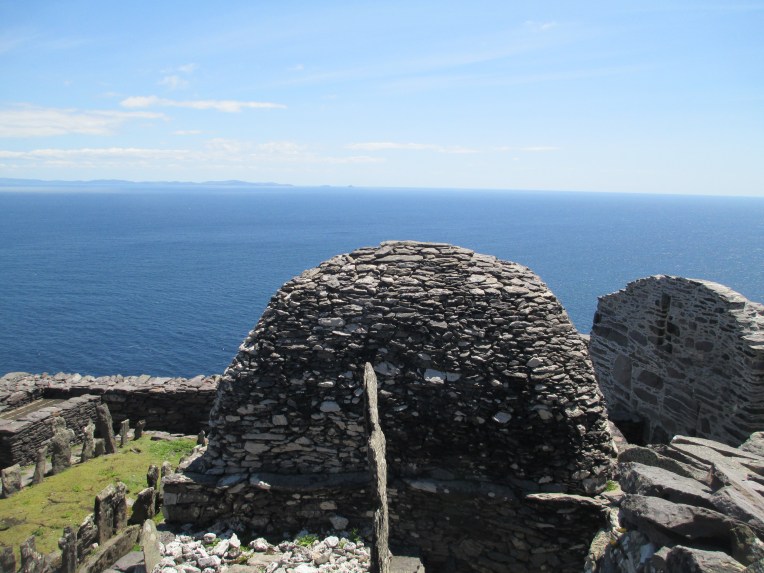


There is debate over when the Skellig monastery was first founded, but it was part of the early Christian monks’ attempts to find sanctuary, refuge, seclusion and closeness with God in distant and remote places. As a rock in the Atlantic 11.6 km off the coast of the Iveragh Peninsula in County Kerry, Skellig is about as remote as it gets.
The monastery was probably founded in around the sixth century, no one is entirely sure and I have been unable to find any real agreement on this date. It consists of a collection of drystone beehive huts that are as weathertight today as they would have been when they were built. The integrity of the construction is truly remarkable.
They would have been inhabited by a community of 12 monks and an Abbot. The conditions would have been harsh to say the least. We know they had fresh water because a rainwater collection system still exists, and works as well when it’s been cleaned out, but beyond that we don’t know much about their day to day existence. They would have lived and eaten very simply.
If the community of 12 on Skellig Michael was not remote enough then there was also a hermitage built high on another point of the rock, it’s almost a sheer cliff so currently inaccessible. It is possible that this was also a refuge during viking attacks of which there were several.
The first was in c. 795 CE. They were attacked again in 812 CE and again in 823 CE. Some records of this third attack remain beyond the fact that it occurred. It is recorded in the Annals of Ulster and the Annals of Inishfallen that this time the Vikings took Etgal, the Abbott of Skellig Michael, and they starved him to death. There were also further attacks in 833 CE and 839 CE.
Somehow despite all this the Skellig community survived. It isn’t known exactly when monks ceased to live on the rock, but Gerald of Wales reported that they returned to the mainland to become part of the Augustinian priory in Ballinskelligs at the end of the 12th century, however other sources report that there was still repair work going on into the 1300s.
For more information and References see my extended post on Skellig.
https://historicalragbag.com/2015/06/14/skellig-michael/
The photos are all mine
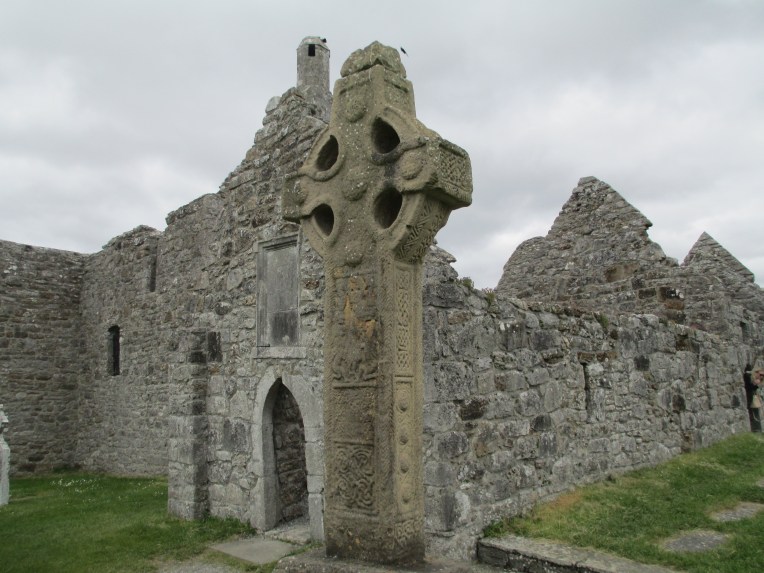

 Clonmacnoise in County Offaly was founded on the banks of the Shannon River by St. Ciaran in 544.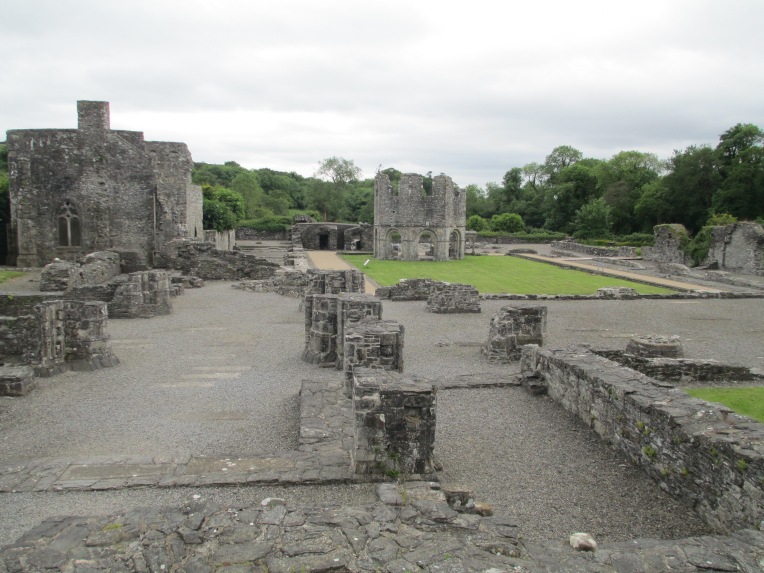
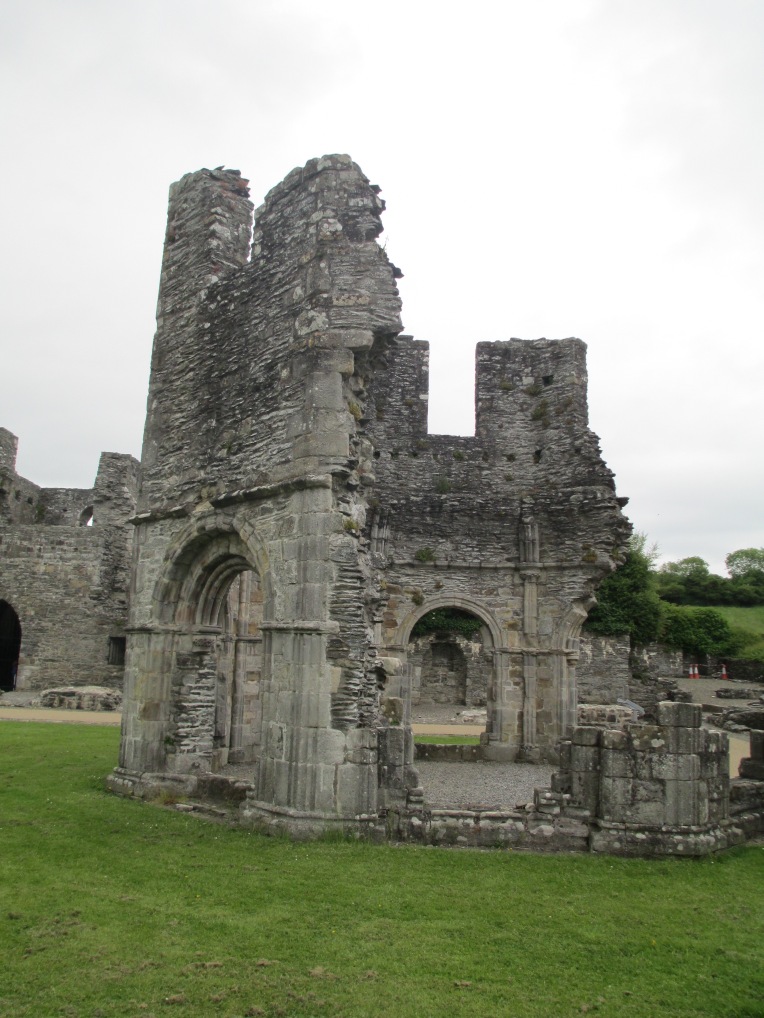
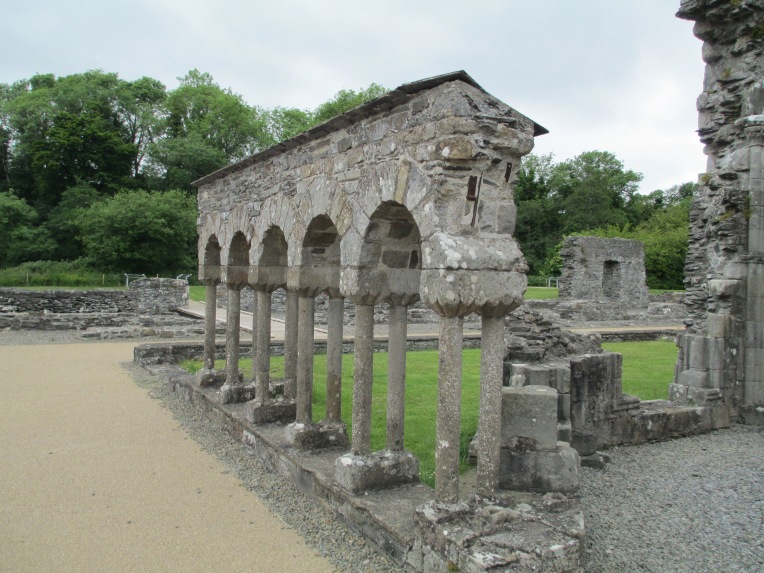 I have already written about Mellifont Abbey, which was the original Cistercian Abbey in Ireland, in much more detail. The post can be found here:

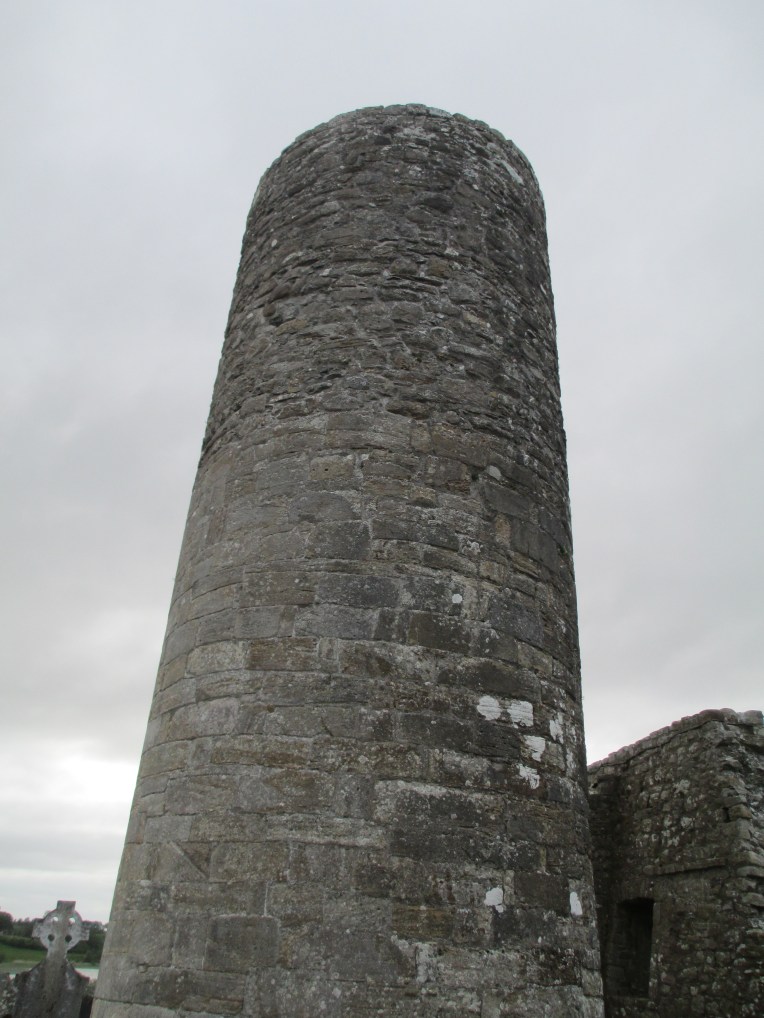 The first monastery at Drumlane in County Cavan, Ireland was founded in the 6th century either by St Colmcille or St Maodhog. The main building remaining from the original monastery is the round tower the lower part of which dates to the 10th or 11th centuries. The upper levels, which are much less well built, date probably to the 15th century.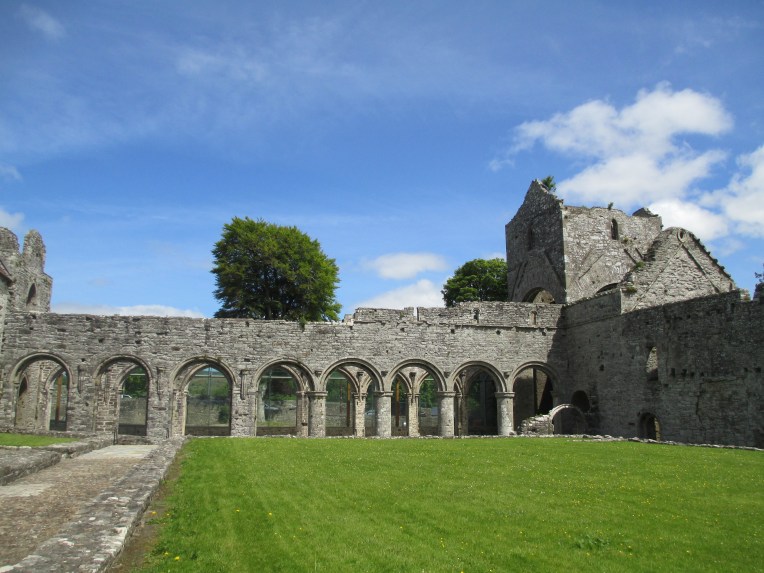
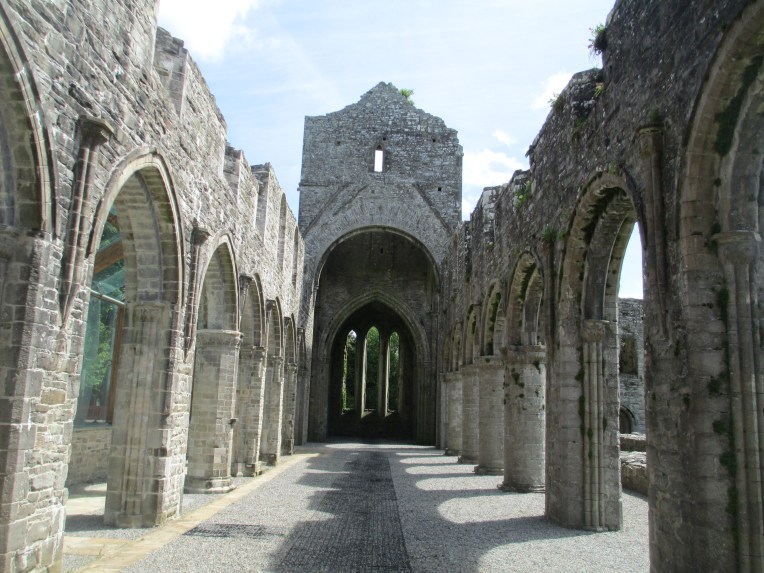
 Boyle Abbey in County Roscommon, Ireland was founded in 1161 with monks arriving from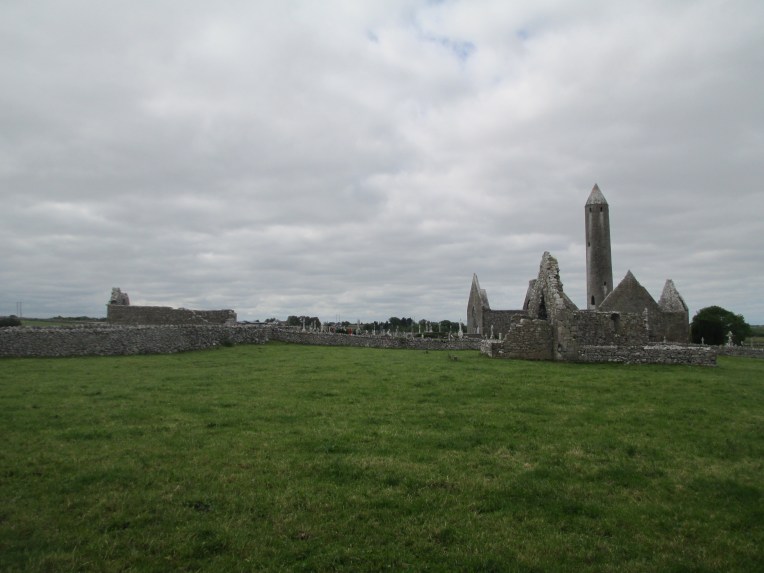
 Heynes abbey or Heynes church: It was built in the first half of the 13th century and was originally supported by intricate columns with flowers on them.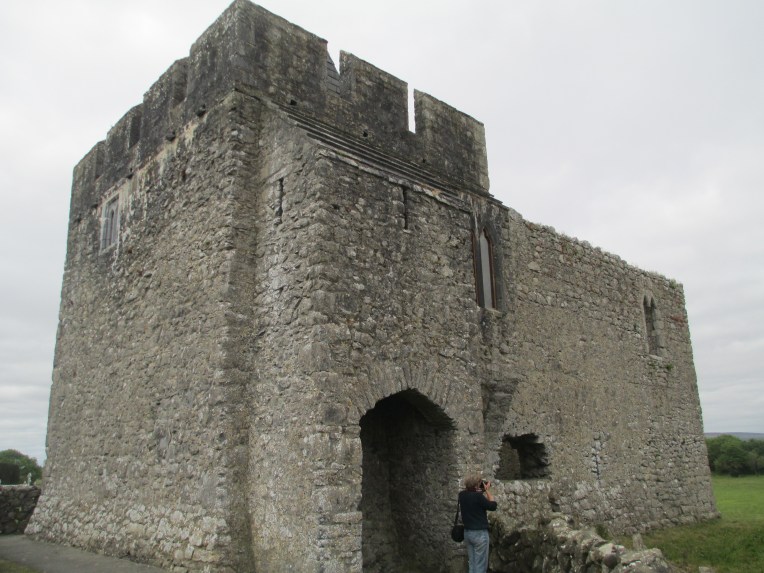

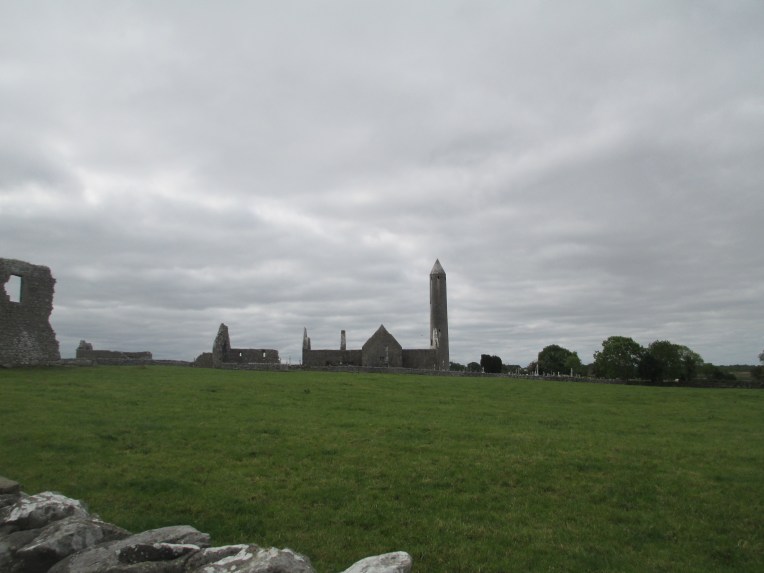 Our Lady’s church: A small 13th century church which might have been built with stone from an earlier church. You can see it second from the left in the above photo, I sadly don’t have a closer photo.


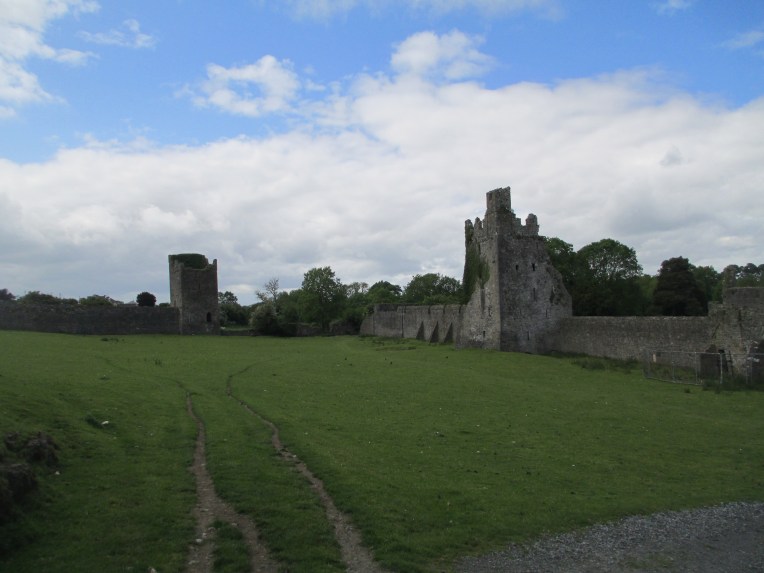

 The first Norman church at Kells was founded by Geoffrey FitzRobert de Marisco in 1183. Ten years later he invited the Augustinian canons from Bodmin in Cornwall to come to Kells, and the priory was established. He also built a Norman style town beside it. It is worth noting that this is not the Kells that the Book of Kells comes from, that’s in County Meath and you can see pictures and some information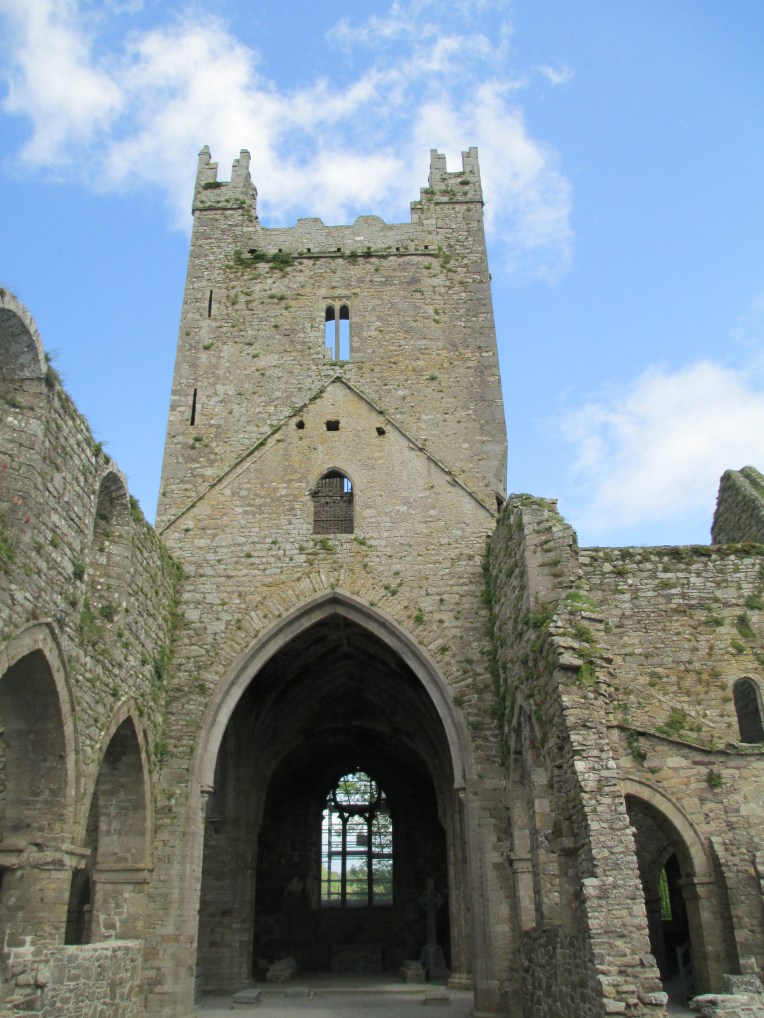

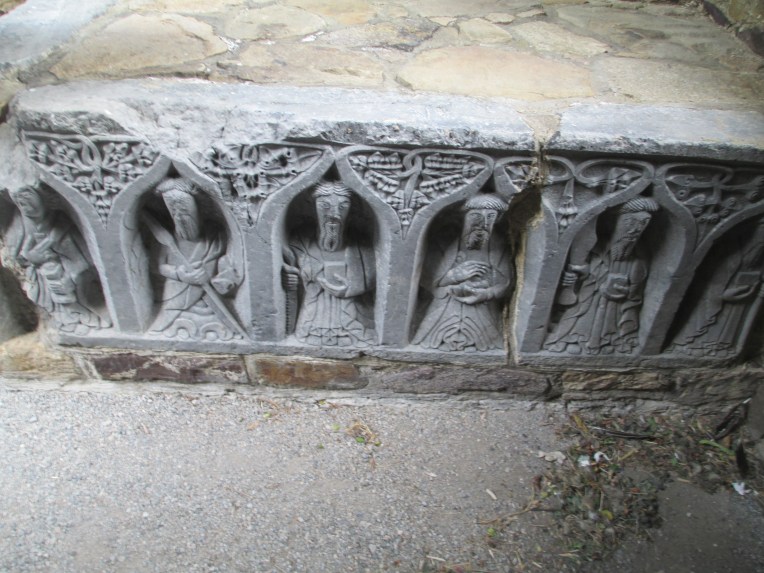 Jerpoint Abbey in County Kilkenny Ireland was founded in c. 1160 probably by Donal MacGillpatrick King of Ossory. However in 1180 it was taken over by Cistercians monks from Baltinglass Abbey in County Wicklow.
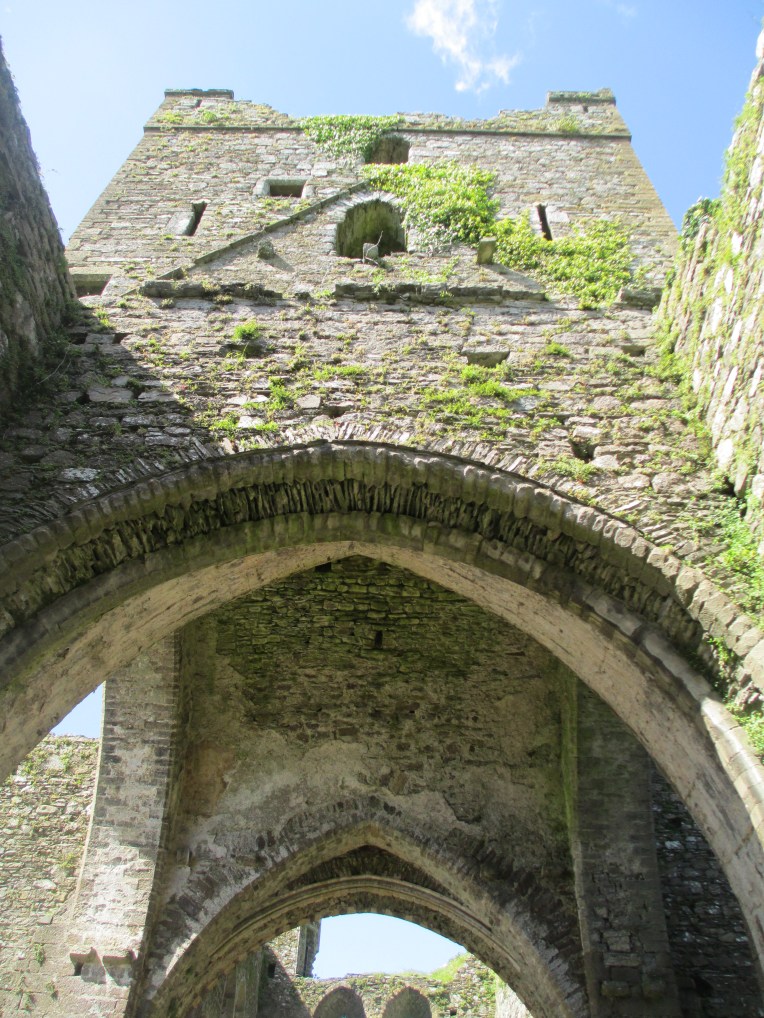
 Dunbrody Abbey in Wexford Ireland was founded at the instruction of Richard Strongbow in 1170 by Hevre de Montmorency who was his uncle. Montmorency made the grant of land for Dunbrody to the monks of Bildewas in Shropshire on the condition that they should establish a Cistercian monastery on them and that there should be sanctuary in the abbey for any malefactors.
 Historical Ragbag