
This is the final post in my advent calendar. Thank you to everyone who has read them along the way, commented, shared and most importantly enjoyed them. Have a great Christmas and holiday season
Ellen
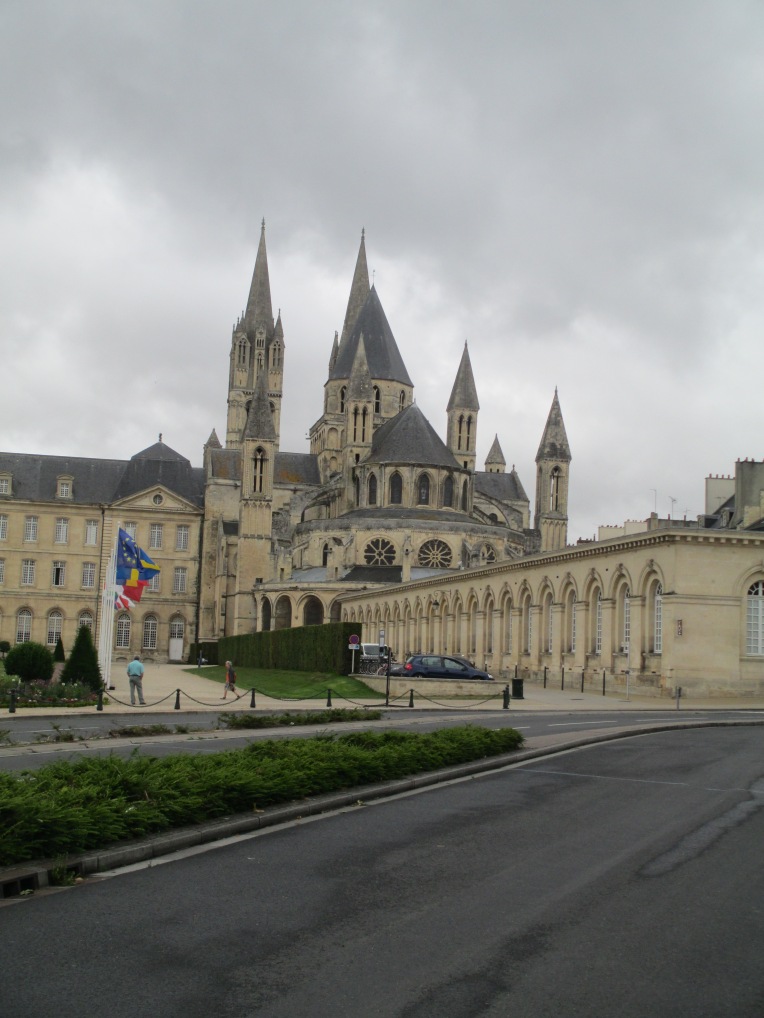


The Abbaye-aux-Hommes was founded by William the Conqueror. It was a Benedictine abbey and dedicated to Saint Steven. The church of Saint-Etienne was consecrated in 1077. The majority dates to the 11th century but the choir was redesigned in the 13th century to reflect the then contemporary gothic style. The majority of the church is built in the romanesque style. The monastic buildings were erected in the 11th century but they were destroyed in the first war of religion (1562-63) the first of the wars fought between the Roman Catholics and the Huguenots. They were rebuilt in the 18th century.
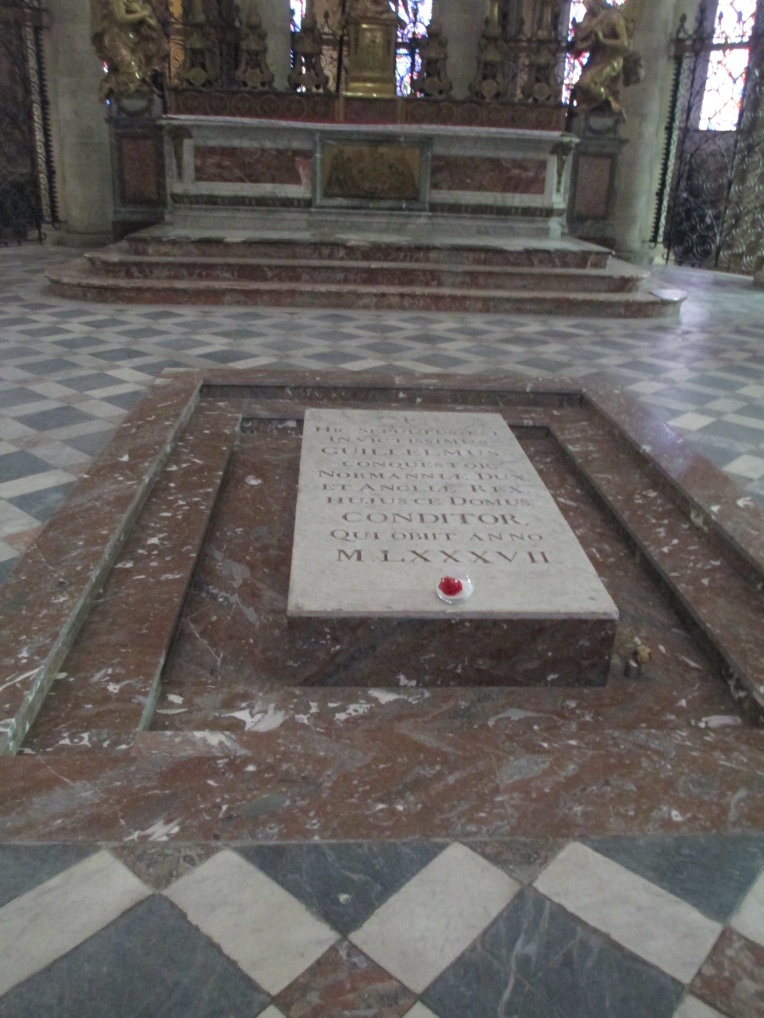
The church is also the burial place of William the Conqueror. His marble tomb can be seen in the photo above.
William married Matilda of Flanders in 1053 despite the fact that the Pope had banned the marriage due to consanguinity, they were distant cousins. They fought the Papal ban for nearly a decade and when it was finally lifted both of them built abbeys in Caen as a sign of gratitude. Matilda’s abbey was the Abbaye-aux-Dames which was the subject of yesterday’s post. Matilda is also buried in the abbey she founded.
The French Revolution forced the closure of the monastery and the monks were removed. In 1802 the abbey church becme the parish church and in 1804 the monastic buildings became a boy’s school.
In WWII in 1944 the high school provided refuge for the residents of Caen during bombing and survived intact. The monastic buildings are now home to the local council.
References:
Site visit 2015
Abbaye-aux-Hommes information booklet.
http://www.caen-tourisme.fr/en/discover-caen/william-the-conqueror/abbaye-aux-hommes
The photos are all mine.
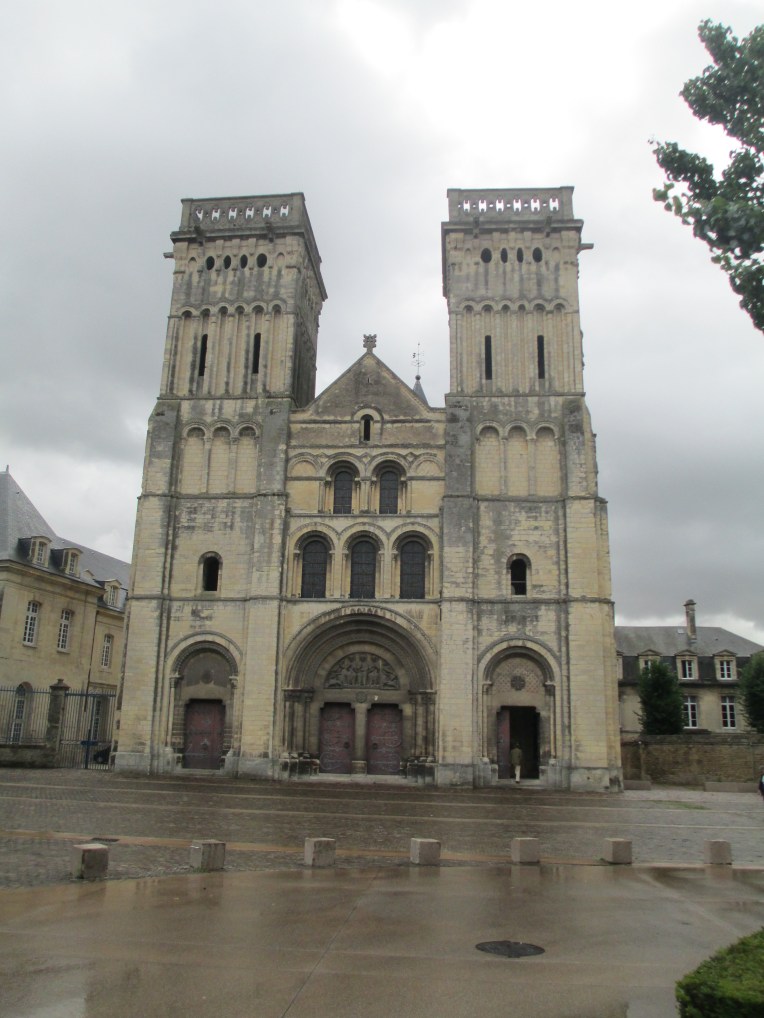

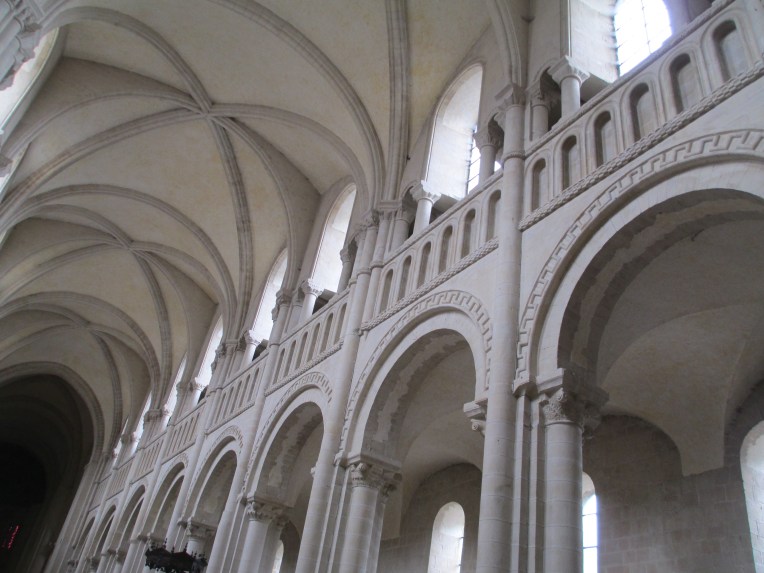
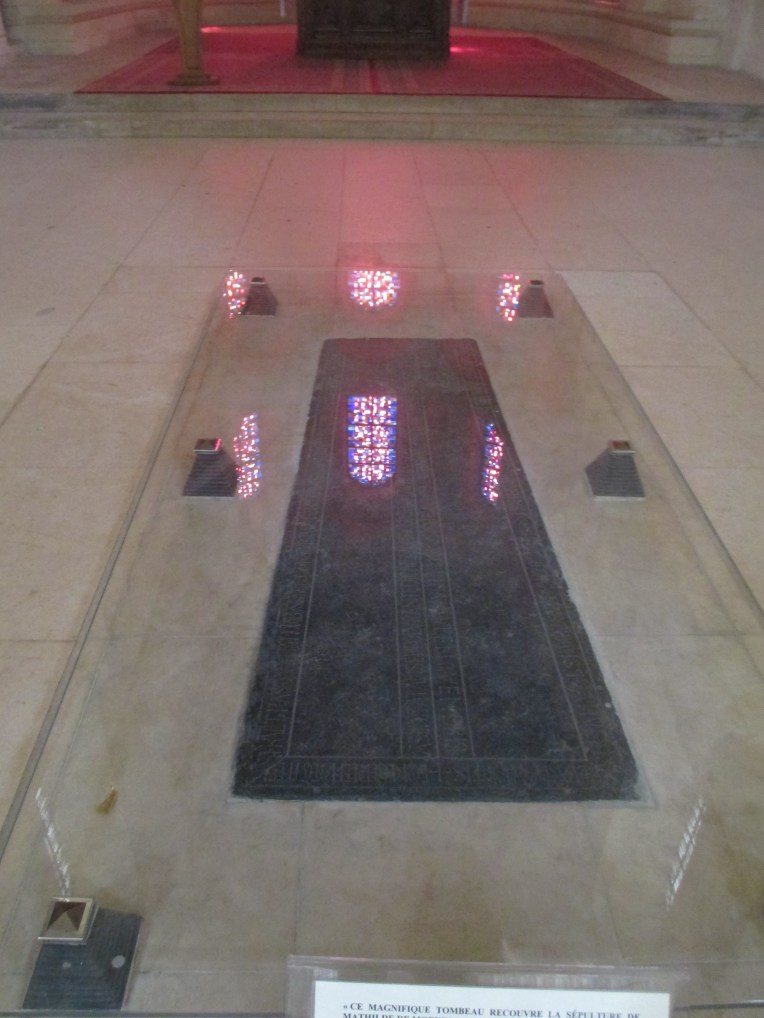 The abbaye was founded roughly in 1060 by Matilda of Flanders the wife of William the Conqueror. It was consecrated in 1066 and was dedicated to the Holy Trinity. When Matilda died in 1083 she was buried in the abbaye and her tomb of black marble can still be seen today.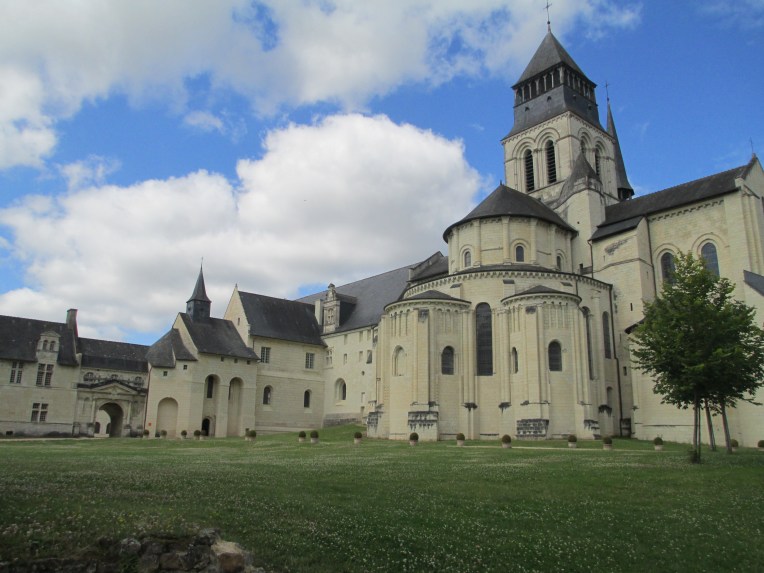

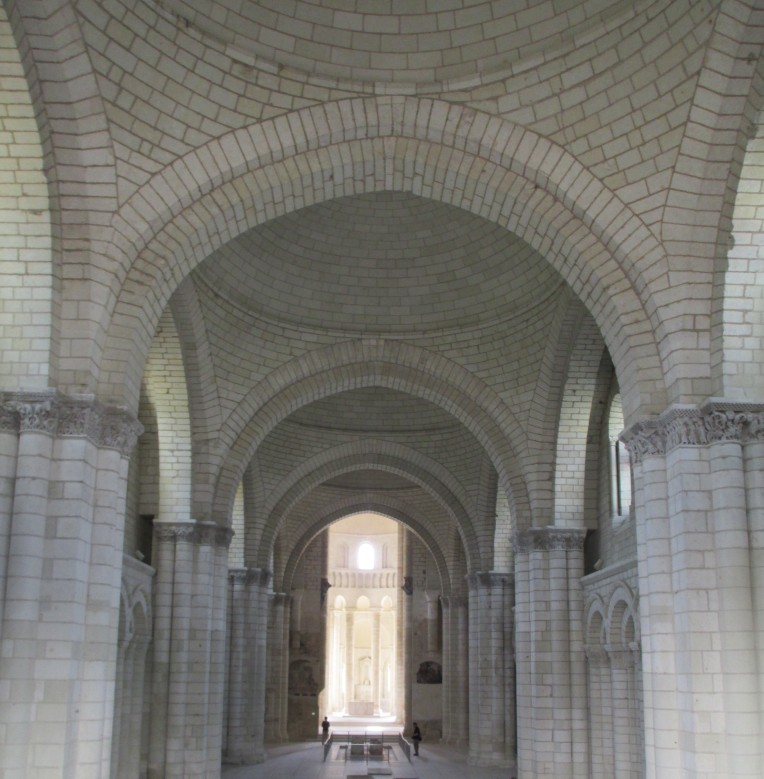
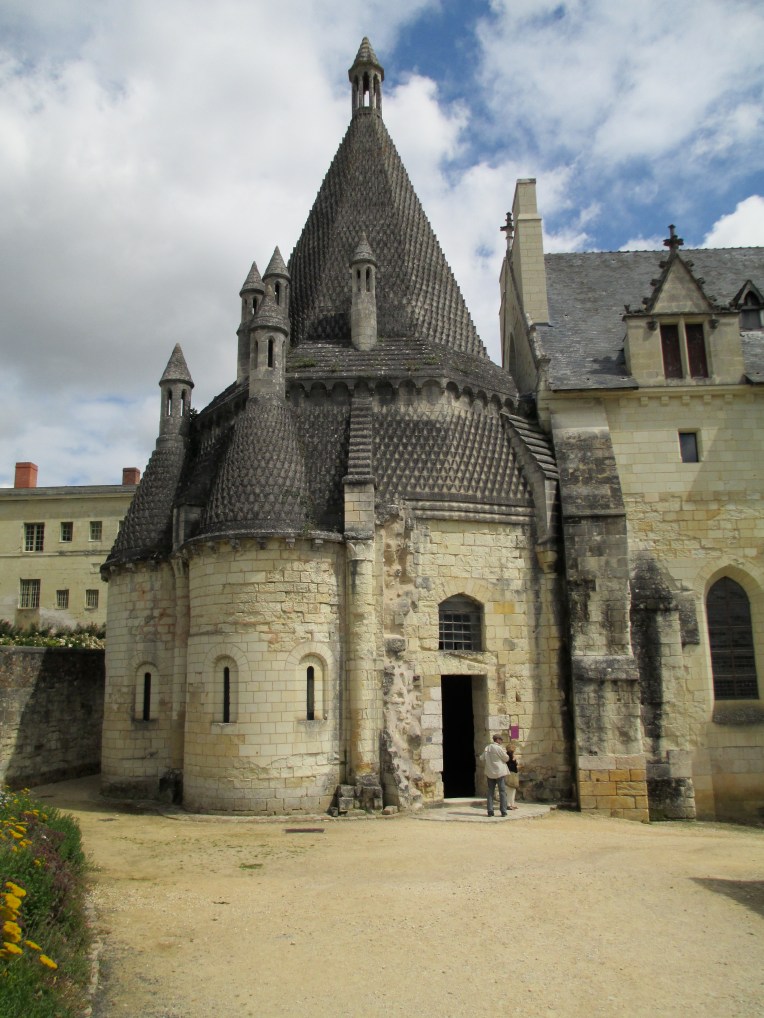 I have written about Fontevraud in Anjou France and it’s fascinating founder Robert of Arbrissel before.


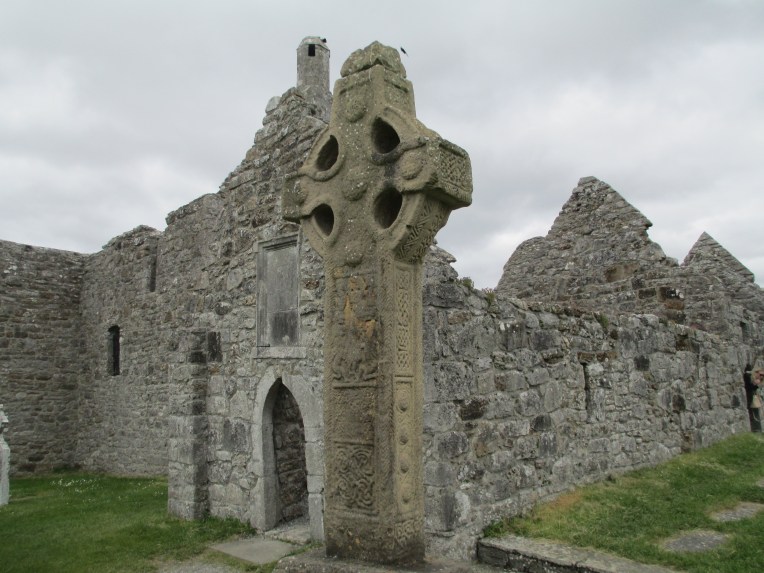

 Clonmacnoise in County Offaly was founded on the banks of the Shannon River by St. Ciaran in 544.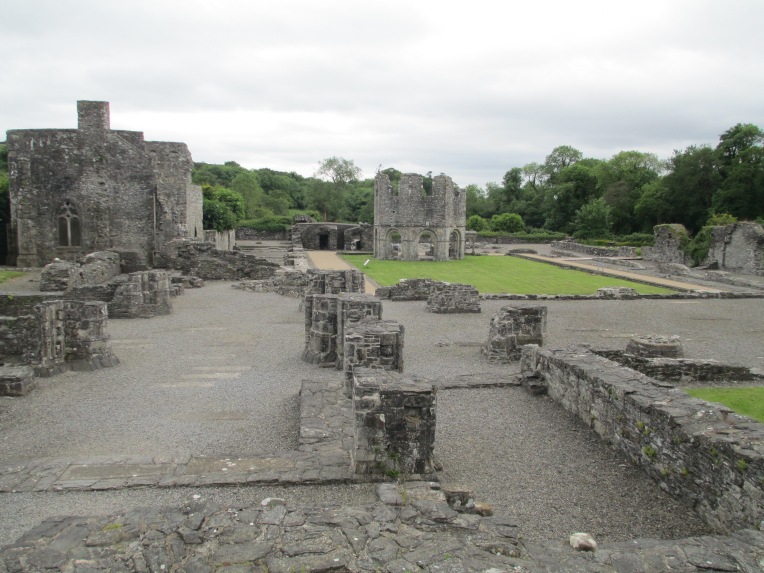
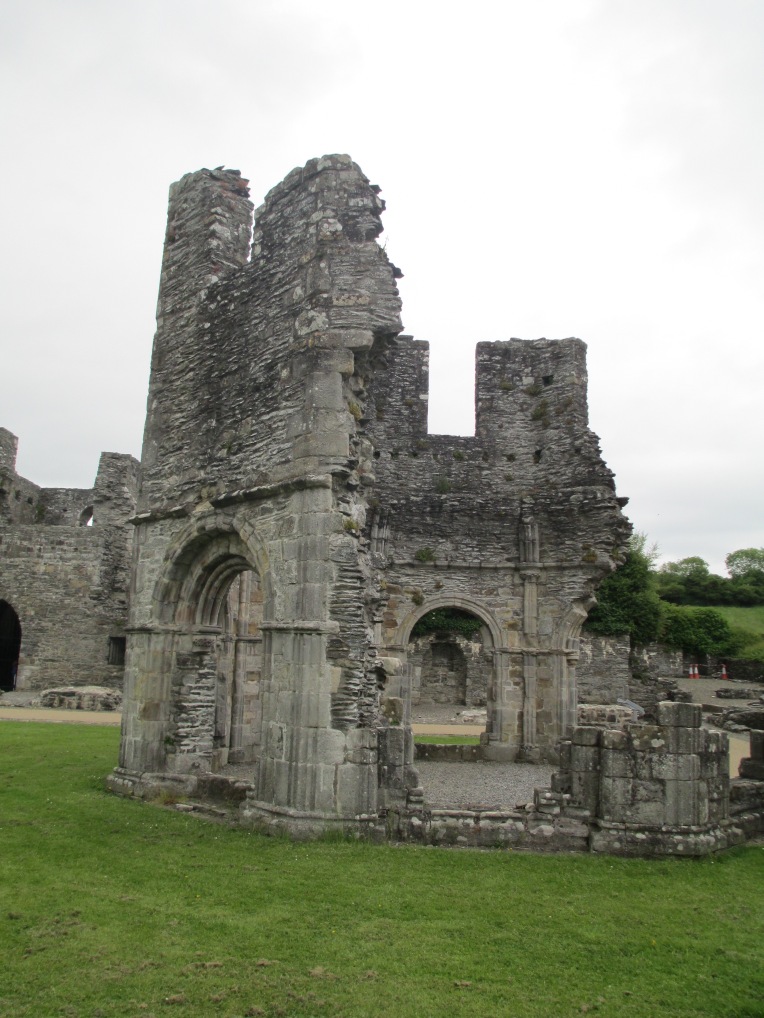
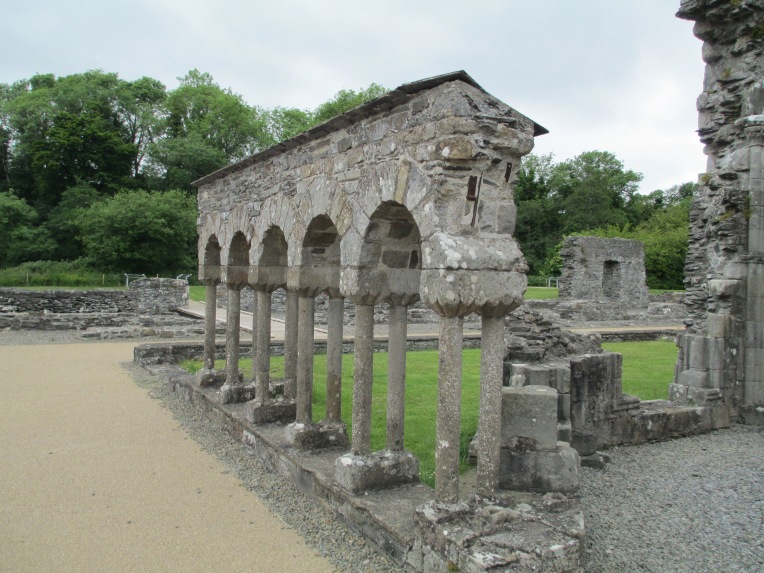 I have already written about Mellifont Abbey, which was the original Cistercian Abbey in Ireland, in much more detail. The post can be found here:

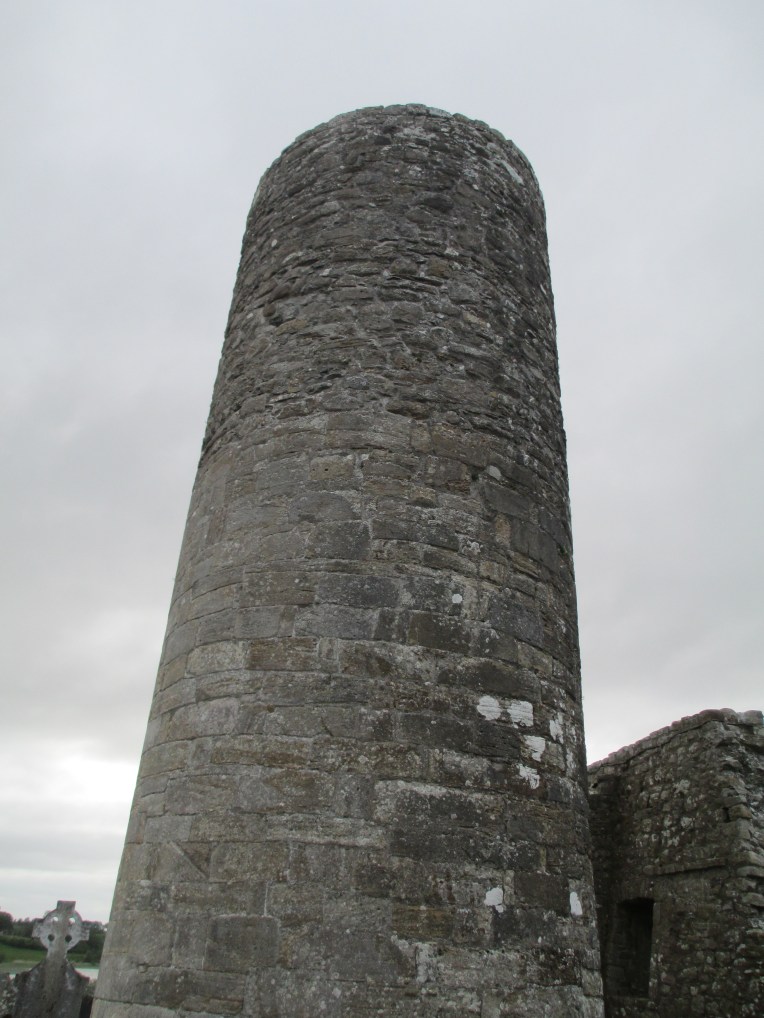 The first monastery at Drumlane in County Cavan, Ireland was founded in the 6th century either by St Colmcille or St Maodhog. The main building remaining from the original monastery is the round tower the lower part of which dates to the 10th or 11th centuries. The upper levels, which are much less well built, date probably to the 15th century.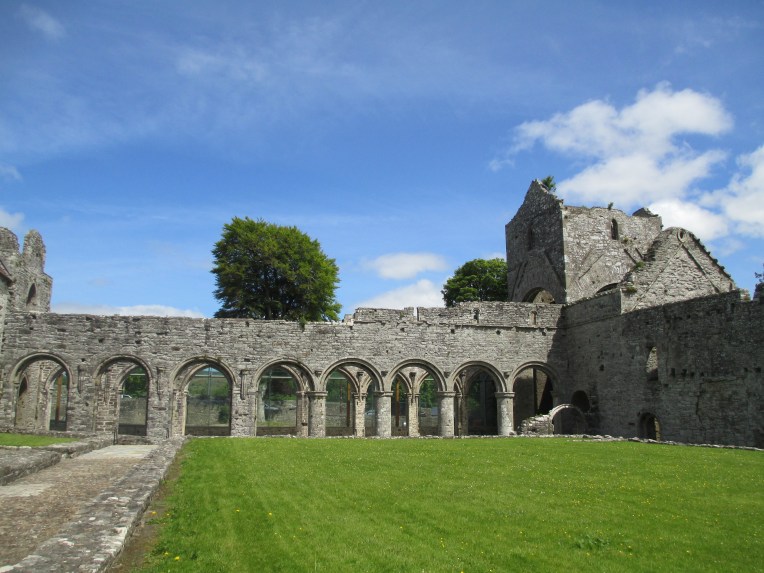
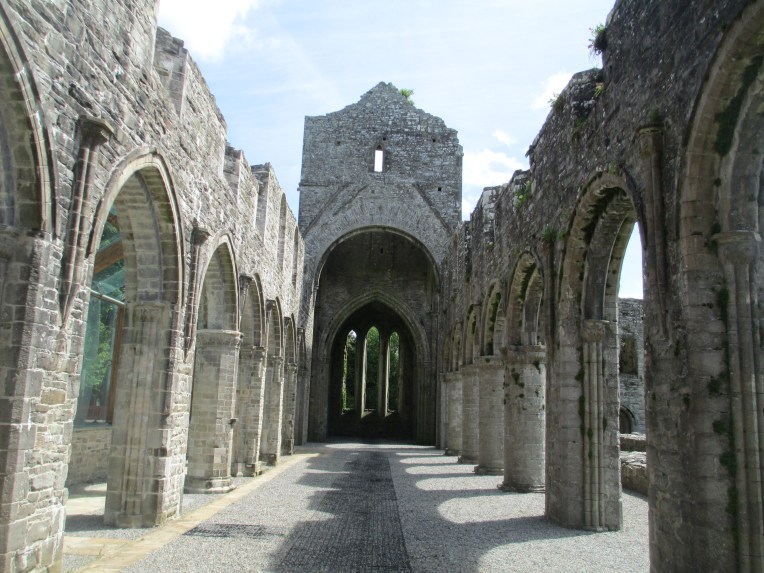
 Boyle Abbey in County Roscommon, Ireland was founded in 1161 with monks arriving from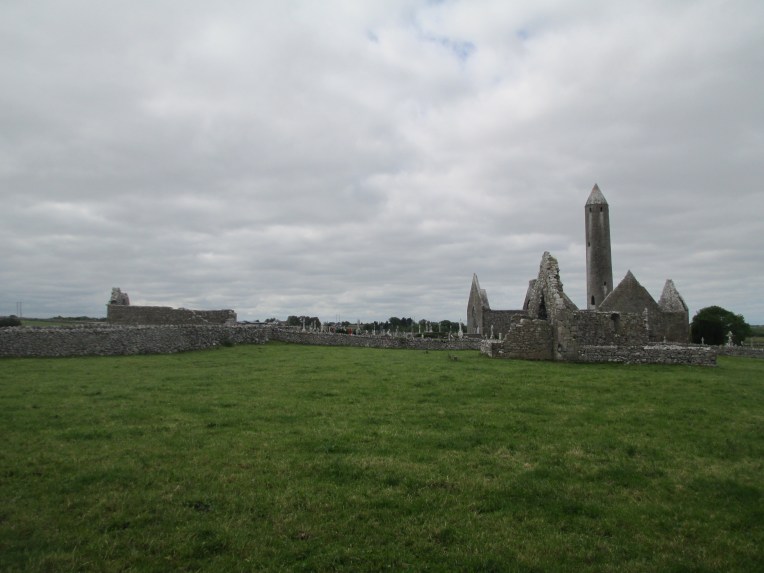
 Heynes abbey or Heynes church: It was built in the first half of the 13th century and was originally supported by intricate columns with flowers on them.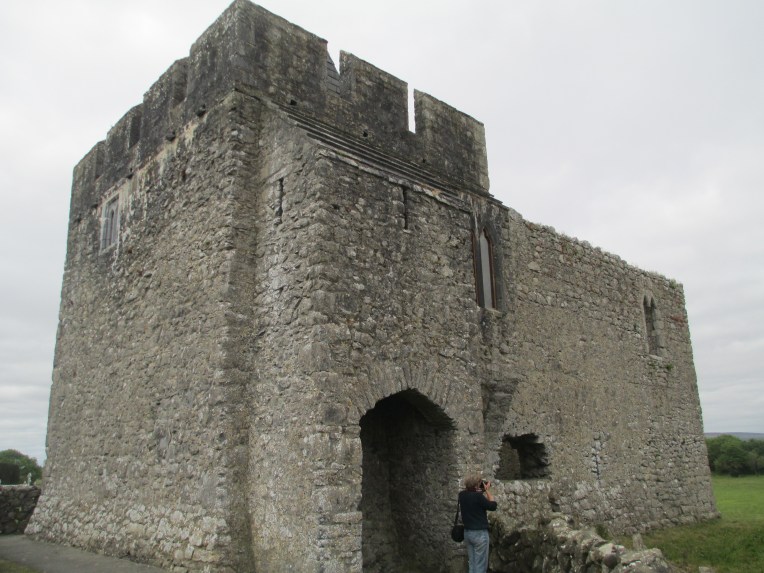

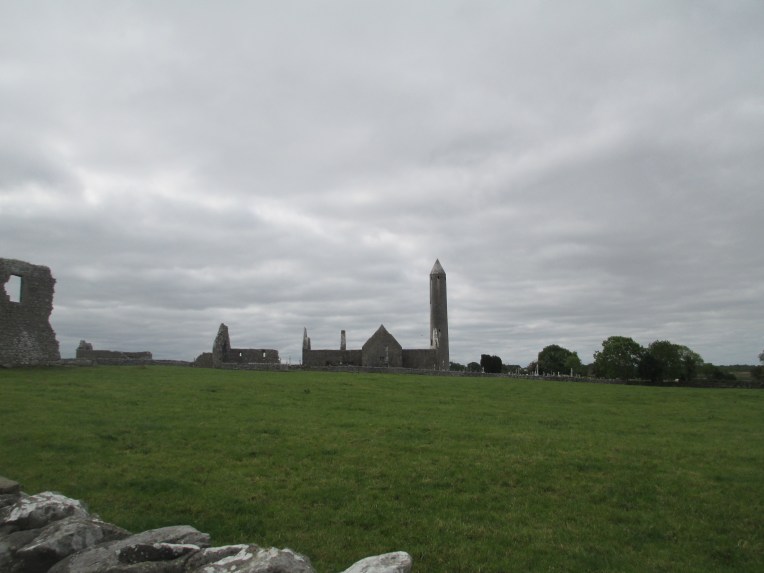 Our Lady’s church: A small 13th century church which might have been built with stone from an earlier church. You can see it second from the left in the above photo, I sadly don’t have a closer photo.

 Historical Ragbag