
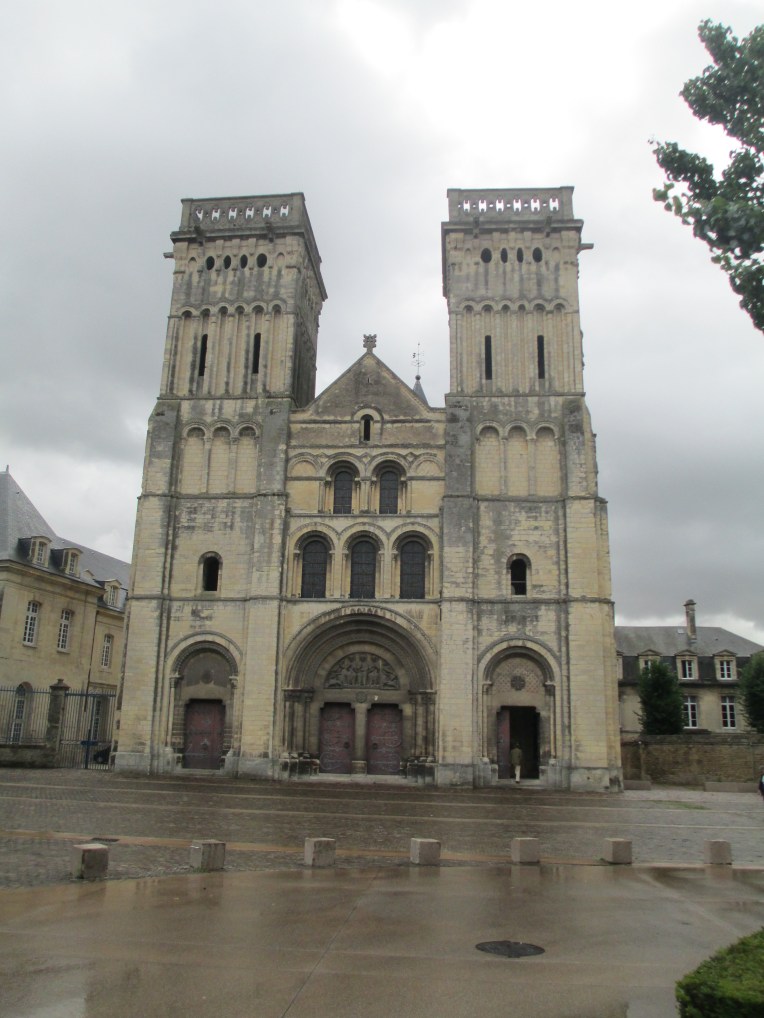

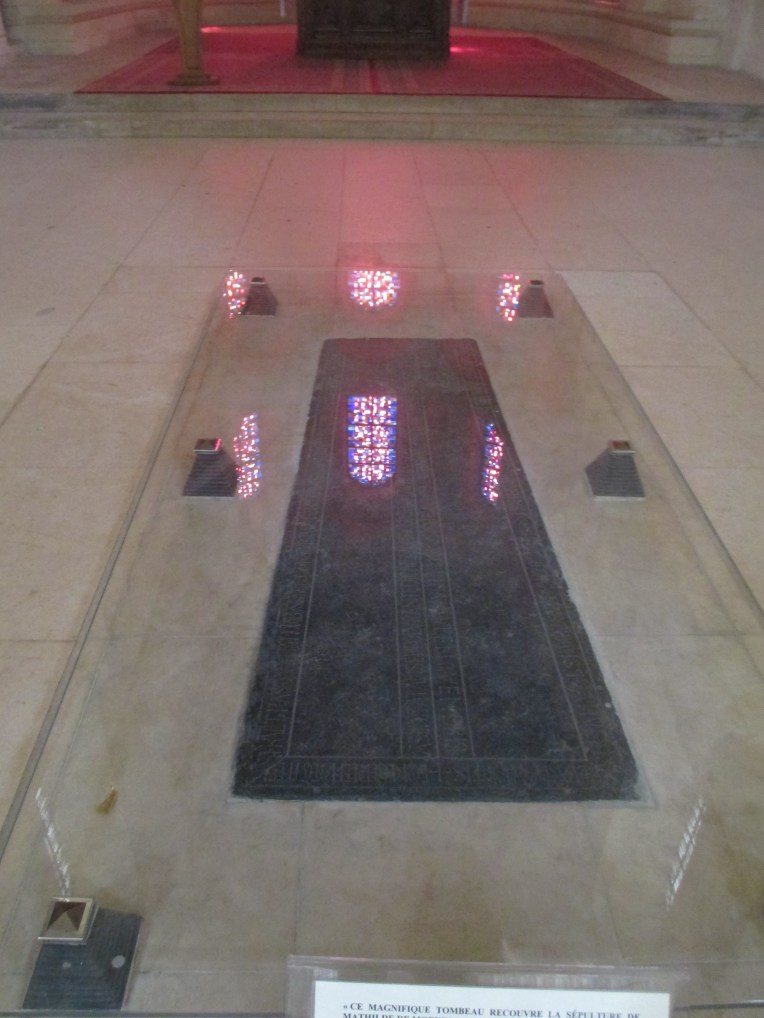
 The abbaye was founded roughly in 1060 by Matilda of Flanders the wife of William the Conqueror. It was consecrated in 1066 and was dedicated to the Holy Trinity. When Matilda died in 1083 she was buried in the abbaye and her tomb of black marble can still be seen today.
Matilda married William of Normandy in 1053 despite the fact that the Pope had banned the marriage due to consanguinity, they were distant cousins. They fought the Papal ban for nearly a decade and when it was finally lifted both of them built abbeys in Caen as a sign of gratitude. William’s abbey was the Abbaye-aux-Hommes which will be the subject of tomorrow’s post. William is also buried in the abbey he founded.
In the late 11th century William II of England granted the abbaye the Priory of Horestead in England, they held it until 1414 when the alien properties in England were dissolved.
Until the French Revolution the abbaye sheltered young girls of the Norman aristocracy. In return the families gave a dowry to the abbaey.
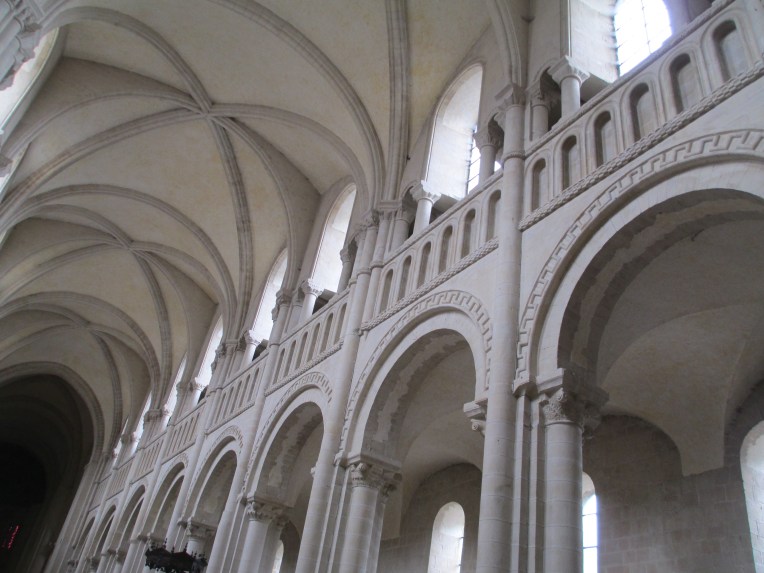
The church exemplifies the most spectacular forms of Norman romanesque architecture. The extension to the chancel was added in the beginning of the 12th century. and the crypt was probably an 11th century addition.
The Abbaye buildings deteriorated significantly over the centuries many of the convent buildings were reconstructed at the beginning of the 18th century at the order the Abbess Madame de Froulay de Tesse. The work was done by Benedictine Architect Dom Guillaume de Tremblaye, it took nearly a century and is still incomplete in places.
The arrival of the French Revolution brought about the end of the abbaye. The convent was closed and the property sold off. The church was used as a forage warehouse and the convent became the barracks, this is the reason for the lack of wood and decoration.
In 1823 the buildings became the Hotel Dieu and from 1908 they were a hospice. The last of the St Louis hospice nuns left in 1984 and the buildings became the headquarters of the Regional council. The buildings were then restored again and cleaned extensively in the 1990s.
The church itself remains active today.
References:
Site visit 2015
The Abbaye Aux-Dames booklet
http://www.sacred-destinations.com/france/caen-abbaye-aux-dames
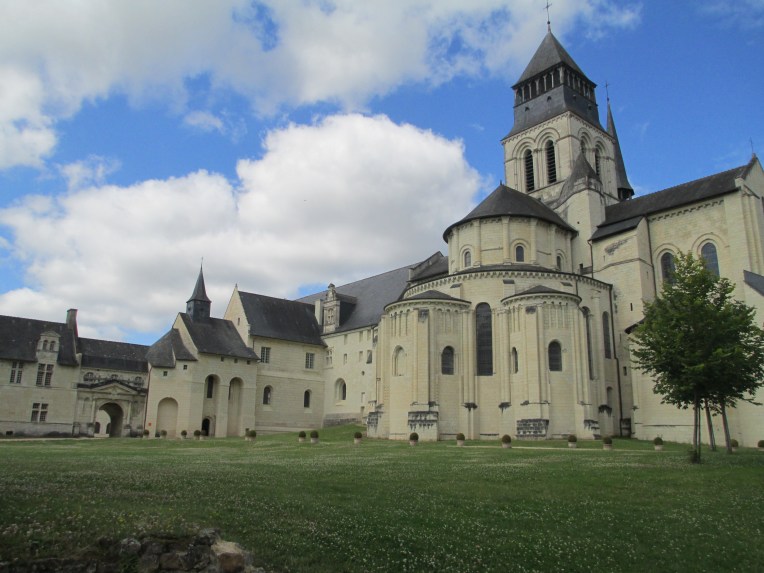

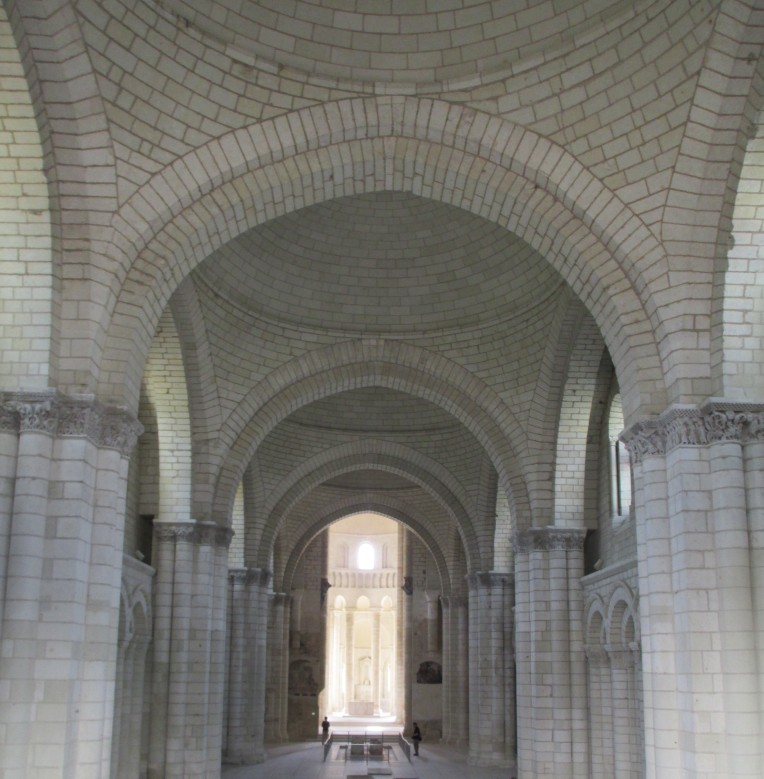
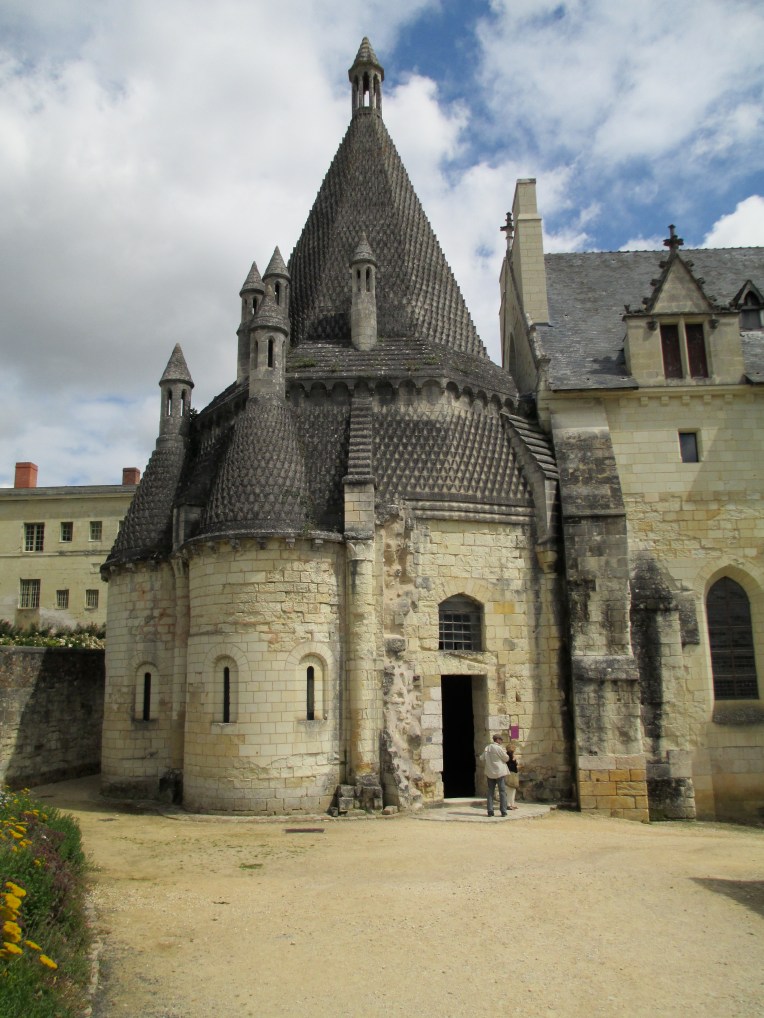 I have written about Fontevraud in Anjou France and it’s fascinating founder Robert of Arbrissel before.


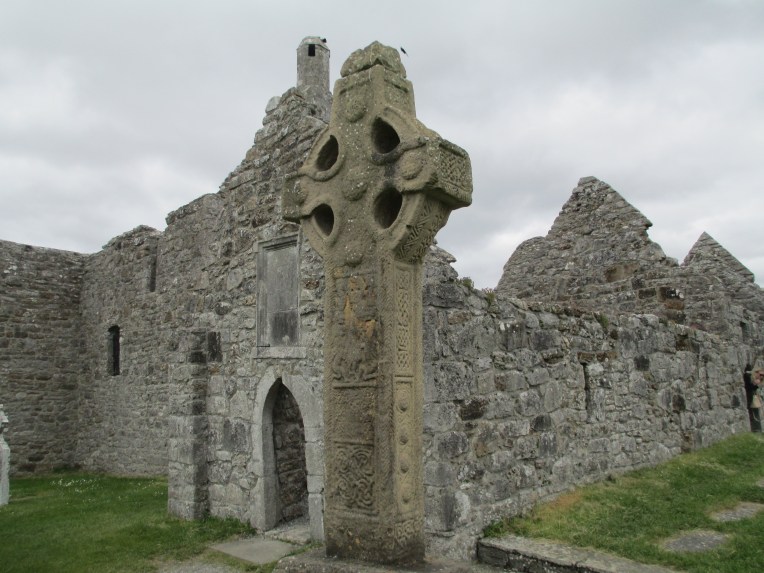

 Clonmacnoise in County Offaly was founded on the banks of the Shannon River by St. Ciaran in 544.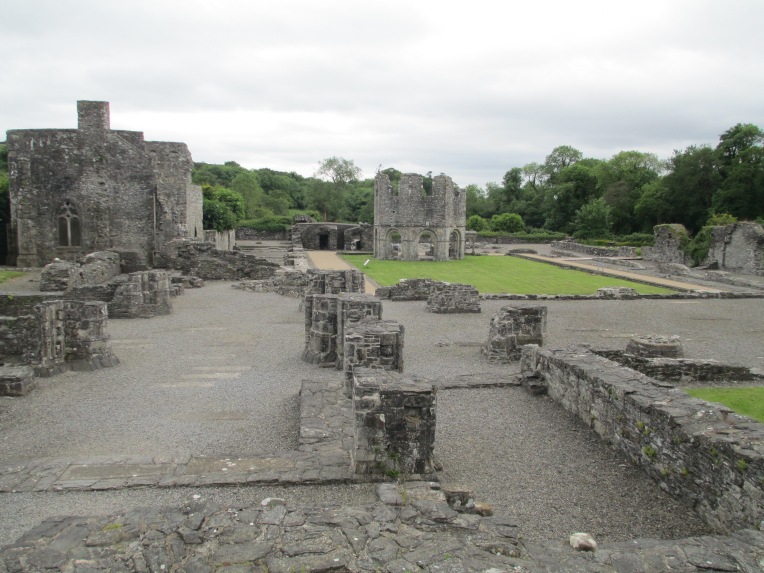
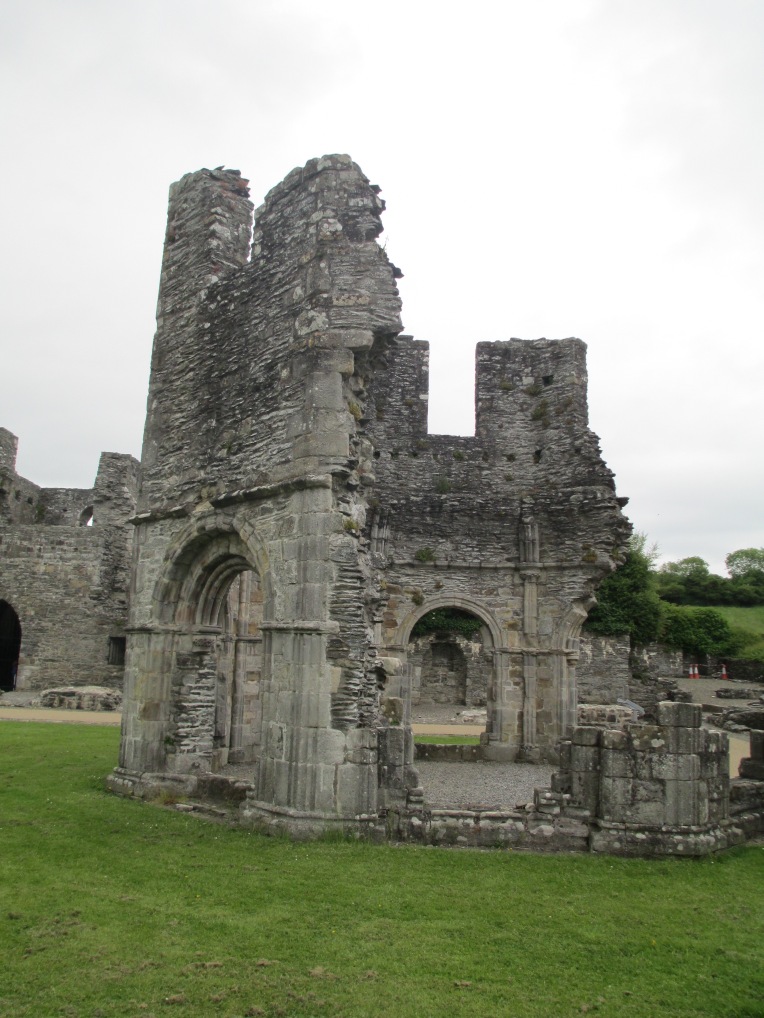
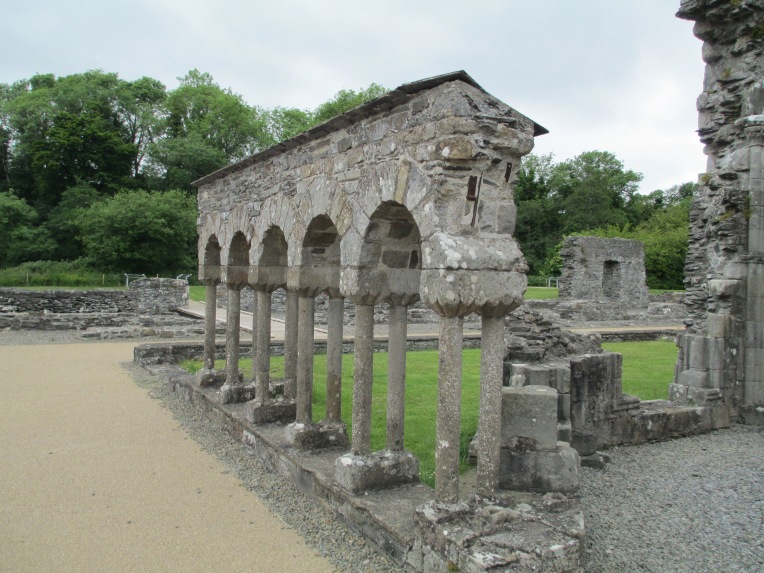 I have already written about Mellifont Abbey, which was the original Cistercian Abbey in Ireland, in much more detail. The post can be found here:

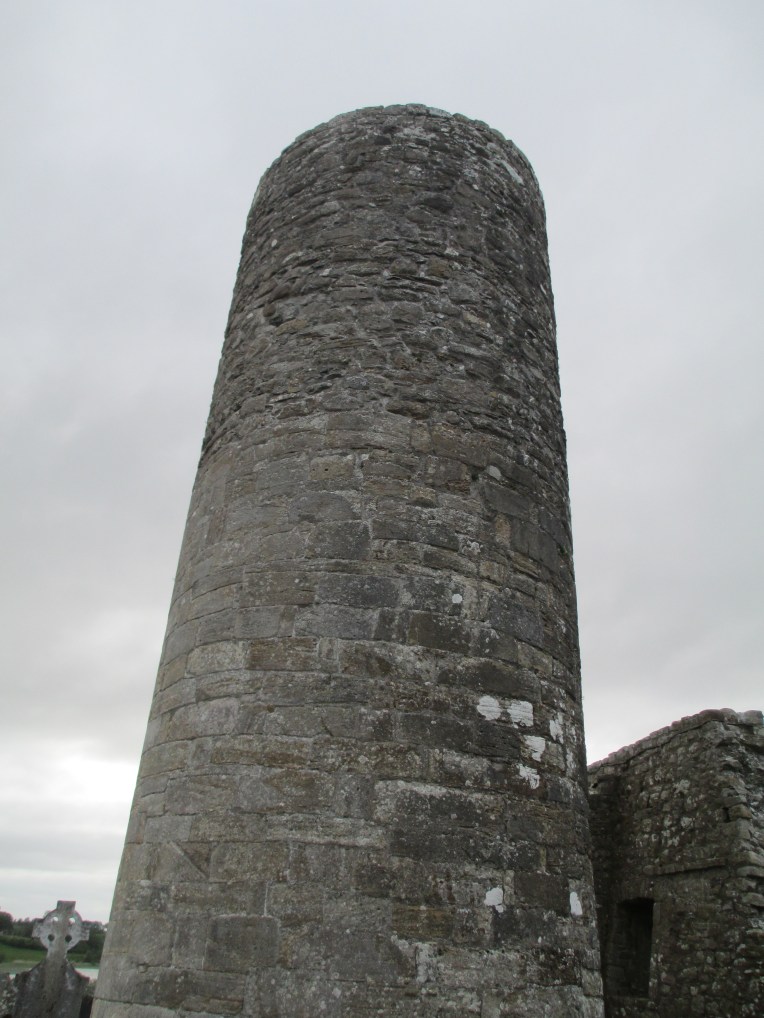 The first monastery at Drumlane in County Cavan, Ireland was founded in the 6th century either by St Colmcille or St Maodhog. The main building remaining from the original monastery is the round tower the lower part of which dates to the 10th or 11th centuries. The upper levels, which are much less well built, date probably to the 15th century.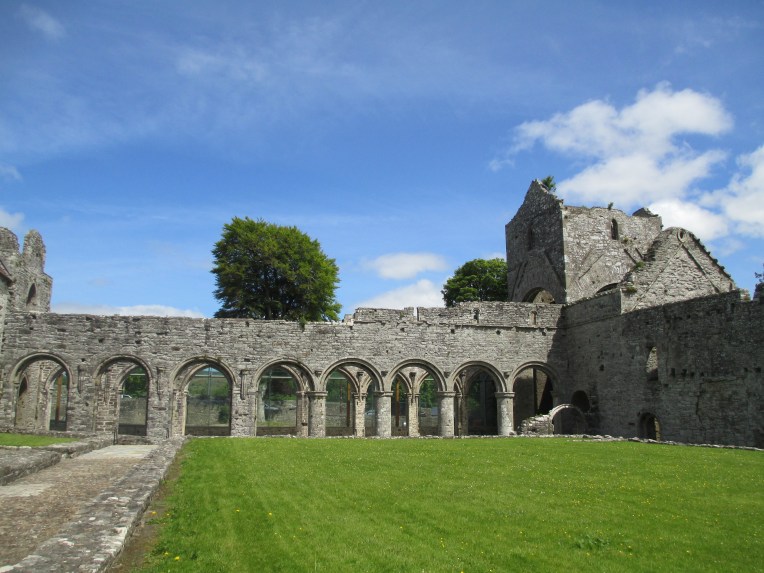
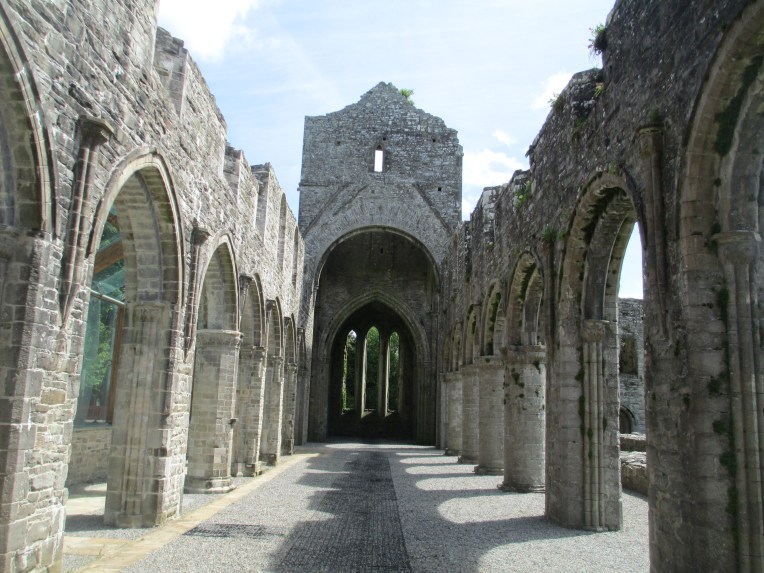
 Boyle Abbey in County Roscommon, Ireland was founded in 1161 with monks arriving from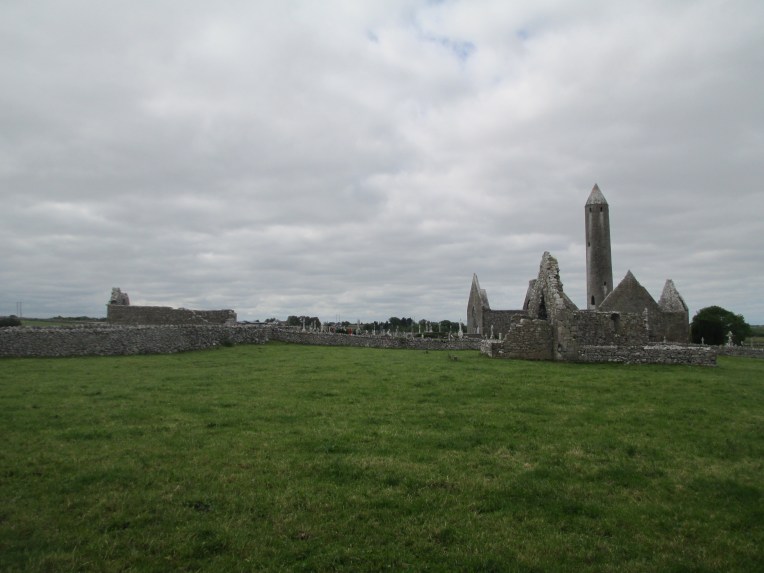
 Heynes abbey or Heynes church: It was built in the first half of the 13th century and was originally supported by intricate columns with flowers on them.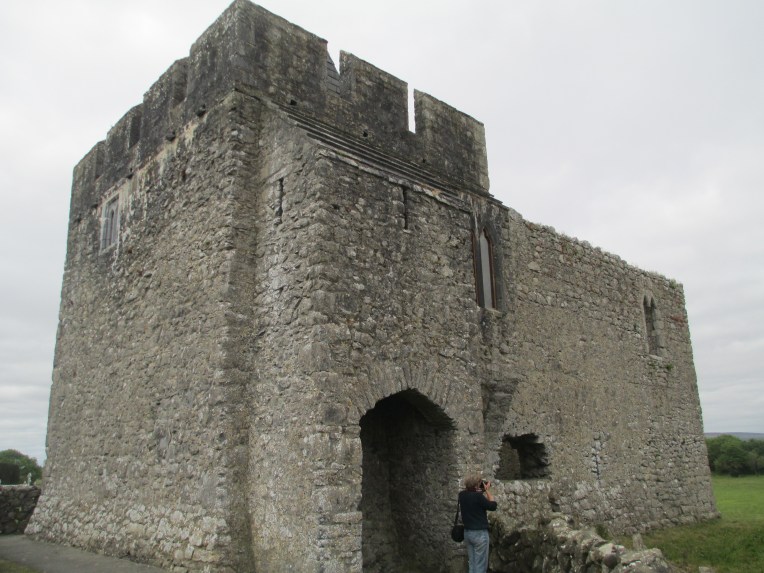

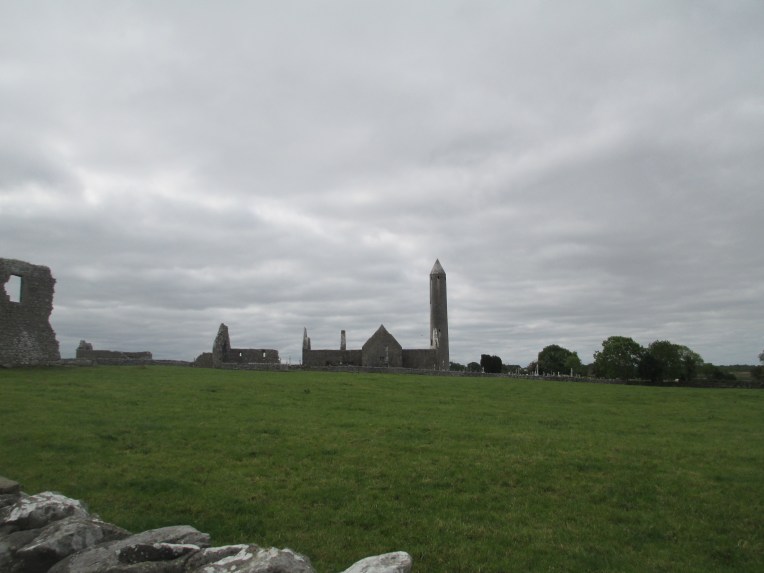 Our Lady’s church: A small 13th century church which might have been built with stone from an earlier church. You can see it second from the left in the above photo, I sadly don’t have a closer photo.


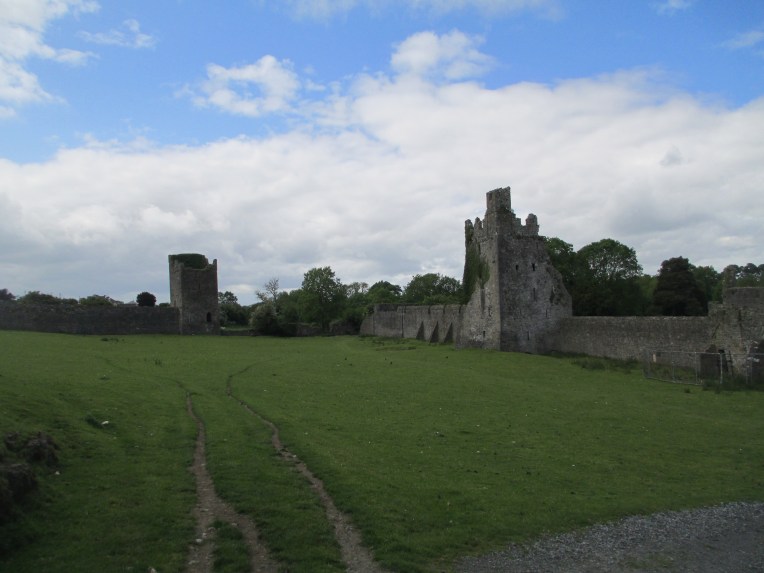

 The first Norman church at Kells was founded by Geoffrey FitzRobert de Marisco in 1183. Ten years later he invited the Augustinian canons from Bodmin in Cornwall to come to Kells, and the priory was established. He also built a Norman style town beside it. It is worth noting that this is not the Kells that the Book of Kells comes from, that’s in County Meath and you can see pictures and some information
  Historical Ragbag