This is a slight departure for Historical Ragbag, as I’ll be looking at a mythical figure. But it still involves research and a good story so I decided it still fit.
In researching for my novel, it’s contemporary and with merpeople but based on Welsh history and mythology, I came across a figure who gets one tantalising mention in the Mabinogion. Dylan of the Wave. The Mabinogion is a series of Welsh stories that are the foundation of much Welsh mythology. I won’t go into great detail about them here, because that is a post in and of itself, but they’re well worth a read if you get the chance. In many ways they’re even more off the wall than Greek mythology, and you can see how much some of them have seeped through into Western concepts of folklore and fairytales. You can read a free version at Project Gutenberg here but I read was the Oxford edition. You can see it in the references at the end.
Anyway, who is Dylan and why did he catch my attention?
To answer that we need to look at the Fourth Branch of the Mabinogion.
The Fourth Branch is broadly the story of Math son of Mathonwy. Math is the Lord of all Gwynedd (Northern Wales today). I’ll provide a brief summary of the story as a background. There will be bits that seem like leaps in logic and that’s because they are. You have to remember that this is a medieval text and the medieval mindset can seem impenetrable to us. This isn’t an overhang of a lost pre-christian mythology, the Mabinogion is very much a Christian text and of its time.
The story kicks off with Math’s nephew Gilfaethwy in love with Math’s foot-maiden Goewin who Math won’t part with. Gilfaethwy is concerned because Math can hear everything that’s said. Math’s other nephew Gwydion (who is a magician) suggests starting a war with Powys and Deheubarth (both kingdoms in Southern Wales) so Gilfaethwy can have Goewin. There’s magical pigs involved, but a war is started and while Math is away Gilfaethwy rapes Goewin in Math’s bed.
When Math returns he discovers the rape because he can only place his feet in the lap of a virgin and Goewin is no longer one. She tells Math of Gilfaethwy’s actions. Math changes Gilfaethwy and Gwydion into a hind and a stag and binds them to mate with each other and take on the nature of the two animals for a year. At the end of the year the hind and stag return with a fawn, Math changes them into a boar and a sow and sends them out again (though he fosters the boy who had been a fawn). At the end of another year the sow and the boar are back with a young one. Math then changes them into a wolf and a she-wolf and sends them out again. Again he fosters the boy who had been the piglet. At the end of that year the wolf and she-wolf return with a cub. Math considers his nephews punished enough and restores them to men, telling them of their fine sons.
Math then asks his nephews about finding another virgin to be his foot-maiden and they suggest their sister Arianrhod. Math uses his magic to test Arianrhod’s virginity and as she steps over Math’s magic wand a large sturdy yellow haired boy drops from her, Arianrhod gives a cry and runs away but as she does something small falls from her and Gwydion gathers it in brocade and hides it in a small chest at the foot of his bed. Math take the yellow haired boy and says “I will have this one baptised. I will call him Dylan.” And he is baptised.
The Mabinogion goes on to say
As soon as he was baptised he made for the sea. And there and then, as soon as he came to the sea, he took on the sea’s nature and swam as well as the best fish in the sea. Because of this he was known as Dylan Eil Ton- no wave ever broke beneath him. The blow which killed him was struck by Gofannon, his uncle and it was one of the Three Unfortunate Blows.
This is the introduction of Dylan of the Wave.
The Fourth Branch of the Mabinogion continues with the scrap in the chest – who turns out to be a child who came to be called (after some trickery) Lleu Llaw Gyffes and Gwydion who helps him overcome various obstacles including making a wife for him out of flowers- Blodeuwedd (who gets a very unfair hand and who I’ll write something about later). But this is the only mention of Dylan in the whole of the Fourth Branch.
So why did this get me interested? Firstly because the book I’m working on is about mer people and the sea, so having a Welsh mythological figure tied to the sea so explicitly was very useful from a narrative perspective. Secondly, because in a panoply of the extraordinary Dylan sort of pops up and vanishes again, and some quick Googling doesn’t turn up masses. So I did some more digging. I started with the Three Unfortunate Blows.
This is a triad. Triad’s are a key to mythology. I’m still getting my head around them, but essentially they are circumstances or thematic instances that come in threes. They can be found throughout Welsh folklore and belief systems, as well as legal codes. They are also often reflected in bardic works and poetry, including the metre of some poetry. They are found in several surviving Welsh manuscripts and referenced in most Welsh mythology, often the same ones, they are cross referential. A good example are the three arrogant men of the island of Britain: Sawyl High Head, Pasgen son of Urien and Rhun son of Einiawn. So in the case of Dylan what were the Three Unfortunate Blows? I spent quite a bit of time trying to find the listing for them, but then worked out that unfortunately they are one of the lost triads. This means that all that has survived is mentions of them, rather than the triads themselves. One of these mentions is from the Book of Taliesin which refers to Dylan’s end, and tells us a bit more about Dylan himself as well as Gofannon who struck the blow. It’s called the Elegy of Dylan, Son of the Sea:
“One highest God, wisest of sages, greatest in might –
Who was it held the metal, who forged its hot blows?
And before him, who held still the force of the tongs?
The horsemaster stares – he has done lethal hurt, a deed of
outrage,
Striking down Dylan on the fatal strand, violence on the
shore’s waters,
The wave from Ireland, the wave from Manaw, the wave from the North,
And fourth, the wave of Britain of the shining armies.
I plead with God, God and Father of the Kingdom that knows no refusal,
The maker of Heaven, who will welcome us in his mercy.
The details about Gofannnon that the Elegy is alluding to are that Gofannon was a smith endowed with supernatural powers. Again another character embedded in a the broader mythological landscape.
This isn’t Dylan’s only mention in the The Book of Taliesin. He’s also referenced in the legendary dramatic poem The Battle of the Trees. Which is worth reading in its own right as it (at face value) tells the story of Gwydion animating the trees of a forest to fight for him. It also covers Taliesin’s creation, and this is where the line about Dylan appears. The line is a short one “I was in the citadel with Dylan, Son of the Sea.”
The Book of Taliesin is itself an astounding survival. It’s a manuscript dating from the first half of the fourteenth century and is a collection of poems and similar works supposedly by or about the great bard Taliesin. It’s arguable if Taliesin was a real person or not but he is the greatest of the Welsh bards, and could be a conflation of a real person from the 6th century with a mythological figure.
But, to not sidetrack myself (or not too much anyway). The Elegy presents Dylan as someone worth having an elegy written about. It and the line in The Battle of the Trees also situates him as an important being in Welsh mythology and belief, someone who appears in more than one text and someone who was well enough known to be understood from just one line.
Dylan also appears briefly in the Black Book of Camarthan too (another amazing medieval survival) where his grave is mentioned as “Where the wave makes a noise, the grave of Dylan is at Llanfeuno.” This is probably a peninsula in South Wales.
These are not the only mentions of Dylan in Welsh texts, but they give the context.
What all this means, is that there were more stories about Dylan and his exploits but they haven’t survived. Some of this is because the written sources that have survived have largely been by chance, and partly because some were certainly oral traditions and might not have been written down. Dylan does survive in odd places though, aside from all these mentions. His name is incorporated into a couple of place names, though tangentially, and rough seas and the roar of the tide at the mouth of the river Conwy is said to be the death groan of Dylan.
You can see the Conwy estuary below
There is also a school of thought that Dylan is the remnant of a lost sea divinity, and or that he was an early iteration of a merperson. While both are certainly a possibility (and something that we’ll never know), what it means for me is that I have a fairly blank slate to work from. So Dylan has become part of my world a ‘real’ building block to layer a new story on, and I kind of like that.
References:
Books:
Book of Taliesin: Translated by Gwyneth Lewis and Rowan Williams: 9780241381137
The Mabinogion: A new translation by Sioned Davies 9780199218783
Trioedd Ynys Prydein: The triads fo the Island of Britain edited by Rachel Bromwich
9781783163052
The Celtic Myths That Shape The Way We Think by Mark Williams 9780500252369
Bear’s Castle is an enigma. There is little agreement over why it was built, or its purpose, but it truly captures the imagination.
Bear’s Castle stands on the edge of the Yan Yean Reservoir, just out of Whittlesea. It’s one of those places I’d only seen photos of, so to say I was pleased to have a chance to visit earlier this year is an understatement.
Bear’s Castle is on lands run by Melbourne Water, due to the proximity of Yan Yean Reservoir, and it has gone through many uses in its life since it was built probably in the 1840s. So let’s start at the beginning, this is going to be a post with a lot of ‘possibles’ because so much is not known.
The best place to begin is with the man who gave his name to castle, John Bear. So who was John Bear?
John Bear came from a landed family in Devon. He emigrated to Australia with his entire family, servants, livestock and a few friends (they chartered a whole ship) in 1841. They arrived in Williamstown on the 20th of October 1841. Once arrived he set up as a stock and land merchant and then purchased land from the crown, an extensive 935 acres at Yan Yean (the reservoir was not built then). He built a homestead, and planted vines (one of the earliest vineyards in Victoria) and raised cattle. However, as a stock and land agent he worked mostly in the city so, somewhat unbelievably, he commuted back to Yan Yean on the weekends, leaving his younger son to run the farm.
I’d like to pause here to acknowledge that John Bear didn’t purchase uninhabited land. The lands around Yan Yean have been the home of the Wurundjeri Woi Wurrung people for thousands of years before colonisers like Bear arrived and claimed them. As far as I can find Bear was not involved in specific massacres, but by moving into the land and turning its use over to cattle and crops, he was dispossessing the Wurundjeri Woi Wurrung people. This is true of any Europeans, including my own family, who arrived in Victoria in the 19th century and began to acquire vast tracts of land.
We know Bear had a house built by 1842 because the family was held up by bushrangers that year. John Bear was away, but his wife and daughter were at the house and forced to cook the bushrangers dinner. They also apparently stole Bear’s best port. This incident leads to the first suggested reason for the construction of Bear Castle, as a refuge from bushrangers or even First Nations people (who it was feared may attack the new house and not without reason). There are a few reasons against this theory, the key of which is the distance between the house site and Bear’s Castle. It would have been a long dash through often hostile bush to reach the castle, not ideal as a quick refuge.
The most bandied about theory is that the castle was built due to an offhand remark by John Bear. The story is that two of his stockmen, possibly John Edwards and Thomas Hannaford- both from Devon, asked him what they should do while he was away for some months, and he flippantly replied, ‘build me a castle’. And thus they did just that. This is a story has been handed down, and is frequently accepted as the most likely reason for the construction of Bear’s Castle. It is definitely possible, as the castle is built out of cob, a traditional mud and straw building method from Devon, and it resembles follies that might have been a familiar site in Devon. You can see what it looked even more castlely in the c.1870 photo below. The people standing on the battlements are thought to be John Bear’s descendants.
Against this theory is how much time and effort the construction of Bear’s Castle would have likely taken. It seems extravagent to build on a whim. Additionally his family would have remained at the farm, it seems unlikely they would have been alright with their workmen building a castle when they could be undertaking more useful work. It could absolutely be a contributing factor though.
The castle was definitely finished by 1851 because the farm was renamed Castle Hill after devastating bushfires ravaged the area. These fires indicate another possible reason for the construction of the Castle, as a look out tower. This is probably the most plausible, the castle is clearly not built to be lived in long term (though the Duffy Family did occupy the castle for a short time in 1865 while a house was being built for them). But the top would have given commanding views across the landscape to watch for threats. Originally the battlements would have been reached by a ladder probably from the first floor. This first floor was probably no more than a mezzanine level that was used to access the battlements (which are no longer there) rather than a floor that was actually used as another storey. There isn’t really anything left of the floor, but there is a couple of piece of sugar gum which were most likely installed by Melbourne Water in the 1970s. They never finished installing anything more permanent.
The mezzanine was reached by stairs built into the castle wall.
So regardless of whether the castle was built as a refuge, a watch tower, a folly, or a combination there of, it was built and the history of the building itself is somewhat circumstantial but still interesting. It was probably built in the 1840s, most likely the late 1840s. It’s gone through many iterations. The walls are mainly cob, though what you see now as the exterior walls was done as a render with mud and chicken wire in the 1970s in an attempt to protect the building. You can see some of the exposed wire below.
The pitched roof that you can see now, appeared in a thatched form in the 1920s, but it was soon in extensive disrepair.
The roof was re-clad in timber shingles in the 1940s
Although the above photos are black and white, before its 1970s render the castle would have been grey from the clay it was built out of. Hidden beneath the 1970s render, as well as the original building material, are small details such as that the lancet windows were formed from inverted forks of gum trees. You mostly can no longer see the gums, but the inverted shape is distinctive.
You can see original materials peaking out from the 1970s render as well.
There is also a fireplace in Bear’s Castle
The chimney tower was built in the 1870s you can see how different it is from the other towers below
It’s the only extensive use of the bricks in the building.
Bear’s Castle’s survival is at least partly because it sits next to Yan Yean Reservoir which was constructed in the 1857 and is Victoria’s oldest water supply. When the reservoir was built it was the largest artificial reservoir in the world.
It was designed by James Blackburn, who was a civil engineer from England transported for embezzlement. It took four years to build, cost 750 000 pounds and has a capacity of 30 000 megalitres. Its status as a major source of water supply means that public access to Bear’s Castle has been restricted to protect the purity of the water. This probably contributed to both its survival, no chance to loot materials, and it’s obscurity; as even today you have to go on an organised, weather dependant tour to visit it.
Bear’s Castle is a unique survival, it’s the only cob building left in Victoria and is one of the state’s oldest. It stands for what were probably many cob buildings in the Yan Yean and Whittlesea area which have not survived. Whatever its purpose, it tells a story of an early pastoralist family bringing their history and traditions with them. Its very castle like nature tells of the hundreds of years of Eurpoean history imposed on the land. And if nothing else it is a mesmerising building.
I’m working on a novel that, while contemporary, deals with a lot of Welsh history. So I’ve been working back through my old blog posts reading about some about the Welsh castles in particular. In doing this I’ve come across one of the most fascinating Welsh women from early 12th century. I’ve written a bit about her before when writing about her grandson Gerald of Wales, and Pembroke Castle which her husband was custodian of. Her name is Nest Ferch Rhys, and I thought she deserved a post of her own.
As usual with Historical Ragbag I’m not trying to break new ground. Nest has been written about before, but women so often inhabit the shadows, I’ll take any chance to bring them out into the light. Besides, Nest’s is just such a good story.
Any woman who is remembered as more than a name from this period is usually someone who steps outside the box, intentionally or otherwise, and Nest is no exception.
Born in around 1085 Nest found herself at the heart of the Welsh /Anglo-Norman conflict for much of her life. It is arguable on a number of occasions whether she was a pawn or an instigator or somewhere in between.
Nest was the daughter of Rhys ap Tewdr King of Deheubarth, a kingdom in the south of Wales. You can see it roughly on the map below.
Unfortunately for Rhys, he came into his kingdom in c.1078 in a period of intense conflict. William I’s victory at Hastings in 1066 had brought the Normans to the island and having claimed the Kingdom of England they turned their eyes to Wales. The Welsh Princes admittedly didn’t help by fighting amongst themselves rather than uniting against the new threat, but when William crossed Rhys’ lands heading for St David’s in 1081 Rhys was forced to do homage to him as William I. Norman incursions only increased under William’s son William II, known as William Rufus, and it wasn’t long before Norman castles were popping up on Welsh land. The new Anglo-Norman barons claimed significant sections of Welsh territory, which would eventually come to form that liminal border land known as the Welsh Marches. The Anglo-Normans quickly began fortifying their positions by marrying into the Welsh nobility, a practice that would shape all of Nest’s life, but I’ll return to her in a moment. Rhys got caught up in these wars when Bernard de Neufmarche (an Anglo-Norman baron who was married to a daughter of a Princess of Gwynedd) began overrunning Brycheiniog a small Welsh kingdom to the east of Deheubarth (you can see it on the map above). The Anglo-Norman’s were a real threat to Deheubarth so in 1093 Rhys rode to Brycheiniog to attempt to fend them off. The Welsh Chronicle the Brut y Tywysogyon eloquently describes the result.
Rhys, son of Tewdwr, king of South Wales, was killed by the French [Anglo-Normans], who inhabited Brecheiniog; and then fell the kingdom of the Britons. And then Cadwgan, son of Bleddyn, despoiled Dyved on the second of May. And then, two months after that, about the Calends on July, the French came into Dyved and Cereddigion, which they have still retained and fortified the castles, and seized upon all the lands of the Britons.
It says it all really. This was the first real death blow for an independent Wales as all Welsh Princes to come after would have to temper their authority to the rule of their Anglo-Norman neighbours. Additionally much of Rhys’ kingdom was lost permanently, as Anglo-Normans claimed lands and built castles including the origins of Pembroke Castle, the early stages of which you can see in the model below. Pembroke would go on to play an important role in Nest’s life.
But where did this all leave Nest? She was still a child. A child who have lived in the privileged but itinerant Welsh royal household. Women in Wales held a slightly different position to their Anglo-Norman sisters, but their lives were still very much circumscribed by the authority of men (either husband, brother or father).With the death of her father Nest was taken hostage along with her mother and her brothers. In the medieval period hostage didn’t have the same connotations that it does today. However, she would have been a valuable commodity as the daughter of a King of Wales. Through Welsh law women didn’t inherit lands, but by Anglo-Norman law/convention they could and more importantly they conveyed the rights of those lands to their husbands (they were never intended to rule them in their own right). At the very least marriage to Nest would lend legitimacy to any Anglo-Norman lord looking to claim territory in her father’s former kingdom.
Despite her value Nest’s reality must have been difficult to say the least. Her father was dead, one brother had been taken to Ireland, another was probably the captive of Arnulf de Montgomery probably at Pembroke. Nest though, was most likely removed from Wales. She may have been placed in a convent, or with a foster family, she may even have been sent to the royal court of William Rufus, we simply don’t know. We also don’t know if her mother would have stayed with her or if they were separated. Regardless of the circumstances, Nest would have found herself in an unfamiliar household, where she didn’t speak the language or know the customs. As an important hostage she probably wouldn’t have been mistreated, but it would still have been a terrifying new world.
It is likely that even if she didn’t start there, she did eventually end up at the court of William Rufus because we know she met his younger brother Henry, who would go on to become Henry I. We know this because Nest is one of his documented mistresses. This might seem like a time jump, young scared Welsh girl in a totally alien world to mistress to the King. So a little background. The earliest she could have met Henry is 1094, at William Rufus’ Christmas court, but it was probably later around 1097. Henry would have been in his early 30s and Nest at most fifteen, which to the modern ear sounds very young but wasn’t an unusual age for marriage in the medieval period. Nest would have been a tempting marriage prize for many of Anglo-Norman barons who were trying establish footholds in Welsh territory, but marriage would not have been Henry’s aim. Henry is known at have had at least twenty illegitimate children, with any number of mistresses (they aren’t all documented) and Nest was said to be very beautiful. What beauty meant in the medieval context is debatable, but she was probably fair in colouring. The courtship may not have been one sided, Nest’s position was precarious and she may have seen being the mistress of the brother of the King and possibly the mother of his children as a position of more certainty (Henry was known to provide for his children). She may have been looking for a protector. She may also have not been given a choice, there is simply no way of knowing.
Whichever of them instigated the relationship, we do know that Nest was definitely Henry’s mistress and the she bore him at least one son, Henry, before 1105. We even, incredibly, have a picture of the two of them both crowned (Henry became King in 1100) from Matthew Paris’ illuminated manuscript held in the British Library and dating from the 13th century.
Nest did not end her career as Henry’s mistress. The next development in her story, actually takes her back to Wales. And again it is, as usual, arguable how much say she had in it. She was married to Gerald de Windsor the custodian of Pembroke Castle. This was a marriage sanctioned by Henry, she was no longer his mistress at this point. Henry had put down rebellions by Arnulf de Montgomery and his family and wanted the lands in a safe pair of hands. Gerald had held Pembroke for Arnulf, but had gone over to Henry’s side. Therefore he had invaluable experience in dealing with the Welsh- he was described by his and Nest’s grandson Gerald of Wales as a “stalwart and cunning man”. Whatever his pedigree, he was sensible enough to see the honour of marriage to Nest, especially in the legitimacy her birth would grant him, and knowledgeable enough about Welsh customs to know that the Welsh would not see her as an heir to her father’s lands so she wouldn’t be a focus for Welsh rebellion. That Nest was young and beautiful certainly wouldn’t have made it an unpalatable decision. Marriages on both sides of the border, however, took pragmatic considerations into account well above any personal connection. What Nest thought of the arrangement, as usual we do not know. But she may have seen it as a chance to return to the lands of her birth, or at the very least the chance to have a position and status of her own. They were married by 1105 at the latest and local tradition has it that Gerald built the near by Carew Castle for her you can see it below (though little remains of the original medieval structure).
They had four children at least; with a good mix of Welsh and Anglo-Norman names, reflecting their dual heritage: William, Maurice, David and Angharad. Whether the relationship was one of affection or not, we can’t really know but it did bring Nest back into the complex world of early 12th century Welsh and Anglo-Norman politics. This is period of time that the Welsh Marches were really developing and the rules of life between the two different people were being established. As custodian of Pembroke, Anglo-Norman held land with Welsh land around it, Gerald and thus Nest were very much at the heart of it. Especially because after 1109 Henry I was often on the continent, leaving Gerald with somewhat of a free reign. You can see Pembroke castle in the photo below, though the stone defences were mainly built after Gerald and Nest’s time.
Pembroke occupied, in fact it still does, a rocky outcrop jutting out into the Cleddau Estuary- commanding the peninsula
Soon after Gerald and Nest were married, along with Carew, Gerald most likely had Cilgerran Castle built to help control the land around Cardigan. So it is possible that Gerald had some administrative control over the Cardigan region as well.
You can see Cilgerran below, again it would have been largely wooden in their time.
Cilgerran, is important for a couple of reasons (beyond it being an expression of Gerald expanding his authority). The Brut y Tywysogyon records that at Cilgerran Gerald;
Settled; and there he deposited all his riches, his wife and his heirs, and all that was dear to him; and he fortified it with a ditch and a wall and a gateway with a lock on it.”
So Nest re-enters her own story. Cilgerran was not a major castle like Pembroke, and it’s a little odd that Gerald moved his wife and children closer to Cardigan which is part of Ceredigion, the over lordship of which was disputed with Powys (another Welsh kingdom). An act that conceivably placed them in danger. It is likely that he was concerned about assault from Powys, but was hoping that Nest’s lineage would be able to help with negotiations with Cadwgan, the then leader of Powys, as they were related. The leaders of Powys spent a lot of time murdering eachother in this period (Welsh infighting was many times as much a problem as the Anglo-Normans), with brothers and cousins turning on each other, and often in fact siding with the Anglo-Normans when expedient. But in 1109 when Nest really enters the history books (literally) Cadwgan was nominally in charge. The idea of a wife from the other side of the border as a negotiator isn’t as alien as it sounds. It’s the role that Joan (daughter of King John and wife of Llewelyn Prince of North Wales) played for most of her marriage in the late 12th and early 13th century. You can read more about Joan here. In this case though, we will never know how Nest might have filled this role. 1109 is when she gained her reputation as the ‘Helen of Wales’. The incident was related in full in the Brut y Tywysogyon so I will let it speak for itself, but I want to start by saying firstly that this is one translation from the 1800s hence the formal language and secondly we have no way of knowing whether Nest was a willing participant or an unwilling hostage. It has been spun both ways.
And when the feast ended Owain [Cadwgan’s son] hearing that Nest, daughter of Rhys, son of Tewdwr, and wife of Gerald the Steward, was in the castle above mentioned [Cilgerran], went accompanied by a small retinue, to visit her as his kinswoman, and so she was; for Cadwgan, son of Bleddyn and Gwladus, daughter of Rhilwallon and mother of Nest were cousins; as Bleddyn and Rhiwallon, sons of Cynvyn, were brothers, from Angharad, daughter of the king Maredudd. After that, instigated by the devil, he came on a certain night to the castle, having with him a small number, about fourteen persons; and having privately excavated under the threshold of the castle, they got over the wall and the ditch, unawares into the castle, where Gerald and Nest were sleeping; and they set up a shout about the castle, and kindled a fire in the surrounding houses to burn them. Gerald awoke on hearing the shout not knowing what to do; and then Nest said to him ‘go not to the door, for there thy enemies wait for thee, but come and follow me’. And that he did, and she conducted him to a privy, adjoining the castle whence it is said he escaped. And when Nest knew that he had escaped she cried and said to the men outside ‘why call ye out in vain? he is not here, whom you seek; he surely has escaped.’ And when they entered they searched for him everywhere and not having found him, they took Nest, with her two sons and daughter, and also another son that he had by a concubine; and spoiled and laid waste to the castle. And after burning the castle and having connexion with Nest, Owain returned to his country.
So essentially Owain met Nest, and then later ‘instigated by the devil’ possibly at the thought of her broke into the castle, Gerald escaped down the toilet and Nest was kidnapped and raped. The question that hangs over the whole incident is was Nest a willing escapee/participant? The chronicles characterise the incident as ultimately an act of love on behalf of Owain. Cadwgan was not happy with his son because of the violation committed upon Nest but also because he didn’t want to upset Henry I. He ordered Owain to send Nest and her children back to Gerald. He was not successful but the Brut y Tywysogyon continues with Nest’s entreaty to Owain
‘If thou would have me faithful to thee, and remain with thee, send my children to their father.’ He then, from an excess of love towards the wife, suffered the children to be returned to the steward.
But what of Nest her self? You can see how she is characterised as Helen here, the desired woman, the wife of another man, kidnapped, possibly willingly. It is also possible that this story is somewhat allegorical as it was being told retrospectively, and hits many of the same beats as traditional Welsh epic poetry and stories from the period. The one facet of Nest’s personality that comes through is her practicality. It’s her idea for Gerald to escape and it is her who persuades Owain to send her children back to their father (where they would be safer). It’s perfectly possibly that there was no romance at all, but an opportunistic abduction as part of a larger raid. Taking hostages was not un-common, in fact if you remember Nest became a hostage after her father’s death. It was not an act that went unpunished either. Bishop Richard of London who was Henry I’s representative at Shrewsbury sent Owain’s cousins in, offering them Cadwgan’s lands if they could take them. This was to become one of the key strategies for the Anglo-Normans in dealing with the Welsh. Sending aggrieved family members against each-other. This time it was successful and Owain fled to Ireland.
But where does this leave Nest? The Brut y Tywysogyon conveniently forgets to mention what happened to her. It’s very unlikely that Owain took her to Ireland, she would have been a hindrance. She most likely remained in Wales and either willingly or unwillingly returned to Gerald. They definitely had at least one more child and her brother stayed with Gerald at Pembroke in c.1114 something that was unlikely to happen without Nest’s presence. Pembroke would be at the centre of the remainder of her life. Nothing really remains of the castle she would have lived in. But, there is an extraordinary cave under Pembroke Castle, which would not have changed much since Nest’s time. It’s known as Wogan’s Cavern. I like the idea that there is one extant space that Nest may have spent some time in.
Her brother, Gruffudd ap Rhys, stayed at Pembroke for some time. But he went on to cause all sorts of trouble, rebelling against the Anglo-Normans with their other brother Hwyel (who escaped from Anglo-Norman captivity). In the ensuing rebellion Gerald had the chance to face Owain (Nest’s abductor) in battle and Owain was killed. Gruffudd lost the rebellion and spent the rest of his life as a minor landholder, possibly supported by his sister.
So that brings us back to Nest again, like many medieval women it’s very easy for her to get lost even in her own story. We don’t know exactly when Gerald died but it was before1136. Nest was left in a precarious position. Widowhood was one of the few times in a medieval woman’s life that she had some authority over her own life, but Nest lived in the complex world of Anglo-Norman and Welsh alliances. She would have been seen as possibly both a threat and again a valuable marriage prize. She would still have been of childbearing age, and was known to be beautiful. It has been implied that she had a number of illegitimate children after Gerald’s death, but it is more likely that she married again, possibly twice. Both Anglo-Norman lords of Welsh lands. By this time she would have been a familiar figure in the Anglo and Welsh landscape, having grown up in both worlds and in many ways representing both. A Welsh Anglo-Norman lady living in Wales. We do not know when she died but it would have been around the mid 12th century. We do know that she passed on her sense of Welshness to her children, with her grandson Gerald of Wales celebrating his Welsh roots and other grand children being given Welsh names. Her children and grand children went on to impact both the Welsh, Anglo-Norman and Irish worlds significantly.
A real picture of Nest can be hard to discern through the competing stories, and because she is often drowned out by the complexity and the in-fighting in South Wales throughout her lifetime. The flickering images that do come through are of a practical woman, a beauty who was buffeted by fate, but used what little control she had to survive, to raise children and a dynasty in a world that was being made anew. She was not the last woman to find herself caught between the Welsh and Anglo-Norman world, but her legacy paved the way for those who came after. She is deserving of being remembered in her own right, not just as an allegorical ‘Helen of Wales’. Local legend has it that she haunts Carew, the castle Gerald possibly built for her. If I believed in ghosts, I think that’d be a pretty good place to haunt.
Below you will see an option to donate to Historical Ragbag. I’ve never tried this before, but I create the content for this blog for free so if you felt like making a small contribution to its upkeep I would greatly appreciate it.
The above photo is the non contemporary memorial for Matilda of England. As there are quite a lot of Matildas found in the medieval period in England, I’m going to start by clarifying who I’m talking about. My Matilda, also known as Maud, was the only legitimate surviving child of Henry I of England, and was made his heir.
Matilda is a very prominent figure in 12th century medieval history, and as such a lot has been written about her, so I’m not trying to reinvent the wheel. I will tell Matilda’s story, but in a series of vignettes of the key moments in her life, but I also want to talk about perspective. This question brings me back to the image above. The wording on her tomb, I think, is really interesting. The loose translation is
Here lies Henry’s daughter, wife and mother; great by birth, greater by marriage, but greatest in motherhood.
Matilda daughter of Henry King of England and Duke of Normandy, Wife of Henry Emperor, mother of Henry father of Richard the Lionheart.
The final untranslated section is about the reinterment of her remains in Rouen Cathedral, but I’ll come back to that part later.
The key link to perspective, for me, is that Matilda is defined by her relationship to others. In my short description of her at the beginning of this post, I could find no other way to describe her but as in her role and relationship with others. This was the only way to give context, and it is not lost on me that in doing so I am falling into the same paradigm, as those who wrote the description on her tomb. The inscription was written in the 19th century when her remains were reinterred in the cathedral, but it is believed that the words of the first sentence were commissioned by her son Henry II, on her original tomb. The second sentence has to have been written later as it references her grandson Richard the Lionheart.
Either way, this epitaph shows inescapably how Matilda’s life has been construed by history, as a wife, daughter and mother, not as a ruler in her own right, not in some ways as a person in her own right. This is true of most medieval women who manage to stick their heads above the parapet of history, and actually have some of their story survive the decay of time. In Matilda’s case though, the question of perception extends beyond this, because she is judged in her ability to rule differently to male rulers of her time, both by her contemporaries and by subsequent historians. It is this question of perception, that is at the heart of this series of posts.
If you want to learn more about Matilda, I highly recommend Matilda: Empress, queen warrior by Catherine Hanley. An in depth biography which places Matilda back in the position in history the she should always have occupied, that of a woman with her own skills and power, on the level of male rulers of her time. This book stands in line with other books about medieval women that are coming out now. In the past the paucity of sources has meant that medieval women have very much hovered in the shadows, but as more active work is done to dig them out, their stories are coming back into the light. I’ve just finished an excellent book about the Queens of Jerusalem, which I’ll review later, and I’ve already written a review of the recent book about Joan Lady of Wales, which you can find here.
But to return to Matilda and her story. As I said earlier I am not intending to write an exhaustive account of Matilda’s life.
Matilda was not born with the destiny of being Queen of England. Fairly soon after her own birth in c. 1102, her brother William was born. They were the only two legitimate children of Henry I of England, a king known for having at least 20 illegitimate children. Their mother was Matilda of Scotland, a very pious woman, who was descended from the old Anglo-Saxon kings of England. Matilda of Scotland’s mother Margaret, was the Granddaughter of King Edward Ironside and the sister of Edgar the Aeithling. Edgar was actually elected king after the Battle of Hastings in 1066, but William the Conquerer put paid to that. So Matilda and William were the binding together of both the new and the old royal families. William was known as William the Aethling, an English not Norman term for heir.
From a very young age Matilda was intended for the fate of most royal princesses, marriage to a secure alliances and power for her family. As such, at the age of 8 she was sent to what is now Germany to be the wife of Henry V the Holy Roman Emperor (the second of the Henry’s mentioned), he was 24. While they were formally betrothed and she was crowned queen in 1110 they were not married until 1114 when she reached the canonical age of consent- I’m sure you can do the maths there. In the intervening four years, she was trained in the world of the German court of the Holy Roman Empire, and her role as queen consort. This would have been her life, if not for two factors.
The first was that Henry V died in 1125, leaving Matilda a childless widow- if she’d had a son she might have been able to act as regent. Despite this, she would probably still have remained in Germany if not for the second factor-a disaster that rocked medieval England, the sinking of the White Ship. It was the 900th anniversary of the sinking at the end of last year, so I’ll give you a little background. It was November 1120 and Henry I was sailing back to England from Barfleur, one of the main ports from which to cross the Narrow Sea (today’s it’s more of a fishing village). The White Ship was a magnificent new and shiny ship and (according to contemporary chronicler Oderic Vitalis) its master Thomas FitzStephen approached Henry I, saying his father had carried Henry I’s father (William the Conqueror) to England and I ask you, my lord king, to grant me his fief: I have a vessel which is aptly called the White Ship, excellently fitted out and read for the royal service.
To which Henry was reported as replying Your request meeting with my approval. I have indeed chosen a fine ship for myself and will not change it, but I entrust you my sons William and Richard [Richard was one of the illegitimate ones] whom I love as my own life, and many nobles of my realm. So essentially most of the young nobility sailed on the White Ship, including another illegitimate daughter of Henry I. William the Aethling, allowed the sailors to open the wine in celebration. They decided to to try to overtake the king’s fleet which had already made it to open water, but they were drunk and unlucky and the White Ship struck a rock not far out of the harbour and sank. Some accounts have William the Aethling being put on a boat by his guards, but insisting on going back to rescue his sister, and the small ship was overwhelmed. In the end it is likely that only one person survived, a butcher called Berold who managed to cling to a piece of wood. His cloak was makes of sheep’s wool, so he didn’t die of hypothermia as the more finely dressed nobility did.
When Henry I found out Oderic says, he was overcome with anguish. You can see him depicted mourning the sinking of the ship in the illuminated manuscript of Peter of Langtoft’s Chronicle from the early 14th century.
Henry moved on quickly, because he had to. He married, Matilda of Scotland was long dead, Adeliza of Louvain, who was probably in her 20s. Henry was in his early 50s, but he’d sired many illegitimate children, so it would have been expected that he would have a son with Adeliza. This was another turning point for Matilda, because if a son had been born (Adeliza went on to have a number of children in a later marriage) she would have stayed in Germany. But no son was forthcoming so in 1127 Henry dragged Matilda back to England and forced his barons to swear to accept her as his heir. It’s a testament to his personality that they agreed. William of Malmsbury described the situation as All therefore, in this council, who were considered as persons of any note, took the oath. While all the barons did swear, it is worth noting two men in particular; Robert of Gloucester and Stephen of Blois. They were the greatest landholders in England at the time. Robert was Henry I’s illegitimate son, possibly the oldest of Henry’s illegitimate children, and Stephen was Henry’s nephew. Both would become extremely important to Matilda’s story.
What Henry I was doing, oddly enough, was forcing power upon Matilda. There had never been a queen of England ruling in her own right. There wasn’t even really a word for it. The Anglo Saxon word for queen “cwen’ and the latin word ‘regina’ meant wife of the king. This is what Matilda had been to Henry V, but what Henry I was setting her up as was queen regnant, queen in her own right with the same status as an anointed king.
As Matilda re-enters the story here, her lack of agency is evident. She was not given a choice in going to Germany in the first place, but she would most likely have seen it as home having lived there since she was eight. She in fact styled herself as Empress Matilda for the rest of her life, and her son Henry II was known as Henry FitzEmpress. William of Malmsbury described her position as The empress, as they say, returned with reluctance, as she had become habituated to the country which was her dowry, and had large possessions there.
Matilda, now roughly twenty-five, was brought back to England, and thrust into another completely new world. Henry chose her for a reason, making it very clear, according to William of Malmsbury, that it was Matilda to whom alone the legitimate succession belonged, from her grandfather, uncle, and father, who were kings; as well as from her maternal descent for many ages back: inasmuch as from Egbert, king of the West Saxons, who first subdued or expelled the other kings of the island, in the year of the incarnation 800, through a line of fourteen kings, down to A.D. 1043.
We do not know what Matilda thought about her new position, we know she was at the ceremony and she accepted the position of authority, these were binding oaths, and we know from her subsequent behaviour that she believed fundamentally in her own right to rule. None of the sources talk about her in this ceremony beyond Henry I’s reasons for choosing her. They all focus more on the men who swore to her and the precedence of who swore first. Again Matilda becomes a symbol in her own story.
Even though Henry I had chosen her as his heir no one, expect possibly Matilda, thought she would be able to rule without a husband, preferably to produce a male heir to secure the succession. The choice of husband was fraught though. Firstly, it was unclear how the prospective husband would be king, as the barons had sworn to Matilda, but medieval law, both secular and church, clearly made the woman subject to her husband. What Henry I really wanted was Matilda to marry, produce a male heir and for himself to live long enough for that heir to be old enough to rule.
But first a husband had to be chosen. A foreign marriage risked a foreign lord ruling over the barons, but an English marriage risked raising one baron above all the others, which none of them were really keen on either. In the end Henry I turned to an old alliance. William the Aethling had been married to Fulke of Anjou’s daughter to secure the bottom of the border of Normandy, but that betrothal hadn’t survived the White Ship. Henry still wanted the border secure though and Fulke’s son Geoffrey was of marriageable age. To make him a suitable match for Matilda his father would soon be dispatched off to be King of Jerusalem (by right of marriage to another famous queen Melisende) so Geoffrey could be Count of Anjou. You can see a relatively contemporary image of Geoffrey below.
It is unlikely that Matilda was in favour of the match. She was a widow, one of the only times that a medieval woman held any power in her own right, and Geoffrey was only 13, an untried youth. She was also marrying a Count, when her last husband had been an Emperor. A letter from Hildebert of Lavardin alludes to conflict with her father at this time, saying he wanted to write to her about the will of the king and what the father’s breast was feeling about the offence of the daughter. Roger de Toringi described Henry I as he despatched his daughter, the empress, into France to be married to Geoffrey. It’s fairly clear that Matilda had no choice, but she did acquiesce because they were betrothed in May 1127 where they would have met for the first time. They married in June 1128. She was escorted to her wedding by Robert of Gloucester and Brien FitzCount. Both of whom would become key figures later in Matilda’s story.
As this post is intended to be a collection of vignettes, I’m going to skip forward a little in time. Her marriage to Geoffrey was famously acrimonious, they separated within a year, and they continued to live separately until 1131 when another council was held in England. Both Henry I and Matilda were present and William of Malmsbury described it as the oath of fidelity to her was renewed by such as had already sworn, and also taken by such as hitherto had not. It was also at this council that, according to Henry of Huntingdon, it was determined that the king’s daughter should be restored to her husband, the Count of Anjou, as he demanded. She was accordingly sent, and received with the pomp due to so great a princess. It is worth noting that Huntingdon never refers to Matilda by name, she is either the king’s daughter or the Countess of Anjou, once again defined by her relationship to others.
Matilda did not make her own decision to return to her husband. The reunion worked well enough, they may have both decided that the sooner they had an heir the sooner they could have as little to do with each other as possible, that on the 5th of March 1133 Matilda gave birth to a son, christened Henry. Henry I must have been delighted. He did not manage to fulfil his dream to live long enough to see his grandson grow up as a viable heir to the throne though. Henry I died unexpectedly in 1135. Matilda was in Anjou, she’d had another son christened Geoffrey in 1134 (she almost died giving birth). She didn’t hasten immediately to England for a couple of reasons; it would have taken time for the news to reach her, she was also pregnant again with her third child which made travel difficult, and because after having done everything that was expected of her, after producing two male heirs and after two councils where all the barons of the land and princes of the Church swore to uphold her as heir, she may have reasonably assumed they would keep to their oaths. It was not to be though. Her cousin, Stephen of Blois (remember him from earlier) moved incredibly quickly to steal her throne. Henry died on the 1st of December 1135 and Stephen was crowned on the 22nd of December 1135, with the support of the barons. Once he was crowned he was irrevocably an anointed king. And thus began the period of anarchy described by the Anglo Saxon Chronicle as a time When Christ and His Saints Slept.
I want to pause Matilda’s story, we’ll get back to her response to the usurpation in a moment, to look at Stephen. He was backed by his powerful brother Henry Bishop of Winchester, but William of Malmsbury described him beautifully
He was a man of activity, but imprudent: strenuous in war; of great mind in attempting works of difficulty; mild and compassionate to his enemies, and affable to all. Kind, as far as promise went; but sure to disappoint in its truth and execution. Whence he soon afterwards neglected the advice of his brother, befriended by whose assistance, as I have said, he had supplanted his adversaries and obtained the kingdom.
This would be the pattern of Stephen’s reign, a good man but not a good king.
But we left Matilda in Anjou, pregnant, with her crown stolen. She and Geoffrey were in the process of taking parts of Normandy after Henry I died, and Matilda was probably in Argentan in the south when she found out that her crown was lost. Stephen not only had her crown, he had the treasury of England and while Normandy gave Matilda a starting point, she simply didn’t have the resources to challenge Stephen directly, not with all the barons who had sworn to her supporting him. She couldn’t even style herself at Queen of England, as Stephen’s wife (confusingly also called Matilda) had been crowned Queen. Facing a seemingly unsolvable problem, she could have resigned herself to being Countess of Anjou, and living a reasonably obscure but probably fairly safe and uneventful life. As we will come to see, safe and uneventful were not Maud’s coin of choice.
She did stay quiet for a while, there really wasn’t much she could do while pregnant, and she styled herself as daughter of the King of England and Empress, empress as I said earlier is a title she would continue to use for the rest of her life. There is not a lot known about Matilda in this period, Stephen consolidated his power in England, with the only rebellion being Matilda’s uncle David King of Scotland, which came to nothing.
Stephen’s honeymoon and Matilda’s brush with obscurity was not to last though. Soon the barons began to take advantage of Stephen’s easy-going nature, and to rebel as soon as they saw that there wouldn’t be consequences. Essentially the first rebellion was Baldwin of Exeter, but when Stephen forced him to surrender his castles he not only let Baldwin go free but let the whole garrison go, with no repercussions. Even the pro Stephen chronicle the Gesta Stephani couldn’t manage to make it sound like a sensible decision, the chronicler described it as Stephen “being desirous rather to arrange all things upon an amicable and peaceful footing, than to foster a spirit of discord and disunity.” Although Stephen was ultimately successful in driving Baldwin off, by letting him go he drove him straight to Matilda and Geoffrey, where his arrival was hailed with great joy and Stephen’s gains began to crumble. This was only the middle of 1136, so six months into Stephen’s reign and the cracks were beginning to show.
To return to Matilda though. Baldwin’s dissatisfaction was just the tip of the iceberg. Stephen systematically alienated much of the remaining barony, and rebellions popped up like spot fires across the country. The key defection though was Robert of Gloucester, Matilda’s half brother, one of the most powerful landholders in the country and from 1138 Matilda’s staunchest supporter. More men came over to Matilda’s side, and in 1139 Matilda returned to England for the first time in ten years.
Matilda’s landing in England was due to the support of another woman we have already met. Adeliza of Louvain, her step mother. Adeliza would have been a similar age to Matilda when she married Henry I so that was most likely when they developed a relationship. When Henry I died, Adeliza married William d’Aubigny one of Henry’s advisors and later Earl of Arundel. You can see one of the castles they built, Castle Rising, below.
For Matilda though, Adeliza and William’s key holding was Arundel castle (which Adeliza held in her own right as part of her dower). It is about five miles inland on the south coast of England. Adeliza agreed to let Matilda and her forces land on the 30th of September 1139. Robert departed immediately for his stronghold at Bristol to collect his remaining troops and Matilda remained in Arundel castle, taking the first real steps towards her crown.
The triumph was short lived unfortunately. She had been at Arundel for less than a week when Stephen arrived unexpectedly, with troops. This was a crux point for Matilda. She didn’t have a stronghold in England yet, her supporters were scattered rebellions rather than a directed force, Robert was in Bristol, and Arundel Castle wasn’t hers to command. Adeliza and William were also in a difficult position because William hadn’t renounced his fealty to Stephen. Adeliza played pretty much the only card she had, and played it well. John of Worcester described the situation as
When, however, he [Stephen] learned that the ex-queen had received the ex-empress, with her large band of retainers, at Arundel, he was much displeased, and marched his army thither. But she, being awed by the king’s majesty, and fearing that she might lose the rank she held in England, swore solemnly that no enemy of his had come to England on her invitation; but that, saving her dignity, she had granted hospitality to persons of station, who were formerly attached to her.
Stephen could have taken Matilda at this point, but it would have involved a siege and Robert was in Bristol, and would have come to his sister’s aide, along with her other supporters. Adeliza had put him in a bind as well, because it wasn’t technically illegal for her to have invited her step daughter to Arundel. Stephen as was so often the case throughout his reign, did the honourable thing. He let Matilda go to Robert in Bristol. It seems like an act of lunatic chivalry, and some contemporary chroniclers saw it that way, but none of his options were ideal. Regardless Matilda left Arundel and joined Robert at Bristol. For the first time, in England, in person, on the quest for her crown. Thus the period of anarchy began in earnest, and Stephen probably grew to regret his decision.
And that is where we will leave Matilda for now. Part 2 will cover the years of fighting as Matilda tried to become Queen in her own right, and in the process did actually rule parts of the country.
When thinking about what to write about today, I was looking at some of my recents posts, book reviews, castles and abbeys for the most part. So I thought, maybe I could write about a person? I hadn’t done a biography in a while, so I had a look at my books and my photos, photos are always a key decision maker when it comes to Historical Ragbag posts, and couldn’t decide on anyone. Therefore I had a look at some of my draft posts, things I’d either started writing about and didn’t finish, or posts that never got further than a heading. I came across one mysteriously titled, 13th century tiles, with nothing but the heading. I have written about medieval tiles before in the context of longer posts: Strata Florida Abbey in Wales and Mellifont Abbey in Ireland. Both have lovely examples of medieval tiles. You can see the posts in the links below
So what had been my original intention been in titling a post 13th century tiles? I’m not 100% sure, but regardless I decided that writing about medieval tiles a little more generally could be fun, and give me an excuse to visit the State Library for some books. So hence, this post was born. I hope you find it interesting. This is by no means an exhaustive exploration of medieval tiles, but it should be (I hope) a nice overall look at them, their purpose, how they were made, as well as lots of photos of course. I’ve deliberately changed the name to medieval tiles because I want to look beyond the 13th century.
As medieval tiles were floor coverings not that many survive in tact, undamaged, or in their original positions. This just makes the ones that have survived all the more precious.
To begin though, I said Historical Ragbag is about photos, hence here’s my favourite of my photos of a medieval tile
This tile is from Mellifont Abbey in Ireland, probably dates to the early 13th century and was excavated in the 1950s. It’s my favourite for two reasons, firstly the lion rampant design is still so clearly evident and secondly because I was allowed to hold it. It is surprisingly heavy, and made from earthenware with a lead glaze. It’s not the only medieval tile at Mellifont, you can see more in the photos below. As they were excavated in the 1950s they aren’t in their original positions, and while they have been laid out close to their original patterns, they are in a protected area because there was an issue with vandalism.
You’ll find common patterns across most medieval tiles. The ones at Mellifont encompass roughly 25 common designs. It is, though, the only place in Ireland where a lion and a griffin in a circle has been found.
Mellifont is a Cistercian abbey, the oldest in Ireland, and the introduction of tiles there in the 1230s is most likely due to the increasing Anglo Norman influence on Irish religious institutions. The tiles there are lovely, but they are not unusual in terms of medieval tiles more generally.
This brings me to the making of the tiles. It was first thought that they were made by the monks, but most likely they were made by laymen. Originally if you wanted a tile pavement for your religious institution, you’d pay a tiler who would set up on your land and make your tiles, as time went on and more tiles were needed commercial tileries were established. Definitely by the 14th century commercial tileries were the norm. They often stayed local though, and it wasn’t until the mid 14th century that importing tiles was more common. The commercial tileries were high quality, but the designs were more generic. So how were they actually made? A tile kiln was most likely two parallel chambers separated by a spine wall, with a furnace. The kiln was usually built of tiles as well. You can see a hypothetical tile kiln the in the image below- it is from the book Irish Medieval Tiles. The materials the tiles were made from was largely dependant on the soil in the local area. The glazes used for the patterns were lead, and the tiles were most likely fired at 1000 degrees centigrade.
Physical manufacture was only part of the process. The designs of the tiles, either in pattern or layout, was also incredibly important. The tiles would have been coloured, with yellow, green and white glazes being common. The local availability of material could also affect the colour choice. I’m going to run quickly through the main overall design types. I don’t have photographic examples that I can say are definitely correct to a type, so I’m afraid we’ll have to rely on description.
Plain Tile Mosaics: Essentially tiles that were glazed a single colour, without a design, of different shapes and arranged in a pattern.
Two Colour Decoration: A single colour tile with a design impressed on it with another colour, usually done with white clay.
Two Colour Mosacis: When the two colour principle was applied to different shapes to create a mosaic.
Two Colour Square Tiles: More complicated designs, where the design was the point of the tile, not the overall mosaic. These designs were usually figural, heraldic shields, lions, griffins and dragons, sometimes a national symbol.
Line Impression Decoration: These designs were incised into the tiles.
Line Impressed Mosaics: The designs were incised, but intended to be part of a broader mosaic pattern- often irregularly shaped.
Line Impressed Square Tiles: Designs incised into square tiles.
Relief Decoration: The design is impressed with a stamp.
Relief Decorated Mosaic: Stamped designs on tiles intended to be a mosaic.
Relief Decorated Square Tiles: Stamped designs on square tiles.
You can see some of the different colours and typical designs in the collection collated at St Augustine’s Abbey in Canterbury below.
As time went on and the manufacture of tiles was more commercialised the designs on the tiles did become generic, but they would originally have had a figurative power beyond simply being beautiful. In theory the more ascetic monasteries, such as the Cistercians, kept the designs simpler but even in these cases symbolism can be found. Religious motifs were common, with allusions to the Virgin Mary, or a fish on an oval ground, a lily for the annunciation, the Lamb of God for the Templars, or Catherine Wheels for St Catherine. There were also pagan symbols, you find these in a lot of church carvings too, especially the Green Man and lions’ faces. These more figurative tile designs, like a lot of church art work, would have helped to convey the stories of religion and medieval life more generally to a largely illiterate population. Aside from the figurative, coats of arms were also popular along with other heraldric devices. These could indicate a patron of the institution, or a local family.
An excellent example of a mixture of the more generic imported tiles, with still some local influence, is Strata Florida in Wales. These have some really interesting patterns. They are most likely 14th century and were uncovered in the 1880s. They have heraldic images, the arms of Hugh Despenser, the Fleur de Lis of France which may be a nod to the Abbey’s mother house in Clairveaux, as well as a few allegorical designs. You can see them in the photos below.
As you can see they are a mixture of some impression designs and some probably either stamped or painted designs. These particular tiles became a tourist attraction at the end of the 19th century and unfortunately some were souvenired. They are now kept under a roofed area for protection from the elements, but would have originally been laid in the main part of the Abbey and tradition is that only important guests and choir monks were allowed to walk on them. They were made in England and imported which might explain the presence of Hugh Despenser’s arms (you can see the shield in the top right of the second photo) as he was reviled by the Welsh.
Now, I promised pictures, so I wanted to move on to some examples of medieval tiles outside of Mellifont and Strata Florida. Hopefully they’ll give you an idea of some of the different uses of medieval tiles, and their geographic range. The selection is limited to tiles I have photographs of, but they should give you a good overview.
St Dogmael’s in Wales.
The tiles here are out in the elements and incredibly worn, you can see the impact that being a ground cover can have.
The Franciscan Friary in WaterfordIreland
Like St Dogmael’s these tiles exhibit the wear that medieval tiles are subjected to, but you can make out the remains of some inscribed designs.
A Pavement laid out in the Musee de Cluny- the middle ages museum- in Pairs.
This pavement dates to the end of the 13th century, is of two coloured tiles, with a mosaic border and you can see the heraldic Fleur de Lis as well.
Westminster Abbey
Westminster Abbey is home to the Cosmati Pavement, an unparalleled work of inlaid stone from the mid 13th century. It stands at the high altar and you aren’t allowed to take photos inside the abbey, but you can see it at this link https://www.westminster-abbey.org/about-the-abbey/history/cosmati-pavement . The photo below is from the near the Chapter House, where you are allowed to take photos, and showcases some beautiful designs.
Winchester Cathedralin England
The tiles in Winchester are mainly 13th century and give you an incredible example of the sheer scale of some of these pavements in large religious institutions. They are the oldest area of medieval tiles to survive in England, and you’re still allowed to walk on them!
I wanted to finish the tour with a couple of anomolies, or different ways of covering the floor in medieval religious institions. The first Sainte Chapelle in Paris, the jewell box of a church that Louis IX of France had built to house the holy relics he collected. As you can see the floor is painted, the church dates to the mid thirteenth century.
Secondly, I wanted to look quickly at Chartes and its labyrinth. A subject I will return to in much more detail at a later point. Chartres Cathedral has a labyrinth inlaid into its floor. It most likely dates to the beginning of the 13th century, like a lot of our floor tiles, its exact purpose has never been clear, but pilgrims continue to come to walk its meditative meanderings.
So that brings us to the end of our exploration of medieval tiles. They were first and foremost floor coverings, but they were also beautiful, hand made and told their own stories. The ones that survive are in varied states of repair, but they can give you an idea of how truly majestic these pavements would have been.
References
Medieval Floor Tiles by Jane A Wight
Irish Medieval Tiles by Elizabeth Eames and Thomas Fanning
There are a lot of castles in Wales. Of all the places I’ve been in the UK, for not that big a country Wales has more castles than pretty much anywhere else. This is partly because it was subdued by the English at the height of large castles being used for military oppression and domination. Edward I’s conquest of Wales in the late 13th century, led to the extraordinary (but also incredibly in your face reminders of domination and suppression) castles like Caernarfon, Beaumaris and Conwy. These were statements of English power on Welsh soil. They were deliberately built in places of significance to the Welsh, to enforce English rule and as a way of destroying Welsh identity and heritage. You can see all three below.
I have written about all three castle before and more information can be found here:
The incursions of the English in the south of Wales and the development of the lordships in the Welsh Marches led to even older castles like Chepstow, which dates to the 11th century, and more ‘modern’ late 13th century castles like Caerphilly. You can see both Chepstow and Caerphilly below.
These were English (Norman French) lords building their own dominance onto the landscape, as they carved out their own lordships, and influence.
Again I’ve written about Chepstow and Caerphilly before
These are only a fraction of the 600 castles you’ll find in Wales. I’ve written about others before so have a rummage around the rest of the blog, and see what you can find. I’ve also added some other websites to explore in the references if you want to know more.
It is fitting that the majority of castles found in Wales today are run by Cadw, the Welsh heritage authority, and over the years the Welsh have certainly added to, over run and controlled many non Welsh built castles. For example Owain Glyndwr took Aberystwyth Castle in 1404, though he didn’t hold it for that long. You can see some of what’s left of Aberystwyth Castle in the photo below.
The Welsh also built their own castles. There are fewer of these that are purely Welsh, and I wanted to focus on two, both in North Wales and built by Welsh princes. Dolwyddelan and Dolbadarn. They don’t have the scale of some of the more dramatic castles, but they are definitively Welsh built, and each has their own story to tell. I have written about both before as part of my advent calendar of castles, but this post will examine them in a bit more detail.
So to begin: Dolwyddelan.
Dolwyddelan castle stands imposingly on a hill guarding the Lledr Valley. It stands on a private farm, but it is open to the public. It was most likely built by Llywelyn the Great Prince of Gwynedd (North Wales) in roughly 1200 CE, there is not a lot of surviving early evidence. There is a local tradition that that Llywelyn was born in the castle, but other locations are more likely. Llywelyn was the Welsh Prince who came closest to ruling over all of Wales after the arrival of the Anglo-Normans. Unfortunately his triumph was predominantly personal and Wales was largely conquered by Edward I little more that forty years after Llywelyn’s death. You can find out more about Llywelyn here, he was married to Joan of Wales the illegitimate daughter of King John, and you can find out more about her here.
But to return to Dolwyddelan itself. The castle was part of Llywelyn’s ring of castles to protect the passes through the mountains. It was built in the English style, though what you see now has been added to. The original keep was two stories and the third story and the wall walk were added later, possibly by Edward I.
There is also the remains of a second tower at Dolwyddelan, which again was most likely built by Edward I. There would have been a curtain wall between the two towers.
The battlements and the wall walk were rebuilt later under Lord Willoughby de Eresby. The castle came into his hands as a ruin in 1848. You can see the battlements and the wall walk in the photos below.
But that is the end of Dolwyddelan’s story. Let’s go back a little bit and find out more about the beginning. The castle very much commands the high ground
Dolwyddelan Castle stands near Dolwyddelan village. There is debate as to whether there was a settlement on this site before the castle was there, or if the castle gave rise to the settlement. There is also discussion about the meaning of the name. It most likely comes from Dol meaning meadow and Gwyddelan which meant little Irishman and refers to an Irish missionary who came over and preached Christianity in the area in roughly 600 CE.
Dolwyddelan was never a castle that was used for domination or attack, its primary purpose was to guard the ancient road from Conwy to Ardudwy and to protect the nearby summer cattle pastures. It was also a statement of Welsh authority, that Llywelyn was master of this wild landscape. Ironically, for a castle built by Llywelyn the Great and intended as a defence against the Anglo-Normans, the first we really see of Dolwyddelan playing a role, as far as records are concerned, is when it was taken by Edward I in January 1283. By taking the castle Edward I cut off communications and defences from the south. Edward I garrisoned it with his own men, who were camouflaged by dressing in white, and then gave command to a local loyal Welshman Griffith ap Tudor, he was later appointed constable for life. Edward I strengthened the castle, and little else is known of it, until it was sold in 1488 to Maredudd ap Ieuan and it stayed in his family. By 1848 it was a ruin and came into the hands of de Eresby.
Like other Welsh built castles Dolwyddelan isn’t elegant, it’s a functional keep built for a specific purpose, it is very much of the landscape.
The other Welsh castle I wanted to examine, is part of the same protective ring as Dolwyddelan. Dolbadarn Castle.
Like Dolwyddelan, Dolbadarn commands an ancient mountain pass. In this case the Llanberis pass, as well as two other passes through Snowdonia. The landscape you see around Dolbadarn now is drastically altered by mining in the area
But there are remnants of oak groves, that give you an idea of what the natural environment may have been like when the castle was first built.
The round keep at Dolbadarn was built in roughly 1230, again most likely by Llywelyn the Great. The striking round keep had a first floor entrance that would have originally been reached by timber stairs, you can see the beam holes for the two main floor levels, and both of the main chambers have fire places. The basement would probably have been reached by a ladder, but the upper floor and the roof had a spiral staircase that reversed its spiral half way up. The style was probably modelled on Marcher castles that Llywelyn would have seen in the south. You can see the remains of the interior of the keep in the photos below
The keep didn’t stand alone though. There were several buildings surrounding it, interestingly some of which were built of stone as there are surviving remains, outbuildings were usually wooden. These may have been a defensive tower, a great hall and a curtain wall. Some of which were probably added by Llywelyn the Last.
Dolbadarn actually played a key role in a couple of parts in Welsh history. It is most likely the castle where Llywelyn the Last held his brother Owain captive for more than twenty years from c. 1255 until Llywelyn was defeated by Edward I in 1282. Dolbadarn continued to play a role in Welsh history even after Llywelyn’s death. His younger brother Dafydd attempted to keep fighting the English, unsuccessfully. He probably issued his last documents as Prince of North Wales and Lord of Snowdon from Dolbadarn in 1283. He was captured soon afterwards and was taken to Shrewsbury where he was arguably the first man to be hanged drawn and quartered.
Edward I took over Dolbadarn, but made few changes. He refortified it, but didn’t expand it. Dolbadarn largely passes out of history, as it was slowly let to fall to ruin. There is some evidence that Owain Glyndwr held prisoners in the keep in the 15th century.
So that brings us to the end of the story of Dolwyddelan and Dolbadarn. Both Welsh built castles, part of a ring to protect Wales from the Anglo-Normans. Although they ultimately failed in the purpose, they still stand sentinel over the landscape they are so much a part of. A testimony to the history of Wales.
I’ve actually never written a book review on this blog before. I’ve done book previews of books I already own, but never an actual review. My book previews are more a look at whatever the book is about, essentially a preview of the contents and a chat about whatever the book is talking about. Joan Lady of Wales by Danna R. Messer has enticed me to branch out.
First a little background, Joan has been one of my favourite medieval figures since I first read Here Be Dragons by Sharon Penman probably about fifteen years ago. It was written in 1991 and, while still an incredible book, some more history has been unearthed since it was written, especially about how many children Joan had.
Joan was the illegitimate daughter of King John of England and married Llywelyn Fawr Prince of Gwynedd in North Wales, and (arguably) eventually Lord of most of Wales by the time he died. I have written about Joan and Llywelyn before. Though I will extend my post on Joan at some point, having now finished Joan Lady of Wales which is the first biography every written about her.
Messer takes a very interesting approach to writing a biography, one that is largely necessitated by the paucity of sources surrounding Joan, she makes use of a great deal speculation. This is not a criticism. One of the reasons I didn’t go into academic history, and why I find popular history sometimes frustrating, is because of the lack of nuance in discussing historical detail. Too often history is presented as blanket fact, and this is often the ‘fact’ heralded by the dominant narrative, which in Western history is usually, not always, white, wealthy, western and male and quite often militaristic.
In this blog you might have noticed that I use ‘arguably’ a lot. What I’m trying to do is tell interesting historical stories, often of the smaller parts of history, but I want to keep in the forefront of people’s minds that what I’m saying is arguable, that there is more than one perspective.
This is true of most history, that there are always multiple sides and the closest we can come to an understanding of an issue in the past is to recognise that it is made up of a multiplicity of views, opinions and versions and that parts of all of them are probably true. So when you are trying to tell the story of a medieval woman, even one as prominent in her time as Joan of Wales, you are relying largely on male monastic sources, which tend to relegate women to the shadows. Therefore Messer’s book draws on the context of the role of medieval women of Joan’s time, through laws and through other examples to explore what Joan’s role most likely was even if we do not have explicit contemporary fact to back it all up.
Messer does tell the story of Joan’s life, as much as it can be told. This book has been a twenty year project for Messer and it’s clear when you look at the references that she has found every mention of Joan than can be found. Joan’s story is one of what we would now see as a high level diplomat, maintaining ties between her adopted homeland of her husband’s Wales and her father and later brother’s world of Plantagenet England. For her whole marriage she was the key peacemaking, negotiating force between the two countries and this is the story that Messer presents. She makes clear that she does not wish to either overstate or understate Joan’s importance. She positions her, using the sources available, in the known roles of medieval queenship, Welsh marriage laws, Welsh law more generally and the role of women in the society at the time as much as it is understood.
An excellent example of the way Messer has written the book is her discussion about Joan’s mother. There has never been agreement as to who Joan’s mother was. There are a number of candidates, but all that is really known is that her name was probably Clemencia, and this comes from Joan’s own obituary in the Teweksbury annals where Joan is described as the daughter of King John and Queen Clemencia. Messer provides a fascinating and detailed analysis of what the term ‘queen’ meant in this context. Messer then goes on to examine all the likely candidates for the role of Joan’s mother, whilst never specifically naming one as definite. This is the sort of nuance that is found throughout the book.
Joan’s story is told mainly chronologically, though the book jumps around a bit as it explores tangents such a law, and marriage and the role of women in Wales, as well as the men who were writ large in Joan’s life. In the sources she is, wife, daughter, mother, and queen and much of the discussion of her life revolves around her in these roles. As her narrative is so much tied to Llweyln’s it is unsurprising that much of structure of the book comes from his rises and falls, and his attempts to be lord of a unified Wales. This context is as necessary as the examination of royal medieval women and their roles, to understand the life Joan possibly led.
As Messer discusses, however, it is likely (note the speculation) that Joan’s role was more than a mediator and she was probably involved in the decision making, not just defending or trying to mediate decisions made by her husband, or her father. She wasn’t a passive participant. While there is little documentary evidence of her involvement, as I said the primary sources aren’t extensive, Messer extrapolates from documents like the marriage agreement between Joan and Llweyln’s daughter Elen and John the Scott, heir to the earldom of Chester. Their marriage agreement survives and makes it clear that Joan was involved in granting lands that belonged to her personally as part of the agreement. They were English lands so Llweyln didn’t have to have her permission to pass them on to her daughter, but the fact that she is listed as independently confirming the grant, not only shows her intimate involvement in arranging her daughter’s marriage, but also her likely involvement in the management of her own lands.
Another key factor that Messer discusses with incredible depth is the story that has probably most stuck to Joan, often through local legend and English sources as the Welsh sources are actually fairly quiet on it, her affair with William de Braose. Messer goes into immense detail, about the probability of the affair occurring, the probability of Joan’s subsequent twelve month confinement and how the whole situation would have been read under Welsh law. She looks at the different interpretations possible from the sources and like the rest of the book presents an extremely nuanced if not conclusive examination of the affair, and Joan’s return to public life afterwards.
The highlight of the book for me was actually towards the end, when Messer produces the only letter that has survived that was actually written by Joan. I’ve read a reasonable amount about Joan, but I hadn’t realised that there were any of her letters surviving. I was quite excited
To her most excellent lord and dearest brother, Henry, by the Grace of God, King of England, Lord of Ireland, Duke of Normandy and Aquitaine, Count of Anjou, the Lady of Wales sends her own greetings.
Know, lord, that I am grieved beyond measure, that I can by no means express, that our enemies have succeeded in sowing discord between my husband and you. I grieve no less on account of you than of my husband, especially since I know what genuine fondness my husband used to have, and still has, for you, and how useless and dangerous it is for us, with due respect, to lose true friends and have enemies instead. Thus on bended knee and shedding of tears, I beg your highness to alter your decision, as you may easily do, and do not fail to be reconciled to those who are joined to you by an unbreakable bond and learn both to love friends and oppress enemies. With regard to this, lord, you may know how some have wrongly suggested to you that you should not trust Instructus, your clerk and my lord’, in whom I do not believe you could have a more faithful clerk in England, may God help me. For this reason, he is no less faithful to you if he is faithfully carrying out the business of his lord, because he behaves in the same way carrying out your affairs in the presence of his master; neither you nor anyone would rely on him if he handles the business of his master in a half-hearted or careless manner. Therefore if you wish to have confidence in me for anything else, put your faith in me for this. Farewell.
Messer unpacks the detail of this letter, written in roughly 1230, which I’m not going to do here, but it does incapsulate the context of the role that Joan would have played throughout her life.
The book is also immensely readable, even when delving into the nitty gritty of Welsh marriage law. When dealing with a subject that needs as much contextualising as Joan’s life, this is a real achievement. It also has an excellent index, something I always appreciate.
I’m not saying Joan Lady of Wales is perfect, but in placing Joan in her rightful place in history with as much nuance as possible it is a fascinating and I think important work.
I have not set out to tell the story of Joan’s life in this review, Messer has done this much better than I can manage, but if you want to know more I’d highly recommend reading the book.
On a final note, I’m Australian so was originally stymied on how to obtain a copy of the book. However after talking to the publisher, Pen and Sword, they do actually ship to Australia and it turned up in less than a month which was great.
Boyle Abbey is in the town of Boyle, in County Roscommon in Ireland. I have written about it before as part of my Advent Calendar of Medieval Religious Institutions in 2017, you can see that post here. This post is going to go into more detail though.
Boyle Abbey is one of the many Cistercian abbeys in Ireland. I have written about the foundation of the Cistercian order, Bernard of Clairvaux and the spread of the Cistercian order in Ireland in this previous post about Mellifont Abbey, the first Cistercian abbey in Ireland. https://historicalragbag.com/2017/05/22/mellifont-abbey/
Suffice to say that the Cistercian order was founded on the concept of a life devoted to prayer, study and manual labour. It was a reaction against the more worldly and lavish monasticism that had risen out of the Benedictine monasteries, and the idea was a return to the original ideals of the Order of St Benedict. The Cistercian abbeys all followed a relatively similar layout and you can see how Boyle would have looked originally in the photo below.
Cistercian abbeys were intended to be self-sufficient, relying on fishing and farming to support their communities. Boyle Abbey, like most Cistercian foundations, relied on water and it lies on the banks of Boyle River. The water would have been used for drinking, running the mill and flushing drains. In Boyle, not all the monastic buildings remain even in ruin, as it was converted to a military barracks in the 16th century. You can see the walls and the gatehouse in photo below
There are treasures that survive at Boyle though, especially in the exquisite carvings in the church, but I’ll return to them a little later. To begin at the beginning.
The first monks arrived at Boyle Abbey in 1161. It was a daughter house of Mellifont Abbey which you can see in the photo below.
Abbeys were often founded by a specific person or family. For example Tintern Parva, also in Ireland, was founded by William Marshal in thanks for surviving a particularly rough crossing of the Irish Sea. You can see Tintern in the photo below.
In the case of Boyle though, we don’t know who the founder was, if any, but the MacDermot Family who were Lords of Moylurg were patrons from early on in Boyle’s existence.
Once Boyle was founded in 1161 it maintained its self sufficiency, for the most part continuing as it always had through the years. There are a handful of times where it did step onto the centre stage. The first was in 1202 when the Anglo-Norman lord William de Burgh, who was in alliance with the King of Connacht, ransacked Boyle Abbey for three days. The Annals of Loch Ce described it as
They reached the monastery of Ath-da-larag on the Buill [Boyle Abbey], in which they fixed their residence; and they were three days in it, so that they polluted and defiled the entire monastery; and such was the extent of the defilementthat the mercenaries of the army had the women in the hospital of the monks, and in every place in the entire monastery besides. No structure in the monastery was left without breaking and burning except the roofs of the houses alone; and even of these a great portion was broken and burned. No part of the buildings of the entire monastery was allowed to the monks and the brothers, excepting only the dormitory of the monks, and the house of the novices.
This was part of broader fighting both between the Anglo-Norman lords, who had arrived in Ireland in 1169 and began to claim large swathes of Ireland, John King of England and the Irish chieftains and kings. These depredations would have slowed down the construction of Boyle’s buildings as well, the church was still being built at this point. In fact Boyle was almost a perpetual construction site.
Boyle’s next moment in the limelight was when the Abbot was involved with the Conspiracy of Mellifont. This was part of a broader conflict between the Cistercian General Chapter in Clairveaux in France and the Cistercian abbeys in Ireland. The General Chapter believed that the Irish abbeys were answering only to Mellifont and were behaving not in accordance with the rule of the General Chapter. It’s perfectly possible that this didn’t mean that their conduct with problematic, more that they just weren’t directly under the control of the General Chapter as much as the General Chapter wanted. It was a conflict years in the making, but resulted in the General Chapter deposing five of the abbots of Irish Cistercian monasteries, including Boyle, and ensuring that they were answerable directly to the General Chapter in Clairveaux, taking Mellifont out of the chain of command. This conflict was also part of the even broader conflict between the native Irish and the Anglo-Norman world.
Unfortunately for Boyle this secondary conflict continued and it was caught in the middle more than once. In 1235 it was attacked by the English who, according to the Annals of Loch Ce
broke open the sacristy; and all its valuable things, and its mass-chalices and altar cloths, were taken of it.
Eventually reparations were paid.
Apart from being the site of a few prominent burials Boyle stayed out of centre stage until the Dissolution of the Monasteries. While Henry VIII’s Act of Suppression of the Monasteries was passed in 1534, it took some time for all the monasteries to be suppressed, especially remote sites like Boyle. So Boyle hung on until 1584 when it was finally dissolved and its abbot Abbot Glaisne O’Culleanain was executed in Dublin when he refused to renounce Rome. Boyle was leased to William Usher from 1589 until 1599 and then until the 18th century it was under military occupation, and was known as Boyle Castle. It came into the hands of the Commissioners of Public Works as a National Monument in 1892 and is today in the hands of the OPW.
Before it was restored in 20th century, Boyle was allowed to return somewhat to nature. You can see some etchings of it in the 1800s below.
So despite being a military fortification for over 300 years, a surprisingly large part of the Cistercian structure of Boyle remains. You can see some of the surviving structures in the photos below
The jewel in the crown at Boyle though is the church.
It is a truly remarkable survival and actually my reason for wanting to write about Boyle, because it has some incredible carvings. The church was built over a number of years, with sections begun with the foundation of the abbey in 1161 including the presbytery and the transepts, where the tower also began.
The church was not built quickly. Its construction was interrupted by things like raids from Anglo-Norman lords, but a building of its grandeur simply takes time to build. The church wasn’t consecrated until 1218, and even then it was most likely not entirely complete, you can see elements of both Romanesque and gothic, and an early adoption of more English styles, such as the tower. The earliest part dates to the late 12th century and the latest part, mainly the north piers, to the start of the 13th. It was added to as time went on as well, with much of the current tower dating to the 1300s. The really interesting thing about Boyle’s church is its grandeur. Cistercian churches were meant to be plain and austere, towers were frowned upon because they were considered extravagant and elaborate carvings and ornamentations were also not approved. Boyle’s church, however, adheres to none of these rules. Illustrating how the Irish Cistercian churches were separating themselves from the General Chapter of the Cistercian order which led to the Mellifont Conspiracy.
To return though, to the carvings I keep mentioning. When the church was complete, there were nearly 40 new capitals (the top part of a column) that needed to be decorated, and it is these decorations that survive today. Again, this was against Cistercian tradition. Most were adorned with floral motifs, which were fairly common at the time.
Others were decorated with animals and similar figures.
The most remarkable though is one that depicts little men
This carving, and some of the animals, was completely out of keeping with anything you’d find in any Cistercian church. This indicates the Irishness of these churches, and their separation from the rest of the Cistercian order. They also indicate the wealth and influence of Boyle Abbey, and apart from anything else they are just lovely.
These aren’t the only carvings to survive at Boyle, you can see some of the others that have become dislodged over the years in the small museum on site. These include a sundial- which you can see on the left.
Boyle Abbey represents much of Irish history, with its incursion from Anglo-Norman lords and the English, along with conflict with the broader Cistercian order. Boyle is part of a large network of Cistercian churches throughout Ireland, but it stands out for its size and grandeur and especially its carvings.
References:
Site visit 2015
Boyle Abbey OPW booklet
The Antiquities of Ireland Volume I Grosse
The Daily Telegraph Castles and Ancient Monuments of Ireland by Damien Noonan
Smith, Brendan. “The Armagh-Clogher Dispute and the ‘Mellifont Conspiracy’: Diocesan Politics and Monastic Reform in Early Thirteenth Century Ireland.” Seanchas Ardmhacha: Journal of the Armagh Diocesan Historical Society, vol. 14, no. 2, 1991, pp. 26–38. JSTOR, http://www.jstor.org/stable/29742491. Accessed 5 Oct. 2020.
St Govan’s Chapel in Pembrokeshire Wales, is one of those places that has stories seeped into it. There’s not a lot of information, but it’s a fascinating place so in the tradition of Historical Ragbag, I thought I’d write about it. Especially because my last two posts have been so long and in depth, I thought something with a few more pictures and a little bit shorter might be nice too, so I settled on St Govan’s.
I wanted to start with the coast that St Govan’s is nestled in. The spectacular coastline is part of the Pembrokeshire National Park, but St Govan’s itself is actually situated on land owned by the Ministry of Defence. It’s called the Castlemartin Range, and means that it isn’t always open to visitors when the military is using the area. The Pembrokeshire National Park and The Ministry of Defence work closely together to preserve and protect this bit of coastline. You can see just how beautiful if is in the photos below.
You would be forgiven for missing St Govan’s. I had no idea it was there certainly. I was lucky enough that the owner of the BnB I was staying in knew I was interested in medieval history and drove me to some of the best medieval sites in the region. St Govan’s is nestled so close into the rock, it is almost invisible.
In winter waves can break over the Chapel. I was lucky enough to be there in excellent weather, it is still somewhat of a precarious descent though.
When you reach the bottom of the steps, you are met with a secluded door.
Once you walk through the Chapel, you can see why it is so prone to incursion by the sea.
So the history of this little Chapel, built into the cliffs of Pembrokeshire, is actually quite up for debate. All sorts of stories have grown up around it over time, it is even arguable who St Govan was and how he came to give him name to the Chapel. The spelling of ‘Govan’ is relatively contemporary with earlier maps referring to the chapel as St Gouen, Gowen, Goven, Gofan and Gobin. He could have been the nephew of St David, or possibly a disciple of St Eilfyw who baptised St David, or both. According to the information sign at the chapel, St Govan was most likely St Gobham who was the Abbot of Dairinis in County Wexford in Ireland, but there is an argument that this St Gobham was a totally seperate person who became confused with Govan over time because of the similarity of the names and two sources that got confused. It also gets murky because there is the possibility that the name Govan is a bastardisation of Gawain, one of King Arthur’s knights. This is unlikely (apart from the fact that Gawain is probably legendary), it is a story that has become woven into the history of the chapel over the centuries, and doesn’t seem to have any vaguely contemporary references. Most likely St Govan, if he existed at all, was a local saint possibly connected to St David. Regardless of who he was; at some point in probably the 5th century Govan came to the area and set up a monastic hermitage on the site the chapel now stands on. The current building dates to later than this, but I’ll return to that in a moment.
So the next question is, why did St Govan decide to set up a monastic hermitage on this site? Now, as you’ll see will become common in the history of St Govan’s, there’s a few different version of the story. The basic narrative is that he was being pursued by pirates, or the local villagers, or bandits of some kind and he couldn’t find safe refuge, so he prayed and a cleft in the rock opened miraculously for him to hide in. In one version the rocks closed so tightly around him to protect him that his ribs left an impression in the stone. Then in thanks he built a hermitage there and stayed the remainder of his life. St Govan’s Chapel is certainly in a small cleft in the rock, though I don’t think it was opened miraculously by God.
The other part of this legend is St Govan’s Bell. Again there are different versions, but the gist is that St Govan had a silver bell that he used to warn people of pirates in the area. The pirates stole the bell and St Govan prayed for its return and angels brought the bell back and set it in stone, so St Govan could still send out warnings. The large rock to the right of the Chapel is said to be this bell, and is still called bell rock.
Another, slightly more poetic version of the story can be seen in the BBC Cymru clip below, it also gives you a great idea of the landscape surrounding St Govan’s.
So, so far we aren’t sure exactly who St Govan was, or why he was there, or what he was doing, but there are lots of good stories. Now let’s turn to the Chapel itself. It was built on the site in either the 11th, 12th, 13th or 14th centuries, depending on who you talk to, and it is possible that versions of it were built in all of these centuries. It was definitely restored in the 1980s, which is why it is so intact. In particular I think the roof is the most recent. The Chapel itself is a single chamber measuring 5.5m by 3.7m with three doors, one of which opens into a natural cave which you can see in the photo below.
This cave is known as the saint’s cell, and it most likely here that the original St Govan set himself up before any version of the chapel was built, it is also possible that this is where he hid from the pirates (or whoever else was chasing him). It is right next to the altar in the chapel proper. There are a couple of intriguing legends that tie to the saint’s cell, one is that Jesus hid in there at one point, possibly from pirates (though no one seems clear on why Jesus was in Wales hiding from anyone). There is also the legend that if you climb into the cell and can turn around while making a wish, that it will come true. So again St Govan’s history is almost more of myth than of fact, but that in many ways makes it more interesting.
So the interior of the Chapel proper is quite sparse there is an altar, a piscina (a place for disposing of holy water etc), some stone benches and a well, along with some small windows looking out to sea. I will return to the well in a moment. You can see the interior of the Chapel in the photos below.
But to return to the wells. There are two at St Govan’s but only the one outside the Chapel is named for the saint. You can see it under the little domed cover in the bottom right of the photo below.
So the well at St Govan’s would have been famous locally for centuries, but the earliest recorded mention of it as a place to visit is from 1662 where a traveller John Ray said “Thence the same day to St. Gobin’s Well, by the sea side, where under the cliff stands a little chapel, sacred to the saint, and a little below it a well, famous for the cure of all diseases. There is, from the top of the cliff to the Chapel a descent of 52 steps”
Before I return to the well, I just want to quickly make a point about the steps. There is a legend that it is impossible to exactly count the number of steps down to the Chapel. Every account certainly seems to give a different number ranging between 50 ish and 70.
Returning to the well though. “Cure of all diseases” is a lovely catch all. Pilgrims did definitely go there to be cured over the centuries, and even into the 19th century sick people were visiting St Govan’s well in the hope of miraculous cures. As travel became easier more people were able to visit the well and it became known for cures for “scrofula, paralysis, dropsy, and other complaints” according to one account from the late 19th century. By 1922 however, the well was dry, as it remains today and St Govan’s story, and the Chapel’s story began to drift back into obscurity. Though it has remained a lovely and rather fascinating tourist destination, as well as having a very real history interwoven with myth. It’s definitely well worth visiting for the location alone, but I wouldn’t be looking for a cure for COVID there (sadly).


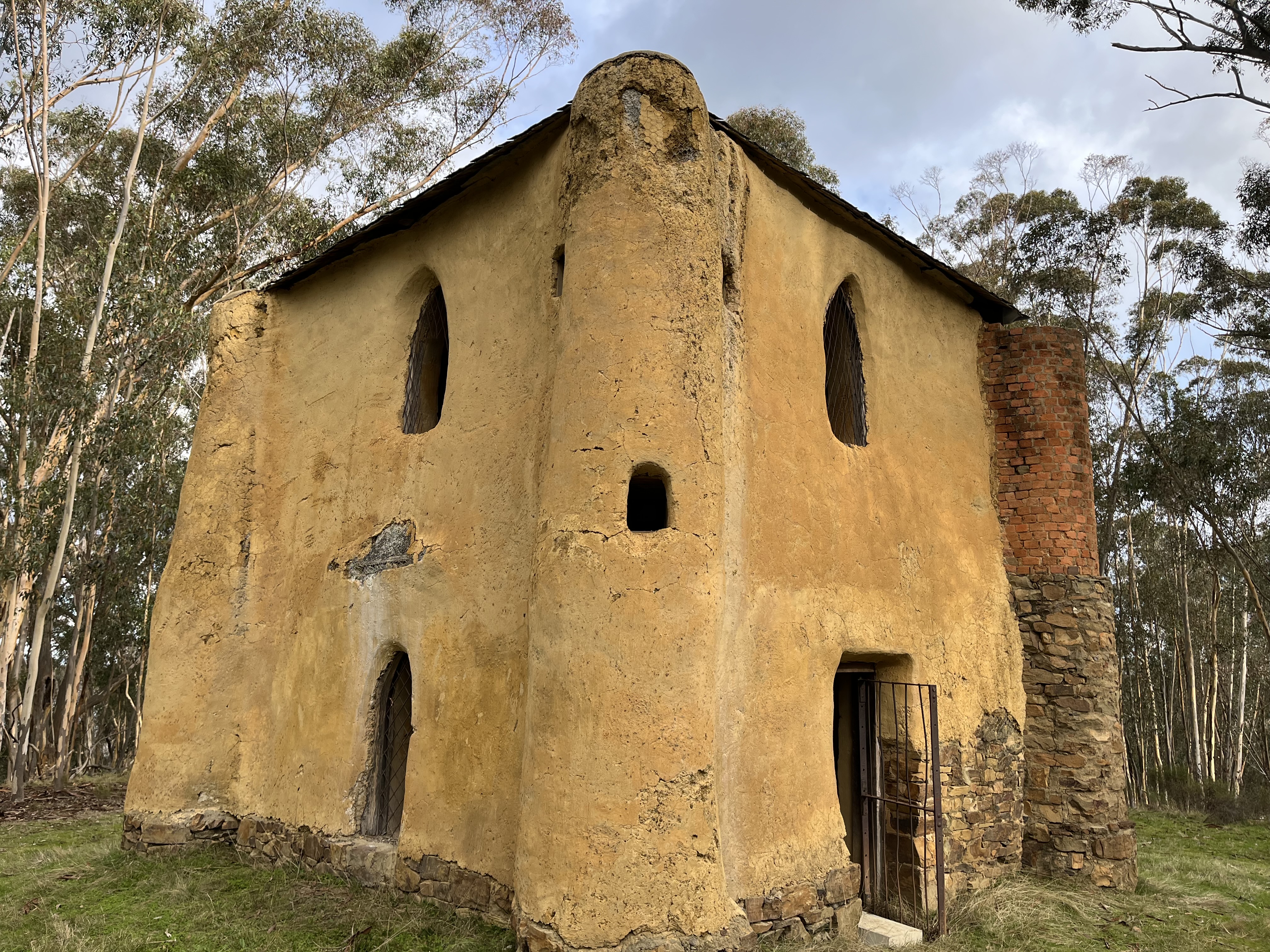
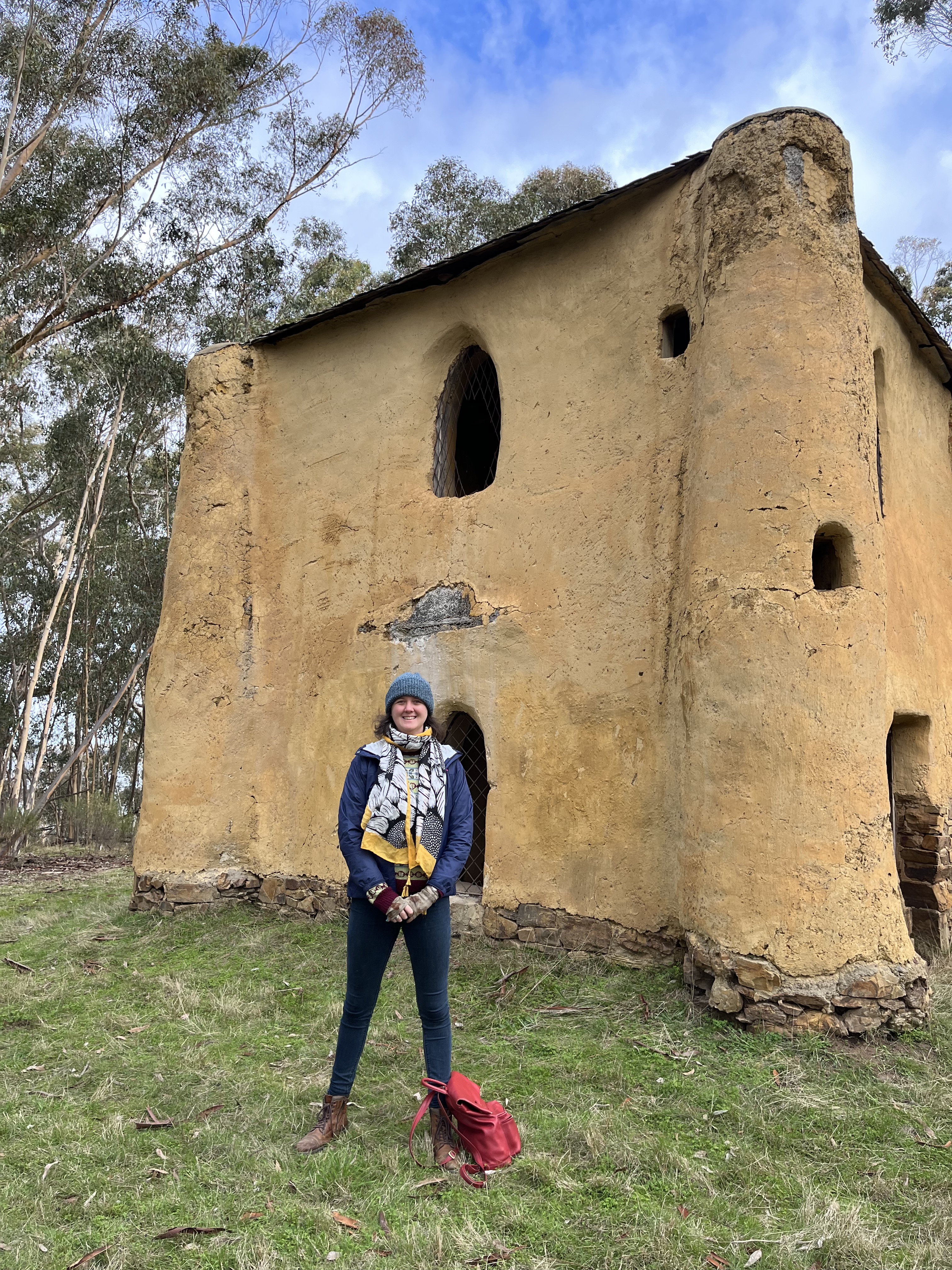


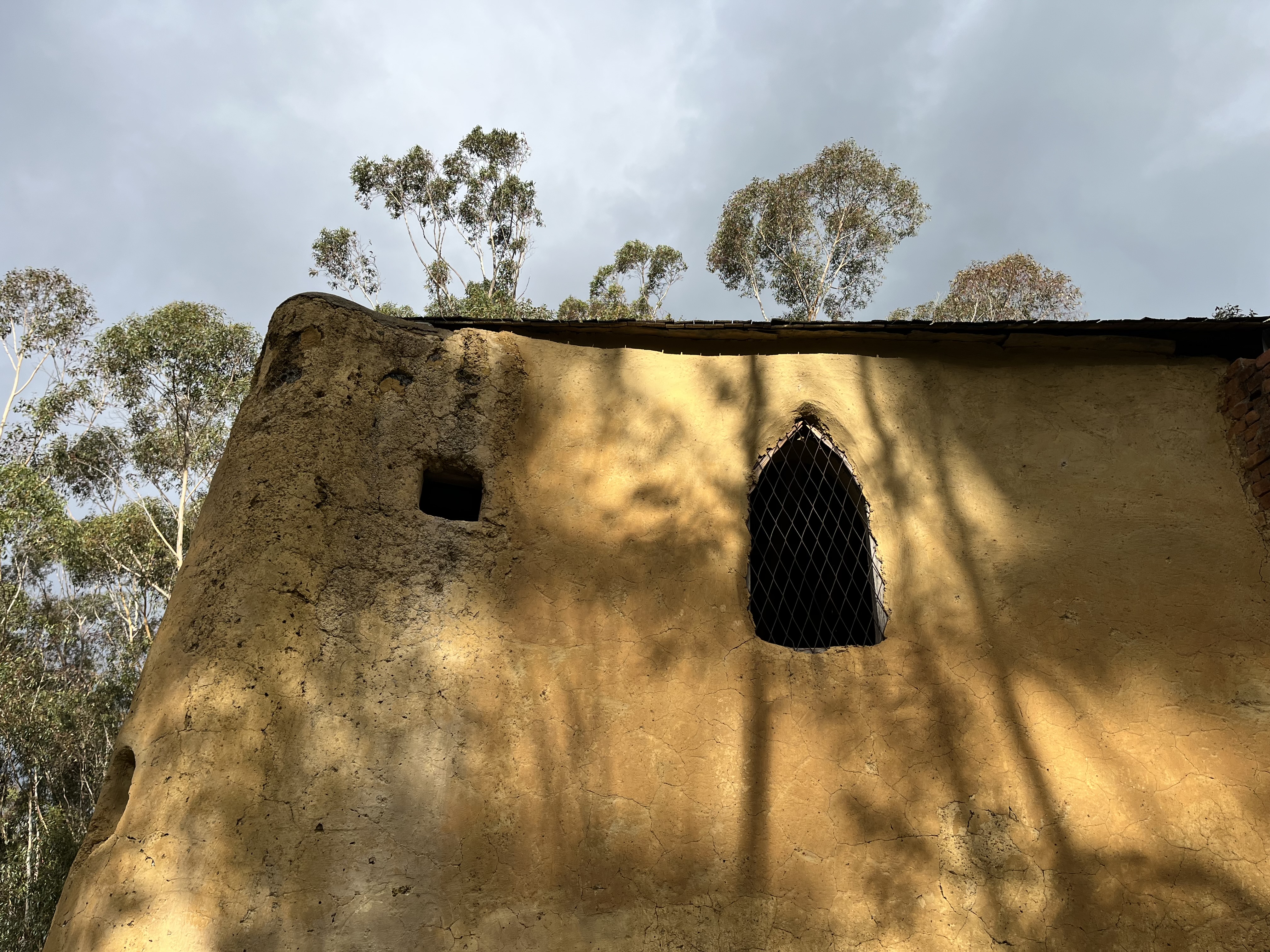


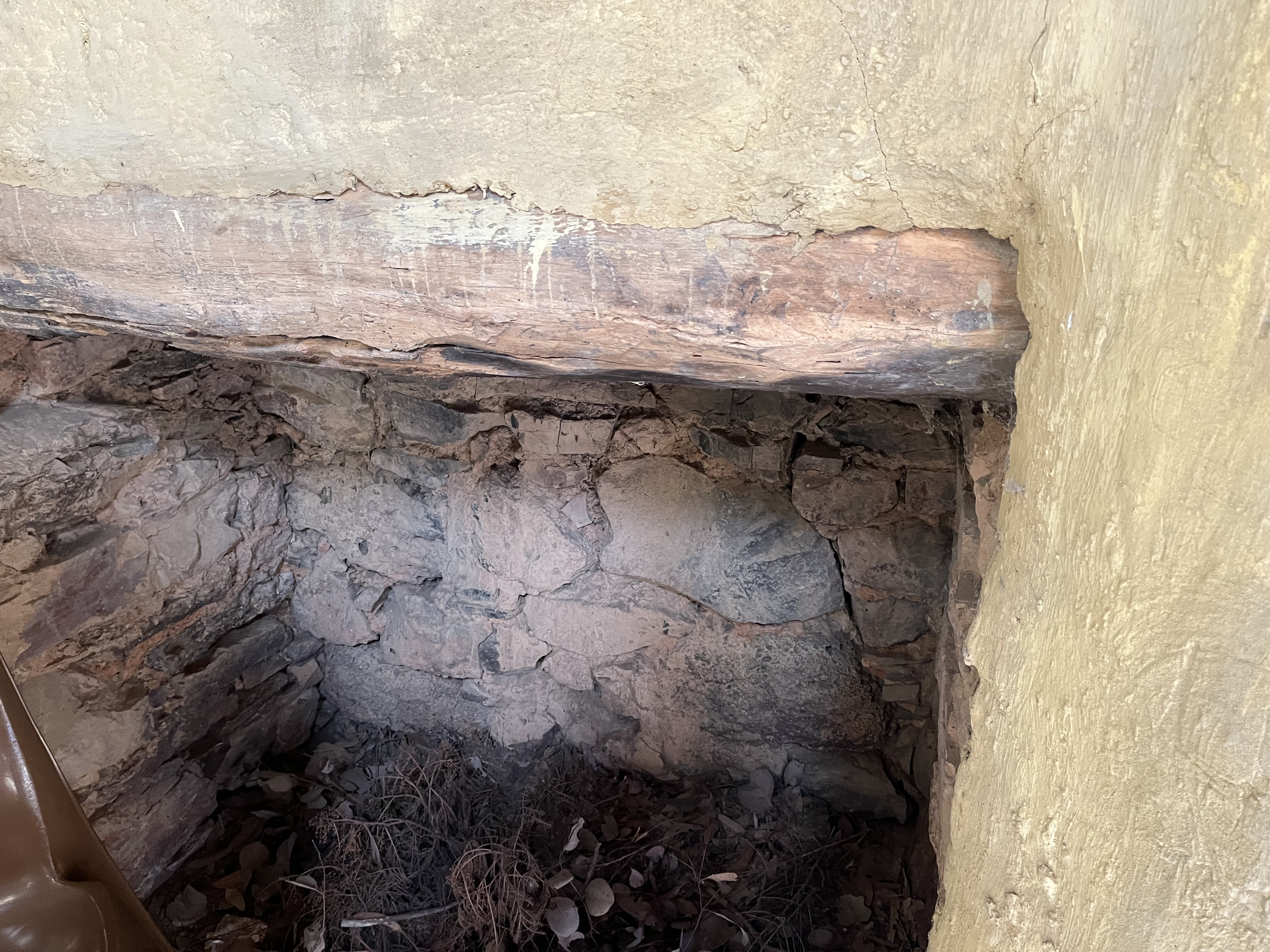
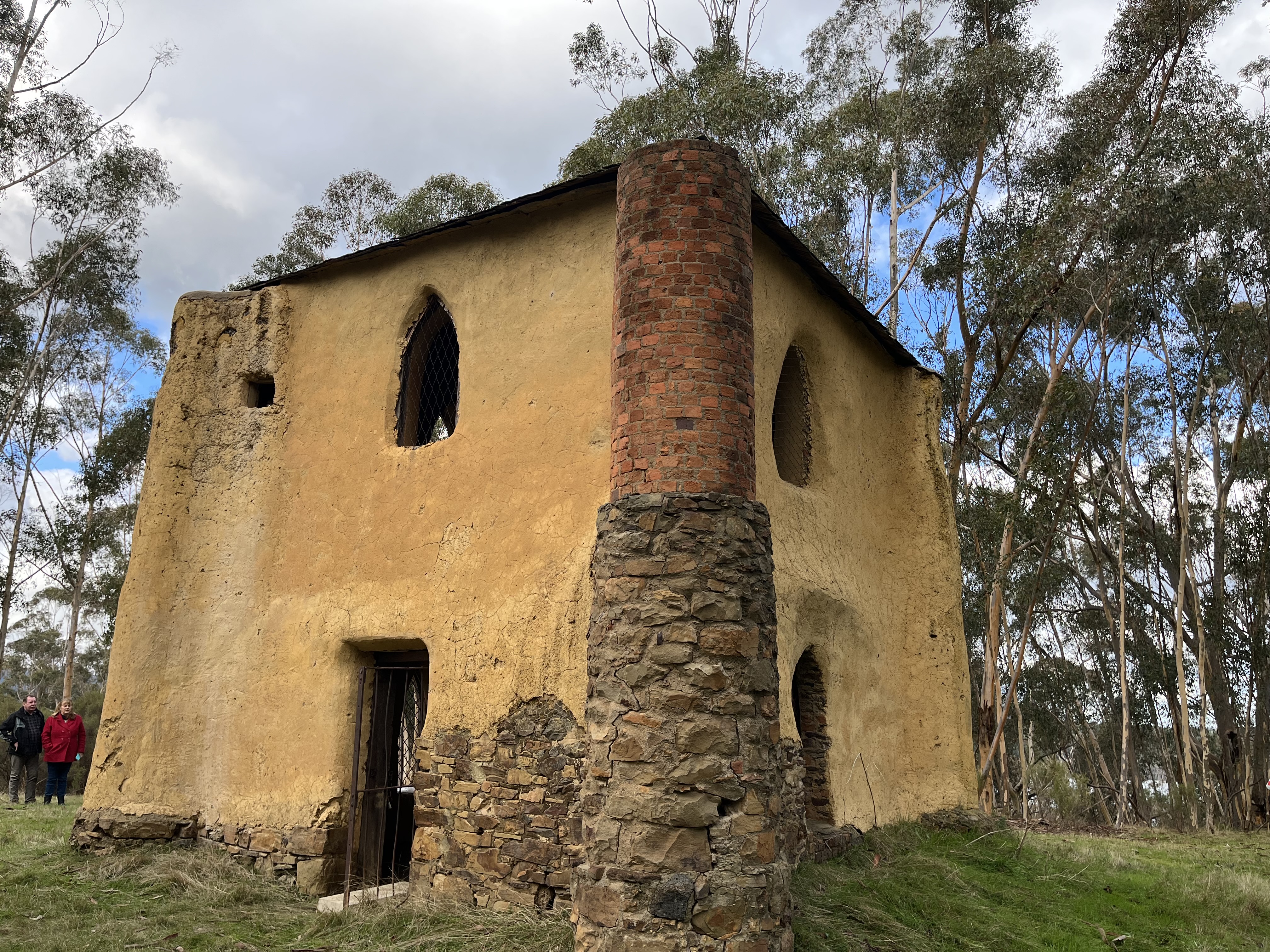
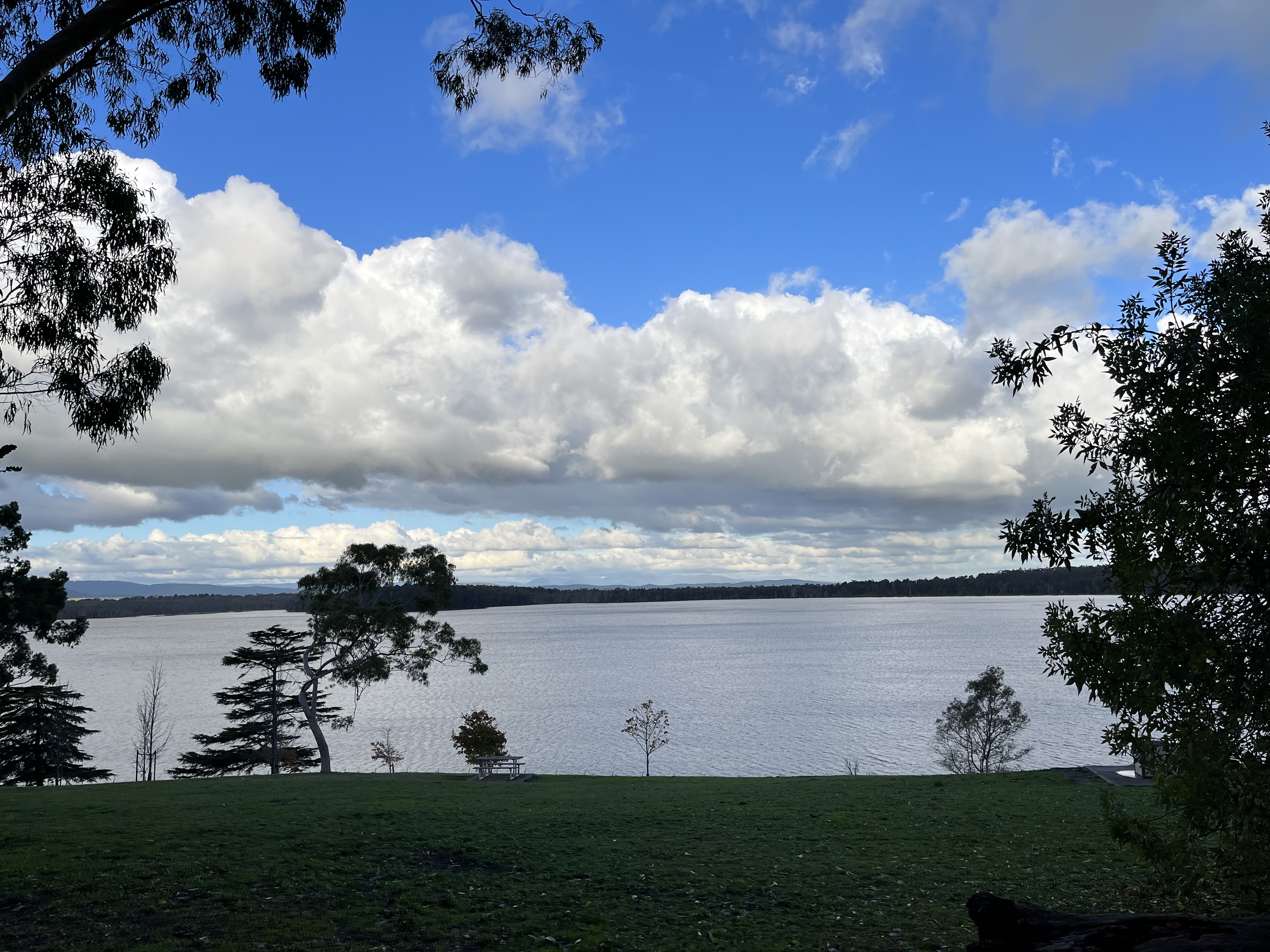
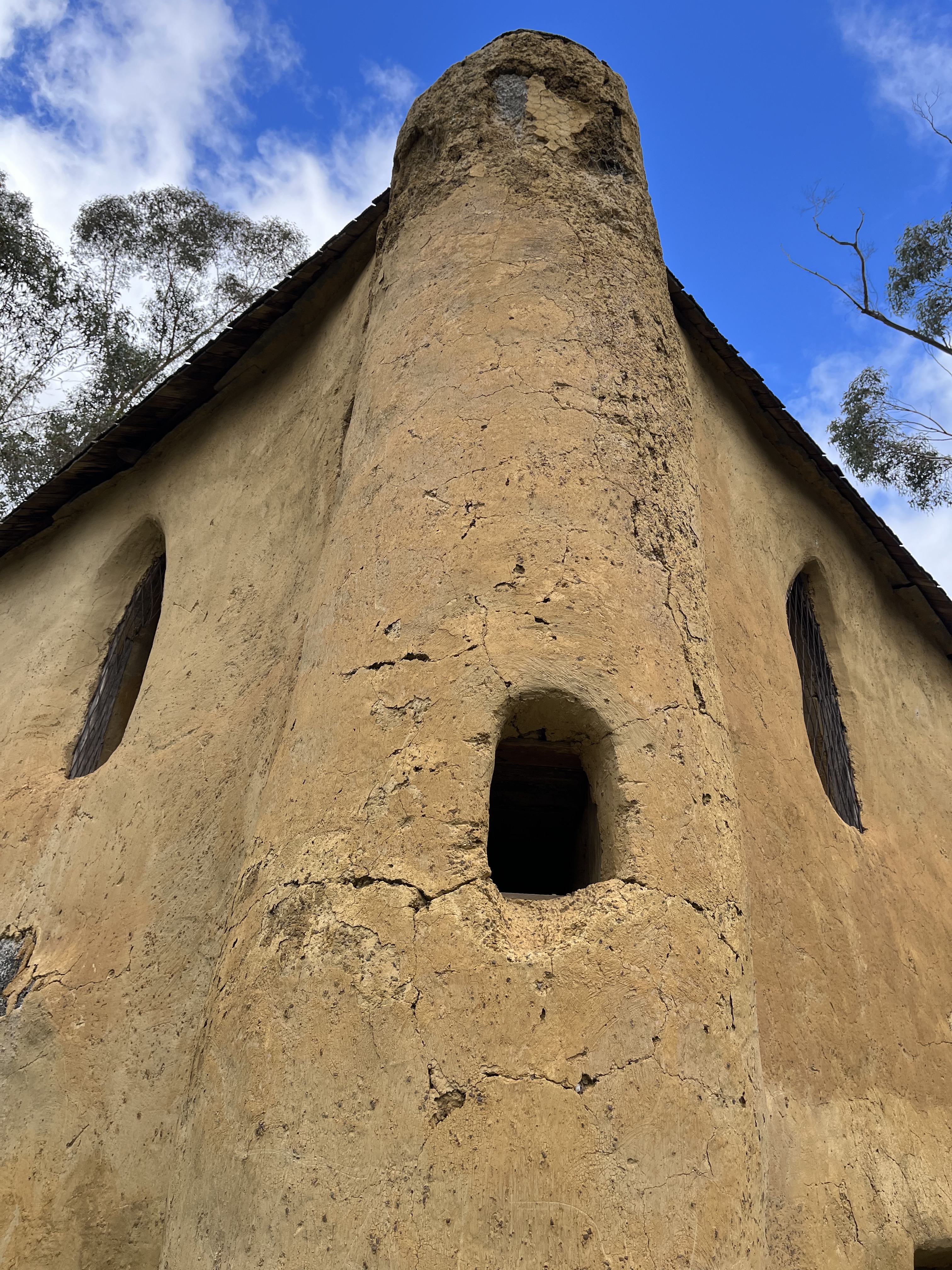
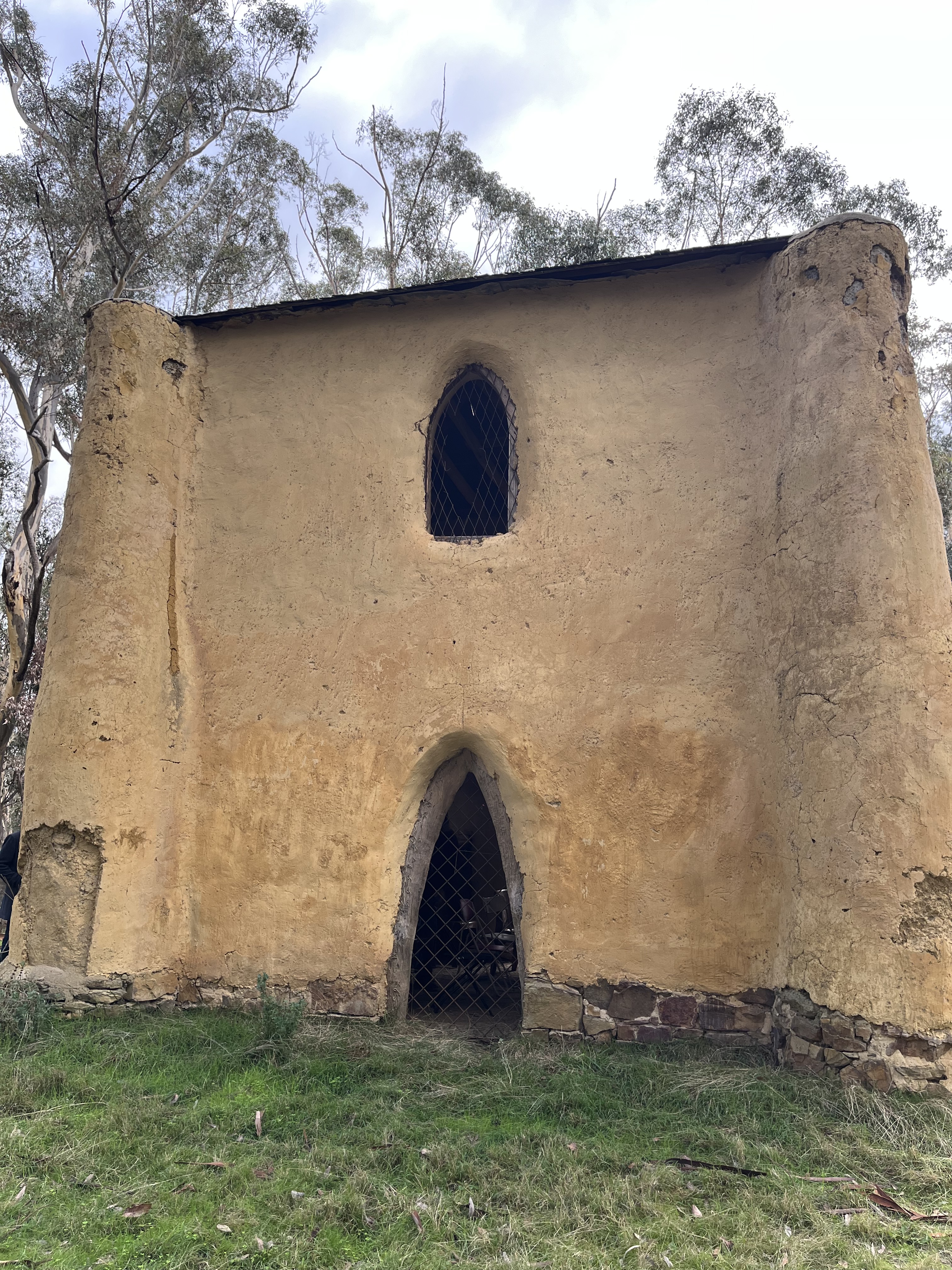


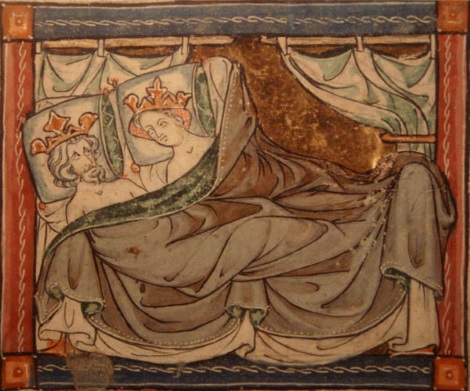


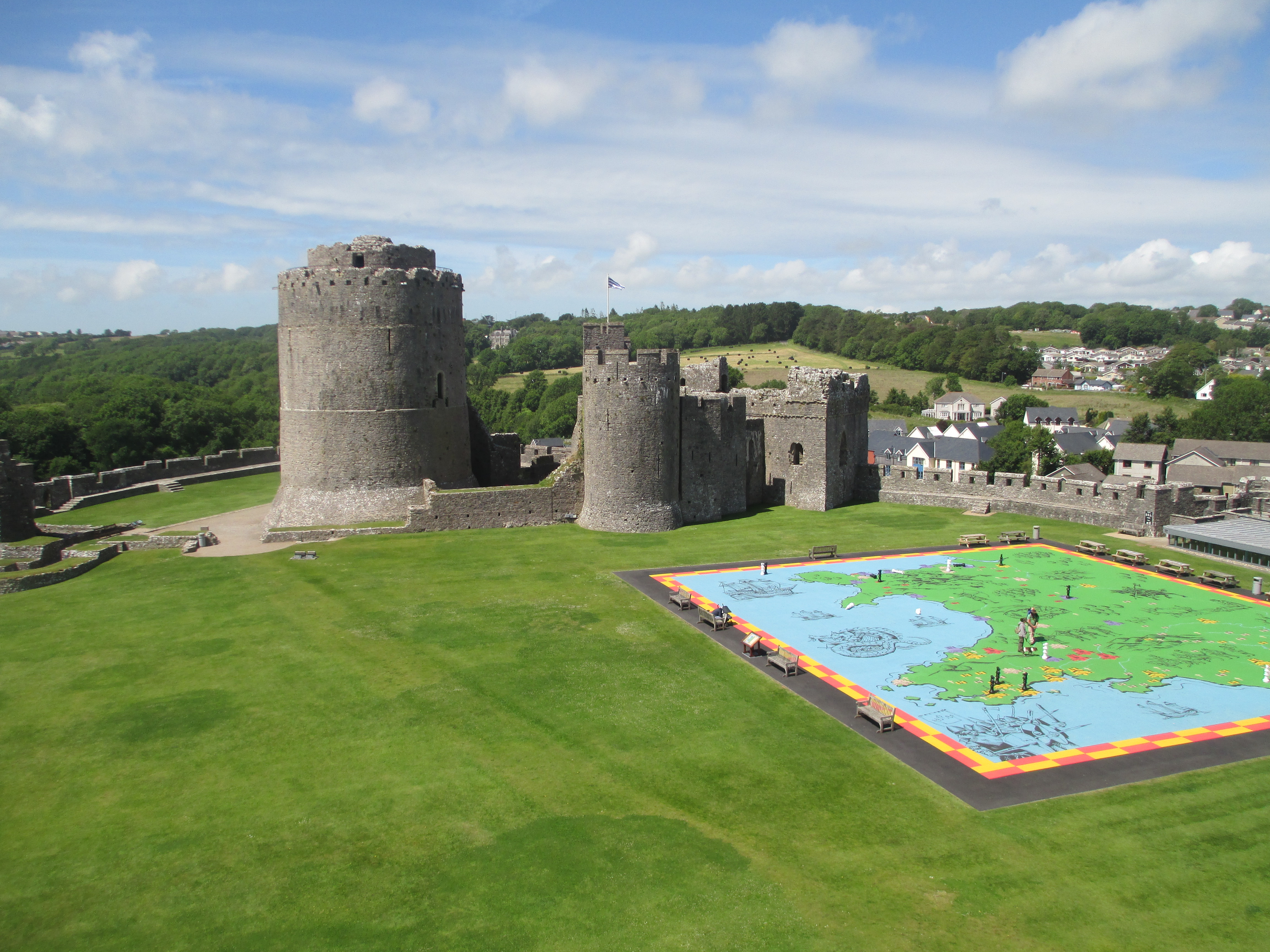

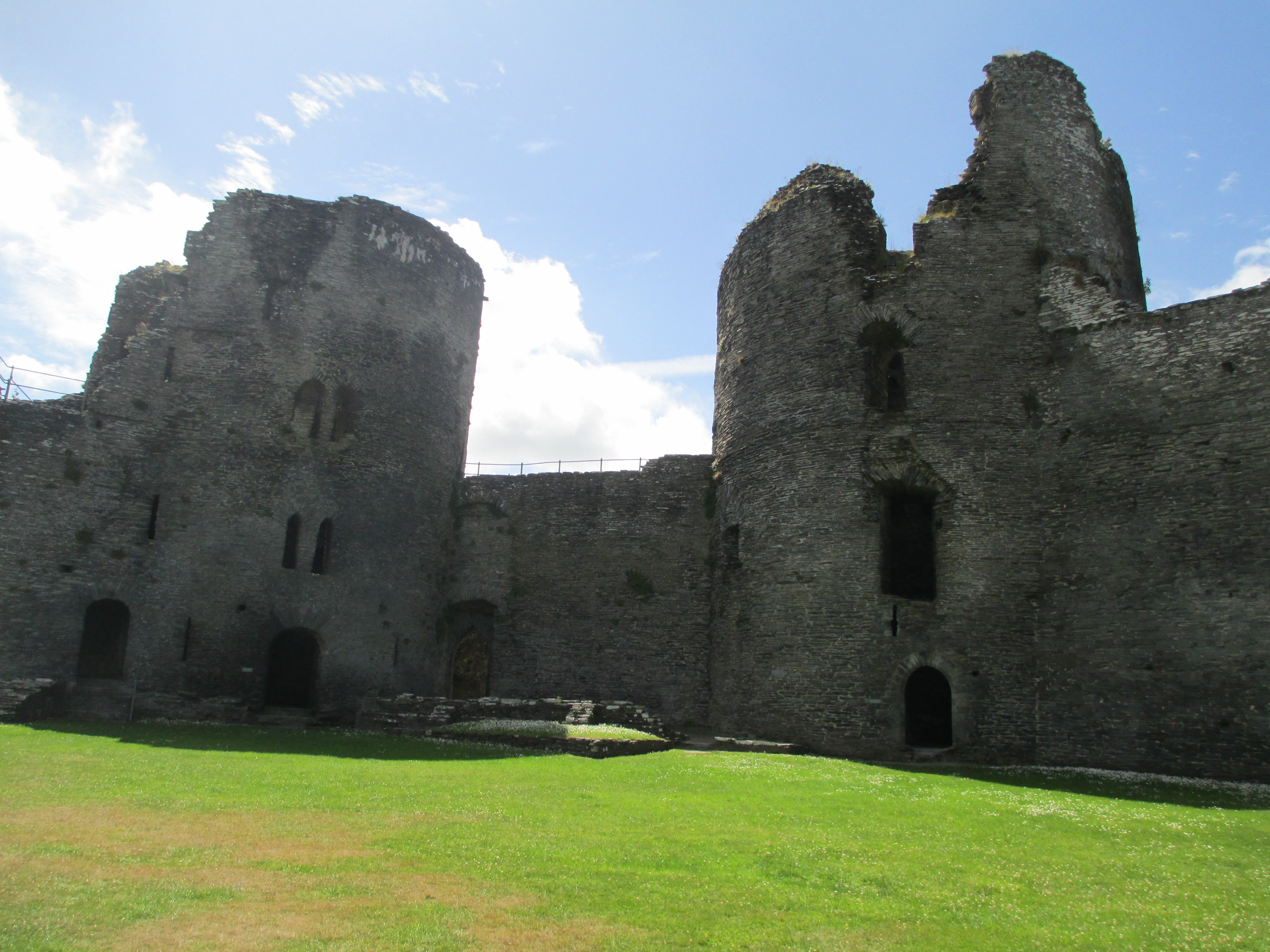
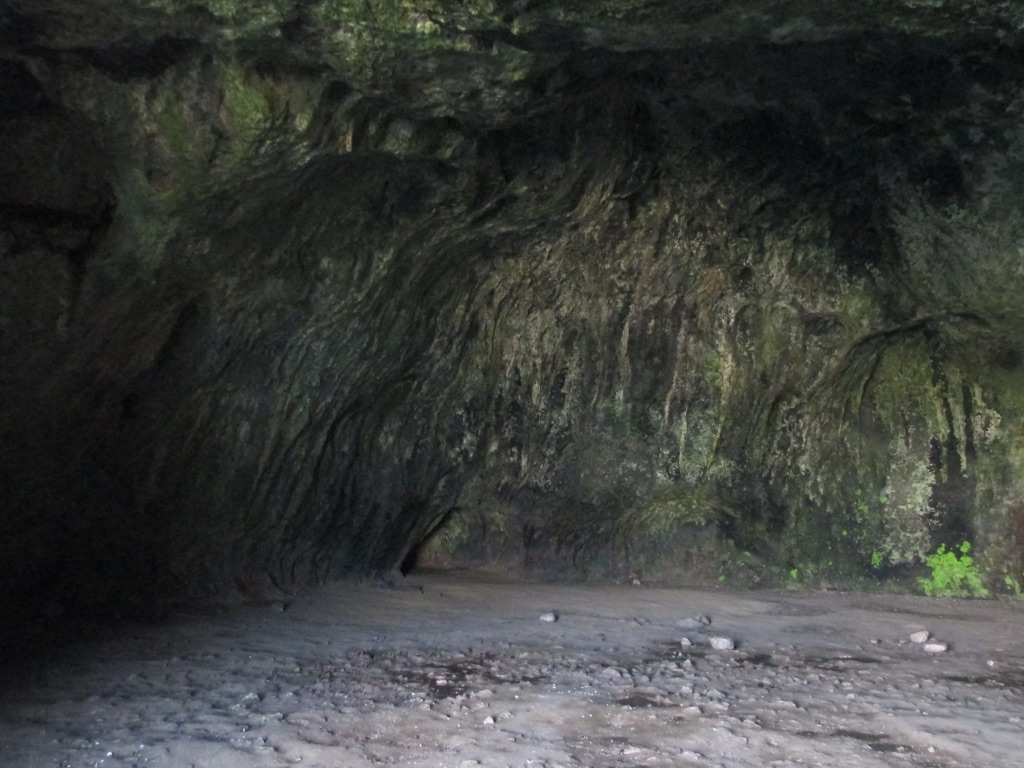


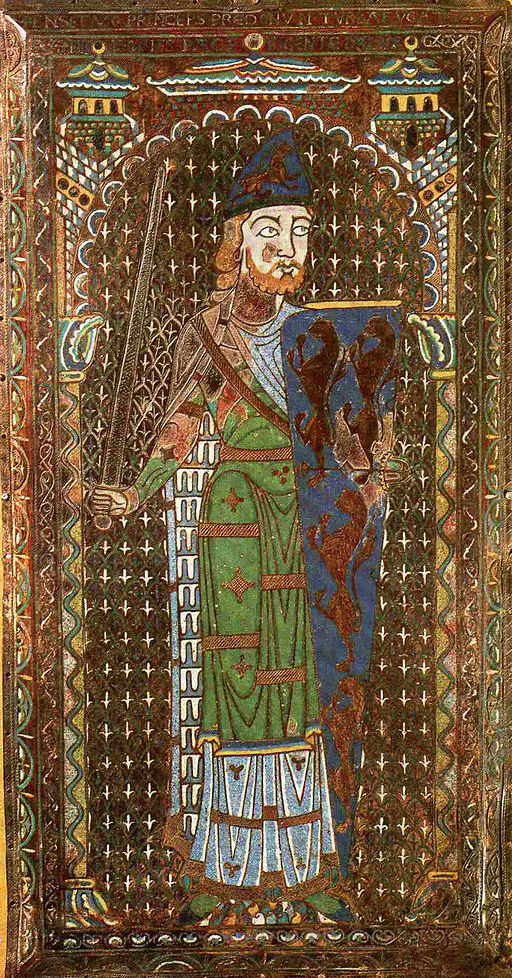


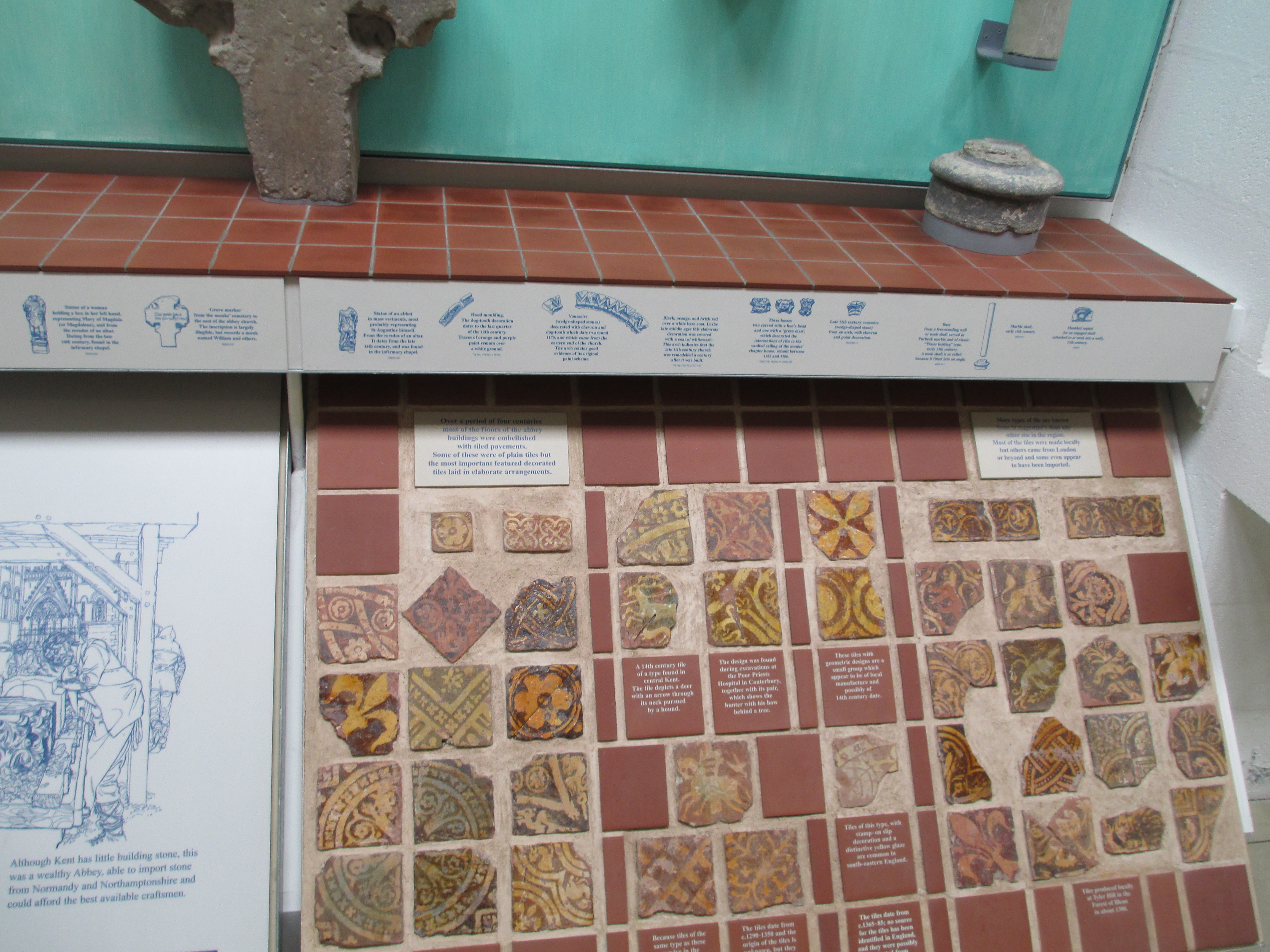
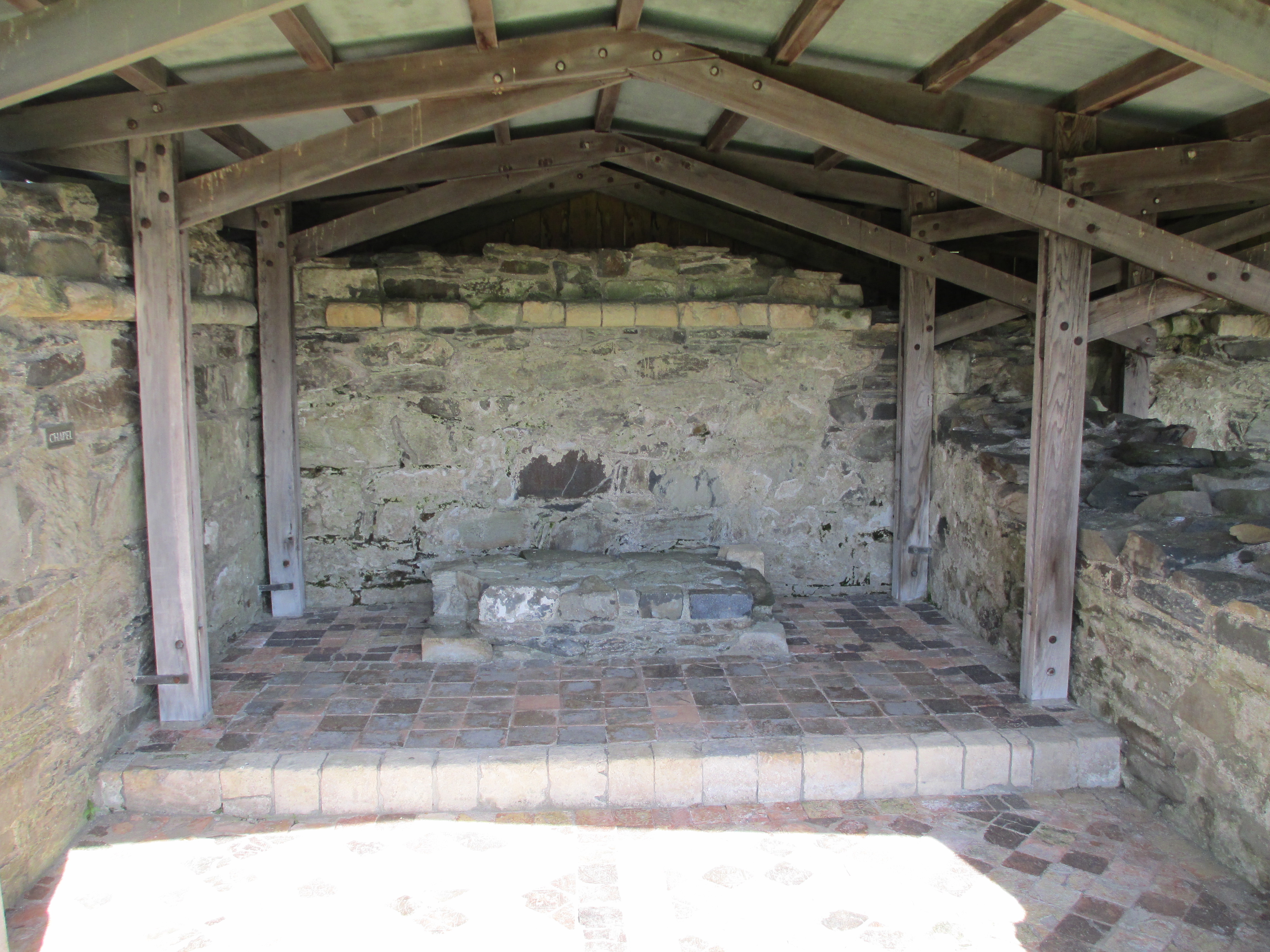
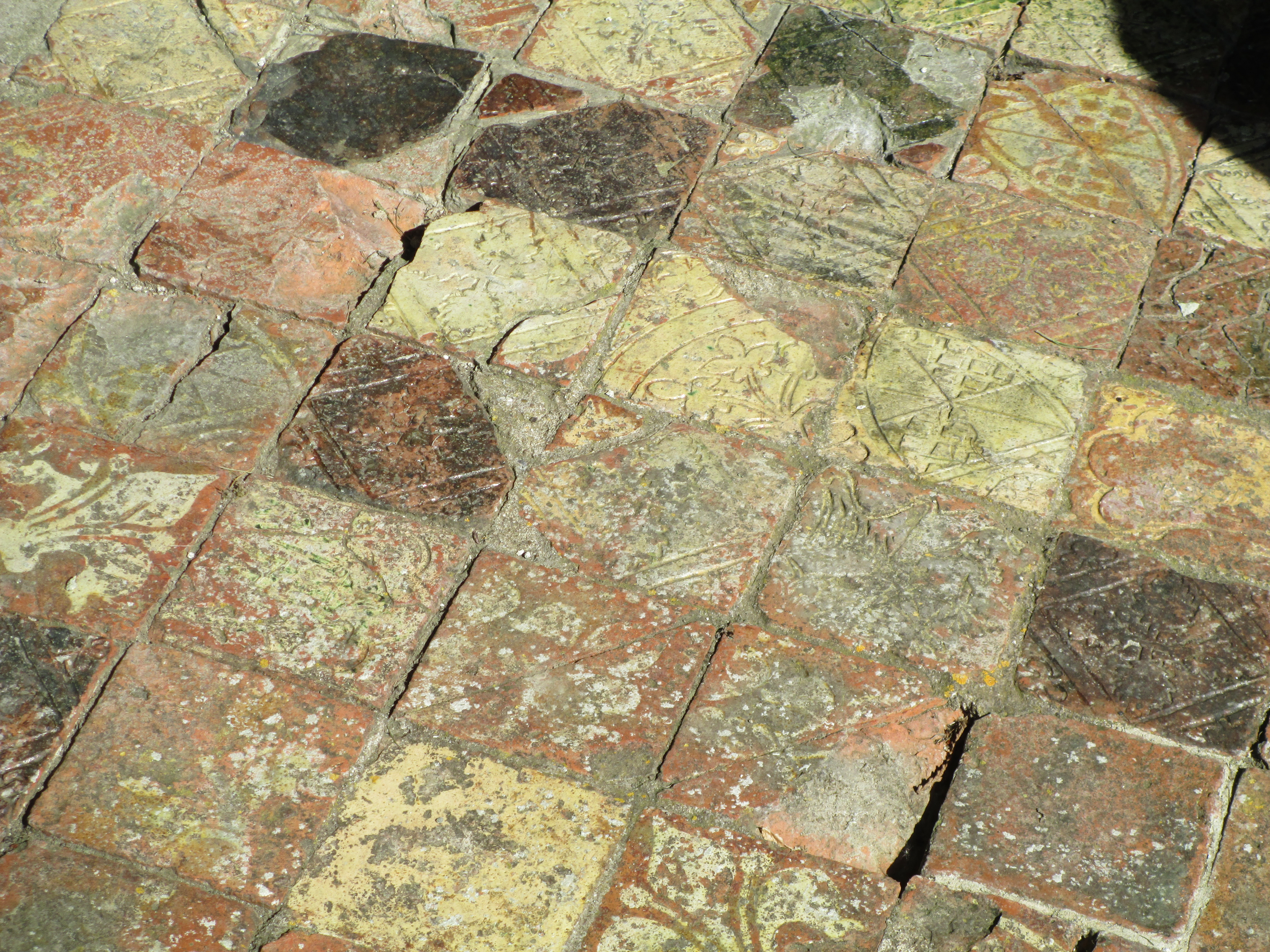
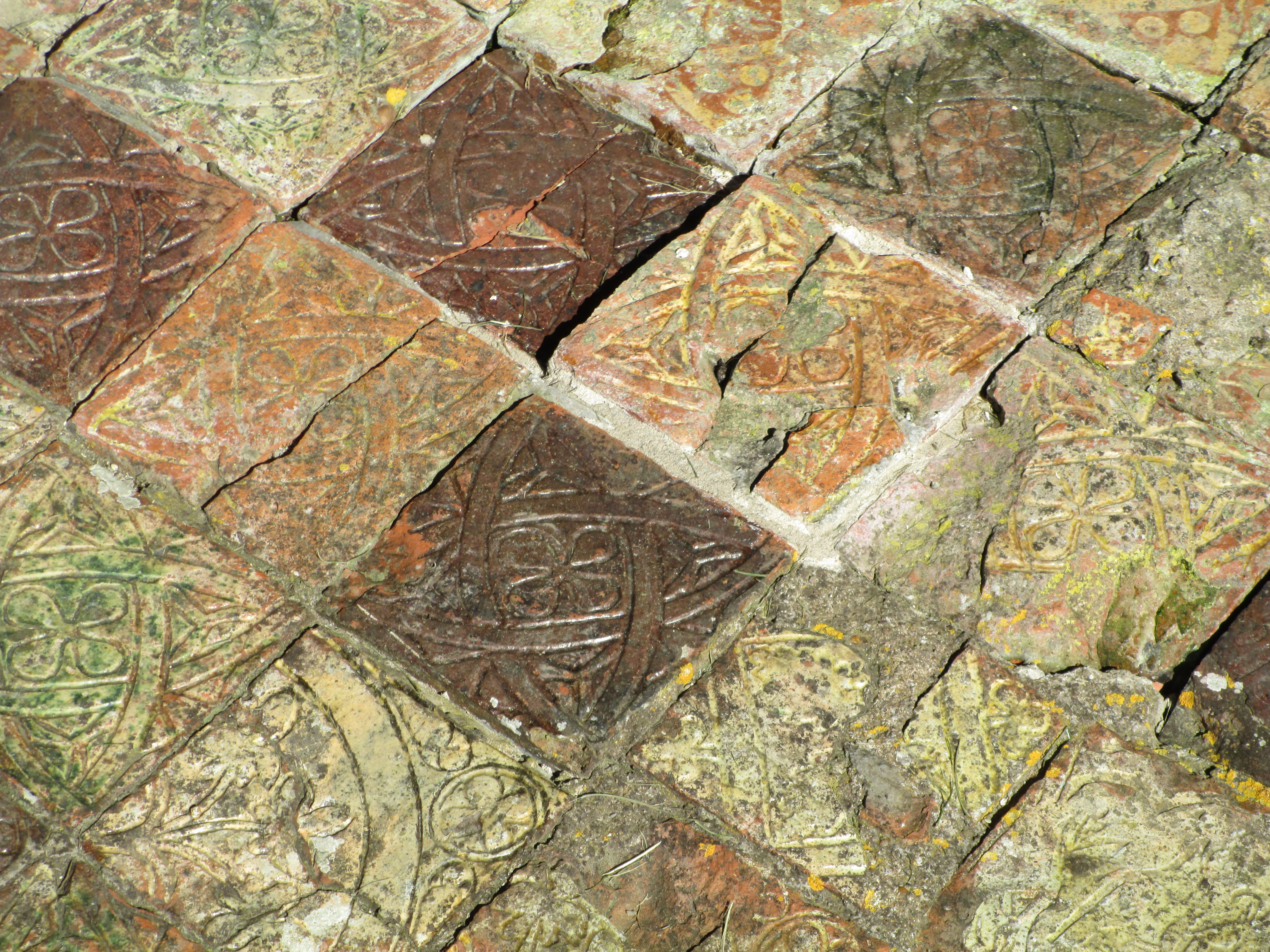
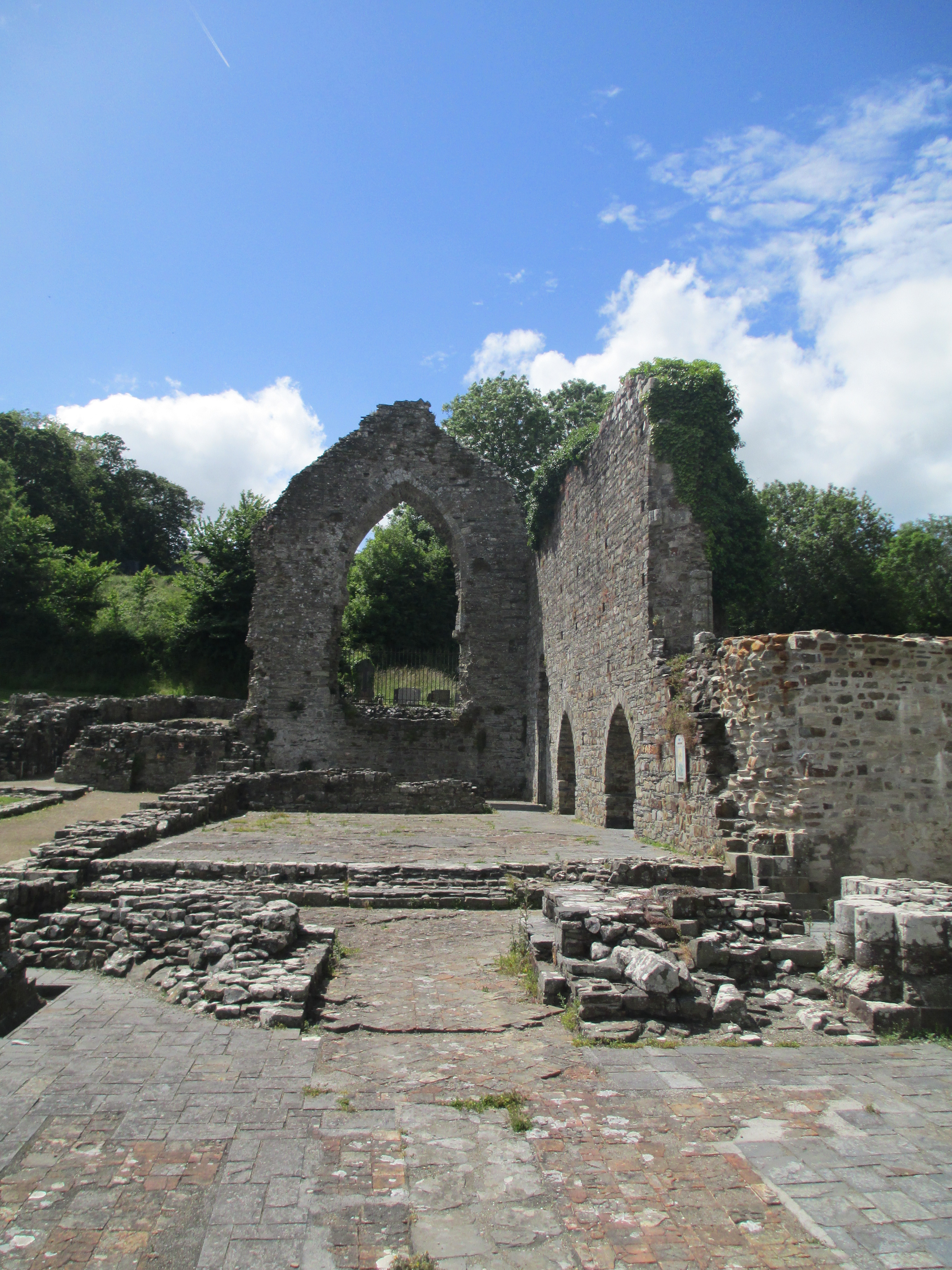


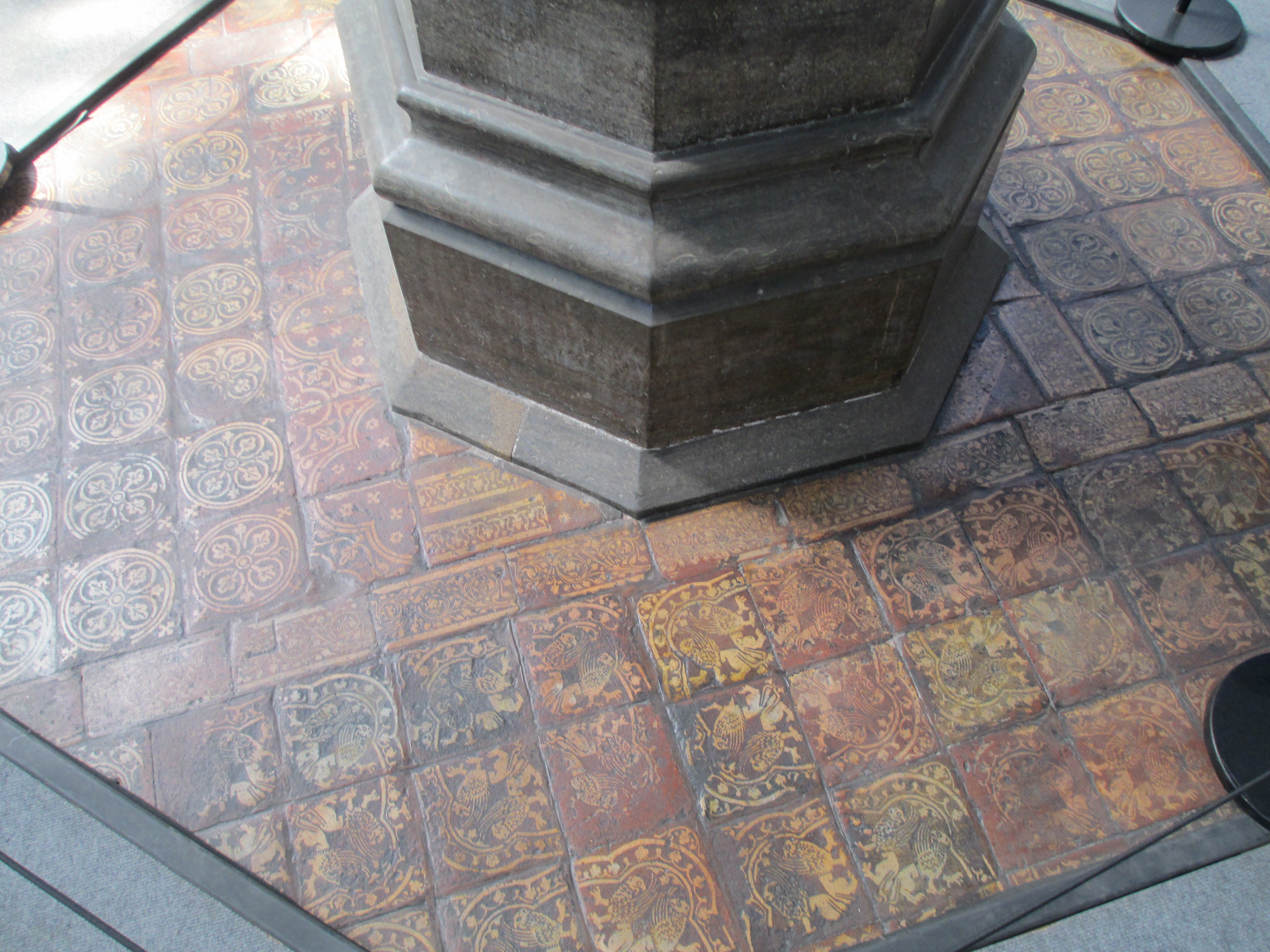


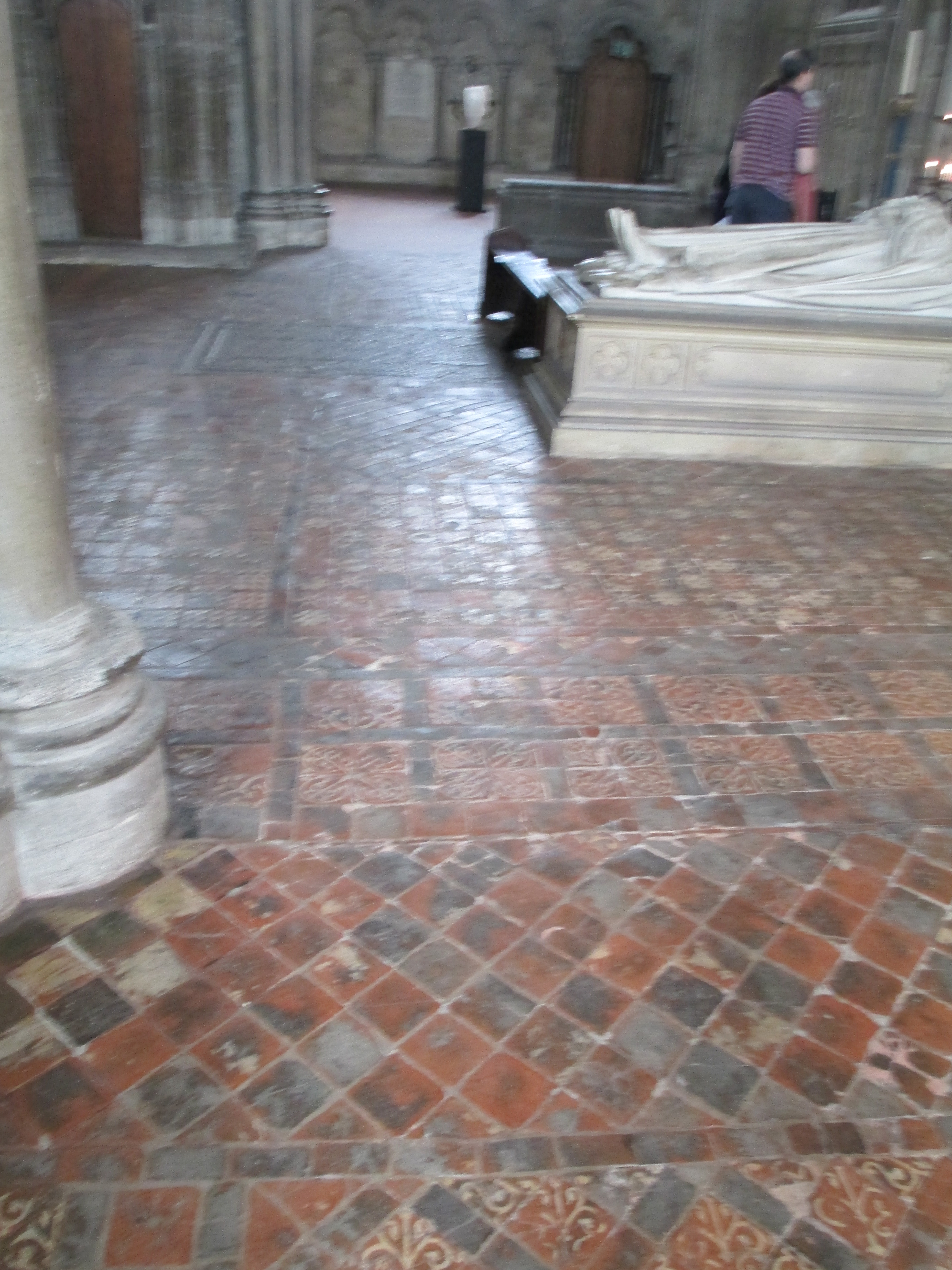


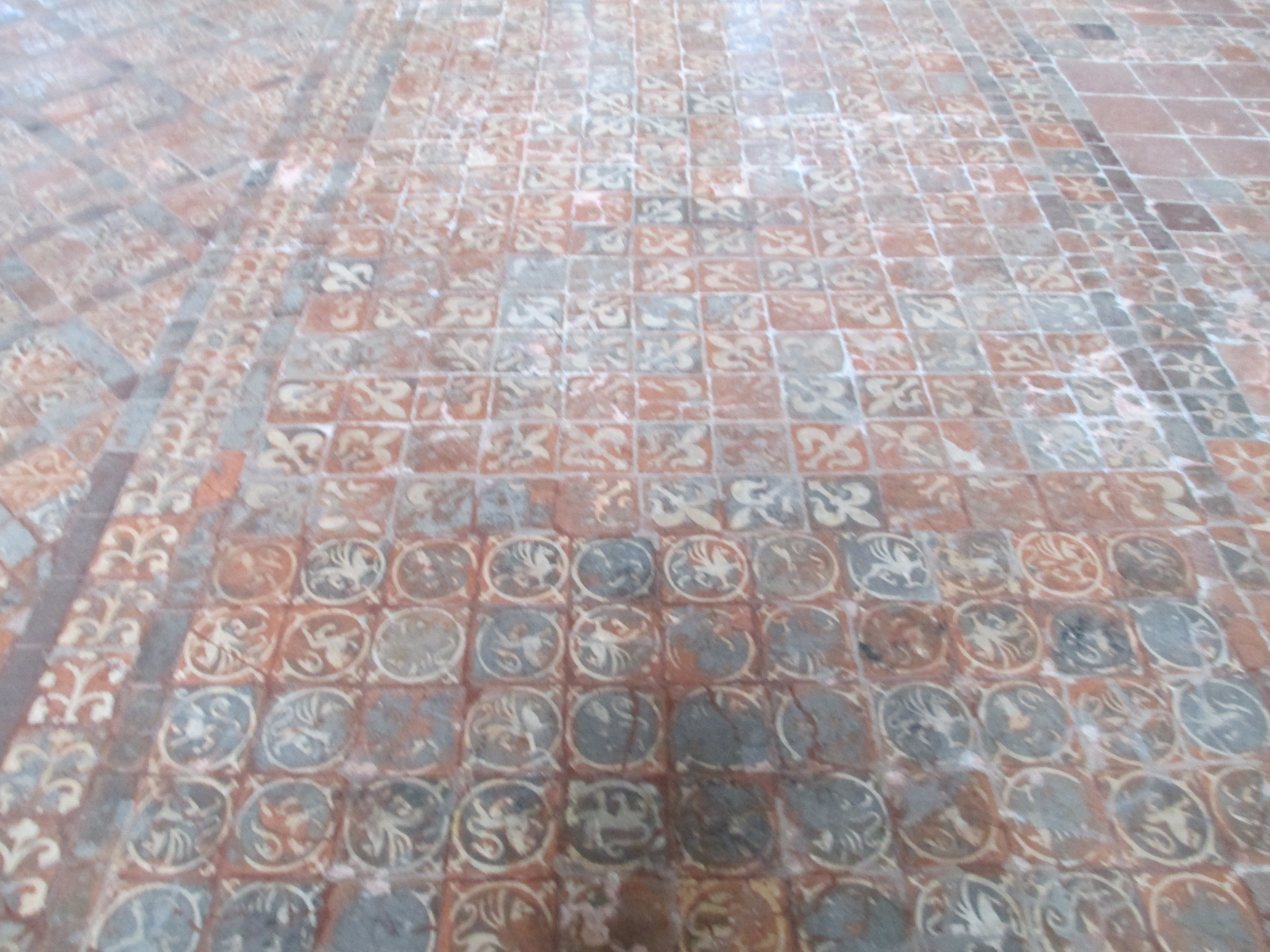


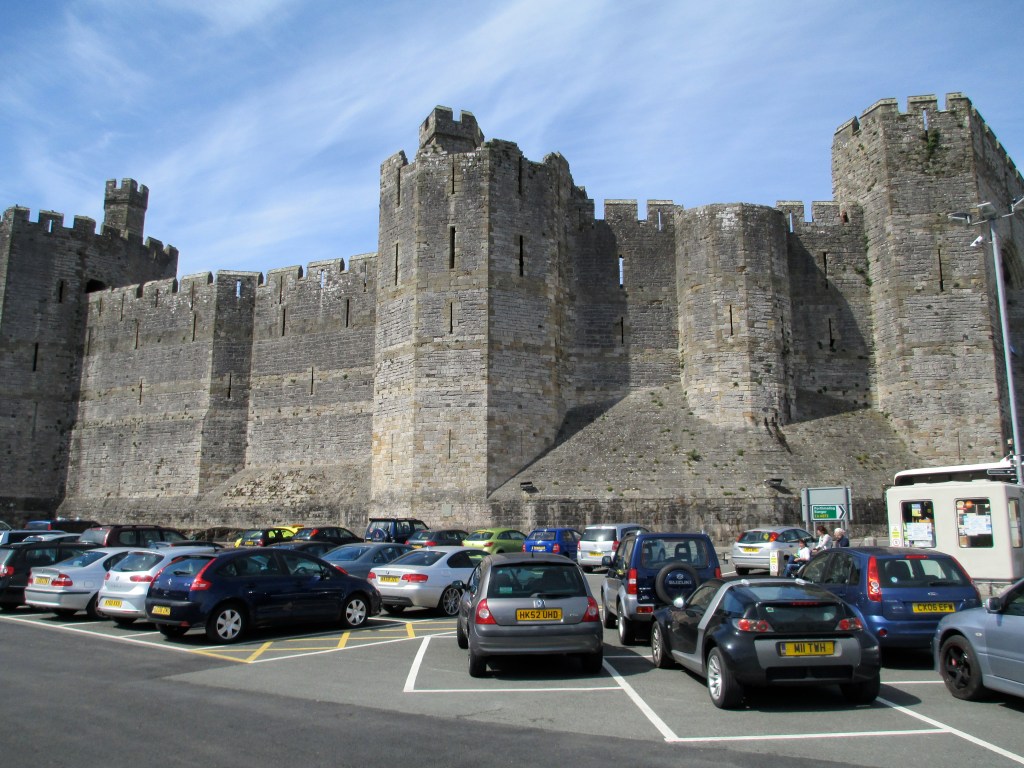
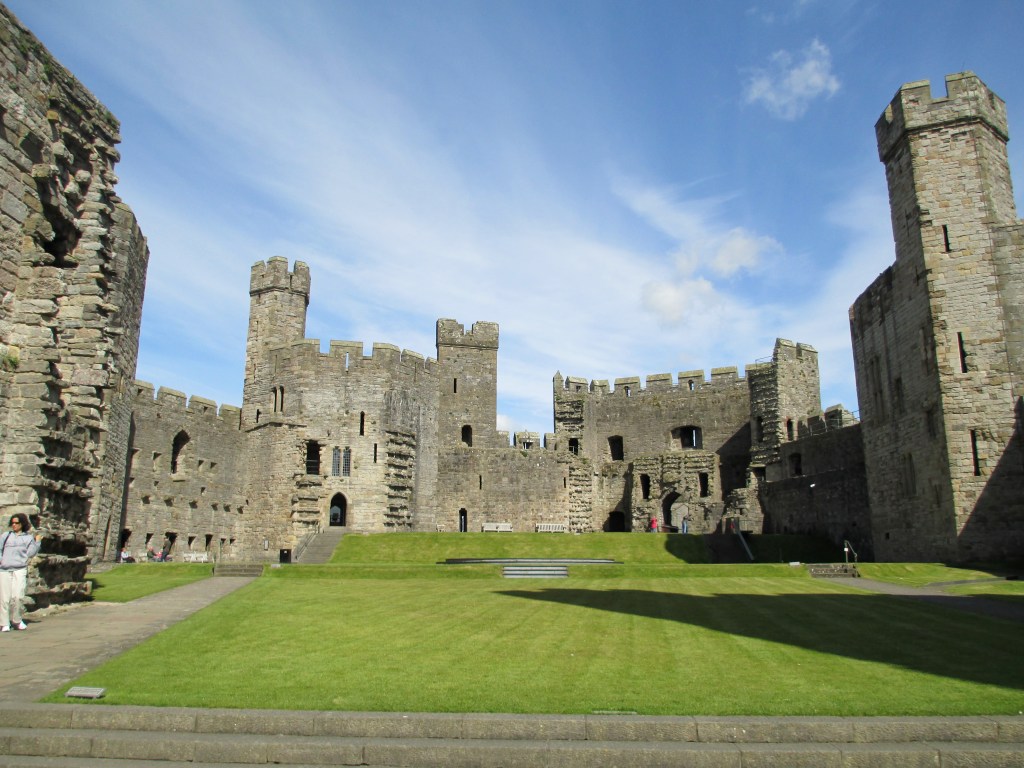

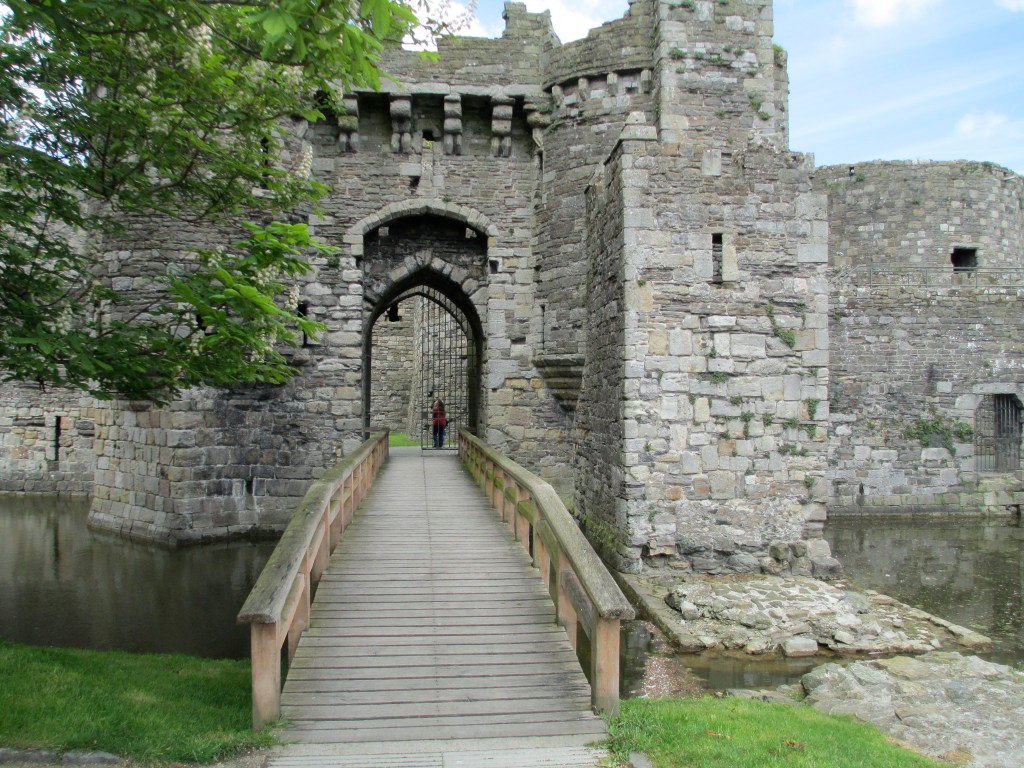
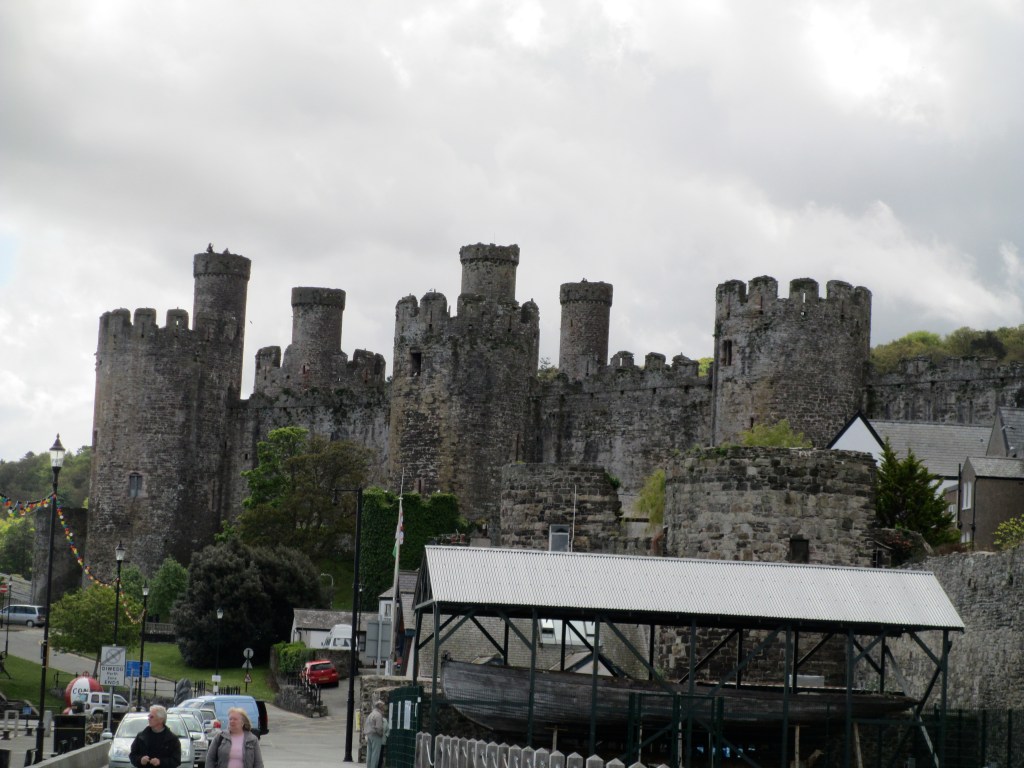


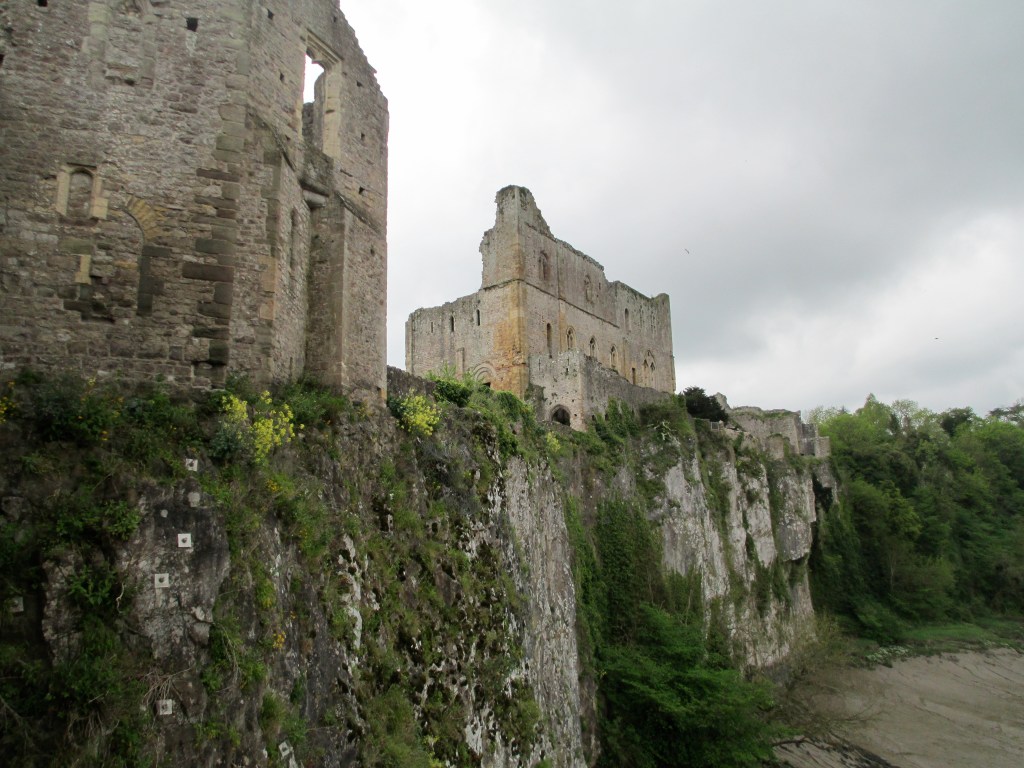

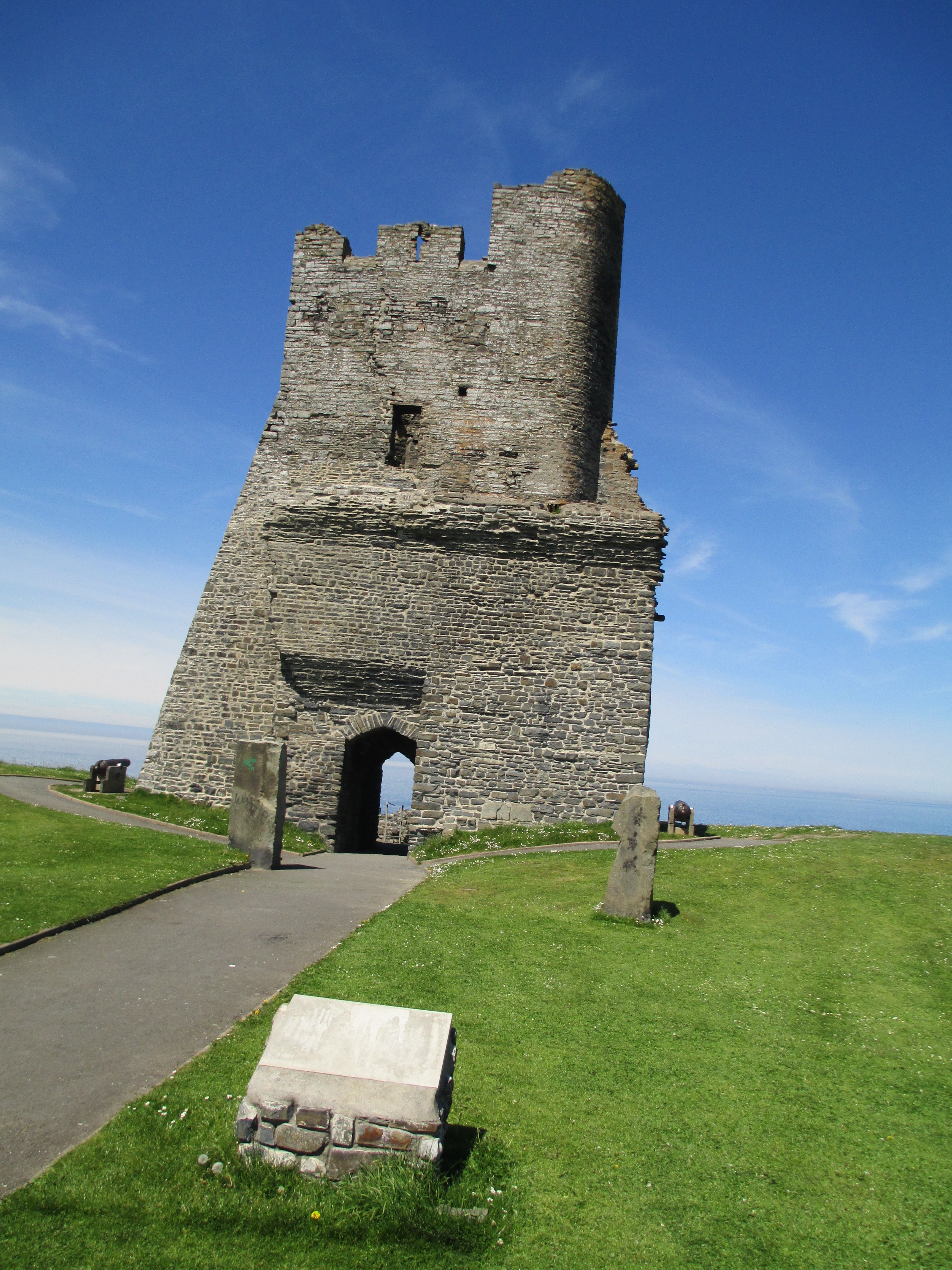

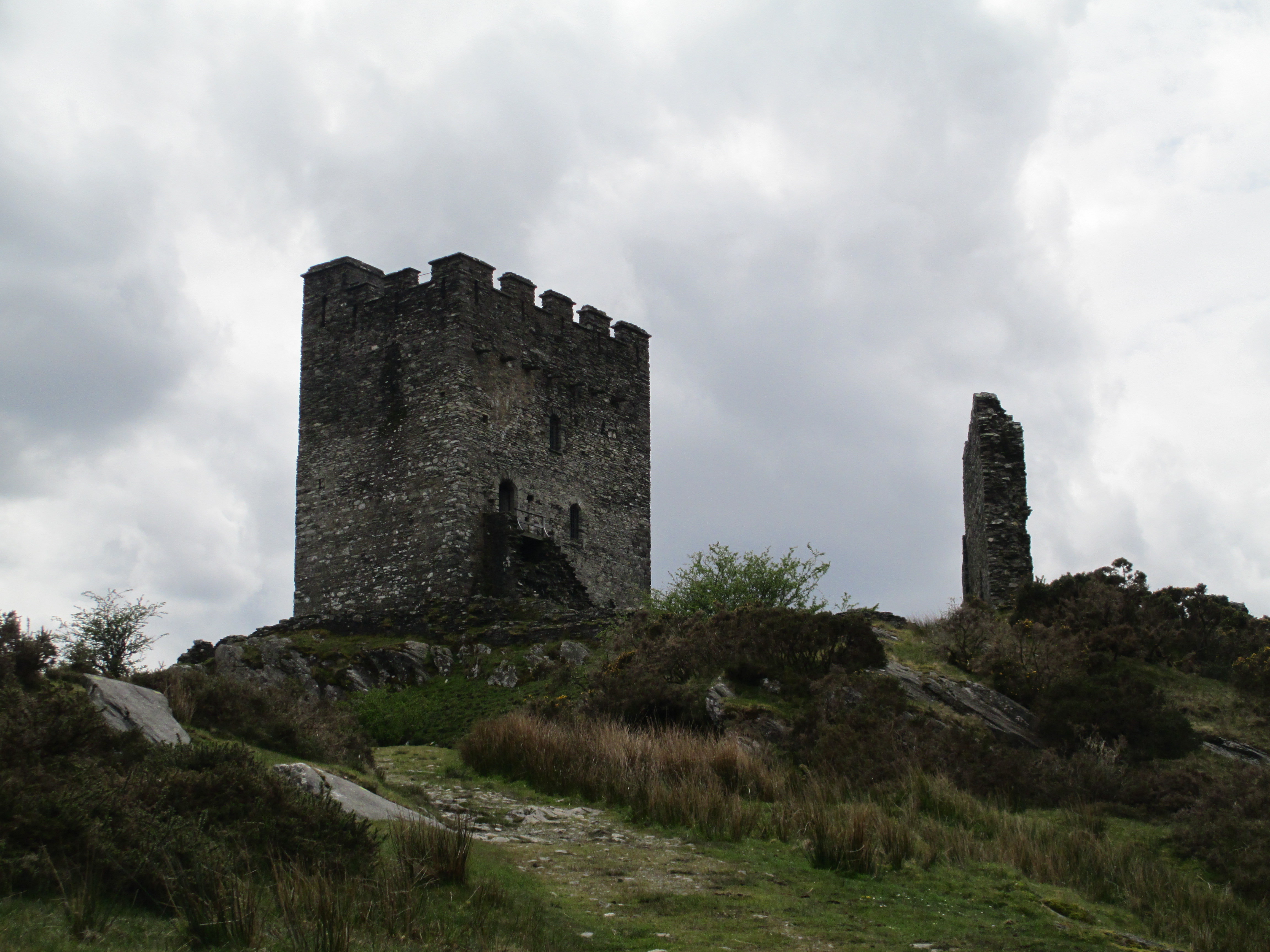


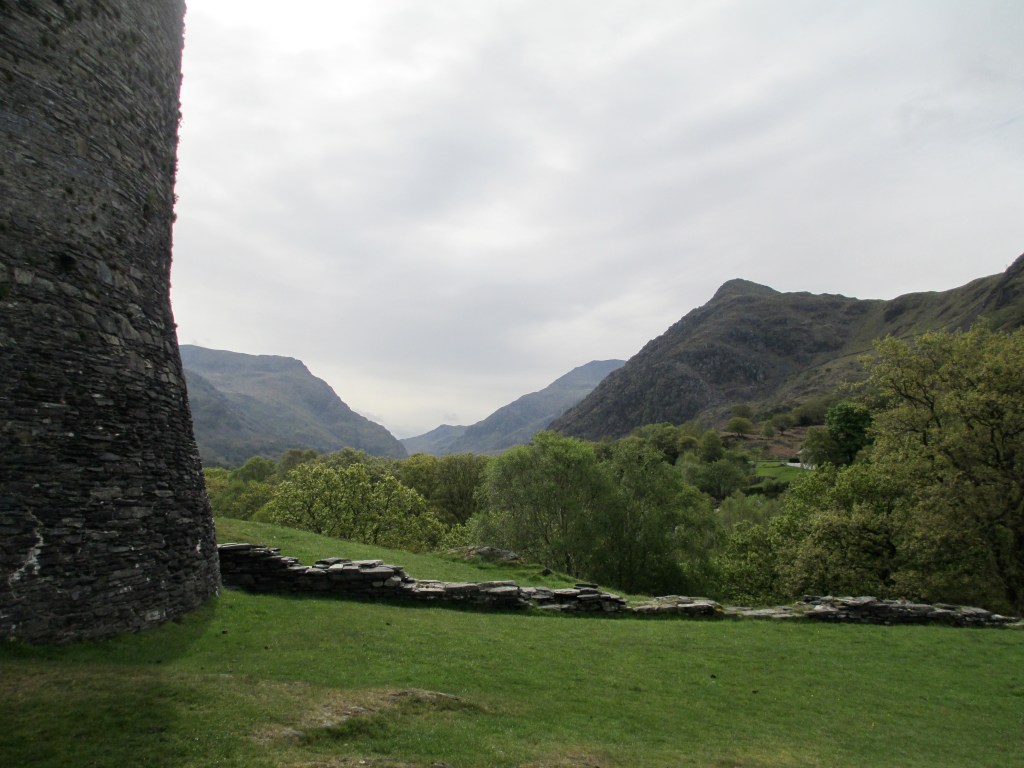

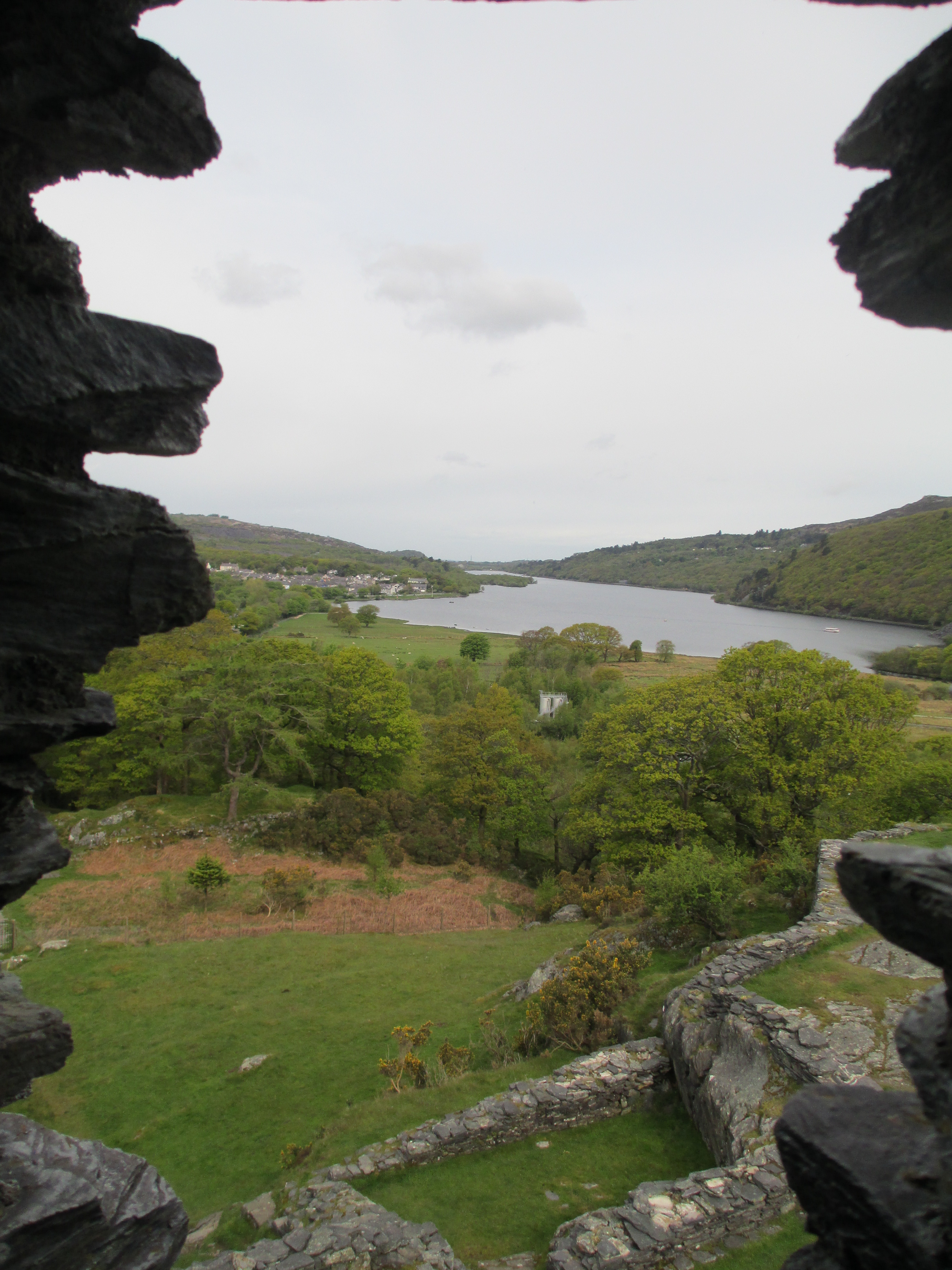

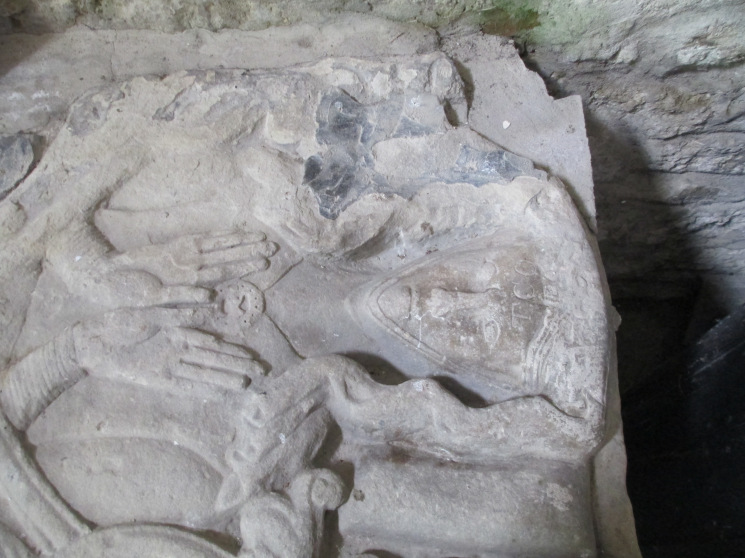


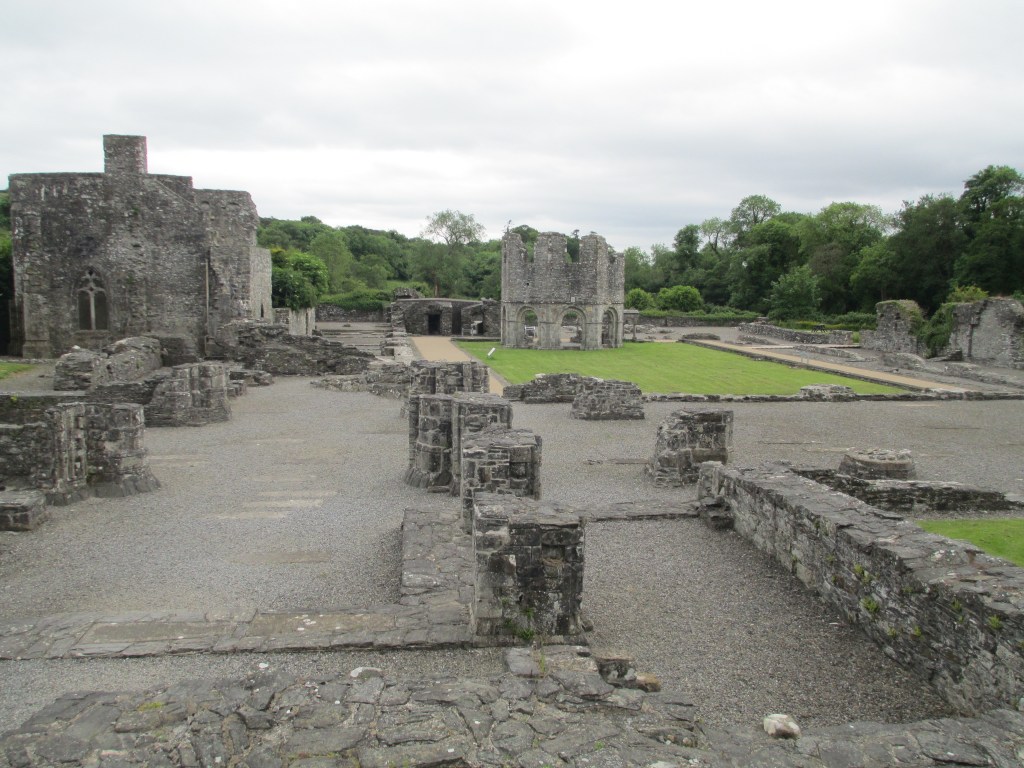
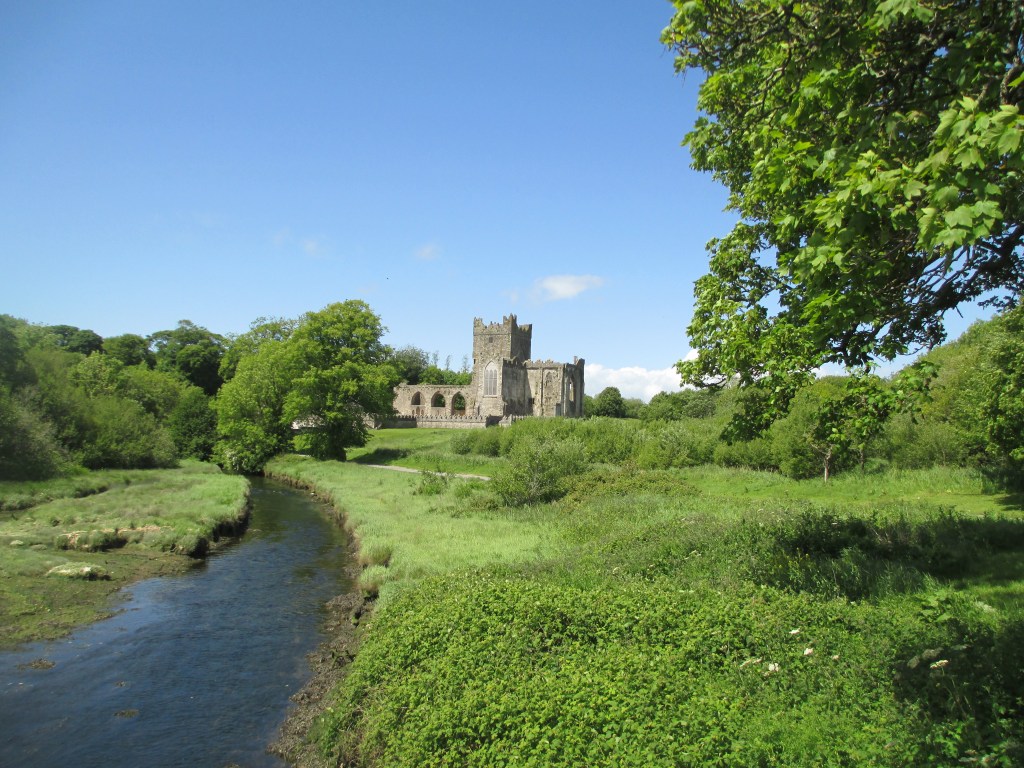

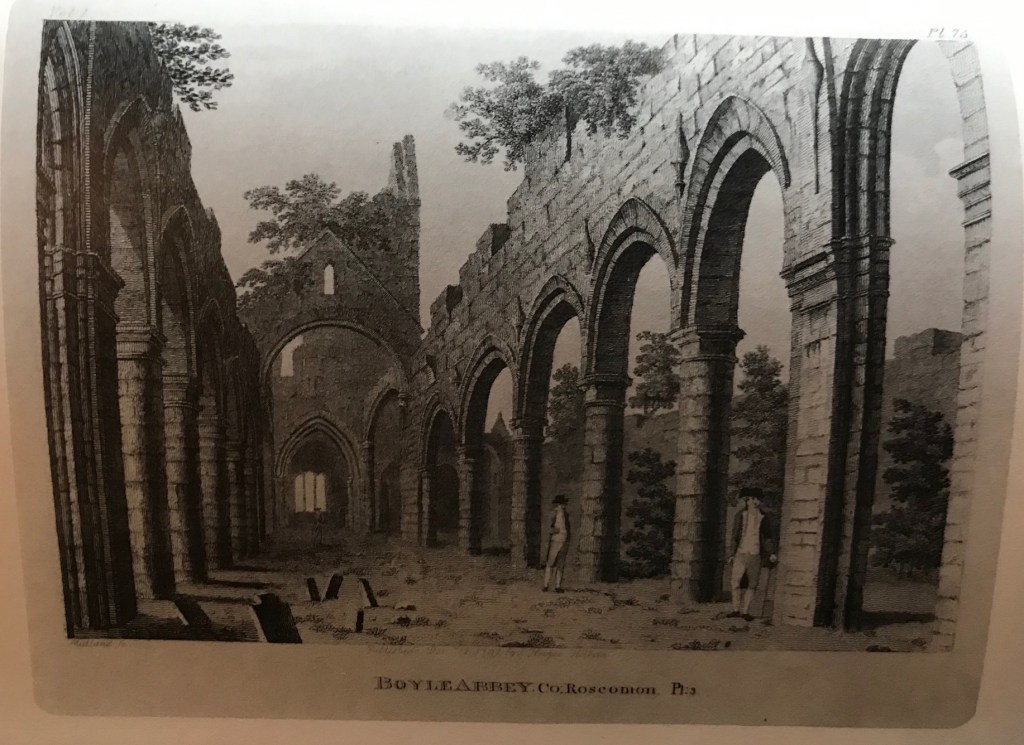


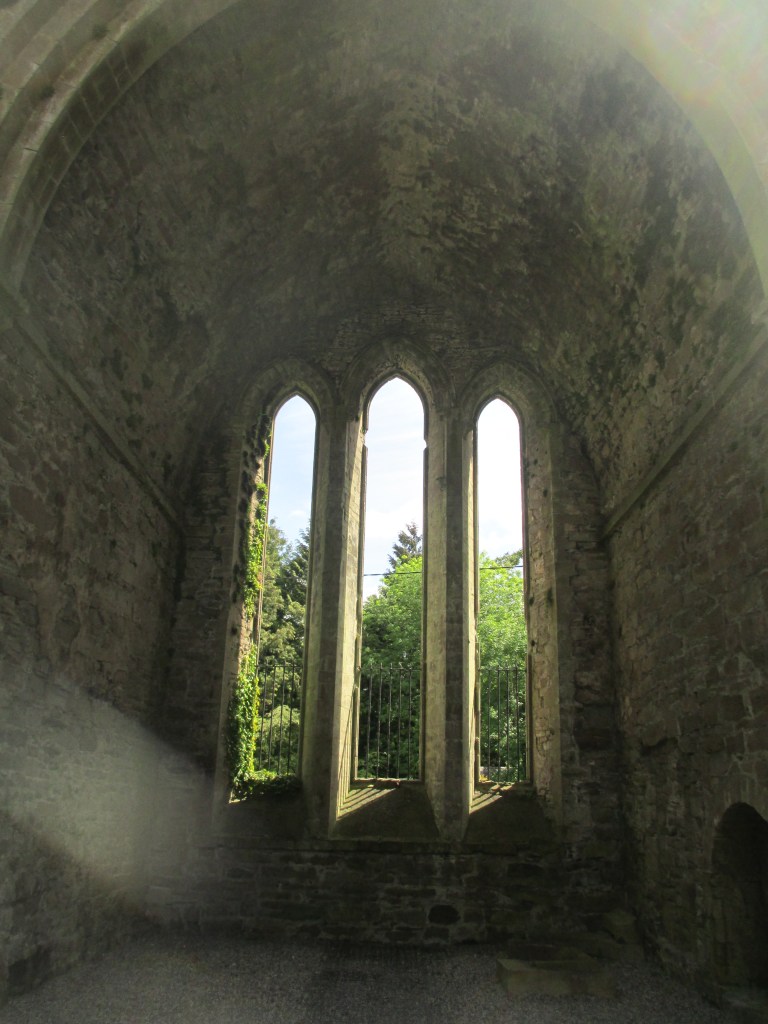

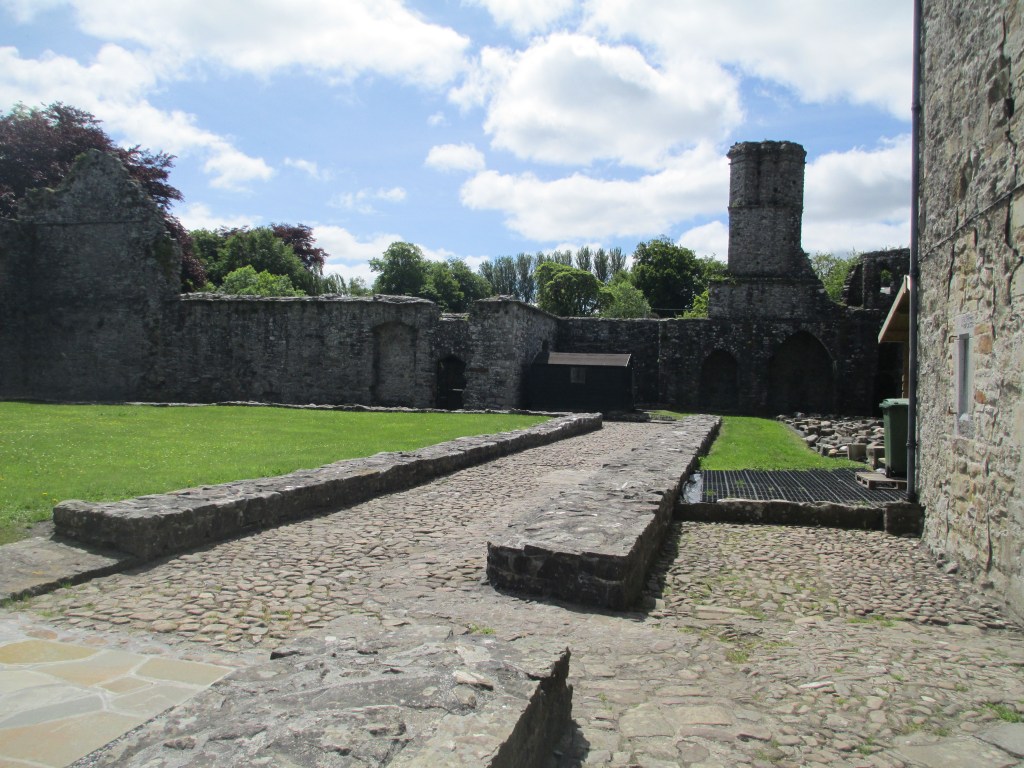
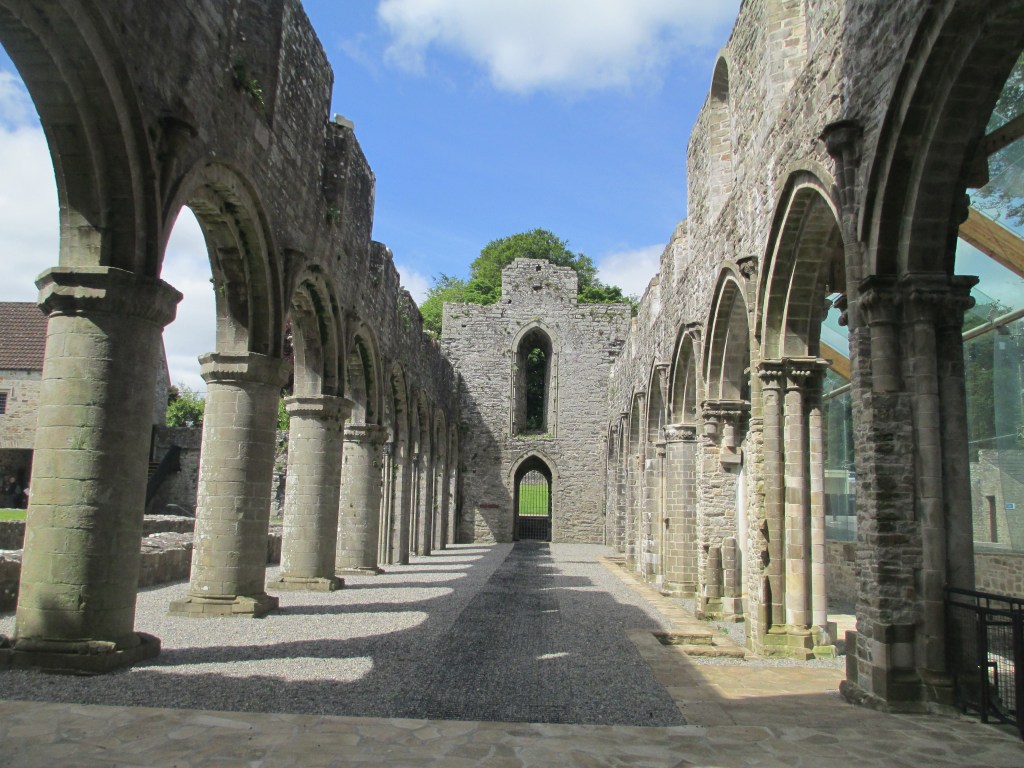


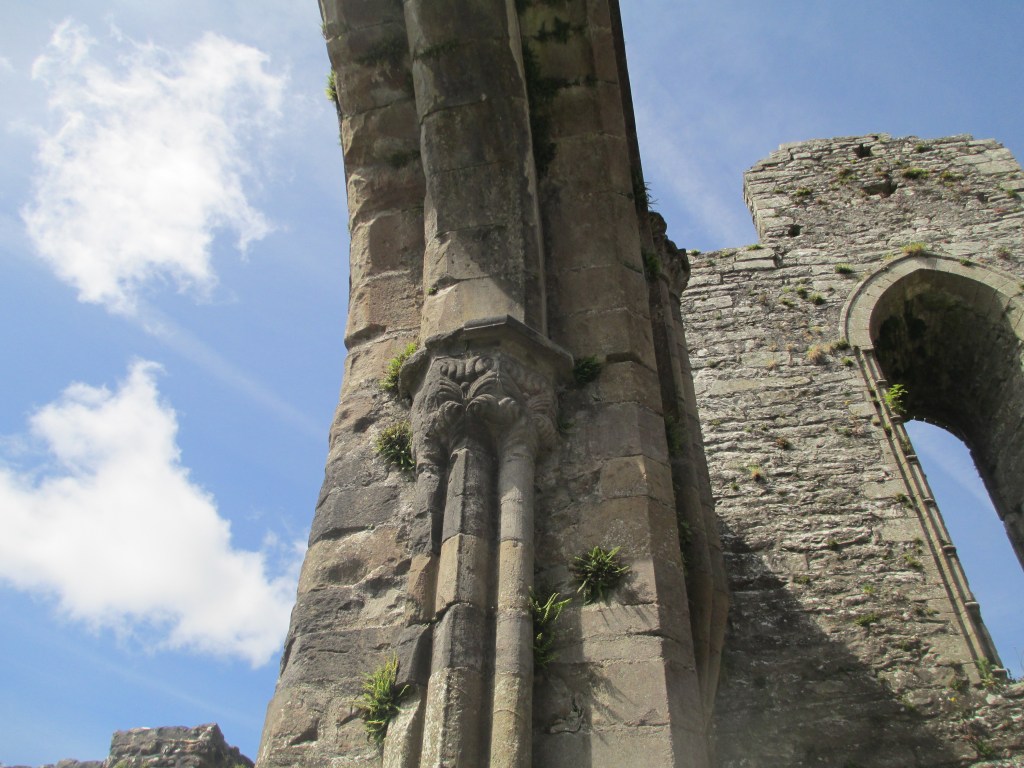
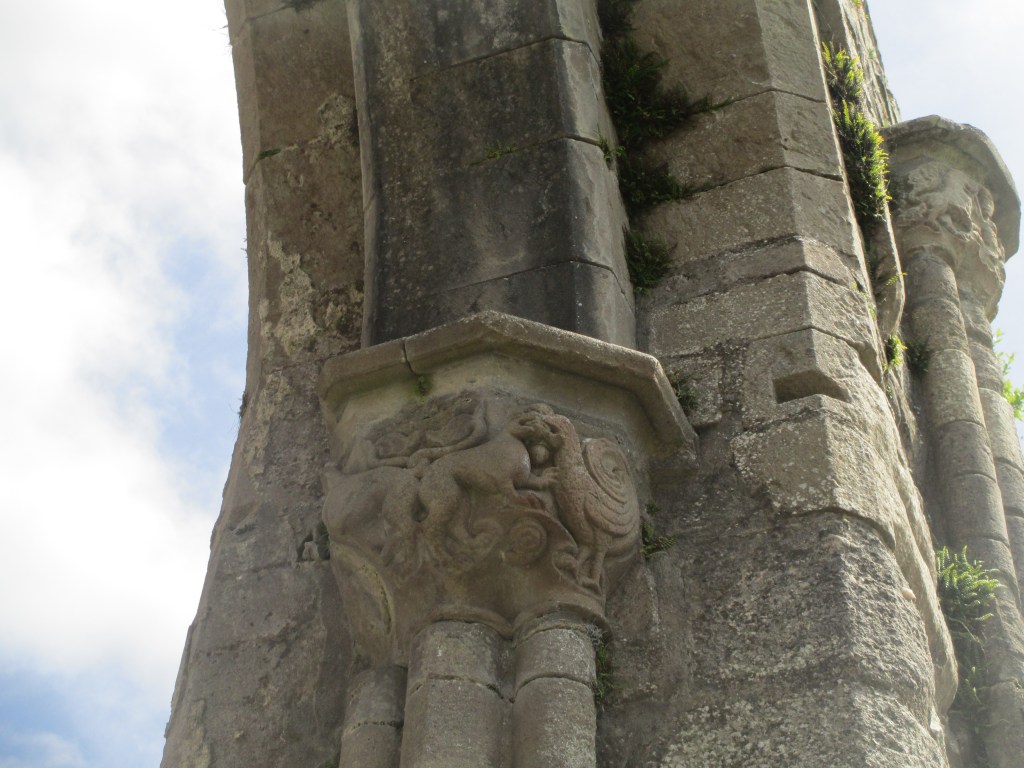

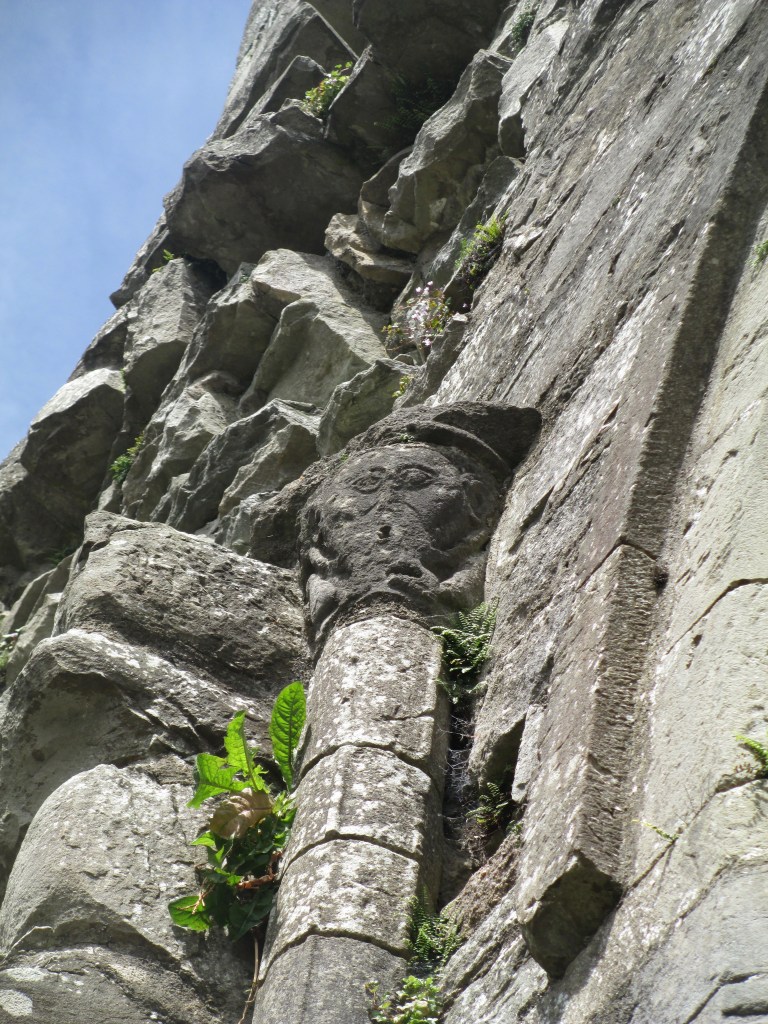

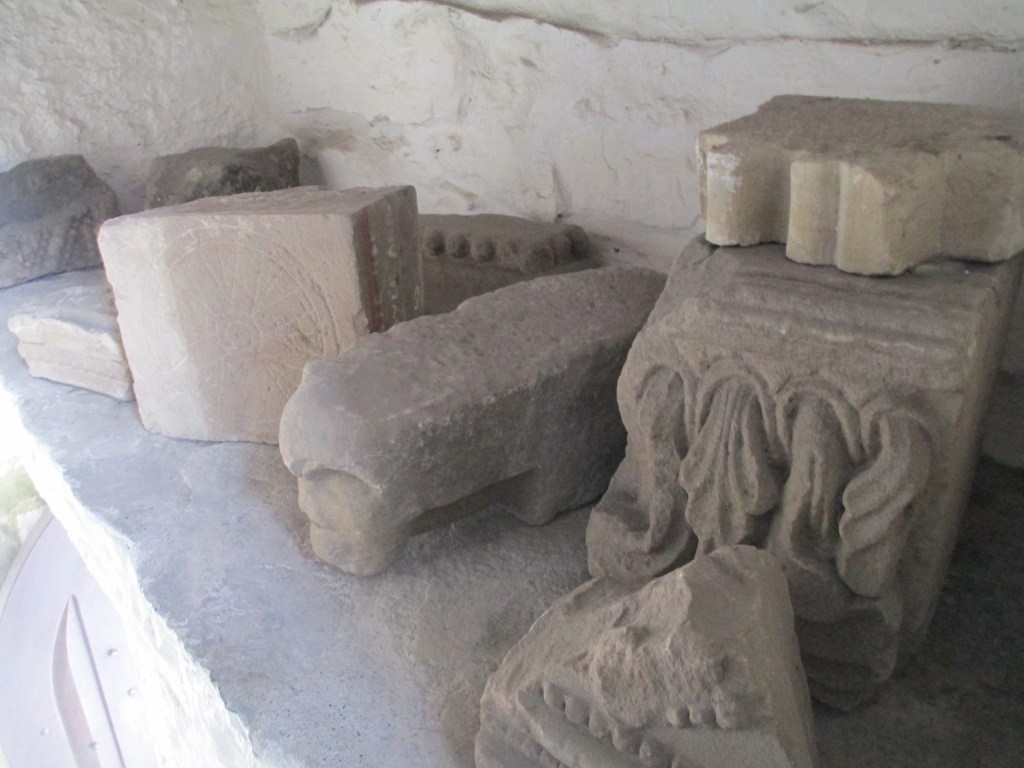
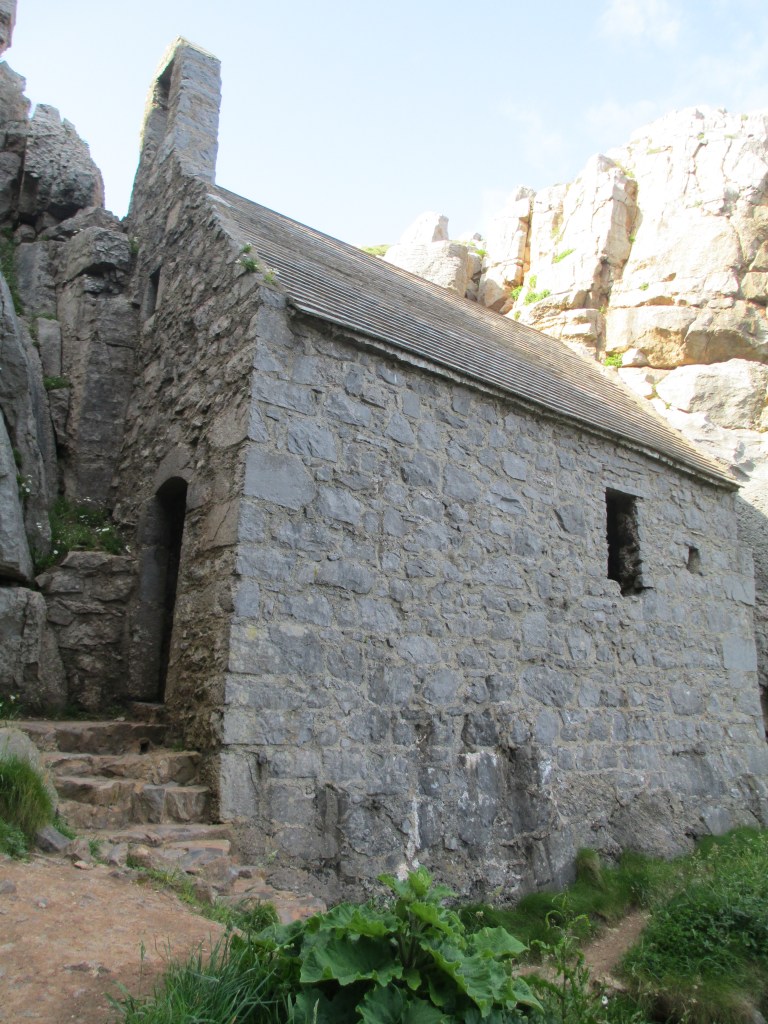




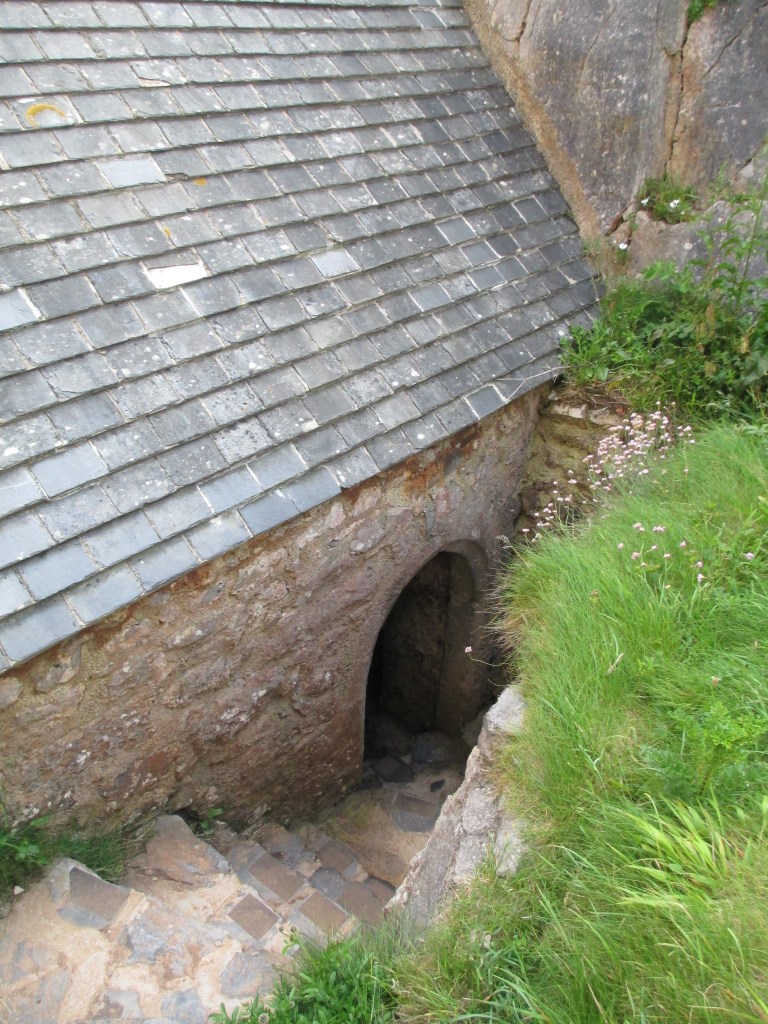
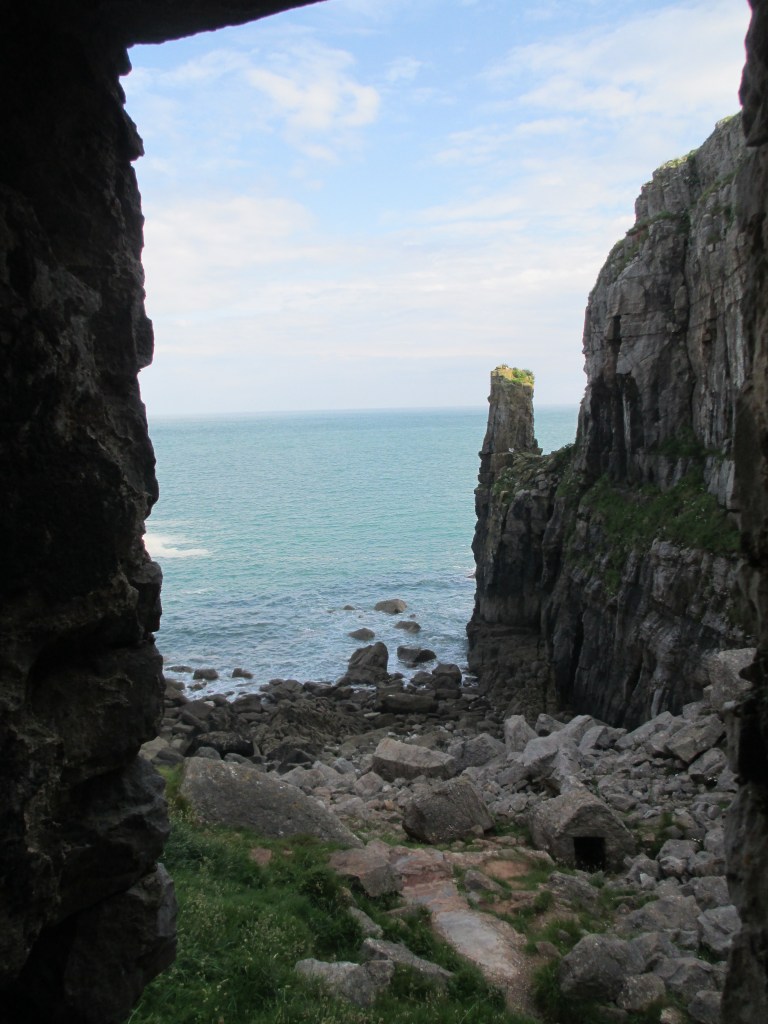

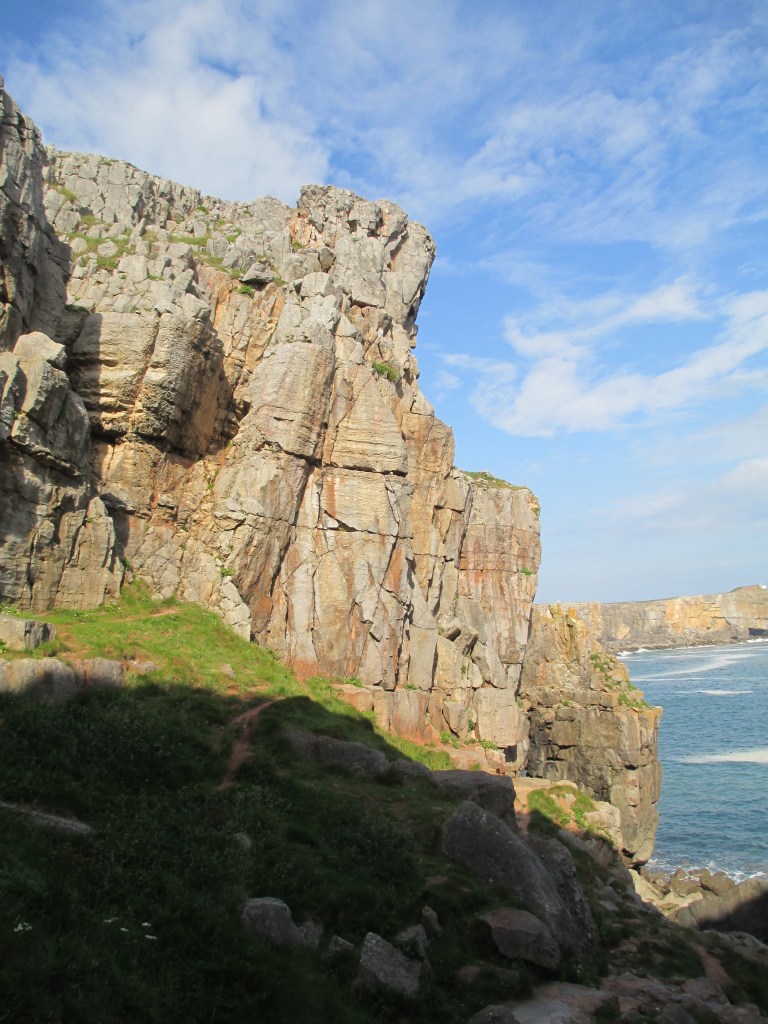
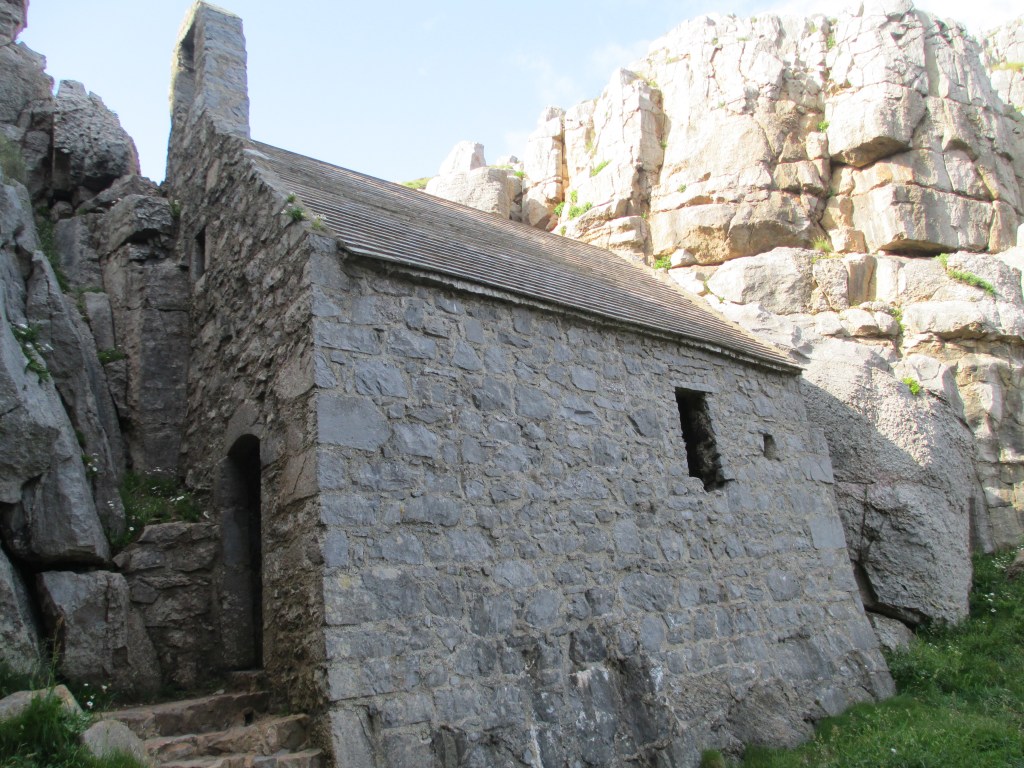


 Historical Ragbag

