Death of the outlaw Eustache the Monk at the Battle of Sandwich in 1217. A battle in which the “enemy” for Eustache was the English forces who were fighting to the rid the country of the forces of Prince Louis of France. It’s much more complicated than that, but that is an outline. The English forces were led by William Marshal
“The enemy set out in small boats and attacked the ships [of Eustache’s fleet] with longbows and crossbows. The Monk’s men guarded themselves against everything thrown at them in the chase by firing missiles and shooting arrows. They killed many Englishmen and defended themselves nobly. Eustache himself toppled many of them with the oar he wielded, breaking arms and smashing heads with every swing. This one he killed, another one he threw overboard. This one he knocked down, another one he trampled underfoot, and a third one had his windpipe crushed. But Eustache was assailed from all directions with no let up. Battle axes struck his ship on all sides. On the first wave the defenders were able to ward off the attack, preventing the enemy from coming on board. Then the English started hurling pots of finely ground lime, smashing them to pieces on the ship railings, with the result that great clouds of dust covered the decks. That was what caused the most damage, against which Eustache’s men could not defend themselves. To their misfortune the wind was against them, causing even further torment, for their eyes became filled with ash. In the confusion the English leaped in to Eustache’s ship and mistreated his men badly, taking all the nobles prisoner. As for Eustache the Monk, he was slain, his head cut off. With that the battle was over.
Epilogue
No man who spends his days doing evil can live a long life.
From Thomas E. Kelly editor and translator Eustache the Monk. In A Book of Medieval outlaws edited by Thomas H. Ohlgren. ISBN9780750924931
A description from Roger of Hoveden of the demise of The White Ship in 1120.
“To his son and all his retinue he [Henry I] had given a ship, a better one than which there did not seem to be in all the fleet, but as the event proved, there was not one more unfortunate ; for while his father preceded him, the son followed somewhat more tardily, but with a still more unhappy result. For the ship, when not far from land, while in full sail, was driven upon the rocks which are called Chaterase, and being wrecked, the king’s son, with all who were with him, perished on the sixth day before the calends of December, being the fifth day of the week, at nightfall, near Barbeflet. In the morning, the king’s treasures which were on board the ship, were found on the sands, but none of the bodies of those lost.There perished with the king’s son, his illegitimate brother, earl Eichard, together with the king’s daughter, the wife of Rotrou ; Richard, earl of Chester, with his wife, the king’s niece, and sister of earl Tedbald, the king’s nephew. There also perished Othoel, the governor of the king’s son, Geoffrey Riddell, Robert Maldint, William Bigot, and many other men of rank ; also several noble women with no small number of the king’s children ; besides one hundred and forty soldiers, with fifty sailors and three pilots. A certain butcher was the only person who made his escape, by clinging to a plank of the wrecked vessel. The king having had a fair voyage, on reaching England, thought that his son had entered some other port ; but on the third day he was afflicted with the sad tidings of his death, and at first, from the suddenness of the calamity, fainted away, as though a person of weak mind; but afterwards,concealing his grief, in contempt of fortune he resumed his kingly spirits. For this son being the only one left him by lawful wedlock, he had named him heir to the kingdom in succession to himself.”
From: The Annals of Roger of Hoveden Volume I pgs 213-214
From Roger of Wendover. A description of happenings immediately after the death of Henry II.
I would like to point out that I am not including these quotes as examples of definitive facts. All medieval chroniclers need to be taken with a large grain of salt.
“He died on the octaves of the apostles St. Peter and St. Paul, after a reign of thirty-four years,seven months,and five days. On the morrow,as they were carrying him to be buried, arrayed in his royal robes, his crown, gloves, shoes, ring, sceptre, and sword, he lay with his face uncovered; and when Richard, hearing the news of his death, came to meet the convoy, blood flowed from the nostrils of the deceased, as if he was indignant at the presence of one who was believed to have caused his death.”
From Roger of Wendover Flowers of History Volume II. Pg 76
The basic premise of this particular project is a medieval quote a day for the 24 days leading up to christmas. A medieval quote advent calendar. I’m not going to be providing background to the quotes. These will just be snippets of medieval works. Hope you enjoy
I am a day late on this post so two quotes will go up today.
1st of December
From Gerald of Wales a description of the land around St David’s
“St David’s is in a remote corner of the country, looking out towards the Irish Sea. The soil is rocky and barren. It has no woods, no rivers and no pasture lands. It is exposed to winds and extremely inclement weather. It lies between two hostile peoples who are constantly fighting over it, the Flemmings and the Welsh. However, these saintly men deliberately chose to establish the arch-bishopric there, for they wanted to live as far removed as possible from worldly upsets, preferring an eremitical existence to a pastoral one, so that they might enjoy a spiritual life which no one could take away from the.”
The Journey Through Wales and The Description of Wales. pg 161. ISBN: 9780140443394
“His body was so well fashioned that, even if he had been created by the sculptor’s chisel, his limbs would not have been so handsome. I can tell you this because I saw them and remember them well. At the same time his had fine hands and feet, but all this was as nothing compared to his overall appearance. Anyone who looked upon it would have found it so upright, so well formed, that if his judgement were sound, he would have concluded that nowhere in the whole world was there to be found such a perfect body. His hair was brown, his face swarthy, but his features were so much like those of a true noble that he could have been an Emperor of Rome. Also, he had wide hips and was so handsomely formed as any noble could be; it was a master sculptor who fashioned him.”
History of William Marshal Volume I. pg 39. ISBN: 0905474422
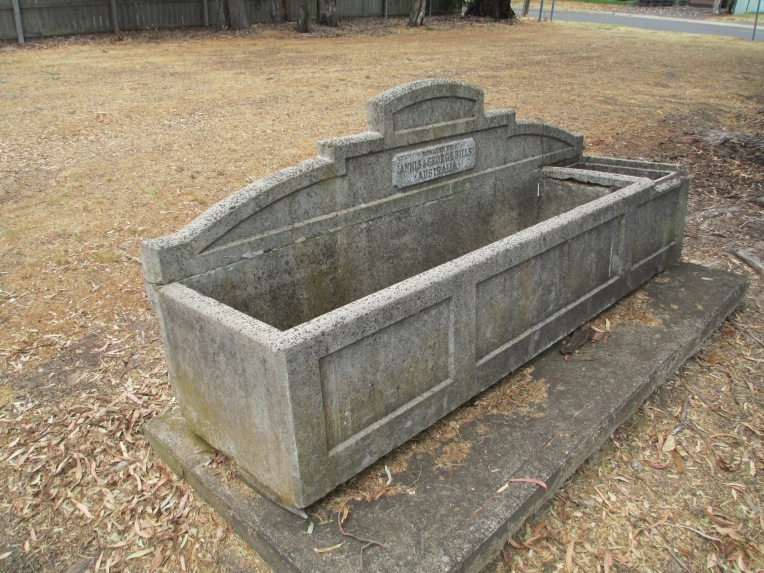
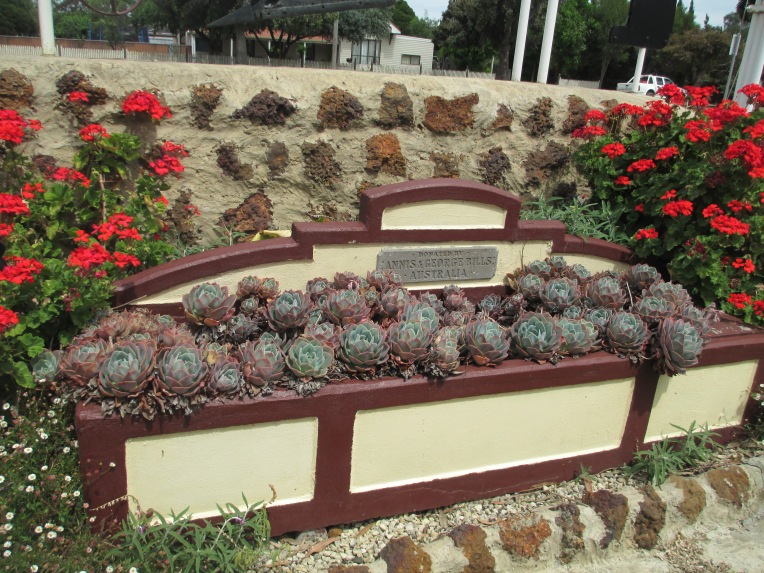
During a recent trip out to Western Victoria in the Wimmera region, to do some unrelated research, I noticed two horse troughs in separate towns that had the same inscription. It read that they had been donated by Annis and George Bills. I was intrigued so I did some research on Trove and I found there is actually a very interesting story behind them.
Horse trough in Balmoral Victoria
Horse trough in Edenhope Victoria
These horse troughs are the result of an interesting will and testament and can be found all over Victoria and New South Wales. George Bills made his money out of mattresses, first in making them and then in creating and patenting machinery to weave them. His father, who was a naturalist, came to Australia in the 1800s and, as the Horsham Times described it in 1935, “his heart ached to see the sufferings of dumb animals.” This was a concern that he passed on to his son George who also associated himself with the society for the protection of animals in England, New Zealand and Australia. George’s wife died before him and they had no children so he decided to make provision in his will for the future welfare of animals. The residue of his estate, after several personal bequests, was set aside to provide free memorial horse troughs the length and breadth of the British Empire. Towns applied for them to the trust and many such as Horsham actually have more than one. George died in 1927 and approximately 86 000 pounds was left for the provision of horse troughs. Each was made to the same design and carried the inscription ‘Donated by Annis and George Bills Australia.” By 1937, according the the Adelaide Advertiser, the trust had set up more than 400 horse troughs in Victoria and were expanding to New South Wales.
Sometimes they were for more than horses though and issues could arise, as Dubbo found in 1946. In this particular case dogs and humans were catered for as well as horses. Unfortunately the position of the human’s drinking fountain was problematic. As the Dubbo Liberal and Macquarie Advocate said.
“Unfortunately, lack of foresight was shown in the placing of the adjunct for the public. It is immediately over the small concrete basin for dogs, and at the end of the horse-trough. After drinking, horses have been seen slobbering over the faucet, and dogs licking it.”
The drinking faucet was thankfully moved.
The Dubbo paper also adds the interesting detail that the activities of the trust lapsed during the war period, but began again afterwards, which was when Dubbo applied for its second horse trough with the subsequent problems.
I just think this is a fascinating little piece of history. So far I’ve only found two of the troughs, as I wasn’t really looking for them, but if anyone else happens to see one that has survived in their town I’d love to know. I’d also be fascinated to find out if they are only present in Australia or whether George’s bequest did indeed cover the length and breadth of the British Empire.
After a little more investigation I have found this wonderful blog that has lists of the horse troughs. These obviously aren’t as obscure as I thought.
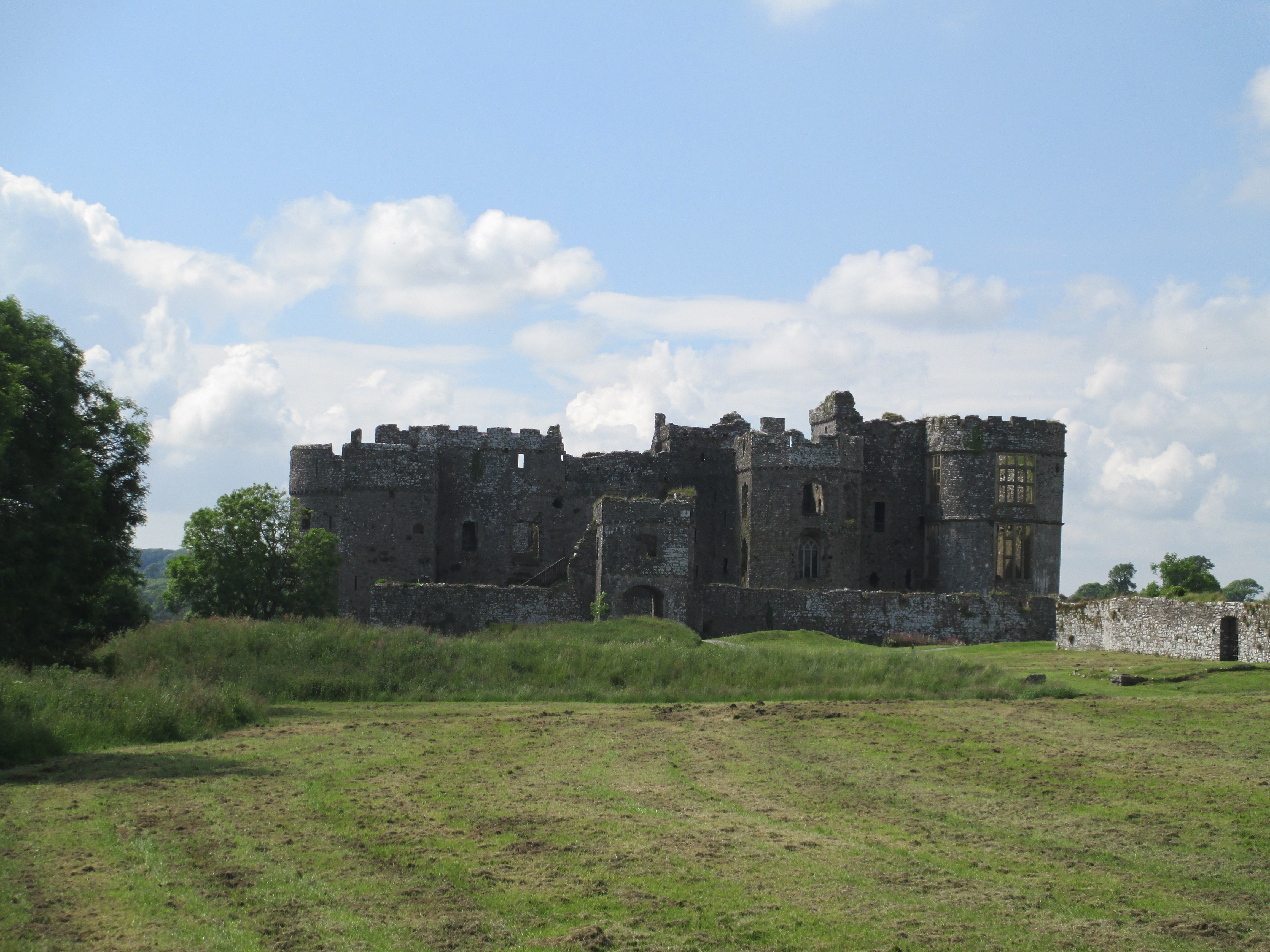
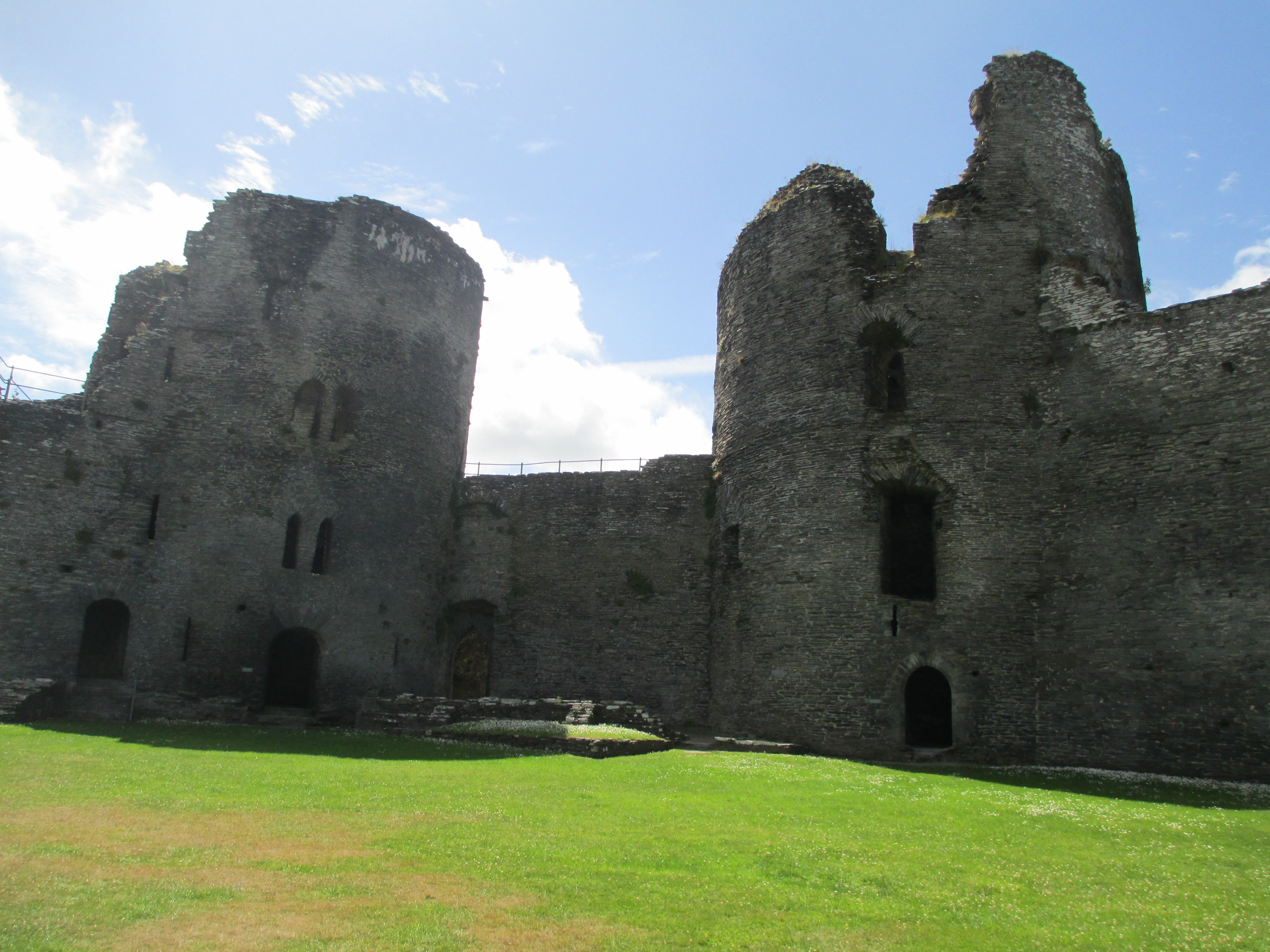
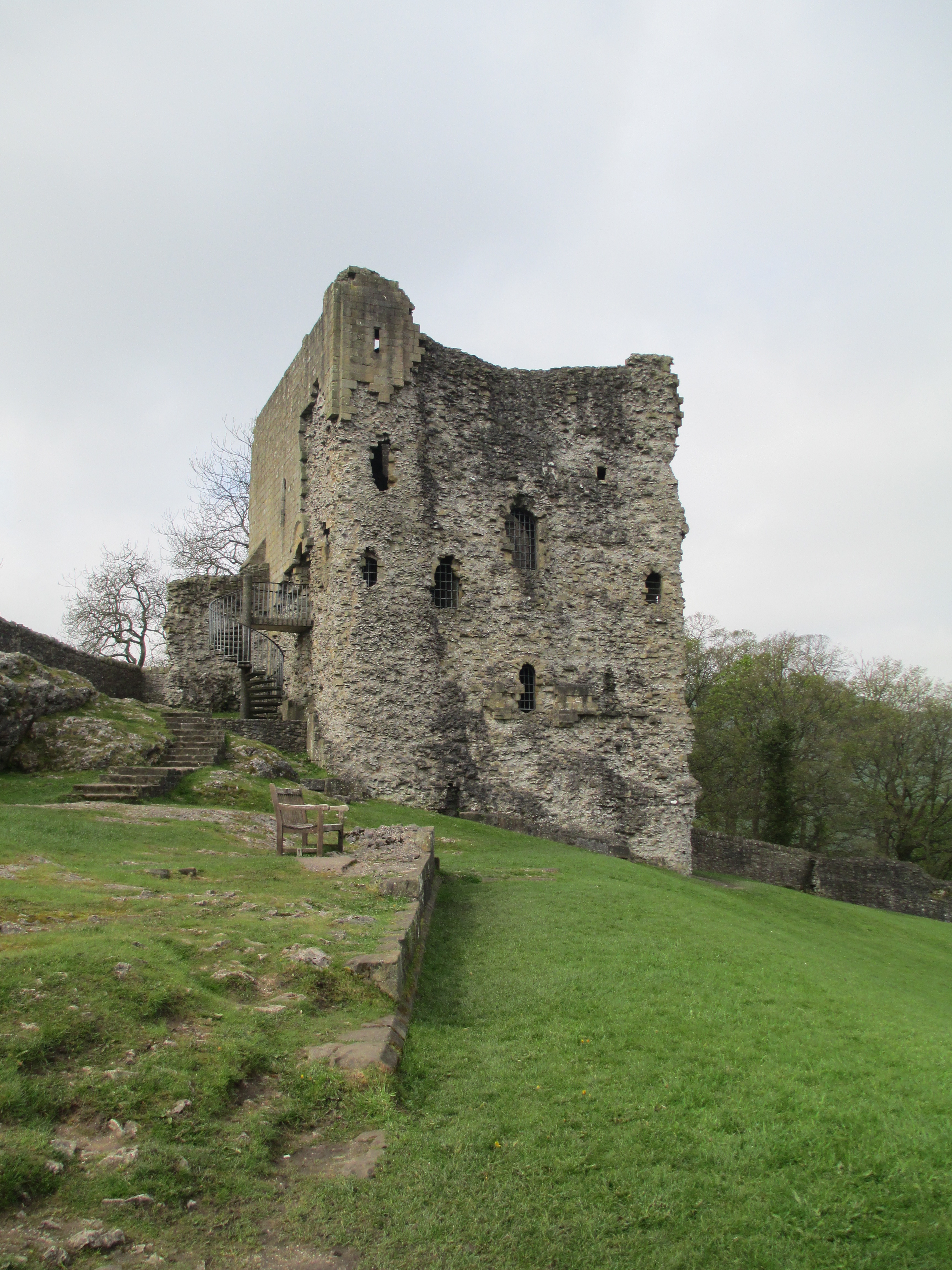
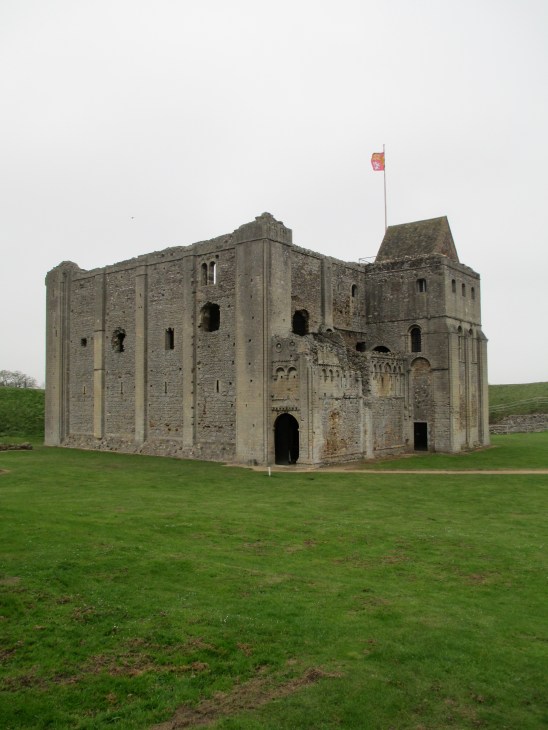
See how many of the twenty castles below you can identify.
The rules are simple. You get one photo of a Castle and then you have to name it. The answer is below the photo. All the castles are in the UK, Ireland or France. The photos are all mine.
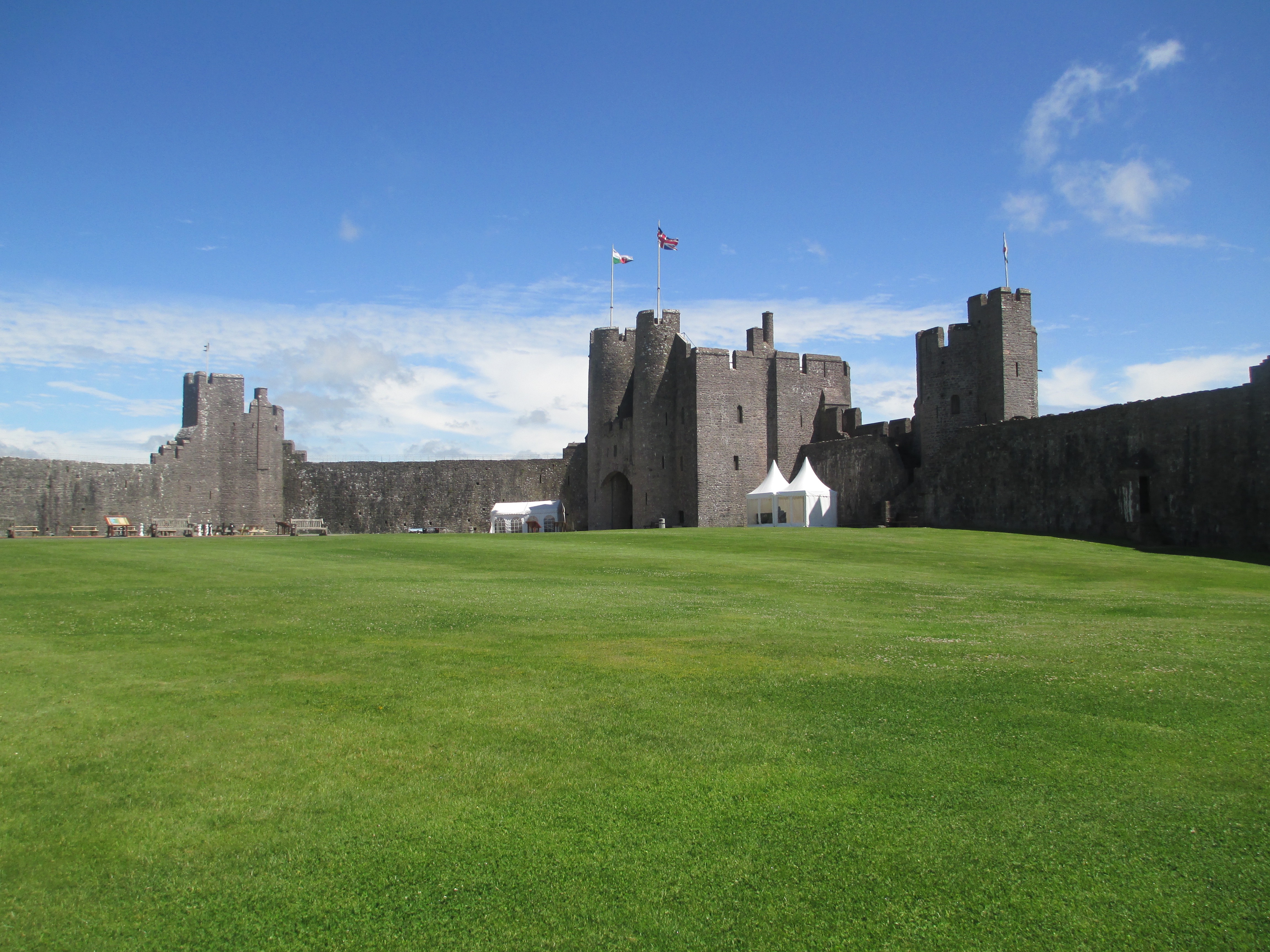
Pembroke Castle in South West Wales is one of the most impressive castles on Welsh soil. I hesitate to say Welsh castle, because it wasn’t built by the Welsh. The building of Pembroke Castle was begun by Arnulph de Montgomery in c. 1093 as a key part of the Norman subjugation of this portion of Wales.
This first castle was nothing like the imposing fortress we see today jutting out into the Cleddau Estuary.
Gerald of Wales, albeit writing in the late 1100s, described Pembroke as originally being “a slender fortress of stakes and turf.” But it was in an immensely strategic position and as such soon became an important fortress.
Pembroke was besieged by the Welsh is 1094 and in 1096, but both times it was held by the Normans led by Gerald de Windsor who was the custodian of the castle for Arnulph de Montgomery. However by 1102 Arnulph had been implicated in a revolt against Henry I and was forced to flee and Pembroke castle and the lands around it were escheated to the crown. By 1105 Gerald de Windsor was custodian again, this time in the name of the crown, and he married the Welsh princess Nest. Nest is one of the most fascinating women of the period and much has been written about her. But in brief she was the daughter of the Welsh Prince Rhys ap Tewdwr, thus an important marriage prize as Rhys’ former kingdom made up much of what was now the lands of Pembroke. Nest was most likely the mistress of Henry I before she married Gerald and probably bore him illegitimate offspring. She was said to have been a great beauty and would have been very young, in her teens, when she was the king’s mistress. She was then married off to Gerald at least partly to lend credence to Gerald’s position as a royal officer and person in charge of Pembroke. She was then abducted, there is debate over whether it was willing or not, from either Cilgerran Castle or Carew Castle both of which Gerald had begun to build
Cilgerran Castle
Carew Castle
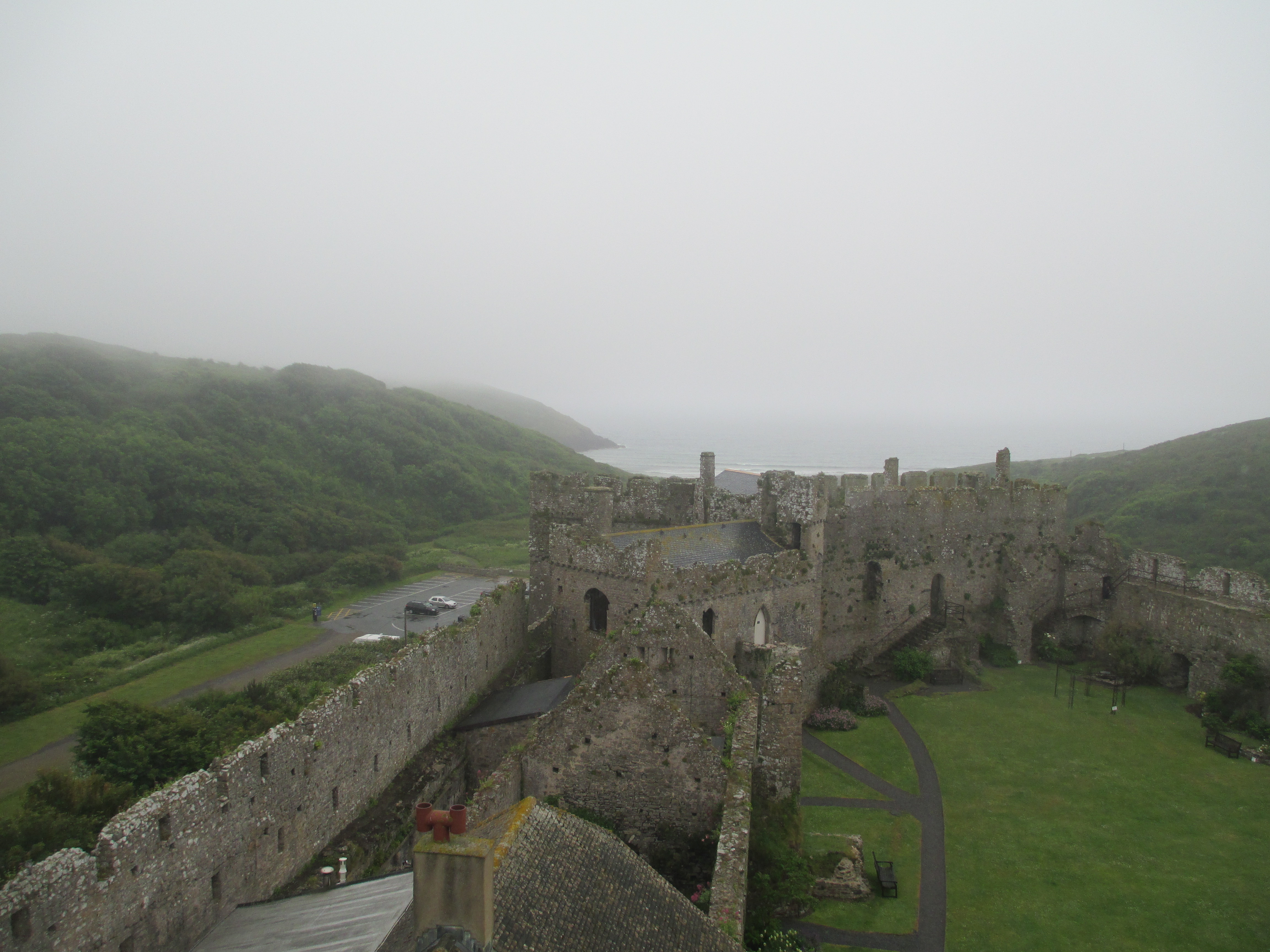
She was abducted by Owen son of Cadwgan, another Welsh Prince. Owen came into Nest and Gerald’s chamber and Gerald hid or escaped, depending on which version you read, down the privy shoot and Owen abducted Nest, two of Nest’s children and possibly some castle treasure. After much unrest Nest was eventually returned to Gerald and Owen ultimately died in rebellion against Gerald. Nest married again after Gerald died in the 1120s and had children from that marriage as well. Nest ended up with some important descendants including Gerald of Wales, who was descended from her and Gerald de Windsor. Gerald of Wales is one of the more prolific writers of the late 1100s and is responsible for works on both the people of Ireland and the people of Wales. He was born at the nearby Manorbier Castle.
Manorbier Castle
Leaving Nest aside. After Gerald de Windsor died the castle remained in crown hands until the reign of King Stephen. The Earldom of Pembroke was officially created in 1138 and the de Clare family were the beneficiaries of its creation with Gilbert de Clare appointed as the ruler of the territory. There was also a small town growing up around the castle and we know that it had liberties and freedoms from fairly early on because there is a surviving charter from Henry II which discusses them. It reads, in one translation.
“Henry by the Grace of God, King of England, Duke of Normandy and Aquitaine and Count of Anjou to the Archbishops, Bishops, Abbots, Earls of Justices, Barons and Sheriffs, and to all his faithful people of all England, Wales, Ireland, Normandy, Brittany, Anjou, Poitou, Gascony, and to all his men, whether dwelling on this side or beyond the seas greetings. Know that I have given and granted, and by this my present Charter, have confirmed in my burgesses of Pembroke all their liberties, immunities and free customs as freely and fully as they had them in the time of King Henry, my grandfather.”
Gilbert de Clare died in 1148 and was succeeded by his son Richard de Clare, known as Strongbow. I’ve written more about Strongbow and especially the role he played in the Norman conquest of Ireland earlier and it can be found here. Strongbow died in 1176 and King Henry II retained all his lands and the wardship of his daughter Isabel de Clare. Isabel became the heir to all of Strongbow’s lands including Pembroke when her brother Gilbert died as a minor in 1185. Isabel married William Marshal at the behest of Richard I in 1189 thus making Marshal one of the most powerful men in the country as Isabel held other lands in England, Ireland and France as well as those in Wales. Marshal wasn’t actually invested with the title of Earl of Pembroke until 1199 when King John came to the throne. Marshal had the iconic Great Keep at Pembroke Castle built.
Great Keep Pembroke Castle
Inside the Great Keep of Pembroke Castle.
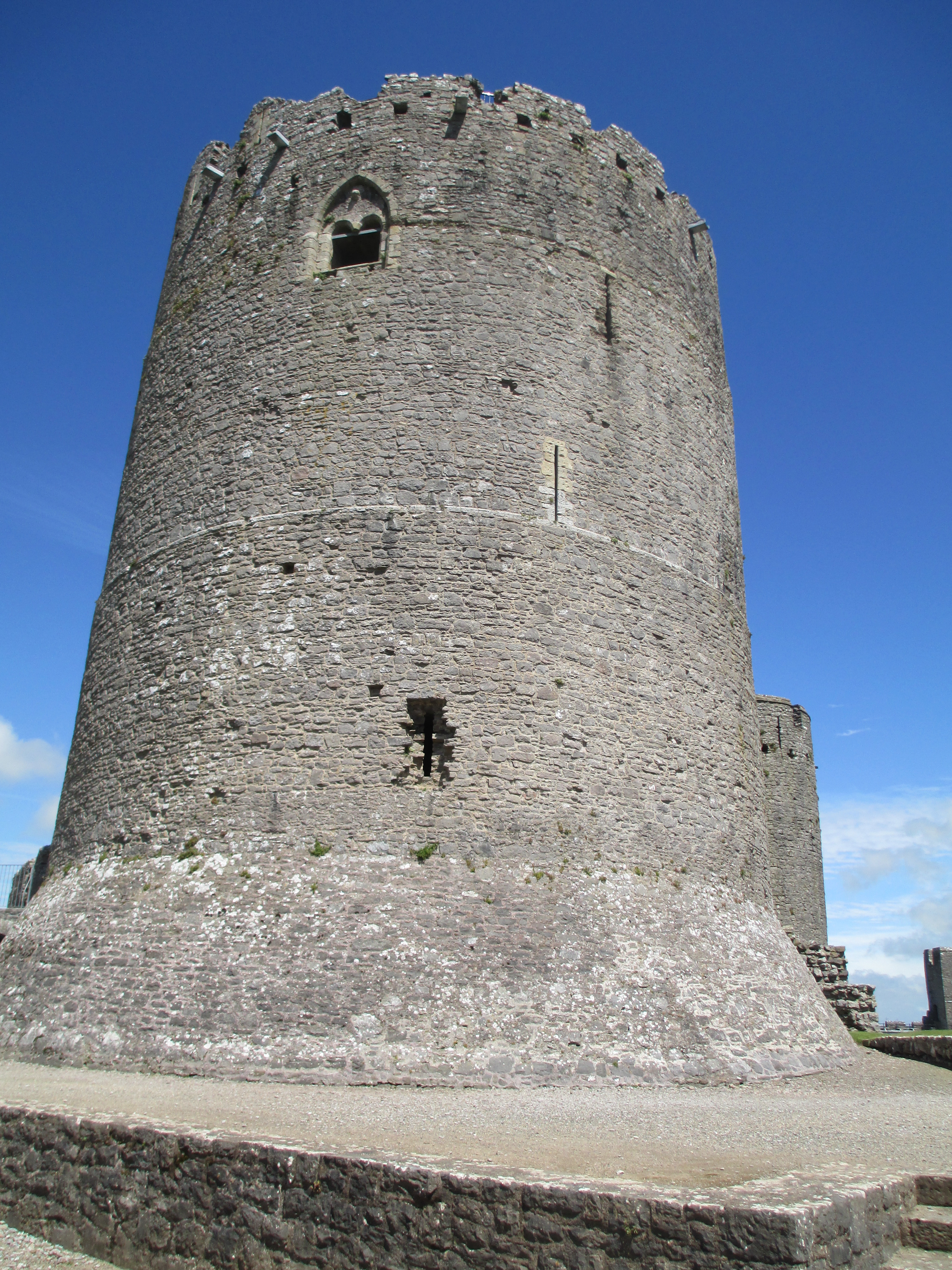
The Great Keep was built in c. 1200 in a time when square keeps were much more common. It stands at 75 feet high with walls approximately 20 feet thick at its base. When William Marshal died the castle was inherited by his son William Marshal II. Marshal had five sons each of whom died childless. So when the last Marshal son, Anselm, died in 1145 all of Marshal’s extensive lands were divided up amongst the descendants of his five daughters. Pembroke Castle went to his daughter Joan’s descendants, she was married to Warine de Munchery. It was their son in law William de Valance who retook some of the surrounding lands that had been lost to the Welsh over the years. De Valance died in 1296 and the Earldom of Pembroke and thus the castle entered into a fairly quiet period. Until the death of Earl John Hastings in 1389 when the castle returned to the hands of the King in this case Richard II. Henry IV declared his son John to be Earl of Pembroke in c.1399 and later the castle bounced back and forth between sides in the War of the Roses. Its greatest claim to fame in this period is that Henry Tudor, later Henry VII was born there in 1456.
You can see the tower he was most likely born in on the far right of the photo.
The physical buildings that can now be seen in Pembroke are products of various stages of its history. I’m not going discuss all of them, but I will mention a few.
The oldest part is the Norman Hall which was built probably under the rule of Richard Strongbow c. 1150-1170 when the defences would still have been made of timber.
Norman Hall.
For me the most fascinating part of Pembroke Castle, apart from the Great Keep, was actually not built by any of the castle’s inhabitants. Wogan’s Cavern beneath the Norman Hall is a naturally occurring cavern. There have been tools dating back to the middle stone age found in it along with Roman coins. This suggests that the Cavern has been used for shelter for thousands of years. When the castle was built the cavern was used for storage and the entrance was protected as part of the defensive plan. It is one of the most surprising things I’ve ever seen in a castle. Largely because of its sheer immensity.
Wogan’s Cavern
Pembroke Castle is very much a stronghold. It has played a part in most important eras of British History and is in and of itself a dramatic and imposing castle. I went there originally because of its connection to William Marshal. But I went back because it is a spectacular castle, a testament to the strength of its builders. It commands the Cleddau Estuary and you can see why it has been so formidable for so many years.
References.
Pembroke for King and Country: Phil Carradice. ISBN: 09521092
Melbourne University has been running a fascinating exhibition on the history of illuminated manuscripts and it is now in its final weeks. As part of the exhibition the university has also been running lectures and workshops and I was lucky enough to attend one on parchment.
Both this talk and the exhibition itself gave me a fascinating insight into the world of illuminated texts. If you are in Melbourne it is absolutely worth a visit and will be running until the 15th of November.
The books in this particular exhibition are in the codex form. This form began in the the 1st century CE and by the 4th century had mainly replaced the papyrus scroll. Codexes are usually made from parchment, a fascinating material in and of itself. Parchment was made from the skin of animals, usually goats, lambs or calves although there were exceptions.
Parchment replaced papyrus for a number of reasons, one of the main ones was that production of parchment could be decentralised. It could be done anywhere where there were animals, whereas papyrus could only be made in a handful of places, such as Alexandria, where the materials were available. Parchment can also be wiped clean and re-used. Parchment was the mainstay of the codex also because it is really durable. Unless it gets wet parchment will last for centuries. Which is why many illuminated manuscripts survive today, despite the fact that they are hundreds of years old. Which is not something that can be said for even reasonably modern paper.
Codexes were not made up of one animal skin. Multiple animals were used and it is possible for researchers to discover an amazing amount from the skins in an individual codex. Everything from how many animals were used, to what type of animals, the age of the animals, the health of the animals, the tools used to do the work and even the region the codex was made in.
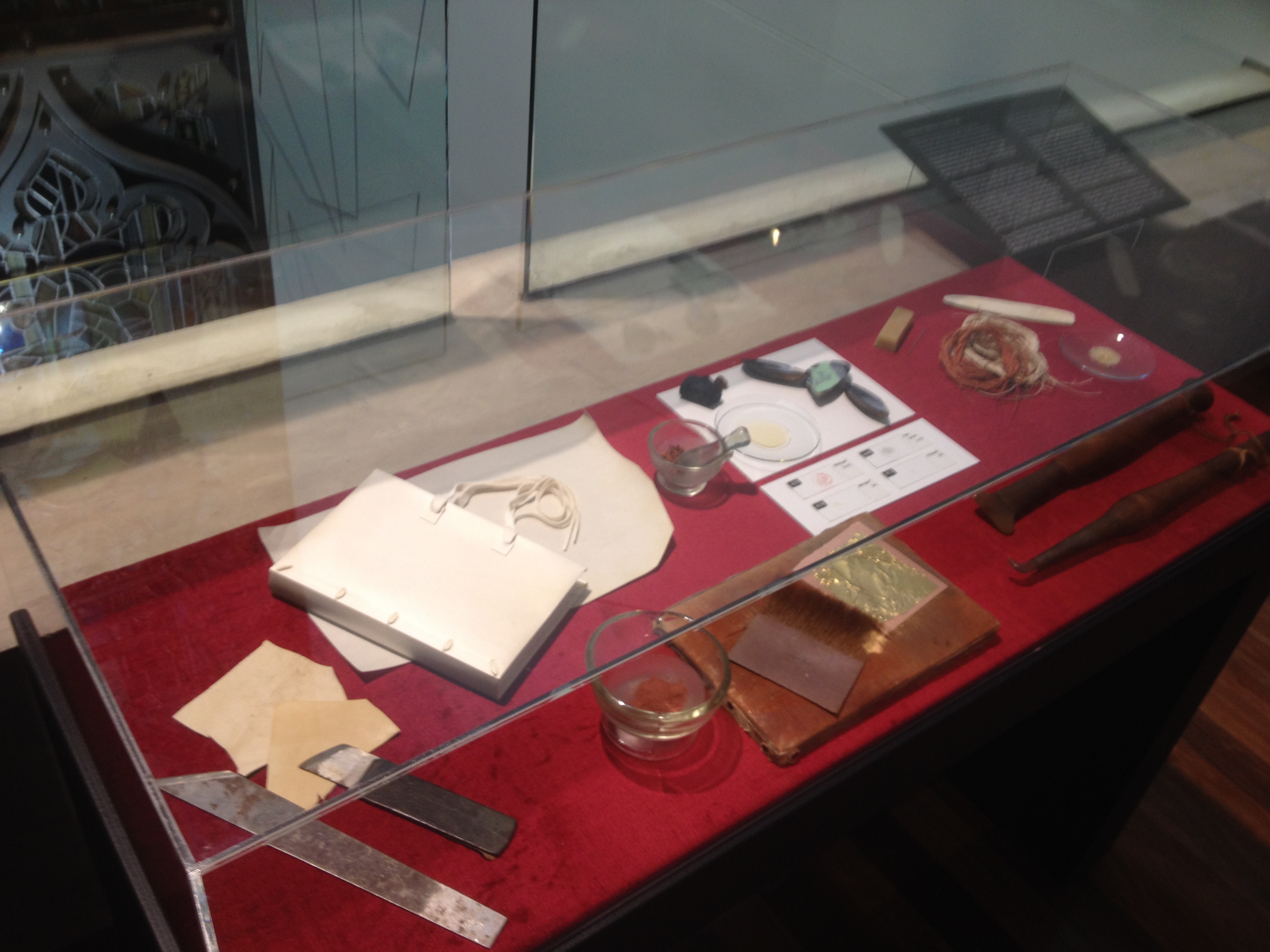
Parchment was made by first treating the skin of the animal with lime to remove blood, dung and organic material and to loosen the fat. The skin was then stretched over a wooden frame, kept under tension and scraped repeatedly with a curved blade as it dried to create a smooth writing surface. Finally it was treated with chalk to remove any excess oils and fats.
There were two more key processes to the creation of an illuminated book. The writing and the illumination itself. The text was written in iron gall ink, usually, a fascinating substance that was made with the galls created by one type of wasp on oak trees. This ink was responsible for pretty much all recorded western history for 1400 years. The fascinating video from the BBC below explains where these galls come from and how they were used.
Aside from the text the other important part of these codexes is the illumination. The word comes from the latin illuminare and refers to the glow that comes from the decorations, especially the gold leaf.The tools and processes for illumination are actually quite similar to the process and tools for creating icons, something which I’ve written about before.
The illuminations were begun by drawing the outline with lead or ink, then the areas for the gold were painted with bole, a red clay, or with gum, then the gold leaf was applied to the surface and burnished. Finally other colours were added. The colours were made from a wide range of materials for example lapis lazuli for blue and madder for a reddish colour. The lapis lazuli largely came from Afghanistan and was highly prized. The materials were ground up and mixed with a binding material like egg white to give it viscosity and make it stick to the page.
Examples of some of the materials and tools can be seen below.
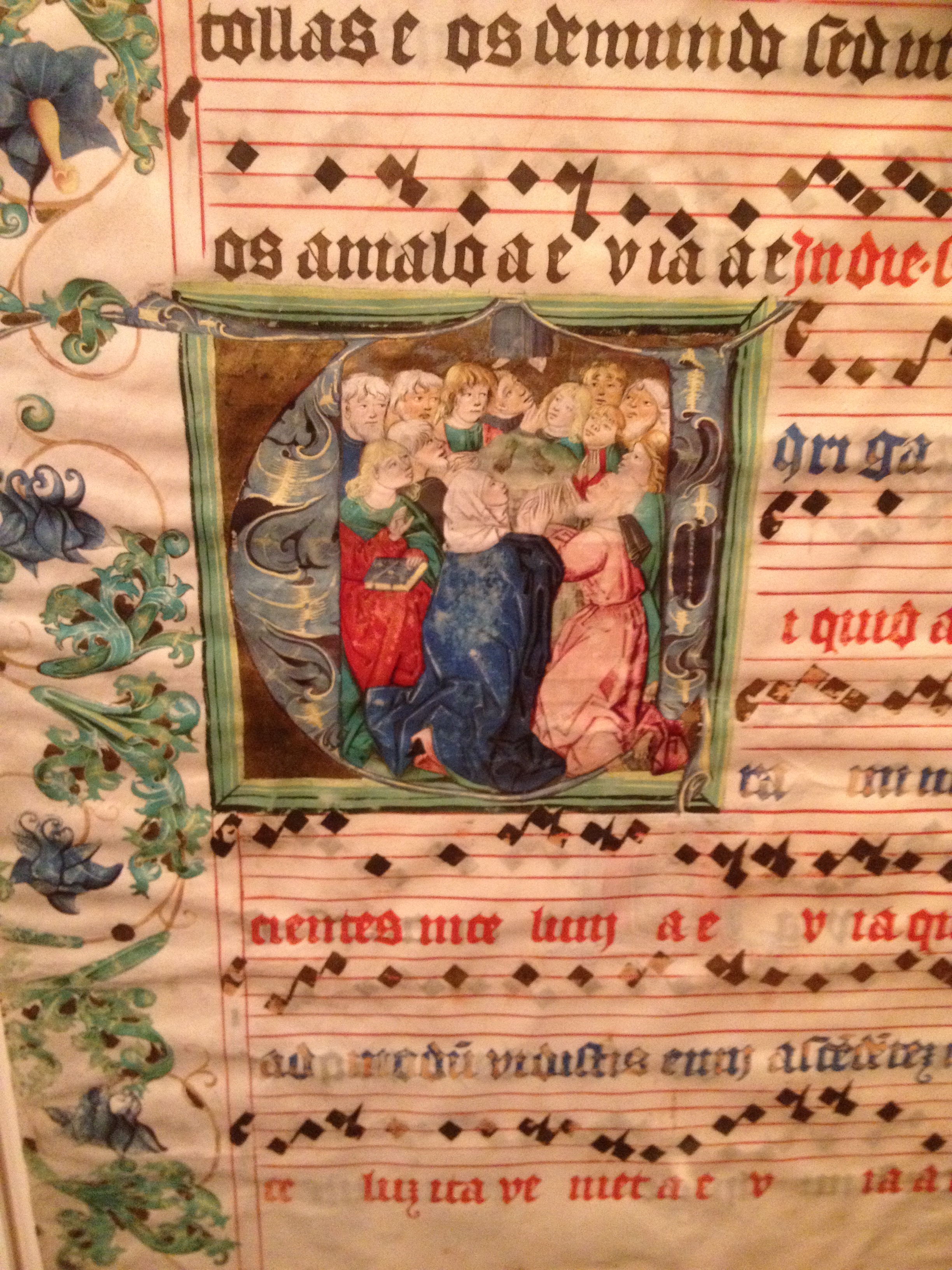
The works created using these methods are stunningly beautiful.
A leaf probably from part of a choir book, the illumination has been attributed to Joannes Zmilely de Pisek
Prague c. 1500
The exhibition holds a variety of codexes which cover the different purposes for which they were used. The use for codexes was largely religious in nature, not always but mostly, and this is what is represented in the the exhibition.
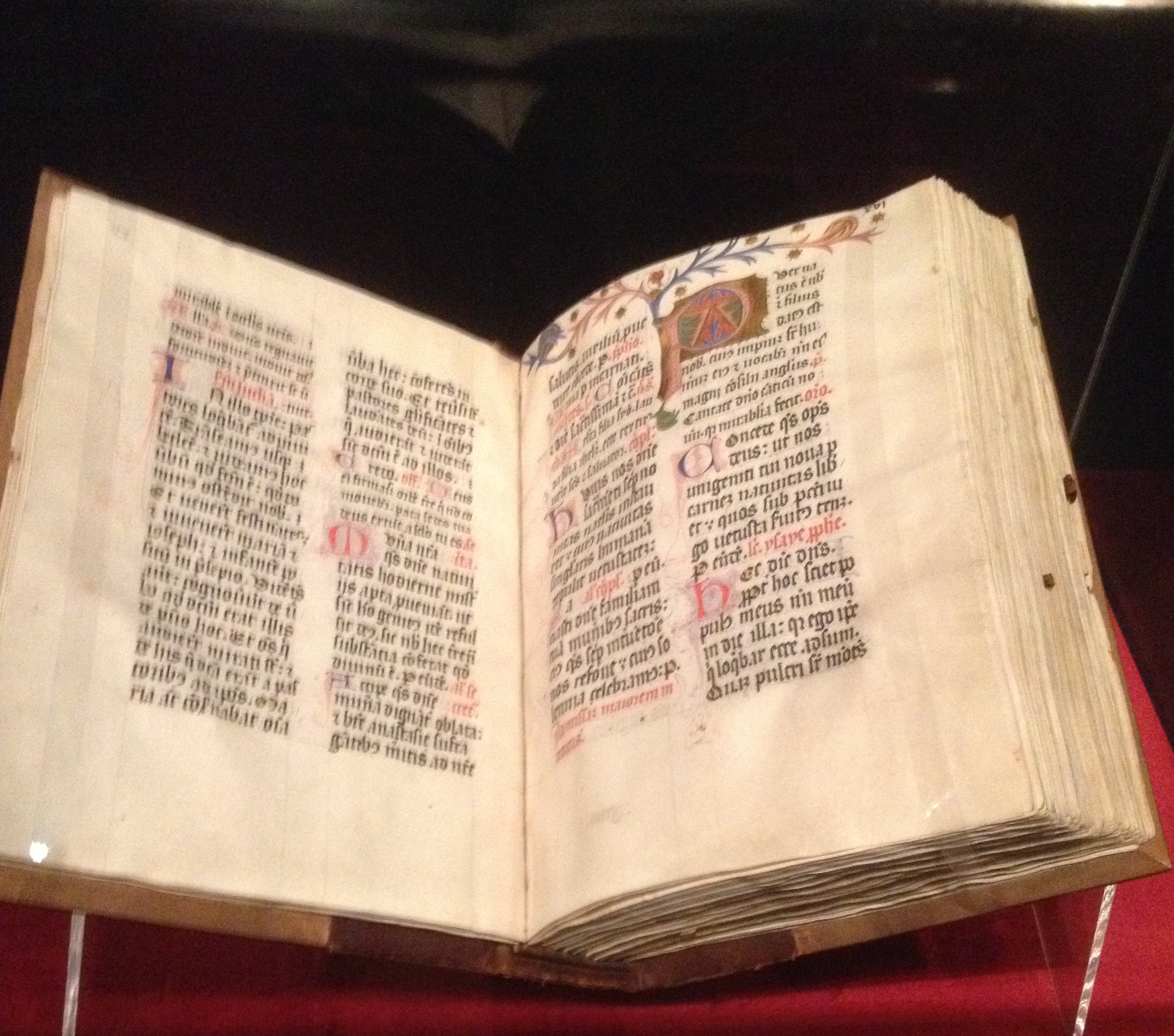
The codex has been part of church life for centuries, used both by clergy and parishioners. It wasn’t until around the 11th century though that codexes for specific services came together. Around the 11th century the different texts used by the priest during Mass were compiled into the Missal. An example of which can be seen below.
Missal, Use of Rome
Catalonia Spain c. 1450
The other codex that came into being at a similar time is the Breviary. This codex held a compilation of the texts for the Divine Office. An example can be seen below
Breviary, Use of Rome.
Associate of the Jouvenel Master (illuminator)
Bourges France 1460-1470
Codexes were not only for the use of clergy. Books for private devotion were also reasonably common. One of the earlier examples is the Psalter. As Psalter is one of the books of the Bible produced as an independent manuscript. It contains 150 songs of praise, thanksgiving and petitions to God and was used for private prayer. It wasn’t uncommon for Psalters to be personalised, with heraldry and often references to their owners. They were to an extent symbols of status. They also were often signposted with illuminations to allow the user to follow along, so to speak, with public worship. A leaf from a Psalter can be seen below.
Leaf from a Choir Psalter (King David in Prayer)
Italy or Spain c. 1430
In the late 13th century a new type of personal prayer book began to become more popular than the Psalter. The Book of Hours was made up of devotions based on the Offices of the Breviary primarily the Hours of the Virgin. While the content of the Book of Hours varied according to the preference of the owner the Book of Hours commonly contained, along with the Hours of the Virgin, some of: the Office of the Dead, the Hours of the Cross, the Seven Penitential Psalms, the Litany of the Saints, short excerpts from the four Gospels, and prayers for particular saints. The Book of Hours usually opened with a calendar of the feasts of the Church year. Like the Psalter the Book of Hours was a status symbol and was thus richly illuminated and often contained references to their owners. An example can be see below
The Mildmay Master (Illuminator)
Book of Hours, Use of Rome.
Bruges, Southern Netherlands, c. 1460s
The centrepiece of the exhibition is the Rothschild Prayer Book. The Rothschild was created primarily in Ghent, but some pages were probably created by other artists in other Flemish centres and inserted into the manuscript in the main workshop in Ghent. As such it is a beautiful example of a coordinated undertaking from the hands of several masters. It dates to c.1505-1510 and is the culmination of centuries of development of the Book of Hours. Unfortunately it was the one thing I was not allowed to photograph. But the digital copy below can at least give an approximation of this work of art.
This by no means covers the entirety of the exhibit, but I hope it has given a taste of the truly beautiful books displayed there and the complex and intriguing world of the illuminated manuscript.
Reference: Visit to the exhibition and talk on parchment by Libby Melzer and Grace Pundyk.
It’s pretty simple. You see the question with a photo underneath and underneath the photo you’ll find the answer. There’s twenty five questions so keep track of how many you get right and how many you get wrong and see how you do at the end. There’s also a poll at the end so you can see how you compare to everyone else if you’re interested.
As the title suggests, it starts off easy and gets much more complicated. There are five sections: Easy, Medium, Hard, Difficult and Evil.
13. How did the Anglo-Saxon Chronicle famously describe the Period of Anarchy 1136-1154?
Answer: It was a time “that Christ and His saints slept.”
Michael Swanton, (ed) & trans, The Anglo-Saxon Chronicle, London: Phoenix Press, 2000, p. 265. You get the point if you got a variant of this, there’s different translations.
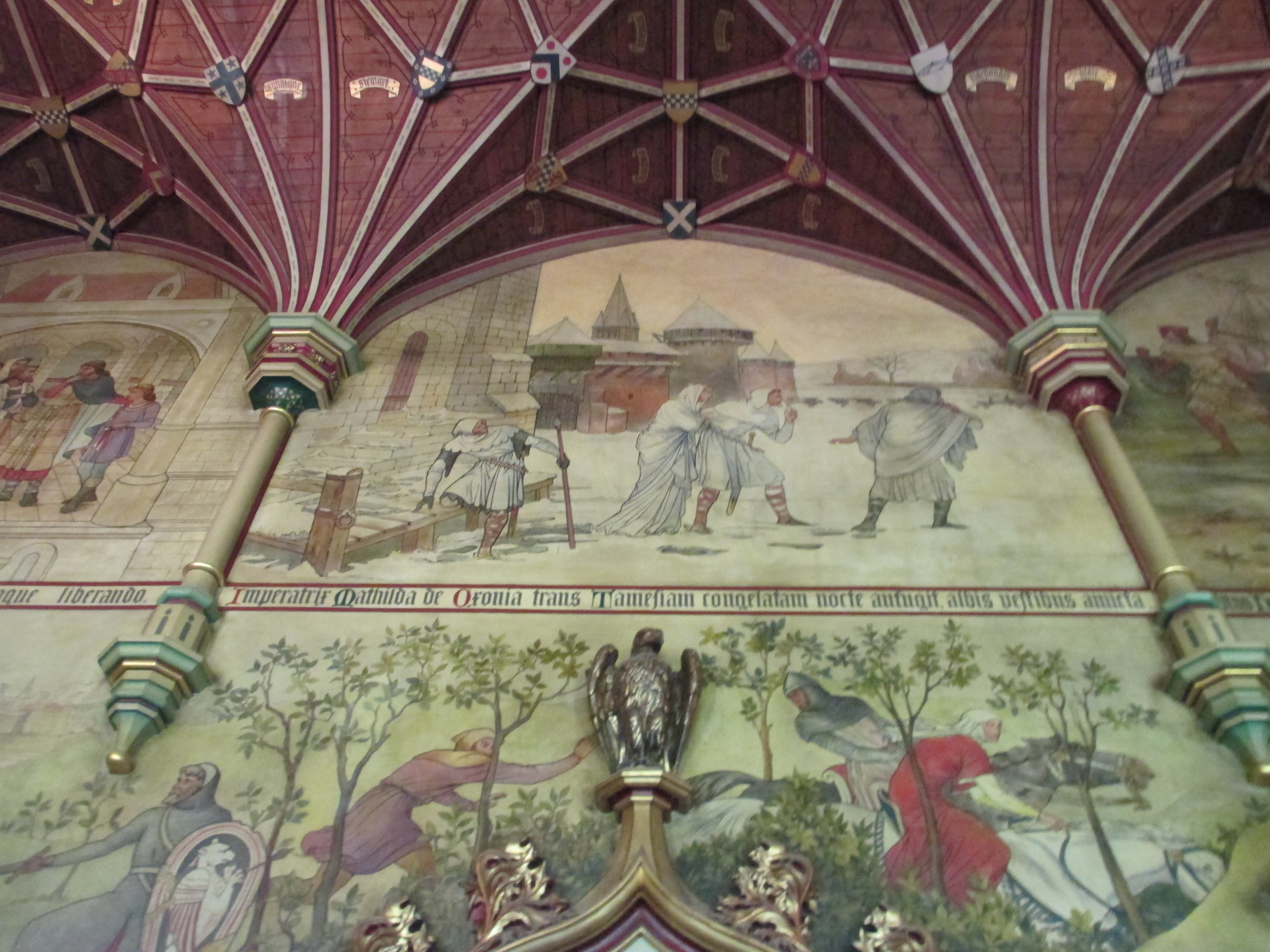
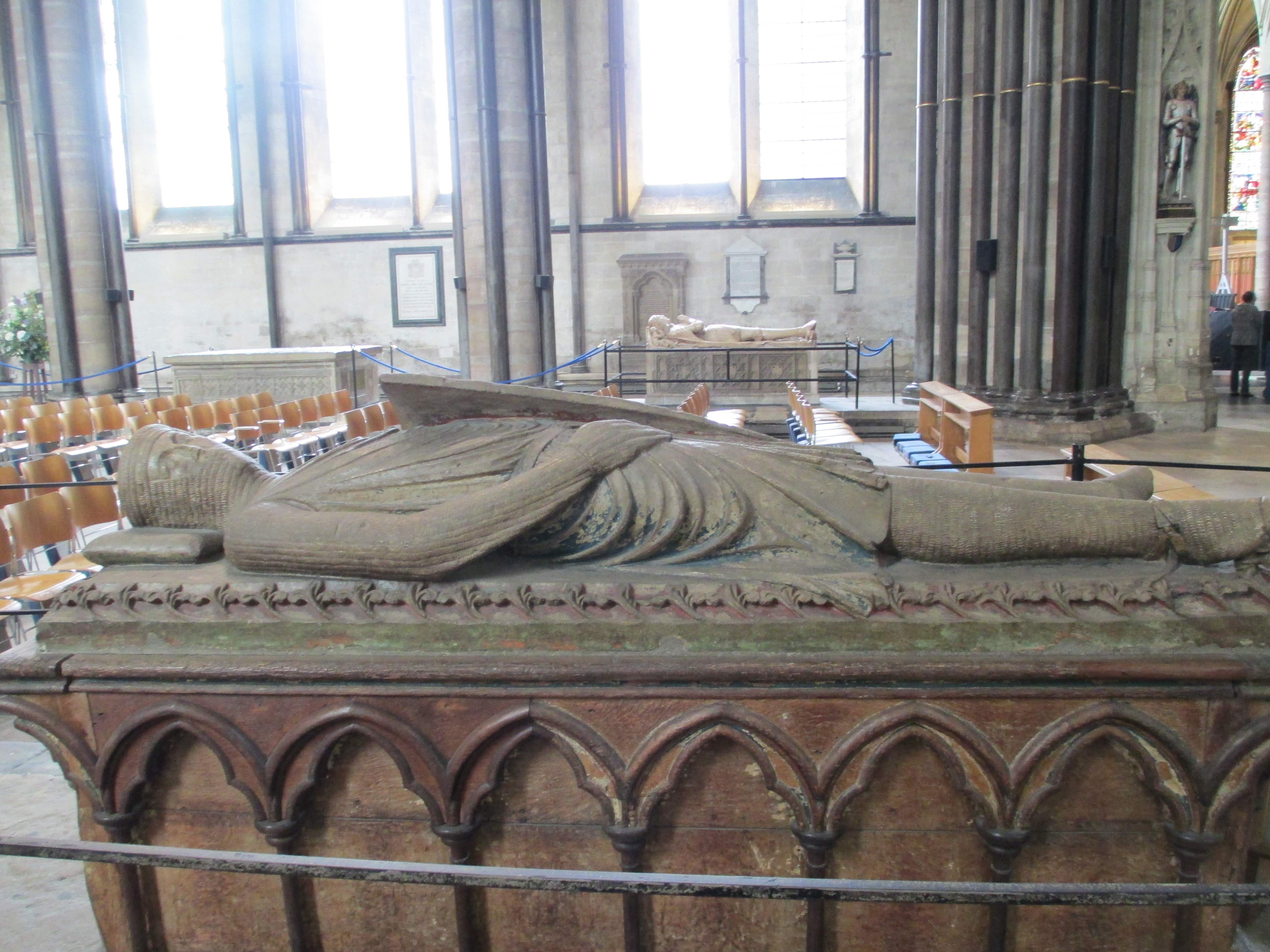
Photo: The current tomb of Empress Maud, one of the antagonists of the Period of Anarchy.
14. Name the children of Henry II and Eleanor of Aquitaine.
Answer: 70.34m, but you can have the point if you said 70.
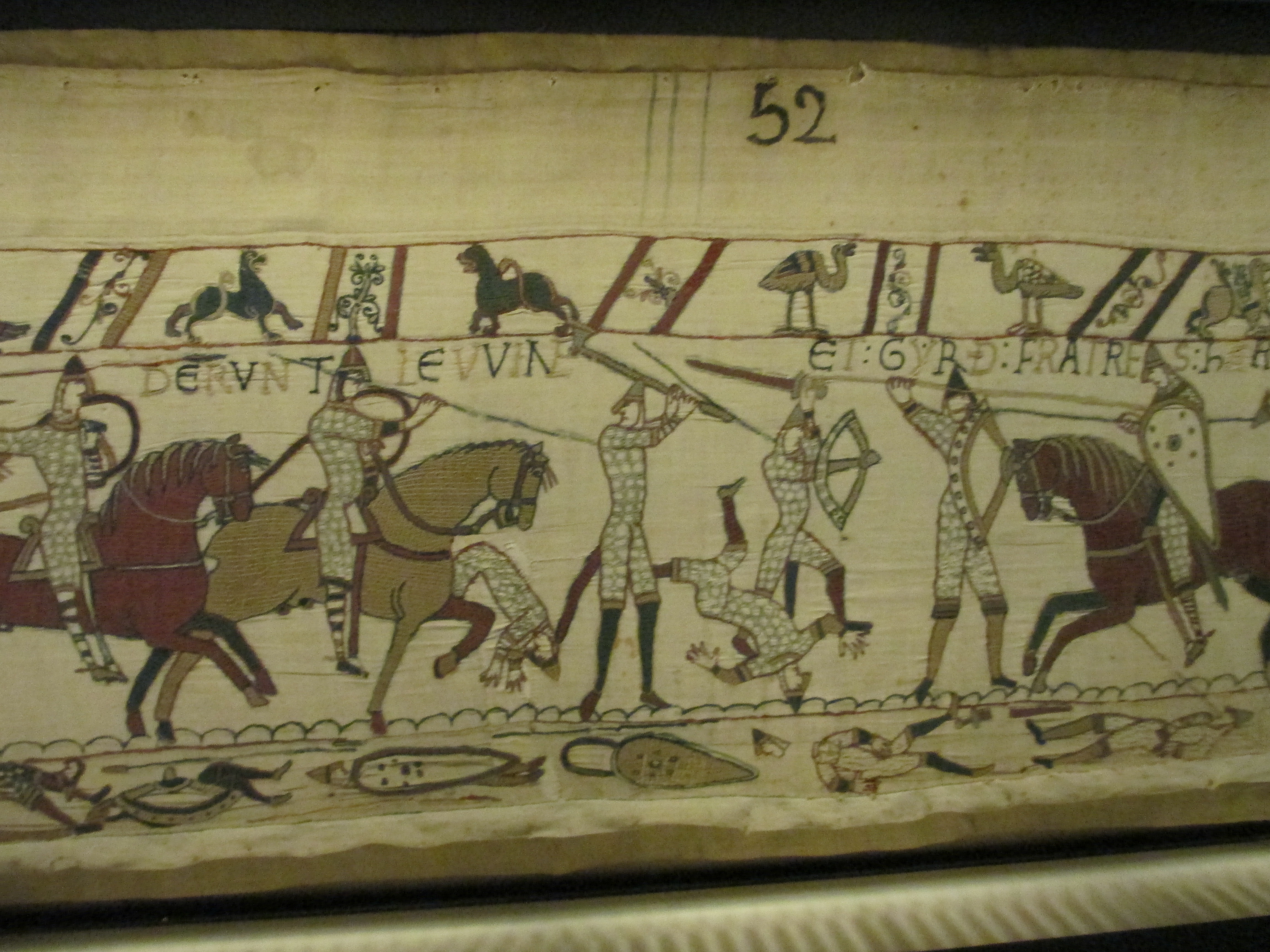
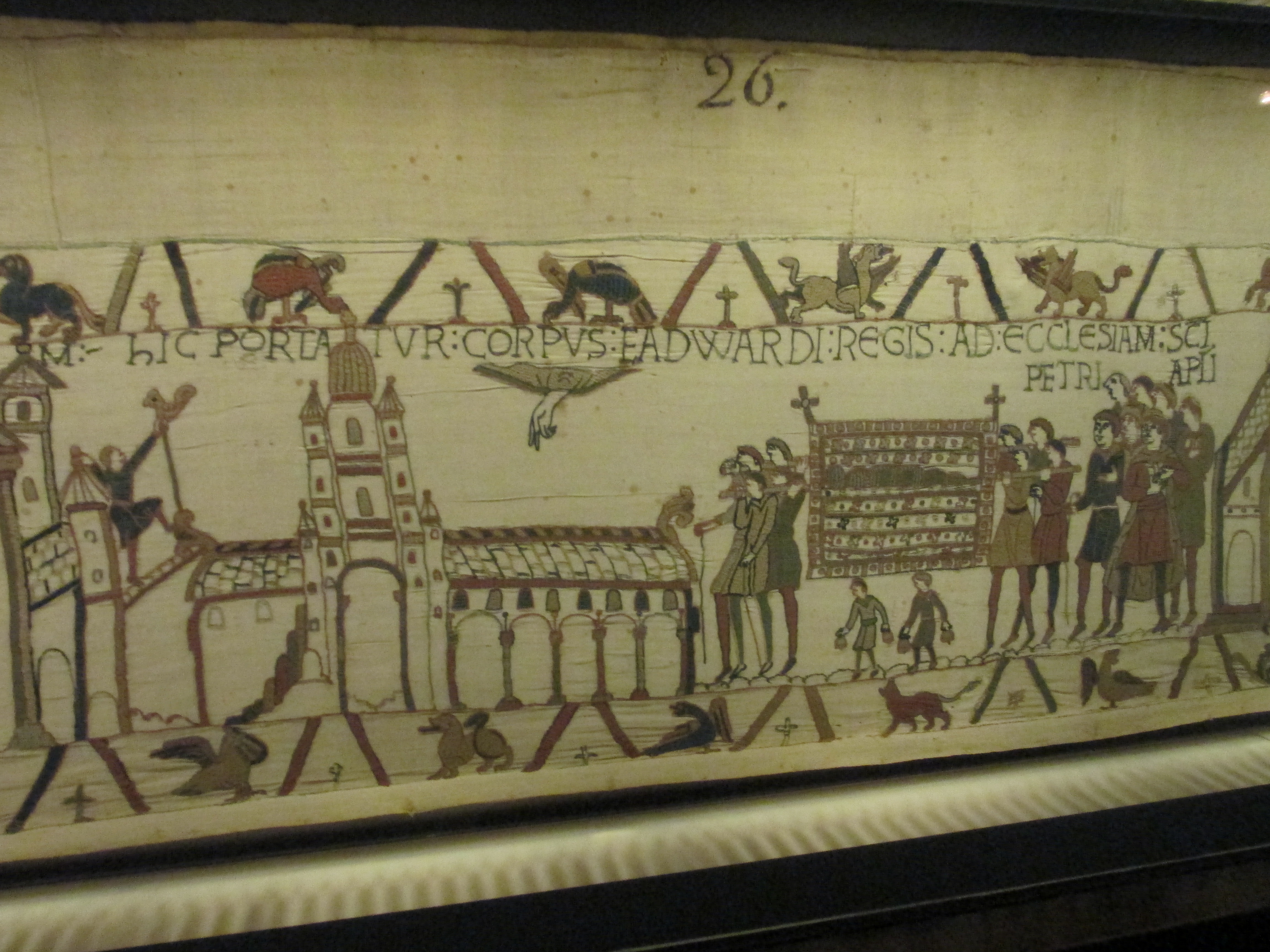
Photo: My favourite scene in the Bayeux Tapestry with the Hand of God coming out of the sky.
24. Which papal legate played a significant role in the Magna Carta negotiations and in the Regency of Henry III?
Answer: Guala Bicchieri. You can have the point if you only got Guala, or said Gualo. It is a variation of the spelling and often only Guala or Gualo is written.
Photo: Facsimile of Salisbury’s Magna Carta in the Temple Church.
25. Who did Geoffrey of Monmouth describe as “an accomplished scholar and philosopher, as well as a brave soldier and expert commander”?
.
Answer: Robert Earl of Gloucester and oldest illegitimate son of Henry I. The passage is from Geoffrey’s dedication of his work History of the Kings of Britain.











 You can see the tower he was most likely born in on the far right of the photo.













 Historical Ragbag