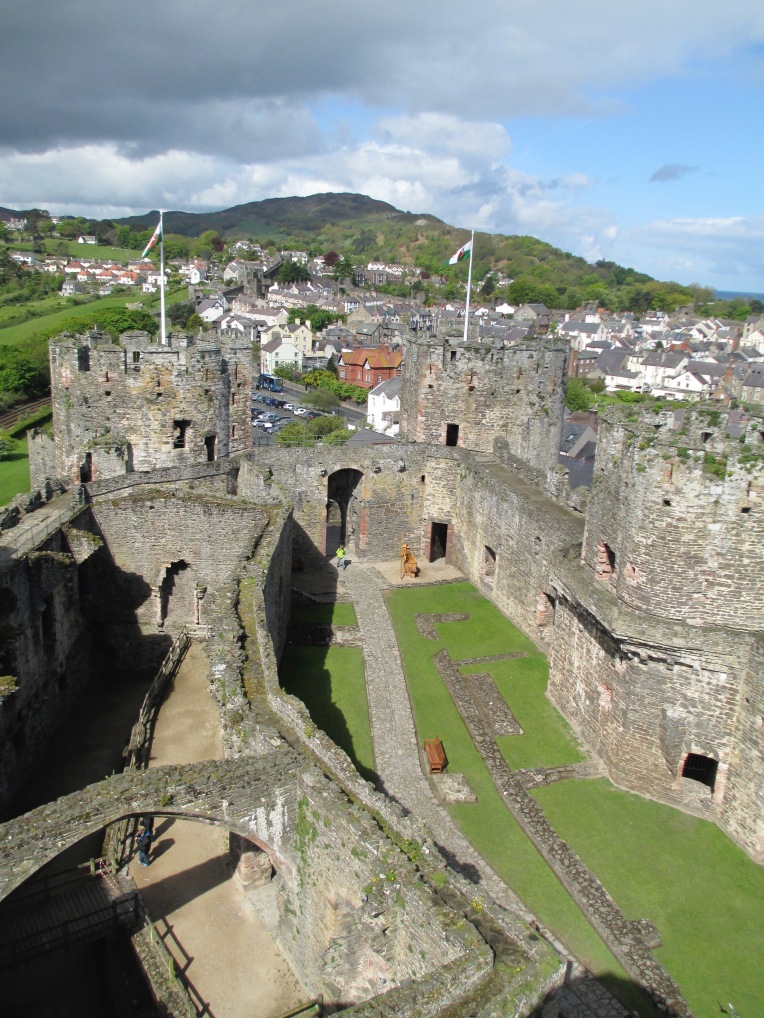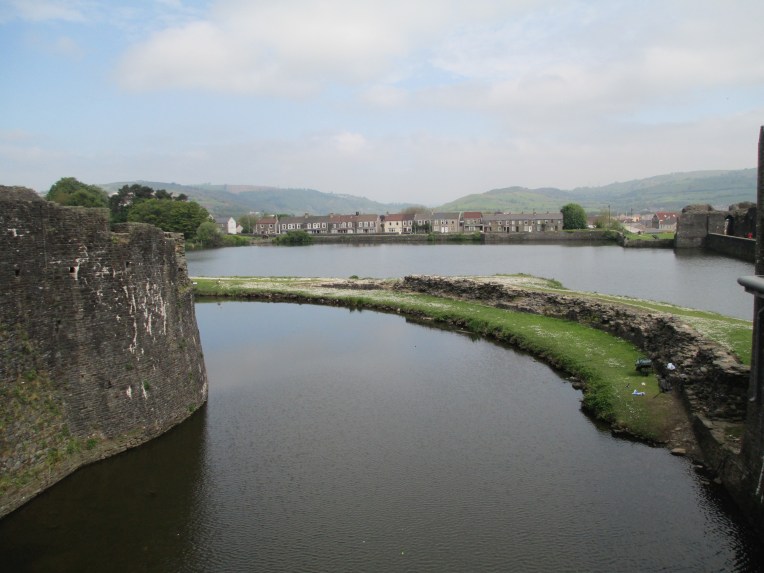
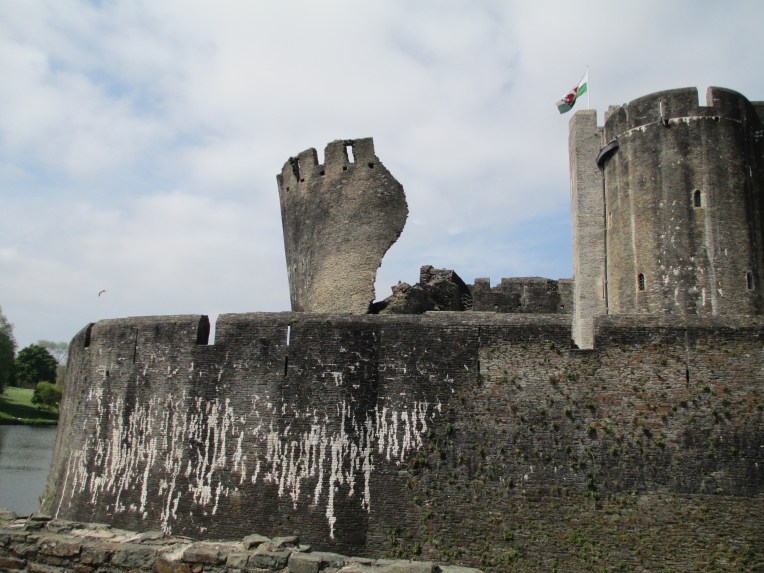
Advent Calendar of Castles: December 18th: Chepstow Castle.

chepstow-1chepstow-2chepstow-3chepstow-4

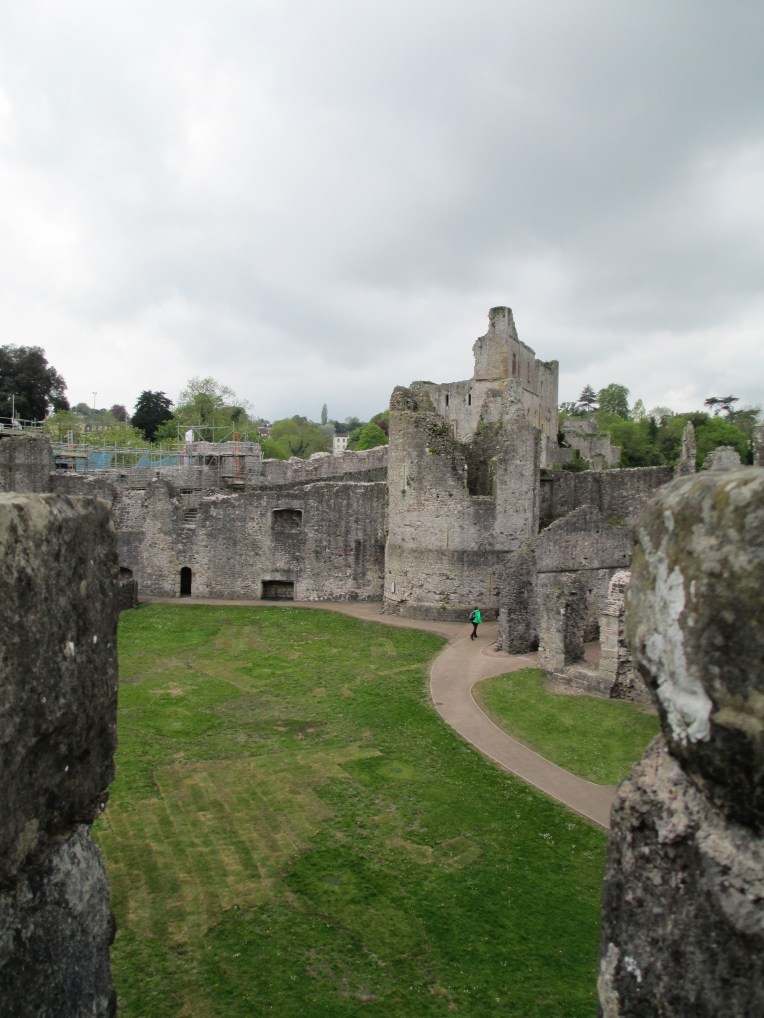
Chepstow is the second of the Marcher castles on this list, it is also the second with real involvement from William Marshal. It sits on a sheer escarpment of carboniferous limestone on the banks of the River Wye. Chepstow is probably my favourite castle and I will write about it in substantially more detail at a later date. I have written about the extraordinary surviving medieval doors before and that post can be found here.

Chepstow, known then as Striguil, was begun originally as a Norman castle. It was constructed by William Fitz Osbern shortly after the Norman conquest of 1066. He was responsible for the beginning of the construction of the castle, but it is unlikely that he had the time to oversee the construction of the Norman great tower before his death in 1071. The great tower is the only substantial surviving part of the Norman castle, though it was extended by the Marshals in the 13th century.

While it will never, of course, be certain it has been argued that the great tower was built under the auspices of William the Conqueror when Chepstow was in royal hands from the 1075 until 1115. The great tower is definitely a Norman building regardless of whether it was built by Fitz Osbern or William the Conqueror, and this makes it one of the oldest dateable surviving stone secular buildings in Britain. It was also impressively built in stone when most other castles were still wood and earth motte and bailey constructions.

Chepstow came into the hands of the Clare family at the start of the 12th century and by 1148 it was in the hands of Richard de Clare, known as Strongbow. Strongbow was the founder of the Norman occupation of Ireland and more can be read about him here. When de Clare died in 1176 all his estates passed to his son Gilbert, who was underage, and when Gilbert died, without ever coming of age, to his daughter Isabel de Clare. Isabel married William Marshal in 1189 and all of her extensive estates came to him. Isabel de Clare was a fascinating woman in her own right and you can read more about her here.

Marshal rebuilt the curtain wall with two round towers and the main gate house. Under the Marshals over the years other parts of the castle were extended and modernized. Chepstow came into the hands of Roger Bigod Earl of Norfolk, by right of his mother who was Marshal’s daughter, in c.1245. The Bigods were responsible for the building of the new hall block inside the castle walls as well as a large new tower in the south east corner of the castle and significant parts of the high walls.

After the death of Roger Bigod in 1306 Chepstow was in royal hands again and after this it passed in and out of various families over the centuries. It was modified by the Tudors and during the Civil War the it fell twice to parliamentary canon before it was refortified. Its final outing on the main stage of history was when Bigod’s tower was used as a prison, albeit a relative comfortable one, for Henry Marten one of the signatories of the death warrant of King Charles I. He was held in the tower at the order of Charles II, who spared his life, for roughly 20 years until his death at Chepstow in 1680.

After the Civil War and the Restoration Chepstow slowly crumbled into a picturesque ruin. It came into Cadw hands in 1984.

There is much more to write about Chepstow, not the least the absolutely fascinating well, but that is for another time.

References:

Site visit 2012

Chepstow Castle: Its history and buildings 9781904396529

Wales Castles and Historic places: 9781850130307

http://www.berkshirehistory.com/bios/hmarten.html

http://cadw.gov.wales/daysout/chepstow-castle/?lang=en

The photos are all mine.

Advent Calendar of Castles: December 17th: Pembroke Castle

IMG_5478

IMG_5435

IMG_5427IMG_5475


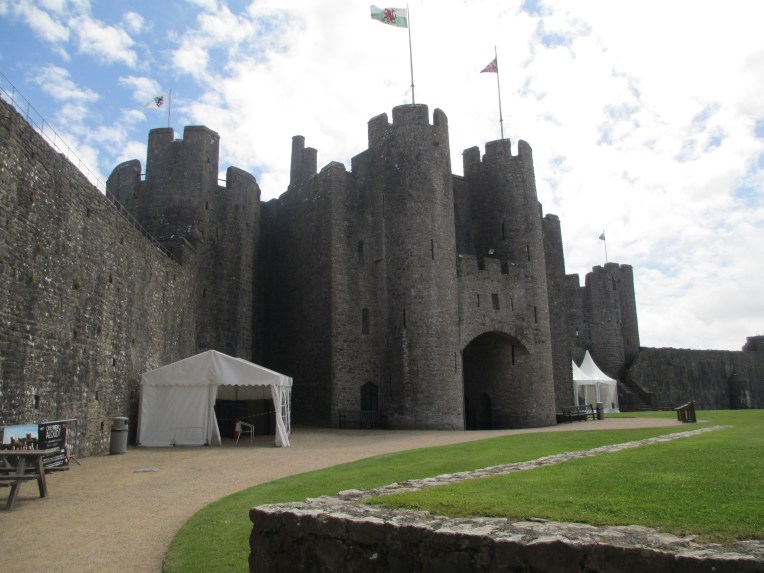
Pembroke is the first Marcher castle on my list. While it is arguable whether Pembroke actually stands in the Marches it was certainly owned and built by the men who were or became Marcher lords, including one of my favourites William Marshal. As this is a castle I have written extensively about before, I thought I’d provide a link to my previous post rather than a new potted history.

https://historicalragbag.com/2015/11/15/pembroke-castle/

The photos are all mine.

Advent Calendar of Castles: December 16th: Dolwyddelan Castle


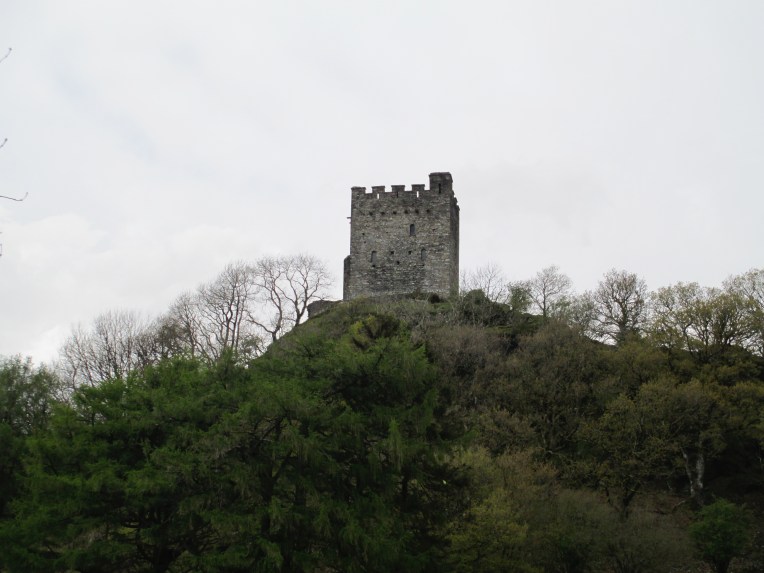
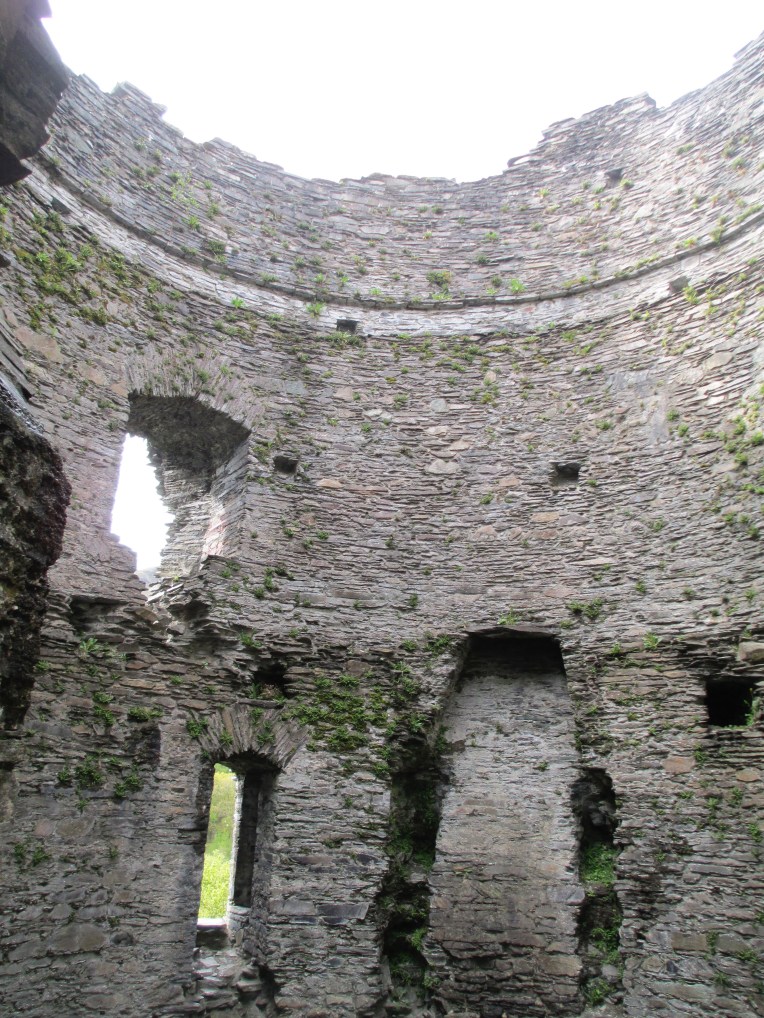
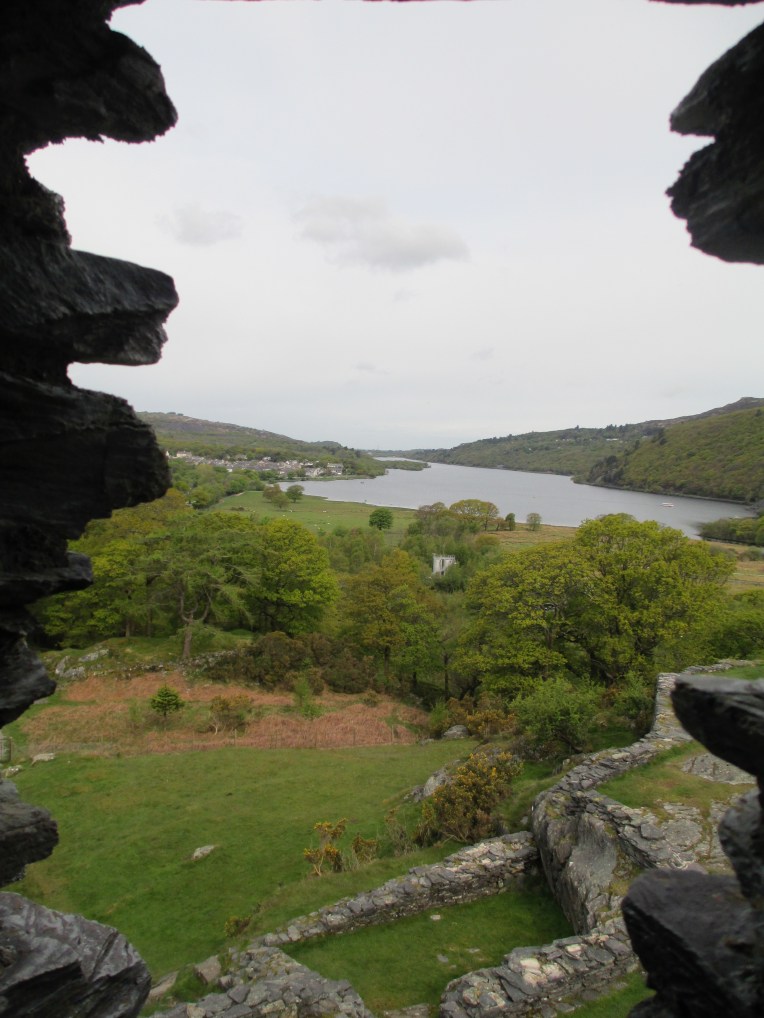
dolwyddelan1dolwyddelan2dolwyddelan3My second purely Welsh castle. Dolwyddelan now stands on a farm guarding the Lledr Valley.
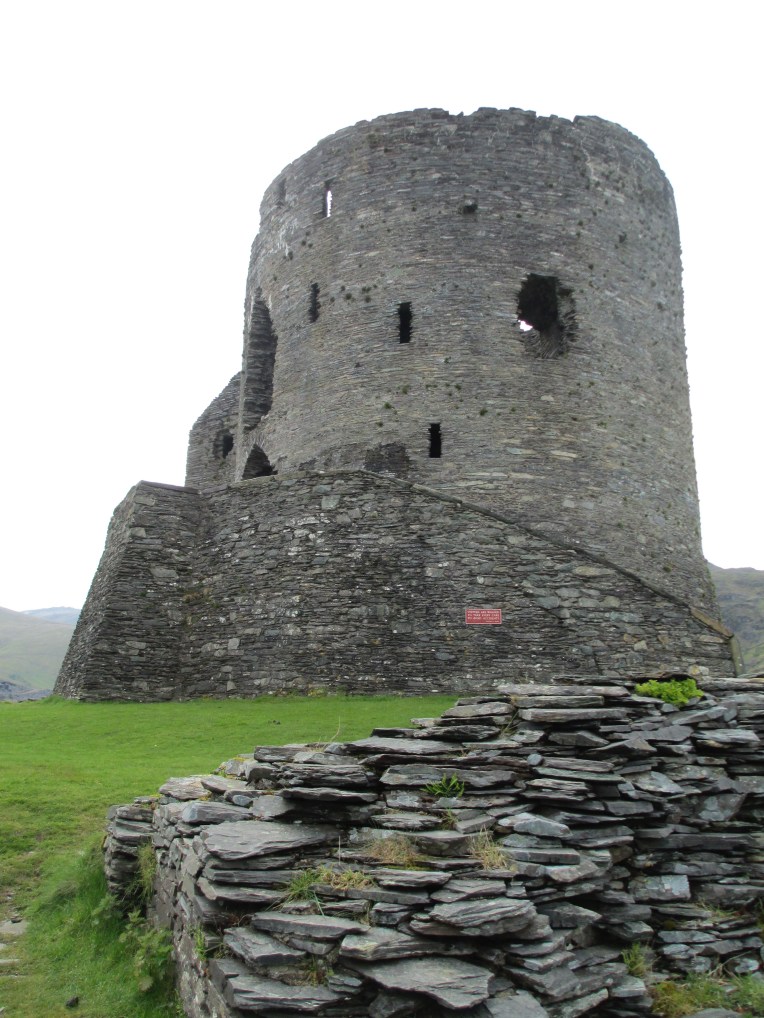
Like Dolbadarn, Dolwyddelan has very little documentary evidence. There is a tradition that Llywelyn the Great was born here, but more recent research has shown that there are other more likely locations.

Dolwyddelan was in fact probably built by Llywelyn the Great in c. 1200. It is part of his circle of mountain castles protecting the passes, Dolbadarn is another.

There is no documentary history before the conquest of Edward I except for a letter that Llywelyn the Last signed from here in 1275. Edward I besieged the castle in in 1282 until it was captured on January 1st 1283. His men wore white to be camouflaged in all the snow. The castle was sold in 1488 and by 1848 it was in ruins and in the hands of Lord Willoughby de Eresby. It was under his ownership that the keep was restored to its present condition.

The original keep would have only been two stories and the third story and the wall walk were possibly added under Edward I, the battlements and the wall walk were reconstructed by de Eresby. The west tower was also added later, possibly under Edward I.

References:

Site visit 2012

Wales Castles and Historic places: 9781850130307

Castles in wales: 9781847710314

http://cadw.gov.wales/daysout/dolwyddelan-castle/?lang=en


The photos are mine.

Advent Calendar of Castles:December 15th: Dolbadarn Castle


dolbadarn1dolbabard2dolbabarn3jpg

dolbadarn4

Dolbadarn is the first purely Welsh castle on this list and it still sits on the hill guarding Llyn Padarn. This impressive little keep would have had total command over the Llanberis pass.

While there is no documentary evidence of Dolbadarn before Edward I’s conquest it was most likely built by Llywelyn the Great in the mid 12th century. Llywelyn mostly likely built the castle to guard the path between Caernarfon and the upper Conwy Valley. The striking circular tower is the central figure of this castle, but it would not have stood alone. There are several building surrounding it, though not much remains. There was probably a great hall, a curtain wall and mostly likely two towers guarding the western and southern approaches to the castle.

The keep itself is very well constructed and still stands at an impressive 50 feet tall. It was probably modelled on castles built by the Marcher lords, but intriguingly the door is believed to have had a portcullis at some point, which is unusual for a castle of this size and age. Additionally it had three stories, unusual in a Welsh castle, and even more oddly the stair reverses its spiral to reach the battlements, which don’t exist anymore. The reason for this reversal is not known.

Dolbadarn is best known as the castle where Llywelyn the Last most likely held his brother Owain captive for more than 20 years from c. 1255 until Llywelyn’s first defeat at the hands of Edward I when Owain was released and given lands in Llyn.

Once Llywelyn was killed in 1282 his younger brother Dafydd tried to keep fighting but he failed. He issued his last documents as Prince of Wales and Lord of Snowdon from Dolbadarn in 1283. He was captured at the castle and taken to Shrewsbury where he was hanged drawn and quartered on the 2nd of October 1283.

Dolbadarn came into Edward I’s hands, but apart from some minor repairs he largely left it alone and it sank out of history.

References:

Site visit 2012

Wales Castles and Historic places: 9781850130307

Castles in wales: 9781847710314

http://cadw.gov.wales/daysout/dolbadarncastle/?lang=en


The photos are all mine.

Advent Calendar of Castles: December 14th:Criccieth

criccieth1

criccieth2

criccieth3

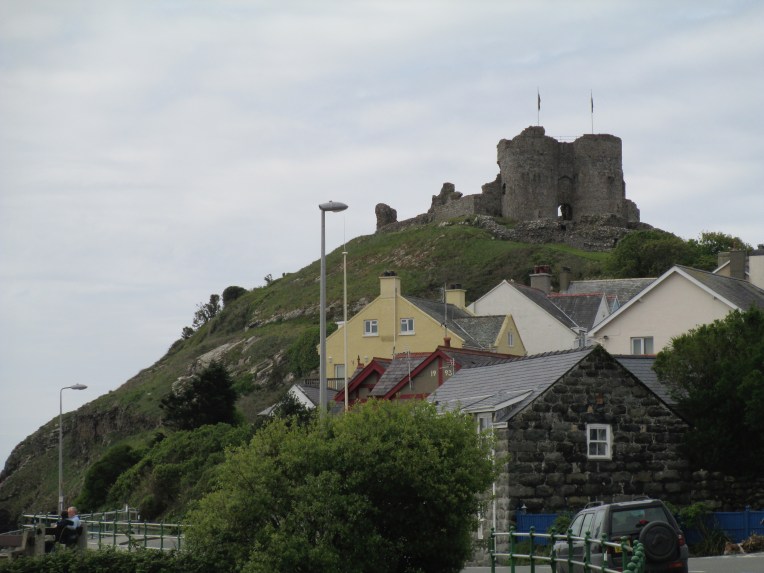
Criccieth Castle perches on top of a headland pushing out to sea.

It is an amalgam between a Welsh Castle and castle of Edward I. The original castle at Criccieth was built by Llywelyn the Great sometime between 1230 and his death in 1240. The remains of this original castle are now the inner ward and inner gate house, and it was probably modelled on the castle built by Hugh de Burgh at Montgomery. They certainly have a very similar design in gatehouses.

Under Llywelyn the Great’s grandson Llywelyn the Last, Criccieth was enlarged with the curtain wall significantly extended and the south west tower and north west tower, which would have had a trebuchet mounted on it, constructed.

When Llywelyn the Last was killed in 1282 the remaining welsh castles rapidly fell to Edward I. Criccieth was in English hands by the 14th of March 1283. Under Edward I there was a significant quantity of work undertaken on the castle. He constructed the south east tower and heavily remodelled the remainder of the castle.

Criccieth was also used as a prison. Llywelyn the Great’s illegitimate son Gruffudd was imprisoned there, for rebellion, by Llywelyn’s legitimate son and heir Dafydd when Dafydd inherited Llywelyn’s lands. Gruffudd was held there with his son Owain from 1239 until 1241 when Dafydd suffered a defeat at the hands of Henry III and had to hand the prisoners over to his cousin the English king. Gruffudd died three years later in an attempt to escape the Tower of London. Criccieth again served as a prison when Maredudd ap Rhys Gryg rebelled against Llywelyn the Last and was imprisoned in Criccieth from 1258-1259.

Edward II also added to the castle, but it was at the hands of Owain Glyndwr’s forces that Criccieth met its final fate. Criccieth at the time was held by the English and it was one of several castles that capitulated to Glyndwr’s forces in c. 1404. The castle and the town were burnt. The castle was never rebuilt although the town did recover slowly. However, without the castle the town ceased to be a garrison town and eventually became wholly Welsh.

References:

Site visit 2012:

Cadw: Criccieth Castle: 9781857602913

http://cadw.gov.wales/daysout/criccieth-castle/?lang=en

Advent Calendar of Castles: 13th of December: Caernarfon

caernarfon1caernarfon2caernarfon3

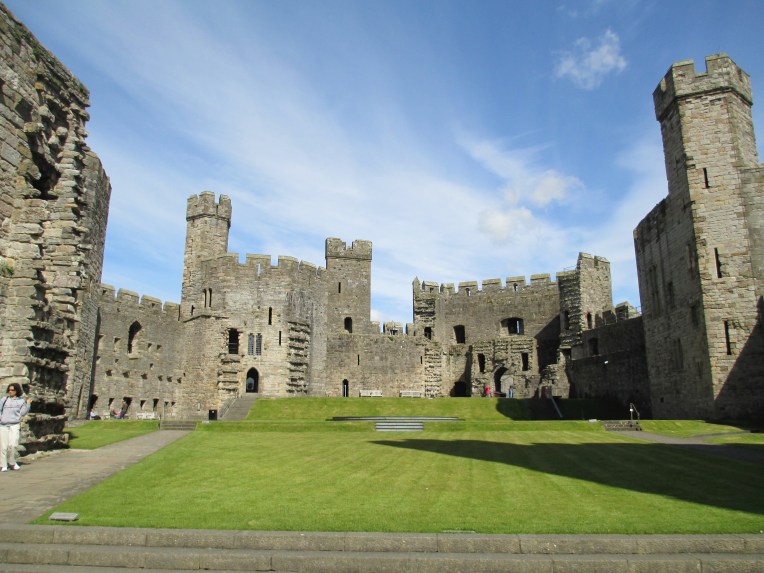
Caernarfon isn’t the largest or the most expensive of Edward I’s castles, but for my money it is probably the most striking.  Conwy is more impressive in many ways and Beaumaris more intricate, but the sheer immense bullishness of Caernarfon is literally breath taking, not necessarily in a good way. Edward I’s castle wasn’t the first castle on this site. The motte of Hugh Earl of Chester’s original motte and bailey castle,  built in 1088, was included inside the 1283 castle.

This was a castle that Edward I had begun after the defeat of Llywelyn the Last, the grandson of Llywelyn the Great, in 1282. Caernarfon, as an area, has a strong Roman and Welsh mythic history with the old Roman fort of Segontium on the hill above today’s town. The fort was associated with the legend of Magnus Maximus, a real usurping Roman Emperor, who became the figure of Macsen Wledig in the collection of 13th century Welsh tales known as the Mabinogion. In the Mabinogion, Macsen Wledig has a dream and describes journeying to a land of high mountains facing an island and

“at the mouth of the river he saw a great castle, the fairest that anyone had seen, and he saw the castle gate was open, and he came into the castle. He saw a hall in the castle. He thought that the roof-tiles of the hall were all of gold. The sides of the hall he thought to be of valuable, sparkling stones.”

It has been argued that Edward I used this legend in his construction of Caernarfon to help cement his own position within Welsh mythology. While the walls are not golden they are quite intentionally built with different coloured patterned stone, which is something that is done at none of his other castles. The walls and towers are also angular and this is unique amongst his other castles, which all boast circular towers. It has been argued that the walls have been built to resemble the walls of Constantinople because in the Welsh tradition Macsen Wledig has been interpreted as being the father of Constantine. It was also claimed that the body of Macsen Wledig was found in the building of the castle and it was suggested in various chronicles that Caernarfon was the site of the tomb of Constantine the Great.

Caernarfon’s mythic past aside its curtain wall is what makes it so dramatic. It’s a single curtain wall, but it is massive as there are no other outer defenses. The highest point of the castle is the Eagle Tower, so called because of the carved Roman eagles mounted on top, which stands at an astonishing 128 feet high. Given its history as a place of a conqueror I have to say I was very pleased to see the Welsh flag flying over Caernarfon.

References:

Site visit 2012

Wales Castles and Historic places: 9781850130307

Castles in wales: 9781847710314

Edward I by Michael Prestwich

http://www.mabinogion.info/maxen.htm

Advent Calendar of Castles: December 12th: Beaumaris

beuamaris1beuamaris2beaumaris3

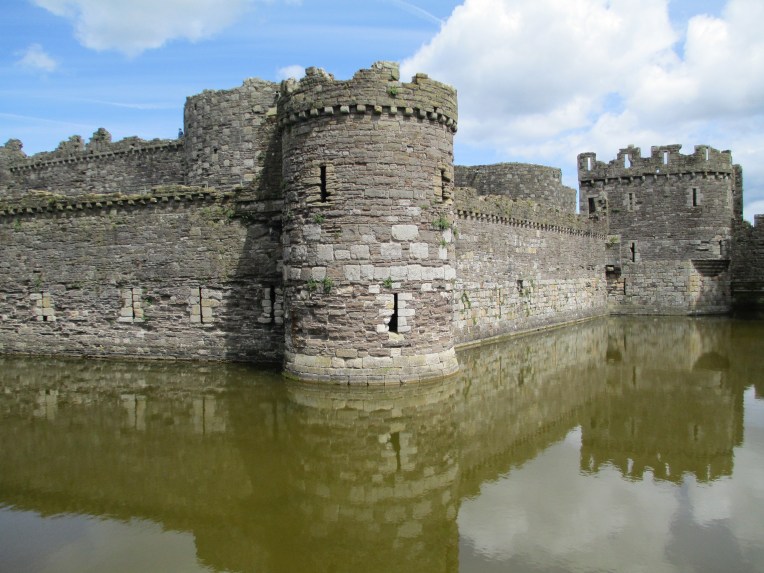
Beaumaris stands on the Island of Anglesea looking across the Menai Straits and it was to control these straits that Edward I had Beaumaris built in c. 1295. It was the last of his ring of castles and was built largely in response to the rebellion of Madog ap Llywelyn. It is the largest and the most sophisticated of Edward I’s castles, probably because there was no existing structure on the site to try and build around or on top of. The native population of the area of Llanfaes was forced to move prior to the construction of the castle. It is a concentric castle with walls within walls and, something that is actually quite unusual in medieval castles, a moat that holds water.  The moat was 18 feet wide and actually had a tidal port at one side that would allow for ships to come right up to the castle for trade. The curtain wall around the moat boasts 16 towers and the massive 3 quarters of an acre of the inner ward is guarded by an interior wall boasting a further 6 towers and 2 gatehouses. This castle was virtually impenetrable before the age of cannon.  Ironically the castle is not complete. The towers were intended to be three stories not two.

Beaumaris has actually seen very little battle. Owain Gwndyr’s supporters held the castle for two years, 1403-1405, while the locals in the unwalled town that had developed around the castle suffered immensely in attempts to take the castle. It also did play a small role in the Civil War in the 17th century being held by royalists, then surrendered, then taken, then surrendered again. After that the castle largely stayed out of any historical events.

It is still an almost unbelievable castle to visit, not the least because it does genuinely have a moat. The town of Beaumaris in also home to the tomb of Joan Princess of Wales, illegitimate daughter of King John and wife of Llywelyn the Great. Her tomb was used as horse trough for a time, but thankfully the sarcophagus survived and can be seen in the Beaumaris parish church. For more on Joan click here.

References:

Site visit 2012

Wales Castles and Historic places: 9781850130307

Castles in wales: 9781847710314

http://www.castlewales.com/beaumar.html

The photos are all mine.

Advent Calendar of Castles: December 11th: Conwy Castle

conwy1conwy3conwy2

Conwy is the first I’ll be discussing of a series of castles built by Edward I in his domination of Wales. Conwy was built in 1283 and remains one of the most impressive surviving medieval fortifications in Britain.

The ring of castles Edward built around Wales, especially in the north, were constructed both to impose his authority on the area and to ensure that any expensive future rebellions was squashed. Edward used the towns and castles he built to import Englishness. He brought in English settlers and English laws and made the towns havens of the English. It wasn’t until the 1700s that the Welsh really had towns they could call their own, the Welsh at the time didn’t really live in towns because they tended to be a disparate agricultural community.

Edward I  took the Conwy valley in 1283 and very quickly began to erect a garrison town and the castle. By 1287 the castle was largely finished. This castle sits on a rock base which provided enough security that it was not necessary for Edward I to have the walls with in walls that are a feature of many of his other Welsh castles.

Edward lavished more money on Conwy than any of this other welsh castles, spending 15 000 pounds, an extraordinary sum for the time. He built the castle and the wall on the site of Aberconwy Abbey, one of the most important Welsh abbeys and the burial place of probably the most important Welsh Prince, Llywelyn the Great. Llywelyn’s body was moved by the monks and his sarcophagus can now be found at Llanwrst parish church.

Edward I was actually held at Conwy under siege by Madog ap Llywelyn in 1295, but the castle didn’t fall. Conwy was also taken by the forces of Owain Glyndwr in the 1400s.  Glyndwr came very close to taking Wales out of the hands of Henry IV, but in this particular case it was two of his kinsmen who took the castle. Rhys and Gwilym Tudor, yes those Tudors, took the castle through trickery. They waited till the garrison was at prayer and then, some stories say by pretending to be carpenters, snuck in and took the castle in 1401. They held it for months before it was traded back for funds for the rebellion.

References:

Site visit 2012

Wales Castles and Historic places: 9781850130307

Castles in wales: 9781847710314

http://www.walesdirectory.co.uk/his/cas/conwy.htm

http://www.castlewales.com/edwrdcas.html

http://cadw.gov.wales/daysout/conwycastle/?lang=en

http://www.castlewales.com/glyndwr.html

http://www.castlewales.com/conwy.html

The photos are all mine.

Advent Calendar of Castles: 10th of December: Doune Castle

doune1doune2doune3


There was most likely a castle on this site built in the 13th century, but the current castle dates to the end of the 14th century. Historically it is best known for the time it spent in the hands of Robert Duke of Albany and Earl of Atholl, who was the son of King Robert II of Scotland and the younger brother of Robert  III. Robert III was politically and physically fairly weak and his son James I was held captive in England for 18 years so Albany, who was born in c. 1340, was effectively ruler of Scotland for most of the time between 1386 and 1420 when he died. Albany was succeeded by his son Murdoch. However, when James I returned to Scotland in 1424 he had Murdoch executed by 1425 and Doune came into royal hands. It wasn’t as well appointed or as comfortable as the fairly nearby Stirling and Edinburgh, however,  so it wasn’t used as often.

Albany very much saw Doune as a status symbol and it was constructed along very impressive lines. While what remains today is certainly still striking it is possible that there were other parts of the castle which have since been lost. Records describe Albany entertaining a large number of lords and ladies which simply wouldn’t have been possible with the castle as it is now. So it is likely that Doune once had south and west ranges, to provide more accommodation and more general space. The surviving great hall is certainly on a large scale, with a musician’s gallery and large central hearth. It was renovated in 1803, however, by the Earl of Mowbray who owned the castle at the time.

Doune effectively ceased to be a royal castle when James VI of Scotland became James I of England in 1603 and he departed Scotland for London.

If Doune looks familiar to you it is probably because it has certainly had its fair share of screen time. You might have seen it playing Winterfell in Game of Thrones or portraying Castle Leoch in Outlander. However, for me it is its appearance in 1975s Monty Python and the Holy Grail for which it will always be known.  Originally several Scottish castles were going to feature in The Holy Grail, however at the last minute the National Trust decided that the Pythons’ plot was “not consistent with the dignity of the fabric of the buildings”. Thankfully for the Pythons Doune was privately owned at the time and they were allowed to shoot there. So while it isn’t the only castle in The Holy Grail it does feature in significantly more scenes than any of the others. It was the site of: the interior of Camelot Castle, some of Castle Anthrax, the French taunting, the Swamp Castle and the Trojan Rabbit. If this all sounds like gibberish to you, then you should really go and watch The Holy Grail, it’s an excellent film.

It’s also not unusual to see people wandering around Doune Castle with two halves of a coconut pretending to ride a horse.

References:

Site visit 2012

https://www.historicenvironment.scot/visit-a-place/places/doune-castle/history/

https://www.visitscotland.com/info/see-do/doune-castle-p254201

The photos are mine.