

This is a fascinating book about medieval English kings and the noble, but largely forgotten sport of falconry. It is a surprisingly good read and has beautiful depictions of falconry from breviaries, illuminated manuscripts and tapestries.
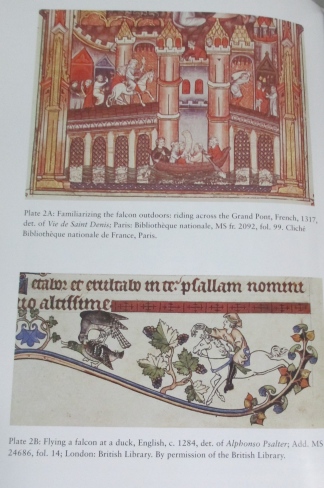
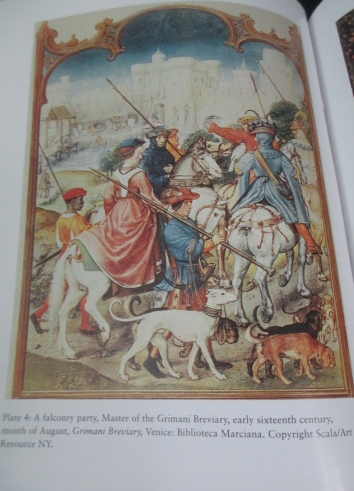
Falconry was an important part of life for medieval nobles. Admittedly I have mainly read the chapters regarding falconry from the reign of William I to the reign of Henry II as these were the parts I required for my novel. During Henry II’s reign he was often described as travelling with his hawks and was hawking at key moments in his life. For example when Thomas Becket was summoned to Henry’s court to answer a charge of contempt Becket had to wait because Henry had stopped to hawk along the river banks.
Hawks also played a role in William I’s life. He is depicted in the Bayeaux tapestry as carrying a hawk that had possibly been brought by Harold Godwinson as a gift.

Eyries of hawks were also listed as assets in the Domesday Book, which was written under the orders of William I.
Hawking and falconry in general was very much part of the life of the nobility. Different birds were seen as having different characteristics, for example goshawks were generally flown at ducks, pheasant and partridge. Goshawks were seen as the lower bird, often used for hunting for food rather than just for sport. Whereas Sparrowhawks were seen as a more noble bird and were often used to hunt prey like teal.
Falcons like the gyrfalcon would come from places like Iceland and could take down cranes and herons. The gyrfalcon was the most highly valued bird by the English Kings and King Haakon IV of Norway sent Henry III three white and ten grey gyrfalcons in 1225 as a gift.
These falcons could also be very productive. In c. 1212 King John’s falcons bagged seven cranes in one day and nine in another.
This book gives a truly interesting insight into medieval falconry, both the birds themselves and the men who flew them.
Title: The Kings and Their Hawks
Author: Robin S Oggins
ISBN: 9780300100587

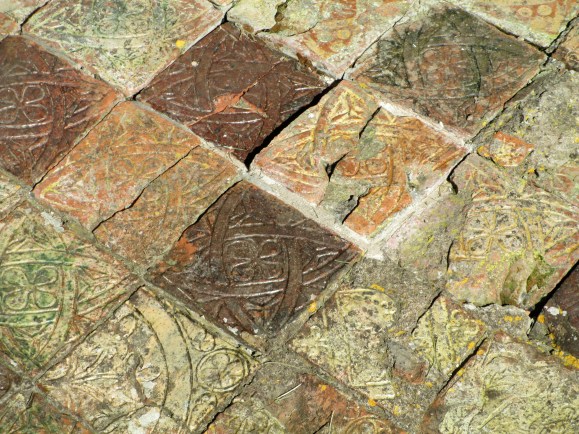


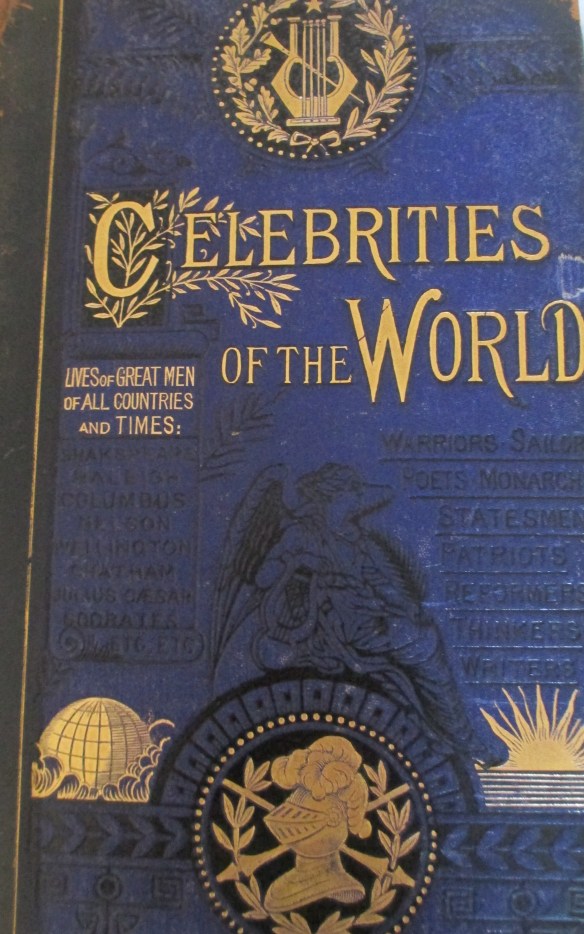 It dates from the 1880s and is essentially a collection of those considered celebrities throughout history. The men included, and I’m not being generalist here there are no women, range from Alexander the Great, to Geoffrey Chaucer,to Simon de Montford.
 The book describes itself as cataloguing: warriors, sailors, monarchs, statesmen, patriots, reformers, thinkers and writers. It also has a number of lovely printed illustrations. For each person depicted it usually has, at least, a picture and in some cases, l
 ike Simon de Montford’s, depictions of their actions. In de Montford’s case it is a picture of him expelling ‘Jews and other aliens.’ As you can see it is a book of its time. It is a beautifully put together book though and it is an interesting illustration of how our ideas of celebrity have changed, even if the information is a bit outdated.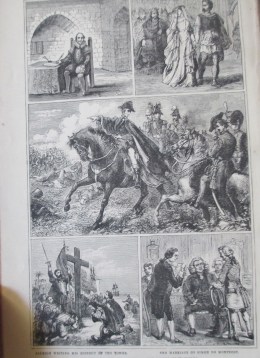



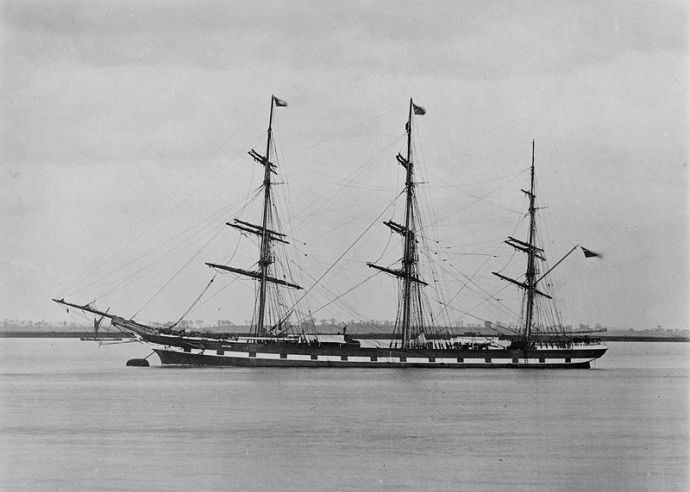 At 3am on the 1st of June 1878 Captain Gibbs was expecting to see land as they should have been approaching Victoria’s coast. He was looking for the lighthouse at Cape Otway, but the ship was sailing through a heavy fog.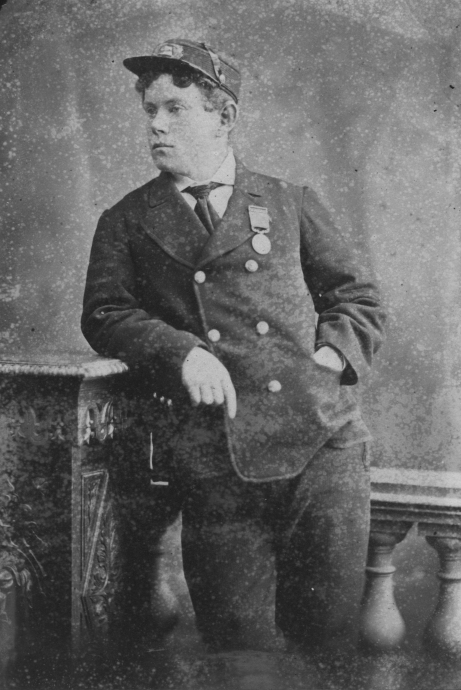



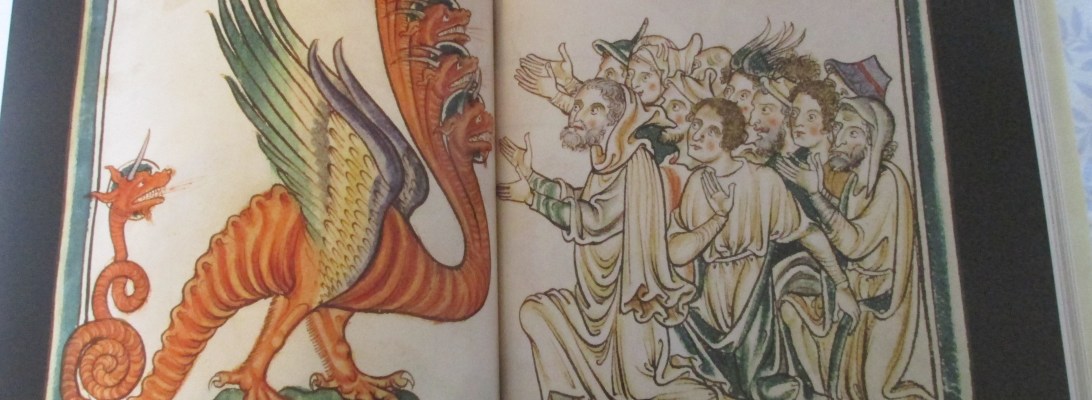

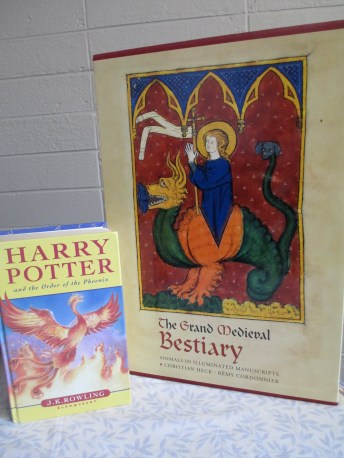
 rcules chops them off. However they did believe that the hydra was a creature who lived in the Nile and fought the crocodiles there by entering their jaws while they slept and tearing them apart from the inside. The hydra also apparently caused an edema of the legs, which was best treated with ox dung.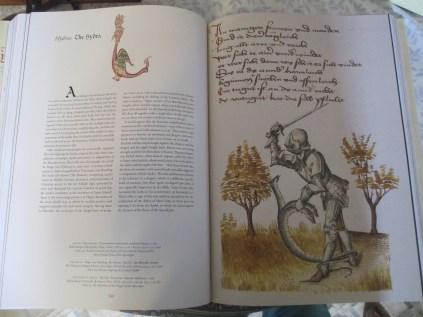

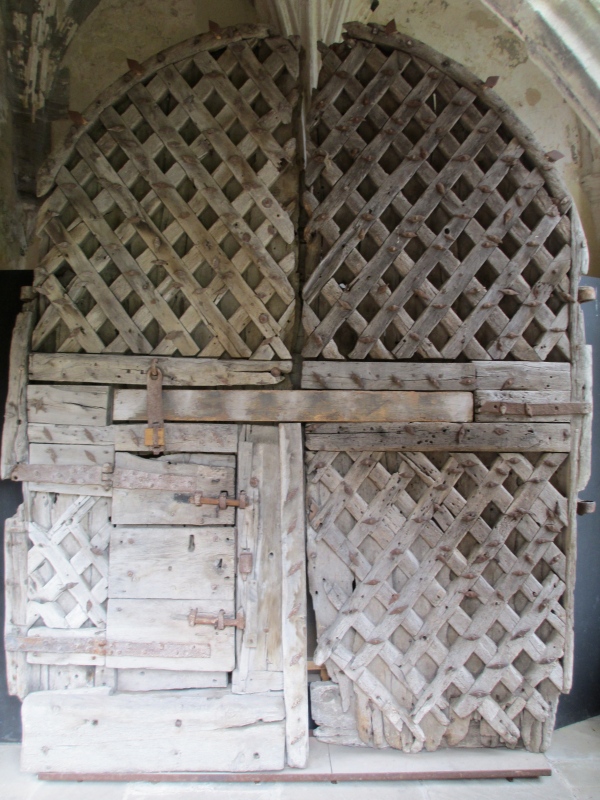 This door is to be found in Chepstow Castle in Chepstow (called Striguil in the 12th century) in Wales. The door dates from the 12th century. While this in itself makes the door interesting, how it was discovered and what it meant adds even greater significance. This door hung in the doorway of the main gatehouse of the castle.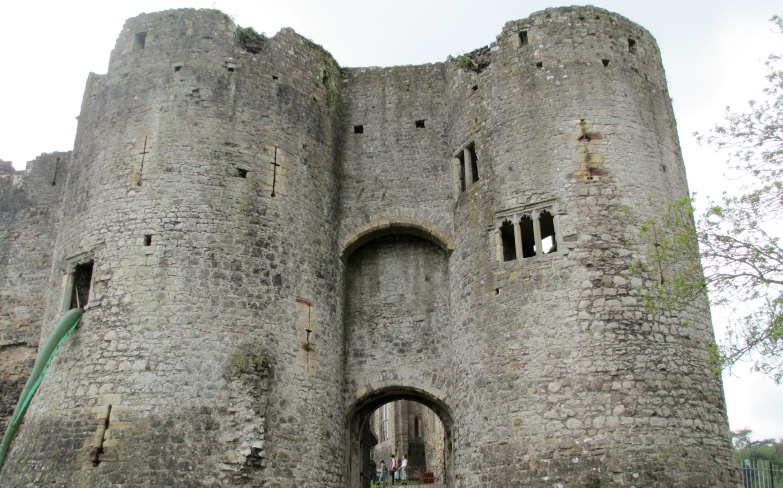
 Historical Ragbag
