Advent Calendar of Castles: December 20th: Ferns Castle

ferns1ferns2foix7foix6foix-4foix5Ferns

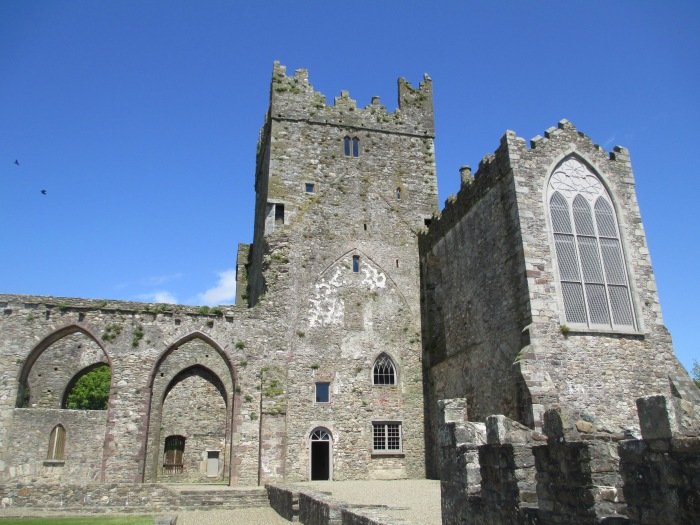
The first of the Irish castles on this list, and the third Marshal castle.

Ferns stands at an important strategic site as the area was historically the capital of the Kings of Leinster. Diarmait Mac Murchada was the last King of Leinster and he invited the Normans, led by Richard de Clare, to Leinster to regain his kingdom. He promised both his daughter, Aoife, and the inheritance of his kingdom to Strongbow as a reward. Isabel de Clare was Strongbow and Aoife’s daughter and through her marriage to William Marshal Ferns came into Marshal hands. More about the background to all of this can be found here.  Diarmait was also buried in Ferns and his grave can be seen there today.

There was an earth and timber motte and bailey castle on the site built by the kings of Leinster before Marshal arrived in Ireland, but the castle, the remains of which you can see today, was most likely built by William Marshal. The original castle was built between c.1199 and c.1220 so most likely William Marshal the elder begun the building, but he died in 1219 so his son William Marshal the younger most likely finished it. There were later additions made though.

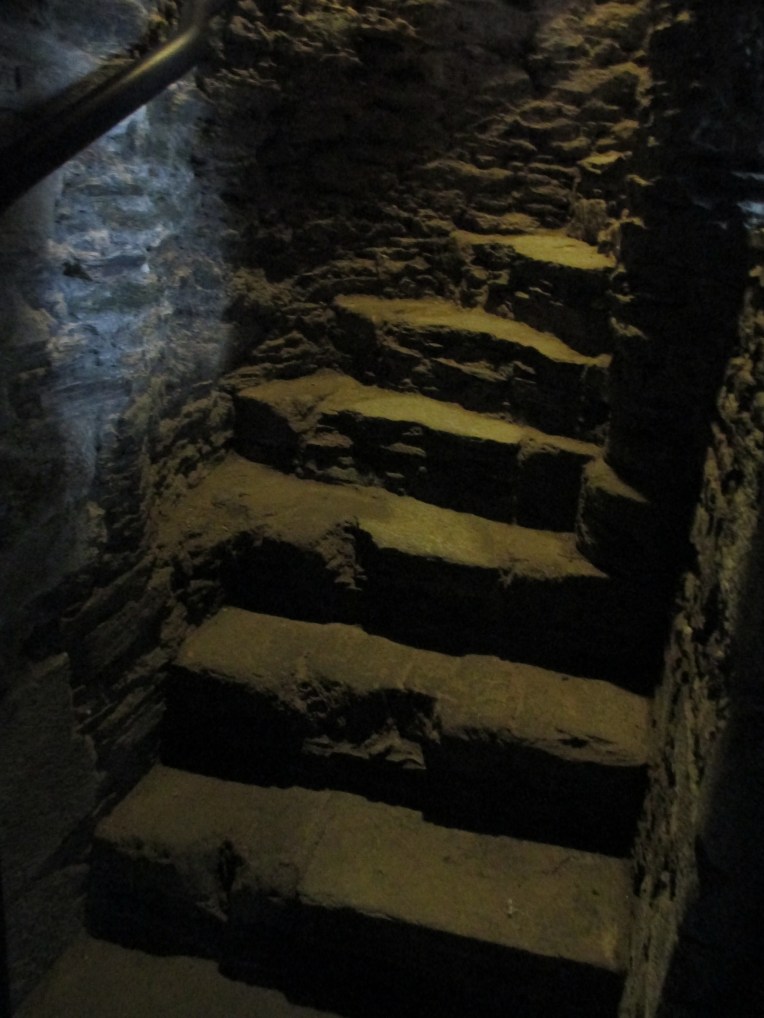
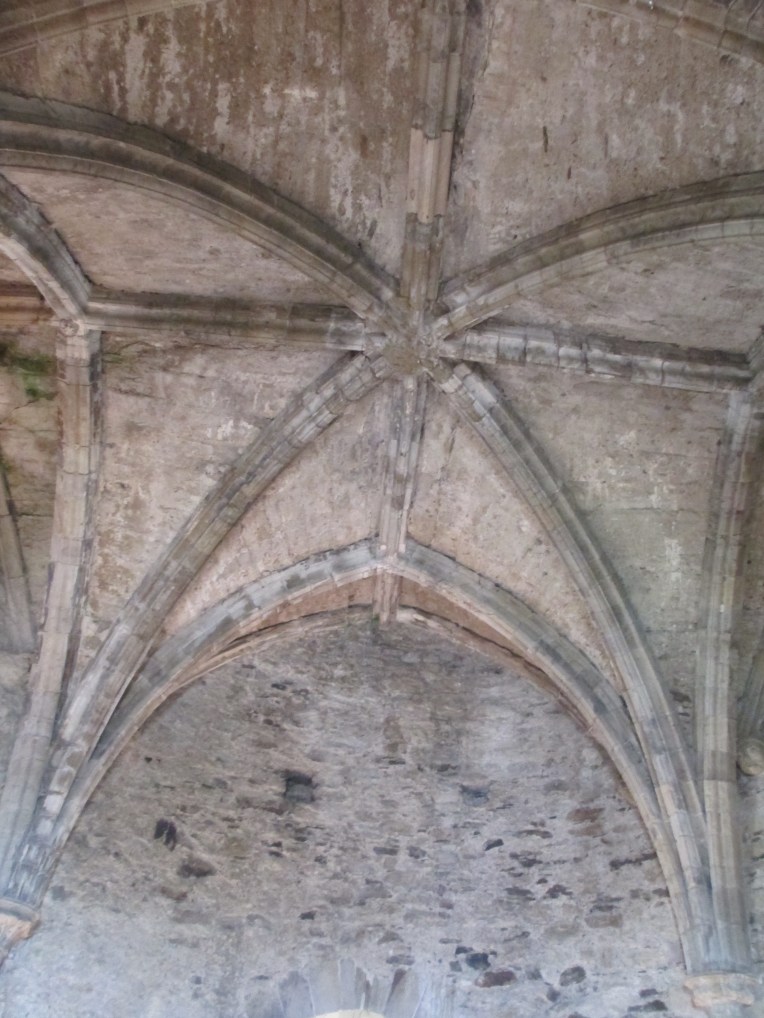
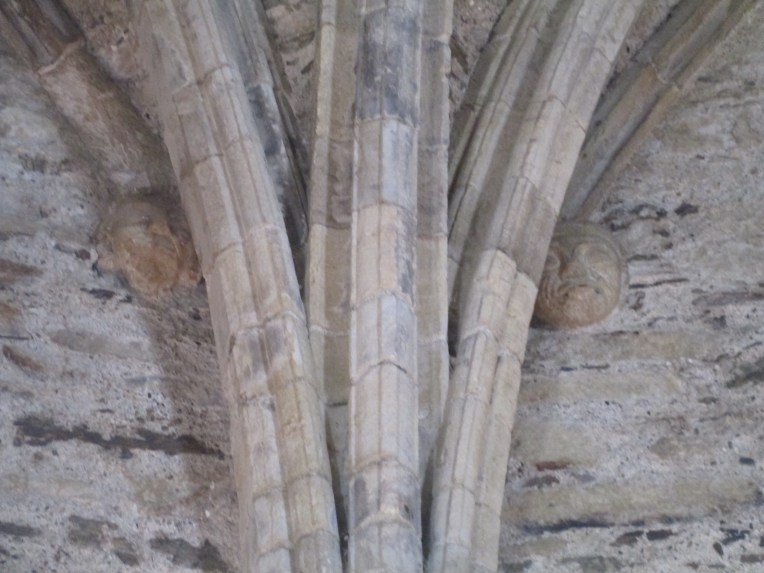
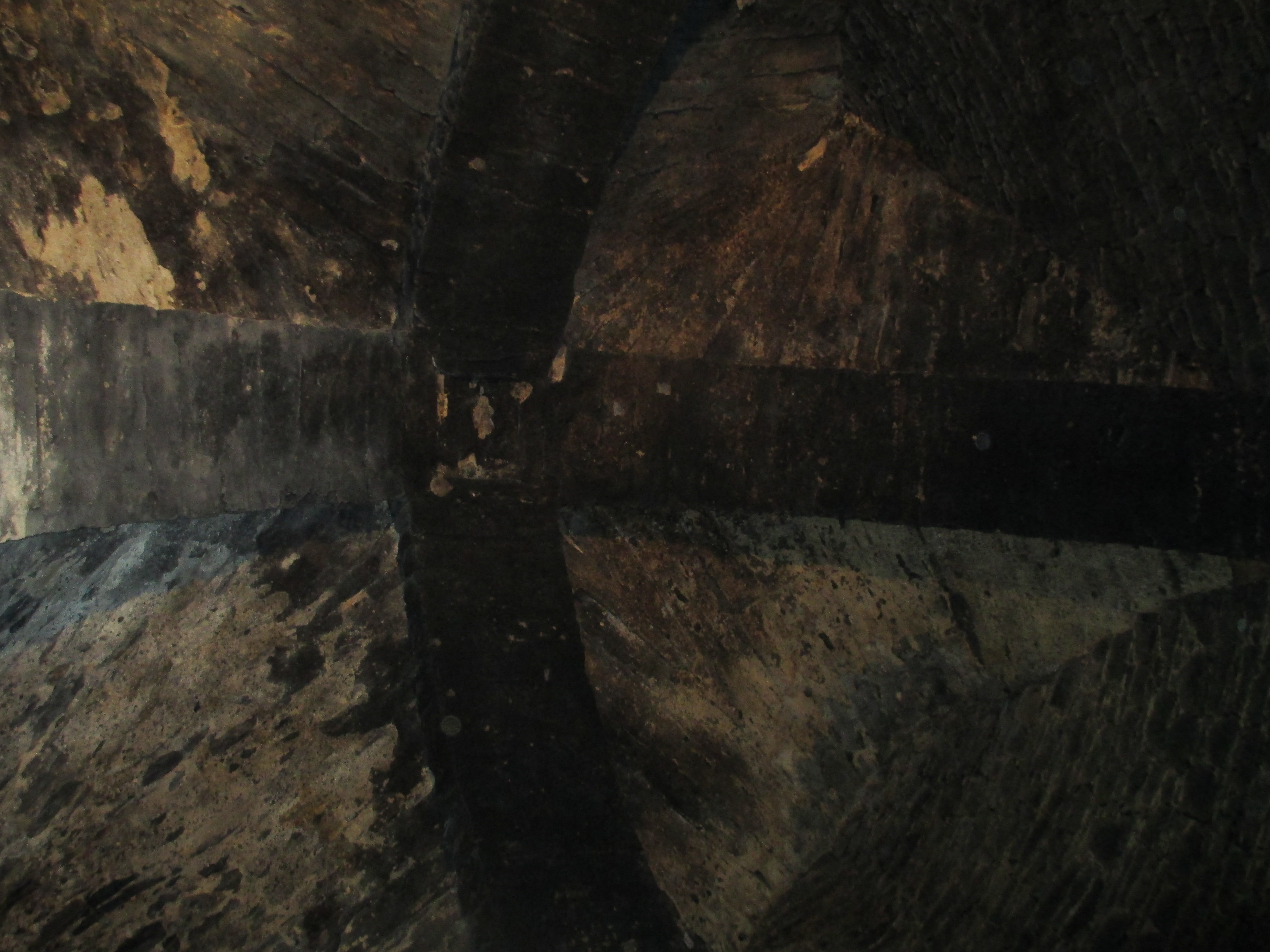
The castle may not look especially impressive, but the interior has a significant number of original features including original floors in some places, a stunning chapel with some of the original carvings and a spectacular vaulted ceiling. There is also a complete original cellar with a beehive vaulted ceiling. Additionally in the cellar are trip steps which were specifically built so any raider coming down into the cellar would fall, injuring himself hopefully fatefully.

The ditch around the castle was intended as a moat, but it was a dry moat and would have likely been filled with rubbish. The castle was lost and retaken several times by both the Irish and the Normans over the centuries. The current condition of the castle is due partly to neglect but also due to the demolition of it by Cromwell’s forces in the 17th century.

References:

Site visits 2012 and 2015

Ferns Castle information brochures.

Castles and Ancient Monuments of Ireland 9781854107527

http://www.fernsvillage.ie/ferns-heritage-page53898.html

http://www.heritageireland.ie/en/south-east/fernscastle/

Stone Forts

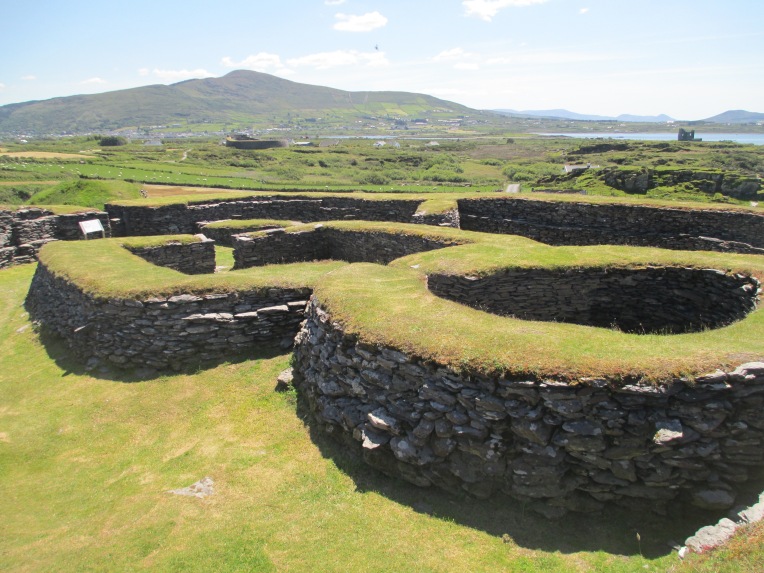
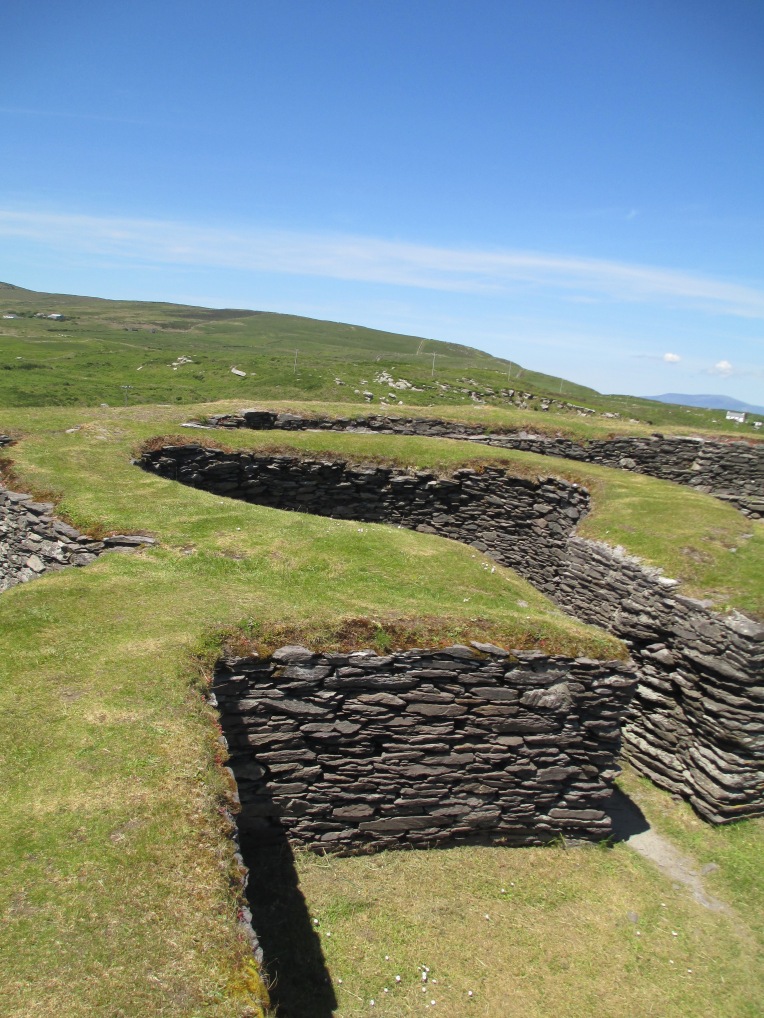
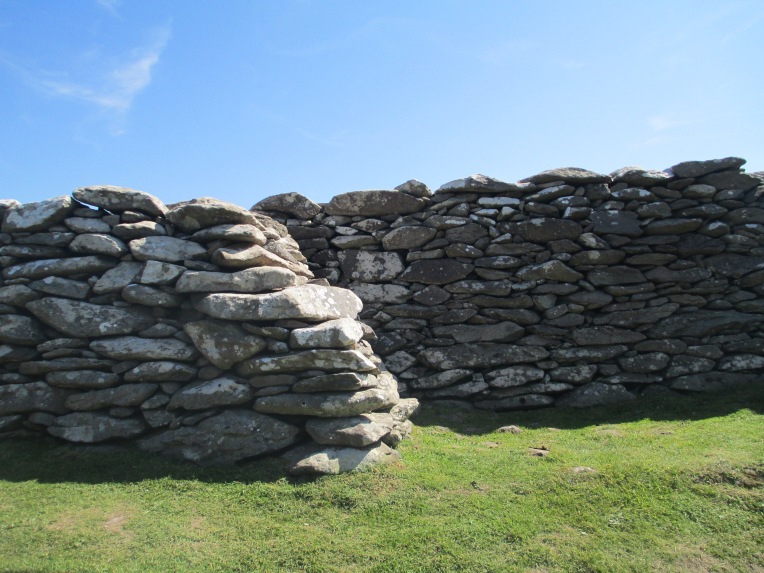
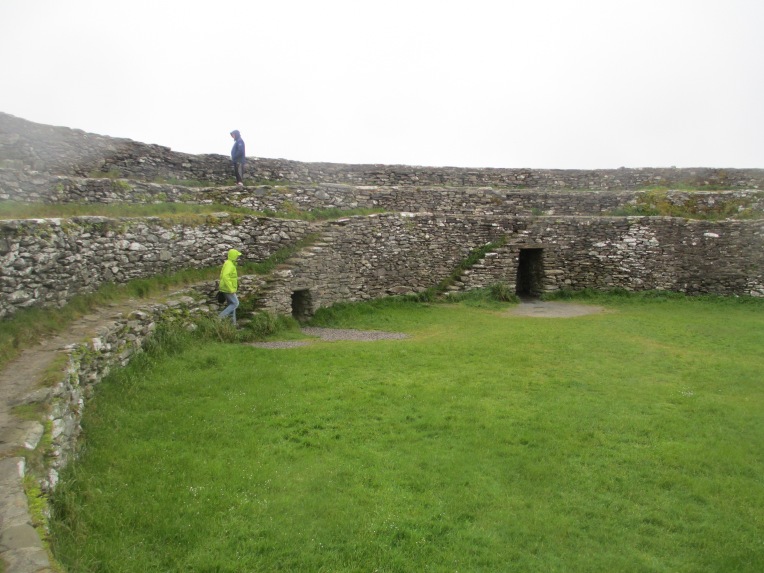
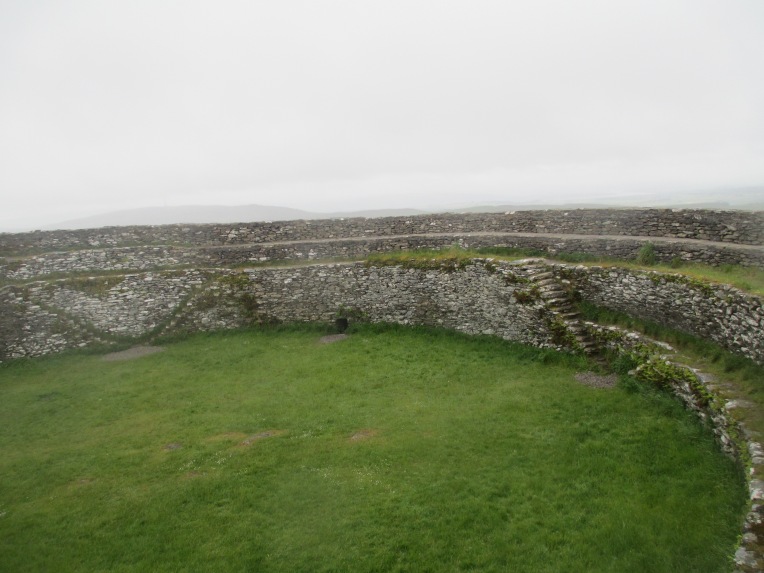
If you ever spend any time in Ireland you will come across the stone forts, also known as ring forts and cashels. They were usually farming settlements and normally date from between 500-900 CE, though they were reused later as well. Many are testaments to the brilliance of drystone walling and the skill of the builders as they are still standing today. Some were ‘fixed’ at later dates of course. They vary in purpose and in style but they usually have some common features. For example the majority contain stairs worked into the side of wall of the fort. These forts were not roofed over to create one residence, in fact the exterior walls were used for protection, from the weather and attack, and houses either of stone or wood were built inside. The design of the stairs allowed people to access the top of the walls simply. The forts often also command the high ground, giving an excellent view to any possible attackers, as well as providing a defensive position. Many stone forts feature souterrains, these are holes or tunnels in the walls of the forts. There is ongoing debate as to whether they were used for storage, for escape or both.

The five stone forts featured below are each good examples of a different aspects of stone fort building. The sites below are listed in no particular order.

Lecanabuile

Lecanabuile and the next stone fort listed Cahergall  in County Kerry are excellent examples of two forts built close together. These are two communities which would have interacted. You can see Cahergall in the distance in most of the photos below. Lecanabuile dates to the 9th or 10th centuries CE. The circular enclosing wall is more than 3m thick and roughly 20m in diameter. There has been some reconstruction. The remains of the round house you can see in the photos below is relatively contemporary to the outside walls and a souterraine inside leads to a gap between the external walls. The external walls were built by building two stone walls and filling the interior. The square building you can see attached to the round one is a later addition showing the ongoing use of these stone forts. The other structures you can see inside the walls are later again.

Lecanabuille5Lecanabuille1

Lecanabuille2Lecanabuille4Lecanabuille3


 Cahergall

Cahergall, as you can see from its appearance in the earlier photos, is just down the hill from Lecanabuile. Its stone walls are very impressive as they tower over the surrounding landscape. The walls have been reconstructed to an extent in recent times. It was built around 600 CE and the walls stand at around 6m high and 3m thick. There is a stone house inside that is original and would have once likely housed someone important. Like Lecanabuile it is entirely drystone walled.

cahergall1

cahergall2

cahergall3

cahergall4

cahergall6

cahergall5

Dunbeg

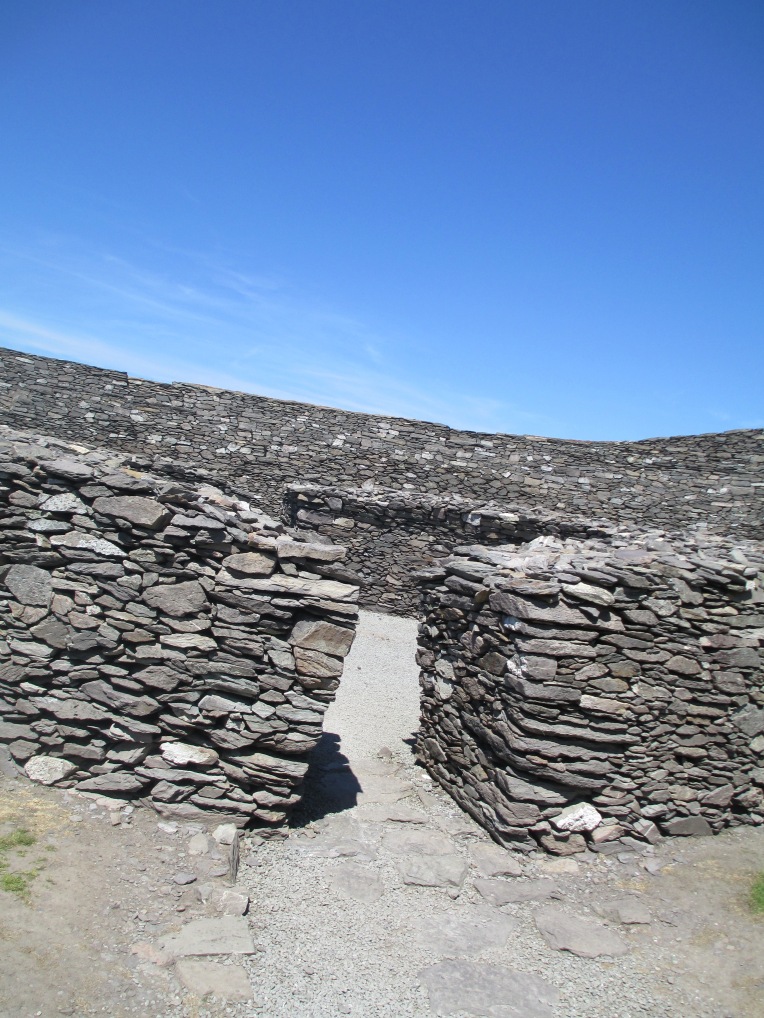
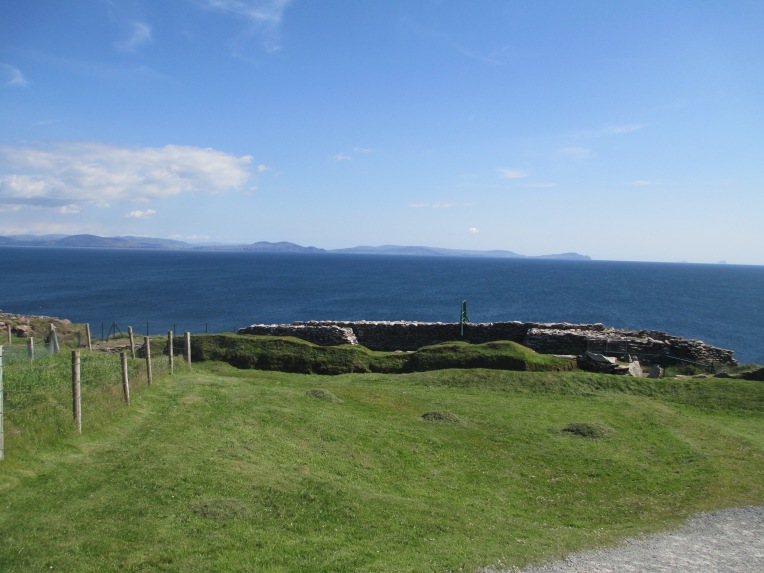
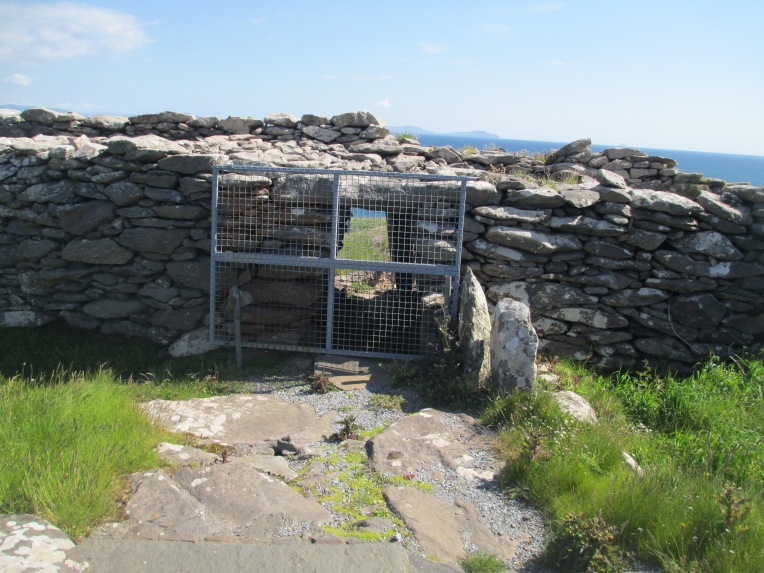
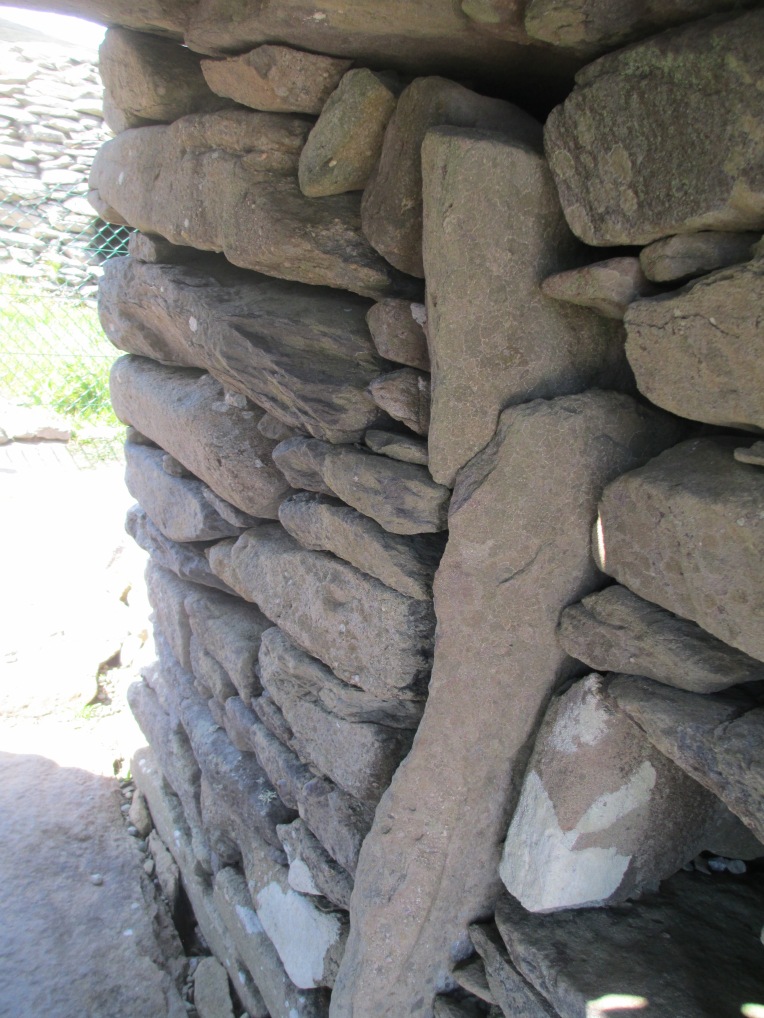
Dunbeg is a little different to the other stone forts in that it is a promontory fort. It was built around the 8th or 9th centuries CE and was occupied again in the 10th and 11th centuries CE. It stands on a sheer cliff on the Dingle Peninsula. One of the key issues with it standing on a sheer cliff is that the fort is currently falling into the sea, as can be seen in several of the photos below. It also has extensive earthwork defences surrounding it. There was also probably settlement on the site before the building of the fort. Behind the earthworks and the drystone wall there is the clochain, or beehive hut. The life in the fort would have been centred on the two hearths inside the beehive. The main entrance is currently blocked due to instability, but you can see how it is structured in the photos below. Additionally there is a souterrain which runs from the inside to the outside of the fort. There was probably also more buildings originally but they may have been claimed by the coastal erosion.

dunbeg1dunbeg5dunbeg2dunbeg6dunbeg4dunbeg3


Grianan Aillgh

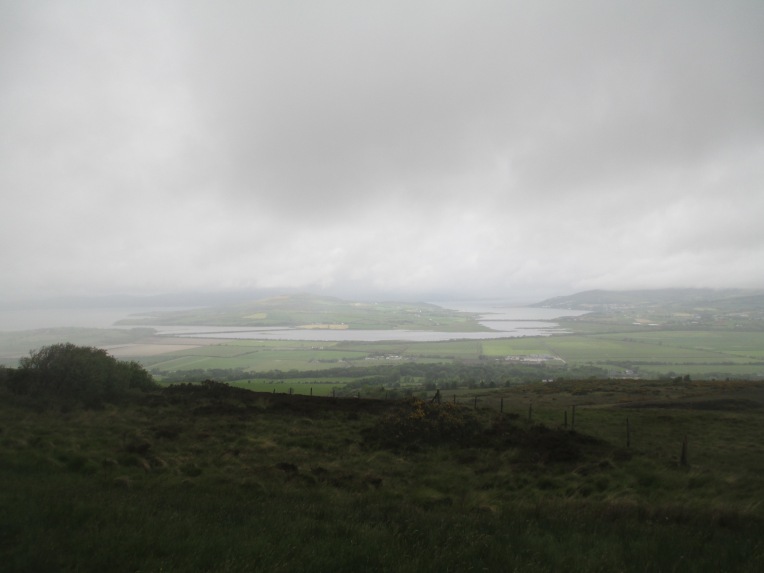
The original hill fort in this position would have been built probably sometime around the 1st century CE, but it was the royal citadel of the Ui Neill family from the 5th to the 12th century. It stands in Donegal. There is also a burial mound nearby which dates to roughly 3000 BCE and this might have attracted the builders originally. The walls stand about 4.5m thick and about 5 m high, but there was fairly extensive rebuilding work in the 1870s. The fort is surrounded by three earthen banks and it is believed that the track that runs through them and up to the fort might be the remains of an ancient roadway.

grianan2grianan6grianan5grianan4grianan3grianan1

Staigue

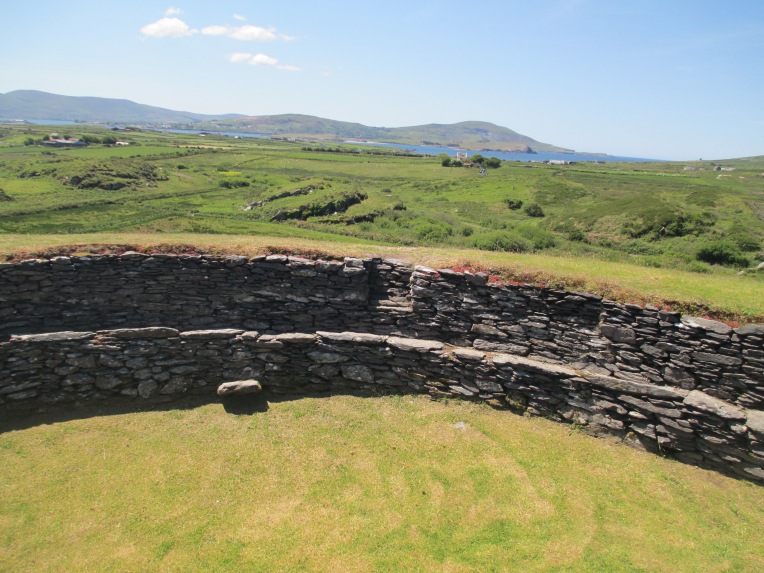
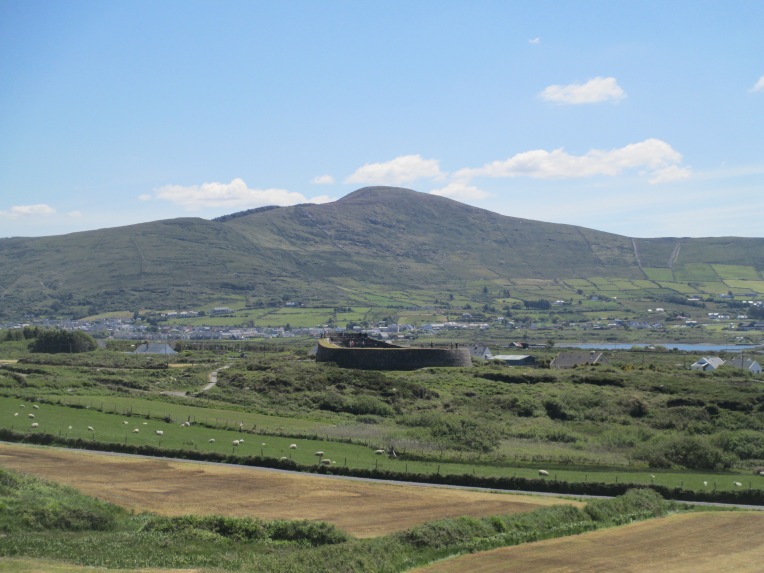
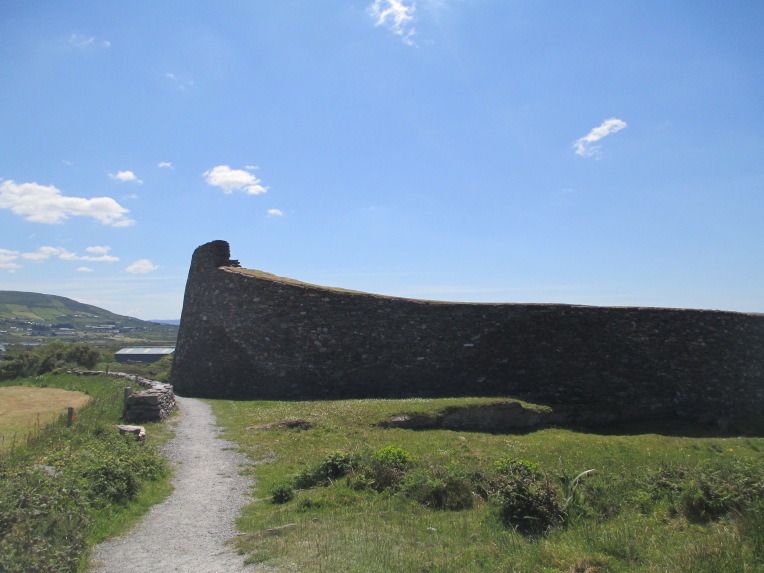
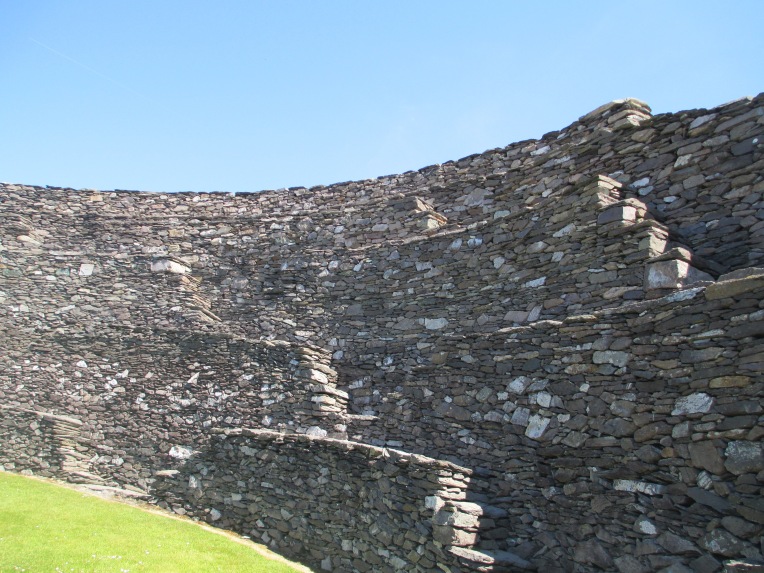
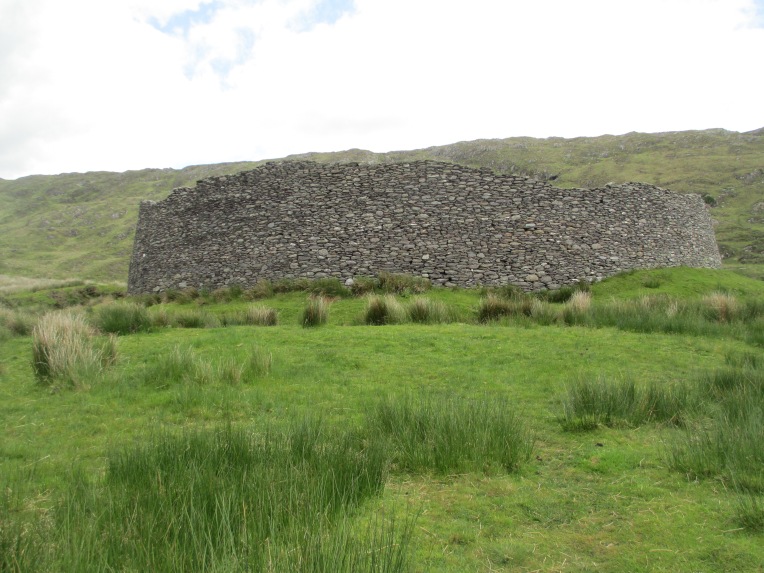
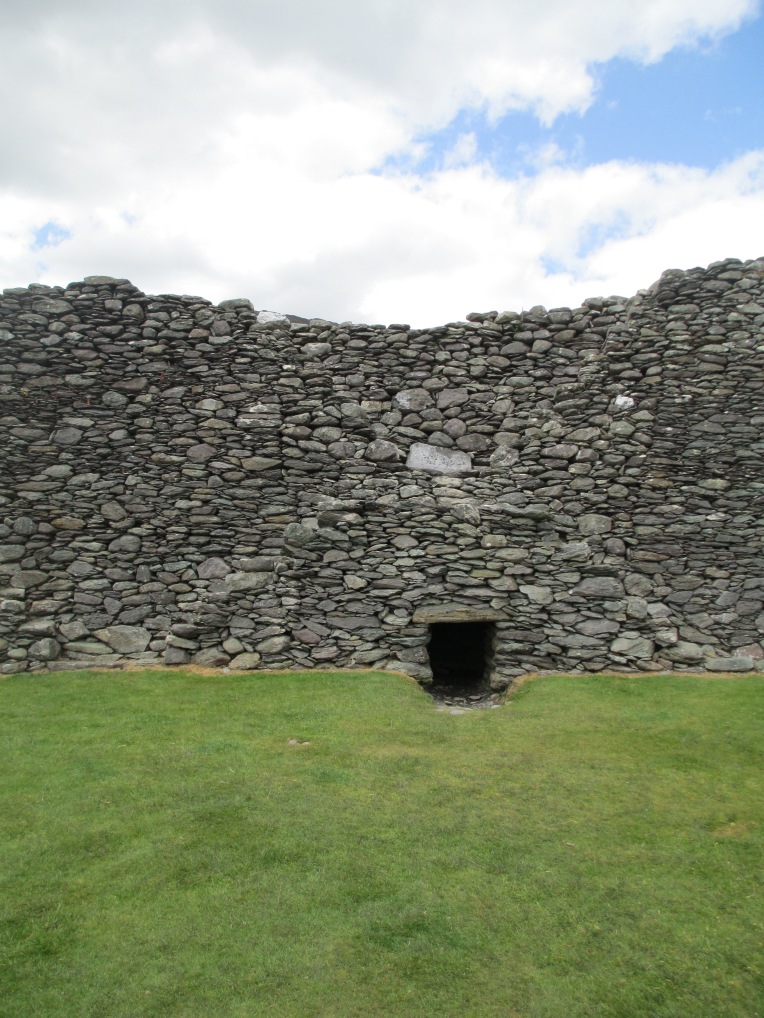
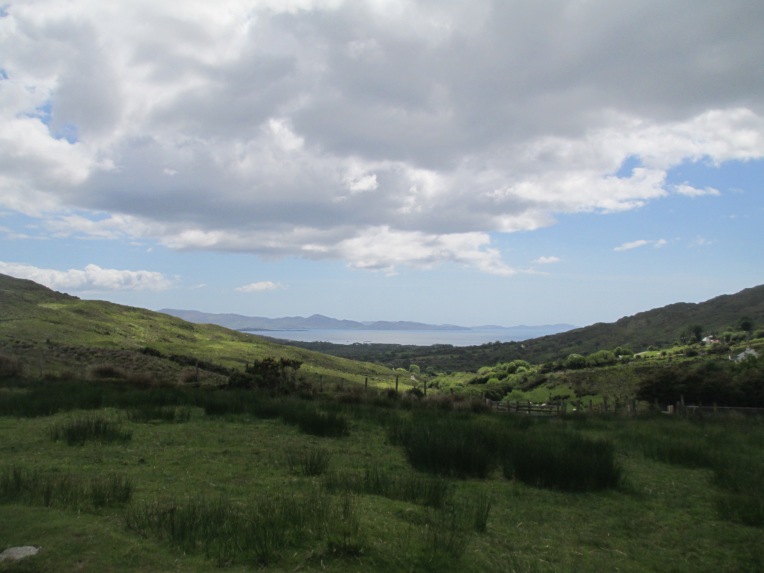
Staigue stands in County Kerry and happened to be the first fort I saw and it remains one of the most impressive. Dating it is uncertain but it is probably from the early centuries CE. The walls are up to 5.5m high, 4m thick and 27.4m in diameter. The steps in the walls run in a distinctive X shape possibly to make it possible for people to pass each other running up and down. There are no surviving buildings inside the walls, but there are two small chambers contained in the walls which might have been for storage. There would have been houses inside; they just either weren’t built in stone or haven’t survived. The top of the walls command an impressive view of Kenmare bay and would have given the local chieftain ample warning of any attack or visit from the sea. The drystone walling here is particularly impressive and seems to be largely original.

Staigue1Staigue6

Staigue2Staigue3Staigue5Staigue4

These stone forts are only examples of the thousands in Ireland, though not all of them are in anywhere near as good condition. If you ever get the chance they are absolutely worth a visit.

For more information see: http://heritagecouncil.ie/unpublished_excavations/section13.html

References: http://www.theringofkerry.com/cahergal-leacanabuaile-forts

http://www.theringofkerry.com/staigue-fort

http://www.dunbegfort.com/

http://www.discoverireland.ie/Arts-Culture-Heritage/grianan-of-aileach/73795

Site visits in 2015

All the photos are mine.


Temple Cronan and The Burren

Temple Cronan is a small church dating to the 12th century in the unbelievably beautiful region of Ireland called The Burren.

IMG_3061Part of The Burren.

The Burren is on the West Coast of Ireland in County Clare and Temple Cronan stands just out of a very small town called Carran. Temple Cronan was part of a small monastic enclosure. While much of the remains of the church are original to the 12th century the doorway with the pointed arch that you can see in the photo below was added in the 15th/16th century

IMG_3160Temple Cronan

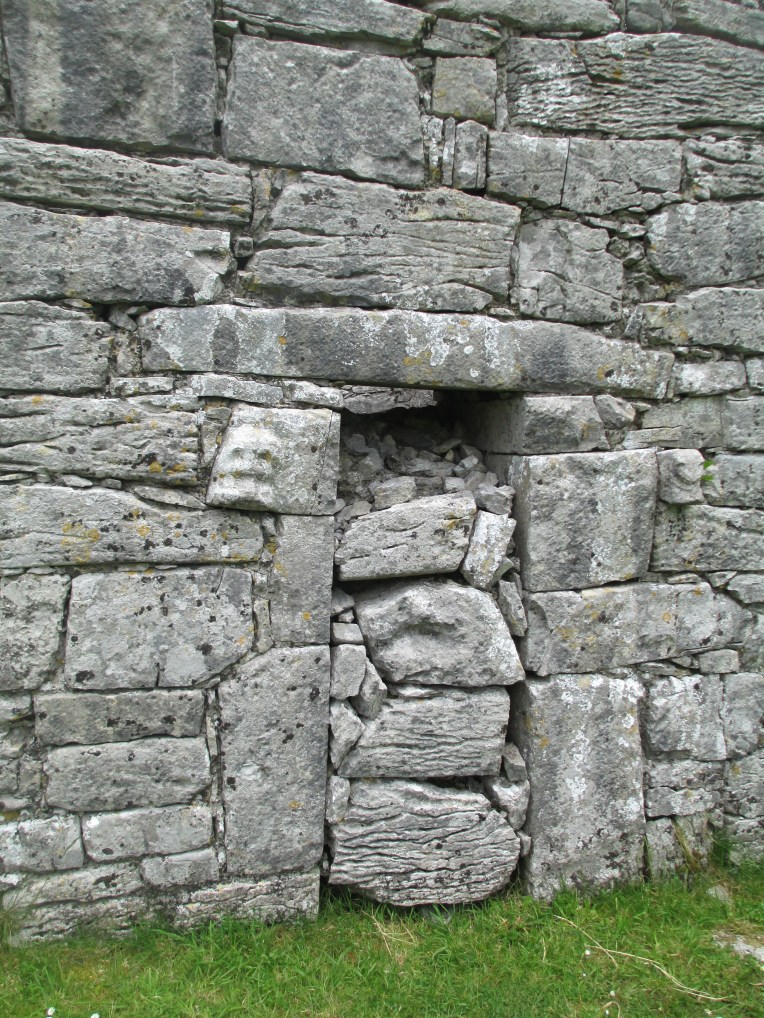
The original doorway can be seen blocked up in the photos below.

IMG_3159IMG_3161

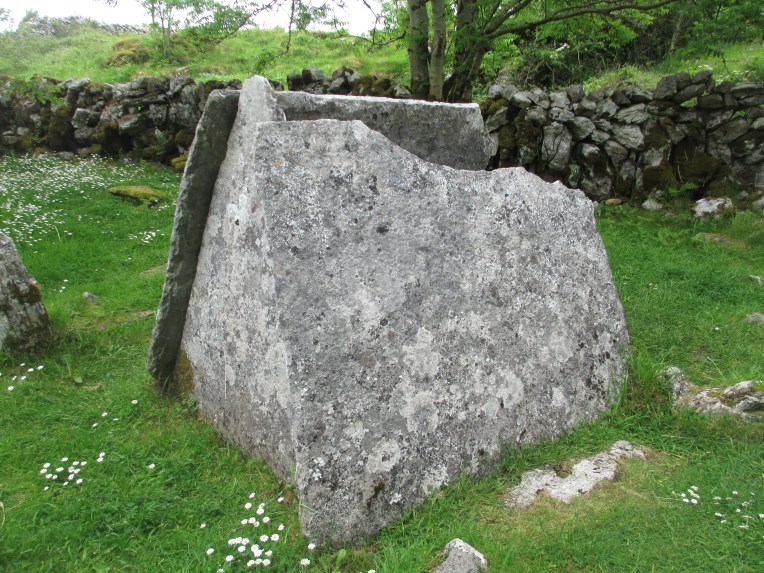
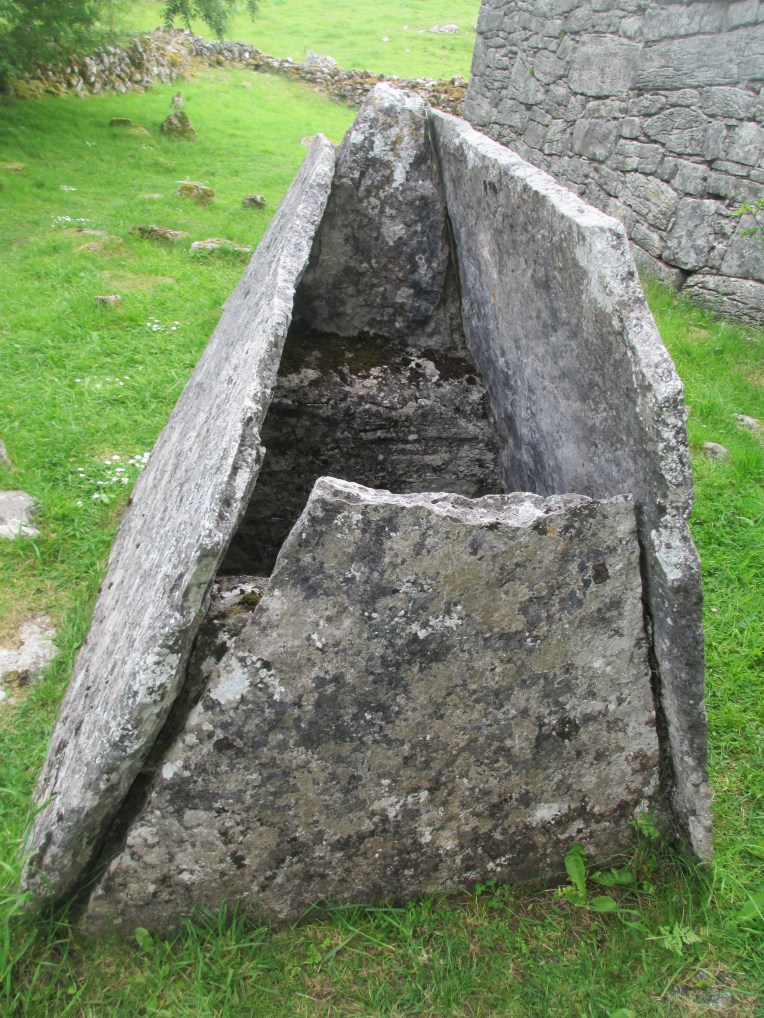
The church at Temple Cronan measures just 6.5 by 3.1 m and it is built of local Burren stone. A significant amount of decoration survives, which is especially unusual in the such a small church. You can see some on the edge of the window frame in the photo below. IMG_3170IMG_3172Standing beside Temple Cronan and dating to an earlier period are two stone tomb shrines. One is thought to be the grave of St Cronan who was the founder of the small monastic settlement possibly in the 7th century. Both tombs would have been sites of prayer and pilgrimage. It is unknown who the second tomb belonged to.

IMG_3182IMG_3184One of the tombs, possibly St Cronan’s

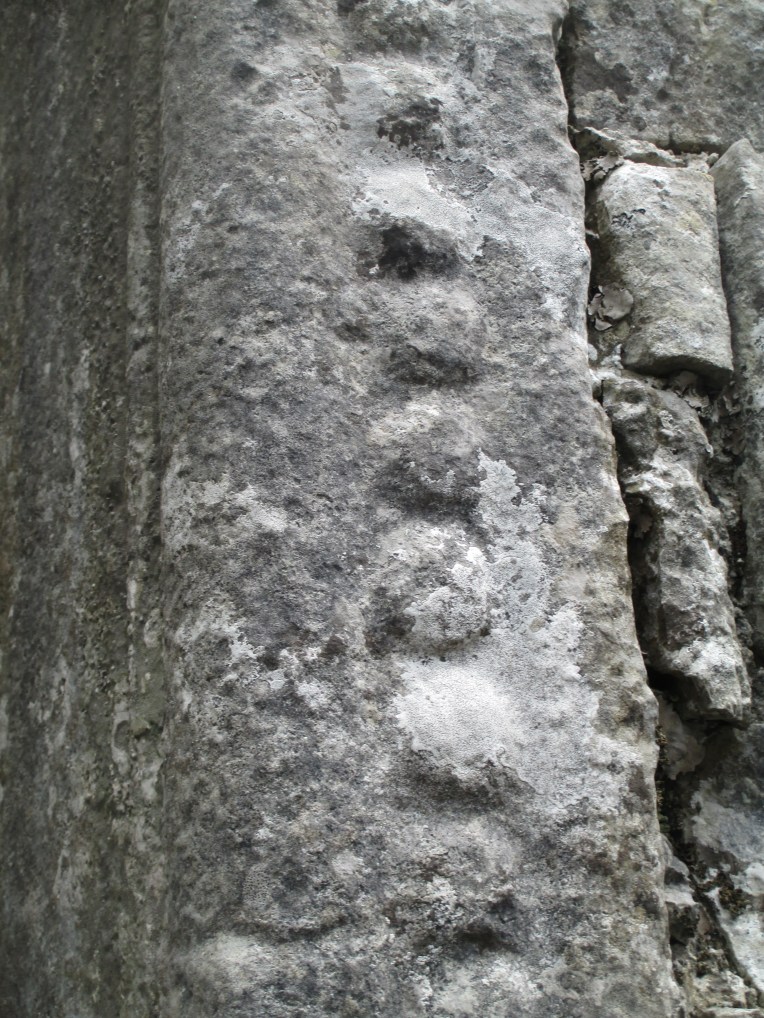
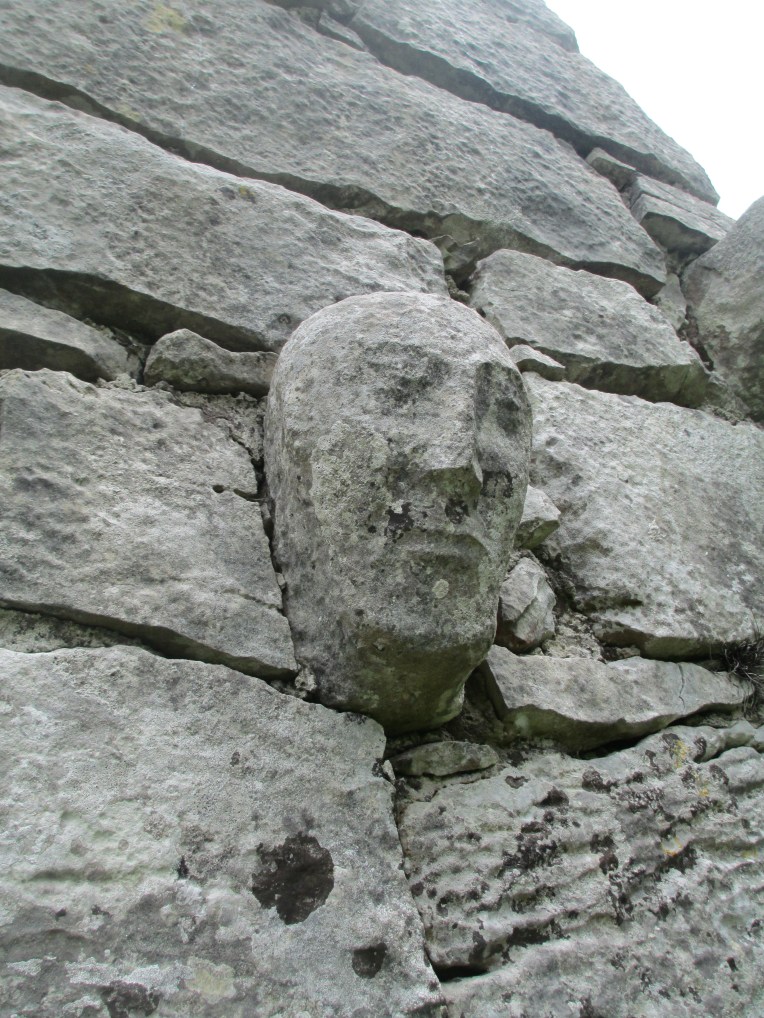
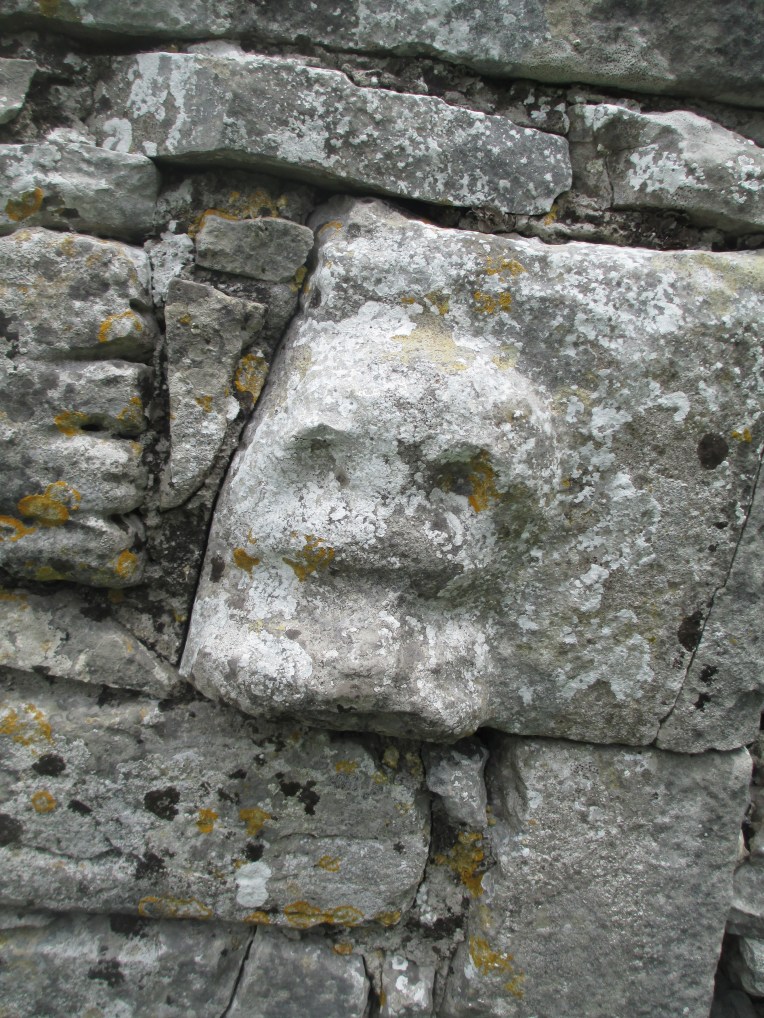
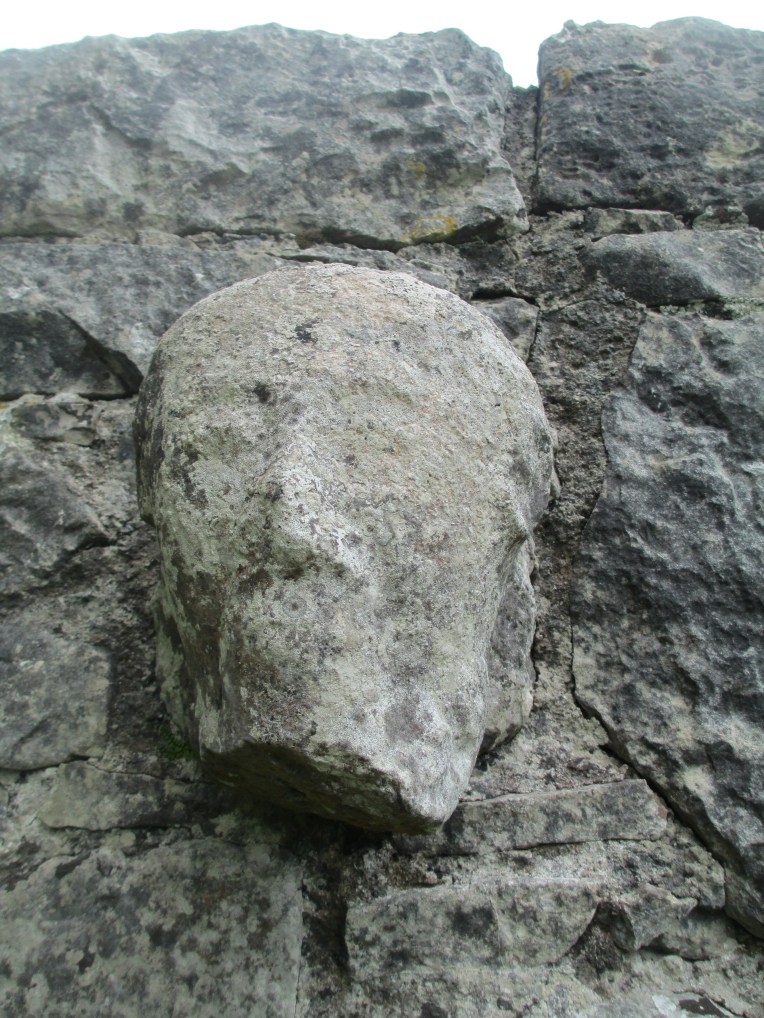
My favourite part of the Temple Cronan is the carved human heads and faces that adorn the corbels of the church. They are most likely Romanesque in origin and as they have weathered they have become surprisingly haunting.

IMG_3164IMG_3173IMG_3179

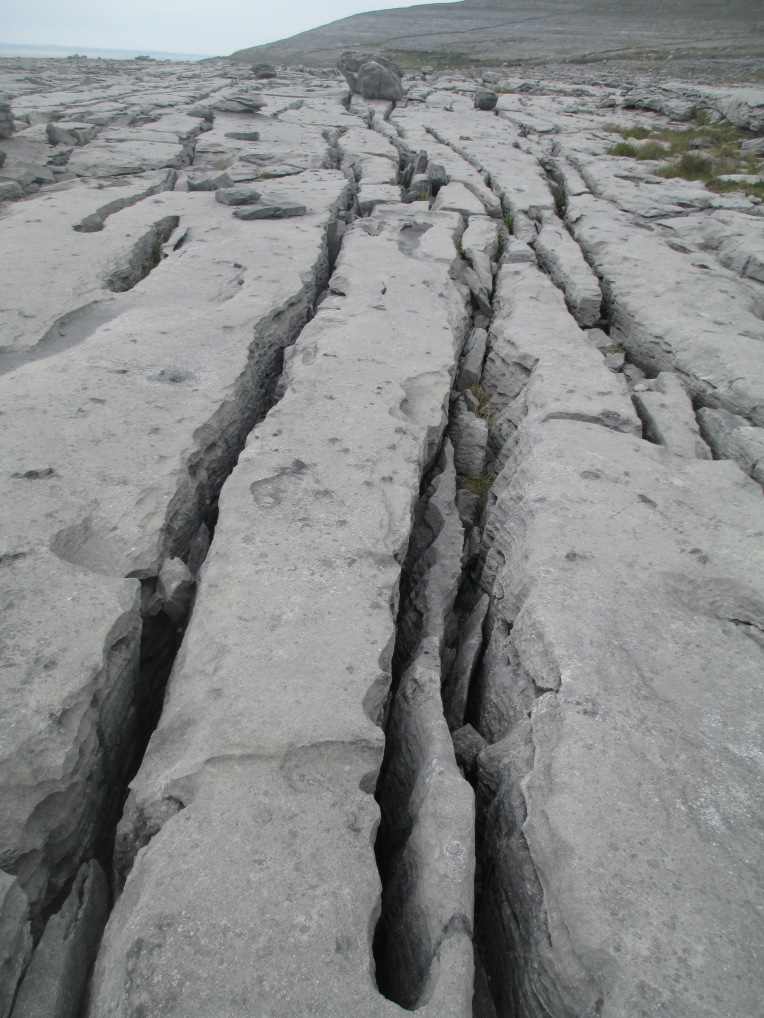
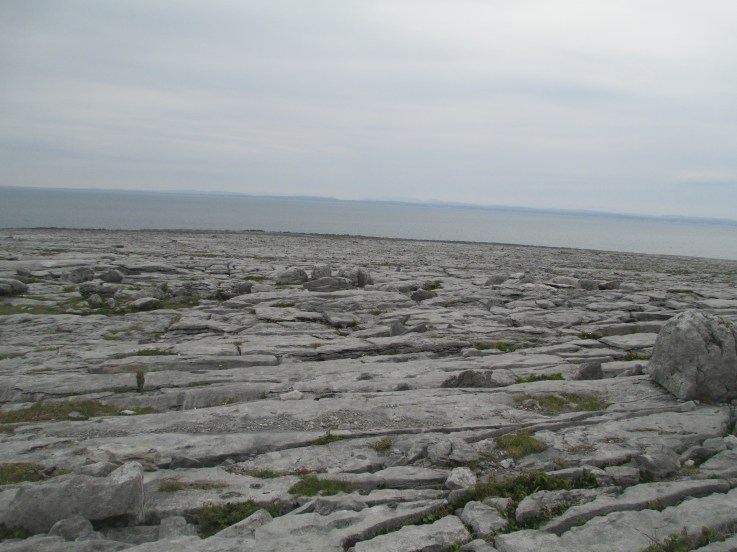
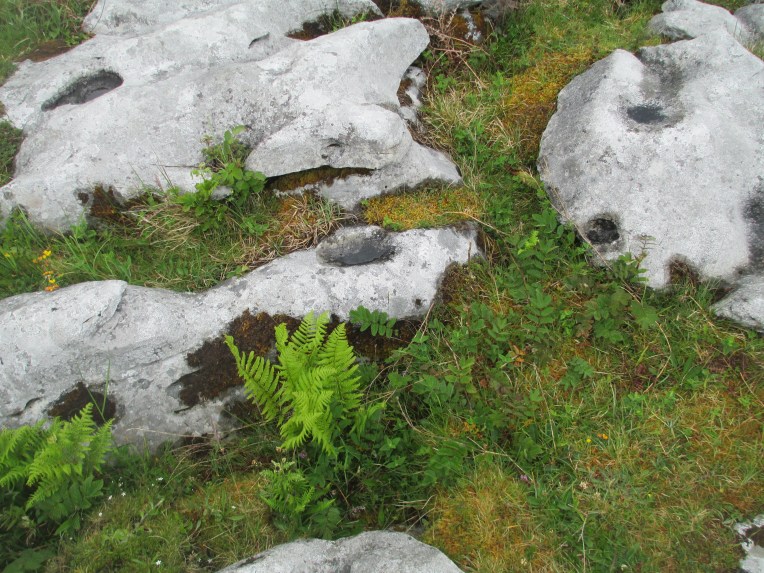
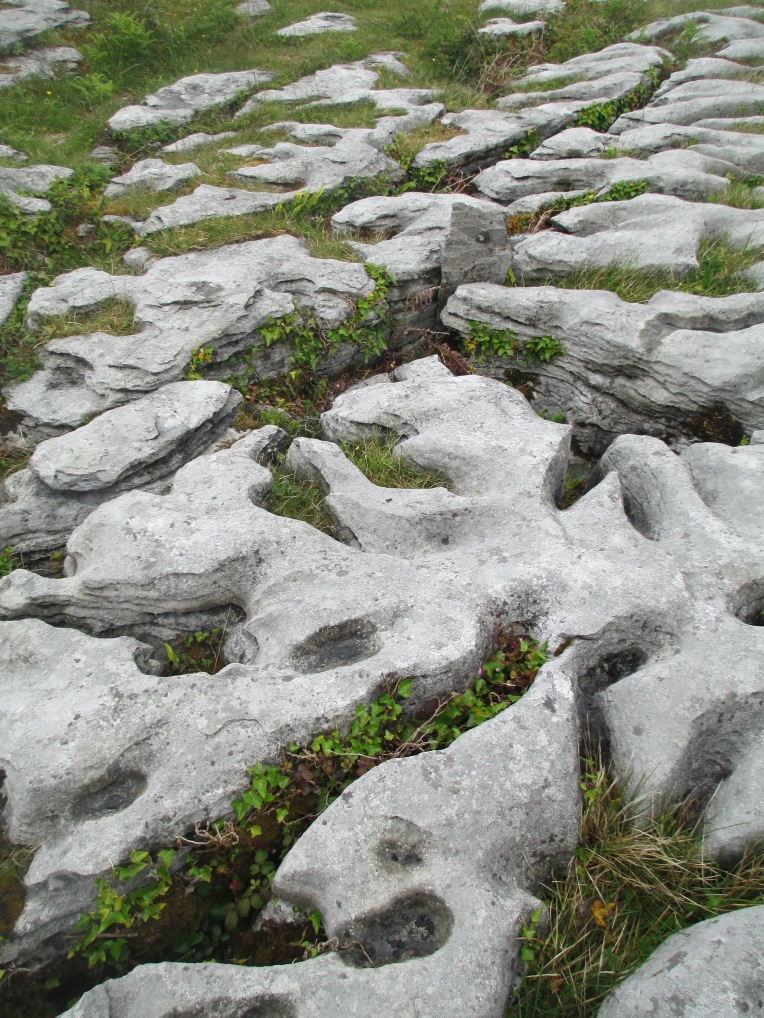
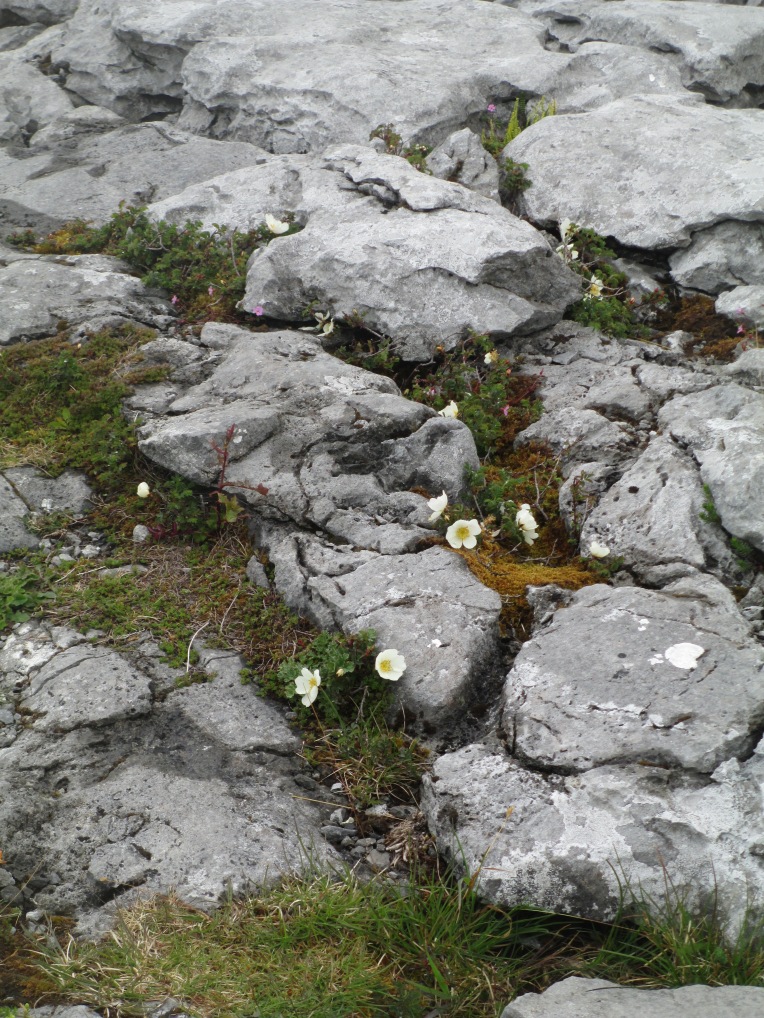
Temple Cronan stands in The Burren, which is one of the most magical places I’ve ever been. The Burren is a landscape of limestone which was laid down 340 million years ago and has weathered significantly in this time. It has in fact also been shaped by glacier movement. The glacier movement helped to create the ‘grykes’ or cracks that you can see in the photos below. It is an area of 250 square km and in some places the limestone is 17m thick.IMG_3258IMG_3242

Where the ‘lunar’ landscape of The Burren meets the coast.

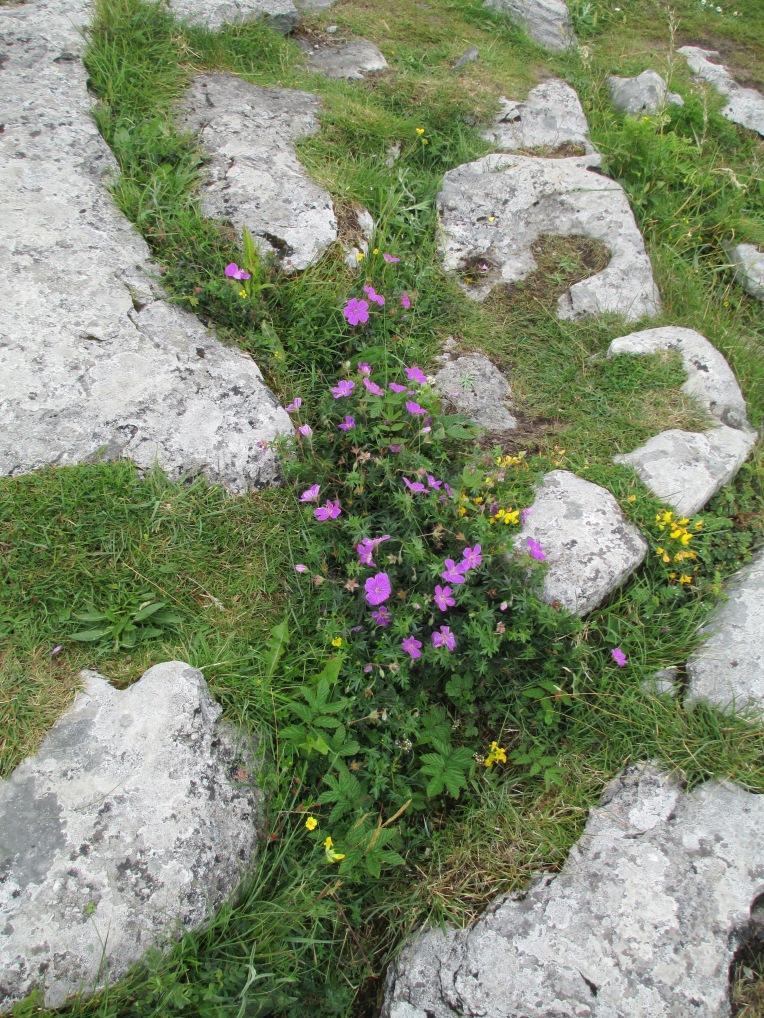
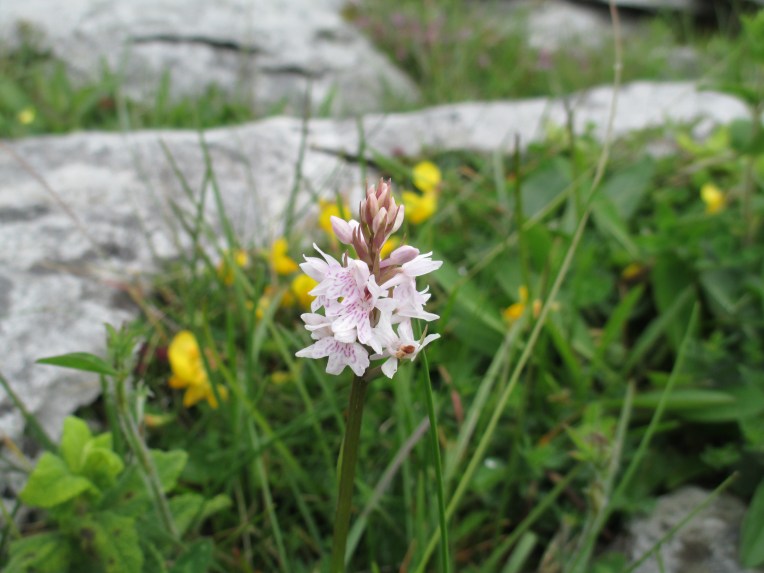
This unique landscape creates the perfect conditions for an astounding array of flowers with 70% of Ireland’s native plant species found there.

IMG_6158

IMG_3154

IMG_6140IMG_6157

IMG_3185IMG_6169

For more on the plants of The Burren  http://www.pennywoodward.com.au/burren/#more-2454

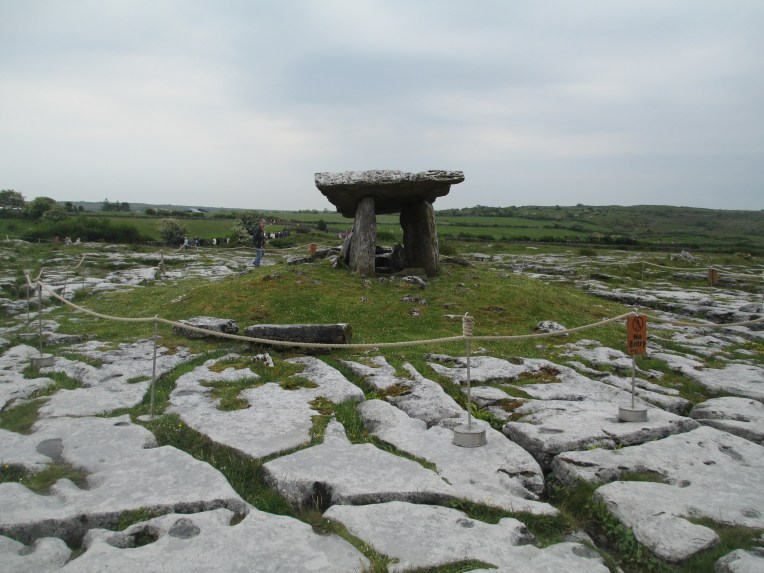
Temple Cronan is not the only historical site on The Burren. In fact the region is liberally dotted with ancient tombs and and ruins.  The best known is probably Poulnabrone which dates to the Neolithic period and can be seen in the photo below. I hope to write about it and some of the others in the future.

IMG_3058

The Burren is truly beautiful and Temple Cronan not only stands in its midst, but is built of the stone that has shapes it. Below are some photos of the enthralling landscape.

IMG_3067IMG_3063

IMG_6144IMG_3071References: Site visit in 2015 and visit to The Burren  area in general in 2012.

http://www.pennywoodward.com.au/burren/#more-2454

http://www.megalithicireland.com/Temple%20Cronan,%20Clare.html

All the photos are my own.

Who am I? Medieval edition

Simple rules:

  1. There are four clues
  2. To see the next clue scroll down
  3. If you guess on the first clue you get four points, second clue three points etc.
  4. The fourth clue is always pictorial
  5. Some are harder than others and there is no particular order. Each question is weighted the same
  6. There are ten questions.
  7. The answer is after the final pictorial clue
  8. If you see the next clue you don’t get the point.


1.

a) Married twice


b) A patron of Fontevraud


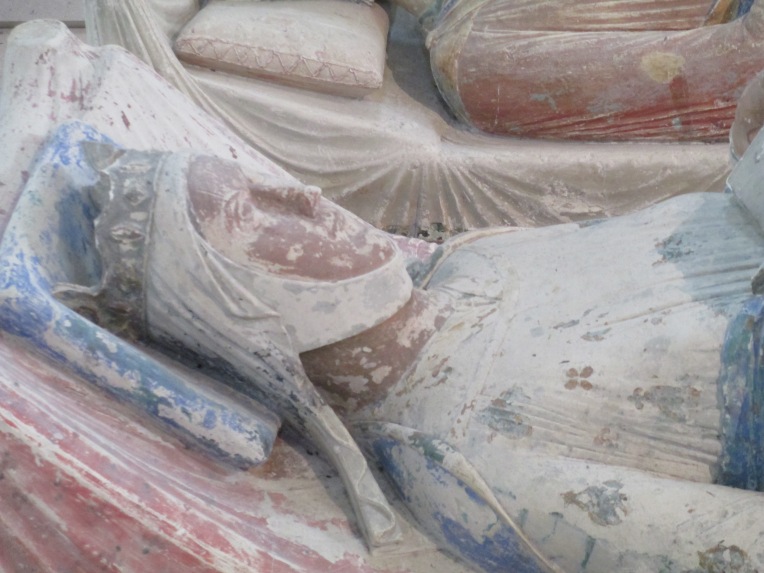
c) A great heiress and Duchess in her own right


d)eofa

Answer: Eleanor of Aquitaine


2.

a) Born to the daughter of the Earl of Salisbury


b) Once won a pike


c) Regent of England.


d) IMG_3421

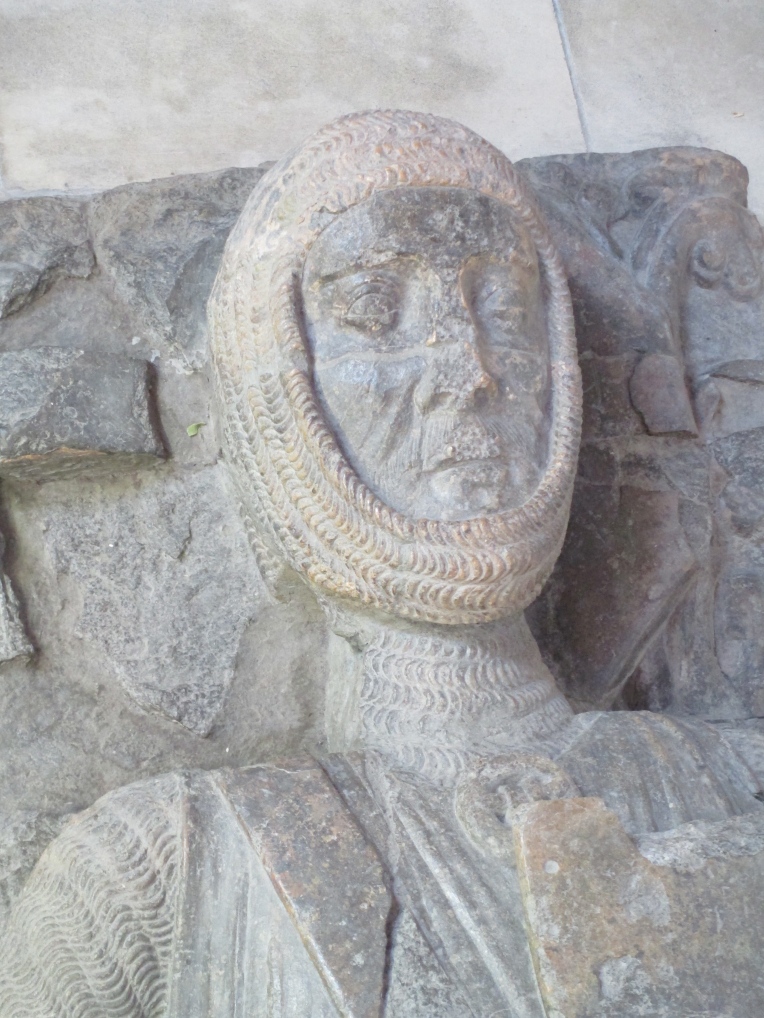
Answer: William Marshal


3. 

a) Died in Rouen


b) Ordered what is known as an early census


c) Was a bastard in many senses of the word.


d) Bayeux Tapestry 7JPGAnswer: William I


4. 

a)  Known as a great writer and thinker of the early medieval period


b) Had a son called Astrolabe


c) Was castrated for his great passion for one of his students (it’s a little more complicated, but that’s the gist)


d)IMG_7444

Answer: Abelard 


5.  

a) The illegitimate daughter of a king of England


b) Married to a foreign Prince


c) Helped broker a peace between her husband a Prince of Wales and her father King John


d)joanna close

Answer: Joan of Wales


6. 

a) An Irish lord


b) Buried in Ferns


c) The reason the Normans came to Ireland


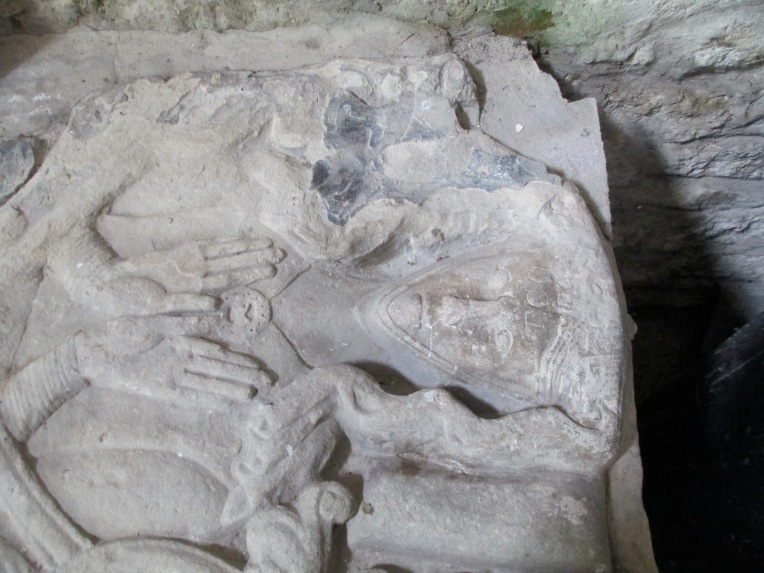
d) Diarmut grave

Answer: Diarmait mac murchada


7.

a) The second oldest son of a King.


b) Died in 1183


c) Known as reckless and crowned in his father’s life time.


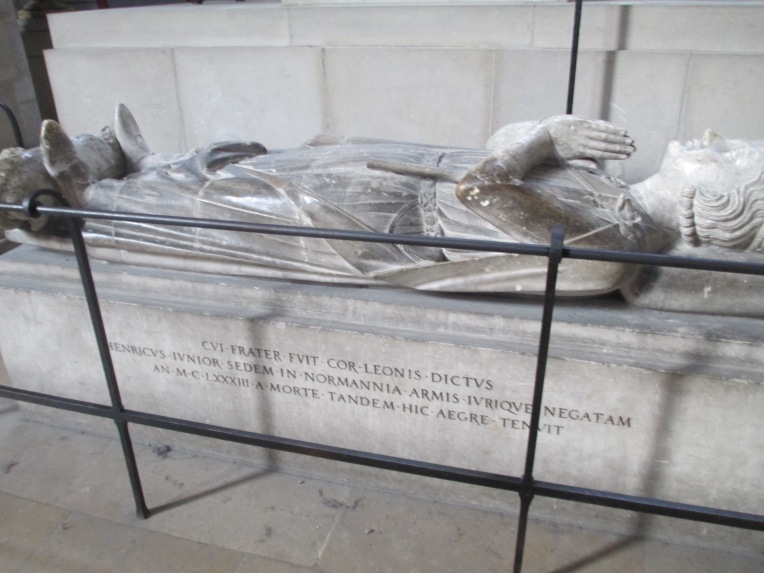
d)IMG_7222Answer: Henry the Young King


8.


a) A medieval writer who liked to travel


b) Descended from Nest, a well known Welsh princess.


c) Known for his descriptions of Wales and Ireland


d)IMG_5579Answer: Gerald of Wales


9.

a) 12th child


b) Knight of the Garter


c) Arguably the last Plantagenet.


d)IMG_5855

Answer: Richard III


10.

a) Married at a very young age


b) Daughter of Alice de Courtenay


c) Remarried when her husband died and her children with her second husband reaped great benefits at the court of Henry III


d)Richard IAnswer: Isabel of Angouleme


So how did you do?

1-10: Not too bad, maybe read a little more

11-20: Absolutely getting there, excellent effort

21-30:  Brilliant, you really know your medieval figures!

31-40: Are you sure you didn’t check the next clue? No? Didn’t just have a pile of lucky guesses? No? Well then, exceptional effort!!


Medieval Quotes Advent Calendar 16th of December

Two shorter quotes for the price of one today. Both about Isabel de Clare and William Marshal


1.

William Marshal speaking to his retainers in Ireland about his wife Isabel de Clare who he is leaving nominally in charge of his lands in Ireland, which he holds though marriage to her, while he goes back to serve King John.

“My Lords, here you see the countess whom I have brought into your presence. She is your lady by birth, the daughter of the earl who graciously, in his generosity, enfieffed you all, once he had conquered the land. She stays behind here with you as a pregnant woman. Until such time as God brings me back here, I ask you all to give her unreservedly the protection she deserves by birthright, for she is your lady, as we all know; I have no claim to anything save through her”.


History of William Marshal Volume II. pgs 177-179. ISBN: 0905474457


2. William Marshal and Isabel de Clare’s wedding in the house of Richard Fitz Reinier

“She was married under a favourable star, that worthy, beautiful lady of good breeding, that courtly lady of high birth. Who bore children whose fortunes were so promoted by the Lord our God in his providence, as we see now and have seen in the past.”

History of William Marshal Volume II. pg 485. ISBN: 0905474457

Medieval Quotes Advent Calendar 14th of December

Gerald of Wales on the topography of Ireland

Chapter IV: Of the surface of Ireland, and its inequalities; and of the fertility of the soil.

Ireland is a country of uneven surface, and mountainous; the soil is friable and moist, well wooded, and marshy; it is truly a desert land, without roads, but well watered. Here you may see standing waters on the tops of the mountains, for pools and lakes are found on the summits of lofty and steep hills. There are, however, in some places very beautiful plains, though of limited extent in comparison with the woods. On almost all sides, and towards the sea-coast, the land is very low, but in the interior it rises into hills of various elevations and mountains of vast height; not only the surrounding country, but also the central districts, being rather sandy than rocky. The tillage land is exuberantly rich, the fields yielding large crops of corn; and herds of cattle are fed on the mountains. The woods abound with wild animals; but this island is more productive in pasture than in corn, in grass than in grain. The crops give great promise when in the blade, still more in the straw, but less in the ear; for the grains of wheat are shrivelled and small, and can hardly be separated from the chaff by dint of winnowing. The fields are luxuriantly covered, and the barns loaded with the produce. The granaries only show scanty returns.

Chapter V: On the prevalence of winds and rain; and their causes.

The crops which the spring brings forth, and the summer nourishes and advances, are harvested with difficulty, on account of the autumnal rains. For this country is exposed more than others to storms of wind and deluges of rain. A wind blowing transversely from the north west, and more frequent and violent than any other winds, prevails here; the blast either bending or uprooting all the trees standing on high ground in the western districts, which are exposed to its sweep. This arises from the land, surrounded on all sides by a vast sea and open to the winds, not having in those parts any solid shelter and protection, either distant or near. Add to this, that the waters attracted in clouds, and collected together by the high temperature of that region, and yet neither exhaled by fiery atmospheric heat, nor congealed by the coldness of the air and converted into snow or hail, at last burst in copious showers of rain. In short, this country, like other mountainous regions, generates and nourishes most abundant rains. For the heat evaporating from the high lands by excessive wet, the moisture which they attract is easily converted into its native element. And it is usually distinguished by various names, according to its various elevations. While yet hanging about the hills, it is called mist; when it rises higher, and, floating in the atmosphere, is quite disengaged from the earth, it becomes clouds; again descending in drops or particles, it is called snow or rain, according as it is solid or liquid. Thus, Ireland, Wales, and Scotland are subject to much rain.

http://www.yorku.ca/inpar/topography_ireland.pdf pgs 12-13

Medieval Quotes Advent Calendar 13th of December

A letter from Henry III to the people of Ireland regarding the institution of the Magna Carta. It was unlikely to have been written by him, as it was still during William Marshal’s regency.

“The King to all archbishops, bishops, abbots, earls, barons, knights, free tenants and all our faithful subjects settled throughout Ireland, greetings.

With out hearty commendation of your fidelity in the Lord, which you have ever exhibited to our lord father and to us in these our days are to exhibit our pleasure is, that in token of this your famous and notable fidelity, the liberties granted by our father and by us, of our grace and gift to the realm of England shall in our kingdom of Ireland be enjoyed by you and your heirs forever.

Which liberties distinctly reduced to writing by the general council of all our liege subjects we transmit to you sealed with the seals of our Lord Gualon, legate of the apostolical see and our trusty earl William Marshal, our governor and governor of our kingdom because as yet we have no seal. And the same shall in the proceeds of time and on fuller council  receive the signature of our seal.

Given in Gloucester on the 6th day of February.”

Dr Thomas Leland, History of Ireland from the Invasion of Henry II, London, 1773, p. 203.


Name the Castle

So you think you know castles?

See how many of the twenty castles below you can identify.

The rules are simple. You get one photo of a Castle and then you have to name it. The answer is below the photo.  All the castles are in the UK, Ireland or France. The photos are all mine.

1.

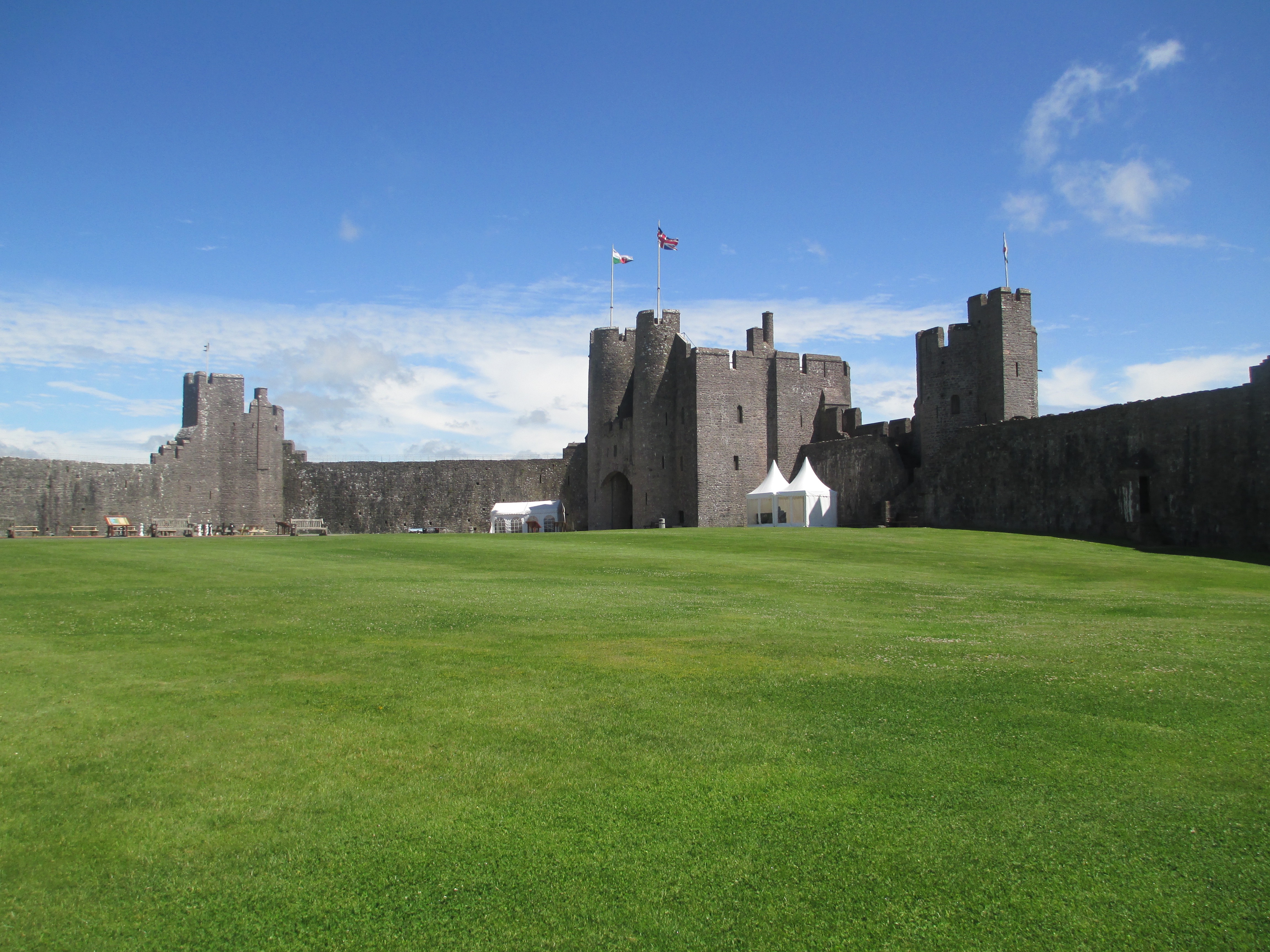
IMG_5427

Pembroke Castle Wales

2.

IMG_5292

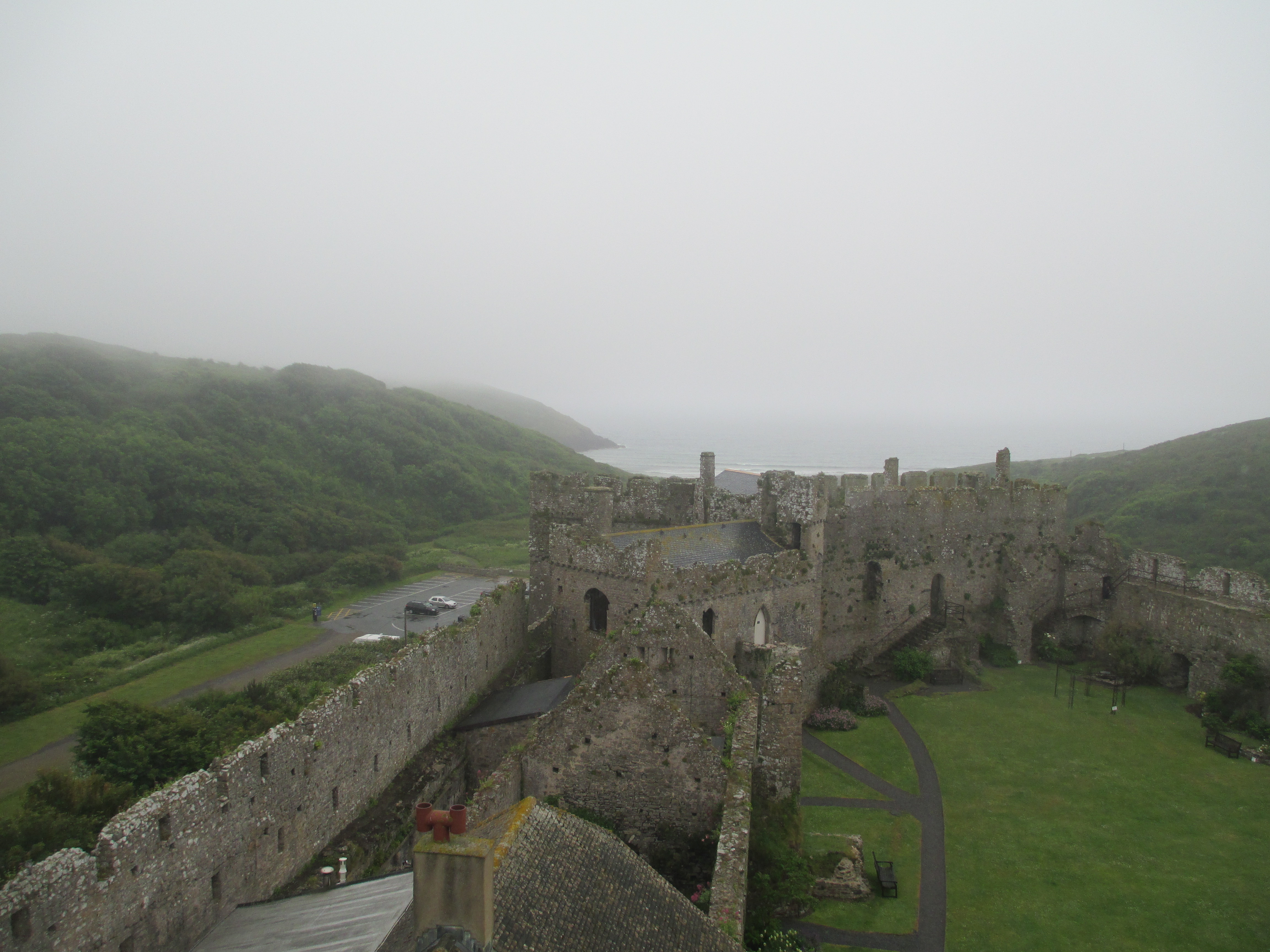
Manorbier Castle Wales

3.

IMG_4974

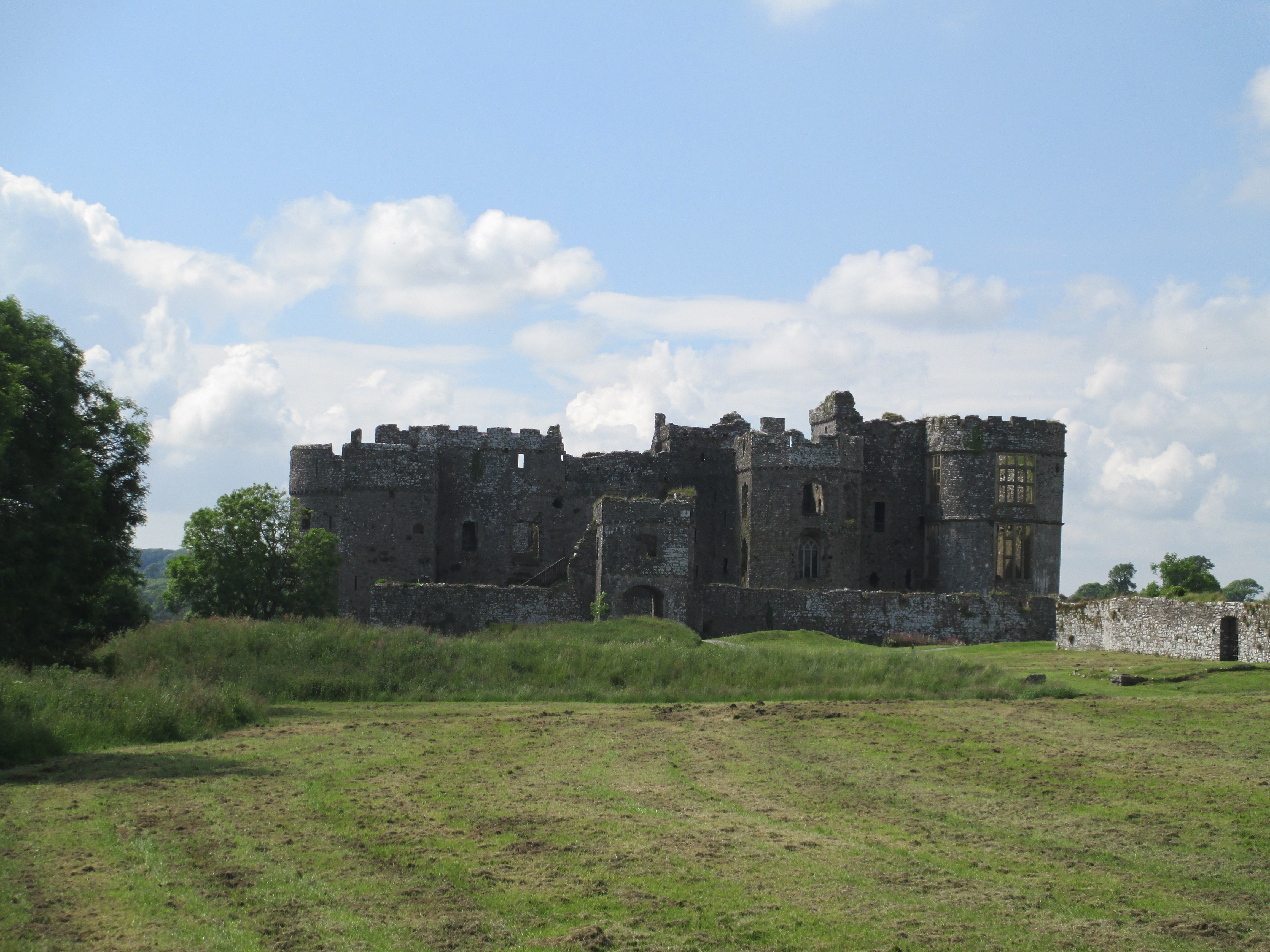
Carew Castle Wales

4.

IMG_5709

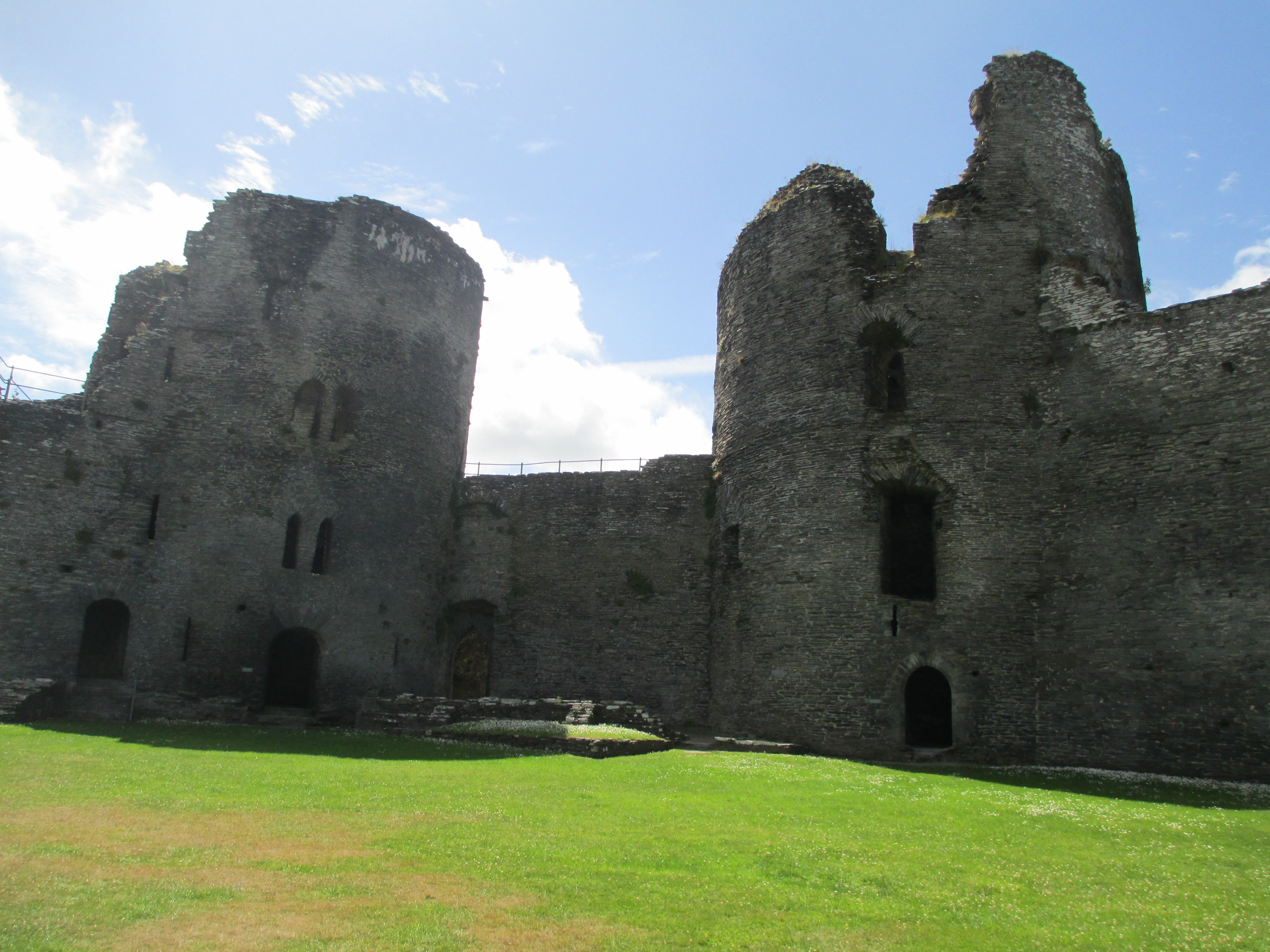
Cilgerran Castle Wales

5.

IMG_2472

Monmouth Castle Wales

6.

IMG_0476

Lincoln Castle England

7.

IMG_2067

Conwy Castle Wales

8.

IMG_0551

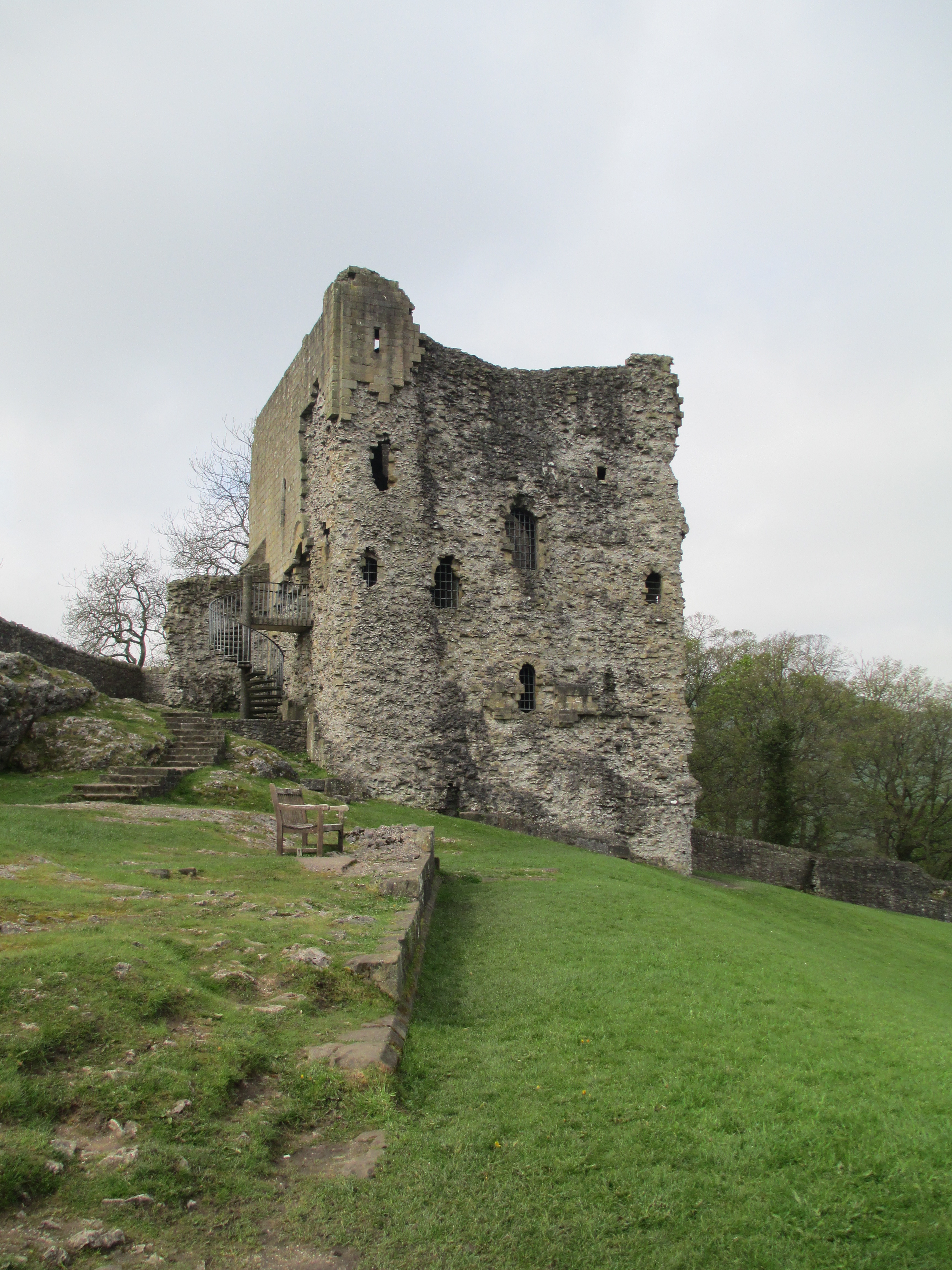
Peveril Castle England

9.IMG_0363

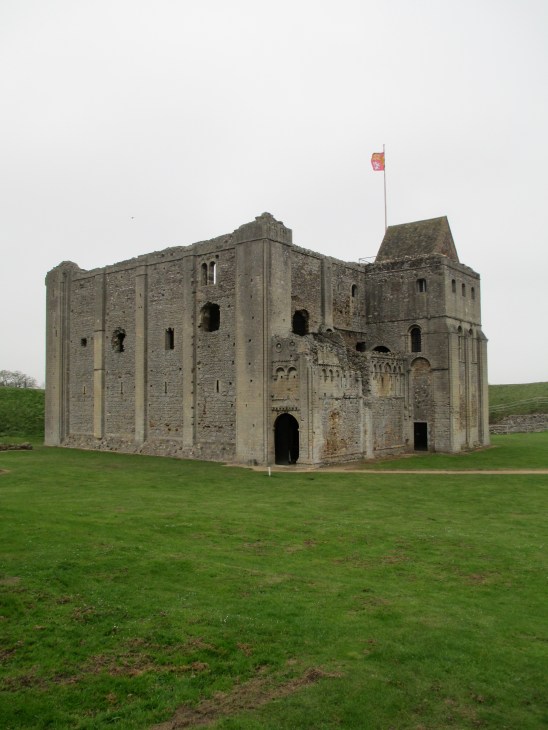
Castle Rising England

10.

IMG_1488

Doune Castle Scotland

11.

IMG_6997

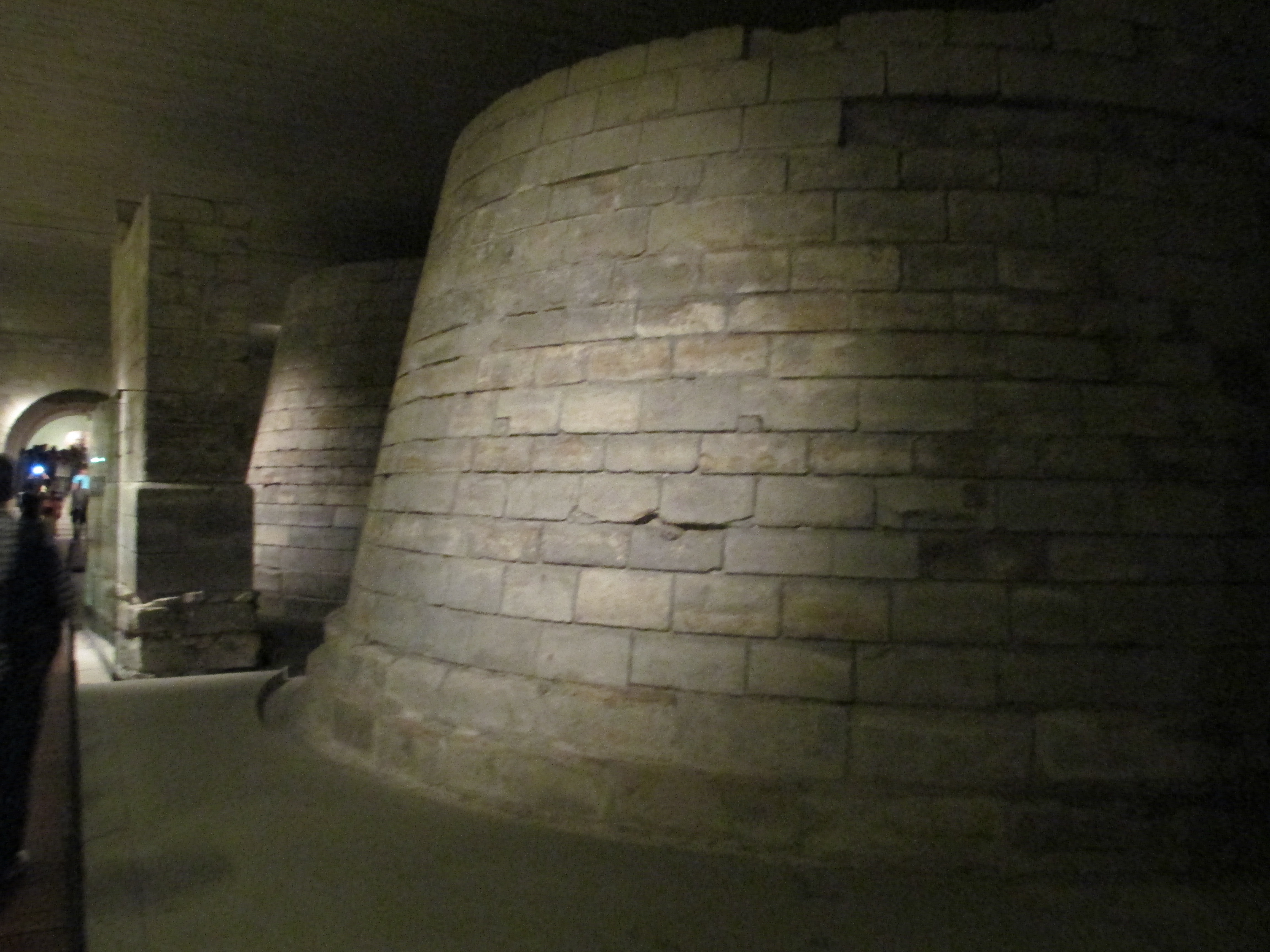
Foundations of the Louvre France

12.

IMG_9125

Foix  Castle France

13.

angers

Angers Castle France

14.

IMG_1147

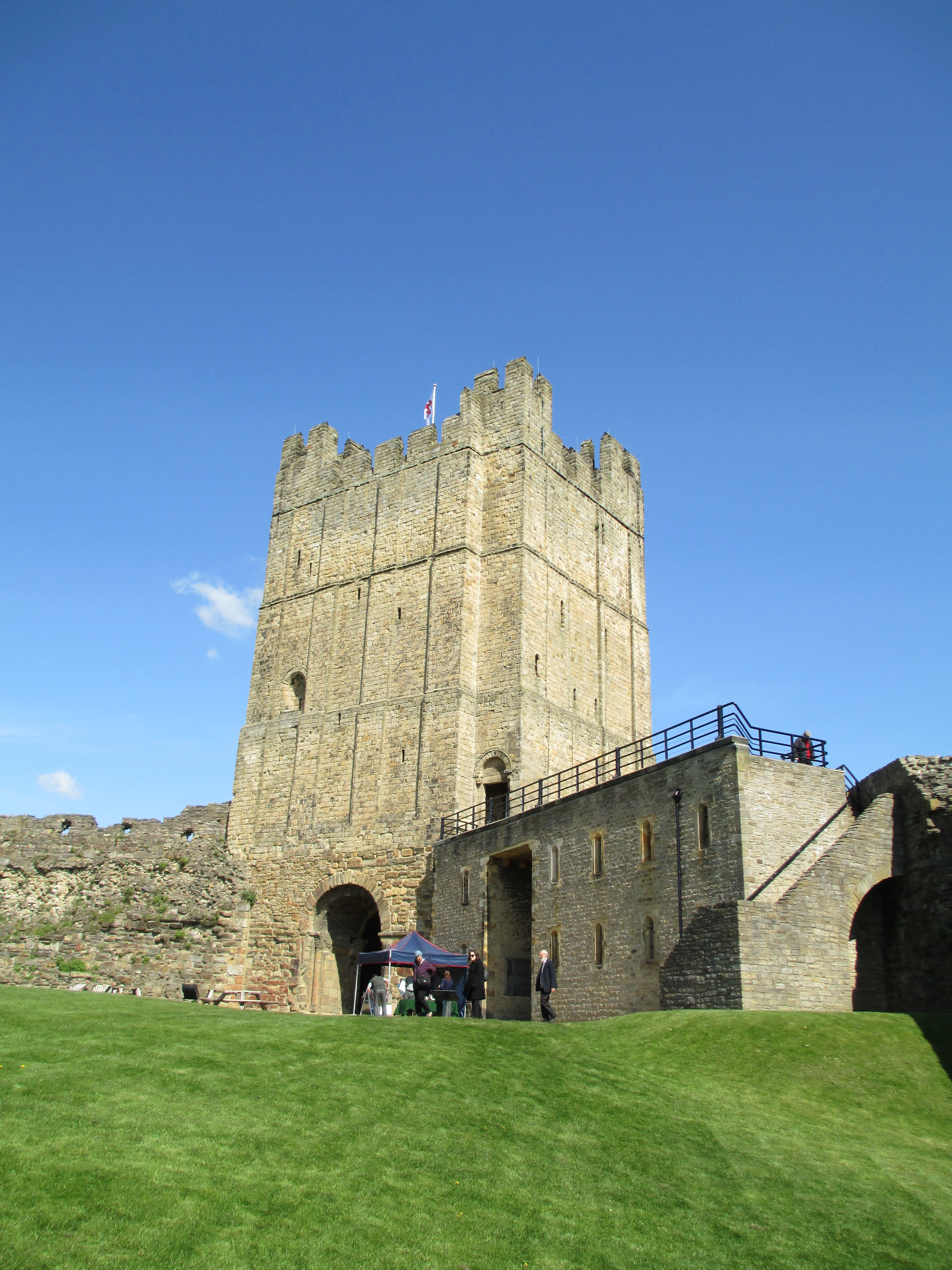
Richmond Castle England

15.

kilkenny

Kilkenny Castle Ireland

16.

ferns castle irland

Ferns Castle Ireland

17.

Chepstow Castle Wales

Chepstow Castle Wales

18.

IMG_4636

Trim Castle Ireland

19.

IMG_6866

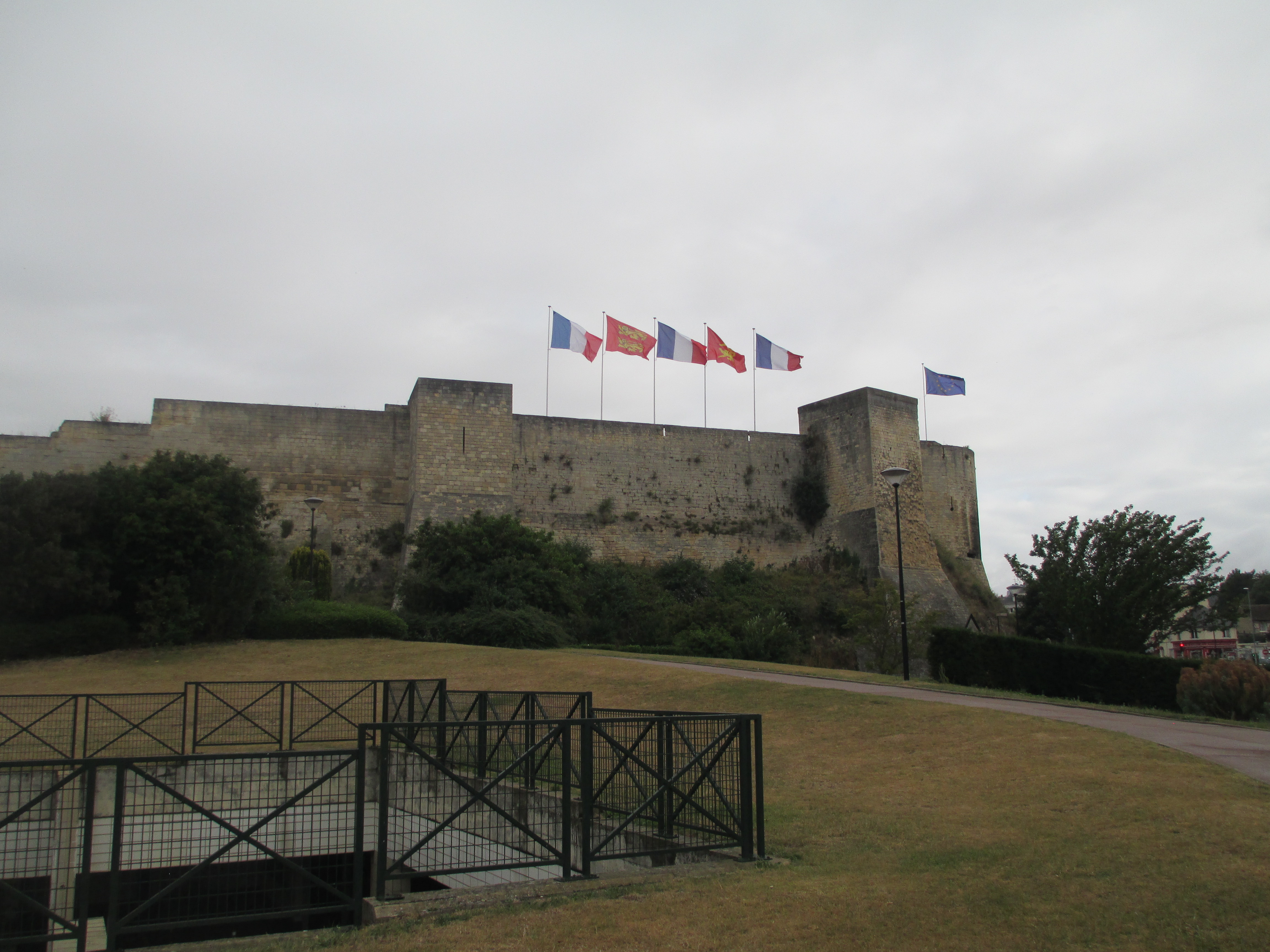
Caen Castle France

20.

IMG_1580

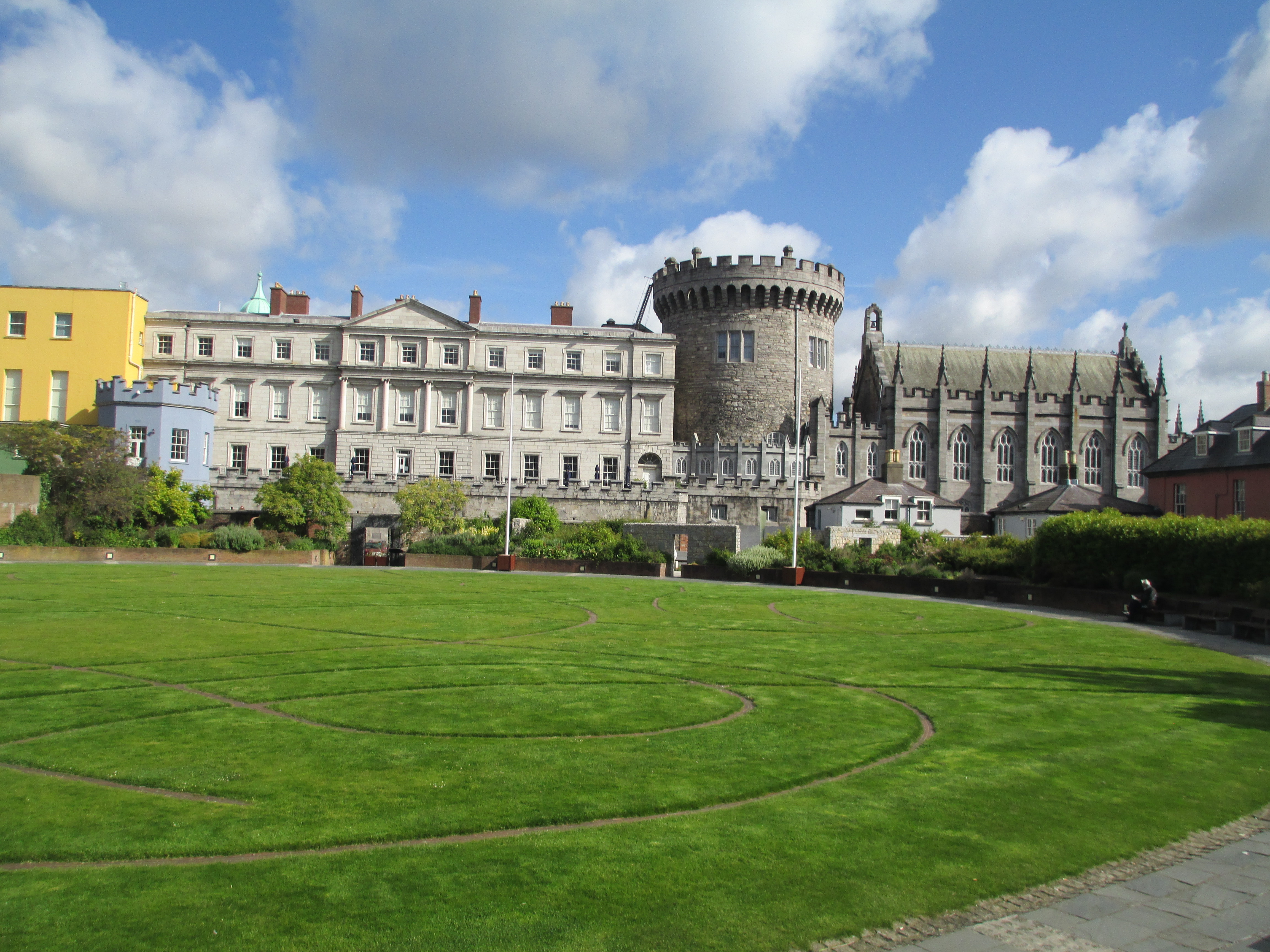
Dublin Castle Ireland

So how did you do?

1-5 Look you had a go, but on the upside it’s an excuse to study more castles!

6-10 Getting there, good job, you know your keeps.

11-15: Excellent. Spectacular. You know a hell of a lot about specific castles, this might be a little obsessive.

16-20: Incredible. Amazing. Are you sure you didn’t write the quiz?

Want to see how you did compared to everyone else?

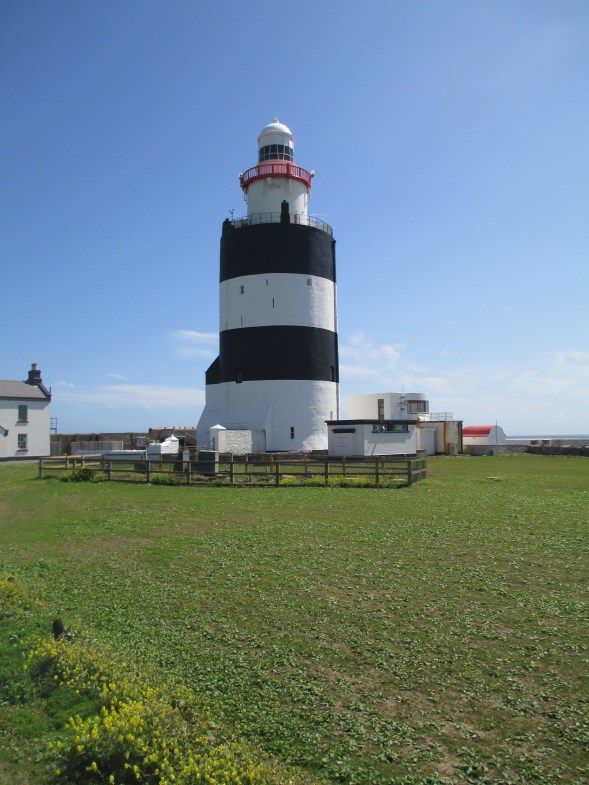
Hook Lighthouse

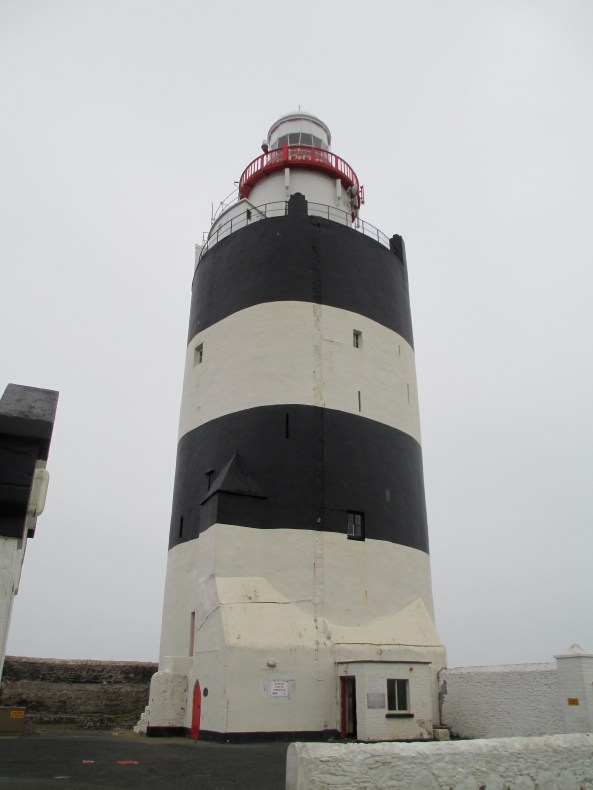
Hook  Lighthouse on the Hook Head Peninsula is one of the oldest working lighthouses in the world. It stands as a testament to the both the danger of the seas around the Hook Head Peninsula and the importance of the travel route that passes its tip.

Hook Head Peninsula is at the tip of South East Ireland and is possibly the origin of the saying ‘by hook or by crook’. Tradition has it that when Cromwell was invading Ireland he said he’d take it by hook or by crook, meaning by Hook Head Peninsula or Crooke in County Waterford. Whether this is true or not is very much debatable, but it is a nice story regardless.

The lighthouse itself was probably originally begun in the early 1200s on the orders of William Marshal. Marshal came to visit the lands in Ireland that came to him by right of his wife Isabel de Clare in 1200-1201. They were caught in a terrible storm crossing the Irish Sea and Marshal vowed to God that if they survived he would found an abbey. The ship didn’t sink and Marshal kept his word. As thanks to God for their survival he founded Tintern Abbey, which also stands on Hook Head Peninsula. It’s known as Tintern of the Vow as well as Tintern Parva, meaning small in Latin. It can be seen below.
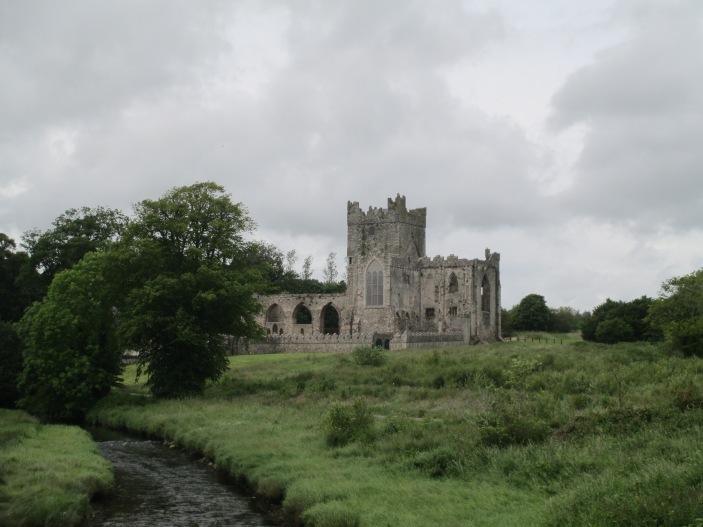
tintern parva

IMG_1983

It is a daughter house of Tintern Abbey in wales, which also stood on Marshal land. It can be seen below.
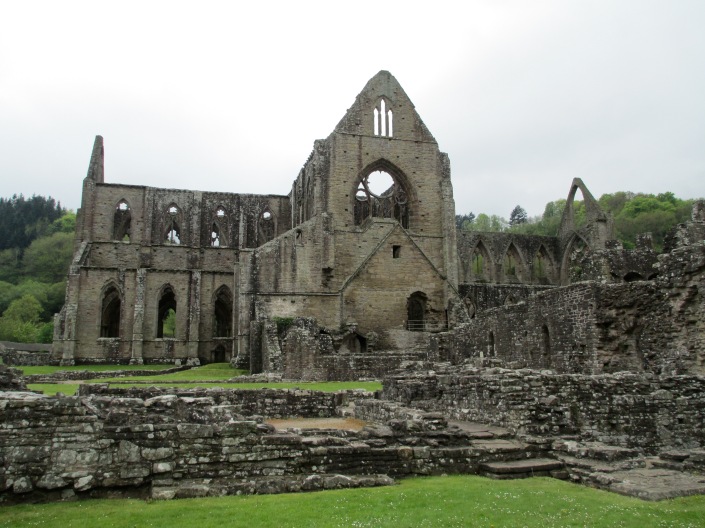
IMG_2483

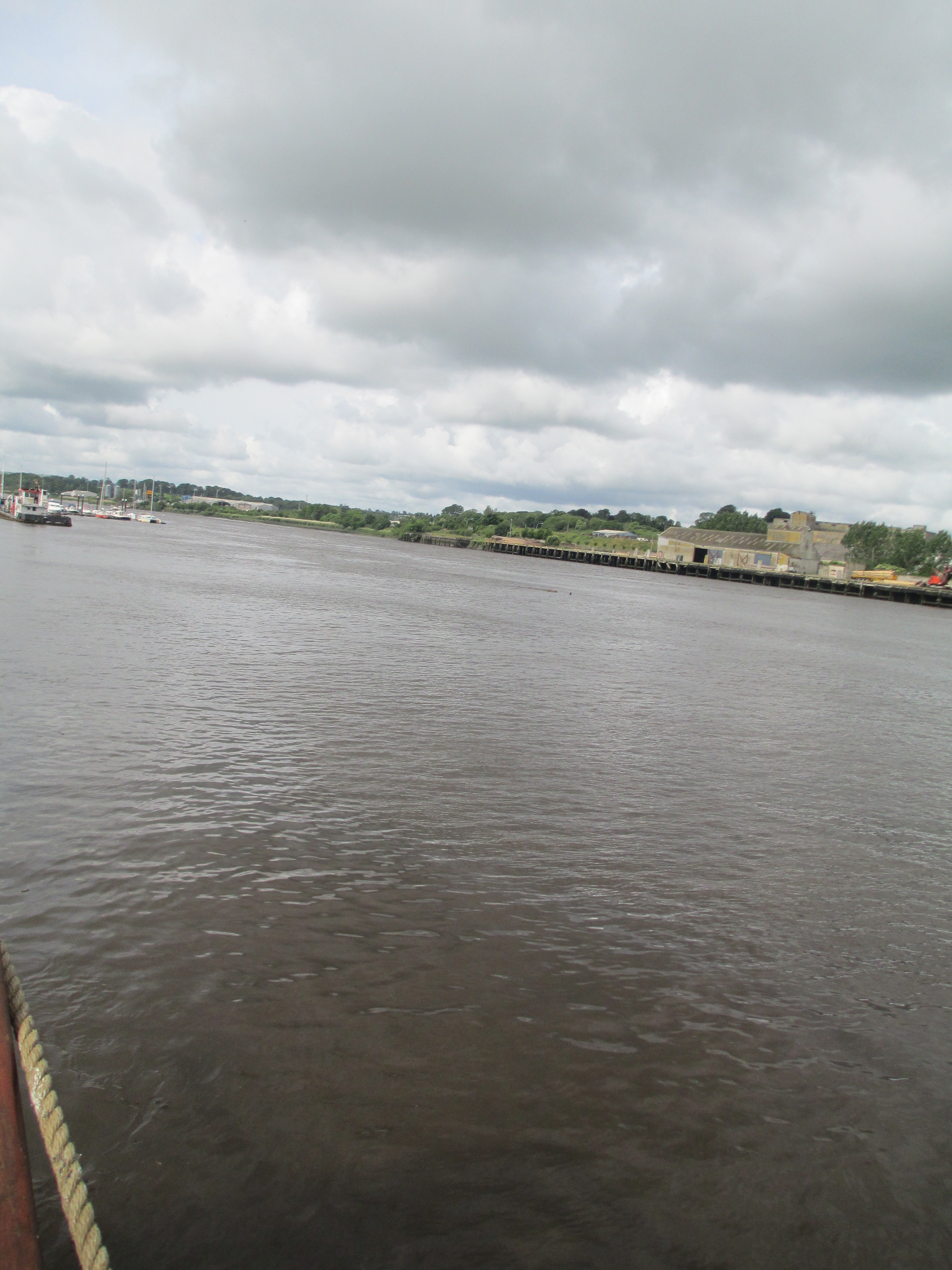
Hook Head Lighthouse was possibly begun around c. 1210 as a landmark and to guide ships up to Marshal’s newly built port at New Ross. The River Barrow in New Ross can be seen below.
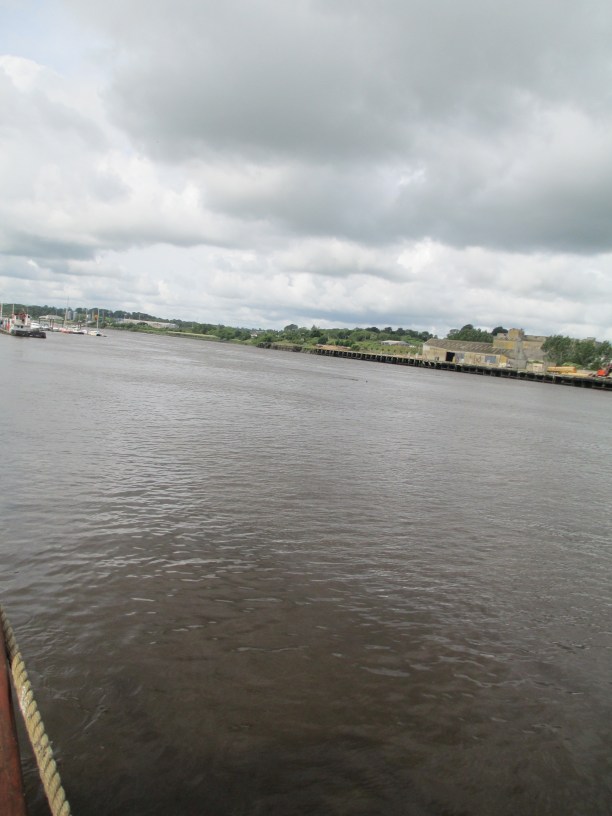
river new ross

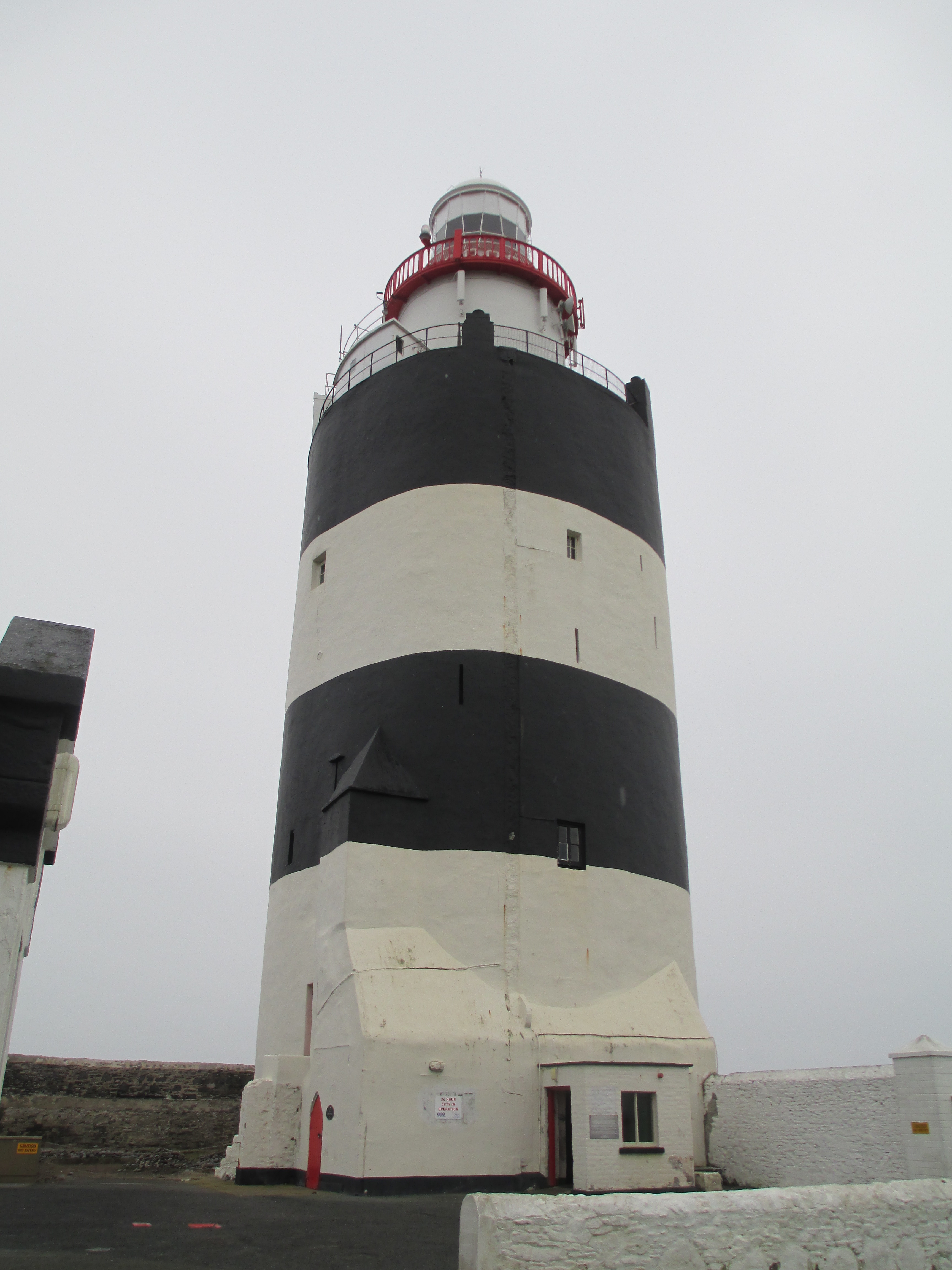
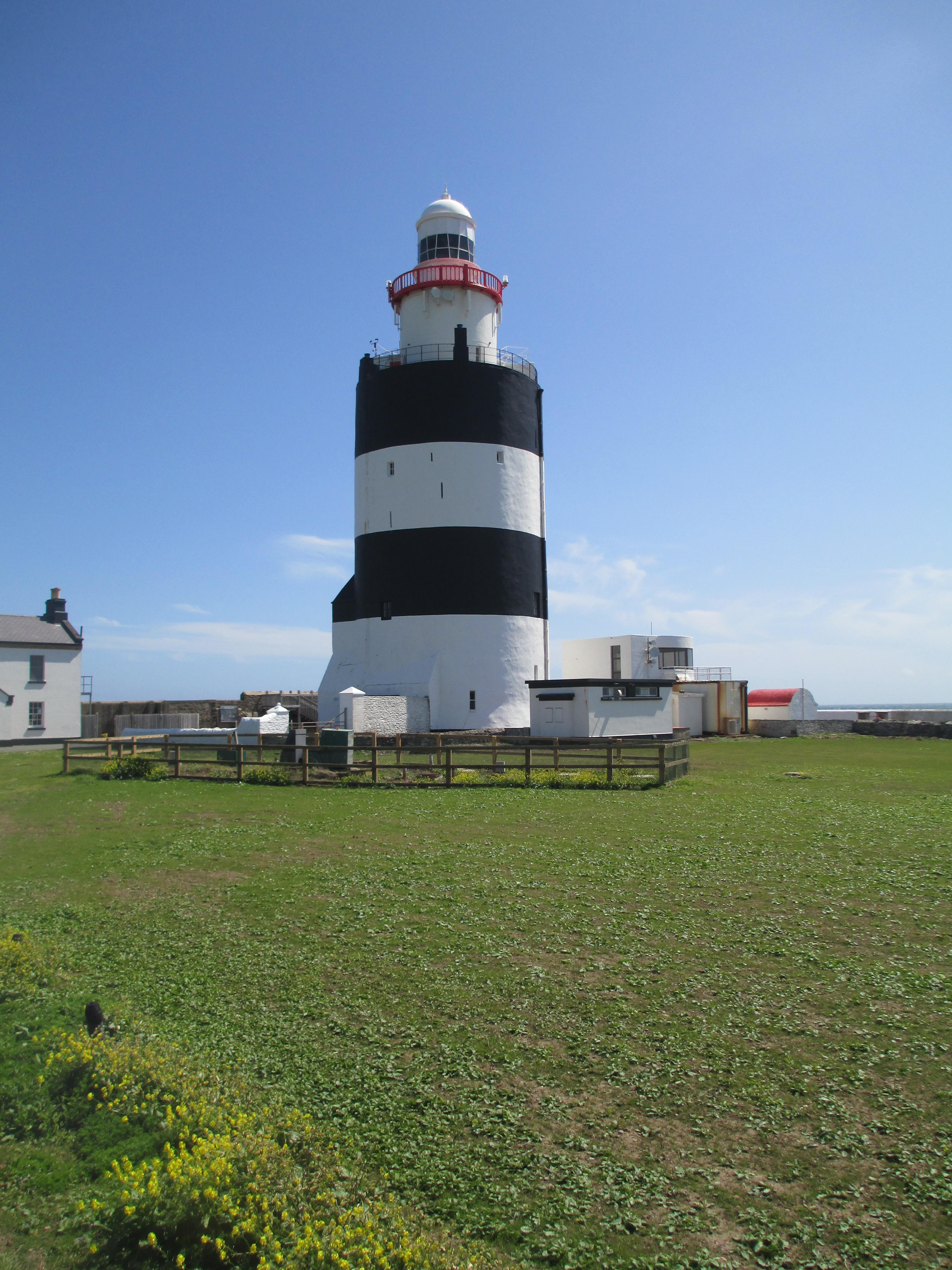
The light would have been coal fired and quite simple. You can see what it looks like now in the photos below, as well as the view from around the lighthouse. The particular black and white striping is unique to the Hook lighthouse so it can be clearly identified by ships.
lighthouse

IMG_2010 IMG_2013 IMG_2015

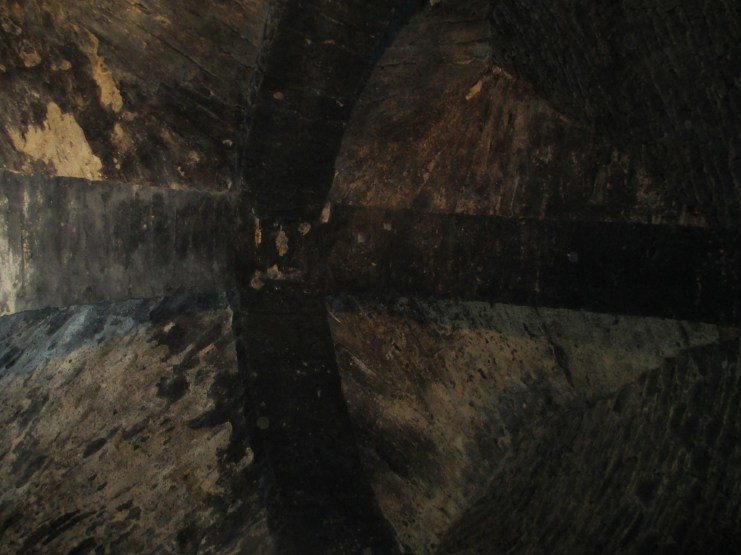
The walls of the lighthouse are between 2-4 m thick and there are currently three main rooms.

The coal storage room from when the light was a fire
IMG_5771

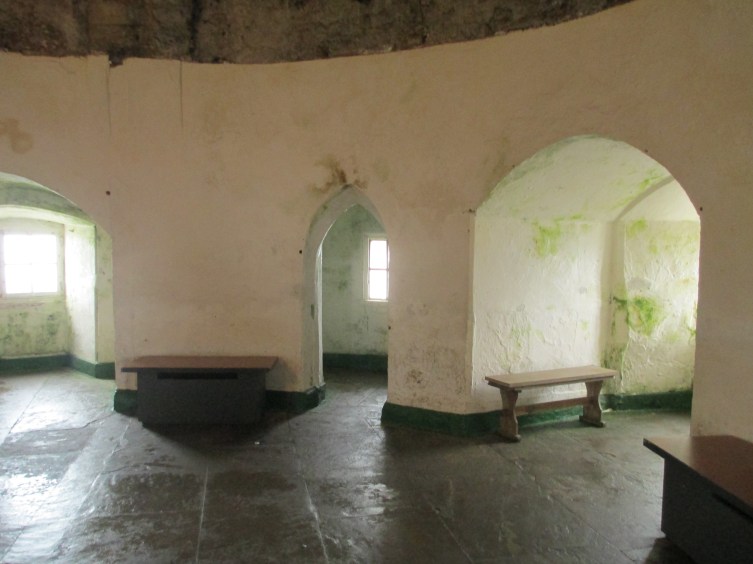
The secondary lighthouse keepers room and the chief light house keeper’s room. When the lighthouse was originally built it was run by monks and this room would probably have been used as a prayer space.
IMG_5775

Above the fireplaces in the chief lighthouse keeper’s room you can see some brown coloured stains. These are the ox blood that was used in the plaster. The heat of fires has brought it to the surface. It is possible that some of the plaster was original. It was made with straw and horsehair and ox blood to tie it together.

IMG_2022

Tradition has it that there was some form of light on this position before Marshal had his constructed. In c. 500-1000 CE St Dubhan founded a monastery in roughly this position and the monks used to light a beacon fire to warn ships.

The first historical record of the light is in the 1240s when the monks from Churchtown were installed as lighthouse keepers. It can be presumed that they continued as such until the dissolution of the monasteries under Henry VIII. By the 17th century the light was untended, but numerous shipwrecks and complaints led to its restoration in the 1670s with the first glass lens to protect the coal fire.

In the late 1600s the lighthouse came into the possession of the Loftus family and they leased it to the authorities in 1706.

Following repeated complaints the coal fired light was replaced by an oil burning lamp in 1791.

In the 1860s the lighthouse keepers moved out of the tower and into separate dwellings

In 1871 new gas lights were installed, powered by gas which was manufactured in the gas yard. Paraffin oil subsequently became the source of power.

In 1911 a clockwork mechanism was installed so the light became a flashing one rather than a fixed beam. It had to be wound every 25 minutes.

The light became electric in 1972

In 1996 the lighthouse was automated ending 800 years of lighthouse keepers.

The current light is not open to the public, but a slightly earlier version can be seen in the coal store. It is made by Aga.

IMG_5770

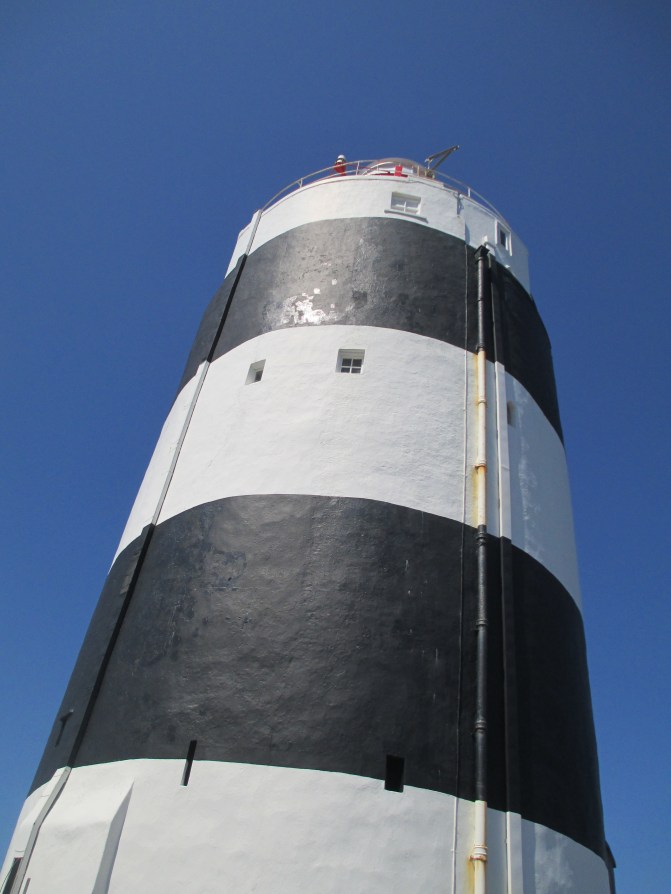
Hook lighthouse has a fascinating history and the building itself is truly beautiful. What you can’t quite see in the photos is how tactile the walls of the lighthouse are. It curves in a way the photos just don’t translate.
IMG_2012

I’ve been to Hook Head twice.

Once in horrible weather.
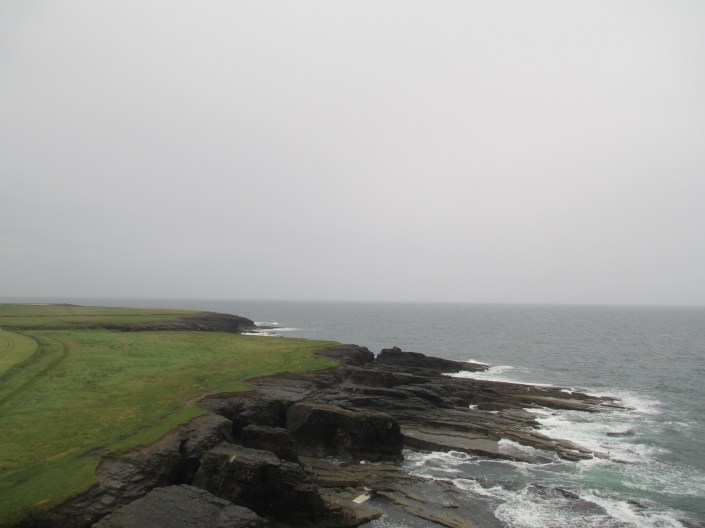
IMG_5777

And once in lovely weather

IMG_2034

But whatever the weather it is a spectacular building, a spectacular setting and as one of the oldest operational  lighthouses in the world a real historical treasure. Not to mention it was probably begun by William Marshal, one of my favourite historical people. If you ever get the chance it is an amazing place to visit.

References: Notes from two site visits, 2012 and 2015 and http://hookheritage.ie/index.php/the-lighthouse/timeline/

The photos are all mine.