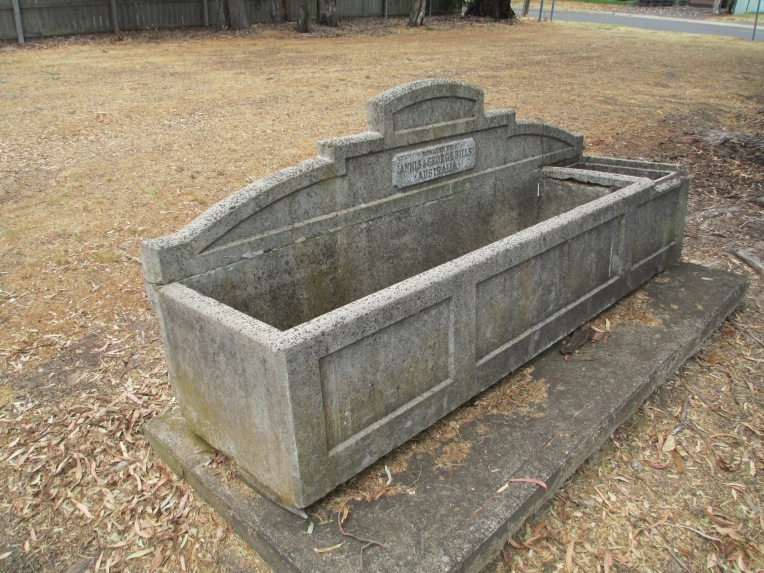
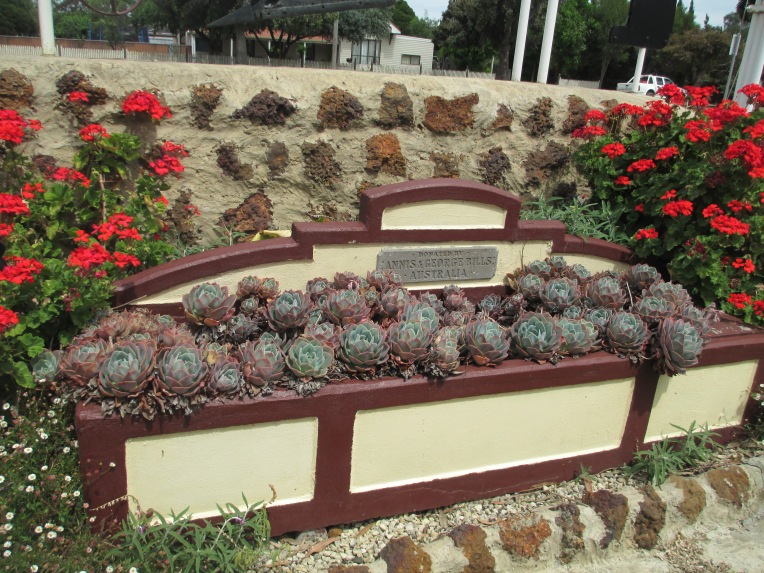
During a recent trip out to Western Victoria in the Wimmera region, to do some unrelated research, I noticed two horse troughs in separate towns that had the same inscription. It read that they had been donated by Annis and George Bills. I was intrigued so I did some research on Trove and I found there is actually a very interesting story behind them.
Horse trough in Balmoral Victoria
Horse trough in Edenhope Victoria
These horse troughs are the result of an interesting will and testament and can be found all over Victoria and New South Wales. George Bills made his money out of mattresses, first in making them and then in creating and patenting machinery to weave them. His father, who was a naturalist, came to Australia in the 1800s and, as the Horsham Times described it in 1935, “his heart ached to see the sufferings of dumb animals.” This was a concern that he passed on to his son George who also associated himself with the society for the protection of animals in England, New Zealand and Australia. George’s wife died before him and they had no children so he decided to make provision in his will for the future welfare of animals. The residue of his estate, after several personal bequests, was set aside to provide free memorial horse troughs the length and breadth of the British Empire. Towns applied for them to the trust and many such as Horsham actually have more than one. George died in 1927 and approximately 86 000 pounds was left for the provision of horse troughs. Each was made to the same design and carried the inscription ‘Donated by Annis and George Bills Australia.” By 1937, according the the Adelaide Advertiser, the trust had set up more than 400 horse troughs in Victoria and were expanding to New South Wales.
Sometimes they were for more than horses though and issues could arise, as Dubbo found in 1946. In this particular case dogs and humans were catered for as well as horses. Unfortunately the position of the human’s drinking fountain was problematic. As the Dubbo Liberal and Macquarie Advocate said.
“Unfortunately, lack of foresight was shown in the placing of the adjunct for the public. It is immediately over the small concrete basin for dogs, and at the end of the horse-trough. After drinking, horses have been seen slobbering over the faucet, and dogs licking it.”
The drinking faucet was thankfully moved.
The Dubbo paper also adds the interesting detail that the activities of the trust lapsed during the war period, but began again afterwards, which was when Dubbo applied for its second horse trough with the subsequent problems.
I just think this is a fascinating little piece of history. So far I’ve only found two of the troughs, as I wasn’t really looking for them, but if anyone else happens to see one that has survived in their town I’d love to know. I’d also be fascinated to find out if they are only present in Australia or whether George’s bequest did indeed cover the length and breadth of the British Empire.
After a little more investigation I have found this wonderful blog that has lists of the horse troughs. These obviously aren’t as obscure as I thought.
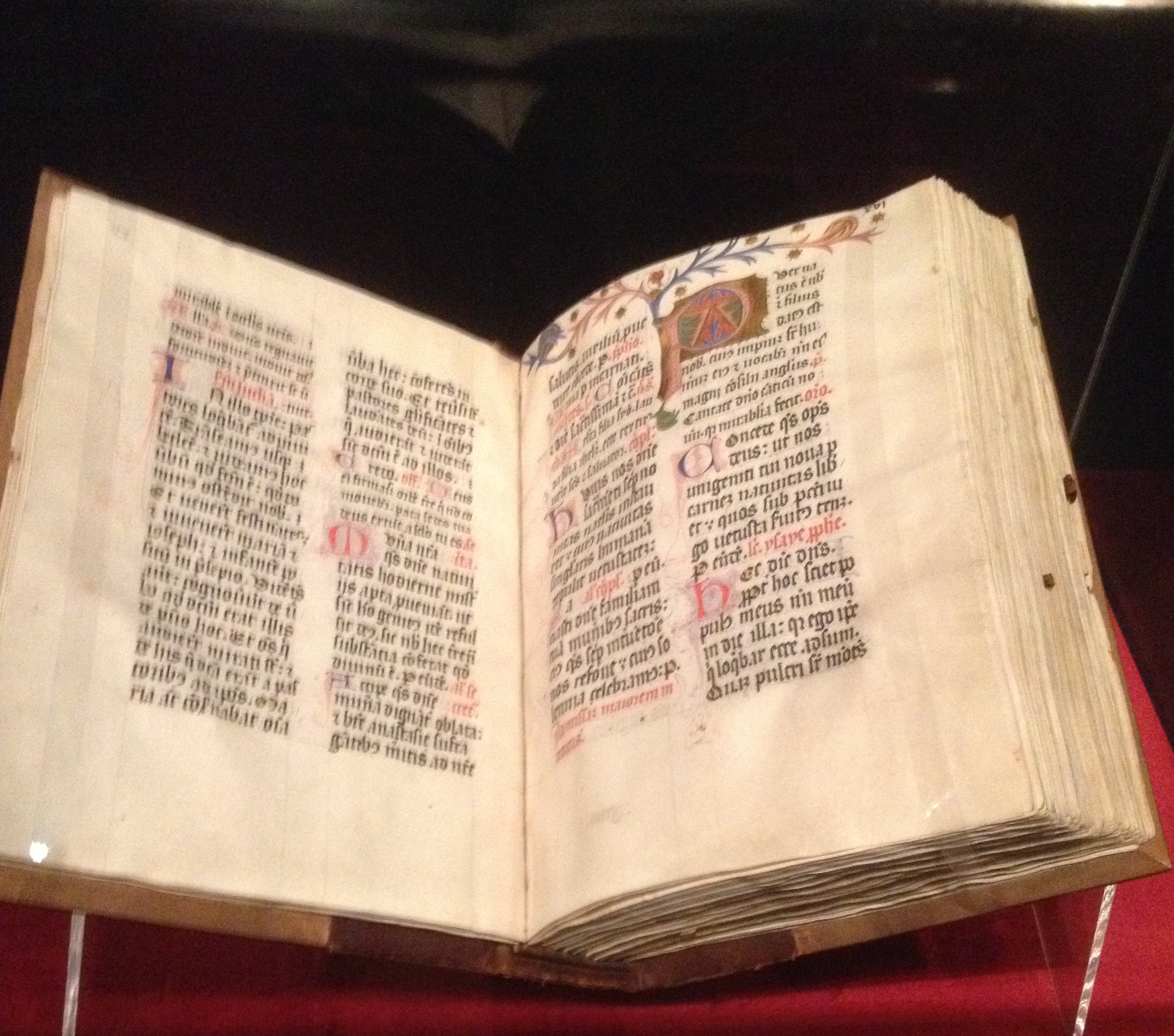
Melbourne University has been running a fascinating exhibition on the history of illuminated manuscripts and it is now in its final weeks. As part of the exhibition the university has also been running lectures and workshops and I was lucky enough to attend one on parchment.
Both this talk and the exhibition itself gave me a fascinating insight into the world of illuminated texts. If you are in Melbourne it is absolutely worth a visit and will be running until the 15th of November.
The books in this particular exhibition are in the codex form. This form began in the the 1st century CE and by the 4th century had mainly replaced the papyrus scroll. Codexes are usually made from parchment, a fascinating material in and of itself. Parchment was made from the skin of animals, usually goats, lambs or calves although there were exceptions.
Parchment replaced papyrus for a number of reasons, one of the main ones was that production of parchment could be decentralised. It could be done anywhere where there were animals, whereas papyrus could only be made in a handful of places, such as Alexandria, where the materials were available. Parchment can also be wiped clean and re-used. Parchment was the mainstay of the codex also because it is really durable. Unless it gets wet parchment will last for centuries. Which is why many illuminated manuscripts survive today, despite the fact that they are hundreds of years old. Which is not something that can be said for even reasonably modern paper.
Codexes were not made up of one animal skin. Multiple animals were used and it is possible for researchers to discover an amazing amount from the skins in an individual codex. Everything from how many animals were used, to what type of animals, the age of the animals, the health of the animals, the tools used to do the work and even the region the codex was made in.
Parchment was made by first treating the skin of the animal with lime to remove blood, dung and organic material and to loosen the fat. The skin was then stretched over a wooden frame, kept under tension and scraped repeatedly with a curved blade as it dried to create a smooth writing surface. Finally it was treated with chalk to remove any excess oils and fats.
There were two more key processes to the creation of an illuminated book. The writing and the illumination itself. The text was written in iron gall ink, usually, a fascinating substance that was made with the galls created by one type of wasp on oak trees. This ink was responsible for pretty much all recorded western history for 1400 years. The fascinating video from the BBC below explains where these galls come from and how they were used.
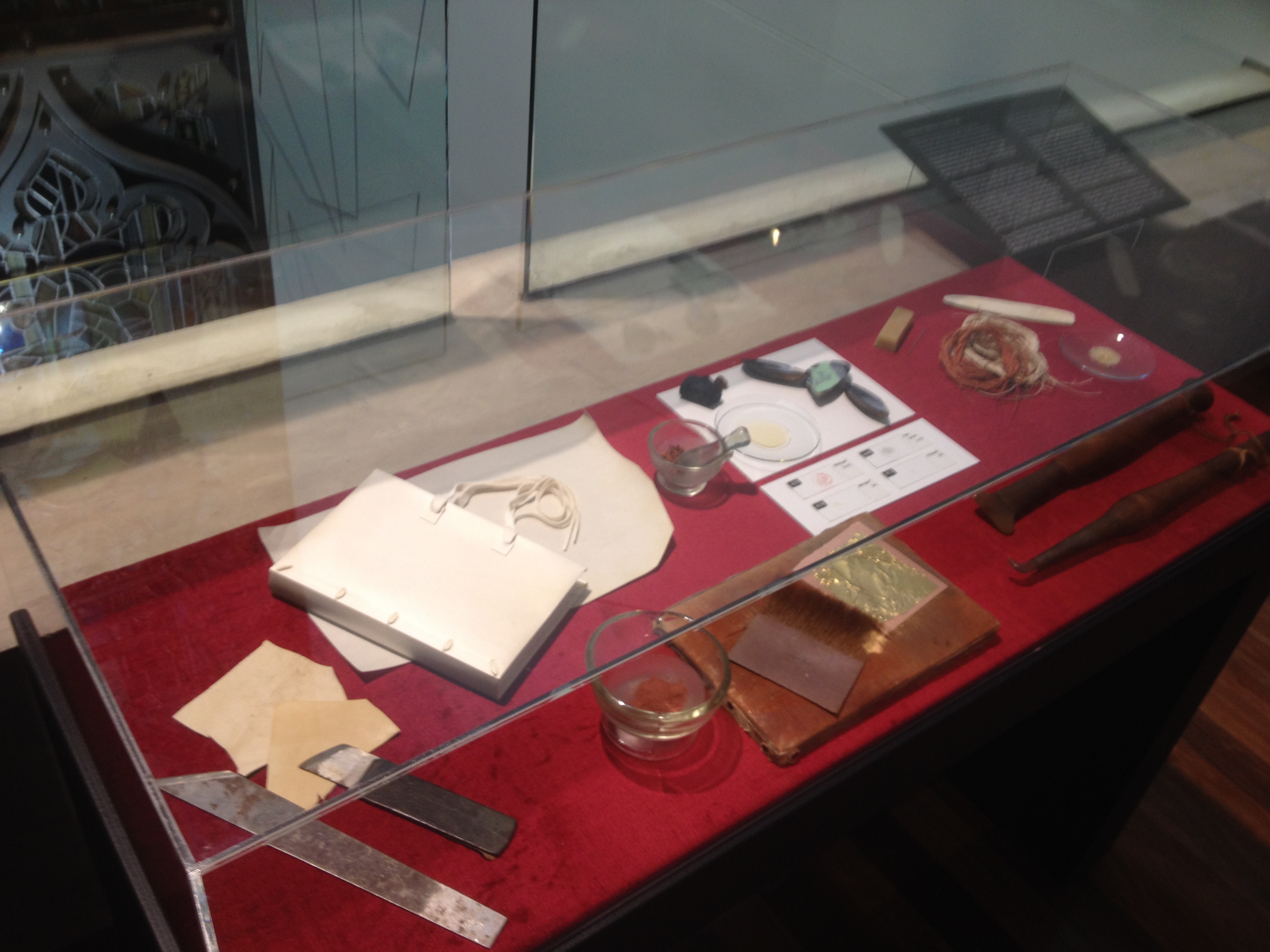
Aside from the text the other important part of these codexes is the illumination. The word comes from the latin illuminare and refers to the glow that comes from the decorations, especially the gold leaf.The tools and processes for illumination are actually quite similar to the process and tools for creating icons, something which I’ve written about before.
The illuminations were begun by drawing the outline with lead or ink, then the areas for the gold were painted with bole, a red clay, or with gum, then the gold leaf was applied to the surface and burnished. Finally other colours were added. The colours were made from a wide range of materials for example lapis lazuli for blue and madder for a reddish colour. The lapis lazuli largely came from Afghanistan and was highly prized. The materials were ground up and mixed with a binding material like egg white to give it viscosity and make it stick to the page.
Examples of some of the materials and tools can be seen below.
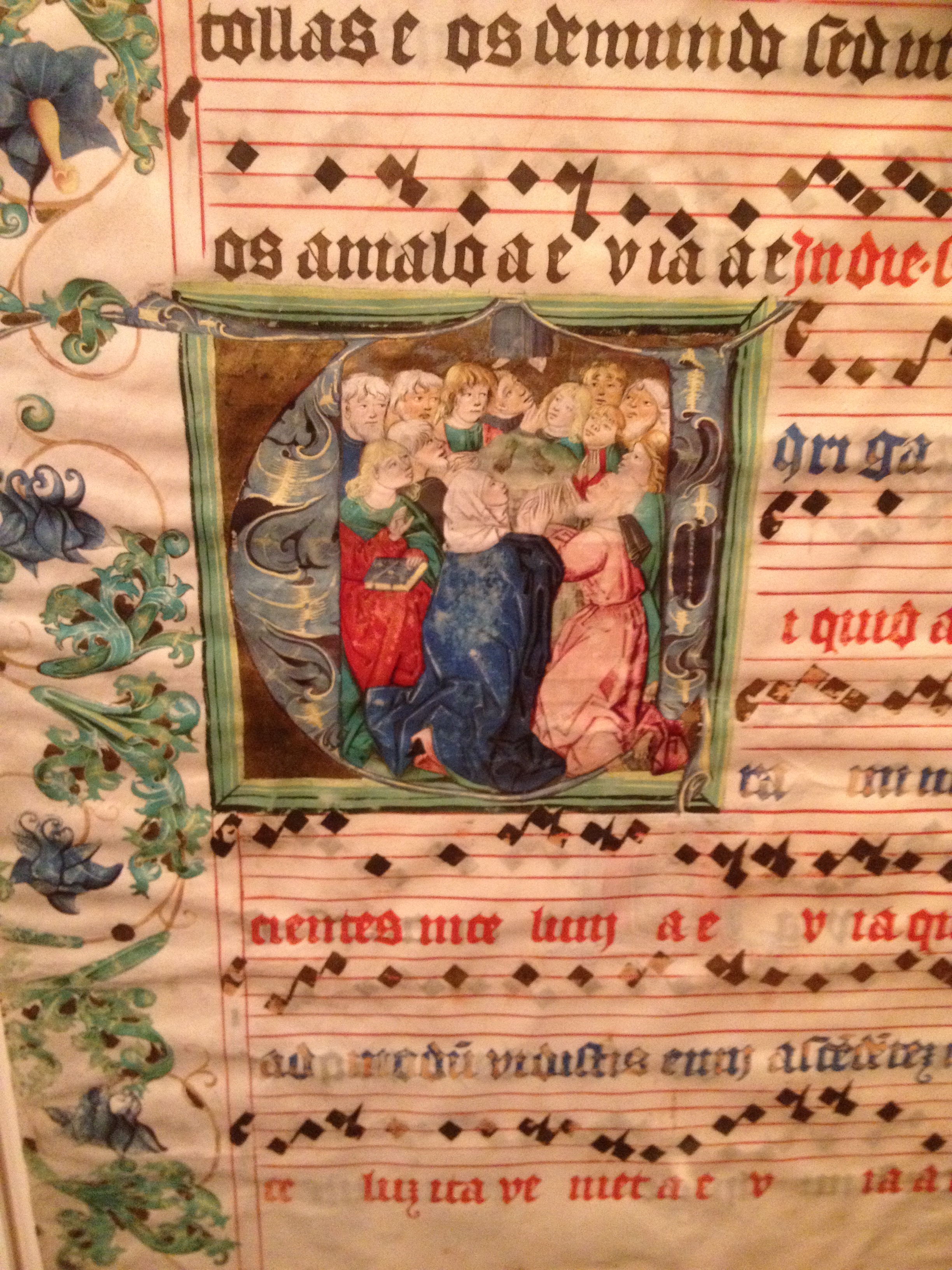
The works created using these methods are stunningly beautiful.
A leaf probably from part of a choir book, the illumination has been attributed to Joannes Zmilely de Pisek
Prague c. 1500
The exhibition holds a variety of codexes which cover the different purposes for which they were used. The use for codexes was largely religious in nature, not always but mostly, and this is what is represented in the the exhibition.
The codex has been part of church life for centuries, used both by clergy and parishioners. It wasn’t until around the 11th century though that codexes for specific services came together. Around the 11th century the different texts used by the priest during Mass were compiled into the Missal. An example of which can be seen below.
Missal, Use of Rome
Catalonia Spain c. 1450
The other codex that came into being at a similar time is the Breviary. This codex held a compilation of the texts for the Divine Office. An example can be seen below
Breviary, Use of Rome.
Associate of the Jouvenel Master (illuminator)
Bourges France 1460-1470
Codexes were not only for the use of clergy. Books for private devotion were also reasonably common. One of the earlier examples is the Psalter. As Psalter is one of the books of the Bible produced as an independent manuscript. It contains 150 songs of praise, thanksgiving and petitions to God and was used for private prayer. It wasn’t uncommon for Psalters to be personalised, with heraldry and often references to their owners. They were to an extent symbols of status. They also were often signposted with illuminations to allow the user to follow along, so to speak, with public worship. A leaf from a Psalter can be seen below.
Leaf from a Choir Psalter (King David in Prayer)
Italy or Spain c. 1430
In the late 13th century a new type of personal prayer book began to become more popular than the Psalter. The Book of Hours was made up of devotions based on the Offices of the Breviary primarily the Hours of the Virgin. While the content of the Book of Hours varied according to the preference of the owner the Book of Hours commonly contained, along with the Hours of the Virgin, some of: the Office of the Dead, the Hours of the Cross, the Seven Penitential Psalms, the Litany of the Saints, short excerpts from the four Gospels, and prayers for particular saints. The Book of Hours usually opened with a calendar of the feasts of the Church year. Like the Psalter the Book of Hours was a status symbol and was thus richly illuminated and often contained references to their owners. An example can be see below
The Mildmay Master (Illuminator)
Book of Hours, Use of Rome.
Bruges, Southern Netherlands, c. 1460s
The centrepiece of the exhibition is the Rothschild Prayer Book. The Rothschild was created primarily in Ghent, but some pages were probably created by other artists in other Flemish centres and inserted into the manuscript in the main workshop in Ghent. As such it is a beautiful example of a coordinated undertaking from the hands of several masters. It dates to c.1505-1510 and is the culmination of centuries of development of the Book of Hours. Unfortunately it was the one thing I was not allowed to photograph. But the digital copy below can at least give an approximation of this work of art.
This by no means covers the entirety of the exhibit, but I hope it has given a taste of the truly beautiful books displayed there and the complex and intriguing world of the illuminated manuscript.
Reference: Visit to the exhibition and talk on parchment by Libby Melzer and Grace Pundyk.
I know ANZAC day has come and gone, but it represents something interesting in Australia and I thought it was worth a post.
There has been so much written about ANZAC day I’m not going to retread old ground.
You can see from the list of articles at both New Matilda and The Conversation that it is in many ways a controversial topic. Especially when it comes it Australia’s indigenous population, both in the lack of recognition of their contribution to Australian war efforts and whether the the white occupation of Australia can be considered a war. I am not offering a personal opinion in this second matter because political opinion is not the purpose of this blog.
This year was the centenary of ANZAC. I thought it was worth having a very quick background of what ANZAC day actually is.
ANZAC to start with stands for Australian and New Zealand Army Corps. ANZAC day began originally to commemorate the Gallipoli Landings on the 25th of April 1915.
The purpose of the Gallipoli landings was to draw the Turks away and to stop them over running the Russians in the Caucasus. Russia had suffered a terrible defeat at the hands of Germany and Turkish forces in the Caucasus were pushing them hard. So Russia appealed to its ally Great Britain to launch an attack against the Turks. The British were in favour partly because they saw it as part of protecting the Suez Cannel.
Several tactics were somewhat cautiously tried but ultimately it was decided that attacking the Dardanelles with troops was the preferred option. The ANZACs were training in Egypt and were thus perfectly placed to serve in the attacking force.
For more information and a map of the Gallipoli peninsula see
So on the 25th of April 1915 a mixture of nationalities, it wasn’t all ANZACs, tried to land on the Gallipoli Peninsula. Many died before they even made it to the beach. There is debate over whether they were sent to the correct position or not, but regardless they were faced with hilly, sandy and scrubby terrain with little cover. The attack on Gallipoli lasted until the 3rd of May 1915 and was a failure for pretty much everyone. The Turks lost a lot of men, more than the allies, and the allies retreated defeated.
The numbers that died at Gallipoli are debatable but a rough estimate is
Overall roughly 134 000 died at Gallipoli which is approximately 600 a day.
There weren’t really any winners here.
I think one of the most moving depictions of Gallipoli I have ever seen is Eric Bogle’s song And The Band Played Waltzing Matilda. I learnt it in Primary School and it has stuck with me ever since. A picture story book has been created of it with Illustrations by Bruce Whatley. You can see some of the book here. And the video below shows Eric Bogle singing the song.
The final verse of the song is I think an interesting look at how ANZAC day is seen now.
And now every April I sit on me porch
And I watch the parade pass before me
I see my old comrades, how proudly they march,
Reviving old dreams of past glories.
But the old men march slowly, old bones stiff and sore.
What ANZAC day has come to mean for Australia is a tricky one. It seems to be all about mateship and Australian identity. Despite the fact that it is based on a defeat, it has somehow come to be seen as the forging of an Australian identity. You have to remember federation was only 14 years before the battle so there isn’t much else that can be seen as a turning point to Australia seeing itself as a nation in it own right rather than an outpost of Great Britain.
ANZAC day has come to be commemoration of those who have fallen in all wars that Australia has fought in, though again some are possibly excluded. It certainly means a lot to a lot of people.
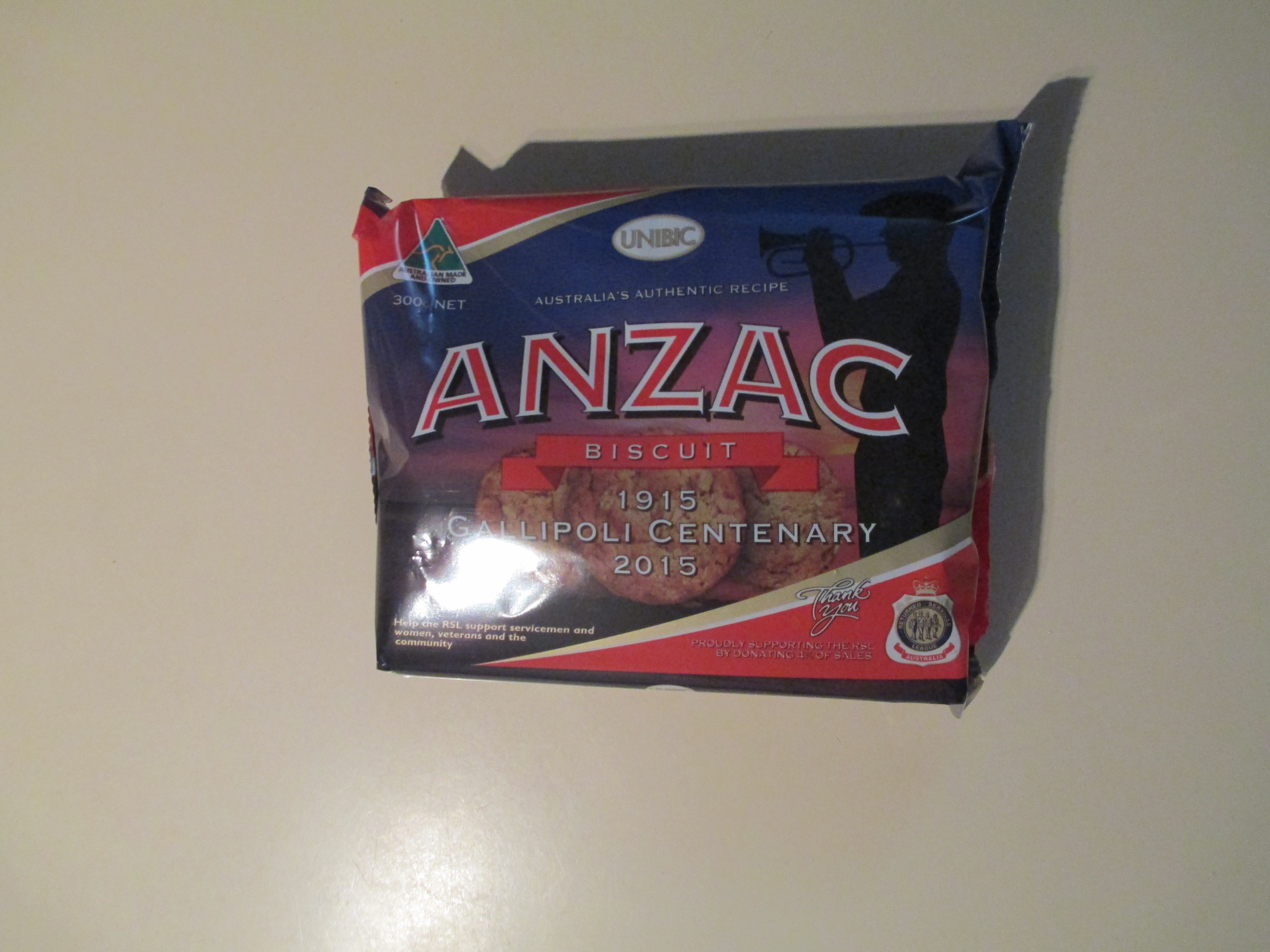
Leading up to ANZAC day it was everywhere from biscuits
To historical displays. Like this one at the Prahran Mechanic’s Institute.
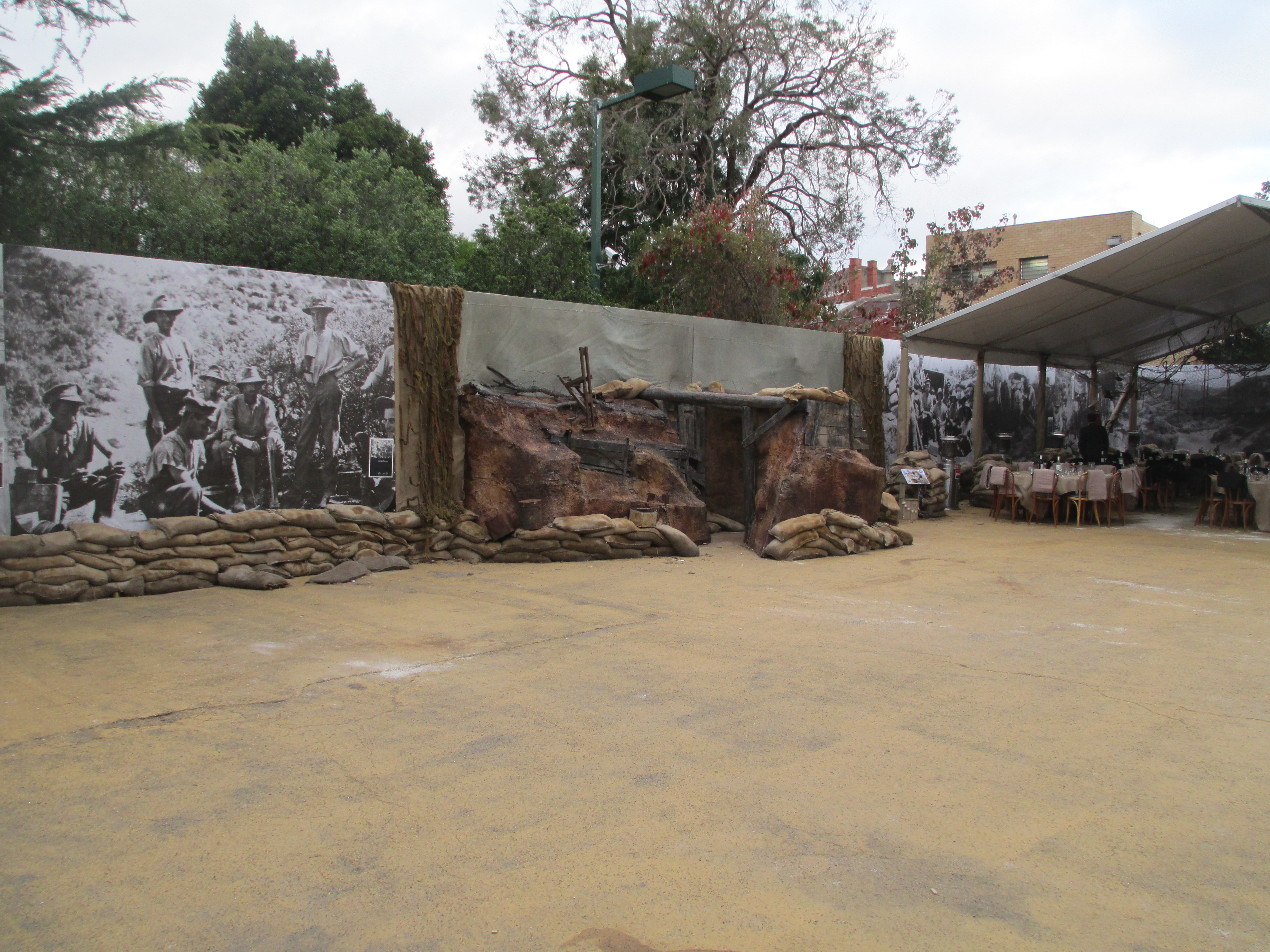
To full installations of replica trenches such as those at the Caufield RSL
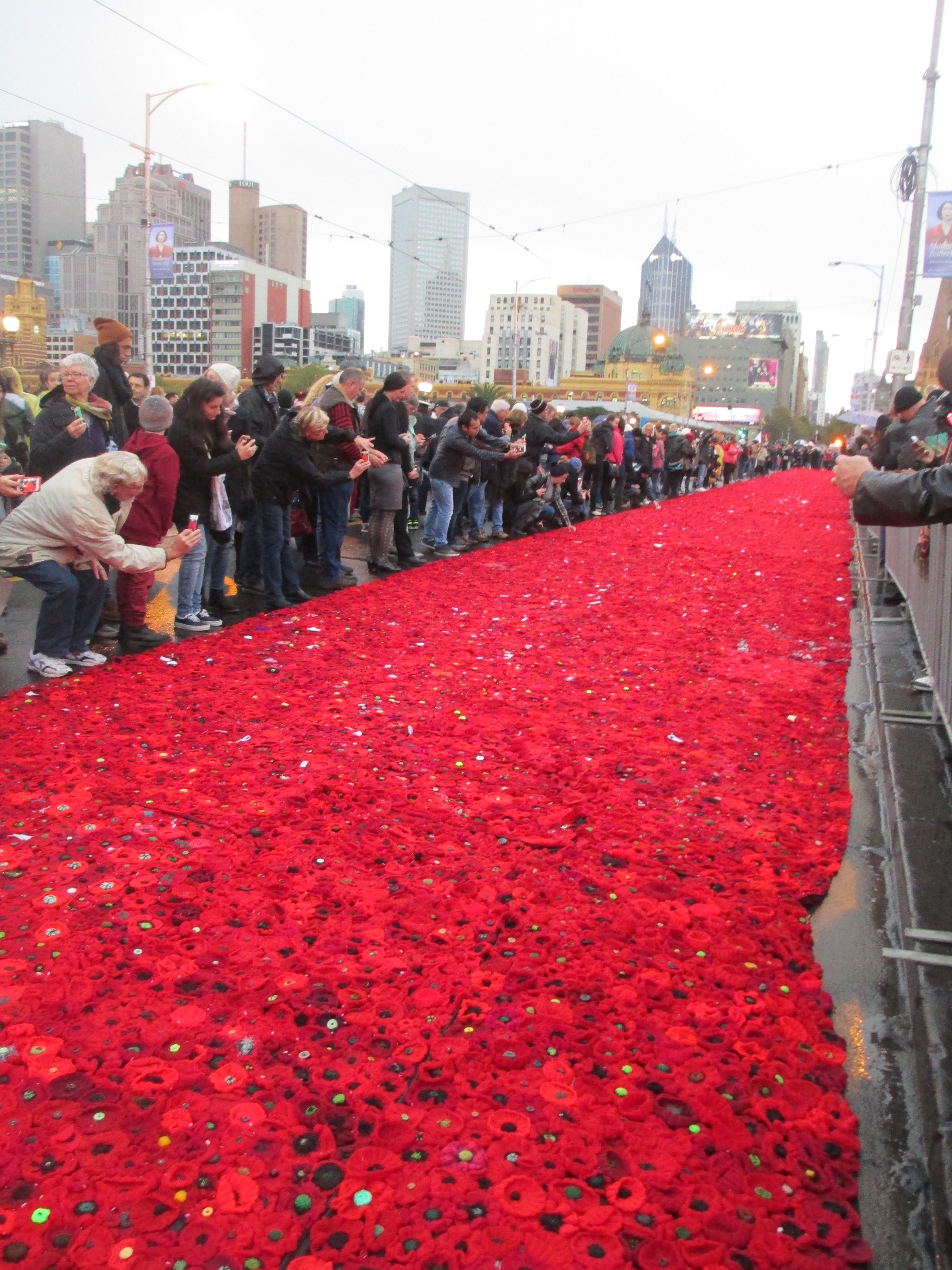
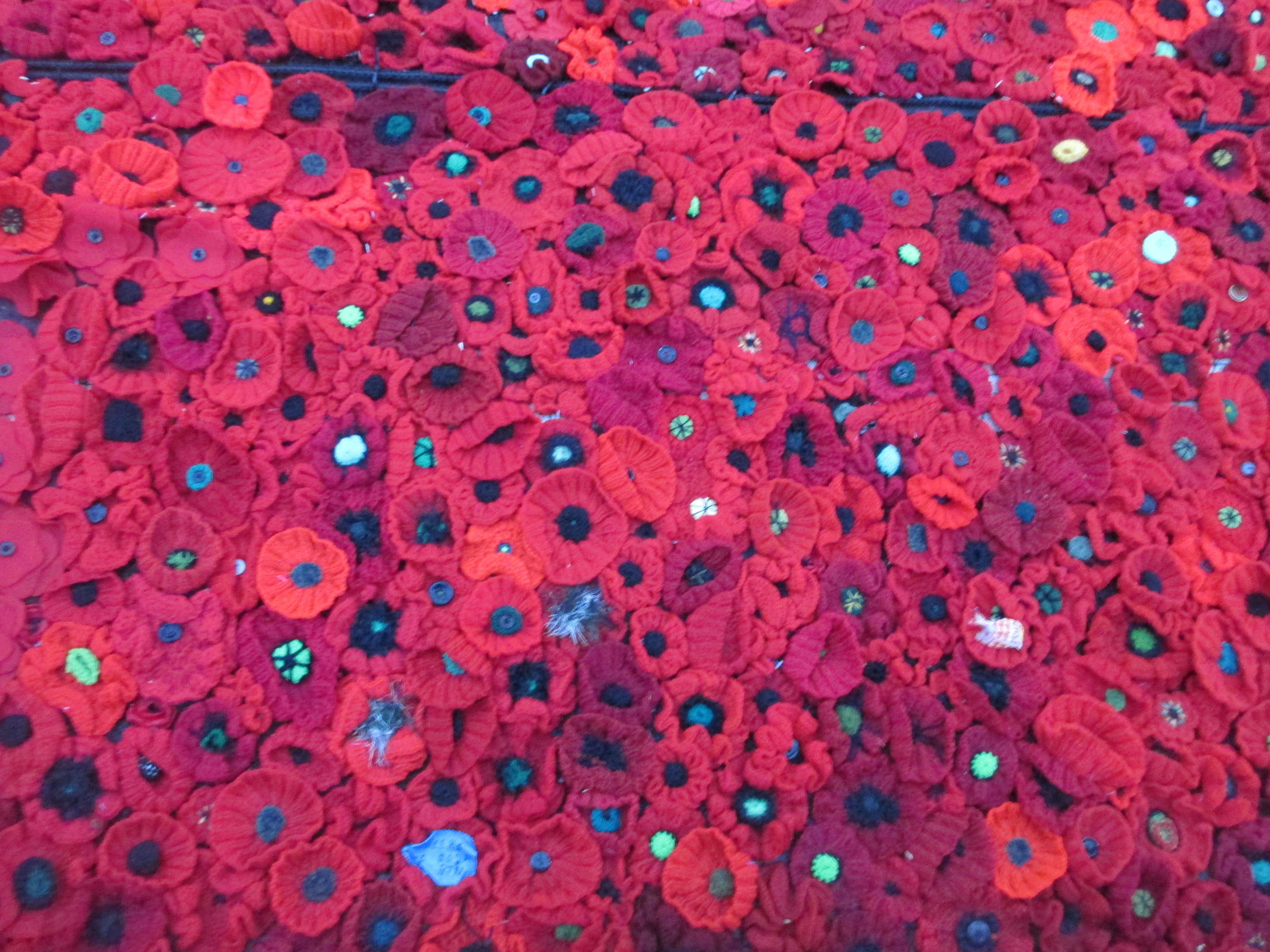
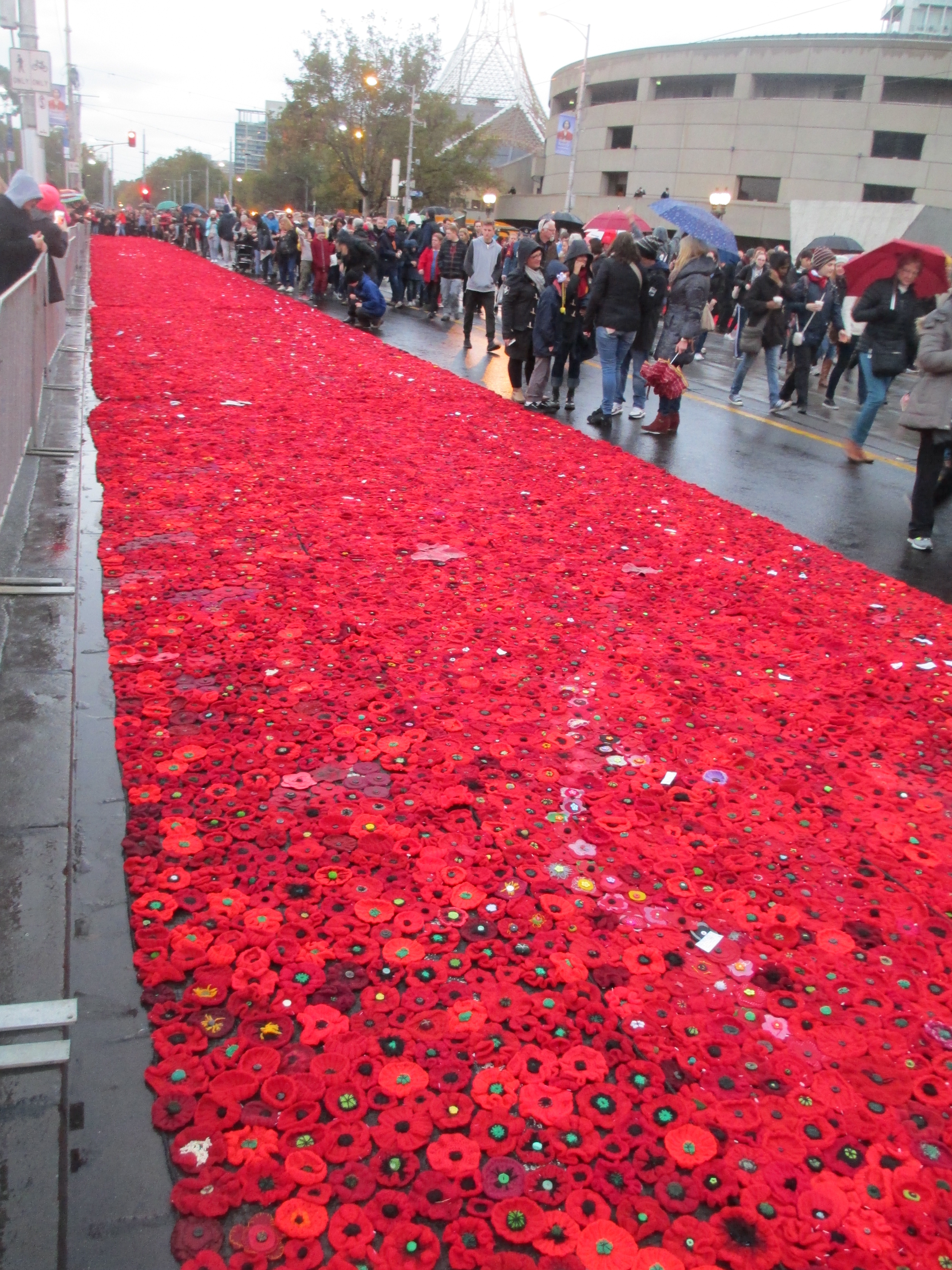
There were also installations of knitted poppies across the CBD
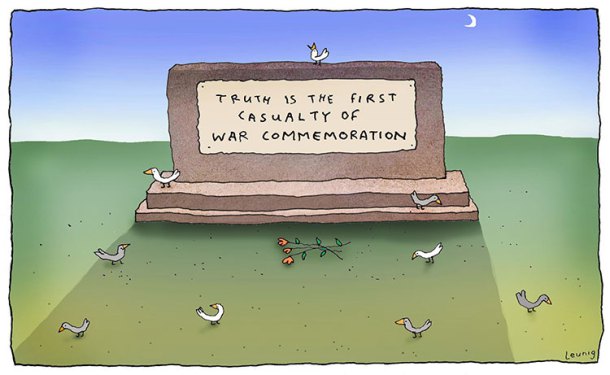
If it is possible to be hagiographic about an event then that is how Australians are about ANZAC day. It is somehow sacred, the holy day for a largely irreligious country. Criticism is not permitted. But even though school children learn the basics of the history the realities are forgotten in the push to canonise the ANZACs. I am not for a moment saying that they weren’t very brave, that what they did shouldn’t be commemorated. I just think the reality of the situation which was in many ways remarkable is being lost in this canonisation. I think in putting the ANZACs on a jingoistic pedestal we are losing their humanity. Two works from Leunig sum it up beautifully.
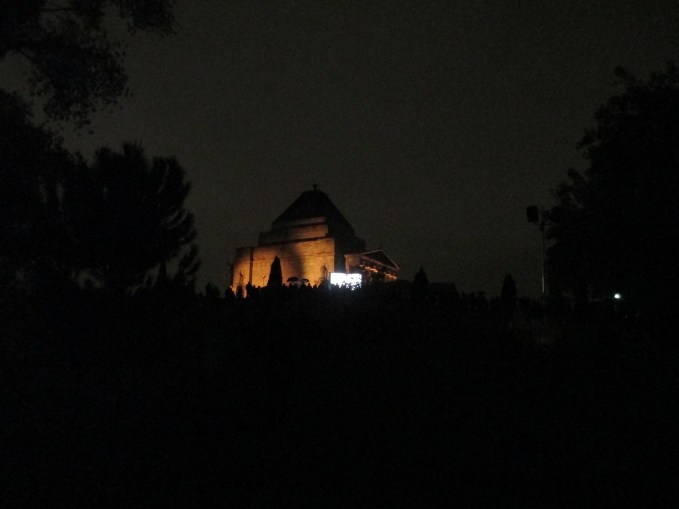
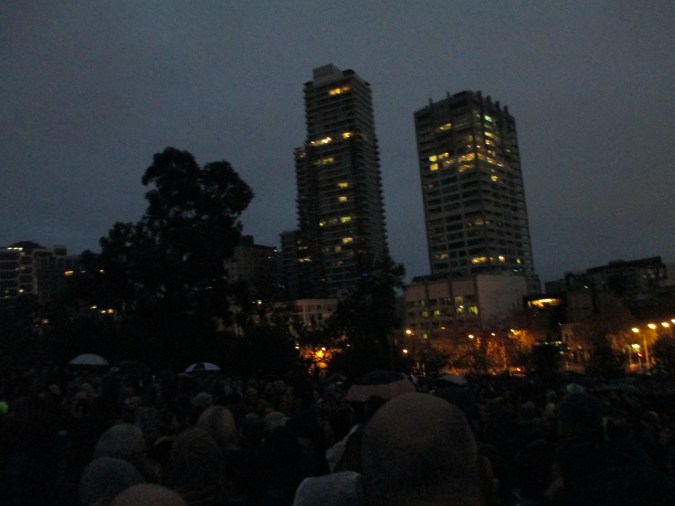
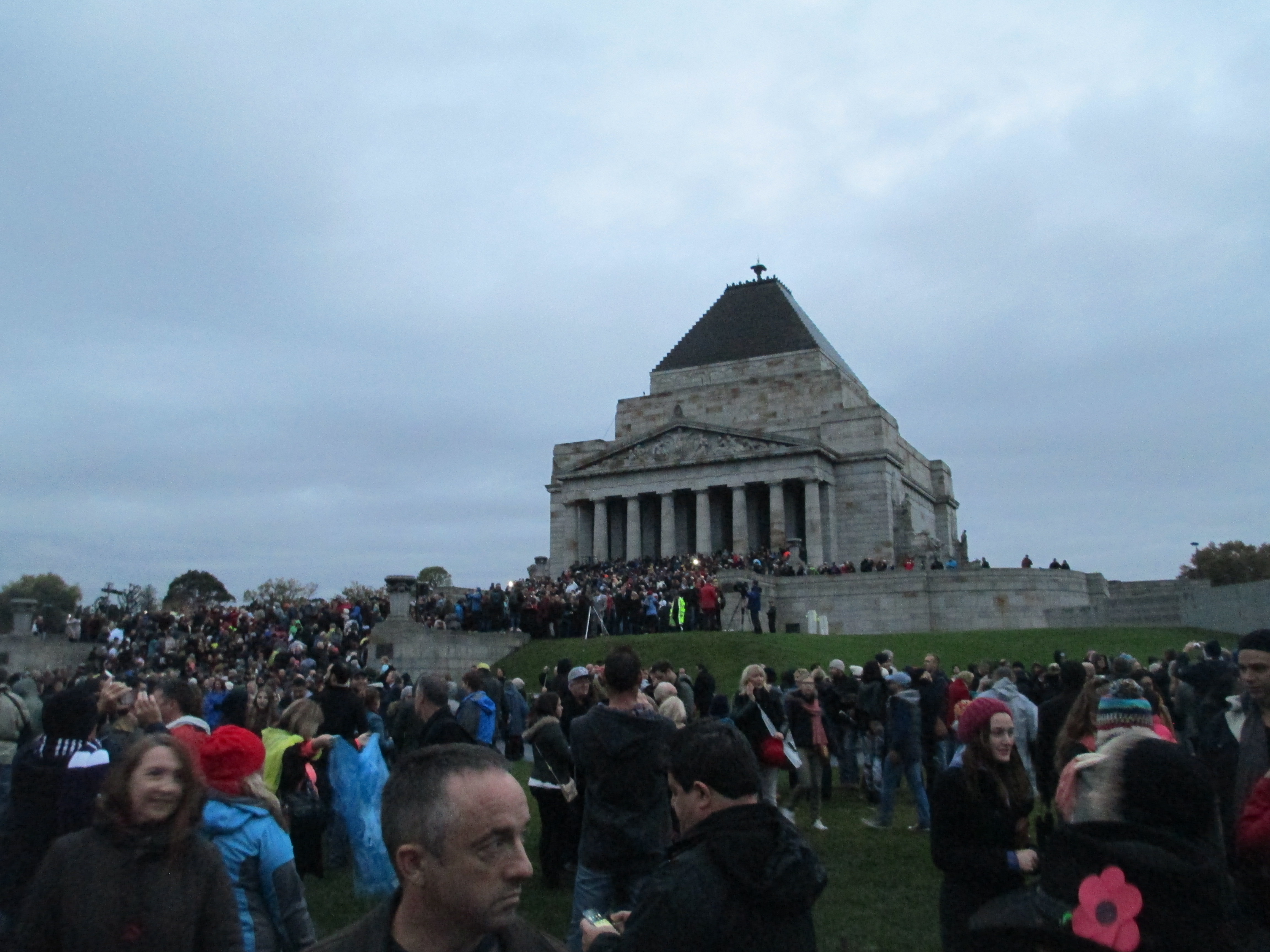
As this year was the 100th anniversary I went along to the dawn service at Melbourne’s Shrine of Remembrance. I was there by about 5:10 am and there were already thousands and thousands of people. It obviously really means something to Australians.
The weather was horrific, it rained the whole time and it was cold and everyone was standing there for nearly two hours, packed into the crowd. I couldn’t even get close enough to see the speeches. They had screens up everywhere to make sure people could see something.
There was no issues and no loud complaining.
Below you can hear the Ode for Remembrance and the last post as well as the minute’s silence. You have to remember that there were thousand’s of people there and despite this the silence was still absolute.
The Ode to Remembrance that is read out at most war commemoration services is part of a longer poem.
For the Fallen
With proud thanksgiving, a mother for her children,
England mourns for her dead across the sea.
Flesh of her flesh they were, spirit of her spirit,
Fallen in the cause of the free.
Solemn the drums thrill: Death august and royal
Sings sorrow up into immortal spheres.
There is music in the midst of desolation
And a glory that shines upon our tears.
They went with songs to the battle, they were young,
Straight of limb, true of eye, steady and aglow.
They were staunch to the end against odds uncounted,
They fell with their faces to the foe.
They shall grow not old, as we that are left grow old:
Age shall not weary them, nor the years condemn.
At the going down of the sun and in the morning
We will remember them.
They mingle not with their laughing comrades again;
They sit no more at familiar tables of home;
They have no lot in our labour of the day-time;
They sleep beyond England’s foam.
But where our desires are and our hopes profound,
Felt as a well-spring that is hidden from sight,
To the innermost heart of their own land they are known
As the stars are known to the Night;
As the stars that shall be bright when we are dust,
Moving in marches upon the heavenly plain,
As the stars that are starry in the time of our darkness,
To the end, to the end, they remain.
I think the stanzas that are read out are by far the best part of the poem. It was written by Robert Laurence Binyon and was published in the Times on the 21st of September 1914, months before Gallipoli and it was written only a few weeks into World War One, so well before the true extent of WWI was really known.
Personally I prefer the war poetry of Wilfrid Owen and Siegfried Sassoon. I’d like to finish on my favourite of Sassoon’s poems. One I think that sums up the horror of war, better than anything I’ve ever seen or anything I could say. It isn’t a poem about sacrifice, or bravery, or heroism. It’s a poem about the reality.
I knew a simple soldier boy
Who grinned at life in empty joy,
Slept soundly through the lonesome dark,
And whistled early with the lark.
In winter trenches, cowed and glum,
With crumps and lice and lack of rum,
He put a bullet through his brain.
No one spoke of him again.
You smug-faced crowds with kindling eye
Who cheer when soldier lads march by,
Sneak home and pray you’ll never know
The hell where youth and laughter go.
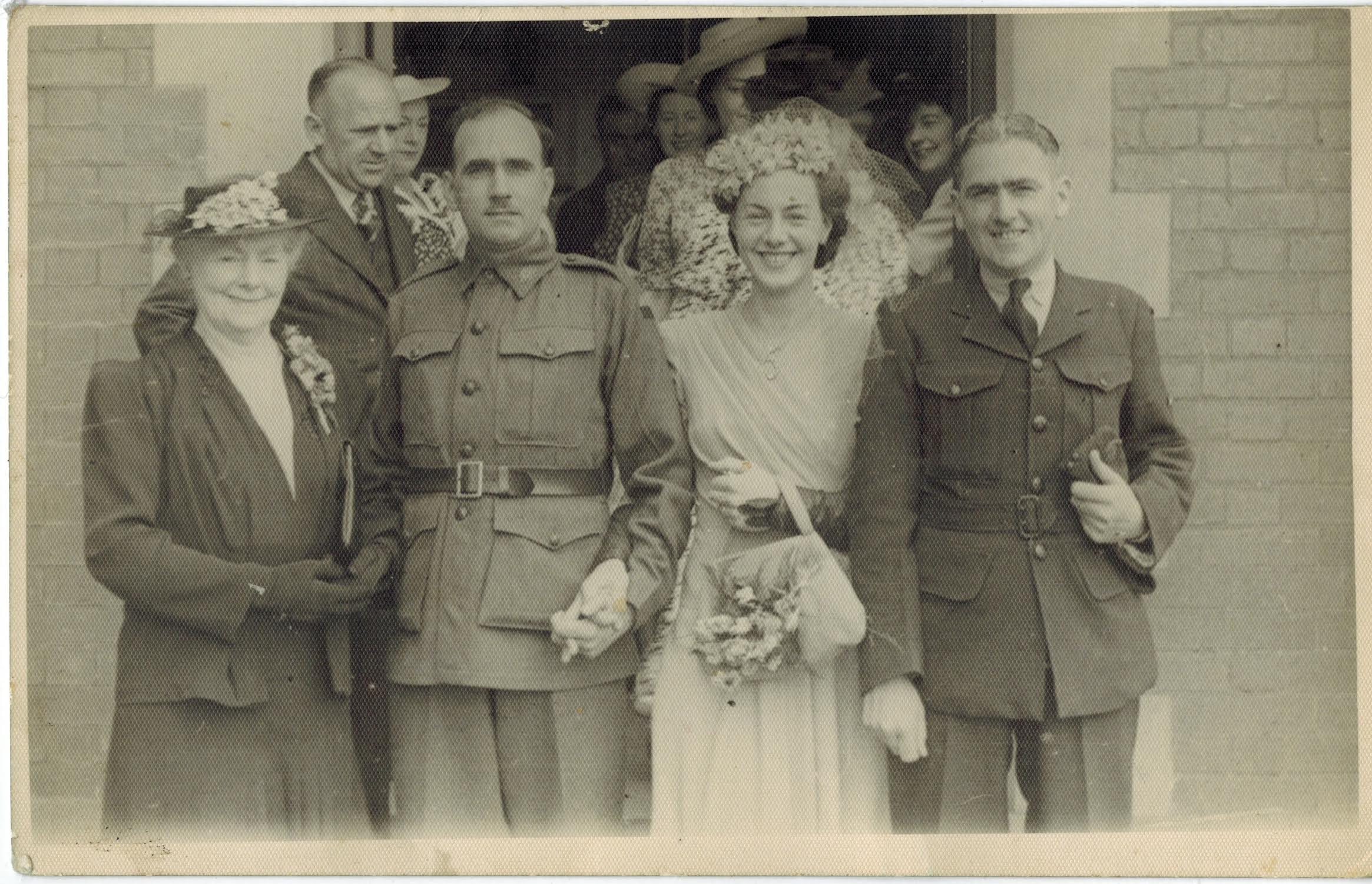
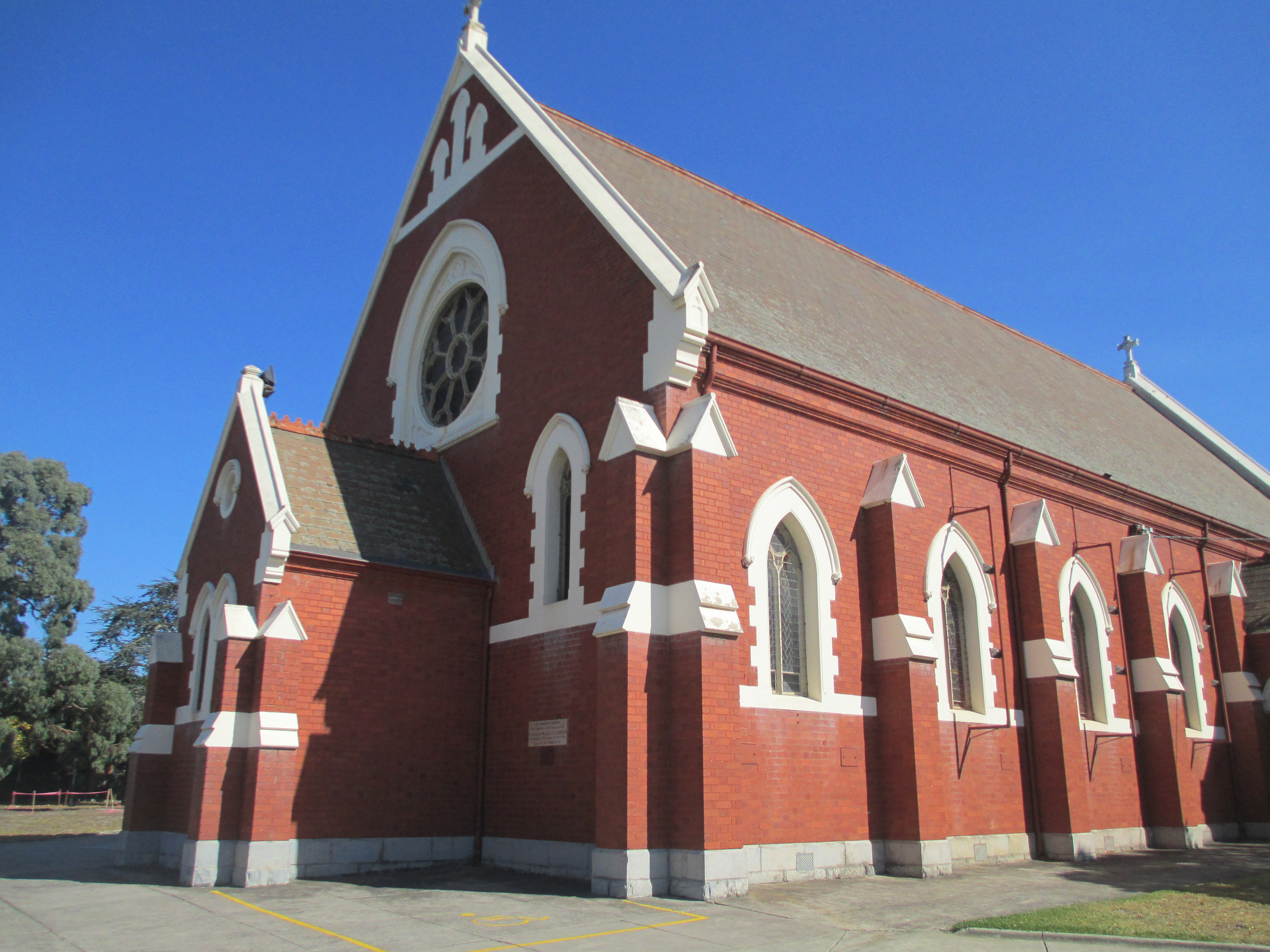
Having lived in and around Melbourne for many years I’ve noticed that Melbourne has some truly beautiful churches and that individual areas seem to have common qualities when it comes to their churches. So I thought it might be interesting to have a look at a few. I wanted to begin with St Joseph’s Catholic Church on Orrong Road in Elsternwick because this was where my grandparents were married in 1944.
My grandparents are, obviously, in the middle of the photo and my great grandmother is on the left.
St Joseph’s was founded in November 1897.
The first priest of St Joseph’s was Rev. Fr Carey, but he was Dean of St Mary’s Church in West Melbourne rather than a priest for St Joseph’s alone.The second priest was Rev Fr. Gough, he was the parish priest for St James’ Church in North road to which St Joseph’s was attached to at the time.
The first priest of the combined parishes of St Joseph’s and Holy Angels was Rev. Fr. John Barry.[2]Barry was born in Cork in 1875 the eldest of ten children. He arrived in Australia shortly after his ordination in 1899. He was a parish priest in Mansfield before St Joseph’s and after his time at St Joseph’s he went on to be an administrator of St Patrick’s Cathedral and was appointed Chancellor of the Archdiocese of Melbourne by Archbishop Carr of Melbourne. Archbishop Carr died shortly after this appointment, but it was confirmed by Archbishop Mannix and Barry was in charge of the Archdiocese of Melbourne during Mannix’s absence overseas in 1920. In 1924 Barry was appointed Archbishop of Goulburn and was immensely influential in establishing catholic institutions in Canberra. He died in 1938 and his obituary described him as “Always practical and with his skilled fingers forever on the spiritual pulse of his Diocese”. [3]
He can be seen in the photo below second from the left.
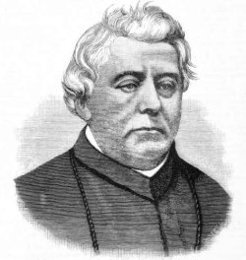
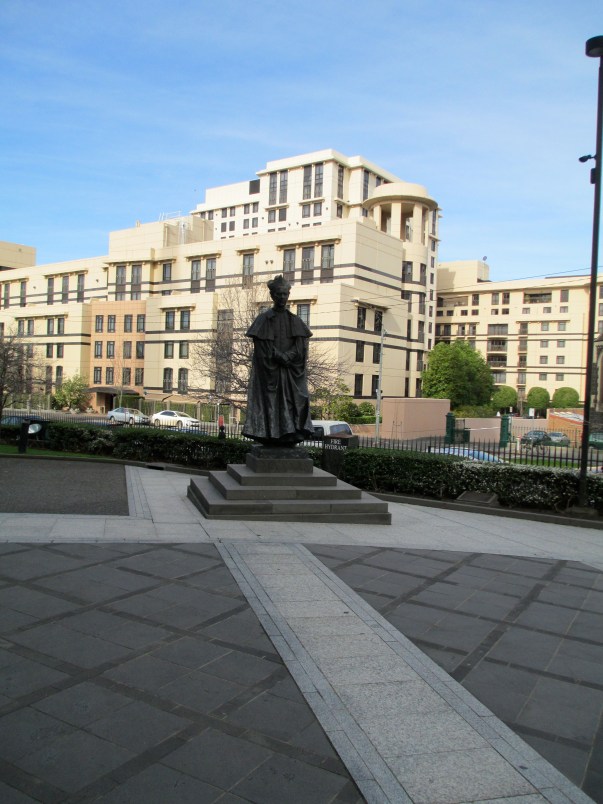
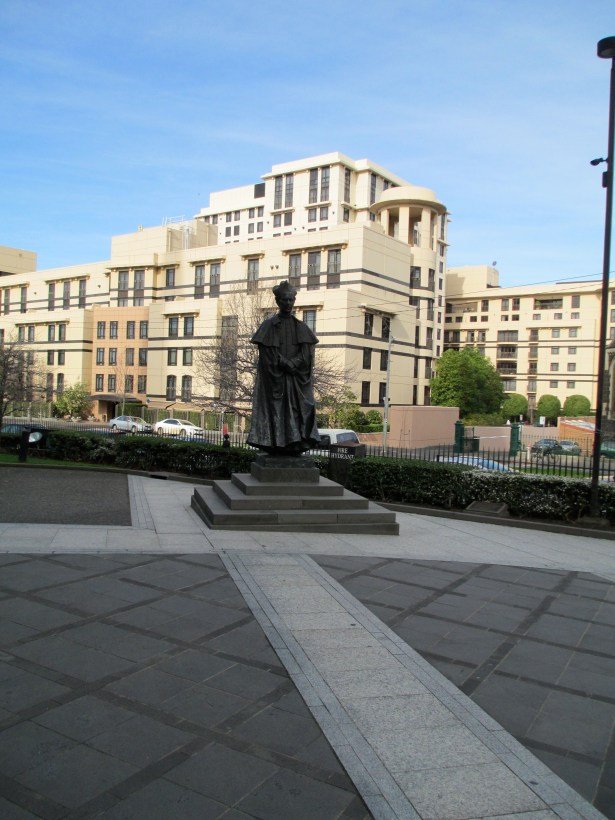
Barry’s boss while he was administrator of the Melbourne Archdiocese was Archbishop Daniel Mannix, a towering figure in Melbourne history. Another Irishman from Cork, he was born in 1864 and was Archbishop from 1917 until his death in 1963. The magnificent St Patrick’s Cathedral was the heart of the diocese.
Archbishop Mannix’s statue can be seen outside the Cathedral. I will probably write more about Mannix at a later date, but for more information now see http://adb.anu.edu.au/biography/mannix-daniel-7478
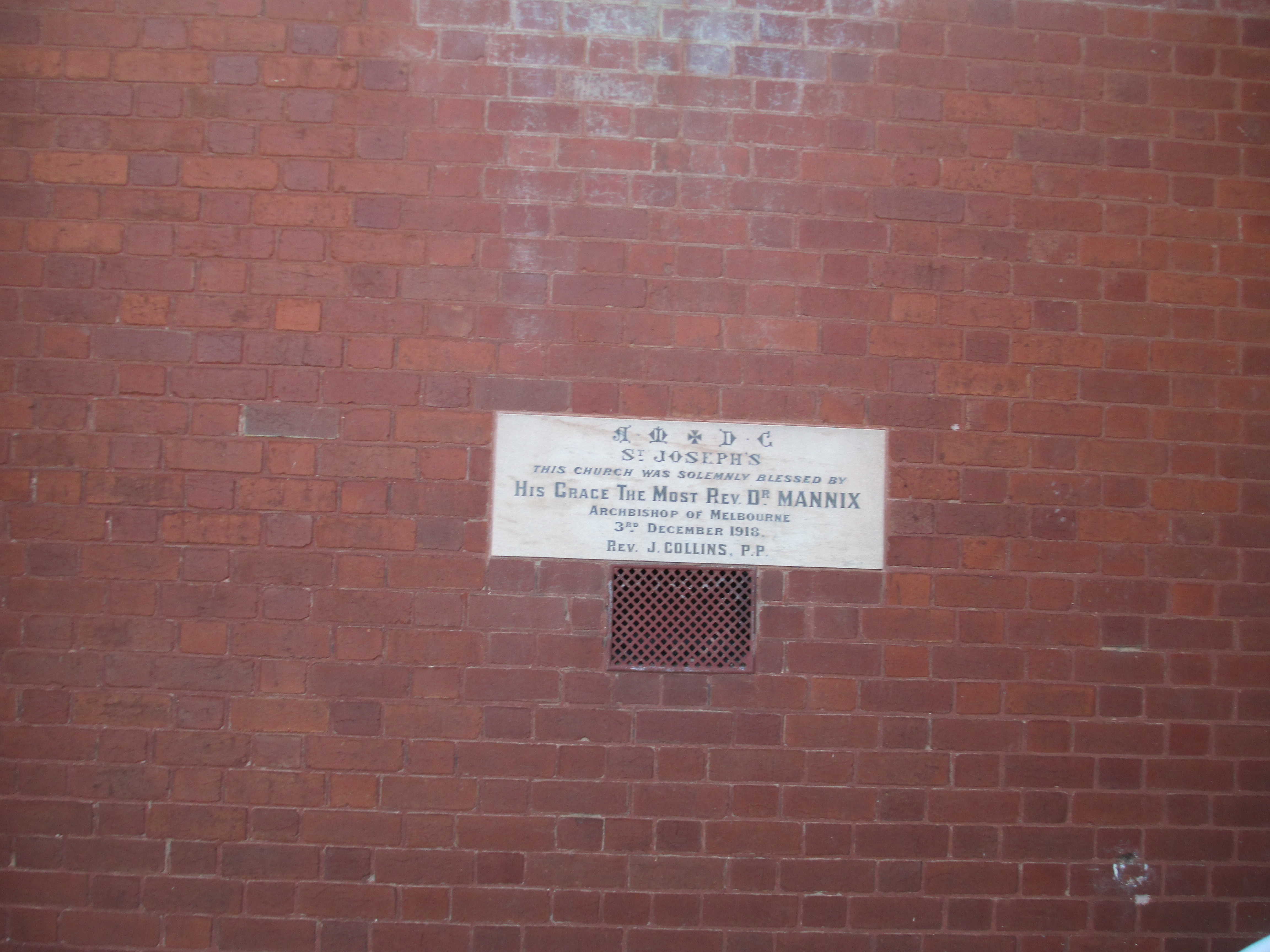
Mannix also solemnly blessed St Joseph’s in 1918 and a stone was laid in the church to commemorate the occasion.
Rev. Fr. John Collins was priest when St Joseph’s was blessed, but he was still priest of a combined parish. The first priest appointed parish priest of St Joseph’s alone was Rev. Father Michael Dolan who died in 1936 aged 69. He was the first Melbourne priest to be ordained in St Patrick’s College in Manly, the primary Australian Catholic Seminary founded in 1889, in 1895.[4]
The clergyman at St Joseph’s at the time of my grandparent’s marriage was Walter P Walsh. Walsh died in 1951 and is buried in Melbourne General Cemetery. [1]
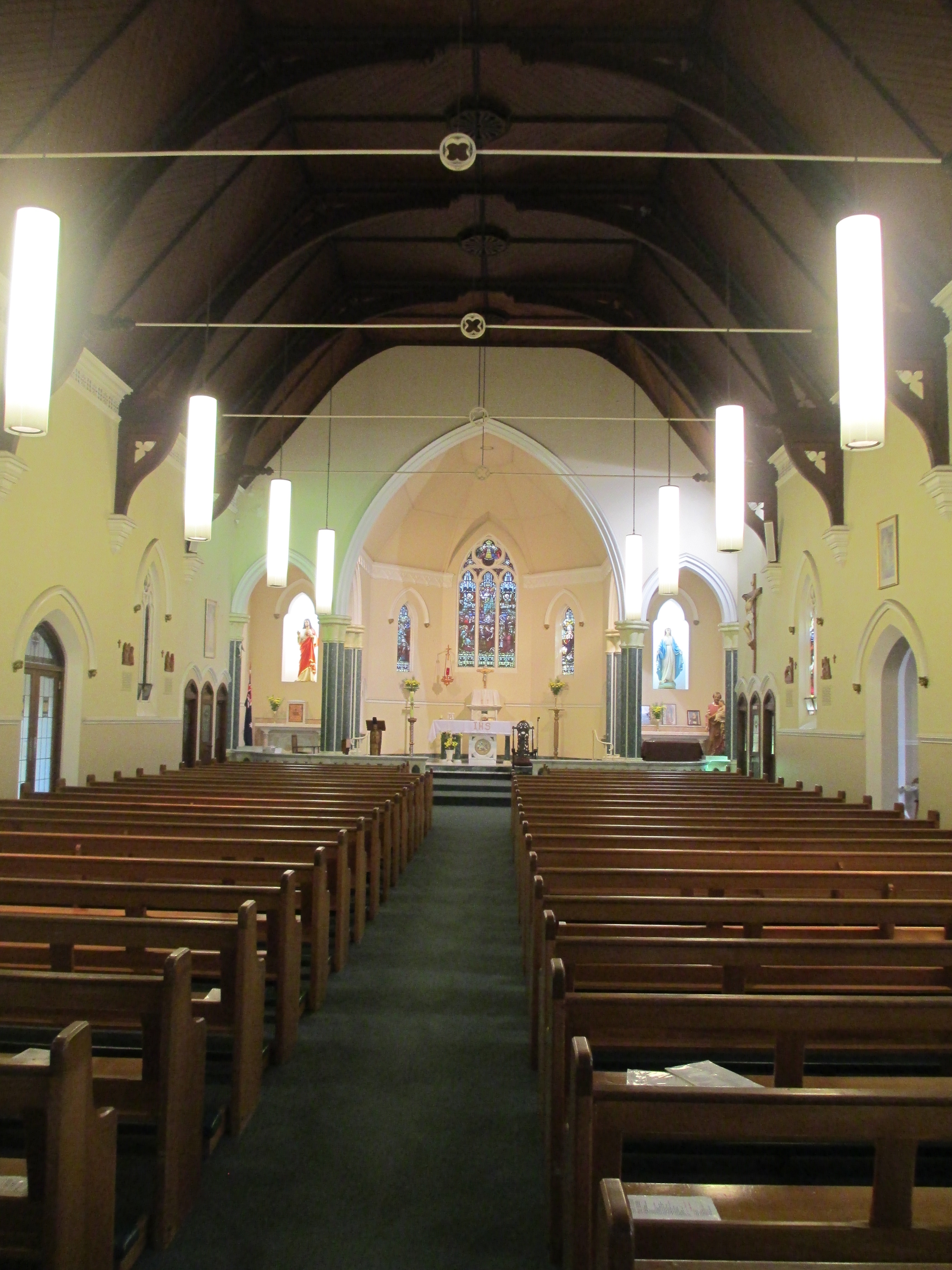
The interior of St Joseph is interesting.
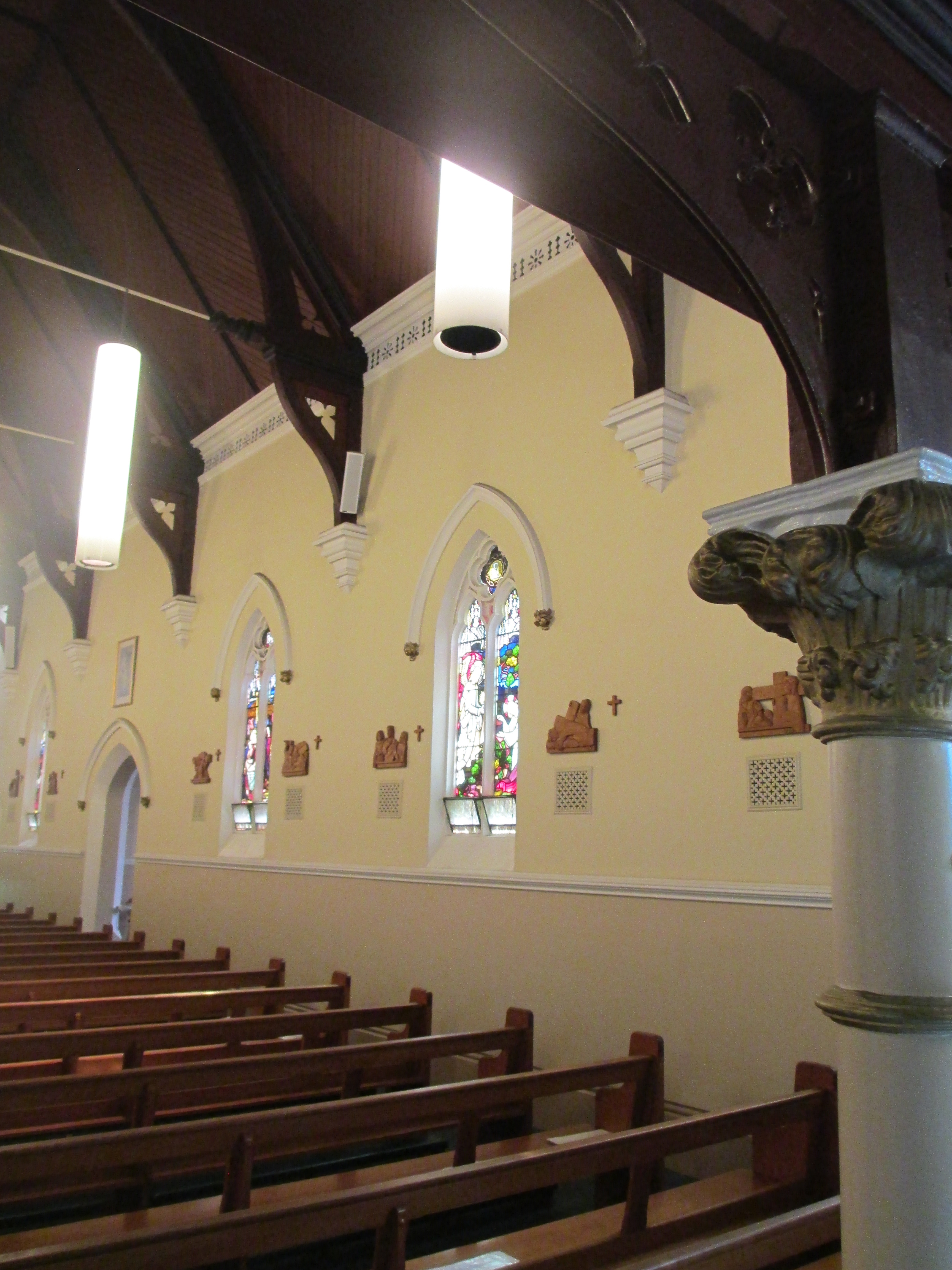
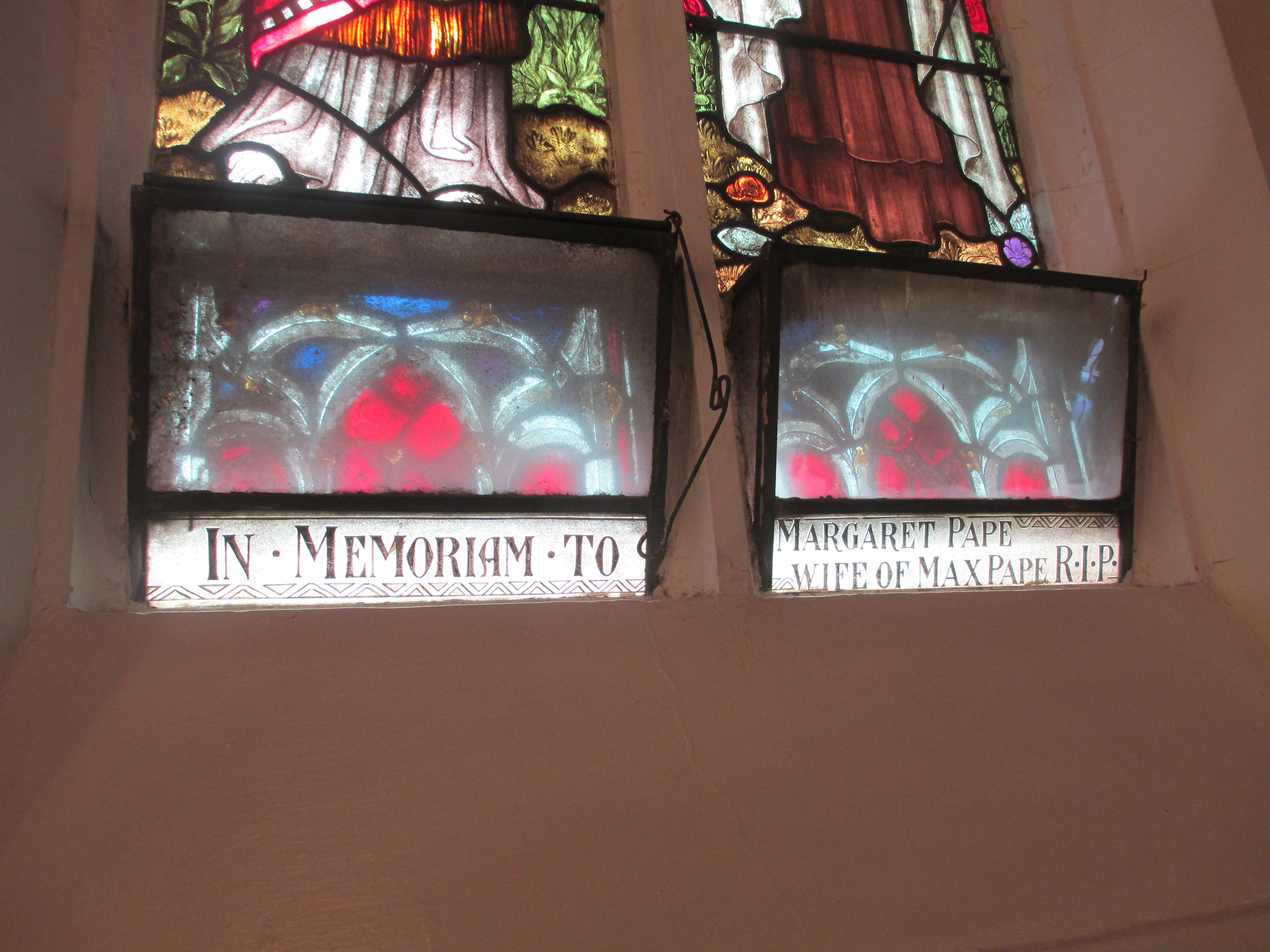
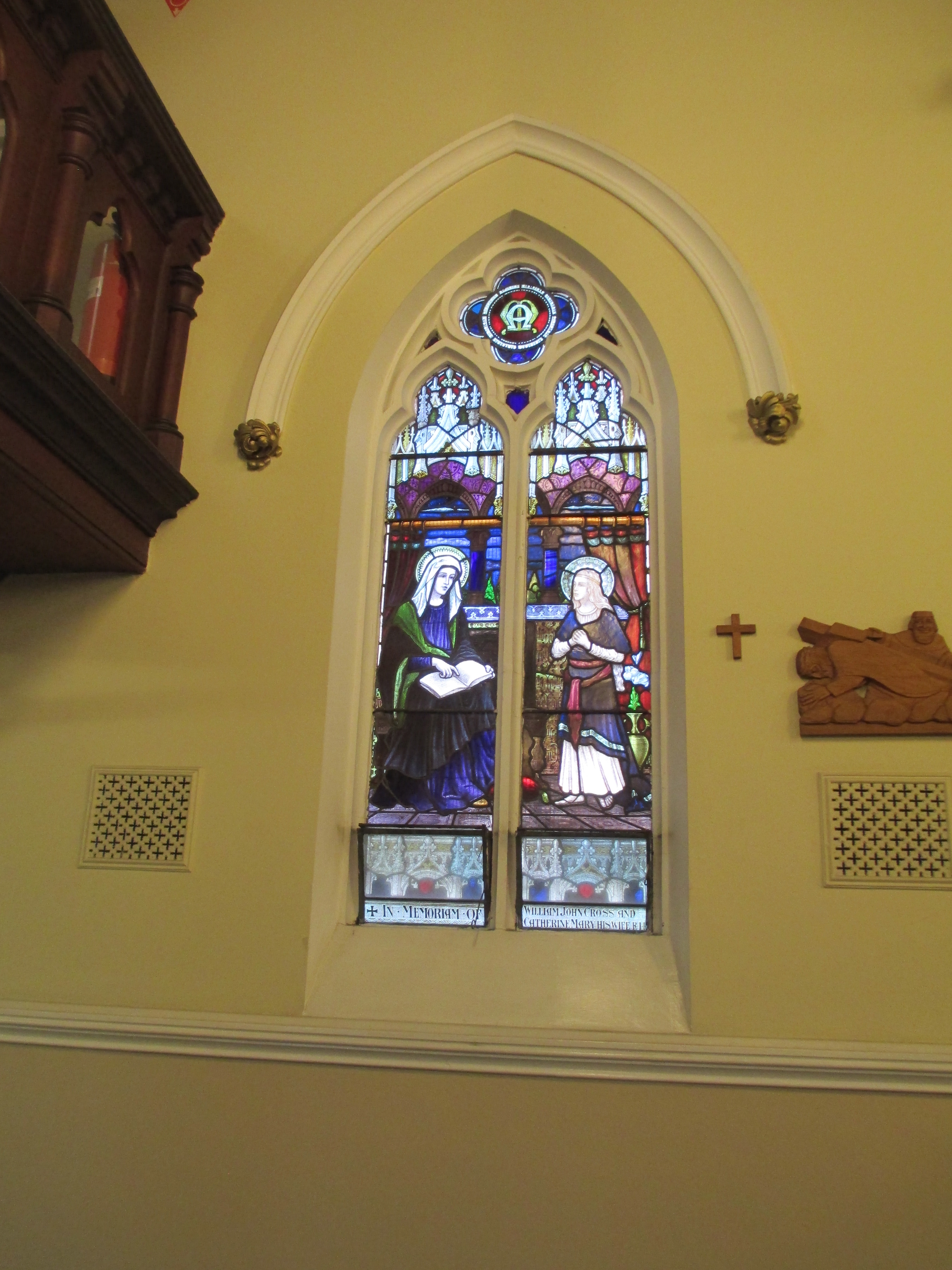
There are several memorial windows and as far as I have been able to establish most relate to the Cross family. One window is dedicated to Margaret Pape, the wife of Max Pape. Margaret was the daughter of William John Cross, who is commemorated in another window. She died in 1901 at the age of 39 and her husband predeceased her. [5]
William John Cross is commemorated in another window with his wife Catherine Mary.
William John and Catherine probably had a son John who is possibly the John commemorated in another window. Catherine probably died in 1865 at 40 years of age so the window must have been put in some time after her death. [6] William John probably died in 1889 in his St Kilda Road home called Cintra.[7] William John and Catherine were probably married in 1854 and were both from Ireland. William John was from Country Kilkenny and Catherine was from Carrick on Suir. [8]
The main bridge in Carrick on Suir.
There is also another William John Cross, called WJ in his window and his profession is listed as gentleman. He too lived in St Kilda road, but he was married to Margaret Cross who died some time before 1883 when William John was appointed an executor of her will. [9]
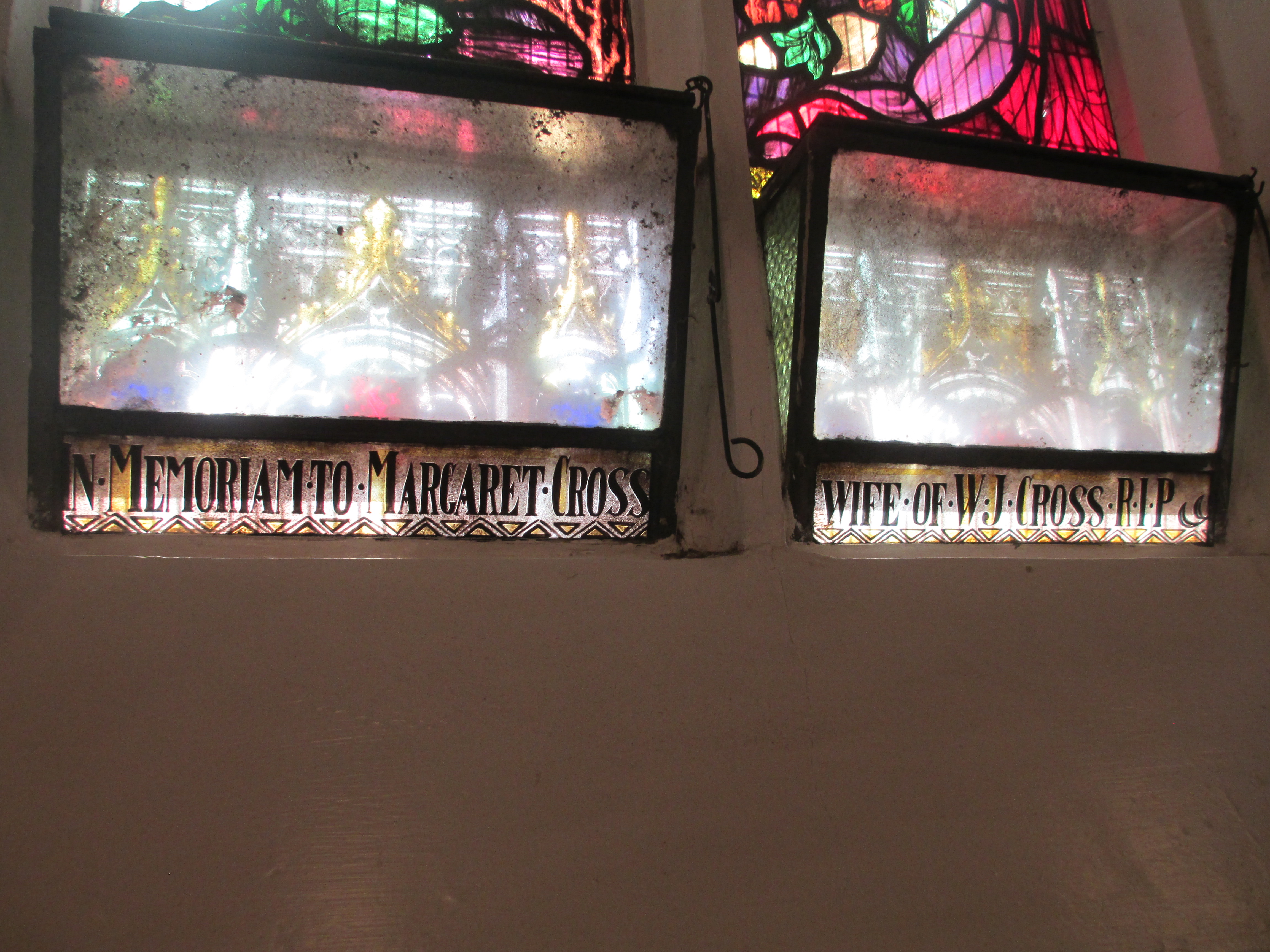
Margaret’s Cross’ window is on the right.
There is also quite a lovely window donated by the group the Children of Mary.
St Joseph’s is typical of many Melbourne churches in that it reflects the local community and the people involved with the church. It is by no means the most beautiful of the churches but it is still lovely in its own way and is firmly part of the evolution of Melbourne as a city. Also its red brick exterior is typical of churches in the area. You can see the similarities in the Uniting Church just down the road. I am hoping to find out for about this church in the future.
[1] Obituary of Walter P Walsh. The Argus 1951. http://trove.nla.gov.au/ndp/del/article/23091500
[2] Details of St Joseph’s Church obtained from the manuscript: Historical notes on schools, churches, etc. in Elsternwick and Caulfield. Available from the State Library of Victoria. Accession number: MS 9308
In many cases historic buildings are finding a new meaning in an increasingly technological world as canvases for modern art. Whether it is as a cinema, or a projection space or as a place for installations. This sort of repurposing brings new life and new significance to historic buildings.
There are many examples, but I thought I’d just discuss a few. I’d like to begin with some I have previously mentioned in an earlier post.
Fontevraud is an abbey in France that was founded in the 11th century. Various parts of it have been used for artistic installations. The Cloister. You can walk on this sculpture, creating whole new ways of seeing an ancient building.The dormitory. You are able to lie in these boats, simulating the experience of the sleeping monks.
The two installations in Fontevraud both work with the history of the building to give alternative ways of experiencing it.
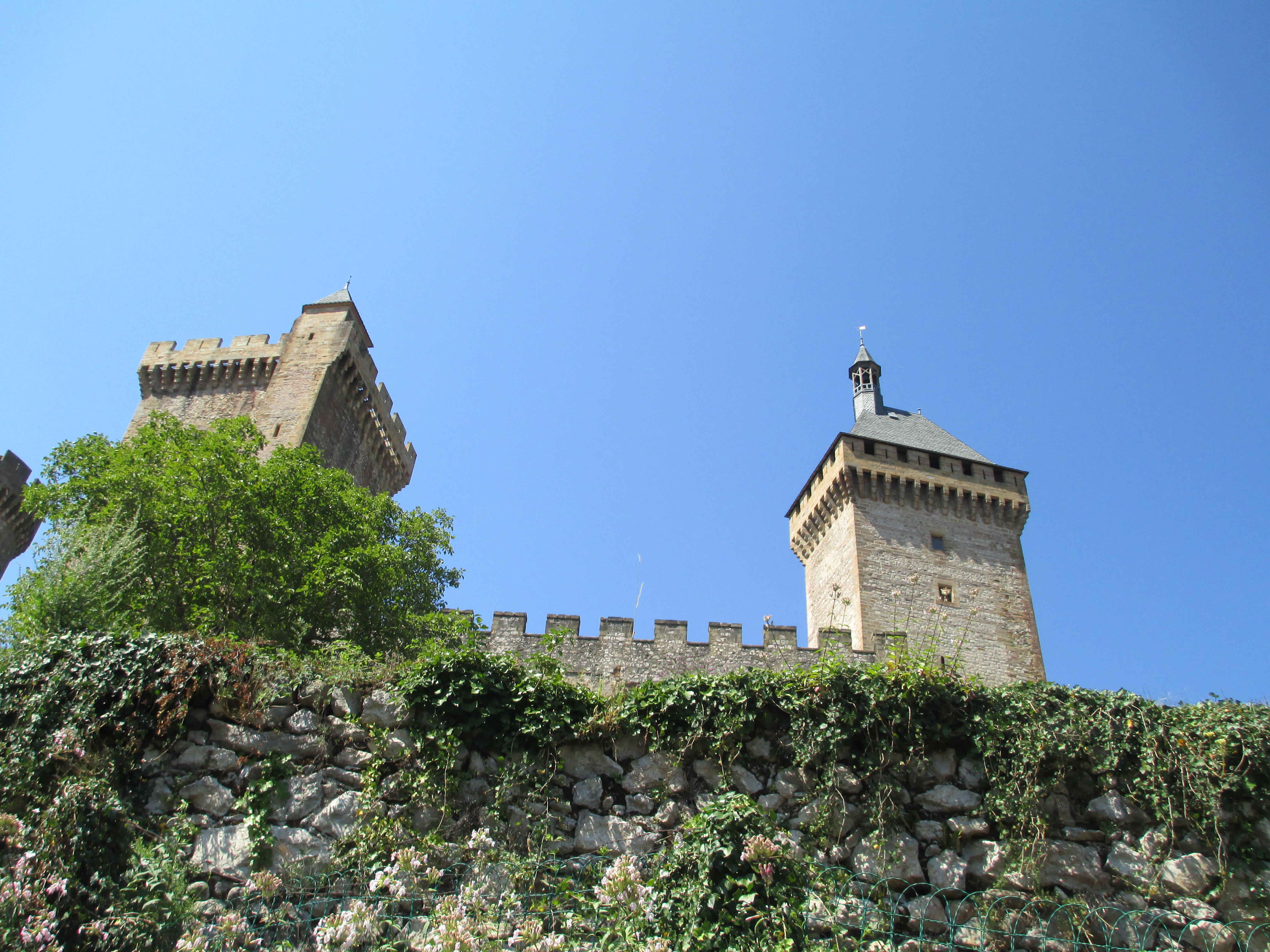
Another example from France is Foix Castle not that far from Toulouse. You can see the castle below. It is perched on a a lump of carboniferous limestone and parts of the castle itself date from the 11th century. It was involved in the Albigensian Crusade and was part of an area of known Cathar sympathisers.
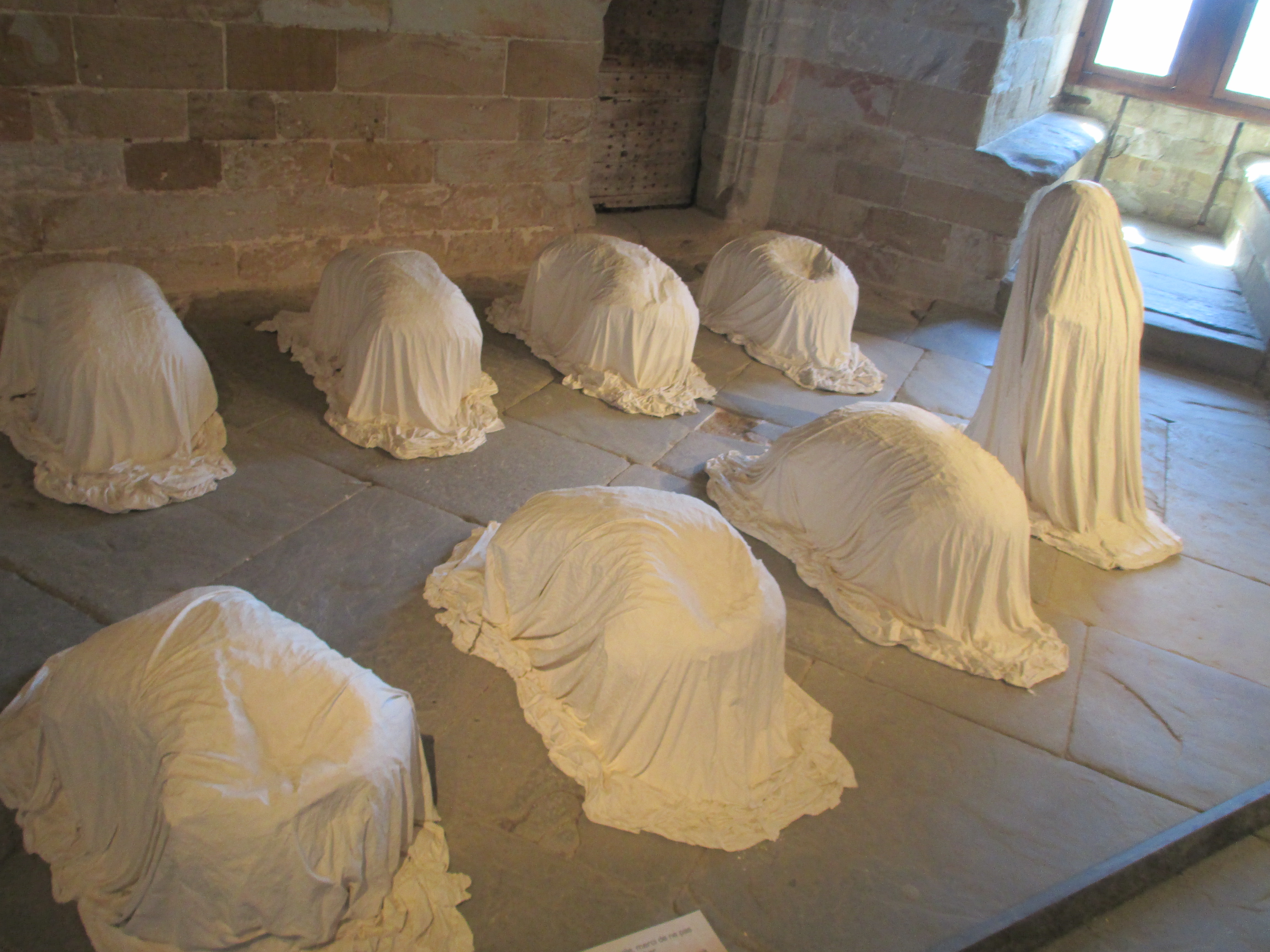
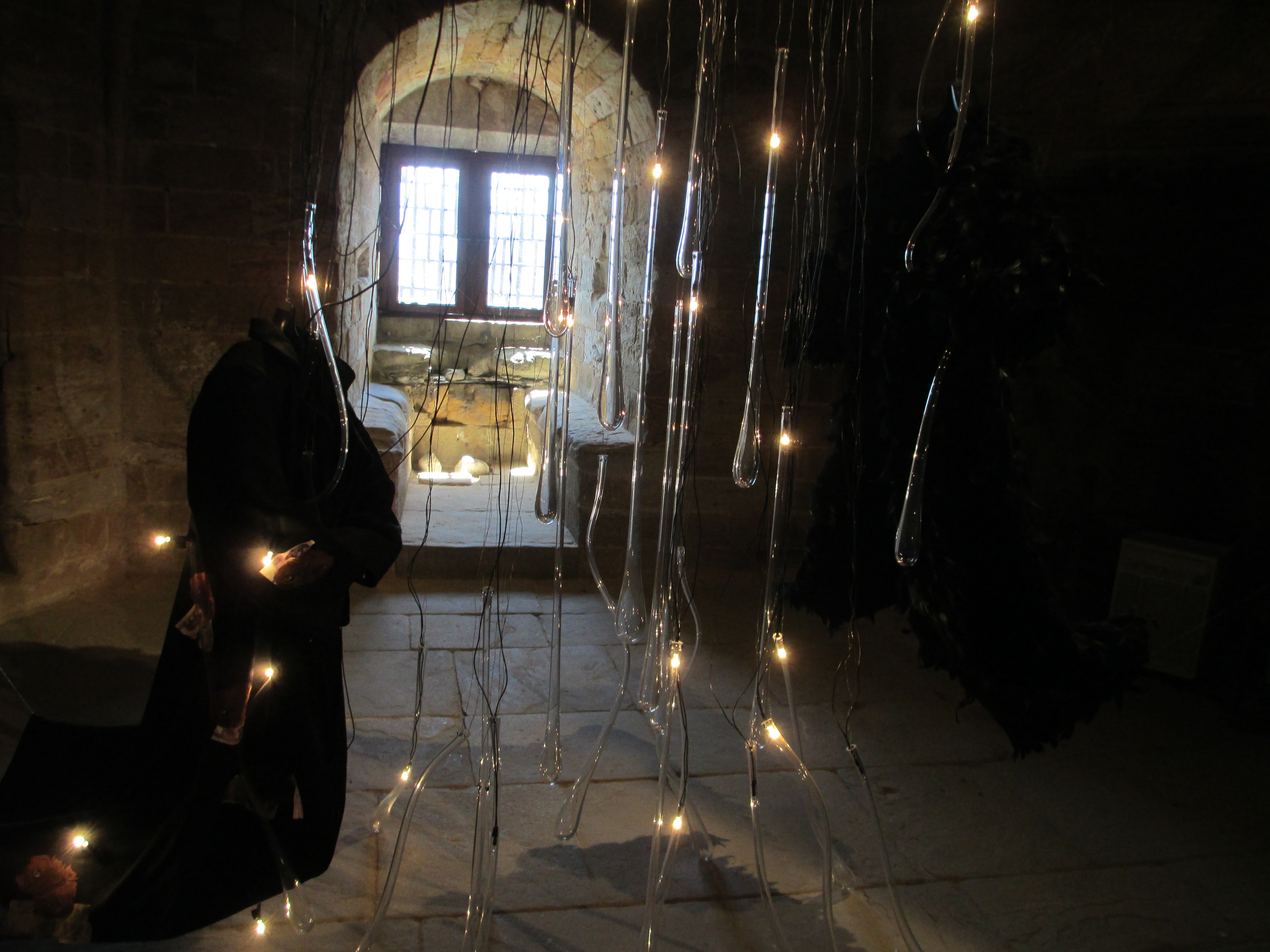
The installations below could be found inside and were both representations of people at prayer. Again repurposing an old building and using its own history for art.
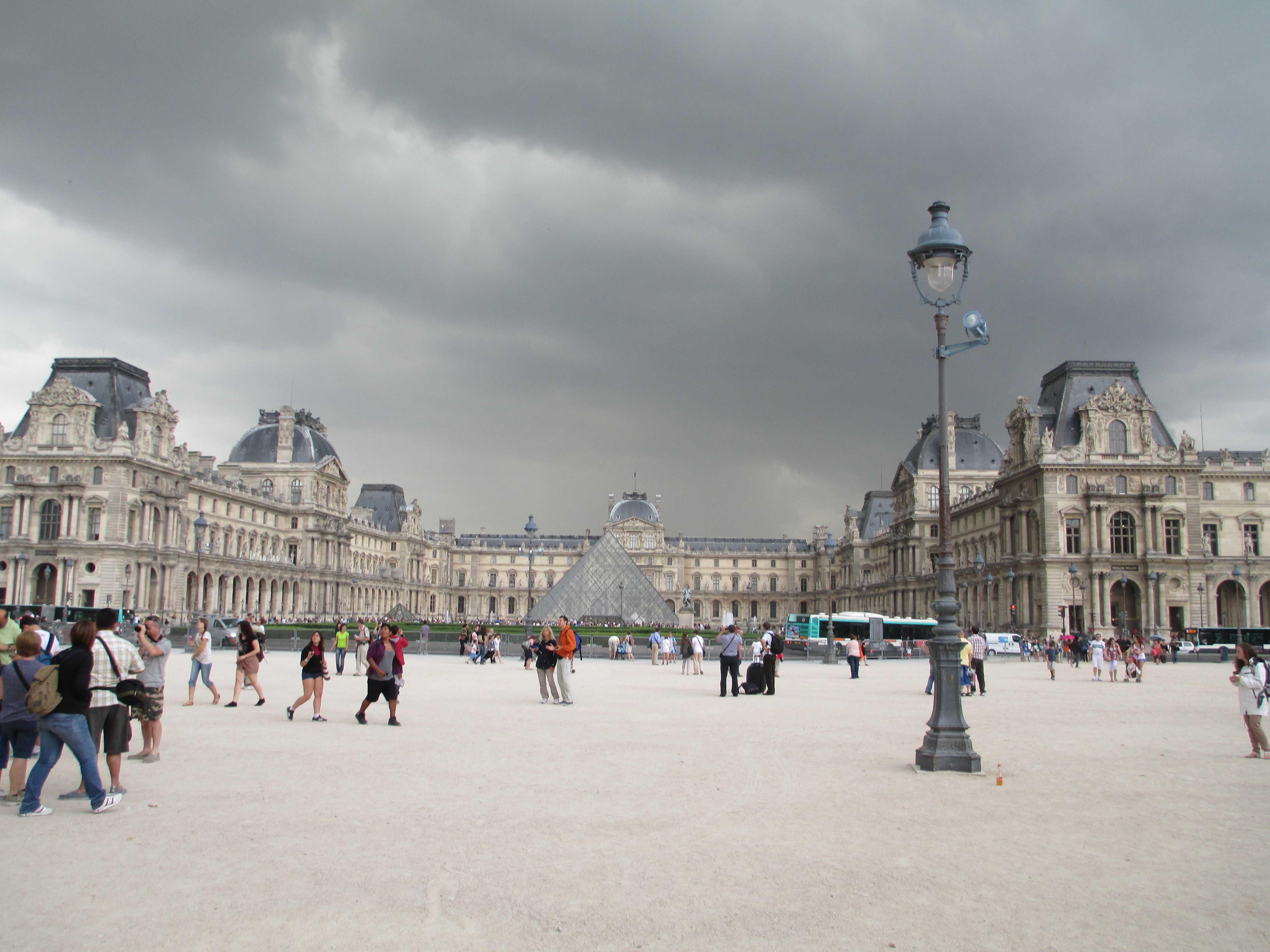
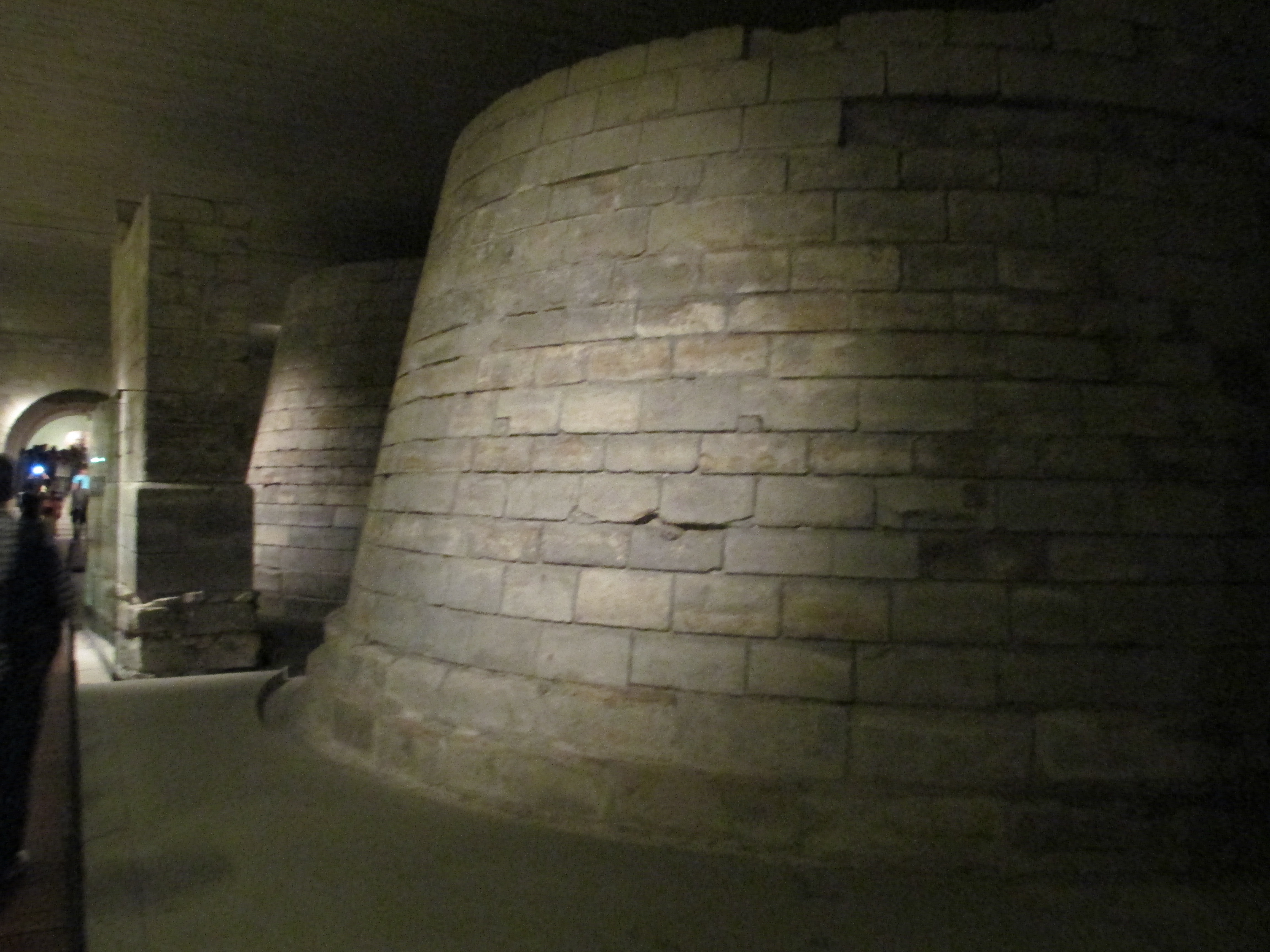
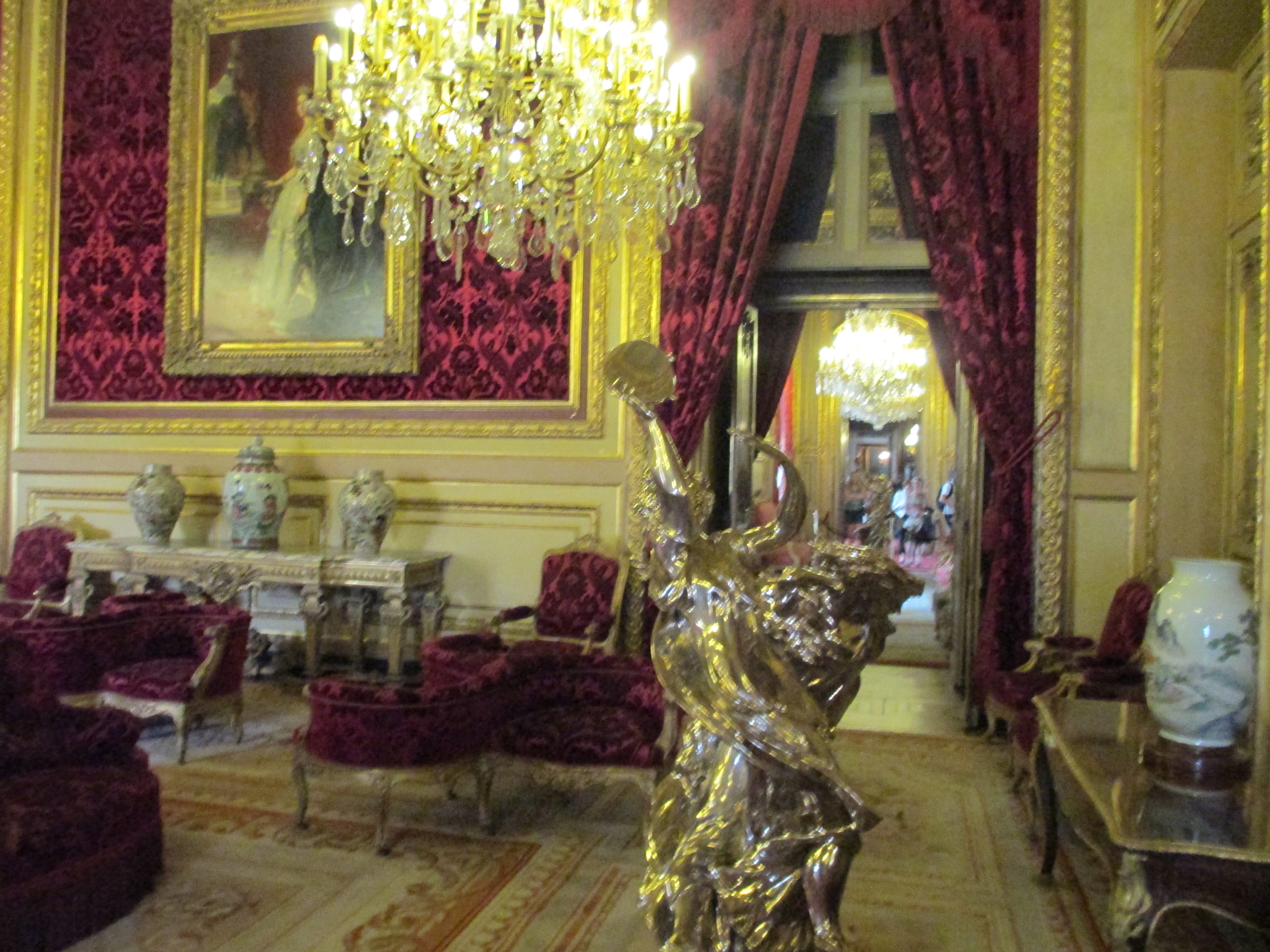
Fontevraud and Foix notwithstanding, probably the best known historic building repurposed for art is The Louvre itself in Paris. It is an ancient palace and castle and now one of the most famous art galleries in the world. As you can see from its foundations, incidentally one of my favourite parts of The Louvre, it has been there for a long time. In fact it began its life as a fortress commissioned by Phillip Augustus to protect Paris in c. 1190. This fortress was large even for its time, with a keep measuring roughly 15m diameter and 30m in height. Within the Louvre itself you also have the repurposing of rooms, such as Napoleon III’s apartments, for the display of modern art. In this particular case they were integrated to simultaneously blend in with the overt opulence and to reflect it.
Historic buildings are not just used for static art. They are also used for performances, such as the Vivaldi concert in the stunning Sainte Chapel you can see below. Sainte Chapel was commissioned by Louis IX, later Saint Louis, and was originally built to house his collection of holy relics. It is one of the few survivors of the full colour that would have been present in many of the larger churches and cathedrals. It also has one of the largest collections of 13th century stained glass.
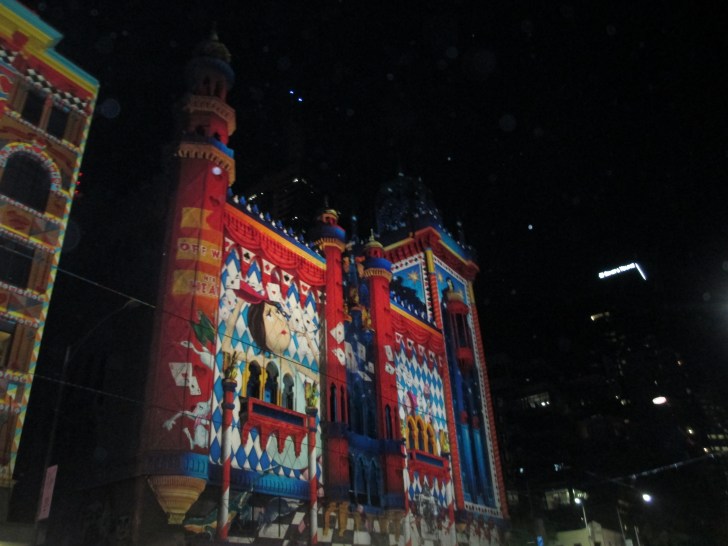
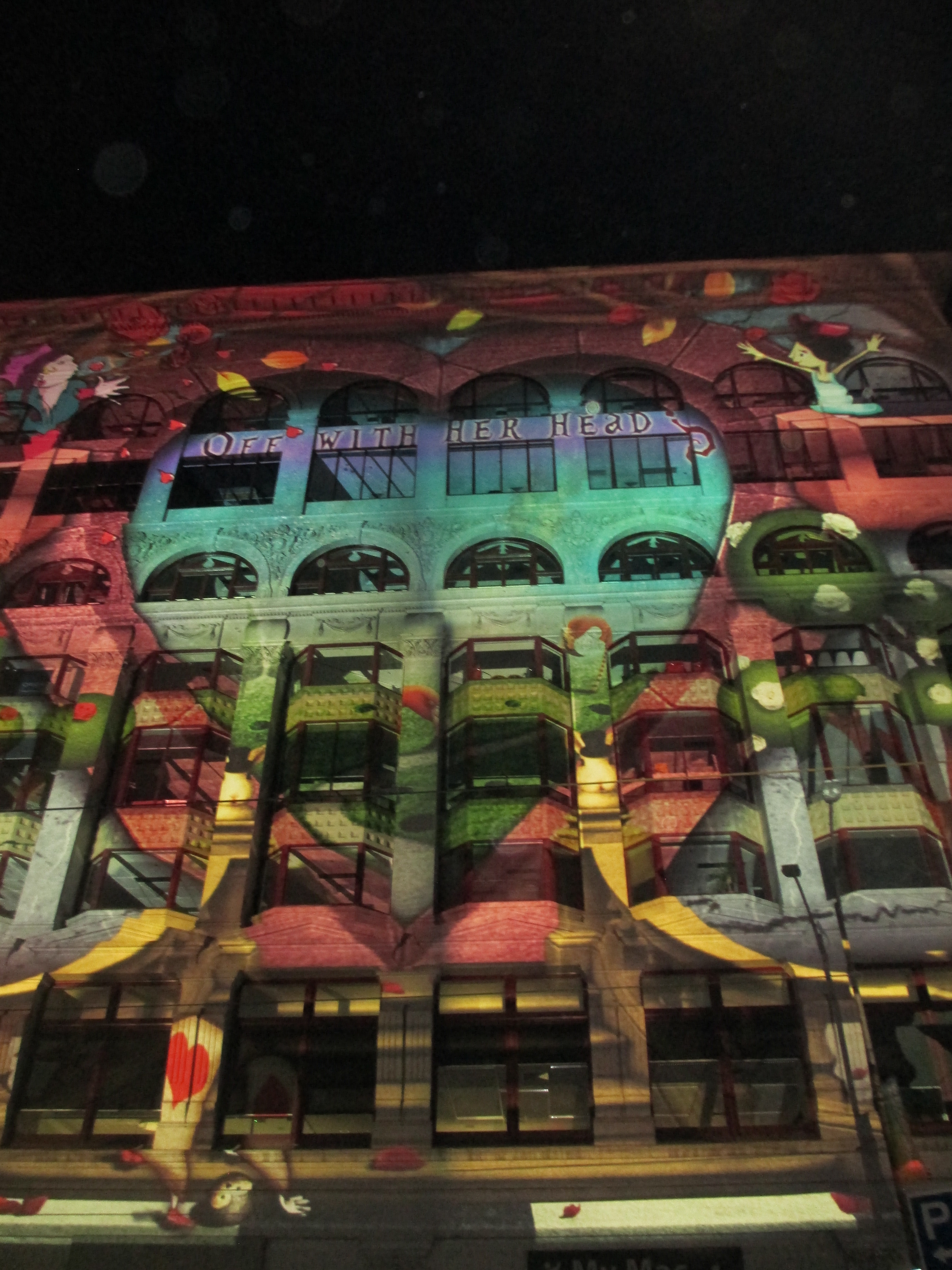
Aside from music and art installations historic buildings are becoming canvasses in their own right. This often happens in festivals such as the recent Melbourne White Night. Melbourne has many historic buildings, by historic in Melbourne I mean 1800s and early 1900s not medieval, and on White Night several come alive with astounding light and sound displays.
The State Library of Victoria is one of my favourite buildings in Melbourne. The SLV has been on its site, though in a smaller building, since it opened in 1856. The founders wanted to create a place of learning for all Victorians and a place to preserve Victoria’s heritage. It is not one building. It is actually made up of 23 individual buildings that have been repurposed and integrated over the years. In the SLV my favourite room is the Latrobe domed reading room which was opened in 1913. The dome itself is 114 feet in diameter and 114 feet high. It is a wonderful place to study or write. During a normal day it looks like this. But on White Night this year, this happened.
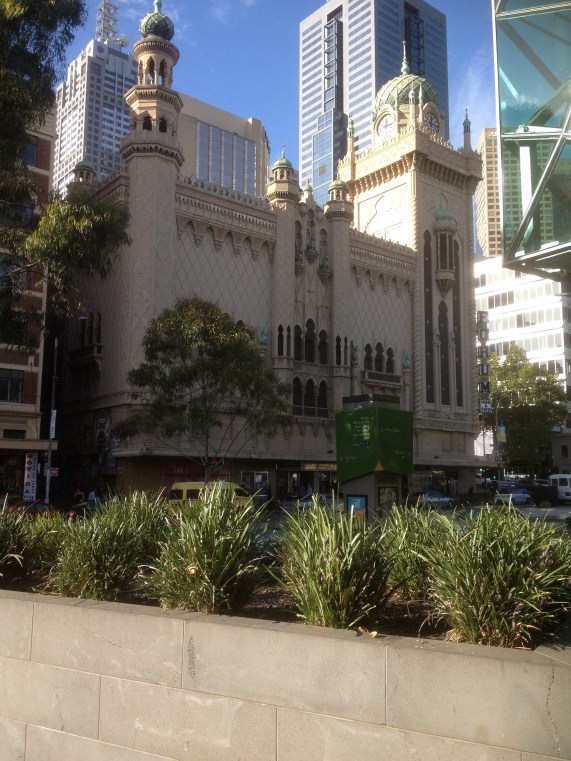
Other buildings were illuminated externally. Such as the Forum Theatre. The Forum opened in 1929 and is slightly insane in its own right even without illumination. It was built as an immersive theater and the interior has a large number of greek and roman statues as well as a blue sky with stars. This is what is looks like normally.
Interior
Exterior
And this is what it and its surrounding buildings look like when they’re lit up.
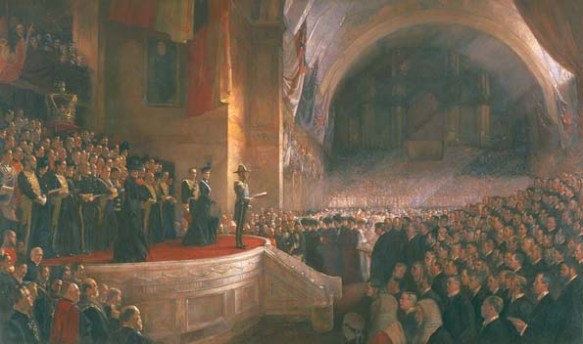
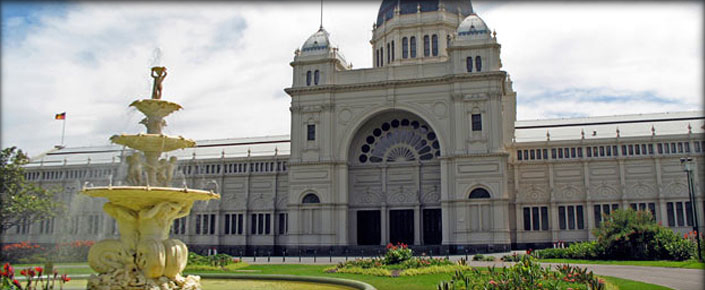
The final building I wanted to look at is in some ways the most spectacular and the most important historically. The Royal Exhibition Building in Carlton Gardens was completed in 1880 for Melbourne’s first international exhibition. It is one of the world’s oldest examples of exhibition pavilions. It was also the site of Australia’s first parliament in 1901. The Argus described the event as.
The atmosphere was radiant and illuminated the vast spaces of the building and the great sea of faces with a bright Australian glow. A sight never to be forgotten was the assemblage which, in perfect order but with exalted feeling, awaited the arrival of the Duke and Duchess in the great avenues which branch out from beneath the vast dome of the Exhibition Building. (Argus 10 May 1901)
And it was depicted in the famous Tom Roberts painting below.
This is what the Exhibition Building looks like during the day, a beautiful example of exhibition architecture.
Below is the truly stunning work of moving modern art it became on White Night. Sorry about any talking in the background.
Historic buildings have their own story and their importance and purpose is fundamental to what they are. Integrating modern art allows whole new interpretations of the past, new ways of viewing history and art and the ability to bring these buildings to brand new audiences.
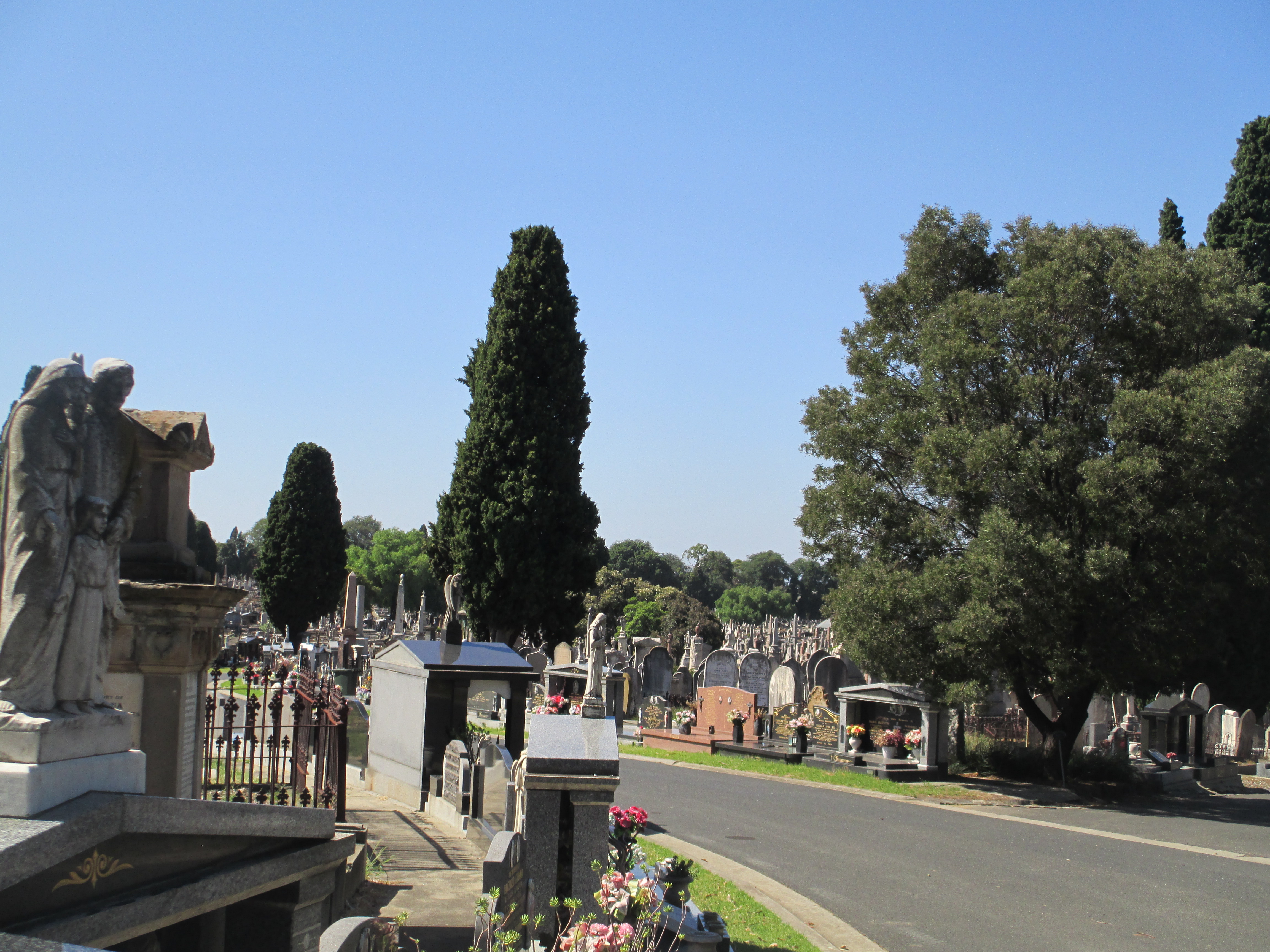
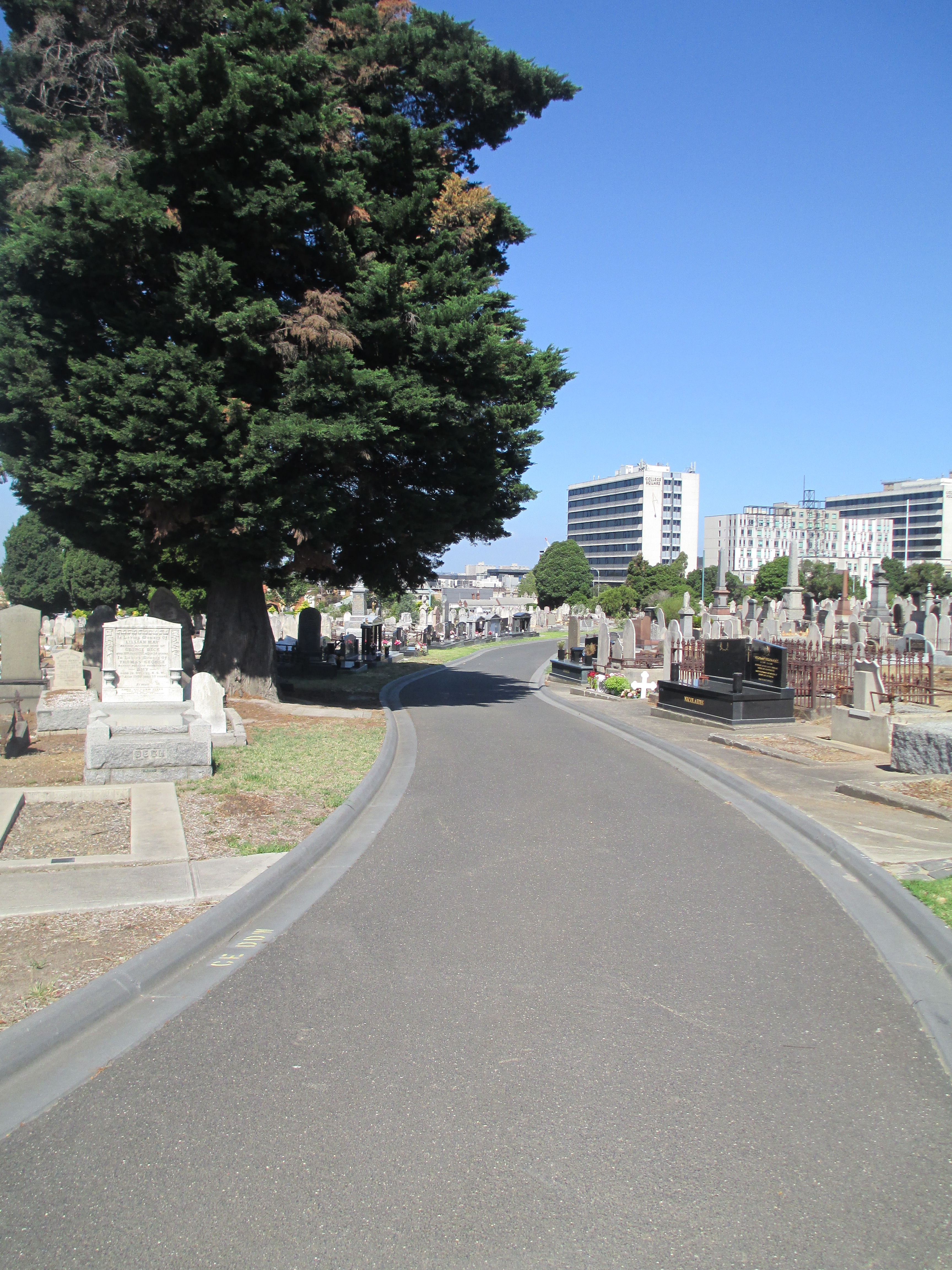
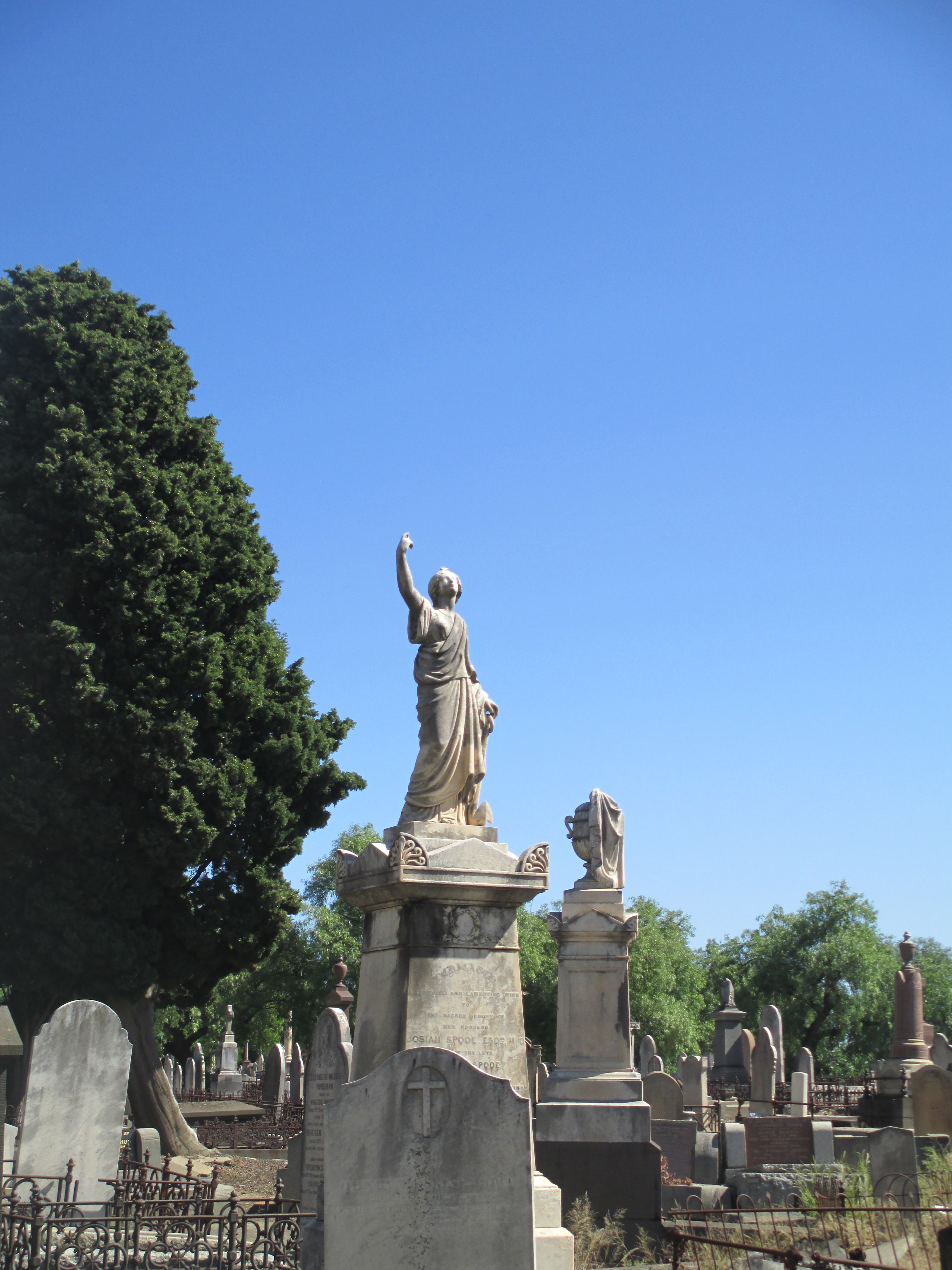
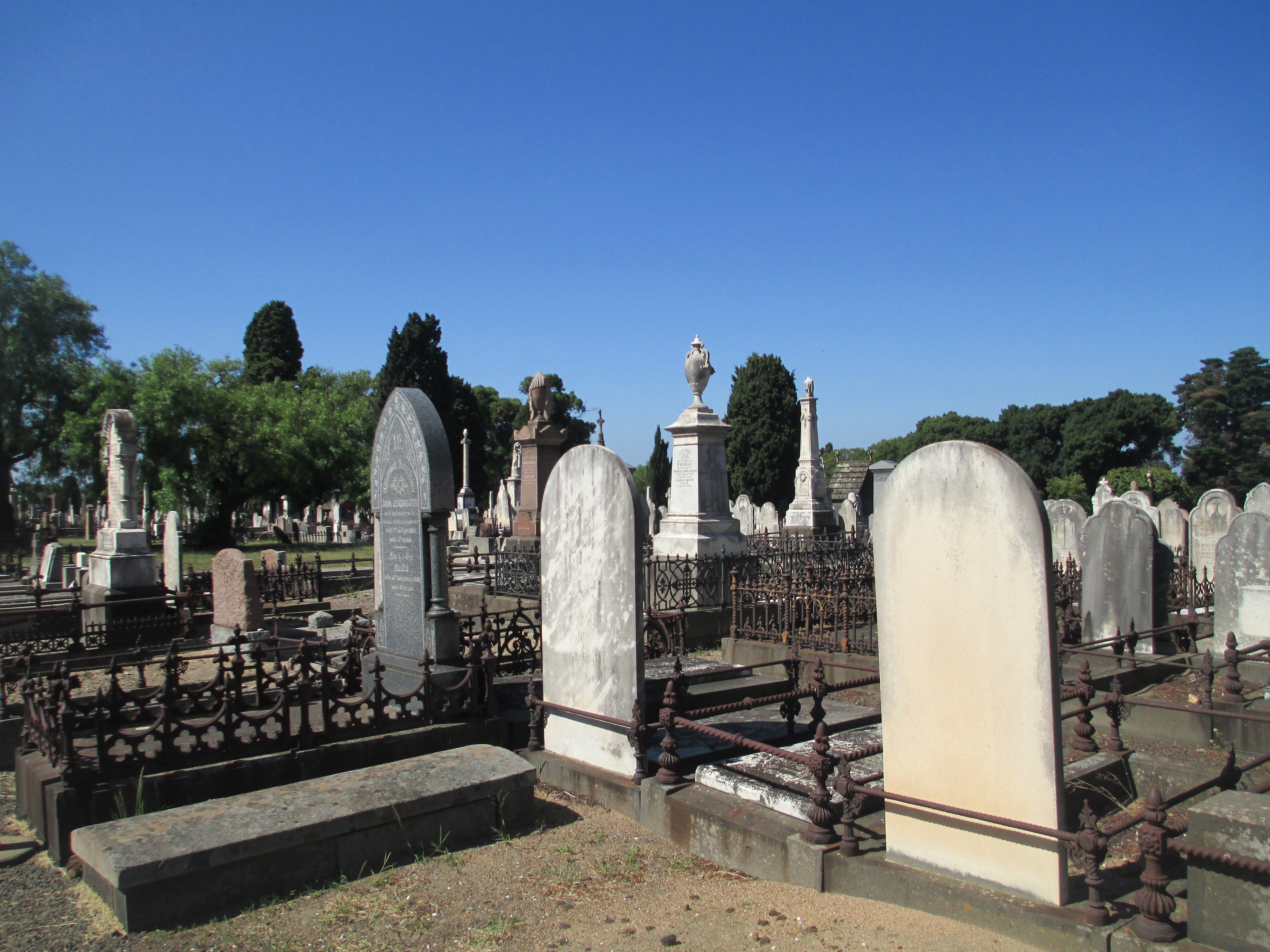
Cemeteries are always a really interesting lens through which to view the history of a city. In the case of Melbourne is has several old cemeteries as well as the more modern ones. I thought I’d start with the Melbourne General Cemetery as it is one of the oldest and I believe the biggest.
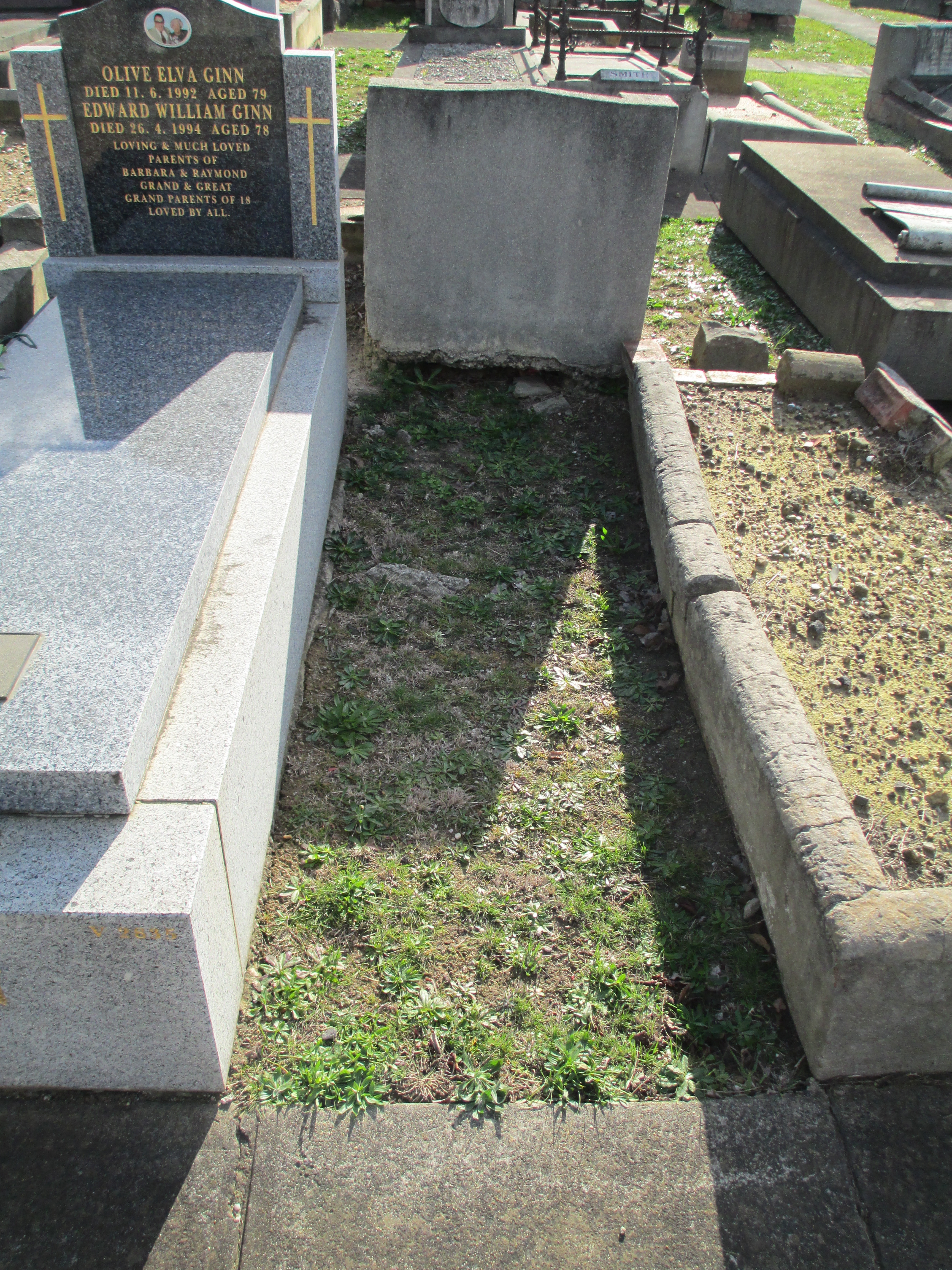
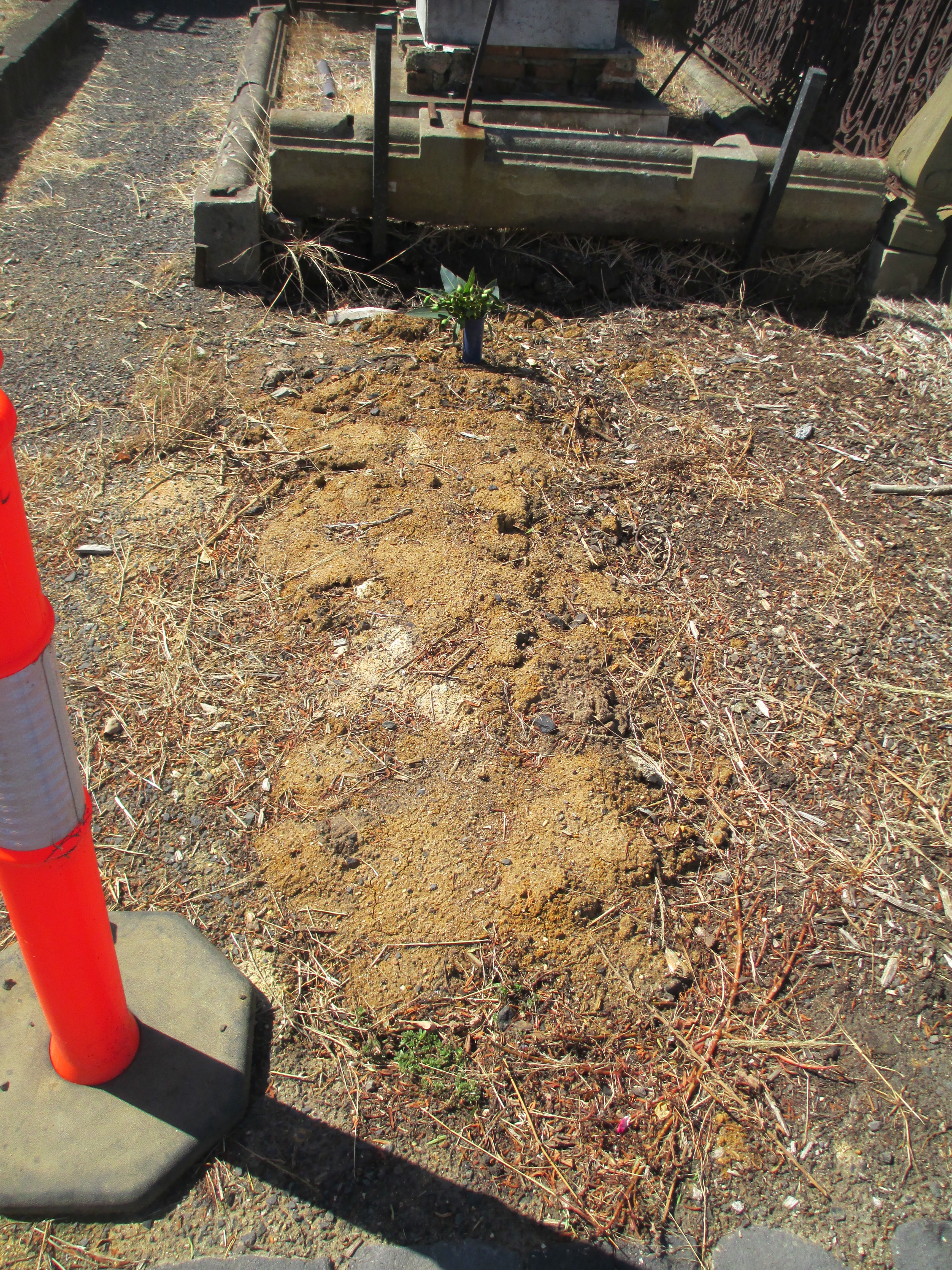
I first went to the Melbourne General Cemetery a year or so ago when I found that my great great great grandfather Robert Henry Woodward was buried there. He was one of the first of my ancestors to come to Australia so I was interested to see where his grave was. Unfortunately it is no longer marked. You can see where he is buried in between the two other graves in the photo below.
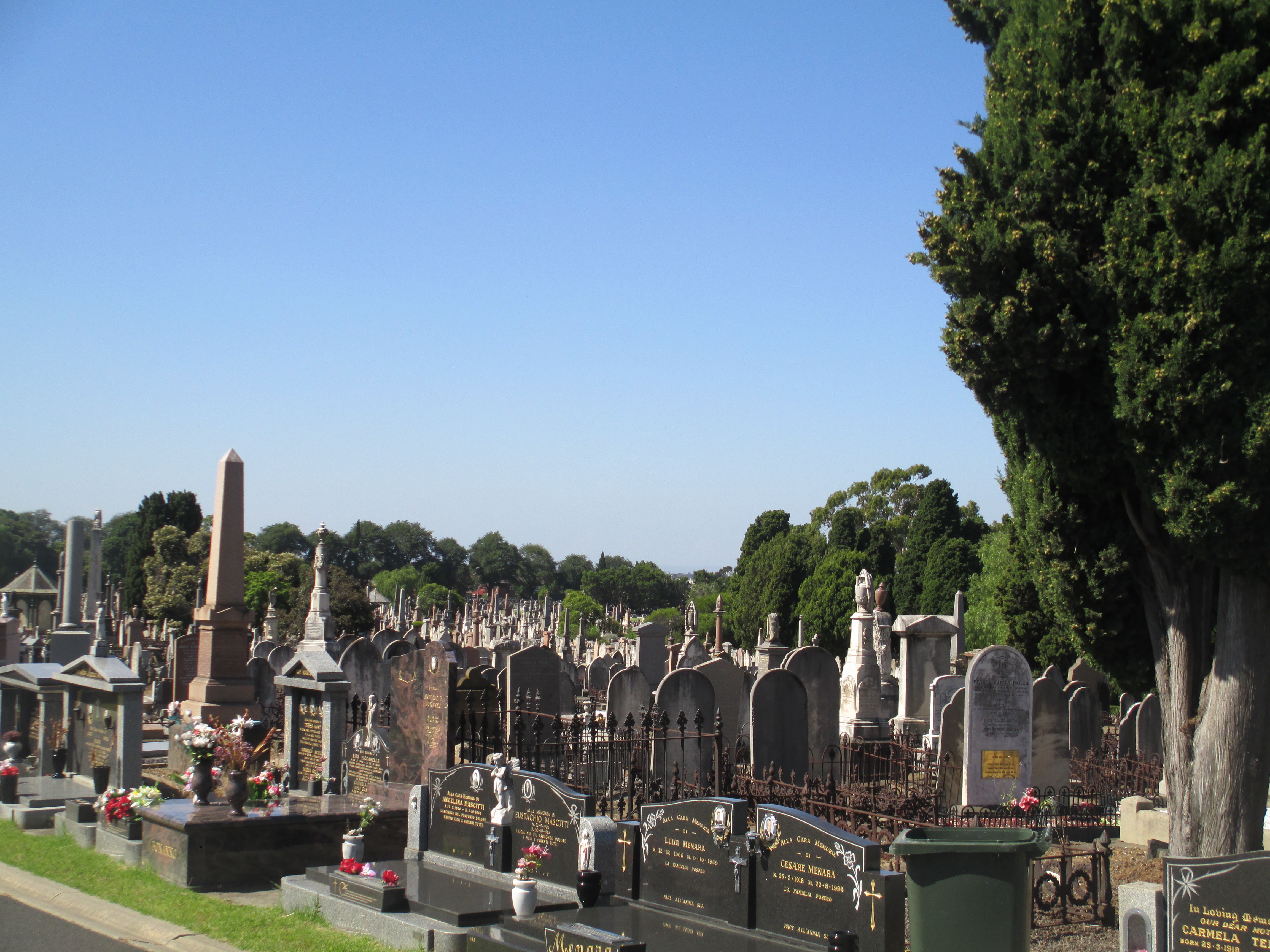
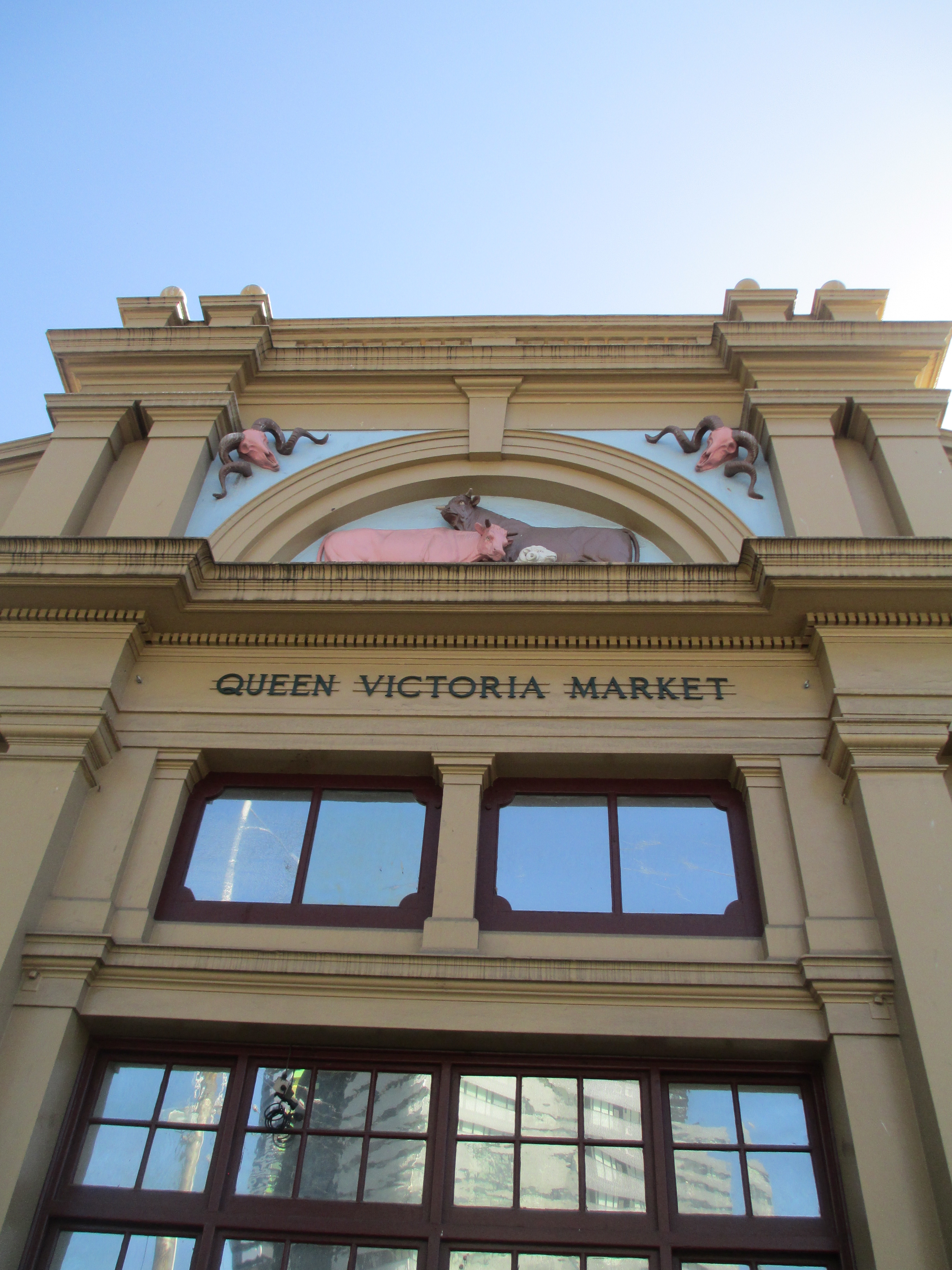
Robert Henry’s is not the only grave that is unmarked in the cemetery because, while the records of those buried survive not all the headstones do. Robert Henry is only one of the approximately 300 000 people buried in the Cemetery since 1853 and their graves can be seen covering a staggering 106 acres. The Cemetery is truly vast. Some burials date even earlier than 1853 though, as a portion of the burials removed from the Old Melbourne Cemetery were re-interred in the Melbourne General Cemetery. The Old Melbourne Cemetery is an interesting story in itself because it stood on the land that now houses the Queen Victoria Market.
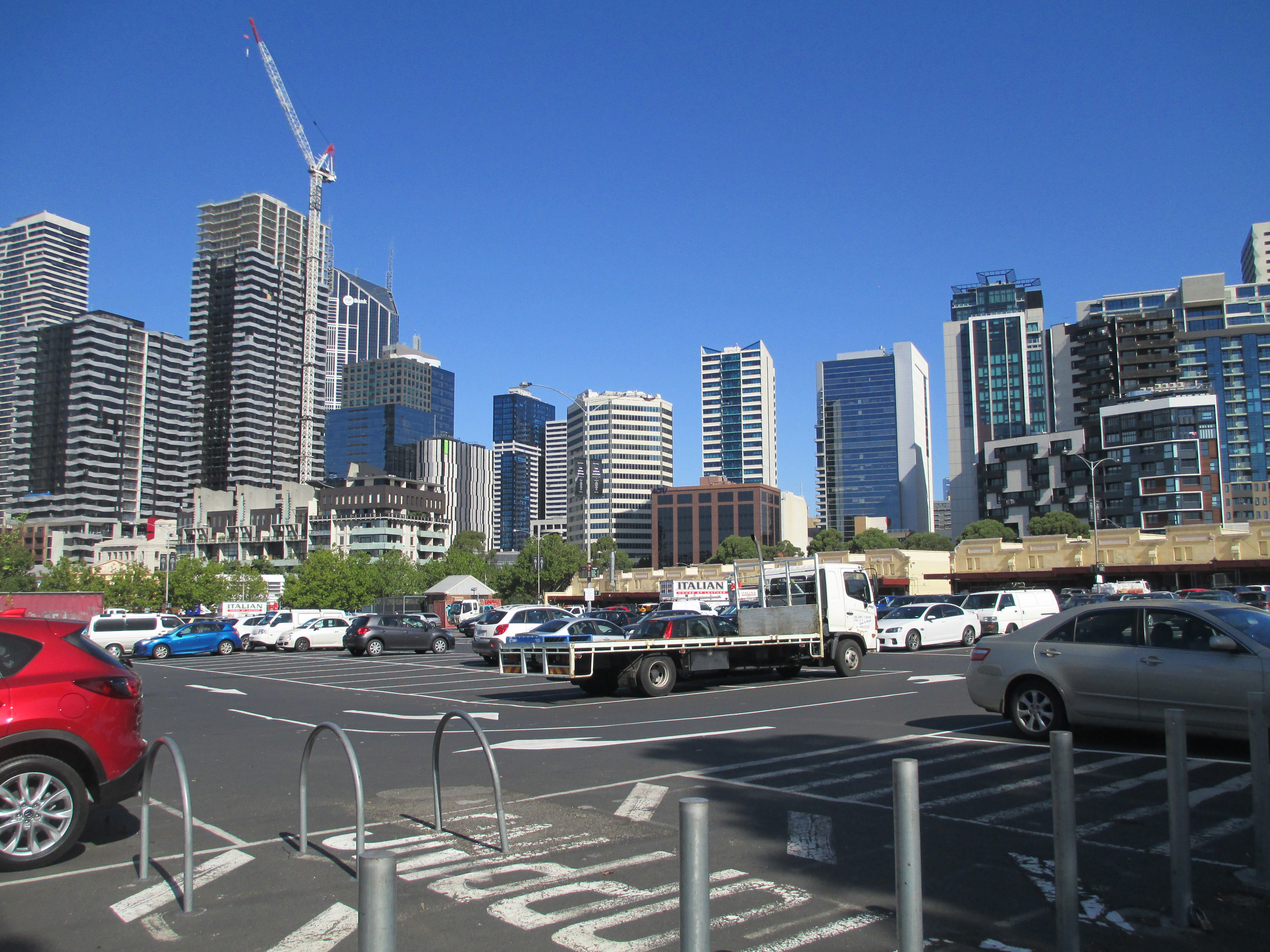
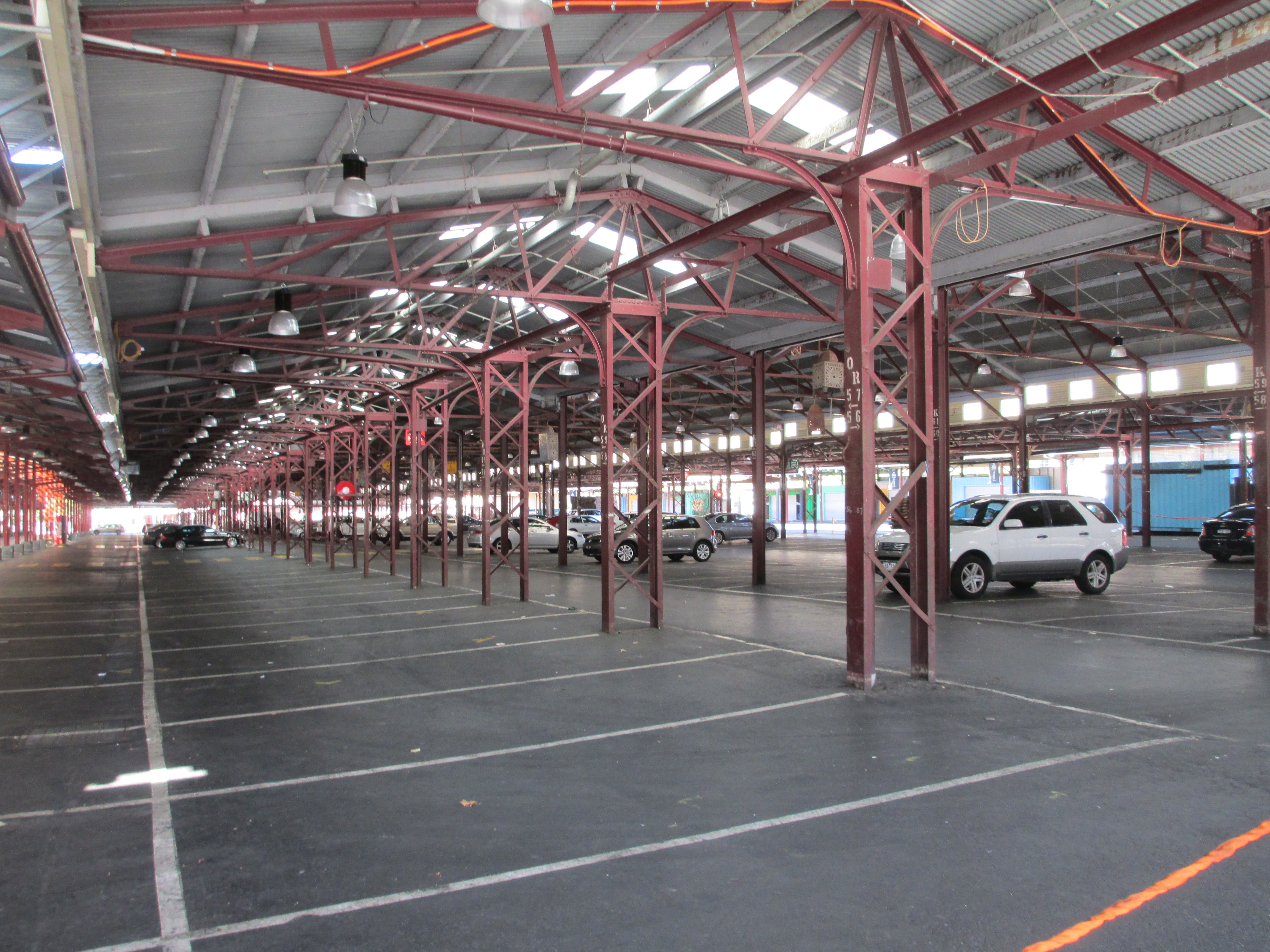
The Old Melbourne Cemetery was closed in the 1850s and many of the red gum headstones were stolen for firewood. An estimated 10 000 people were buried there, including many indigenous burials and John Batman the ‘founder’ of Melbourne. When the Queen Victoria Market expanded in 1917, 914 bodies were re-interred in other cemeteries including the Melbourne General Cemetery. However there are still thousands of bodies beneath the Queen Victoria Market and its car park today. The market does not have a multi story car park because, due to all the bodies buried there, you can’t go underground. Unfortunately there is no record of those interred in the Old Melbourne Cemetery as the official records were destroyed during a fire in the Melbourne Town Hall. The only sign of the thousands still beneath the earth is a memorial to John Batman, in the car park, and a memorial called Passage, dedicated to those still buried beneath the market and its car park. Passage
Many of the burials in The Melbourne General Cemetery have interesting origins as well. The cemetery itself is quite varied. As you can see below it is divided into a number of sections.
The Cemetery was also designed specially like a public park with winding roads, separate religious rotundas and a large number of evergreen trees and shrubs.
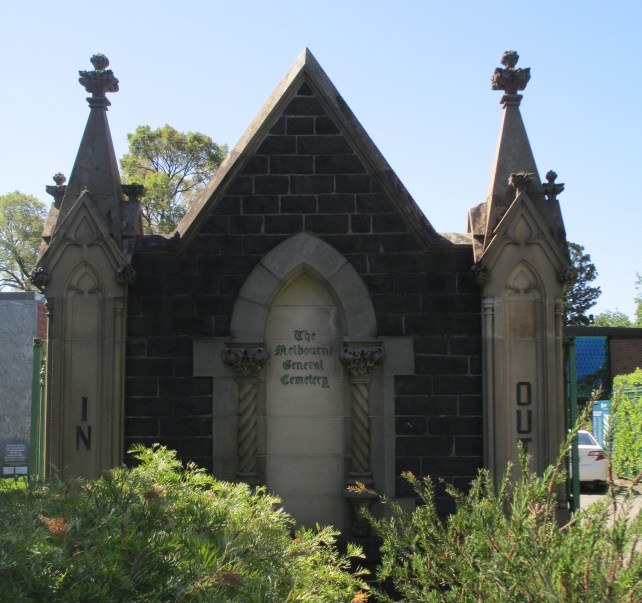
There are a number of buildings on site as well, including the heritage listed gatehouse that was rebuilt in the 1930s. The oldest building is the Jewish Chapel which dates to 1854.
.
The Gatehouse.
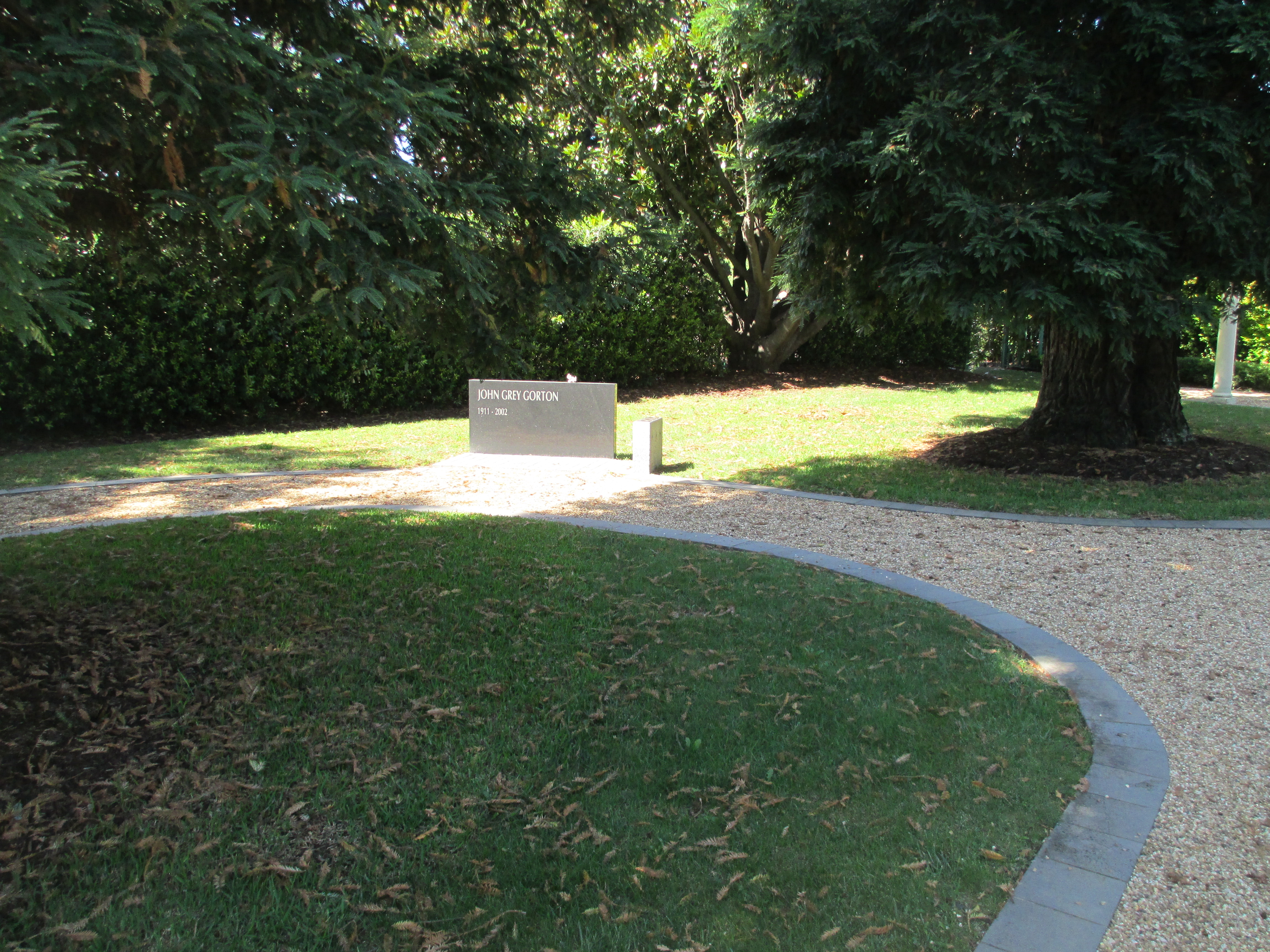
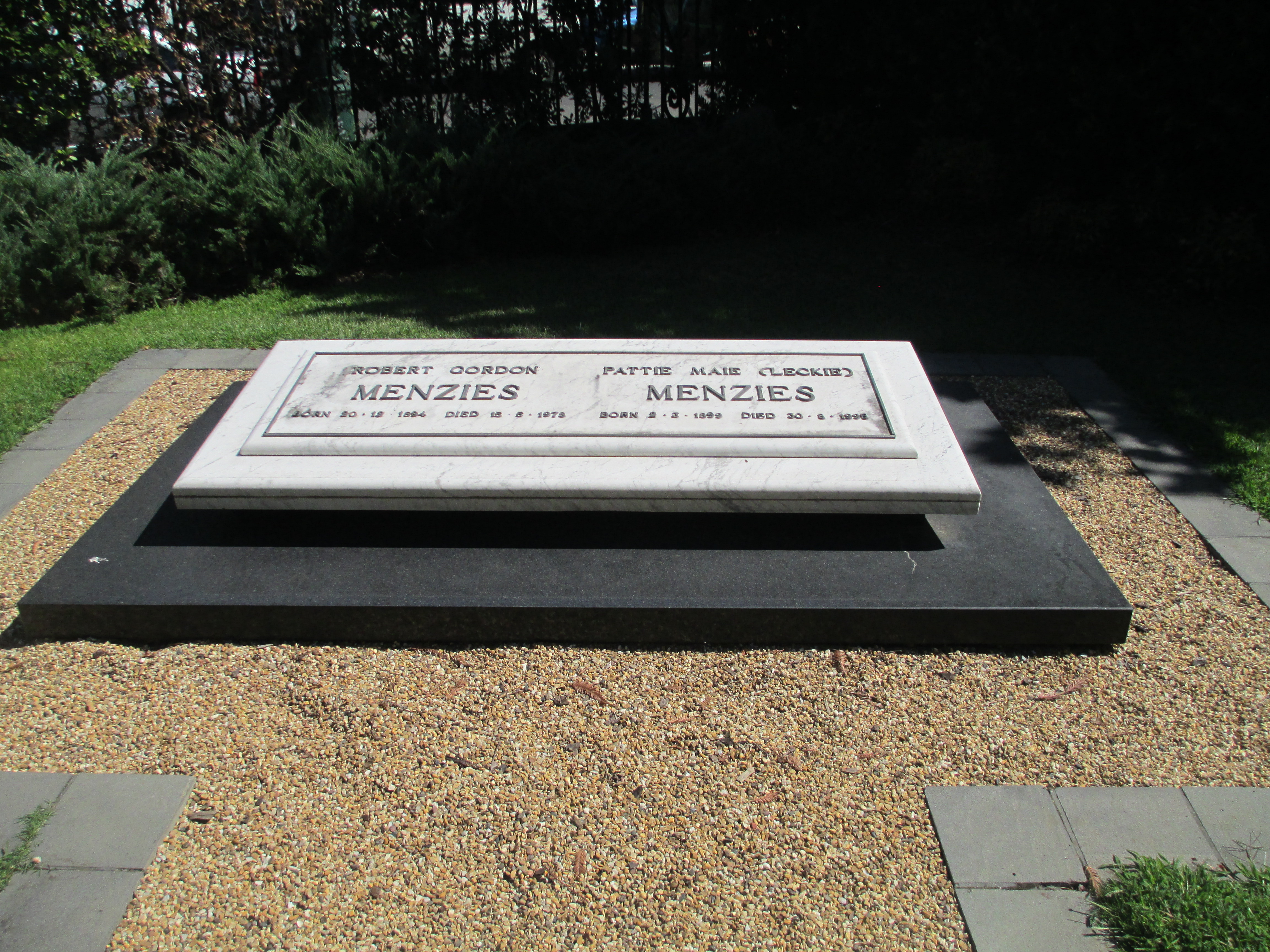
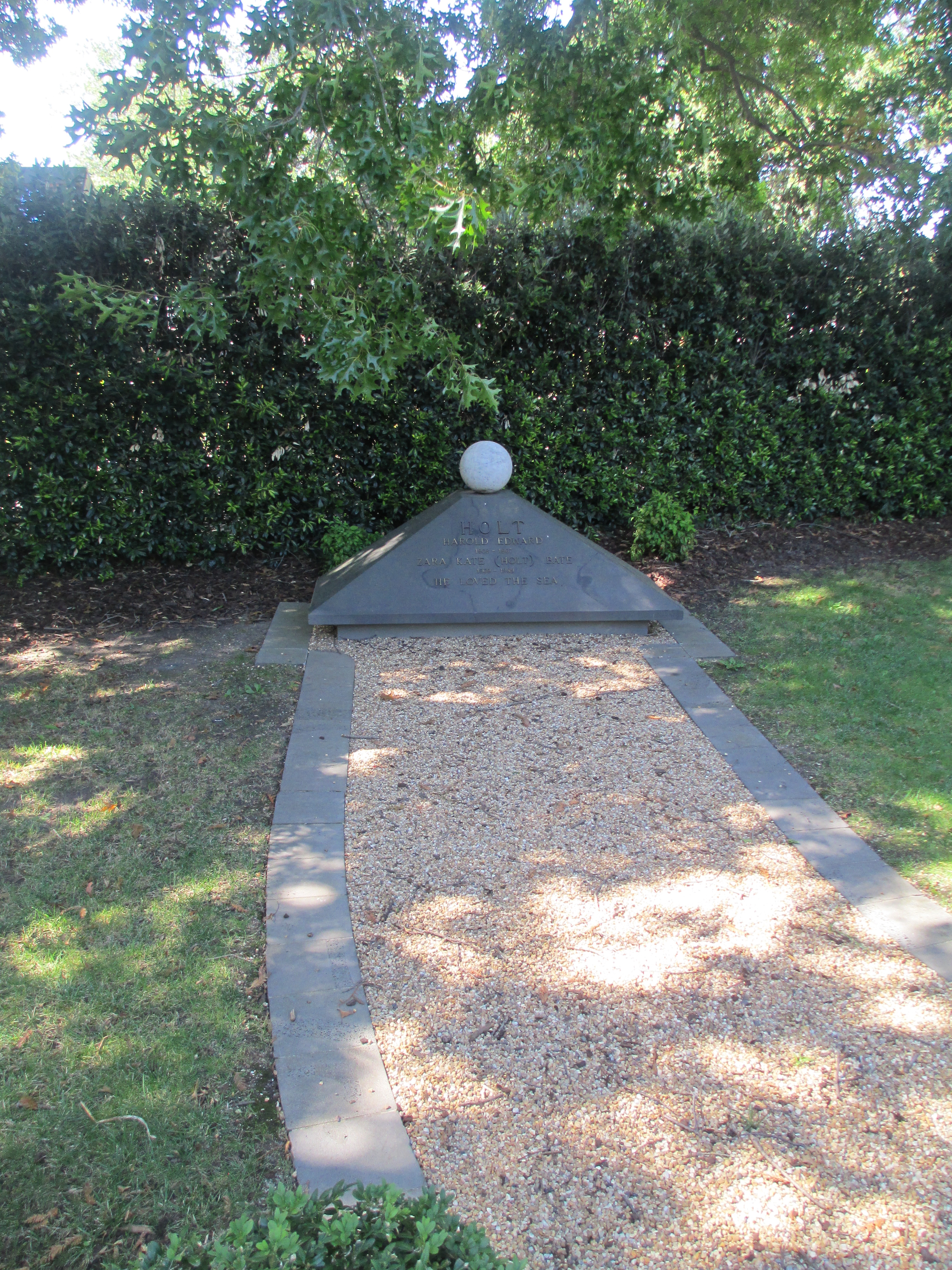
There are also a number of significant people buried there. Including several Prime Ministers.
This is a memorial wall to Australia’s Prime Ministers, not everyone listed in dead.
There are some very interesting individual memorials as well. Including the monument below which is dedicated to indigenous man Derrimut whose timely action saved early settlers from a massacre.
Other memorial monuments include:
A memorial dedicated to Elvis.
A memorial dedicated to Burke and Wills and their expedition force.
And a memorial dedicated to Hungarian Freedom Fighters.
There is also a wide range of funerary monuments such as:
Unmarked graves.
Whole families in one place.
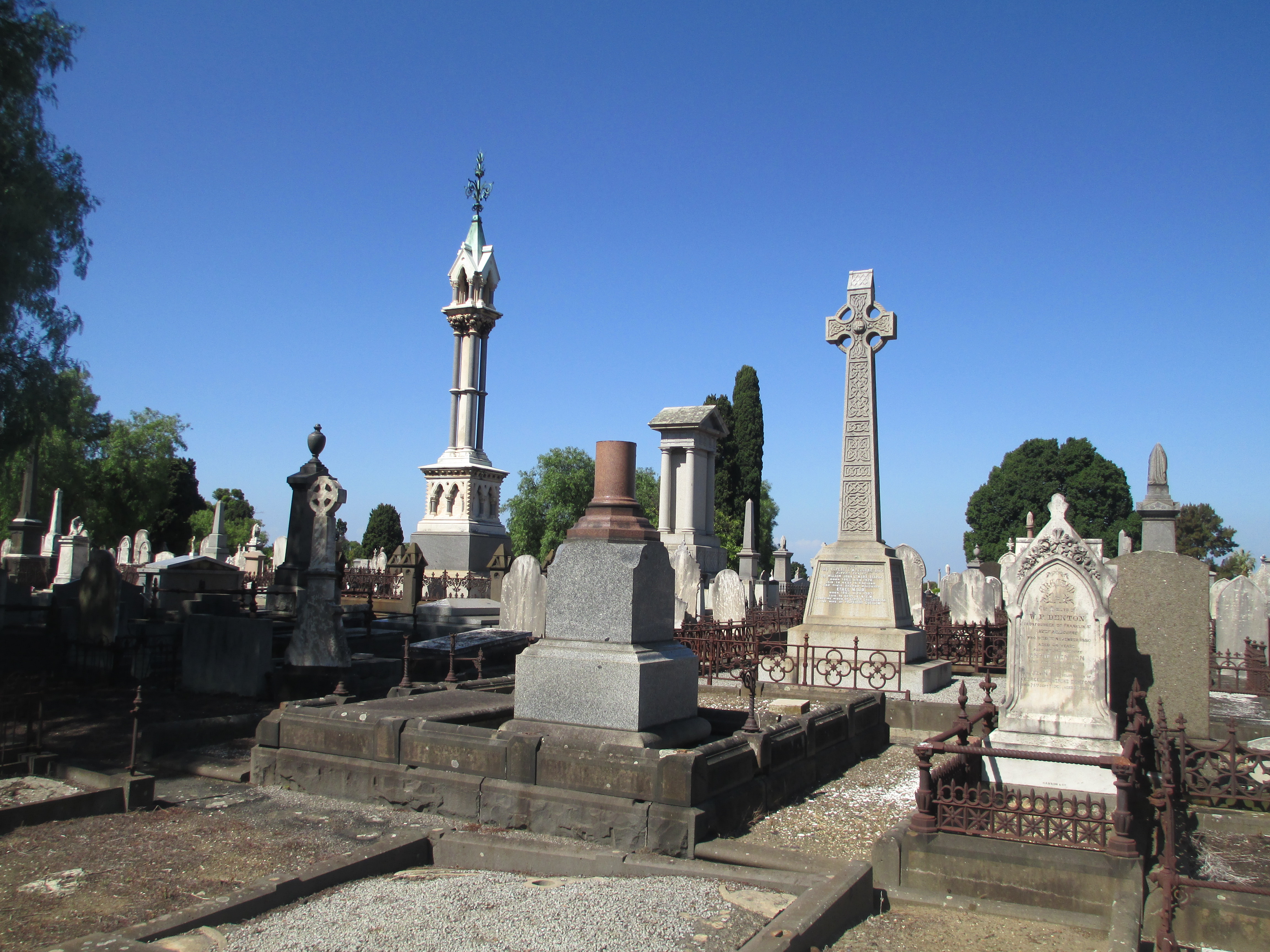
Decorative towers.
Small buildings.
Towering plinths.
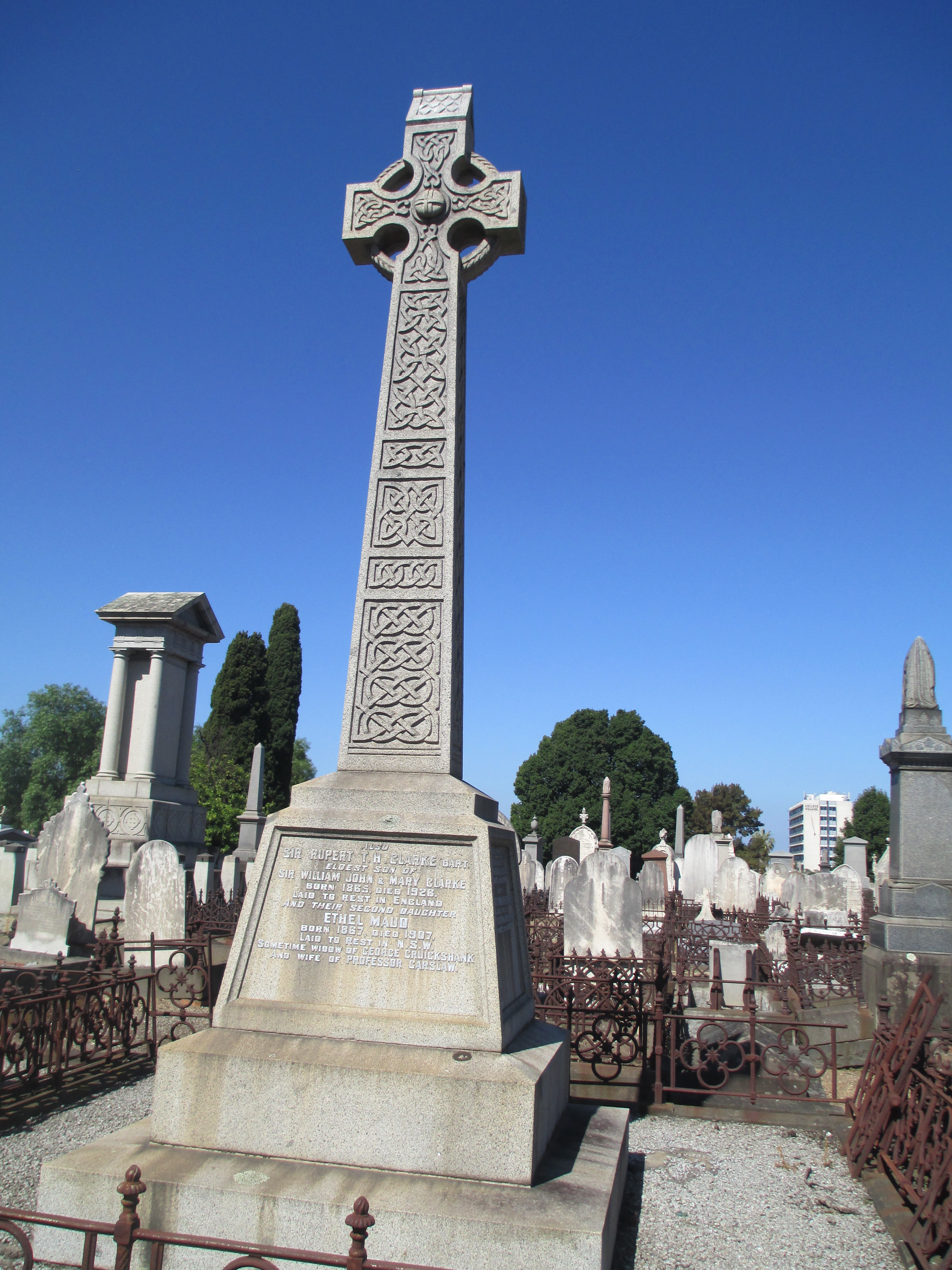
High Crosses.
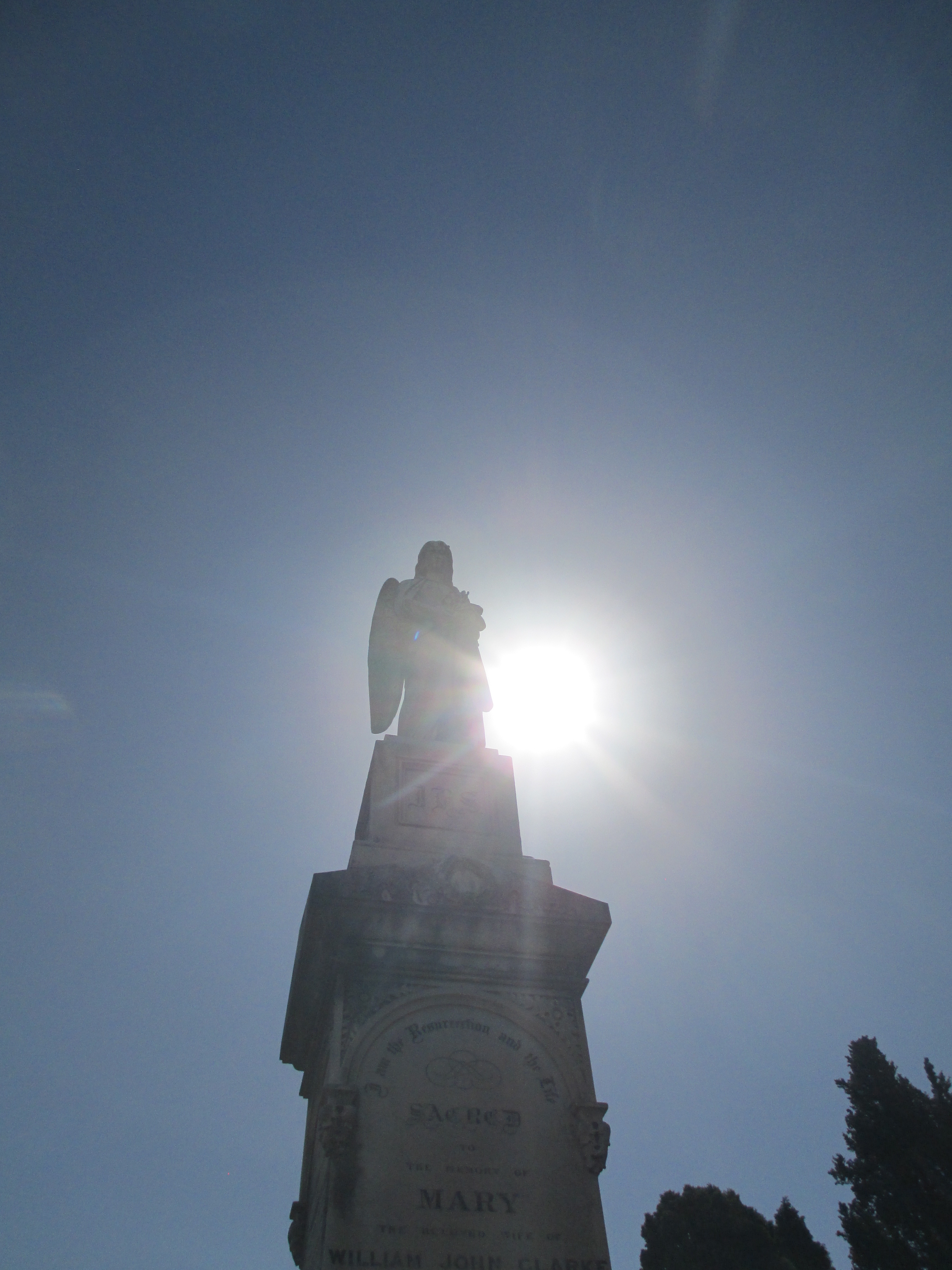
Angels and angel like figures.
Simple grave stones.
Modern mortuary chapels.
And plaques in the rose garden.
The Melbourne General Cemetery is a fascinating, if overwhelming and slightly haphazard, look into Melbourne’s past. It is also a working cemetery so it will continue to be part of Melbourne’s heritage in years to come. It is well worth visiting not only as a place with a fascinating history, but also somewhere that is surprisingly beautiful and very peaceful.
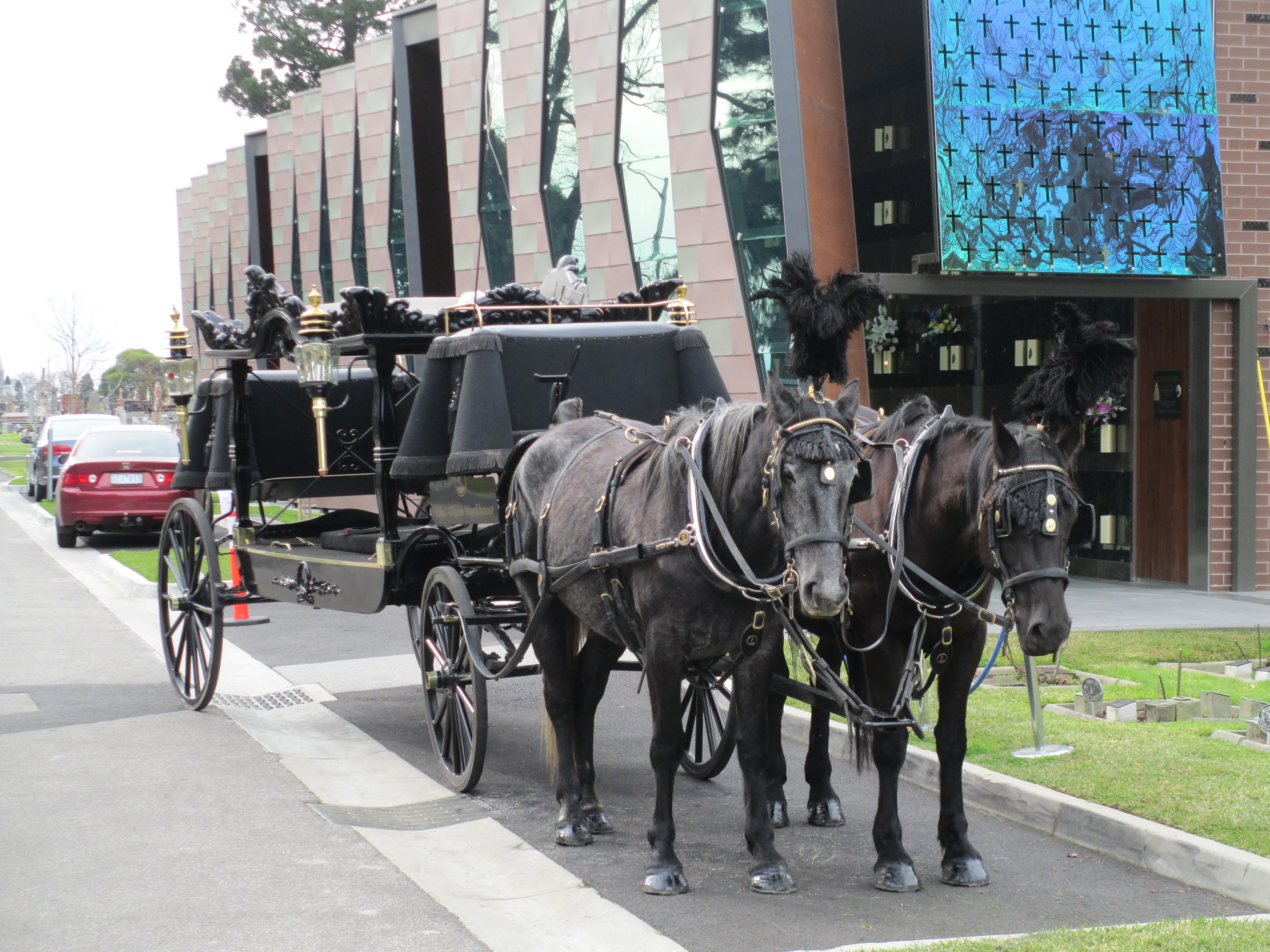
Also if you make it there during Melbourne Open House, you might get to see the vintage hearse.
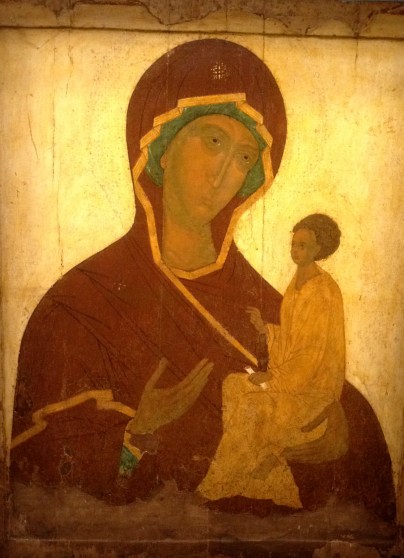
Religious icons are something that I have come across over the years and have always liked, but they’ve never been something I’ve known much about. This changed when I saw the truly outstanding exhibit of a selection of orthodox Christian icons at the Ballarat Art Gallery.
Mother of God Tikhvinskaya. circa 1560.
Icons were never intended to be accurate representations of the people they are depicting, nor were they ever designed to be venerated in and of themselves. They were intended to be a point of communication. Icons were windows to heaven.
They developed over centuries as Christianity evolved. Geographically icons usually originate primarily in Byzantium, Russia, Greece and surrounding areas. These are the centres of orthodox christianity. They became the provence of orthodox Christianity when it split with western Christianity following the Great Schism of 1054. This was the parting of the ways of east and west when a representative of the pope and the Patriarch of Constantinople excommunicated each other. Icons also survived, in one form or another, several iconoclastic regimes.
I’m going to briefly consider a handful of the icons that are on display at the Ballarat Art Gallery. Essentially I’ve chosen the ones I liked the most and which I think are most interesting.
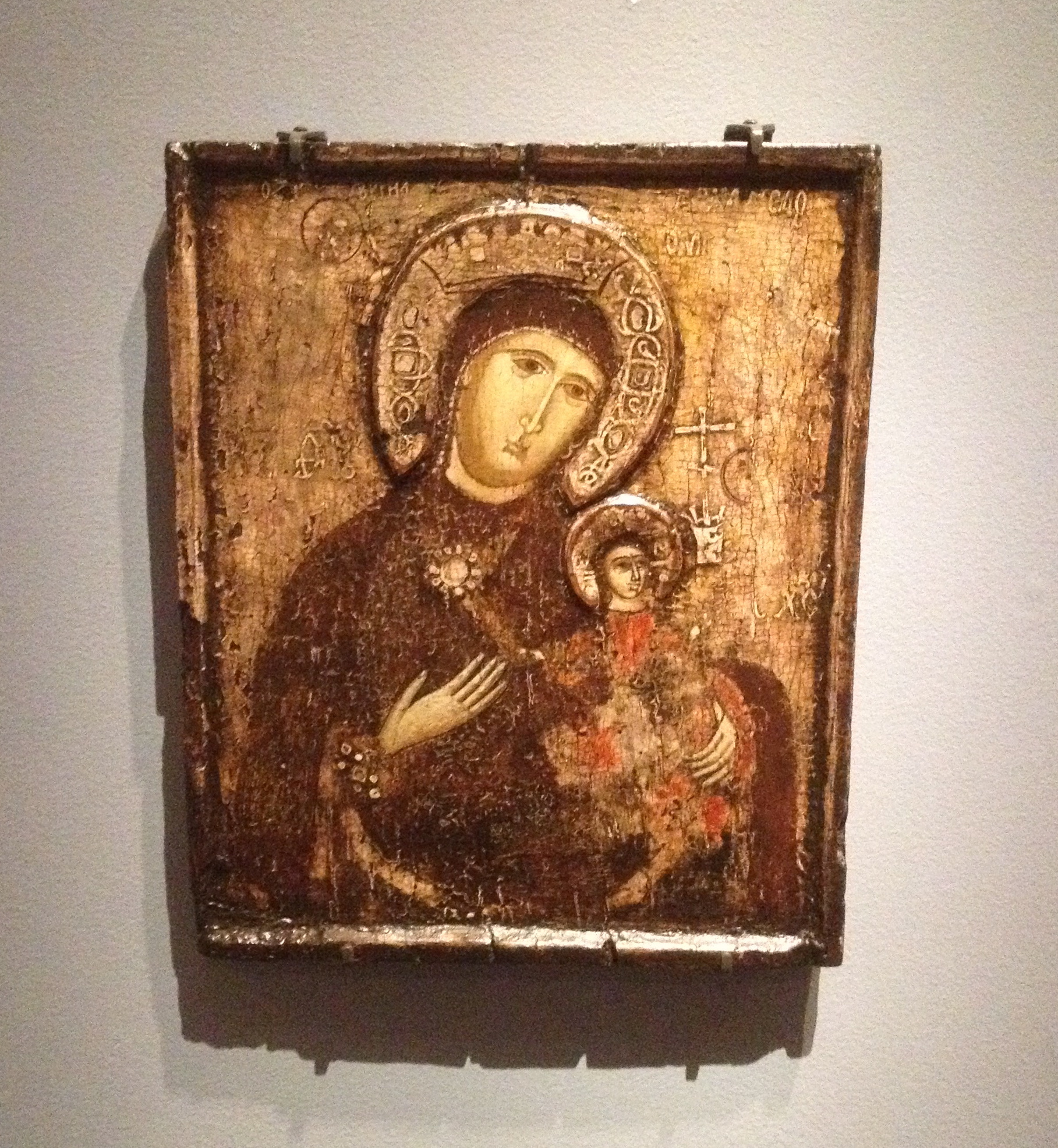
Mother of the God of the Passion c. 1300
This is one of the earliest icons in the exhibit and you can really see the difference in the styles when compared with later icons. The images are more stylised and less realistic. It is known as the God of the Passion because Jesus can be seen gazing backwards at what would have been a jar containing the unguents used at Jesus’ burial, the nails from the cross and an image of the cross itself, the outline can still be seen. So Jesus is literally gazing at the instruments of His Passion. This icon is an early example of this particular type. A later and better known example is the Lady of Perpetual Succour.
Saint George and the Dragon c. 1700
This is a slightly naive version of the St George and the Dragon, but all the elements are there. The princess can be seem standing off to the right and her parents watch her rescue from the balcony. This is not a work intended for great palaces, it was created in a workshop that makes no pretence of particular finesse. However I think it is actually one of the most dynamic of the icons, it was certainly one of the ones that drew me in immediately and it has an almost undefinable presence.
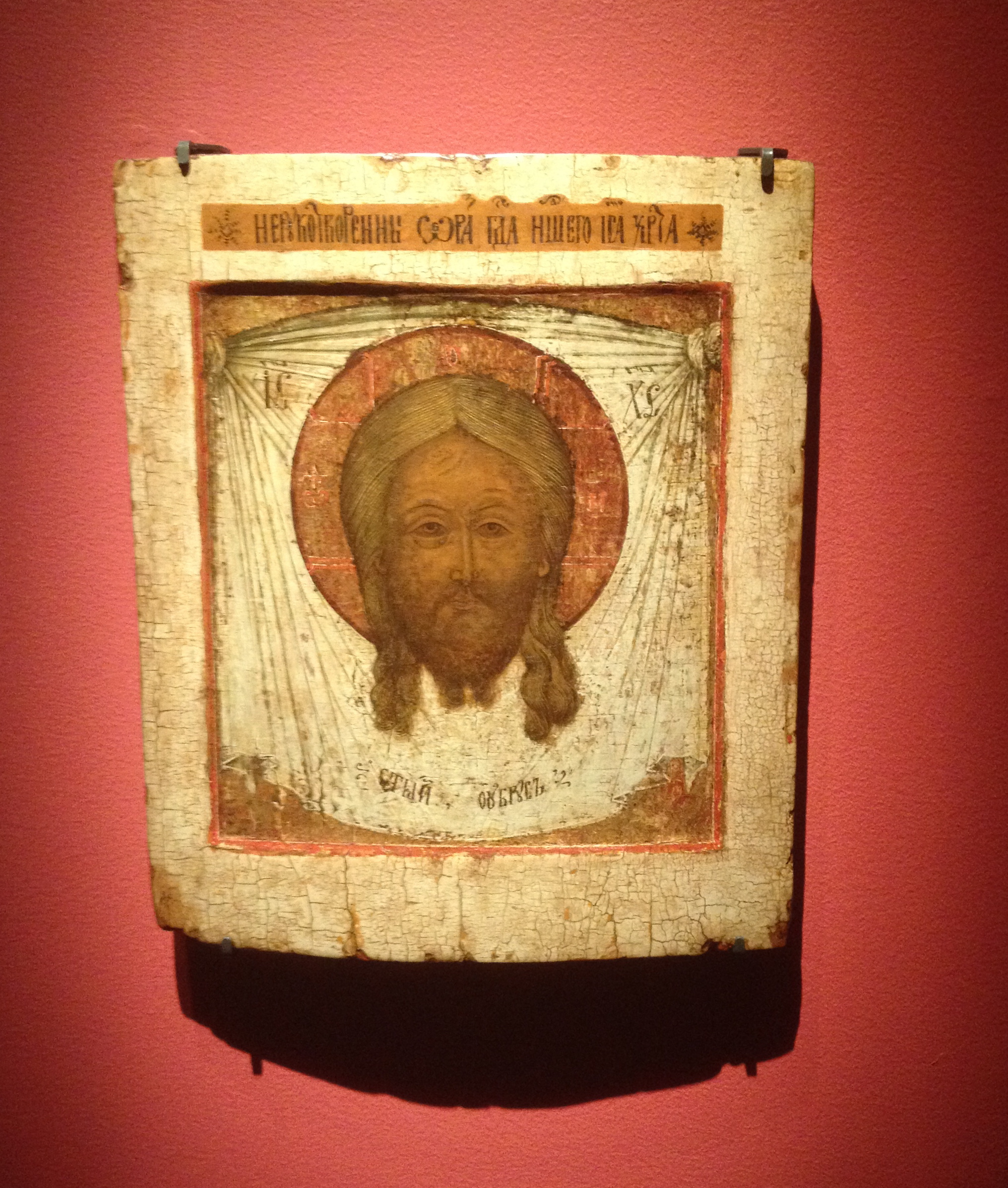
The Image not made by Human Hands: also known as the Mandylion or the Holy Face of Edessa.
This icon is a much later version of what can be considered the icon of icons. It is the impression of the facial features of Christ which He is said to have made in His last days. The original Mandylion had been in Muslim hands since 638 but the Byzantines recovered it when they besieged Edessa in 944. It stayed in Constantinople until the western christians took the city during the fourth crusade of 1204. By then however it had been copied and disseminated all over the orthodox world.
Mother of God c. 1600
This is a work of high quality and the fact that she is alone and looking down suggests that it might be one of a triptych. The sorrow on her face is truly compelling and you can see how much more detailed and realistic it is than the earlier Mother of the God of the Passion.
Saint Nicholas the Wonderworker 16th century
This is a depiction of Saint Nicholas who was one of Russia’s most beloved saints. He was bishop of Myra in Asia and was known for being the friend of the common people and showing generosity and compassion towards the poor. He was the patron of many cities and trades in Russia and is the orgin of our modern Santa Claus.
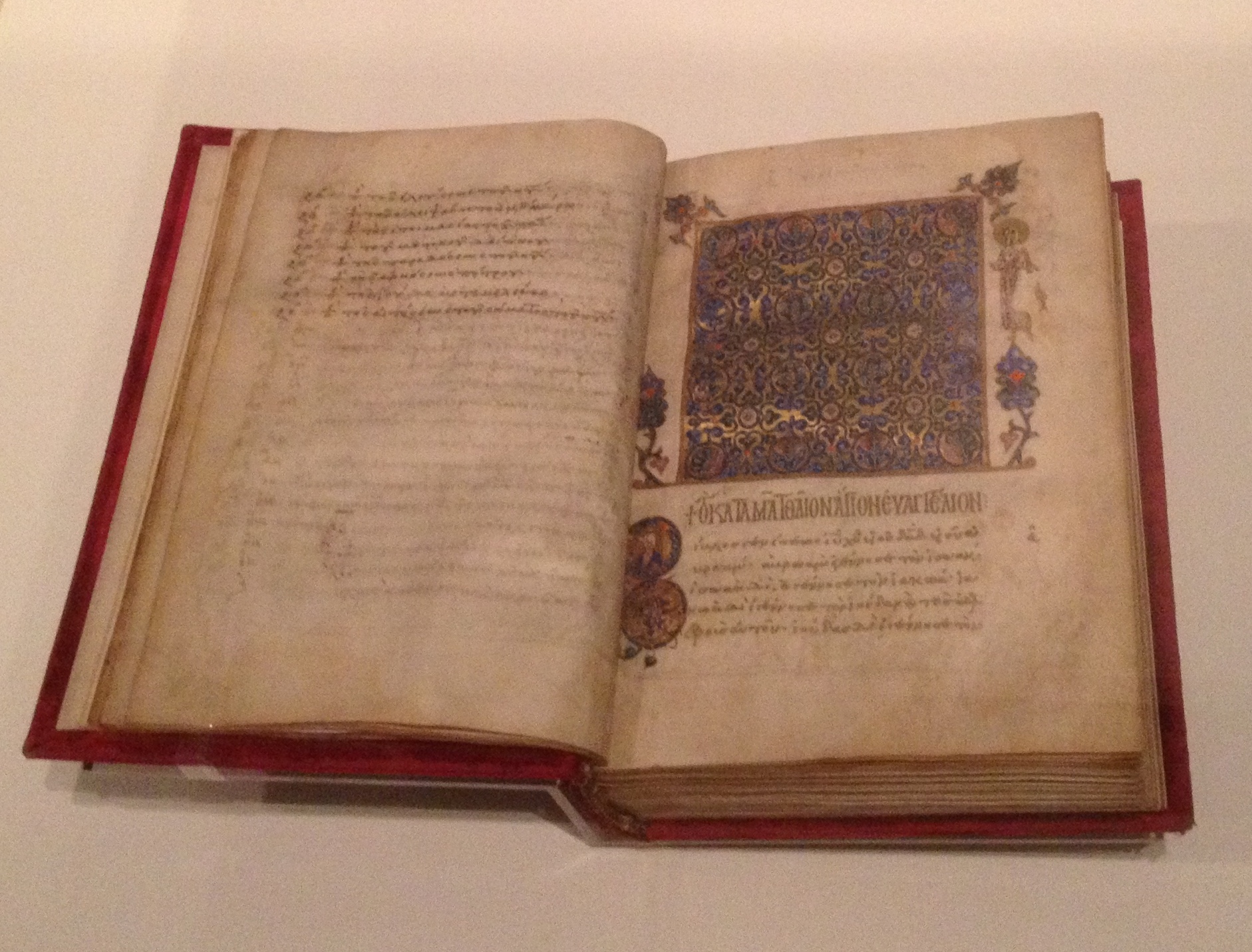
The Gospel book of Theophanes c. 1125-1150
As you can see this is not an icon, but I am passionate about illuminated manuscripts and it is part of the exhibit so I thought it was worth including. It is one of the more significant works from its time and the illumination is typical of Byzantium of this period when it was enjoying a cultural and political revival. The page that is open is beginning of the gospel of Mathew.
I wanted to conclude with a brief discussion of how these icons were made. The majority in the exhibit are wooden panels with egg tempura and linen.
It was a specific process.
1. Have a prepared wooden panel, good quality timber of reasonable hardness. Olive or cyprus for example.
2. Apply a coat of egg tempura, which was egg yolk mixed with powered mineral and plant derived pigments which might have been thinned with some kind of alcoholic spirit.
3. Sand down the panel.
4. Apply gesso, a mixture of powered calcium carbonate and animal skin glue. Each layer of gesso was sanded back.
5. In some cases a layer of linen was then applied and covered in gesso. This created a stronger panel.
6. In some cases the panel was then braced along the back
7. In many cases gold leaf was then applied. However the surface needed to be totally smooth so a fine grained clay called bole had to be applied first. The bole influences how we see the colour of the gold leaf, but we are not aware of it.
8. Apply the pigments themselves. These were created from things like malachite, lapis lazuli and cinnabar which create vivid colours. The preparation process could be toxic and when semi precious stones, such as lapis lazuli, were used they would be very expensive.
This was the process that produced many of the icons in the exhibit. In the photo below you can see some of the layers, and you can actually see the linen. It is the bottom of the Mother of God Tikhvinskaya from the beginning of the post.
All the information for this post came from the Art Gallery of Ballarat exhibition. If you are in Australia it is well worth visiting. It’s open until the 26th of January and more details can be found here at http://artgalleryofballarat.com.au/exhibitions-and-events/exhibitions/eikon-icons-of-the-orthodox-christian-world.aspx
There is also full text of the information regarding the icons at
Point Nepean: the end of the Mornington Peninsula, one of the ‘heads’ of Port Phillip Bay, a national park, the site of a disappearance of an Australian Prime Minister, a series of army forts, a former army training area and the site of the first shot fired by the British Empire in WWI.
For those who haven’t been there Point Nepean is about an hour and a half’s drive from Melbourne Australia. It is is one of the few places where you can stand on a spit of land with the ocean on one side and the bay on the other. It is also the place that claimed one of Australia’s Prime Ministers. Harold Holt went swimming at Cheviot beach, see the photos below, in December 1967. He never returned. He was officially pronounced dead on the 19th of December. There have been many theories over the years, ranging from a Japanese submarine to sharks. The last is actually a possibility. I think he just drowned. It is a very unsafe swimming beach with unpredictable currents and frequently a number of rips.
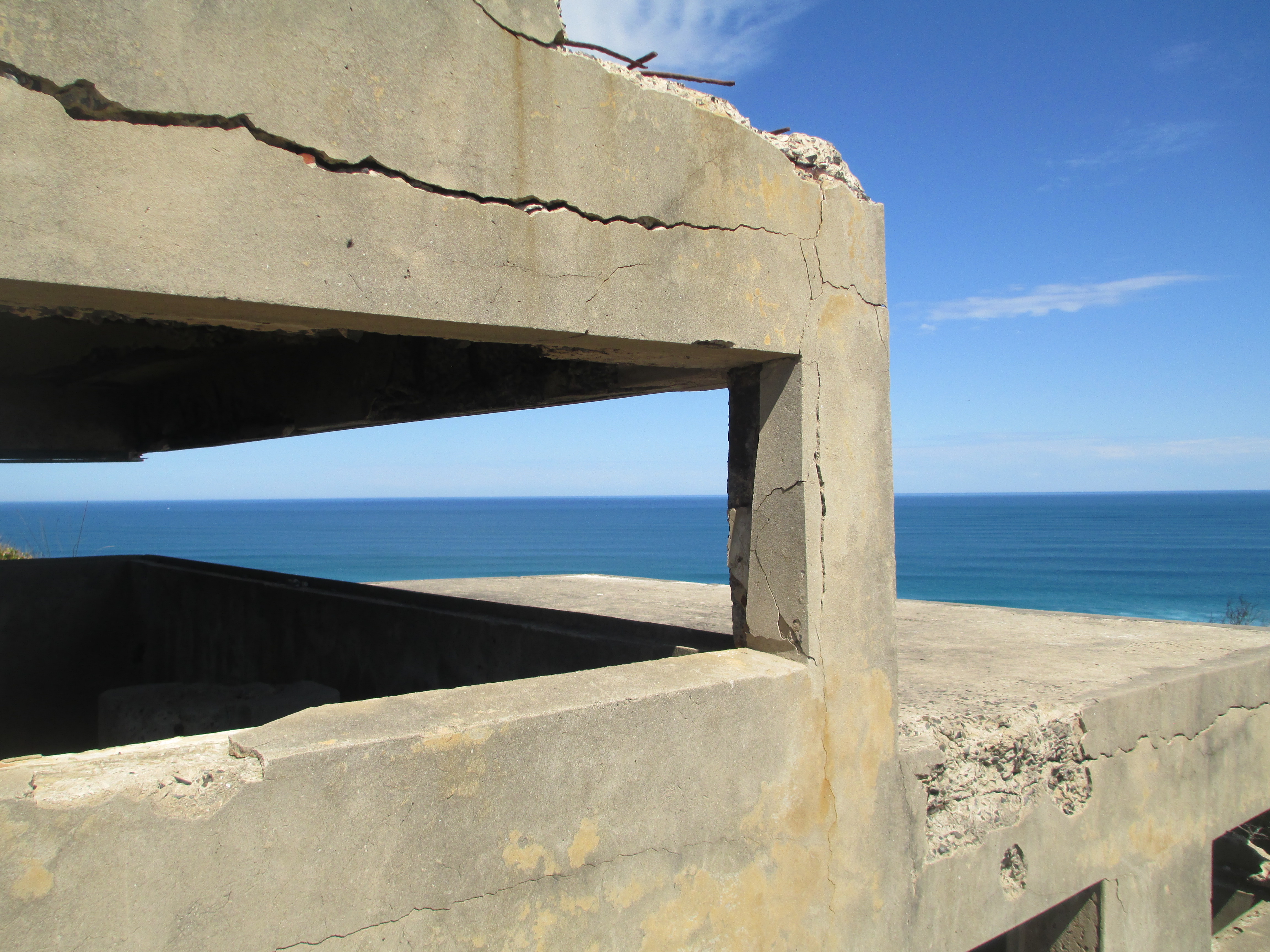
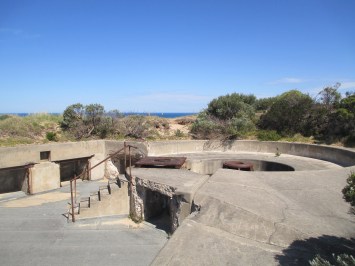
There are also several of army forts along the length of Point Nepean, from WWI and WWII, such as the Cheviot Beach fortifications, Fort Pearce and the Eagle’s Nest. All of which can be seen in the photos below.
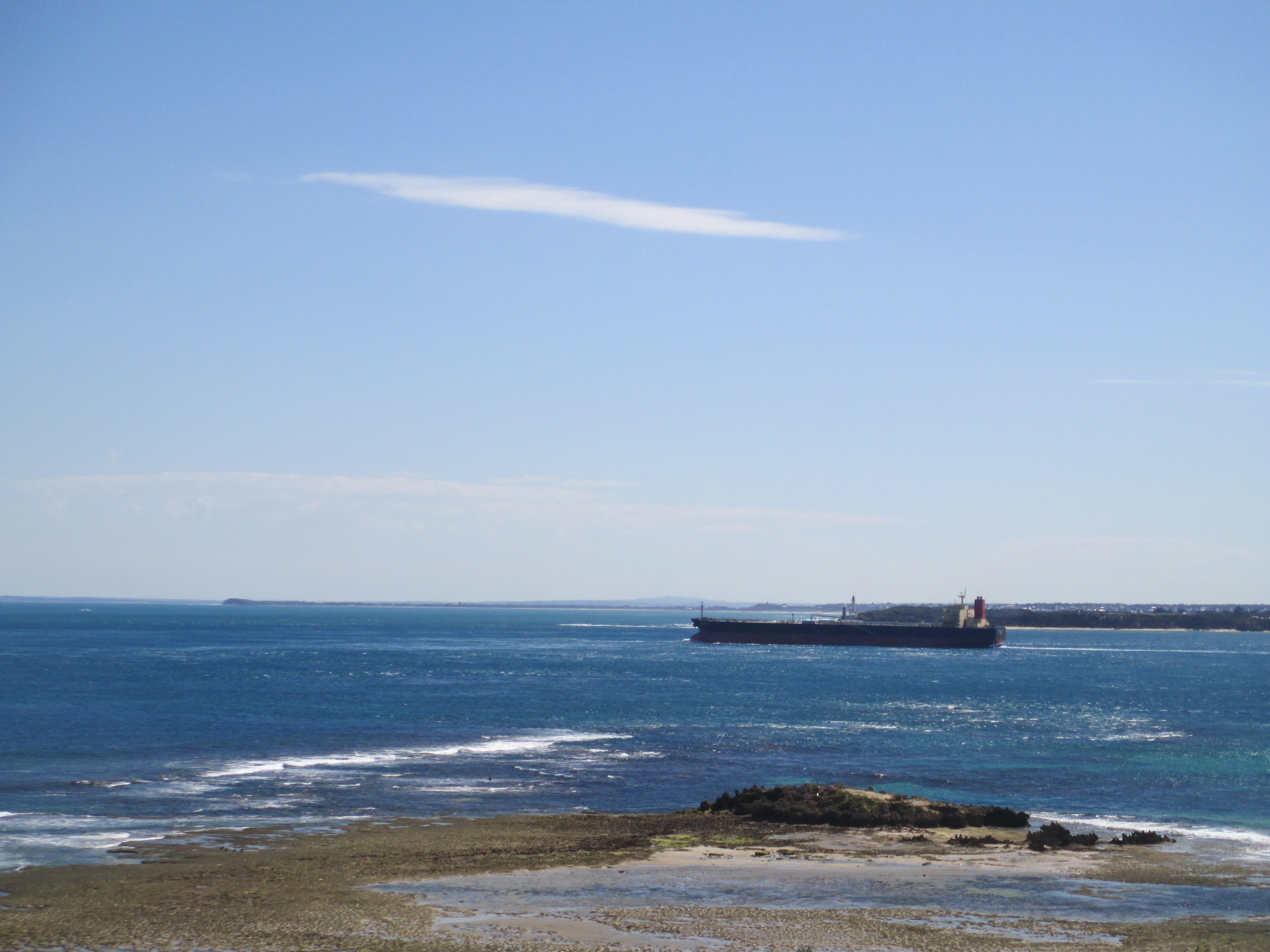
Point Nepean is probably best known for the role it played in WWI. WWI was declared at 11pm on the 4th of August 1914 in Britain (9am of the 5th Australian time). A German cargo steamer the SS Pflaz, having anticipated a declaration of war, was trying to get clear of the heads of Port Phillip Bay and find a neutral port in South America.
Signal flags were raised at Fort Nepean, at the very end of Point Nepean, and Queenscliff ordering the SS Pflaz to stop. There was no response and a ‘heave to’ shot was fired from the gun emplacement at Fort Nepean. Eventually the SS Pflaz returned to the harbour under armed guard. This shot was the first shot fired in WWI by the British empire. This was the only shot fired in anger from Australian territory in WWI
Incidentally Fort Nepean also fired the first Australian shot from WWII on the 4th of September 1939. The SS Woiniora failed to identify itself as it came through the heads. Once the correct code was signalled the ship was allowed to continue on its way. The remains of the gun below are in the position the shot was fired from and the other photo is the view from the gun emplacement.
Point Nepean also served as a quarantine station from the 1850s until 1952 when it was taken over by army cadets, with the proviso that it would be vacated if it was needed again for quarantine. Many immigrants were quarantined there from passengers, steerage and first class, from the 1850s all the way through to assisted immigrants in the early 1950s who were kept there while their belongings were fumigated against foot and mouth disease.
1912 saw the largest intake of the quarantine station with 1291 from the ship, the Irishman. They were mainly agricultural labourers. The photos below are some of the quarantine buildings. The final photo is the view along the balcony of one of the hospital buildings.
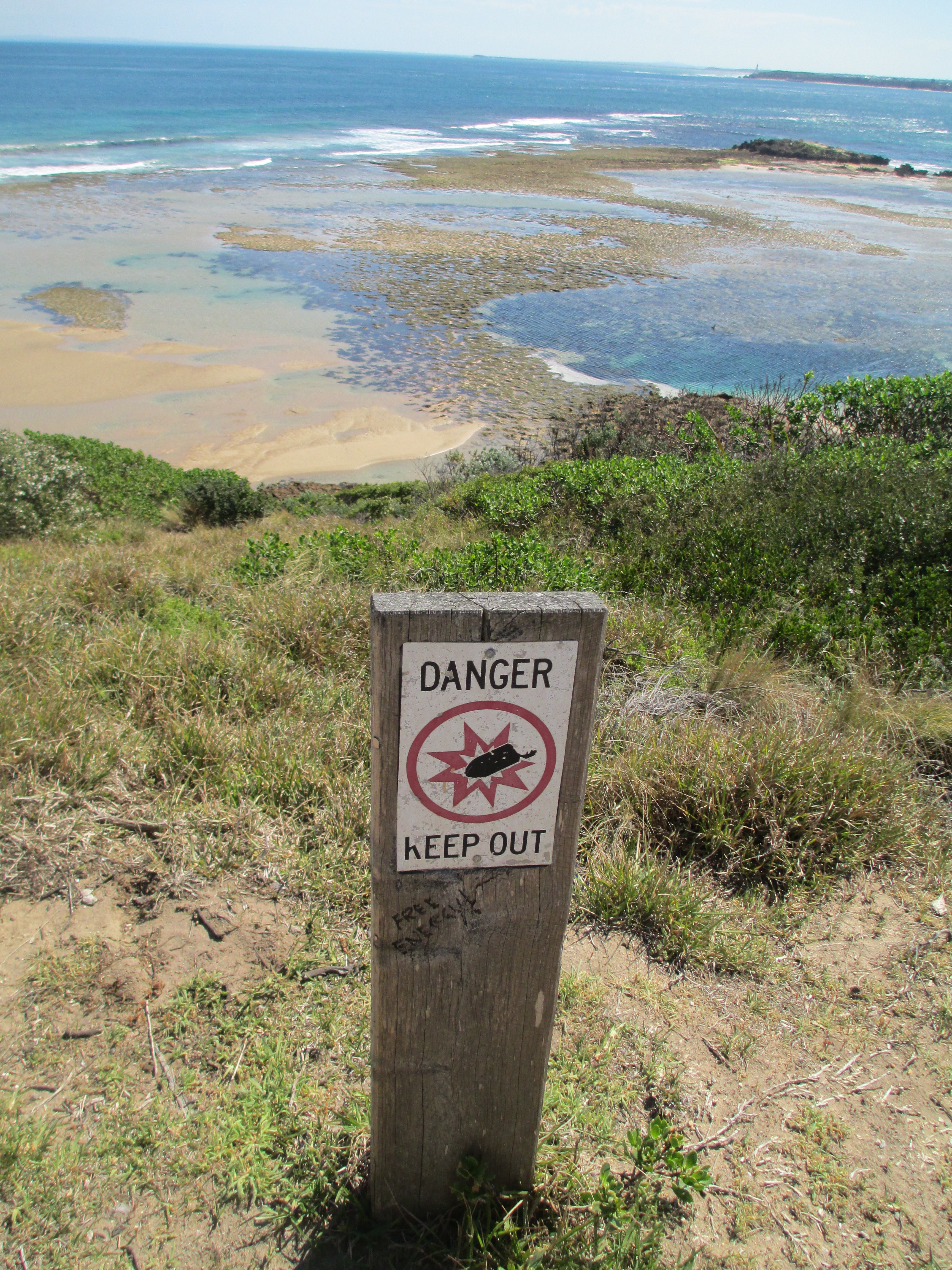
Also Point Nepean has been in use as an army base of some form for centuries and there are many of the beaches you still can’t walk on because of unexploded ordinances.
Point Nepean is a truly beautiful piece of land as well as a fascinating peace of history. If you get the chance to go there, it’s worth it. It is quite lovely and for the moment very unspoiled.
Melbourne Australia is my home city and I’ve always felt that many of its more interesting buildings are undervalued by residents. Parliament House is one of these and one of my favourites. While most Melbournians could tell you where it is and to some extent what goes on in there, very few have actually been inside. Melbourne is a gold rush town in many ways and Parliament House epitomises this. It is opulent to say the least.
The above photo is the central light in the library. All the gold you can see is 22 carat gold leaf. In many parts it’s double layered because the only way to mend it was to apply a second coating.
Parliament House was built in stages. It began in 1856 with the Legislative Chambers. The work was completed in an astonishing ten months in time for Victoria’s first Parliament to meet there.
There are two Chambers.
1. The Lower House: The Legislative Assembly
2. The Upper House: The Legislative Council.
Today the carpet and the decor of the majority of Parliament House is divided into green, for the Legislative Assembly, and red, for the Legislative Council. When you pass from one half of Parliament House to the other the colour scheme immediately changes.
The next stage of the building process was the library and it was completed in 1860. It joined the two Chambers together into a u shaped building. It’s probably my favourite room.
Queen’s Hall and the Vestibule were the next stages. They were finished between 1878-79. They filled in the space between the two Chambers, making the building much more like the one we are familiar with today.
Queen’s Hall was dedicated to Queen Victoria and you can see her statue there today, alongside paintings of Victoria’s Premiers.
You enter Parliament House into the Vestibule and it has two noteworthy items.
1. The pressed metal roof which was intended to be temporary. Though I think it looks pretty amazing for a temporary structure.
2. The Minton floor tiles. The inscription, which you can’t actually see in the below photo, is from Proverbs 11:14 and reads `Where no Counsel is the People Fall; but in the Multitude of Counsellors there is Safety’
The West Facade and the Colonnade were completed between 1881-1888. There was also supposed to be a 20 story dome, but unfortunately economic conditions had changed and there simply wasn’t the money. The photo below is the Colonnade.
The steps and lamps were completed in 1888-1892.
The North Wing was finished to basement level in 1893. Former Prime-Minister Billy Hughes erected a tin hut on the top of the North Wing to have somewhere to hide where the press couldn’t find him. It was known as the Billy Hughes Hideaway.
The final work on Parliament House was completed in 1929 with the building of the refreshment hall, also known as the North East Wing. It was financed with the 50,000 pounds stirling that the Federal Parliament gave to the Parliament of Victoria as a thank you gesture for being permitted to use Victoria’s Parliament House. The Federal Parliament sat in Parliament House in Victoria before Canberra was built.
Parliament House is still incomplete. Some of today’s MPs work from portable classroom like buildings out the back. They may not have the prestige of offices in Parliament House, but they do have decent air conditioning and heating, which have been fairly recent additions to Parliament House proper. They also have windows which some of the ministers who have offices in the Parliamentary basement are not able to enjoy. These buildings are affectionally known as the chook house.
Two final interesting Parliament House facts. Both from the Legislative Council.
This room retains a handful doors to nowhere from the days before the Vestibule and Queen’s Hall were built. You used to be able to walk though this door onto a walkway and then straight onto Bourke Street.
There are also a number of angels that decorate the roof of the Legislative Council. Many of them have traditional titles such as justice. There is one, however, who is uniquely Victorian. This angel is holding a cornucopia in one hand to symbolise the fertile riches of Victoria. With the other hand she is scattering gold dust. This beautifully summarises how Victoria came to be, first as a colony and then a state.